Foam Board Insulation


22 results




Installation Services
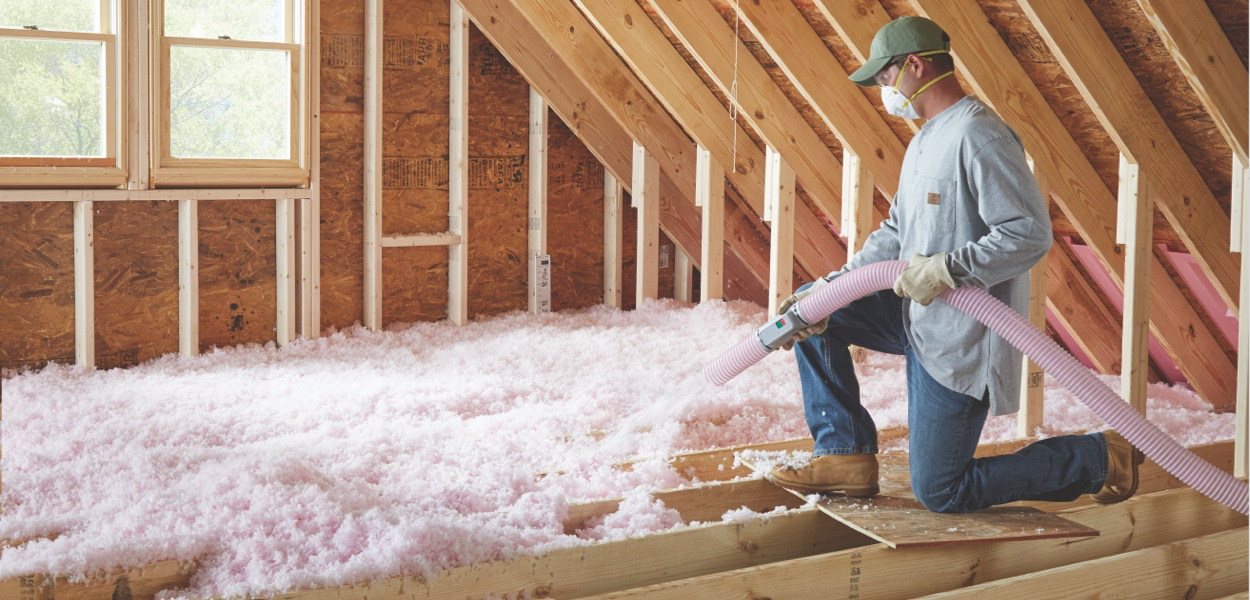
Attic Insulation Installation
Viewing 1-12 of 22
Get 10% off your purchase
Sign up for emails & save 10% on select home decor. Valid on select items.
Loading Recommendations
Questions & Answers
How different are faced and unfaced foam board insulation?
Faced foam board typically has a reflective foil or other facing on one or both sides that can act as a vapor retarder or radiant barrier, while unfaced board does not have this layer. The choice between faced and unfaced often depends on local building codes and the specific requirements of your project regarding moisture control. We carry both faced and unfaced.
How do I install foam board insulation?
Foam board installation is straightforward. First, prepare the surface by cleaning and leveling it. Next, use a utility knife to cut the foam board to the desired size. Finally, adhere the insulation panels to the surface with construction adhesive or mechanical fasteners.
Where should I install foam board insulation?
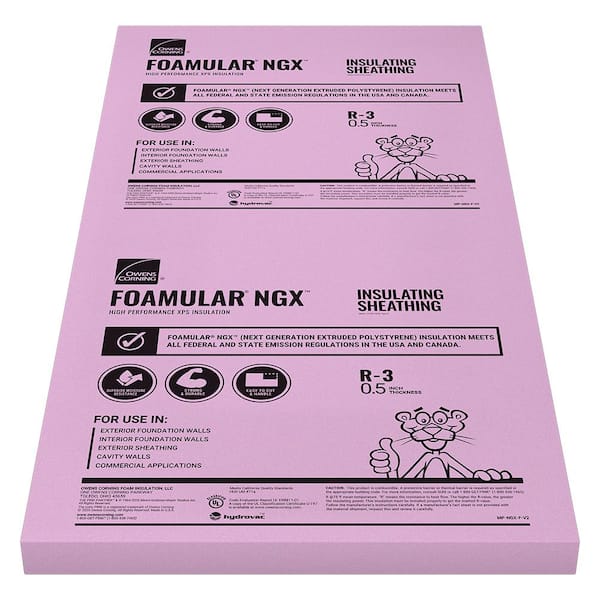
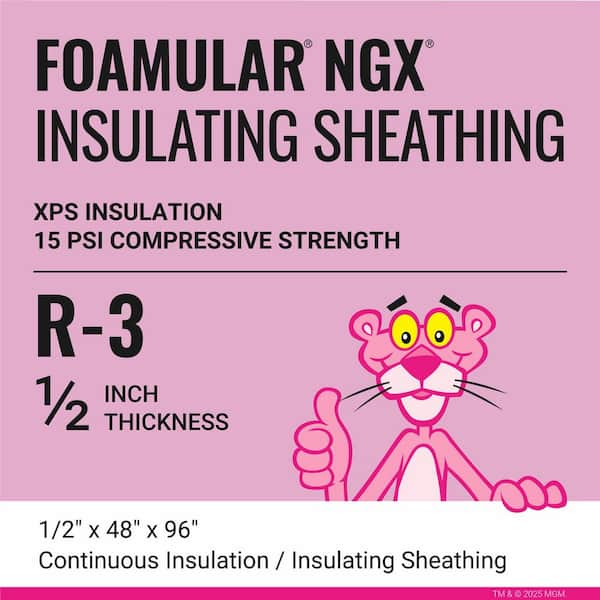
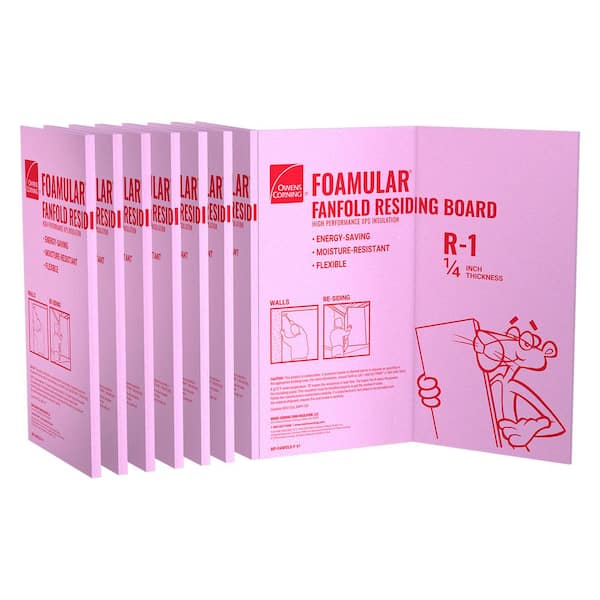
Foam board insulation can be used in many parts of your home to improve comfort and energy efficiency. It works great for areas like exterior wall foundation, interior wall, and exterior sheathing. Whether you are insulating walls, floors, or exterior surfaces, foam board helps reduce heat loss and adds lasting protection against moisture and temperature changes.
Why is foam board insulation so popular?
Foam board insulation is popular because it combines strength, energy efficiency, and moisture protection in one product. It offers helpful features like mold resistant, paintable, and formaldehyde free, making it a reliable choice for keeping your home comfortable and protected year-round.
What is foam board insulation, and what is it used for?
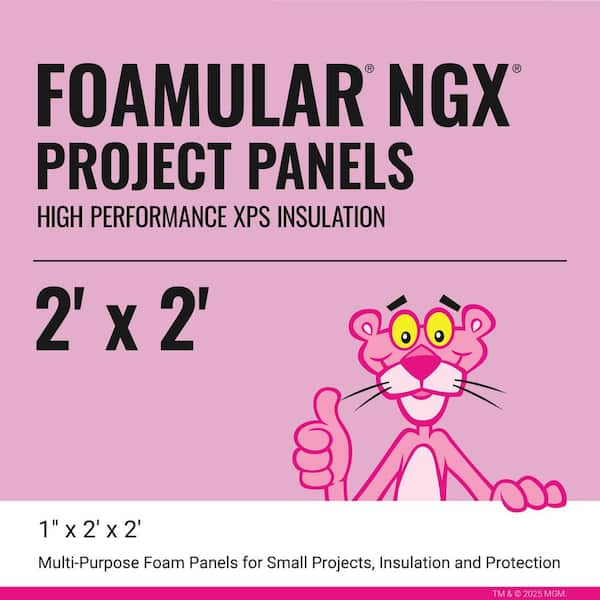
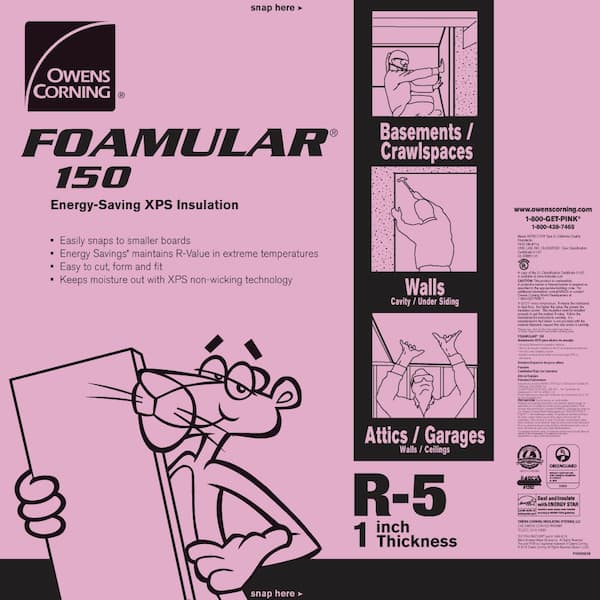
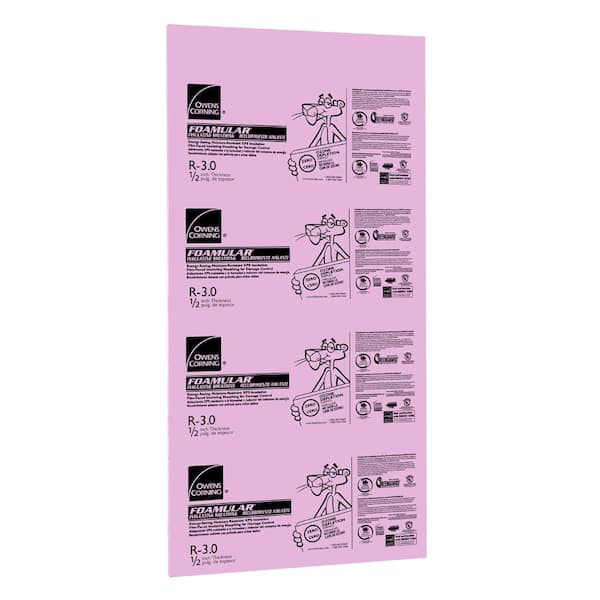
Foam board insulation is a rigid panel made from expanded polystyrene (EPS), extruded polystyrene (XPS), or polyisocyanurate (polyiso). It improves a home's energy efficiency by reducing heat loss or gain through walls, floors, and roofs.