Tintable Primers
43 results









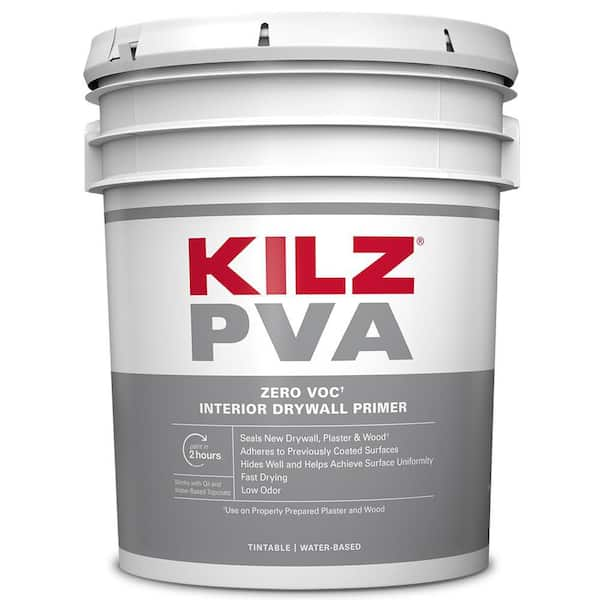





Viewing 1-12 of 43
Get 10% off your purchase
Sign up for emails & save 10% on select home decor. Valid on select items.
Loading Recommendations
Questions & Answers
What primer can I use on top of paint?
The right primer to use on top of paint depends on a few factors. Select a bonding primer for previously painted cabinets, trim, or furniture, and a latex or water-based primer on walls with flat or matte paint. For specialty projects, you can use an oil-based primer when switching from oil-based to latex paint, or a stain-blocking primer if the old paint has stains, smoke damage, or strong colors you need to cover.
What's the difference between matte, satin, and gloss paint finishes?
The difference between matte, satin, and gloss paint finishes comes down to sheen level, appearance, and durability. Matte finishes work best for bedrooms, living rooms, and ceilings, creating a smooth, soft, and no-shine appearance while hiding imperfections. Satin finishes are more durable and washable than matte, creating a slight sheen appearance with a soft, velvety glow ideal for kitchens, bathrooms, hallways, and kids' rooms. Gloss finishes are the most durable, easiest to clean, and best for stain and moisture resistance, creating a high shine, reflective appearance ideal for trim, doors, and cabinets. Find the best finish for your project in our DIY guide to types of paint finishes, sheens, and textures.
How many coats of primer should I put on before painting?
The right number of coats depends on the surface condition and color change. One coat is usually enough for most walls in good condition. However, consider an extra coat when covering a dark color with a light color (or vice versa), when covering a porous surface like new drywall or bare wood, and when sealing stains or repairs.