Shellac Primers
6 results
Get 10% off your purchase
Sign up for emails & save 10% on select home decor. Valid on select items.
Loading Recommendations
Questions & Answers
What are some of the best-selling shellac primers?
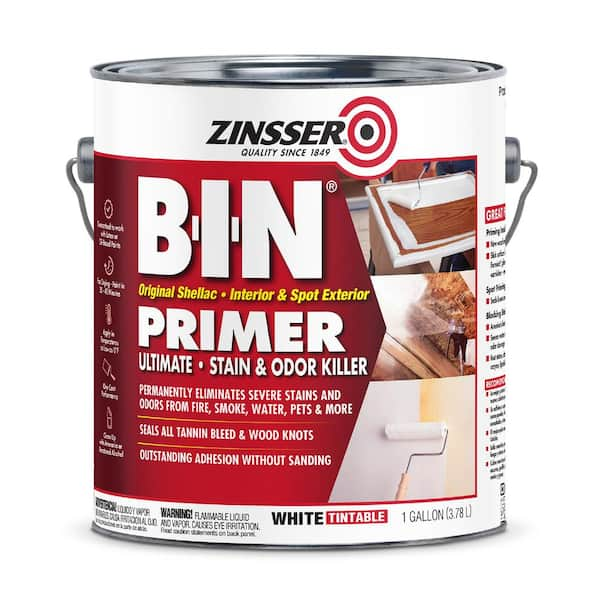
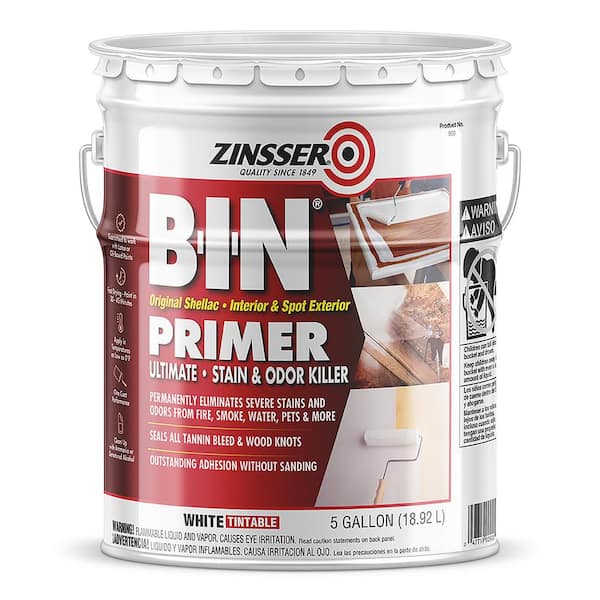
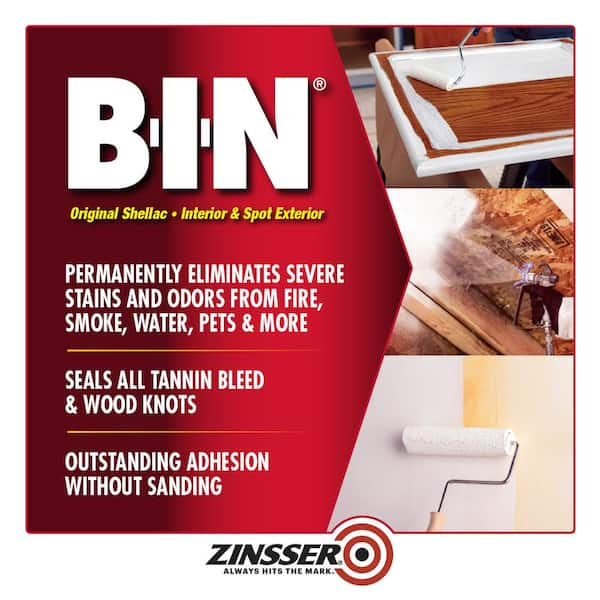
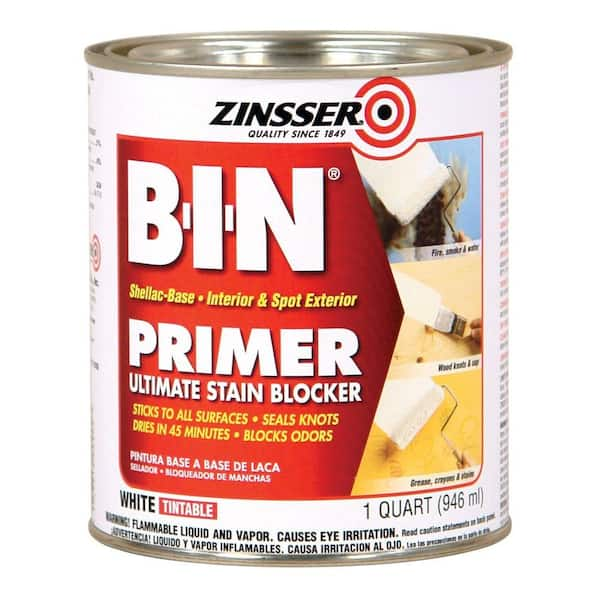
One of our best-selling shellac primers is the 1 gal. B-I-N Shellac-Based White Interior Primer and Sealer. It's a consistent favorite among DIY enthusiasts and professionals alike, and we're confident you'll love it, too.
What's the best way to get a clean line between the wall and the ceiling when painting a room?
The secret to getting a crisp, professional-looking line between the wall and ceiling is in the preparation and technique. Use a high-quality painter's tape along the ceiling edge to create a sharp line, sealing the tape by painting over it with the ceiling color first. Wait for it to dry, and then paint your wall, removing the tape while the paint is still slightly wet for a clean edge. Use an angled sash brush to cut-in by hand, being careful not to overload the brush with excess paint that can cause drips and uneven lines. For more useful tips and helpful advice, read our DIY guide on how to paint a room.
Does paint need a primer?
Paint doesn't always need a primer, but it's usually a good idea. Use primer on bare, stained, or glossy surfaces for better paint adhesion and fewer stains. A primer is best for dramatic color changes and for specialized protection in high-moisture areas. Think of primer as insurance, ensuring durability and a professional finish. However, you can probably skip the primer when using paint-and-primer-in-one, when the surface is in excellent condition, and when you're not making a big color change.
Can you wait too long to paint after priming?
You always want to paint as soon as possible after priming. The primer needs time to dry, usually from a few hours to a whole day, but dust, dirt, or oils can settle if left for too long, reducing the adhesion and the primer's main purpose. Some primers can absorb moisture or harden over time, making them less effective. As a rule of thumb, paint within 24 to 72 hours for latex and water-based primers, and up to a week for an oil-based primer.