Concrete Form Types Compared: Tube, Wood & Reusable Forms

Published July 21, 2026
Learn the best types of concrete forms for your landscaping and other exterior contracting jobs. Concrete forms define the shape of finished pours, such as walls, landings or footings.
Choosing the right concrete form types can depend on job cost, pour shape requirements and whether the form can be reused. This guide compares the different types of concrete forms and whether you should buy or rent reusable forms or build your own.
Table of Contents
What Concrete Forms Do
Cardboard Tube Concrete Form Sizes
Dimensional Lumber and Plywood Forms
Reusable Systems: Steel, Aluminum, Modular Plastic
Insulated Concrete Forms
How to Choose Concrete Forms for Exterior Projects
What Concrete Forms Do
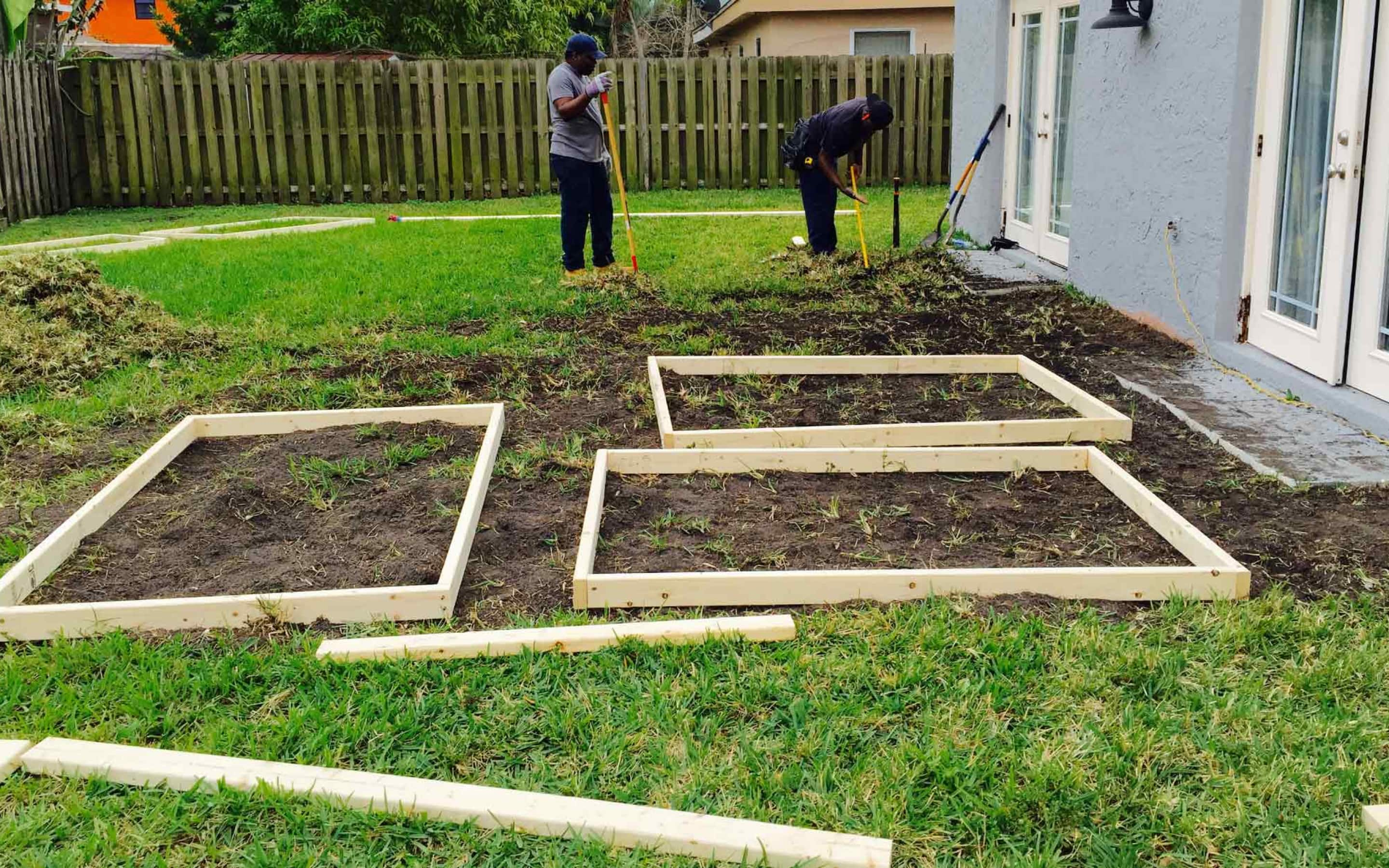
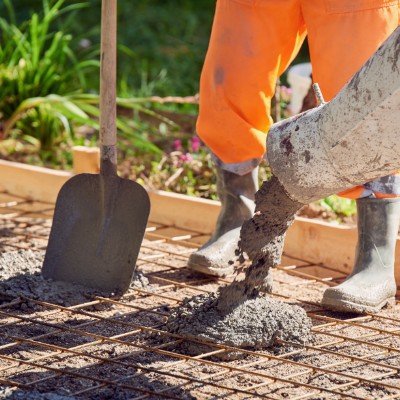
Concrete forms are temporary or permanent molds that hold wet concrete until it cures. Forms must bear the hydrostatic pressure of wet concrete and maintain the shape of the finished pour. Wet concrete applies pressure of about 150 lbs. per foot, depending on factors such as pour rate and temperature.
Exterior concrete form types must:
- Maintain a rigid structure to withstand the weight of concrete until it cures
- Employ joints strong enough to prevent leaks
- Use a design that can be easily reinforced with horizontal or vertical bracing
Building concrete forms includes:
- Compacting the subgrade
- Ensuring that forms are level, plumbed and braced
- Placing the ties and stakes at the defined distance
- Installing rebar
- Applying release agent to the concrete-facing surface of any reusable form
- Calculating pour volume
Cardboard Tube Concrete Form Sizes
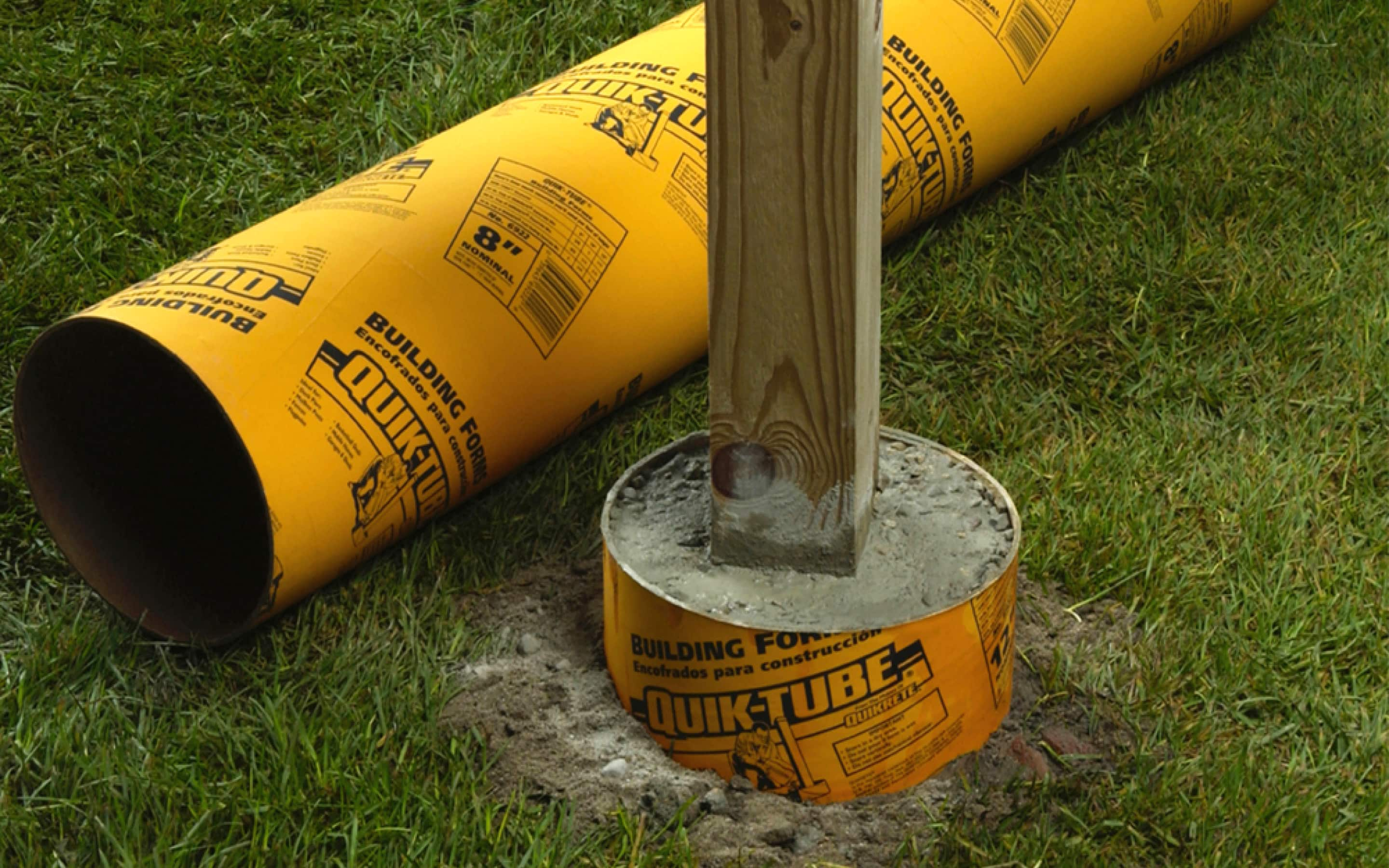
Cardboard tube concrete forms are single-use forms suitable for vertical, cylindrical pours. They can be the best concrete forms for footings.
- Cardboard tube forms are made from cardboard or fiber and are typically available in diameters from 6-18 inches, as well as specialty sizes of 24 inches or more. They can be easily cut to any height.
- Typical jobs for cardboard tube forms can include columns, deck footings, posts for fences and mailboxes, bases for lamp posts and signs and additional applications.
- They are not suitable for high-pressure applications or large structural pours such as heavy load-bearing supports.
- Tube forms more than 12 feet high typically require 2 x 4-inch support collars or staking for bracing.
- Cardboard tube forms can soften when exposed to moisture for long periods before the pour is finished.
- After the concrete cures the forms can simply be peeled off, requiring minimal cleanup and no storage.
Dimensional Lumber and Plywood Forms
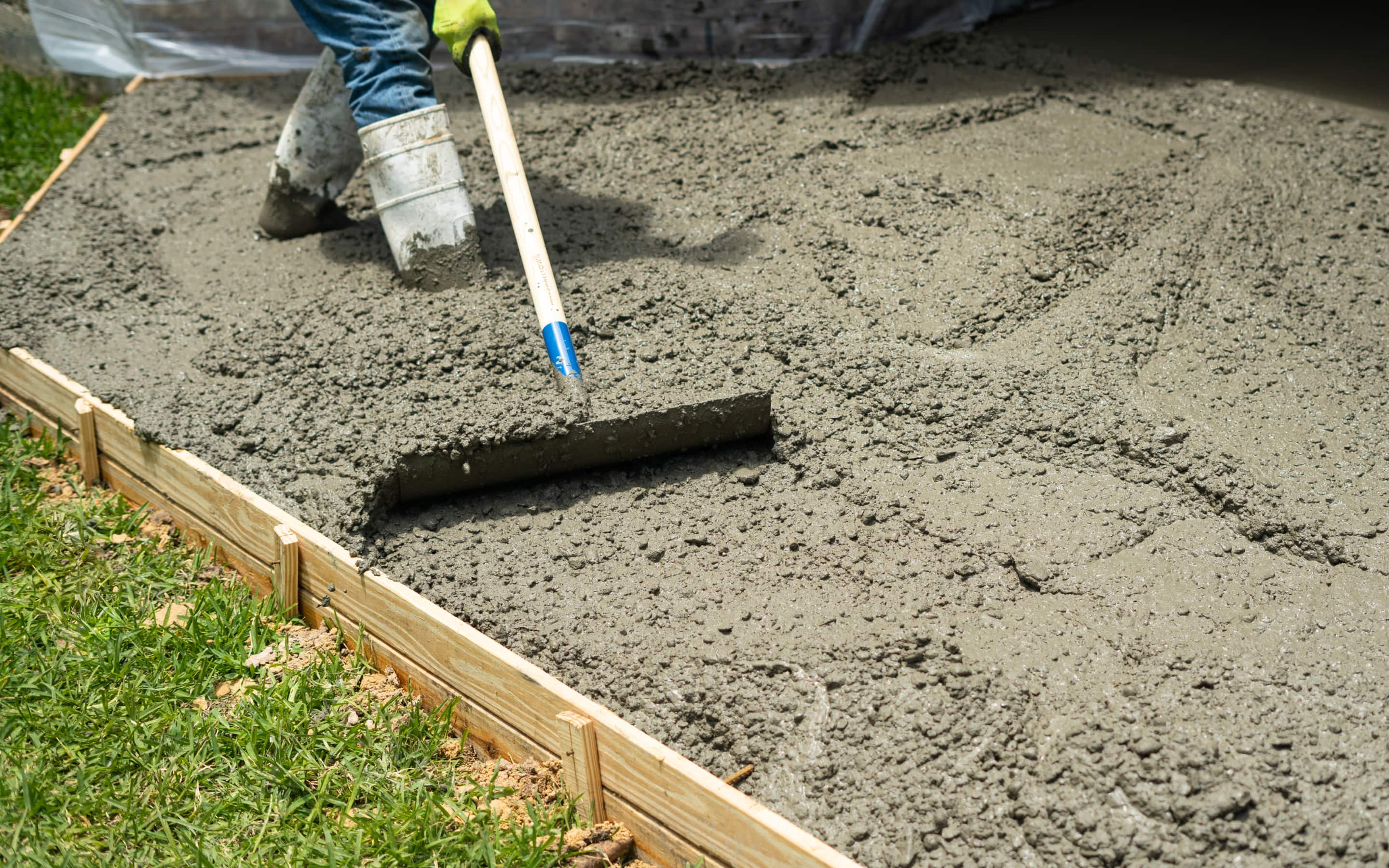
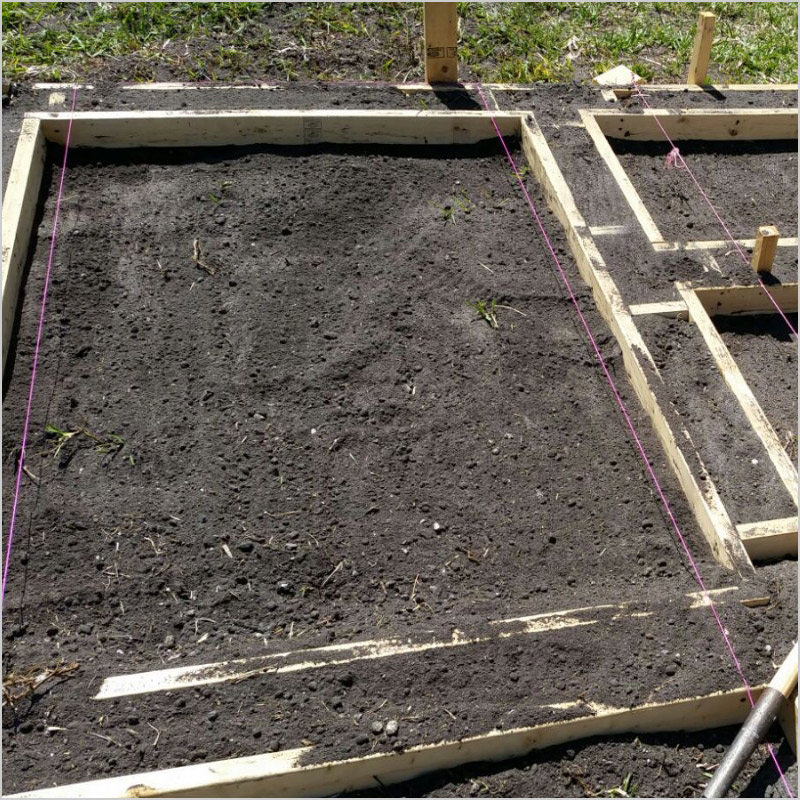
Wood, including dimensional lumber and plywood, is the most popular and cost-effective material for concrete forms. Lightweight, flexible and durable, lumber forms are easy to source and cut for most landscaping jobs.
- Wood concrete forms are best suited for steps, curbs, short walls and slabs for sidewalks, patios and driveways.
- For slab edges, 2- x 4-inch, 2- x 6-inch, 2- x 8-inch, 2- x 10-inch or 2- x 12-inch boards of dimensional lumber are recommended.
- For wall faces and tall edges, 3/4-inch plywood is recommended.
- Wooden 2- x 2-inch or 1- x 2-inch stakes are recommended every three feet and at corners.
- When choosing the wood for concrete forms, select straight, flat lumber with minimal knots.
- Wood slab forms without engineered bracing typically have a 12-inch height limit.
- Wooden wall forms are frequently about 4 feet high with studs, walers and snap ties.
- Plywood treated with release agents can often be reused several times.
- Dimensional lumber generally cannot be reused, making it best for one-off jobs.
Pro Tip: Wood forms can absorb water from the concrete mix. To reduce warping, treat the concrete-facing side of the wood with a sealant.
Reusable Systems: Steel, Aluminum, Modular Plastic
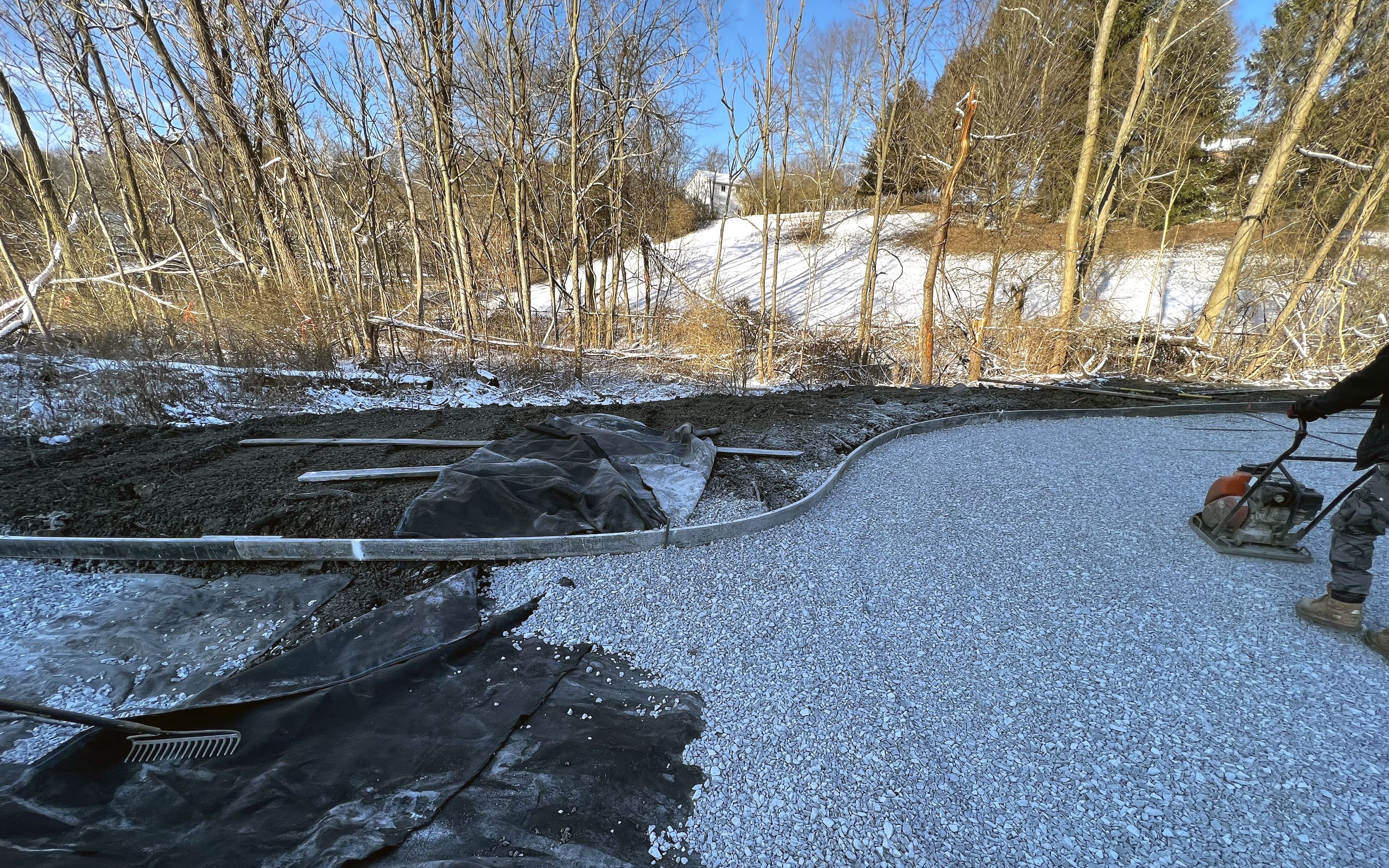
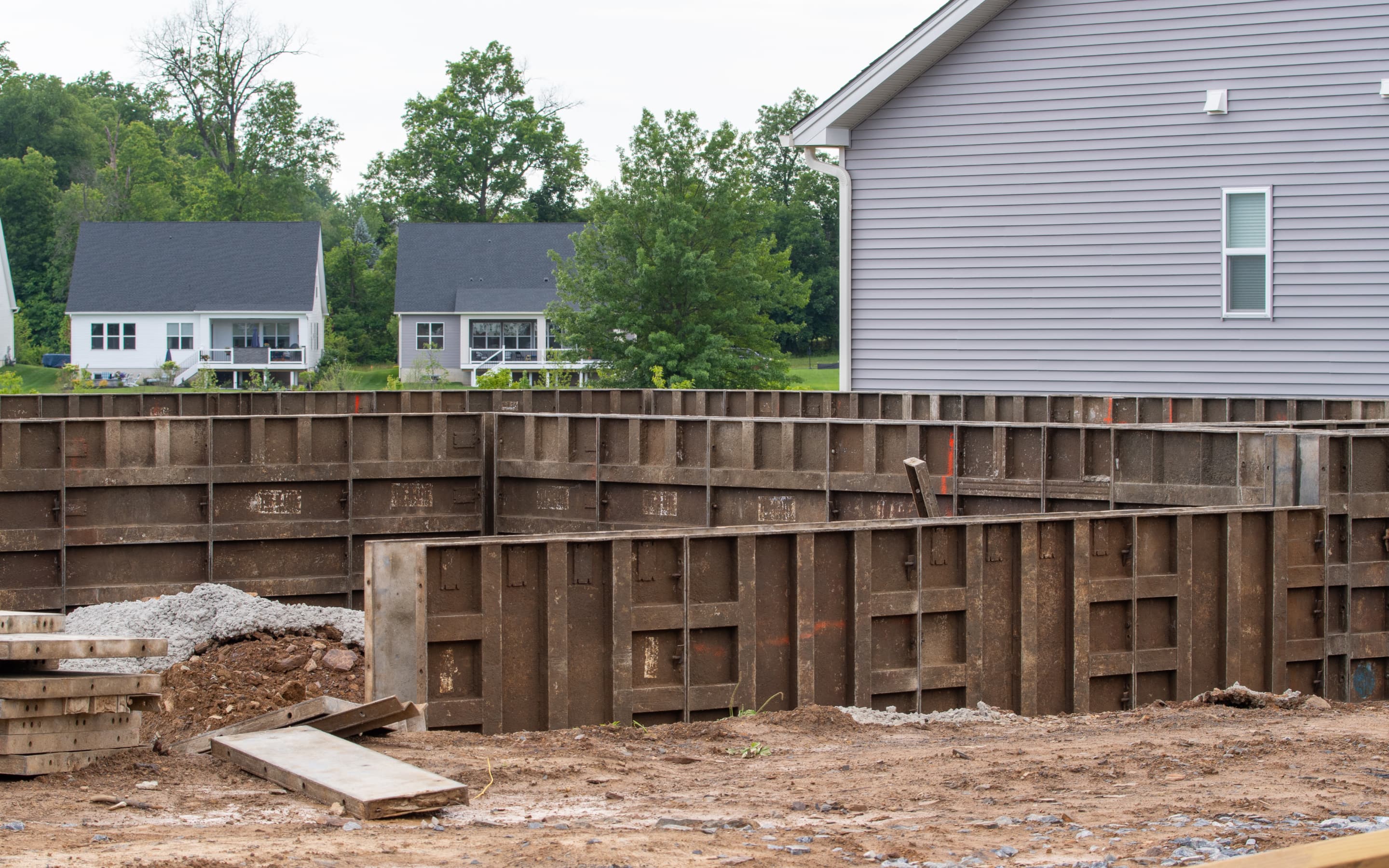
Reusable concrete systems made from materials such as steel, aluminum, fiberglass and modular plastic can be applied to multiple jobs. Reusing formwork can save money on jobs that require multiple concrete slabs or structures of uniform size.
- Steel panel systems are the heaviest, most durable and most expensive. They hold their shape under the highest pressures and are best for tall structural walls and foundations.
- Aluminum panel systems are lighter, less expensive, easier to move and faster to build than steel. They have slightly less load capacity but are popular for residential foundation work.
- Fiberglass concrete forms can be customized with curved surfaces, making them expensive but ideal for decorative or exposed-finish work.
- Modular plastic forms are the lightest option and snap together for slabs and short walls. Their flexible shapes make them suitable for columns, round footings and curved walkways. Like fiberglass, plastic forms lack the rigidity of metal forms, so adequate bracing is crucial.
Reusable concrete forms require such hardware as pins, latches, snap ties, walers and kicks, which add to the total cost.
Many metal forms can be reused more than 100 times. For landscapers, rental can be more cost-effective than purchase.
Insulated Concrete Forms
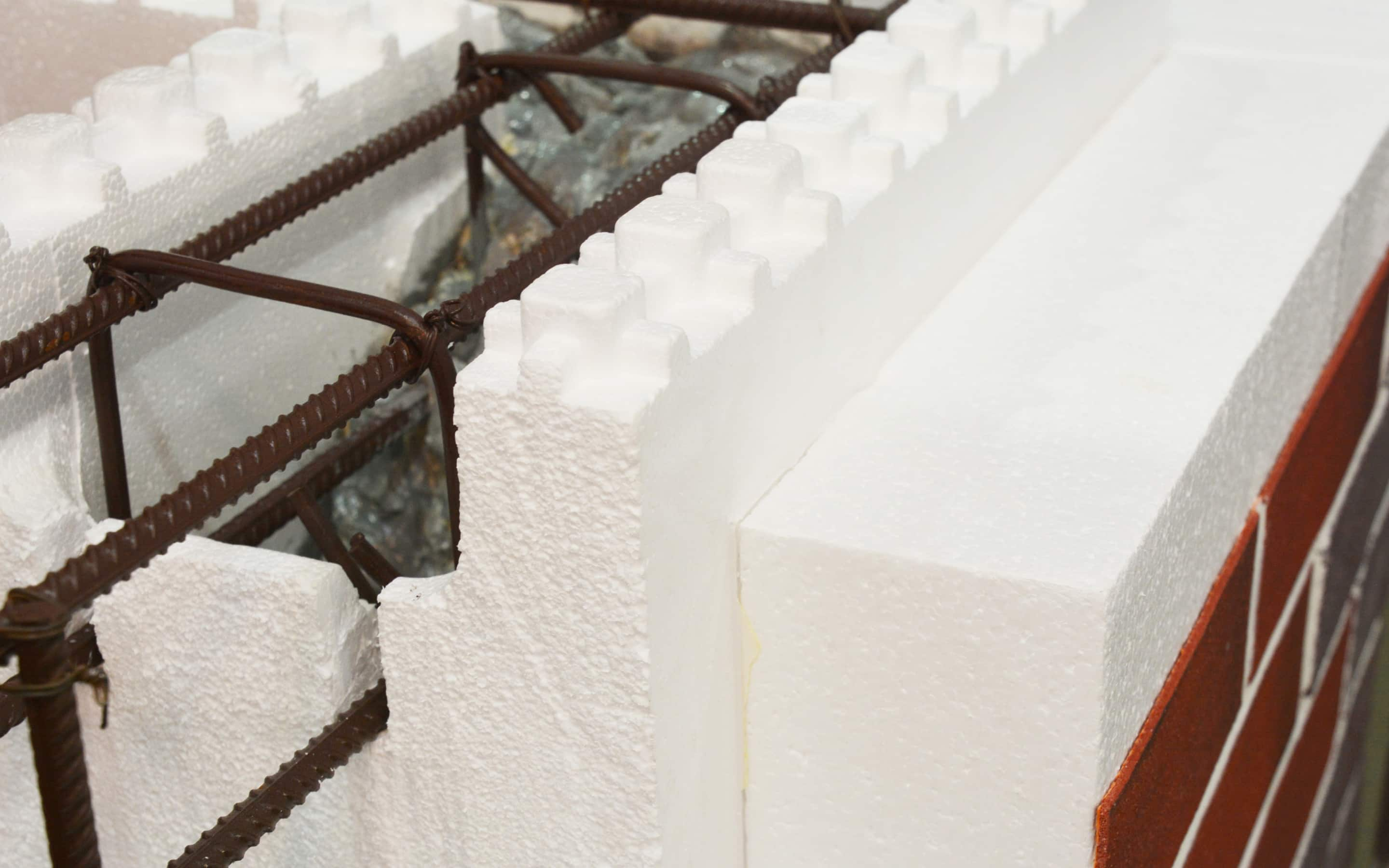
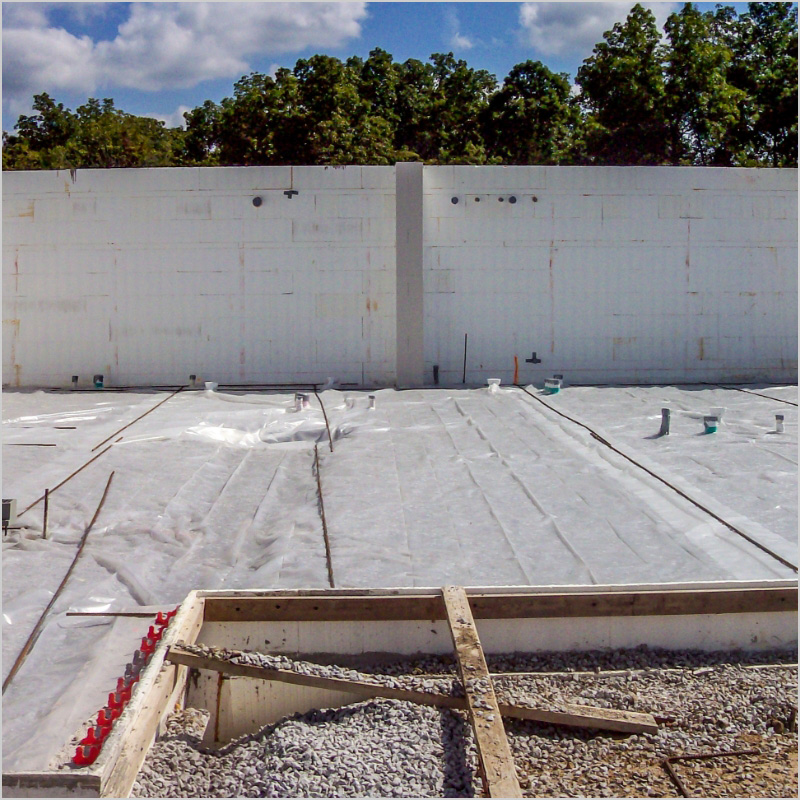
Insulated concrete forms are designed from expanded polystyrene (EPS) foam to remain in place rather than be removed after the concrete cures. The interlocking EPS foam blocks stay permanently in place and provide insulation on both faces of the wall.
- Insulated concrete forms are effective for basements, above-grade exterior walls and energy-efficient residential construction.
- They are less suitable for landscaping jobs but can provide alternates for outdoor structures such as garages and pool houses.
- ICFs can be assembled more quickly than traditional methods and do not require cleanup after curing since the form stays in place.
- When using ICFs, concrete pours can require reduced lift heights and careful bracing. The foam is less pressure-resistant than steel or wood forms. Lifts of 3-4 feet are recommended for 8-10 foot walls.
- Insulated concrete forms have higher material cost than wood forms and can be more complex to use successfully.
How to Choose Concrete Forms for Exterior Projects
Review the following factors when choosing the right concrete form for the job:
- Project size and complexity
- Pour height and geometry which includes the choice of slab, curved or vertical forms
- Desired type of finish
- Form cost and material availability
- Number of reuses
- Site conditions
- Total expense, including the costs of bracing, ties and release agents
Typical concrete forms for exterior projects include:
- Cardboard tubes for deck footings or fence posts
- Lumber forms for straight sidewalks or patios
- Plastic slab forms for curved sidewalks or patios
- Plywood or modular plastic for short retaining walls or garden walls
- ICF for tall retaining walls
Pro Tips: Many local building codes require engineered drawings for retaining walls over 4 feet high.
More Tools. More Products. More Perks.

Be more competitive and boost your bottom line with Pro Xtra, The Home Depot’s loyalty program built for Pros. Sign up today to access the enhanced Pro Online Experience, built with the online business tools and time-saving features Pros need.
Use the best concrete mixing equipment for your job with The Home Depot’s rental services.