Engineered Lumber vs. Dimensional Lumber for Headers & Beams

Published July 22, 2026
Carpenters and other builder Pros must choose between engineered and dimensional lumber when constructing beams and headers for residential or light commercial jobs. Laminated veneer lumber (LVL) is stronger and more durable, while more traditional boards of 2- x 12-inch dimensional lumber are lighter and more cost-effective.
This guide reviews how to choose between LVL and dimensional lumber based on such factors as span, strength and cost.
Table of Contents
What Is Engineered Lumber vs. Regular Lumber?
When to Choose Dimensional Lumber
When to Choose Engineered Lumber
LVL vs. Dimensional Lumber Costs
Comparing LVL vs. Dimensional Lumber Spans
More Tools. More Products. More Perks.
What Is Engineered Lumber vs. Regular Lumber?
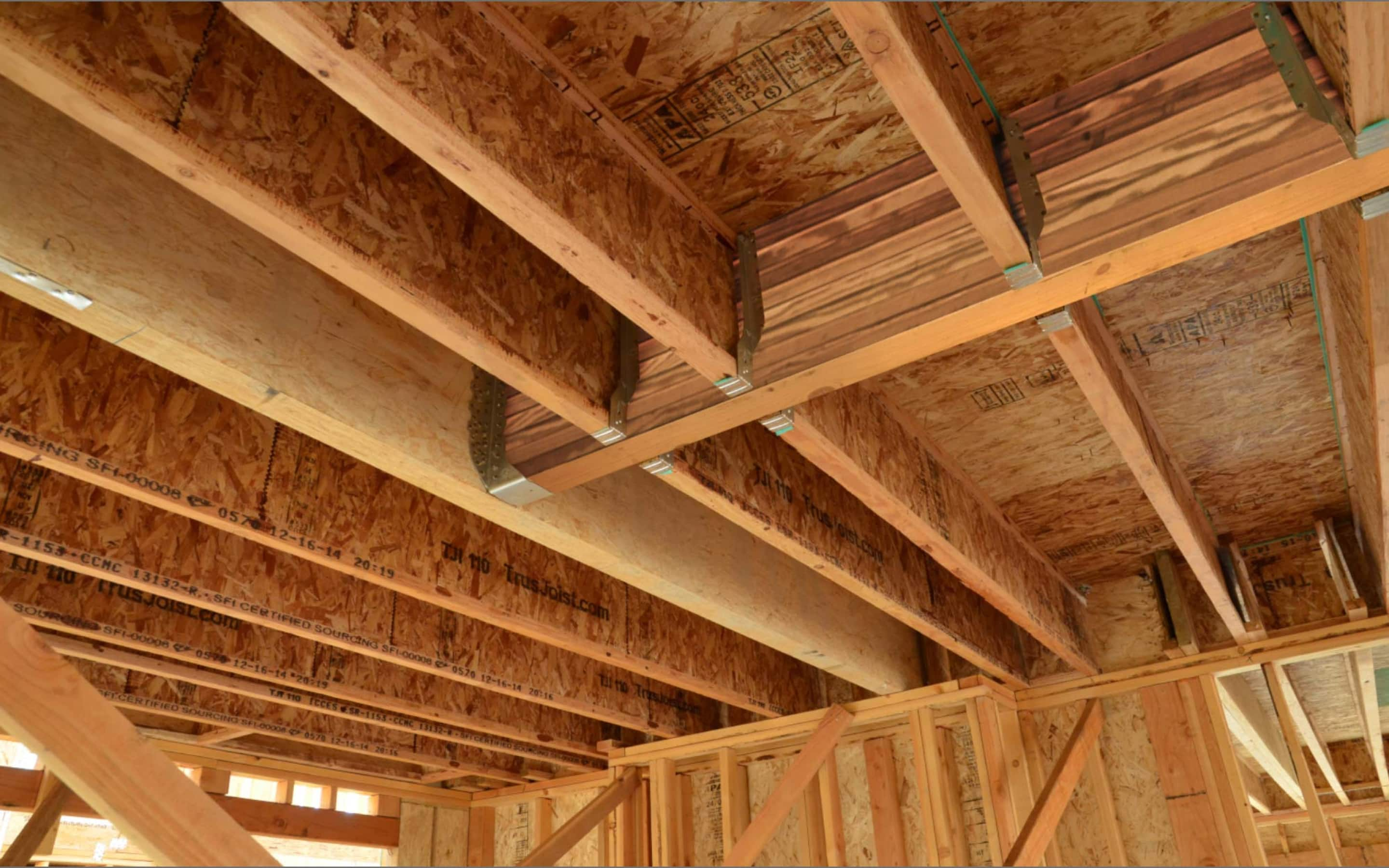
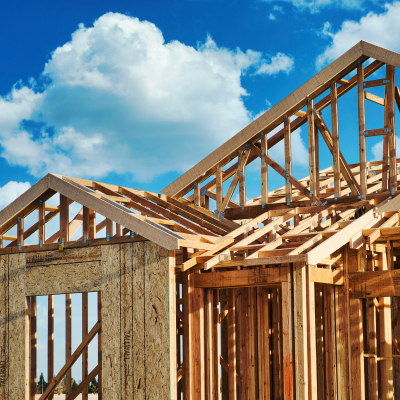
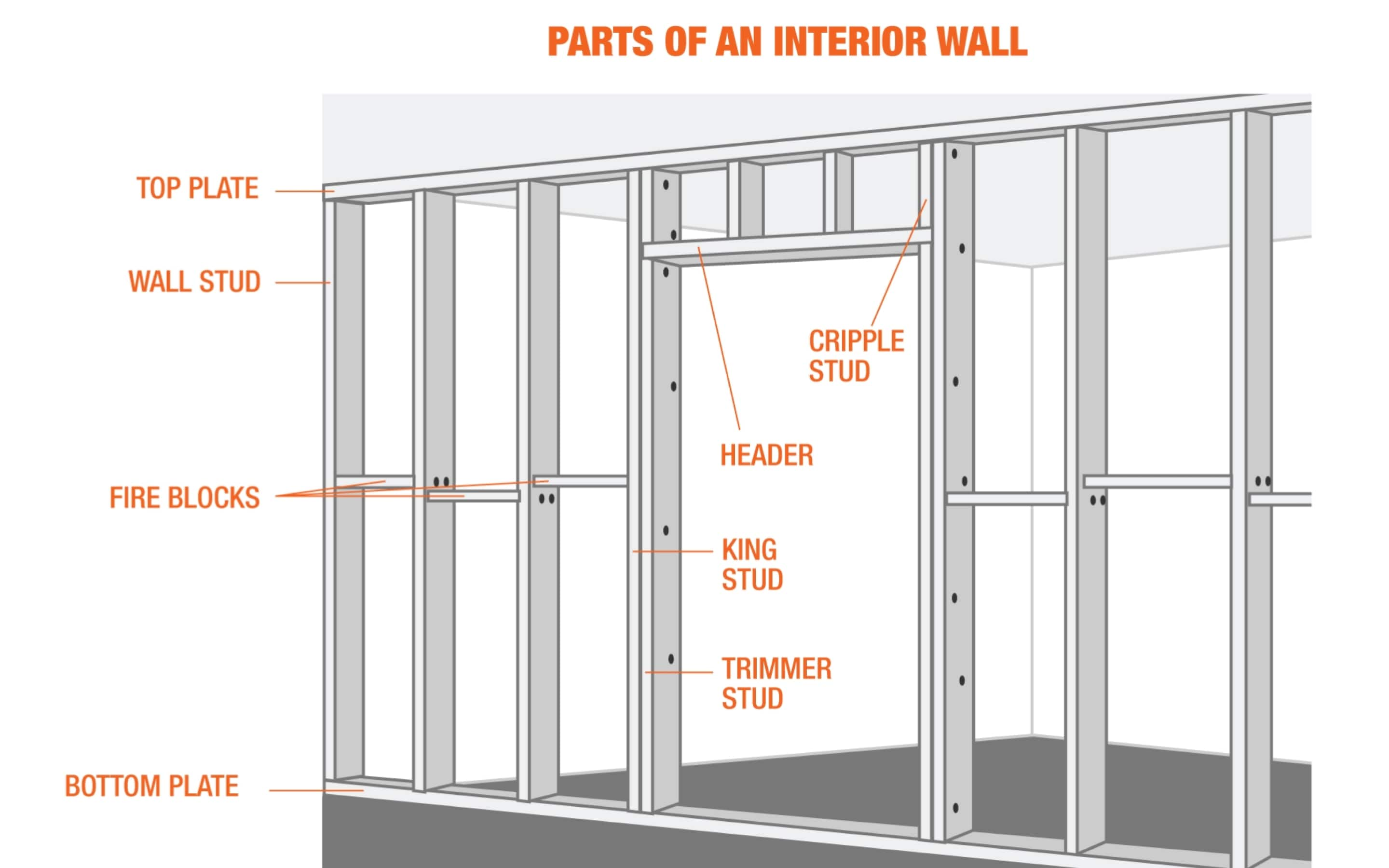
Support beams are structural components designed to bear loads. Headers are types of beams that support openings in walls, such as doors or windows. Beams and headers can be made of steel or concrete but are usually made of lumber. Choosing engineered vs. regular lumber begins with knowing the differences between the materials.
What is regular or dimensional lumber?
- Dimensional lumber is wood that has been milled and cut into uniform, standardized sizes, such as 2- x 12-inch boards.
- It is typically cut from softwoods such as pine, fir and spruce.
- Standard sizes for beams and headers are 2- x 6-inch, 2- x 8-inch, 2- x 10-inch and 2- x 12-inch boards.
What is engineered lumber?
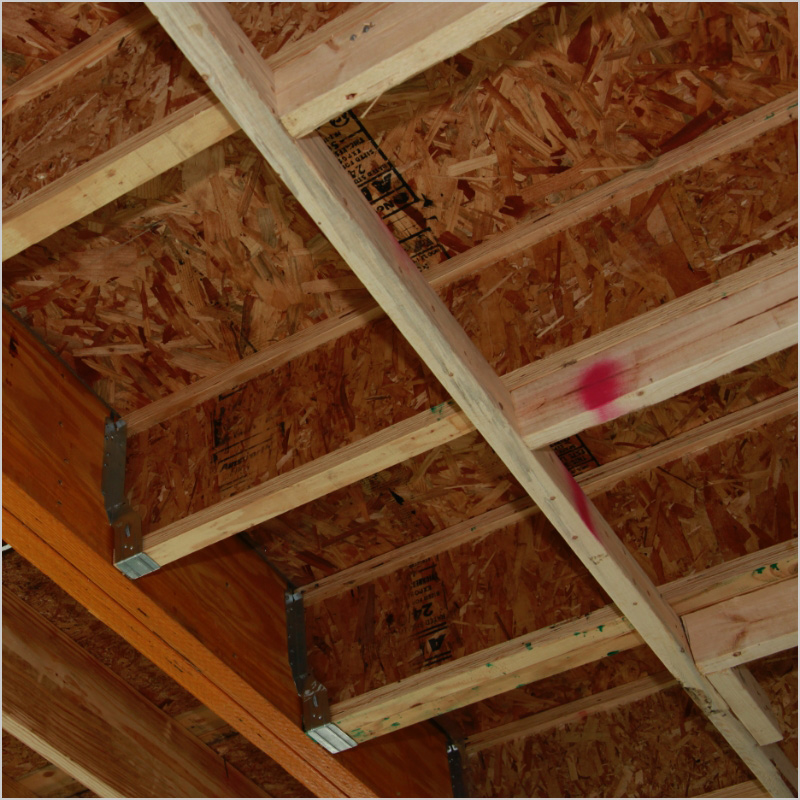
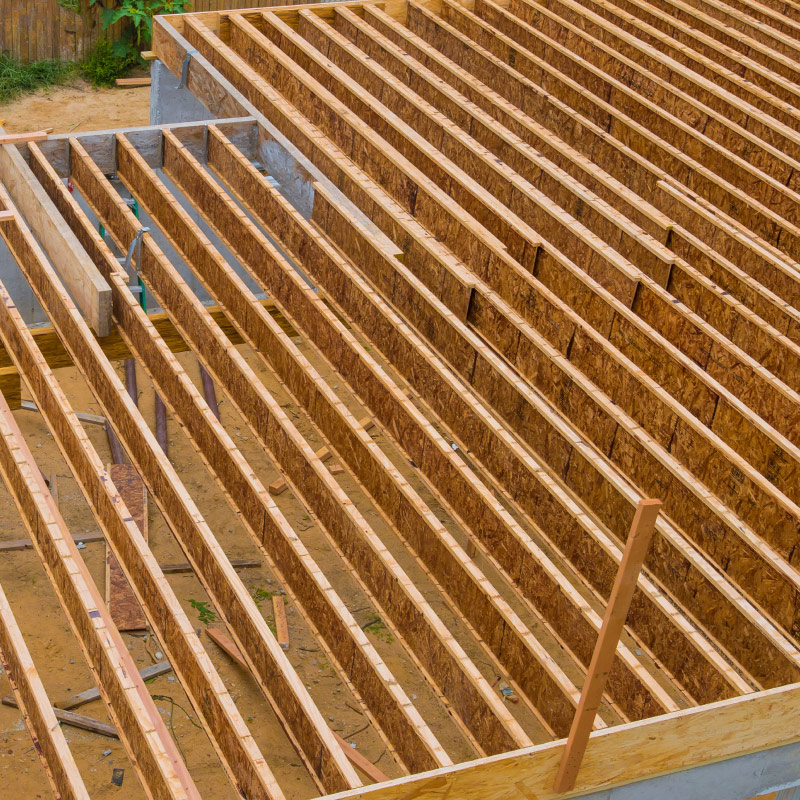
- Engineered lumber is made by bonding wood strands, veneers or boards with adhesives to create a building material comparable to plywood.
- In LVLs, the wood veneers are stacked with parallel grains to make stronger, more durable boards.
- LVLs are typically produced in 4-foot increments from 24-44 feet, with special orders up to 60 feet.
- LVLs are commonly manufactured from 1 3/4-inch plies that can be stacked for greater strength. LVL beams are usually between 1 3/4 and 7 inches thick.
- LVLs have grade designations such as 19.E or 20.E that refer to the material’s modulus of elasticity, which indicates the boards’ resistance to bending, with the higher grades being stiffer. Residential LVL is typically 1.9E or 20.E.
When to Choose Dimensional Lumber

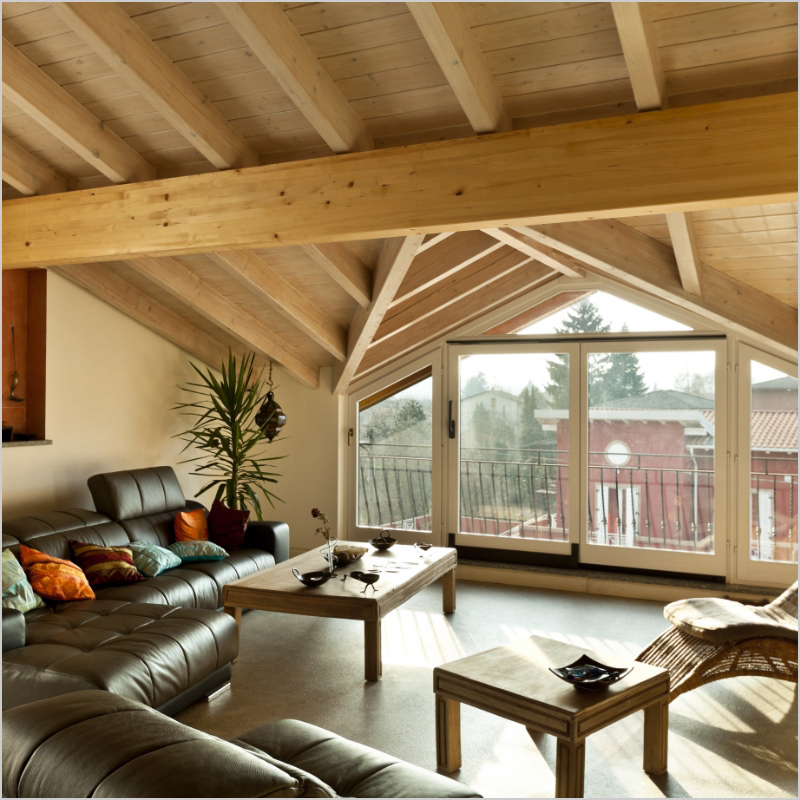
Beams of dimensional lumber, also called solid-sawn lumber beams, is cut from logs and can have knots and varying grain patterns. Wooden beams are best for lighter, uniform loads and shorter spans, such as standard window or door headers.
Dimensional lumber can have the following advantages:
- As natural wood, dimensional lumber can have a more pleasing, “rustic” appearance in rooms designed with exposed beams.
- Dimensional 2- x 10-inch and 2- x 12-inch boards are cost-effective for jobs where span and loads fall within the header limits on Table R602.7(1) of the International Residential Code (IRC).
- Dimensional lumber can have more on-site flexibility when measurements need to be changed at short notice.
- Being lightweight, it can be easier to use in jobs that have tighter access or no lift availability.
- Dimensional lumber also makes repair and renovation work easier when the replacement material needs to match the original.
Dimensional lumber can have the following drawbacks:
- It is not as strong or durable as engineered lumber.
- Boards of traditional lumber can have defects, leading to wasted materials and money.
- Traditional lumber tends to dry and shrink after installation, which can lead to cracked drywall, squeaky floors and structural movement.
Pro Tips: For building design options for load-bearing beams, read our guide “Load-Bearing Support Beam Ideas.”
When to Choose Engineered Lumber
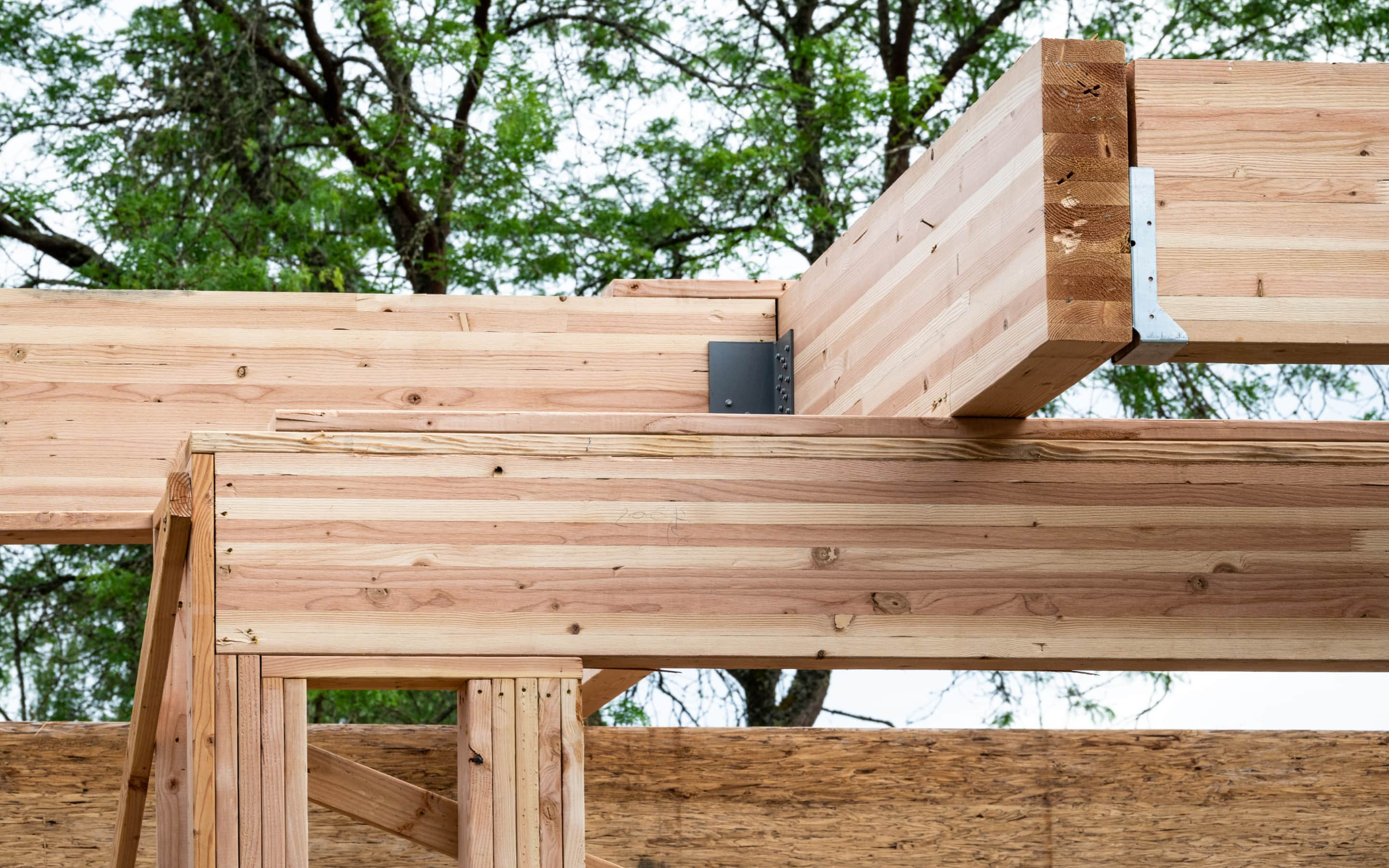
LVL beams are stronger and more durable than dimensional lumber and are best for interior and dry jobs. They can be manufactured in greater lengths than what is available from traditional lumber yards.
The following are some of the jobs are most suitable for LVL:
- Spans that exceed IRC dimensional header tables
- Long open spans that must show no deflection or visible sag
- Exposed beams where straightness and stability are the priority
- Garage door headers
- Open-plan framing with wide openings, removed bearing walls or complicated load paths
LVL has the following drawbacks:
- It is heavier than lumber and may require additional labor and materials for installation.
- It is more susceptible to water damage and rot than traditional lumber. Many LVL adhesives will delaminate if repeatedly exposed to water or the elements.
- It is more likely to warp if not wrapped and correctly stored.
- It can be less visually pleasing than wood and is often covered by drywall or trim.
There are different types of composite boards are suitable for different jobs.
- PSL (parallel strand lumber) for columns and jobs with higher loads
- LSL (laminated strand lumber) for studs, millwork and rim board
- Glulam (glued laminated timber) for larger structures and curved applications
Pro Tip: For jobs that require LVL, investing in lift rental can save time and labor costs.
LVL vs. Dimensional Lumber Costs
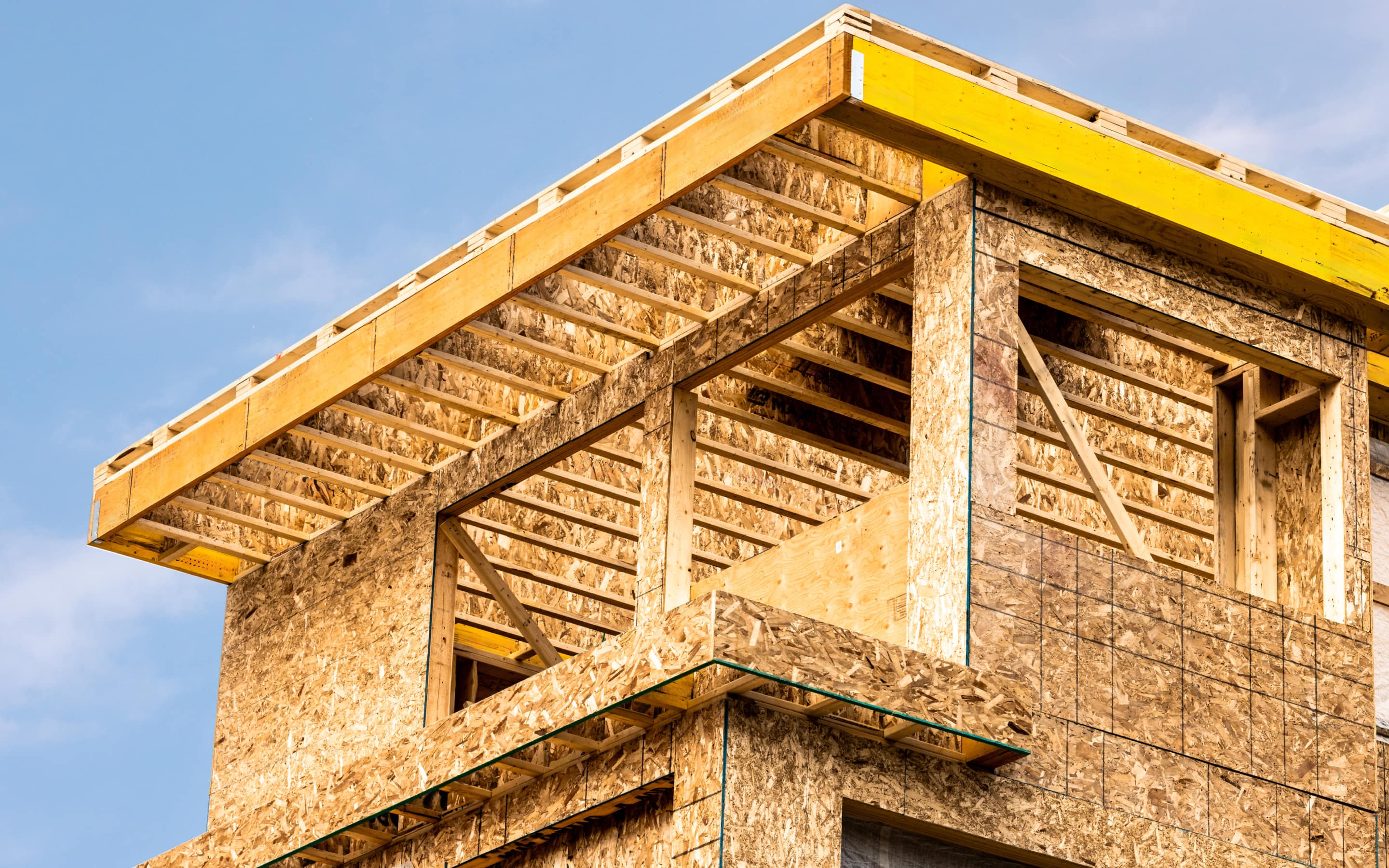
For common residential jobs, dimensional lumber costs around $2-4 per linear foot, while LVL costs $4-7.
Dimensional lumber has consistently lower costs than LVL, but these can fluctuate based on the following factors:
- Timber supplies and shipping costs can vary based on region.
- Premium wood species like Douglas fir or imported hardwoods have higher costs.
- Longer spans and larger cross-sections require more material and custom cuts.
- Custom finishes that involve sanding, staining or fire-retardant treatments add to costs.
- Lumber costs can vary with supply chain disruptions, changes in demand and other market conditions.
LVL costs approximately twice as much as dimensional lumber but will last longer and stay straighter. Of the other engineered lumbers, glulam can be significantly more expensive than LVL.
Comparing LVL vs. Dimensional Lumber Spans
LVLs and dimensional lumber have significant differences in their maximum span. LVLs have the strength to support longer spans and can be manufactured to greater lengths for residential and commercial use.
For dimensional lumber, check the recommended span on IRC Table R602.7(1). The following are maximum recommended spans per beam size of structural lumber:
- 2- x 8-inch beams should have maximum span of 10 feet.
- 2- x 10-inch beams should have a maximum span of 12 feet 6 inches.
- 2- x 12-inch beams when doubled should have a maximum span of 13-14 feet.
A typical 1 3/4- x 11 7/8-inch LVL beam can span 20 feet in a standard residential system. Commercial beams can span 60 feet or more. The following are common spans of LVL beams:
- For 16-foot spans with standard loads, use 3-ply 1 3/4- by 14-inch LVL beams. For lighter loads, 2-ply 1 3/4- by 14-inch LVL.
- For 20-foot spans with standard loads, use 3-ply 1 3/4- by 16-inch LVL beams.
- For 24-foot spans with standard loads, use 3-ply or 4-ply 1 3/4- by 18-inch LVL beams.
Pro Tip: Confirm LVL spans based on the manufacturer’s tables, not the IRC tables for dimensional lumber.
More Tools. More Products. More Perks.

Be more competitive and boost your bottom line with Pro Xtra, The Home Depot’s loyalty program built for Pros. Sign up today to access the enhanced Pro Online Experience, built with the online business tools and time-saving features Pros need.
Use The Home Depot’s tool and equipment rental services for access to lifts for home construction jobs.