Metal Roof vs. Shingles: Pro Roofing Comparison

Published August 18, 2026
Roofers and roofing contractors must work with both architectural shingles and standing seam metal roofing systems. Architectural shingles have lower costs, quicker installation times and are used more often. Standing seam roofing lasts significantly longer and can save customers money in replacement costs and insurance, especially in areas prone to storms and high winds.
This guide reviews how to choose between standing seam vs. architectural shingles based on cost, longevity, wind ratings and other factors.
Table of Contents
What are Standing Seam vs. Architectural Shingles?
When to Choose a Standing Seam Roof
When to Choose Architectural Shingles
Tips for Using Metal Roofs vs. Shingles
Frequently Asked Questions
More Tools. More Products. More Perks.
What are Standing Seam vs. Architectural Shingles?
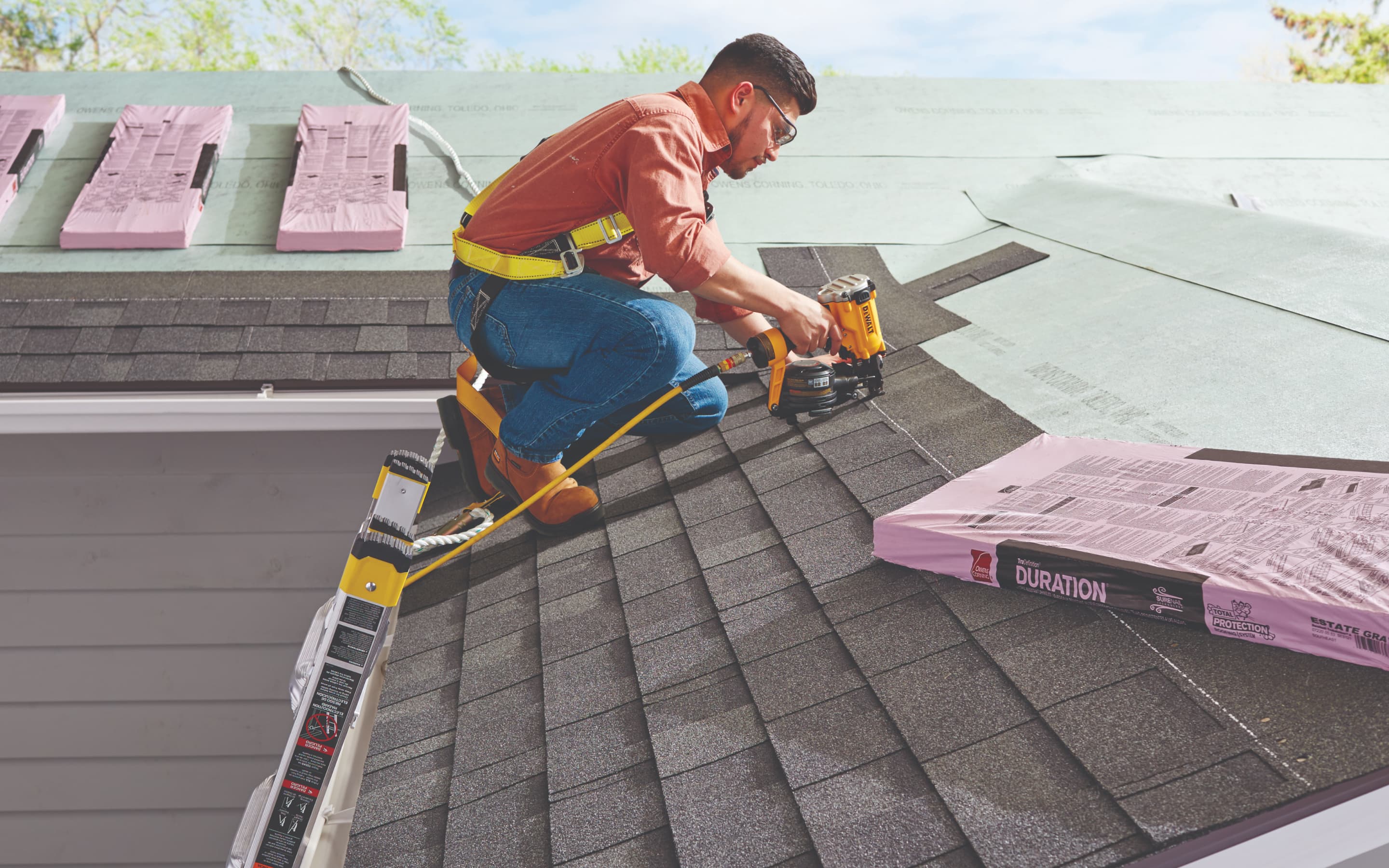
For new roofs, one of the most common choices is between architectural shingles and standing seam systems. Roofers work with many types of materials, including architectural shingles, standing seam roofs, 3-tab shingles, corrugated and exposed-fastener metal systems, stone-coated steel, slate and tile.
- Architectural shingles, also called dimensional or laminate shingles, are made by laminating multiple layers of a heavy fiberglass mat base. They have a thicker, more dimensional appearance than traditional 3-tab asphalt shingles. They can emulate natural wood or slate for greater curb appeal. They cost more than 3-tab shingles but are heavier, more durable and have more wind resistance.
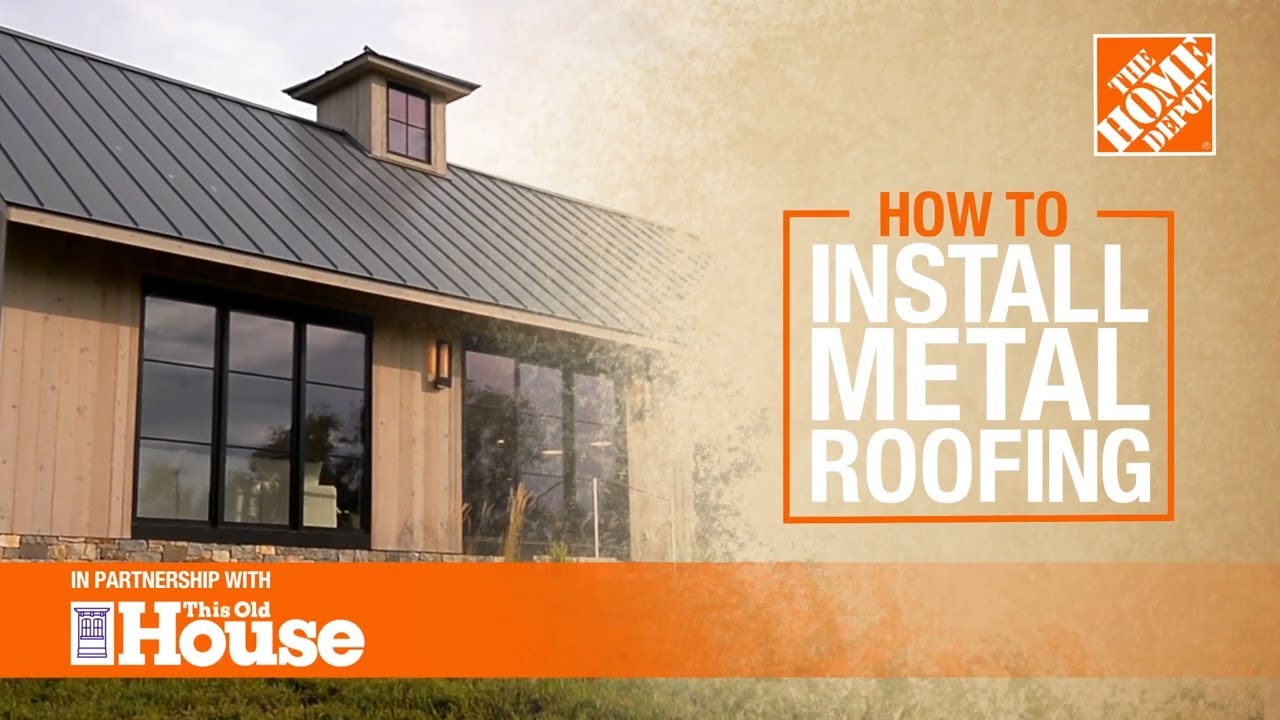
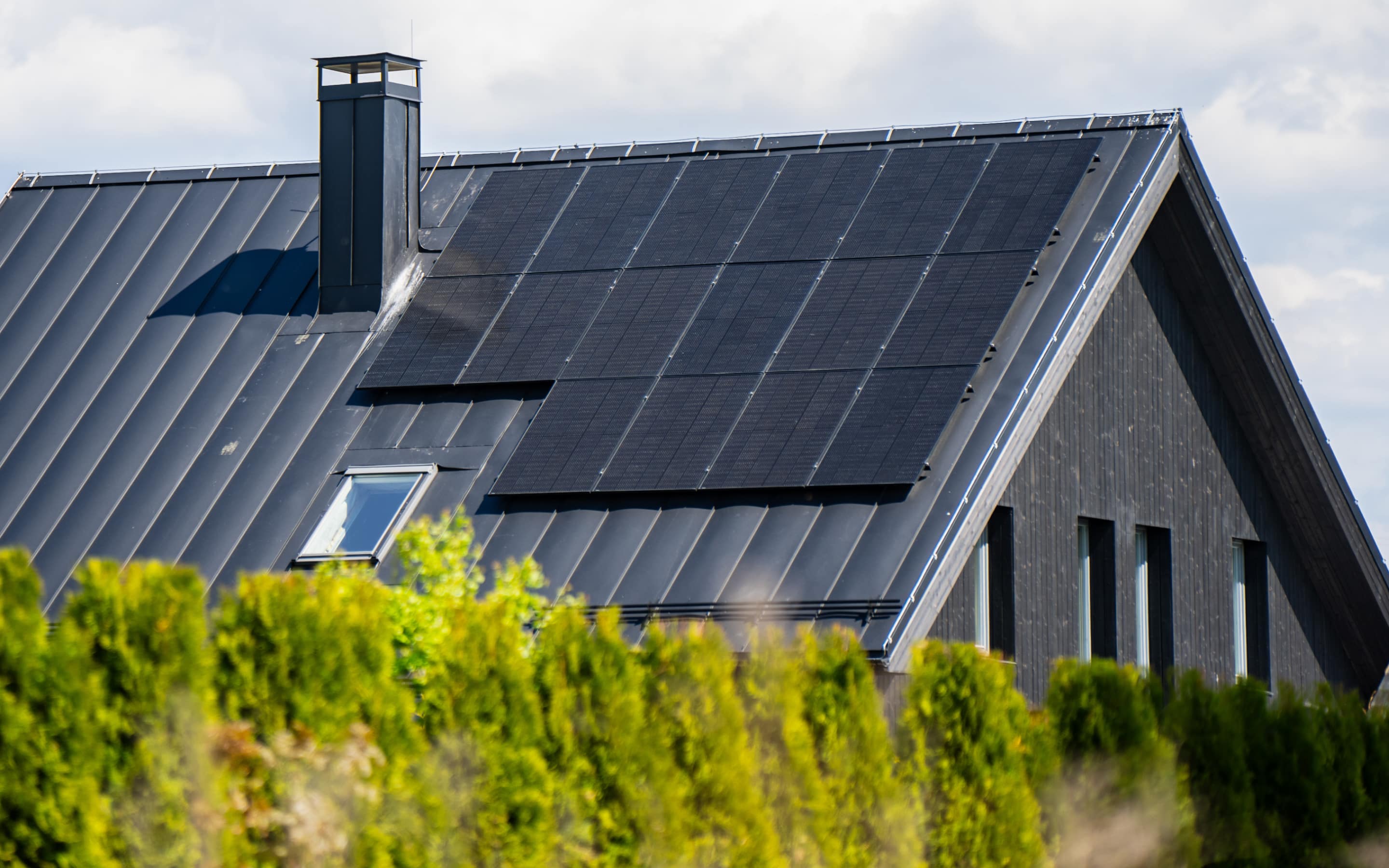
- Standing seam metal roofing systems consist of metal panels joined by concealed fasteners and raised seams. The panels are usually fabricated off-site from such durable metals as steel, aluminum, copper or zinc. The interlocking standing seam design makes the roof waterproof while keeping the fasteners from view.
Roofing costs can vary based on roof complexity, local labor rates and other factors. Here is an architectural shingle vs. standing seam metal roof cost comparison:
- Architectural shingles have combined materials and installation costs of $4-$8 per square foot.
- Standing seam systems have combined installation costs of $10-$18 per square foot.
Installation costs vary by region.
Other metal roofing systems include the following:
- Corrugated and exposed-fastener panel roofs have lower costs but shorter lives and require more maintenance. They are primarily used on outbuildings and agricultural structures.
- Stone-coated steel systems imitate standard shingles but have greater costs and longevity.
- Aluminum, zinc and copper standing seam systems are primarily used for premium specialty jobs.
Relevant building codes for these types of roofs include the following:
- The International National Residential Code (IRC) for roof assemblies governs both materials, with R905.2 covering asphalt shingles and IRC R905.10 covering metal roof panels.
- ASTM standard D3462 covers asphalt shingle physical requirements, ASTM D7158 addresses wind resistance, ASTM E1592/UL 560 covers standing seam wind uplift and ASTM E108 addresses fire ratings for both systems.
Pro Tip: Contractors must verify roofing requirements against local codes and IRC amendments.
When to Choose a Standing Seam Roof
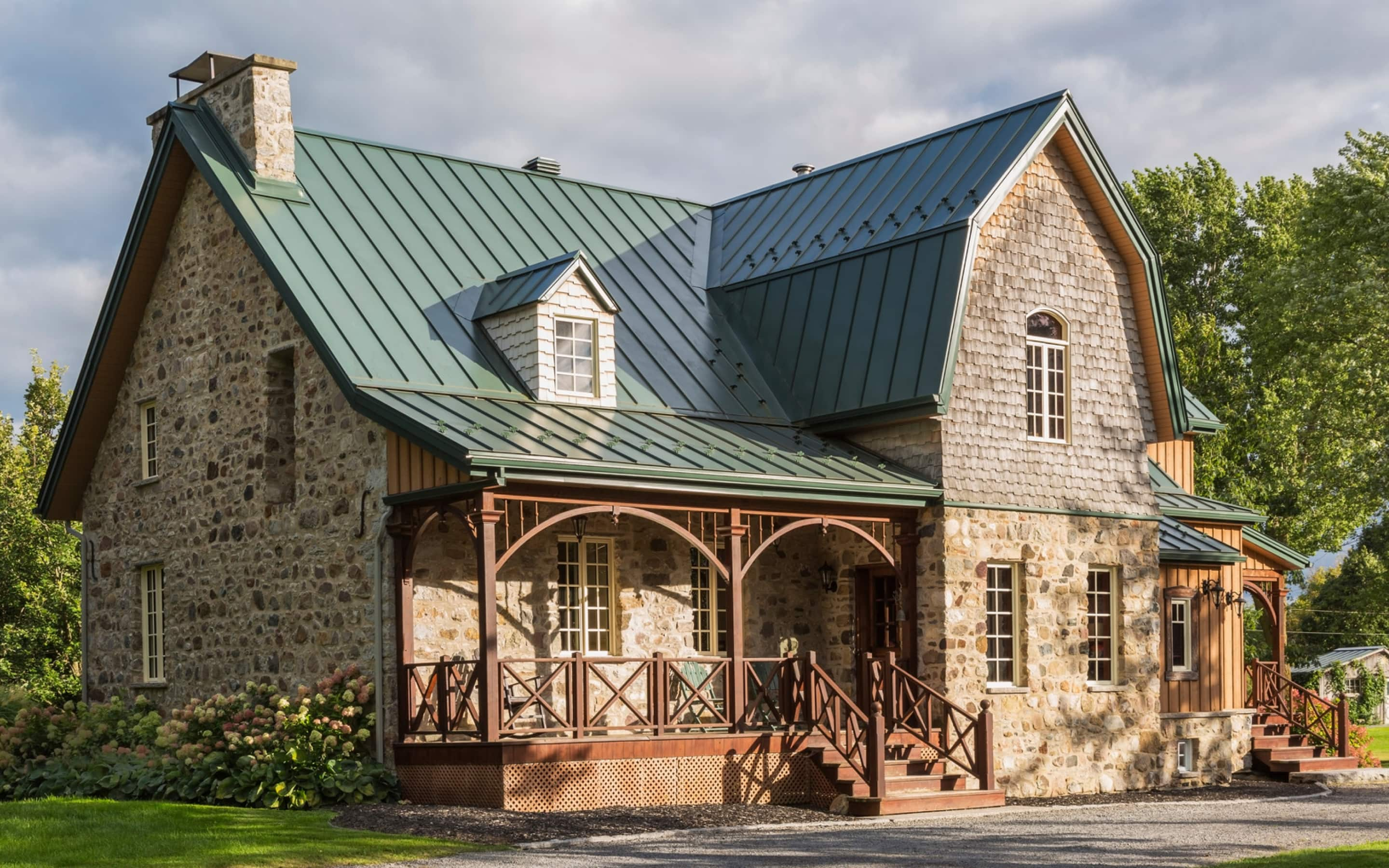
Customers who plan to be long-term residents of the home may find standing seam systems more cost-effective. Standing seam roofs have lifespans of 40-70 years. The up-front installation costs are higher than other systems. The longevity of standing seam roofs mean that they have lower total costs than installing an architectural roof and then replacing it after it wears out 15-30 years later.
Standing seam roofs are best for the following:
- Homes with a modern design
- Homeowners who want low-maintenance, long-lasting roofs
- Homes with unusual roof lines, such as low slopes, as well as cabins, barns or commercial properties
- Homes on coasts or high-wind markets that need high durability and water resistance
A standing seam metal roof offers additional advantages, including:
- Lower insurance premiums
- Greater solar reflectivity that can potentially reduce cooling costs
- Recyclability of panels, making them a more sustainable solution
- Greater return on investment for resale
Comparing standing seam vs shingles resale value, the metal panels can be reused or sold while shingles usually must be landfilled.
Standing seam can withstand winds of 140 mph or more, depending on the clip installation system.
Pro Tip: Standing seam systems can weigh significantly less than roofs with architectural shingles and can be preferrable for re-roofs over existing frames that need minimal weight.
When to Choose Architectural Shingles
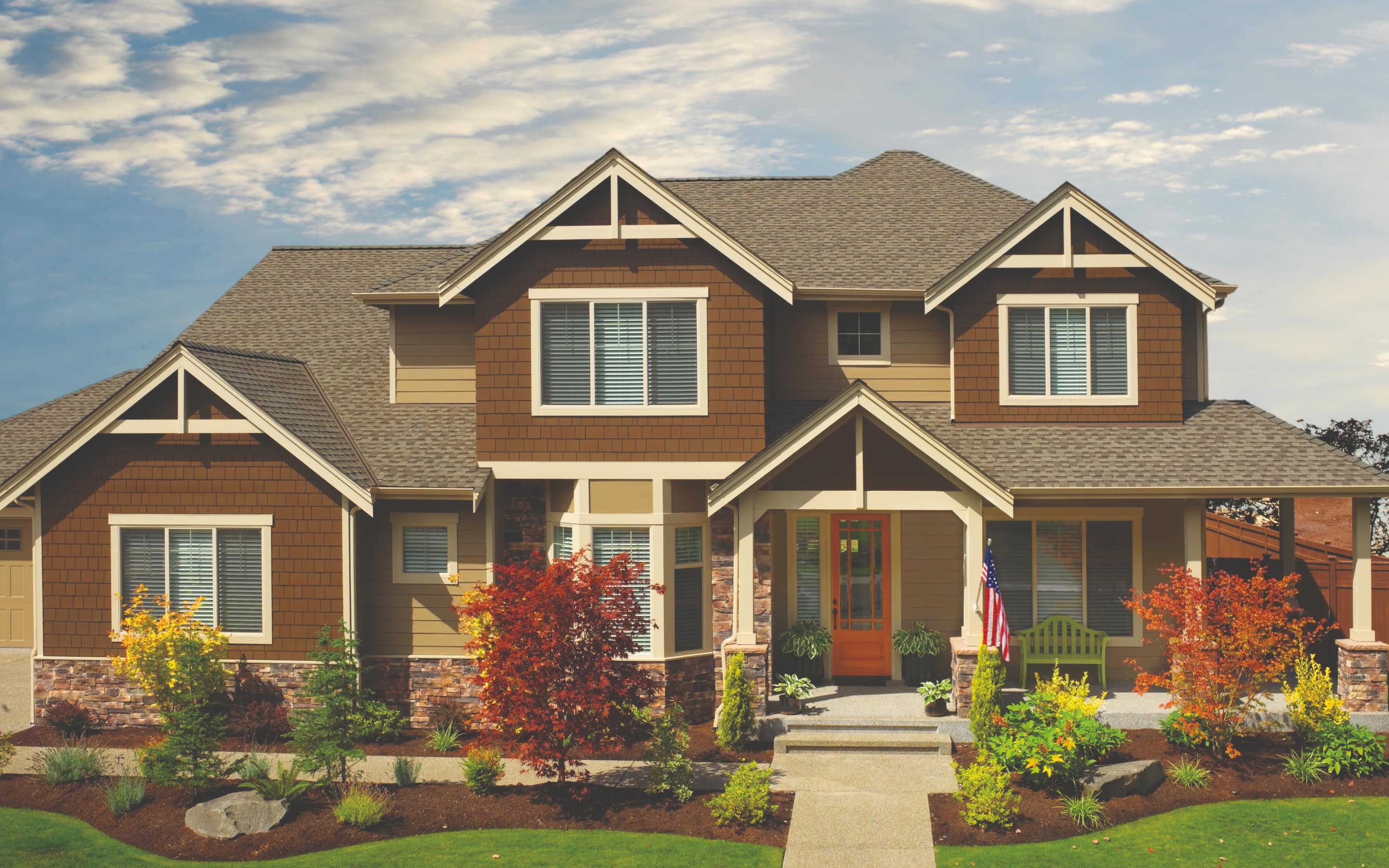
Architectural shingles have lifespans of 15-30 years. Customers who are shorter-term residents or likely to relocate in at least 10 years may find architectural shingles more cost-effective.
Architectural shingles offer more advantages than cost, including:
- Aesthetic appeal that imitates slate or wood shake siding in a variety of shapes, sizes and colors
- Suitability in markets where shingles are preferred over metal
- Quicker installation turnaround for build schedules that prioritize speed
Architectural shingles have wind resistance of 110-130 mph but can be upgraded beyond 130 mph in some cases. Standing seam roofing has higher wind resistance.
Tips for Using Metal Roofs vs. Shingles
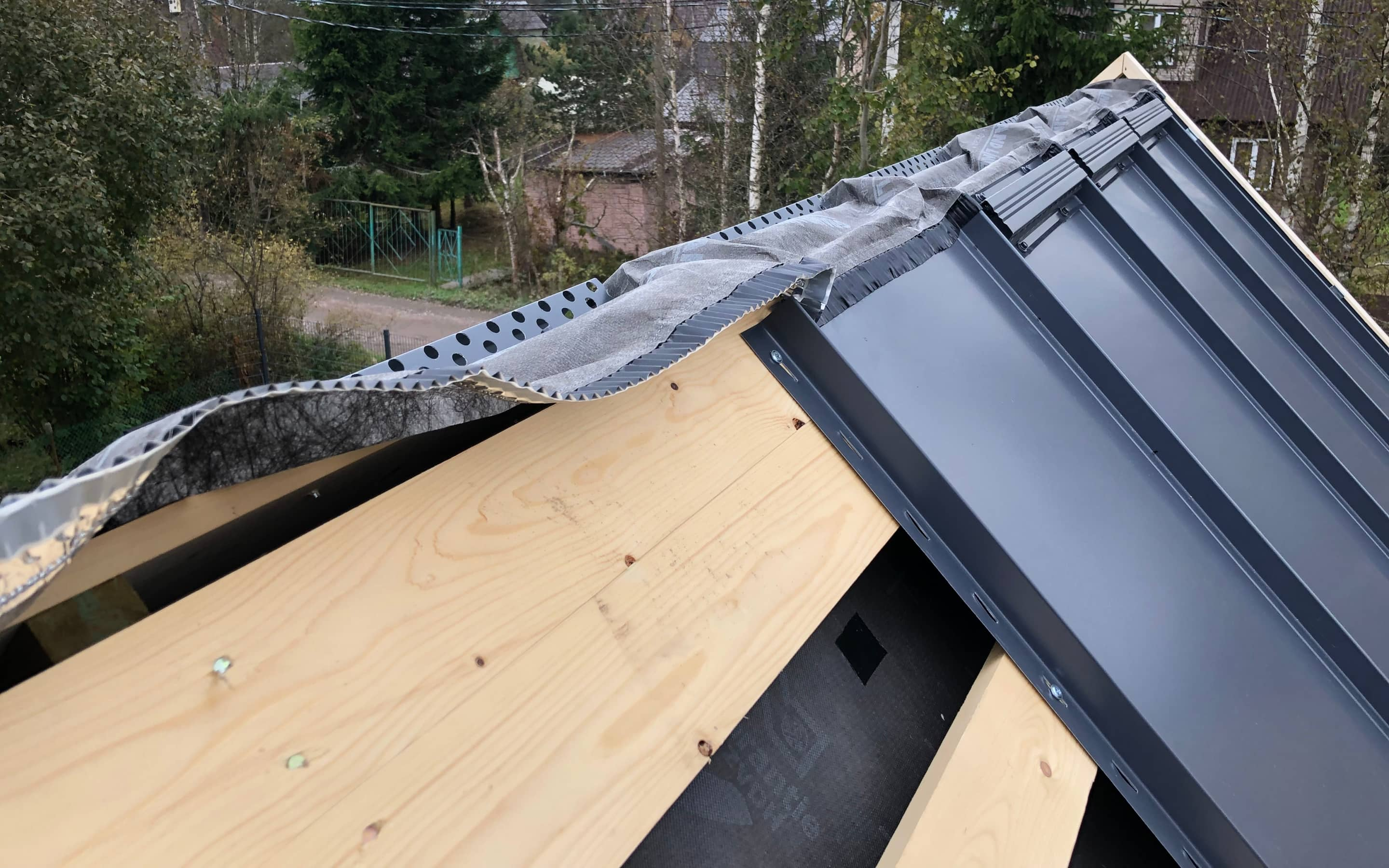
Roofing contractors should expect that many customers will opt for the best benefits of architectural shingles. Standing seam jobs may be less frequent but will see higher returns. Roofing Pros should build their businesses to deliver both types of roofs.
Consider the following tips for standardizing your roofing business:
- Standing seam requires specialized training that a shingles crew may not have. This includes using specialized tools for forming and seaming panels.
- Shingles are broadly available. Standing seam often requires working with fewer suppliers to source panel forms, fasteners and other accessories.
- Standing seam systems’ higher costs can lead to longer sales cycles but higher returns. Consider investing more in sales materials to educate customers on the advantages of standing seam.
- Customizing the standing seam panels can add 2-4 weeks of lead time compared to the availability of shingles. Plan schedules accordingly.
Frequently Asked Questions
What is the difference between standing seam and architectural shingles?
Standing seam roofing systems consist of continuous metal panels joined with raised seams and concealed fasteners. Architectural shingles are individual fiberglass-mat asphalt shingles laminated into a dimensional pattern.
Are metal roofs louder during rain than architectural shingles?
No, properly installed standing seam roofs with adequate decking and insulation are not significantly louder than architectural shingle roofs.
Can solar panels be installed on both types of roofs?
Yes, solar panels can be installed on both roofing types. Metal roofs can provide a more secure, less invasive mounting option.
Do metal roofs attract lightning?
No, metal roofs do not attract lightning more than roofs of other material. Metal roofs can help dissipate a lightning charge if struck.
More Tools. More Products. More Perks.
Be more competitive and boost your bottom line with Pro Xtra, The Home Depot’s loyalty program built for Pros. Sign up today to access the enhanced Pro Online Experience, built with the online business tools and time-saving features Pros need.
Use The Home Depot’s tool and equipment rental services for access to lifts for home construction jobs.