PEX vs. Copper Pipe: Which to Use on the Job
Published June 9, 2026
Plumbing professionals must choose between PEX vs. copper pipe on the job. Copper has been a preferred pipework material for decades, but PEX is becoming the industry standard for many applications. Choosing the wrong material for a plumbing job can have short-term costs and long-term complications.
PEX and copper pipe have different advantages in material costs, installation times, durability and more. This guide reviews the choices between PEX or copper for plumbing and which to use for your job.
Table of Contents
PEX Pipe Specifications and Standards
Copper Pipe Specifications and Standards
PEX vs. Copper Cost Installation Requirements
Durability of PEX vs. Copper Pipe
More Tools. More Products. More Perks.
PEX Pipe Specifications and Standards

PEX stands for cross-linked polyethylene, which refers to the chemical bonding, or crosslinking, of the pipe’s polymer structures during or after extrusion. There are three main types of PEX pipe (also called tubing) defined by their type of crosslinking.
- PEX-A is crosslinked using peroxide during extrusion and is the most expensive type of PEX. It is the most flexible and expands the most during freezing, making it the best for areas with the coldest climates.
- PEX-B is crosslinked using silane by the moisture cure method after extrusion. It is the most common type of PEX and is less flexible than PEX-A but also expands to resist cracking when freezing.
- PEX-C is crosslinked by electron beam irradiation after extrusion. It is the most rigid and susceptible to cracks when freezing. It is the least expensive type of PEX and is best suited for small repairs that require little bending.
ASTM F876/F877 (PEX standards) are the specifications for PEX tubing and systems. The ASTM F876-23e1 specification covers requirements for PEX tubing intended for hot- and cold-water distribution systems, hydronic heating and other applications, including snow and ice melting systems. ASTM F877 addresses complete PEX systems, including fittings, manifolds and installation practices.
PEX pipe has the following pressure ratings:
- 200°F at 80 psi
- 180°F at 100 psi
- 74°F at 160 psi
Pro Tip: PEX pipe, especially PEX-A, will expand during the plumbing system’s initial pressurization and cause the pressure reading to drop. Some manufacturers recommend pressurizing a PEX plumbing system for 30 minutes before taking a pressure reading.
Copper Pipe Specifications and Standards
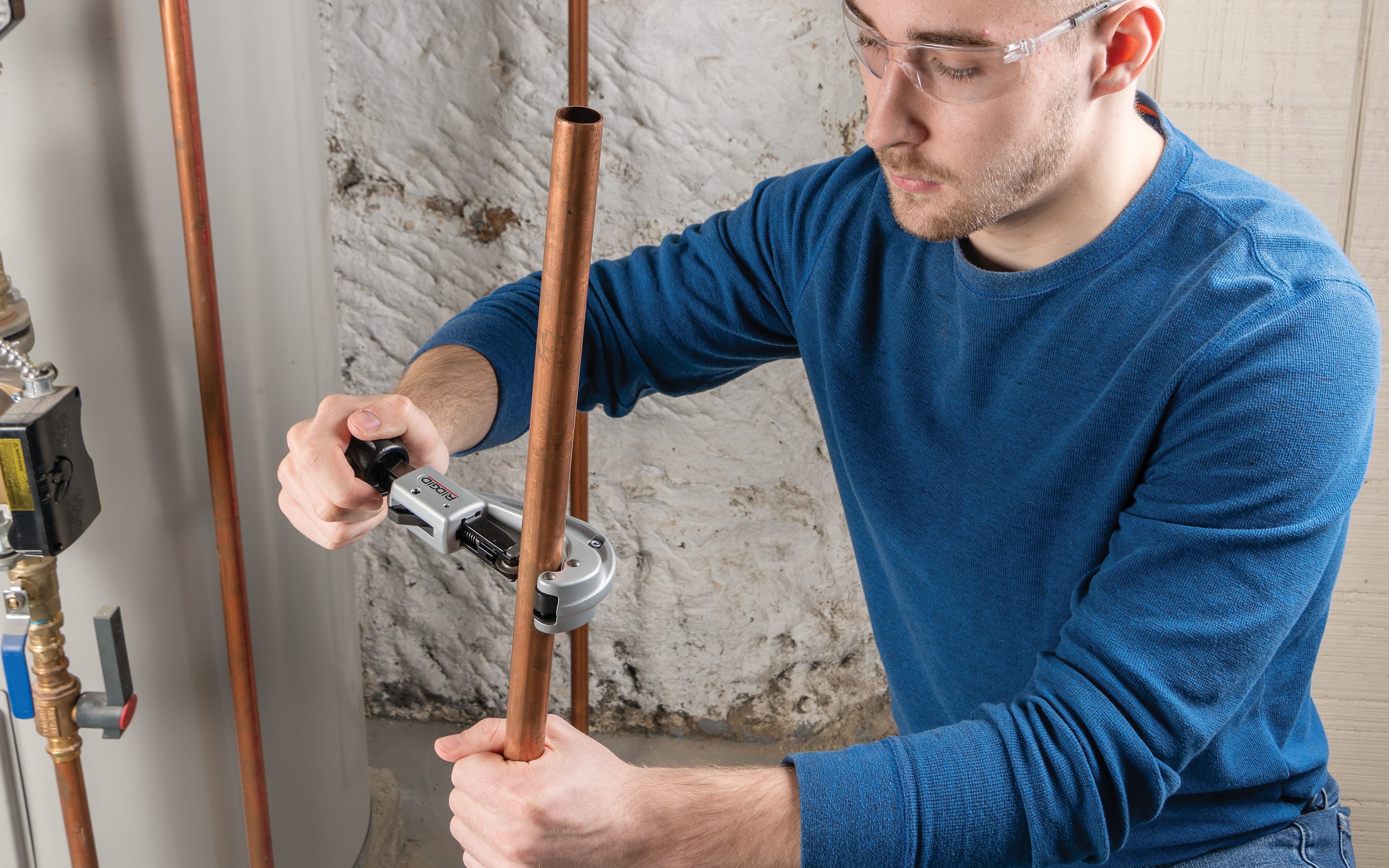
Copper pipe has been a popular type of plumbing material since the 1960s. Copper pipe can be manufactured from five copper alloys: C10200, C10300, C10800, C12000 and C12200.
The most common varieties of copper pipe are defined by their thickness. The following reviews Type K and Type L vs. Type M copper pipe:
- Type K copper pipe is the thickest and most expensive. It is best used for underground water lines and fire protection. Due to its cost, it is less often used for interior water supply pipes.
- Type L copper pipe is thinner, making it better suited for higher-pressure commercial applications, HVAC and gas service lines.
- Type M copper pipe is the thinnest, making it less expensive and appropriate for most residential applications and drain lines.
ASTM B88 (copper tubing standard) establishes the requirements for seamless copper water tube for general plumbing, based on internal or external fluid pressure, the installation and service conditions and local requirements.
Safe working pressures for copper pipe at 180 degrees range between 150-700 psi depending on the pipe size and joint type. Copper pipe with soldered or brazed joints has safe working pressure of 150-400 psi.
PEX vs. Copper Cost Installation Requirements
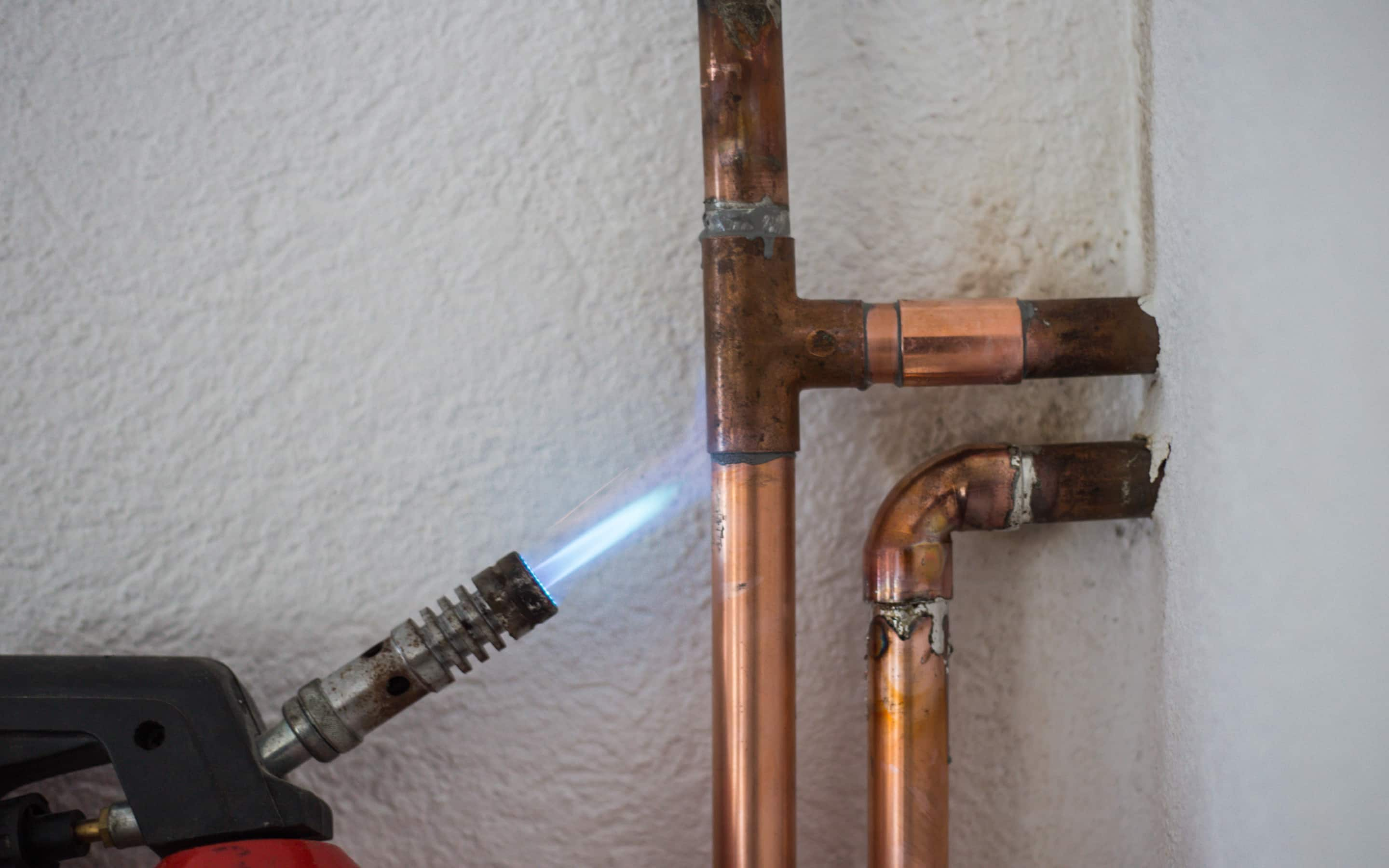
PEX and copper pipe have different installation requirements and associated costs.
Consider these factors when installing PEX:
- PEX tubing is available in 10-foot lengths or coils of 100-500 feet with diameters that range from 1/4 to 1 in. For residential plumbing, 1/2- or 3/4-in. PEX will be used most often.
- PEX pipe can be red, blue, white or gray. The red and blue options are used for hot and cold-water pipes, respectively, while white or gray are used for pipes that withstand both temperatures.
- As flexible plastic, PEX can often curve around obstacles, allowing for longer, continuous runs with fewer joints and fittings compared to copper. With fewer fittings, PEX has fewer sites for potential leaks.
- PEX can be installed more quickly using fewer materials. Repiping a house with PEX is estimated to take 1-3 days for a professional.
- PEX’s flexibility prevents it from having the water hammering issues of copper pipe, making it a quieter plumbing system.
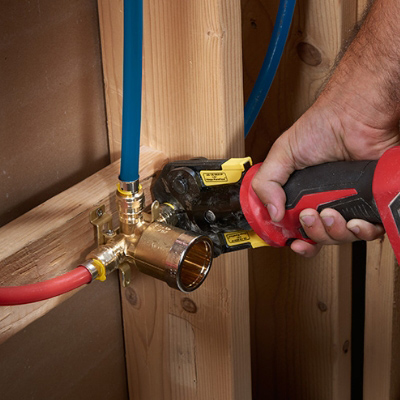
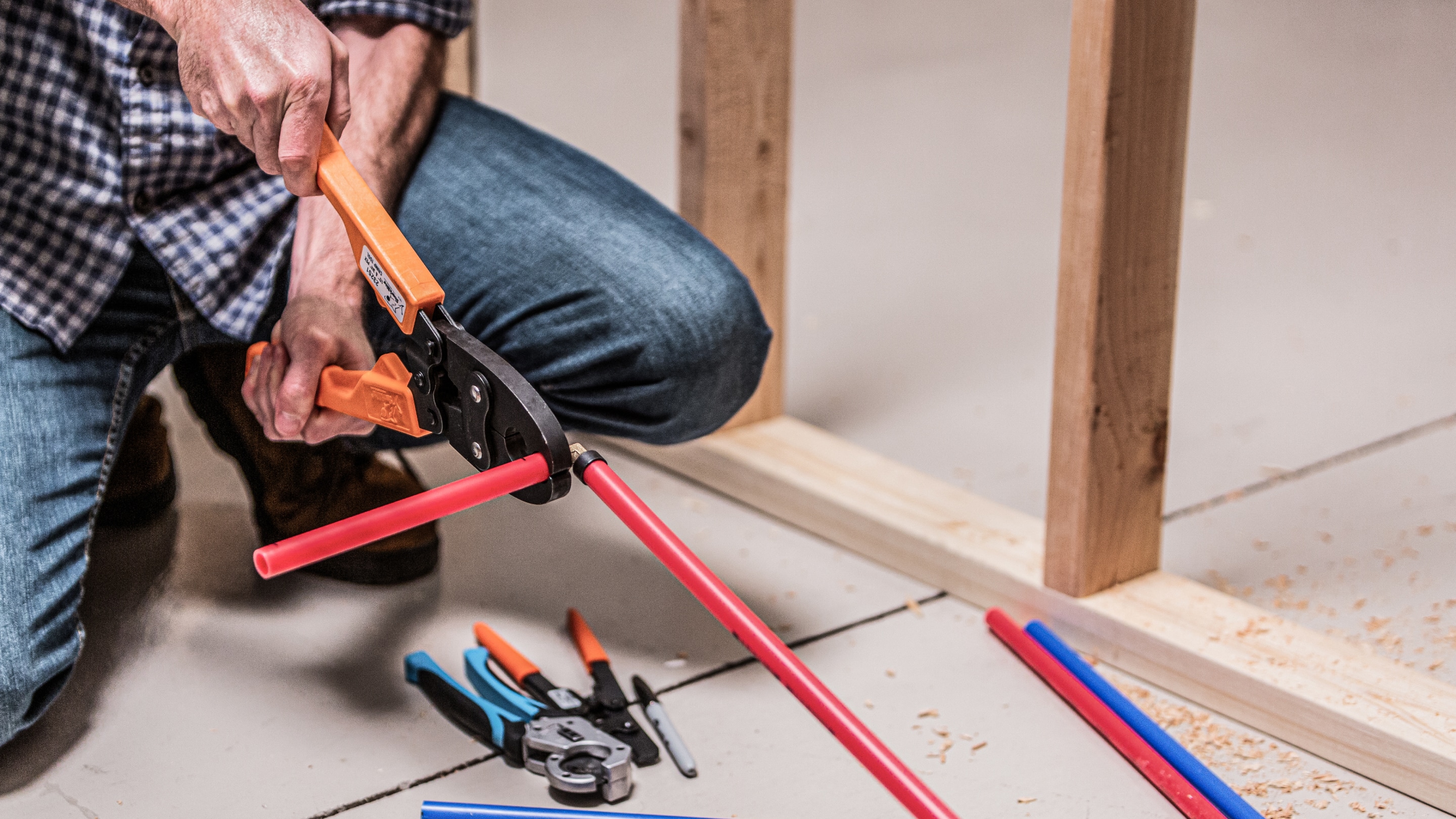
Use these methods to make water-tight PEX compressions:
- Crimping
- Clamping with stainless steel clamps and clamp tools
- Push-fit connection
Consider the following factors when installing copper pipes:
- Copper pipe can range in size from 1/4 to 12 inches, with 1/2- and 3/4-in. the most common widths for residential use. Rigid copper pipe is typically available in 10–20-foot lengths.
- As a rigid material, copper pipe must be installed in straight, precise lengths that require careful measurement, cutting and soldering.
- With more fittings, copper plumbing has more locations for potential leaks.
- Copper usually requires more material and longer installation time than PEX. Repiping a house with copper can take 2-5 days for a professional.
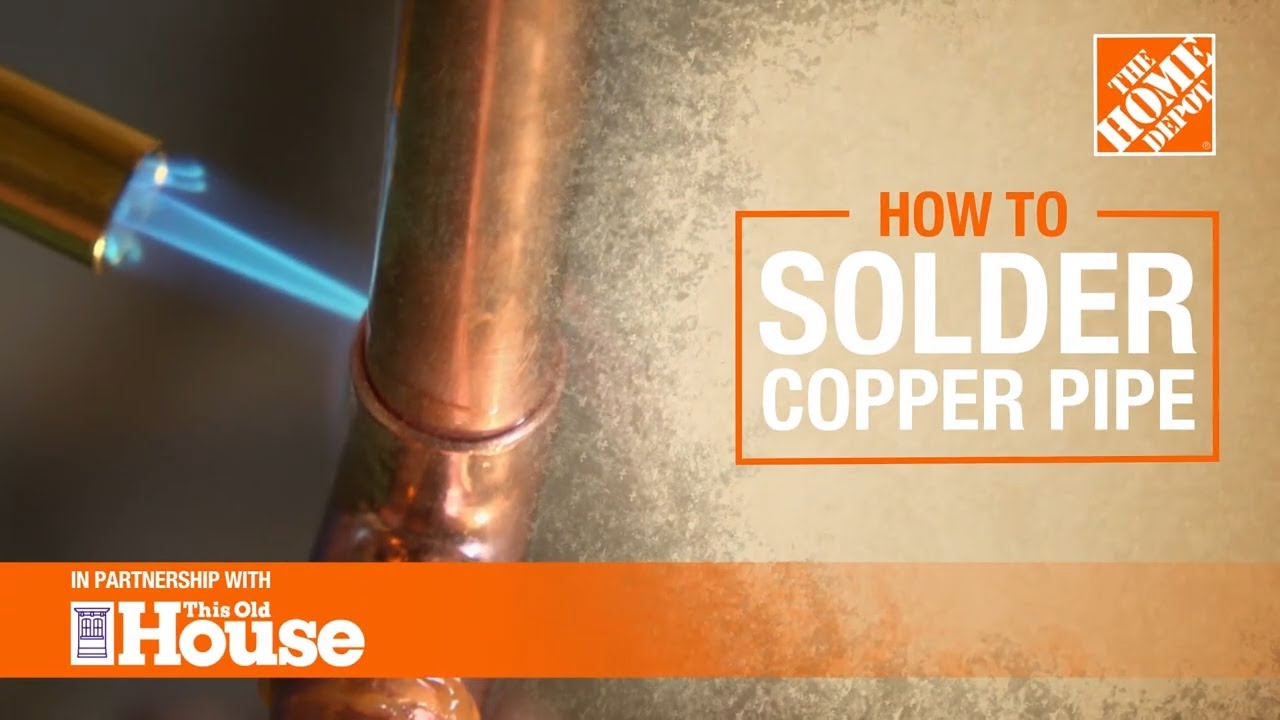
Use these methods to join lengths of copper pipe:
In general, it can cost an average of $2.50-$8 or more for material and labor per linear feet to convert copper pipe to PEX.
Pro Tip: For more information on joining copper pipe, read our guide “Press Fitting vs. Solder.”
Durability of PEX vs. Copper Pipe
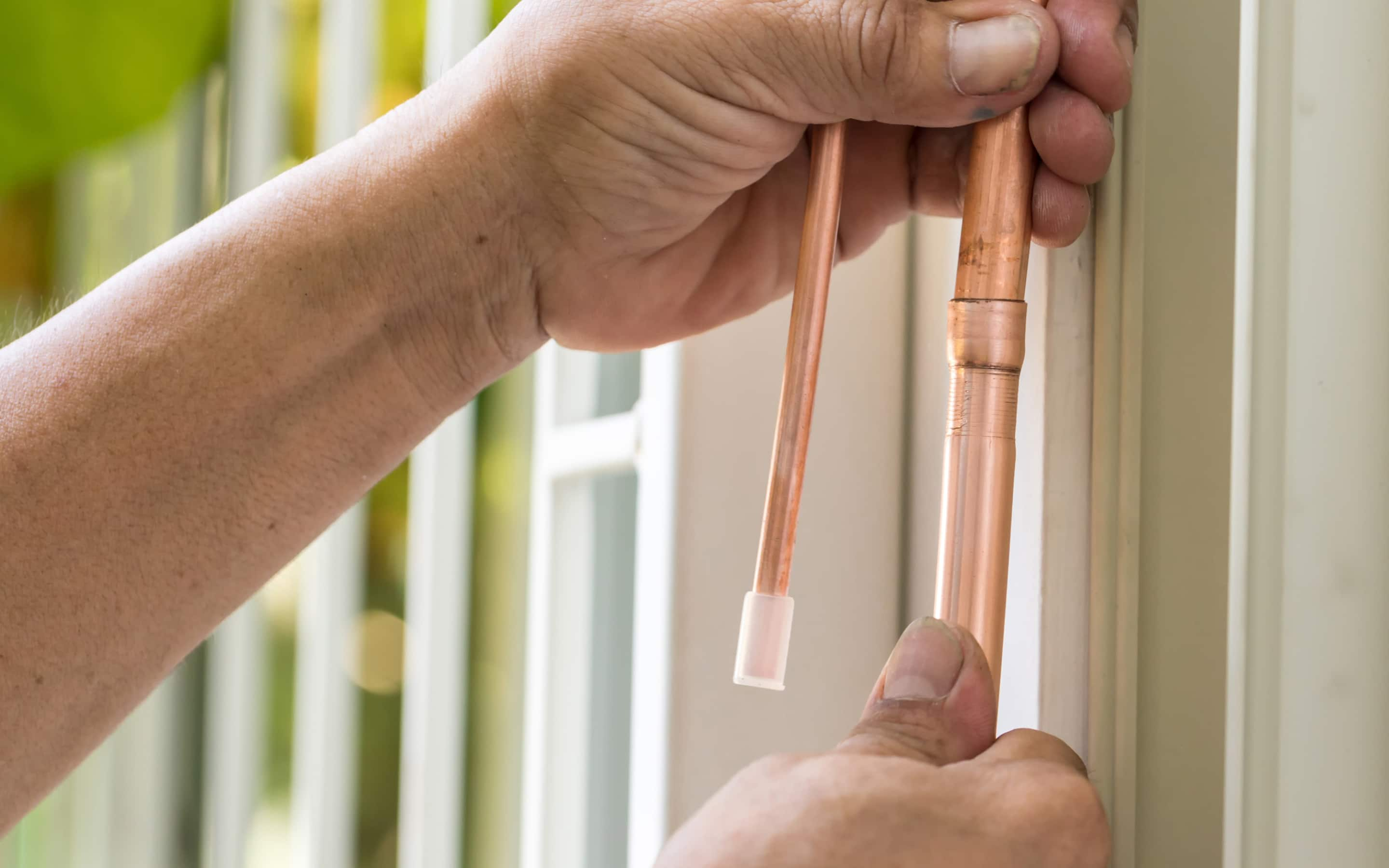
PEX tubing generally lasts about 50 years, while copper pipe has an estimated life of 50-70 years. The materials have different durability characteristics, such as chlorine and UV resistance, which can influence the choice of using PEX or copper for plumbing jobs.
The following are durability factors with PEX tubing.
- PEX is corrosion resistant.
- PEX, as a flexible plastic, seldom breaks in freezing conditions.
- PEX pipe can break down more quickly in sunlight or UV light. This makes it less suitable for outdoor or exterior applications without some kind of cover or protection.
- PEX’s softness can leave it susceptible to damage by rodents.
- PEX-B has the most resistance to chlorine, making it suitable for regions where water has higher chlorine levels.
The following are durability factors with copper pipe.
- Copper pipe is more likely to break if water freezes. Copper most typically breaks when it freezes below 20 degrees for at least six hours.
- Copper’s strength and rigidity make it resistant to UV rays and rodent damage.
- Copper pipe is susceptible to corrosion, particularly when exposed to chlorine or acidic water with a pH of seven or less. The acidity of municipal water supplies is usually balanced, but water from wells and other sources can be more highly acidic in certain areas.
More Tools. More Products. More Perks.

Be more competitive and boost your bottom line with Pro Xtra, The Home Depot’s loyalty program built for Pros. Sign up today to access the enhanced Pro Online Experience, built with the online business tools and time-saving features Pros need.
The Home Depot's jobsite delivery can streamline bulk pipe staging for large-scale rough-ins.