Wet Saw vs. Dry Saw: Choosing the Right Concrete Saw for the Job
Last updated June 8, 2026
Cutting concrete takes power and precision. Success may depend on choosing a wet saw vs. a dry saw based on costs, safety and the needs of the job. Using the wrong concrete cutting method can lead to damaged material, missed deadlines and even airborne contaminants.
This guide reviews how to choose a wet saw vs. a dry saw for concrete as well as the best cutting methods for tile, pavers and more.
Table of Contents
How Do Wet and Dry Cutting Work?
When Should I Use a Wet Saw?
When Should I Use a Dry Saw?
What Are the Best Materials for Wet Saws vs. Dry Saws?
Wet vs. Dry Saw Cost Comparison
More Tools. More Products. More Perks.
How Do Wet and Dry Cutting Work?
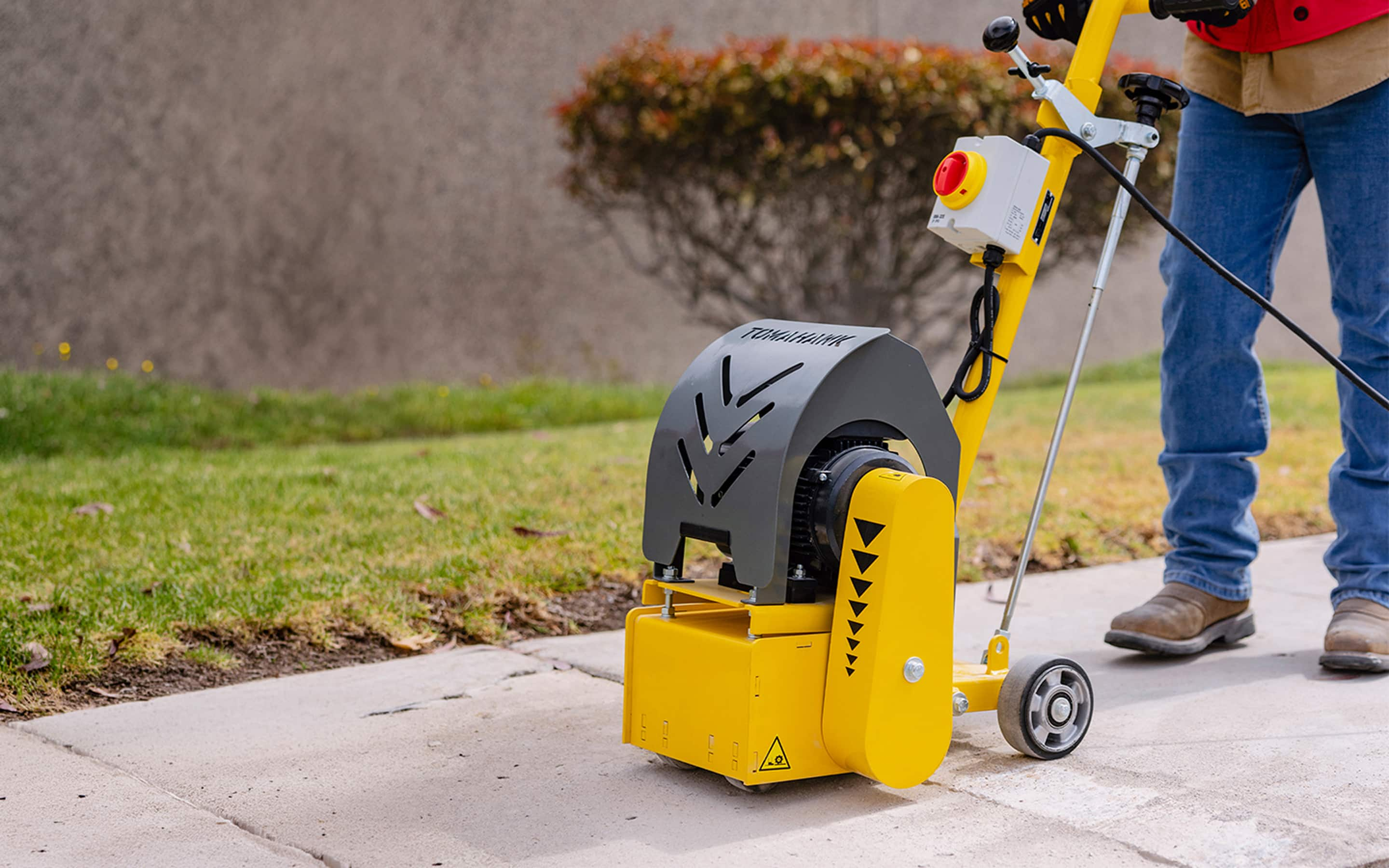
Concrete saws are heavy-duty power tools with diamond or abrasive blades. Common concrete cutting jobs include repairing pavement, digging trenches for utility access and making decorative cuts for driveways and patios. The different concrete cutting methods are defined by the use of water to cool the blades and manage the dust.
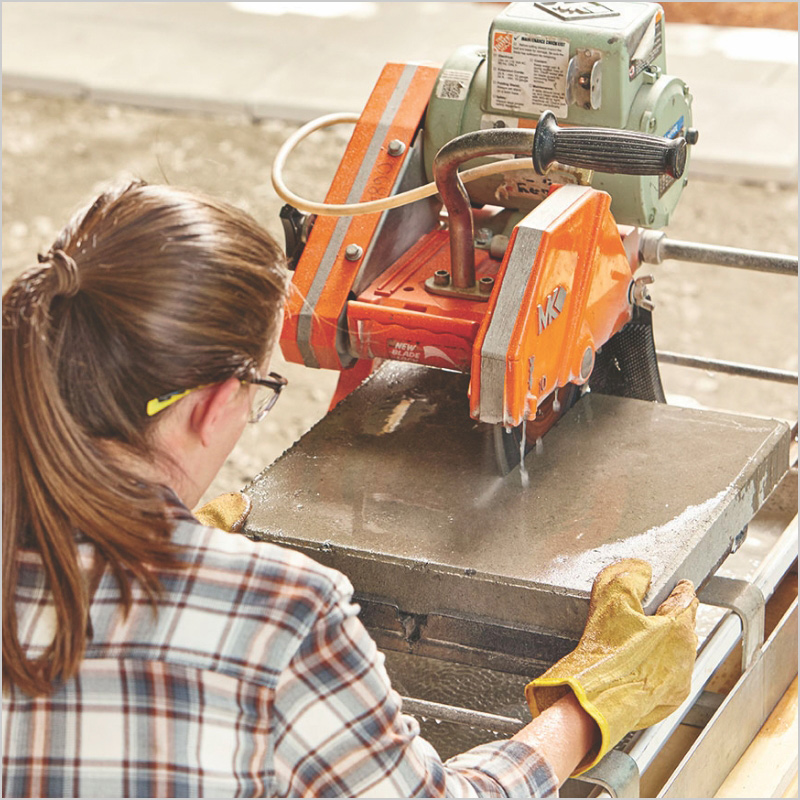
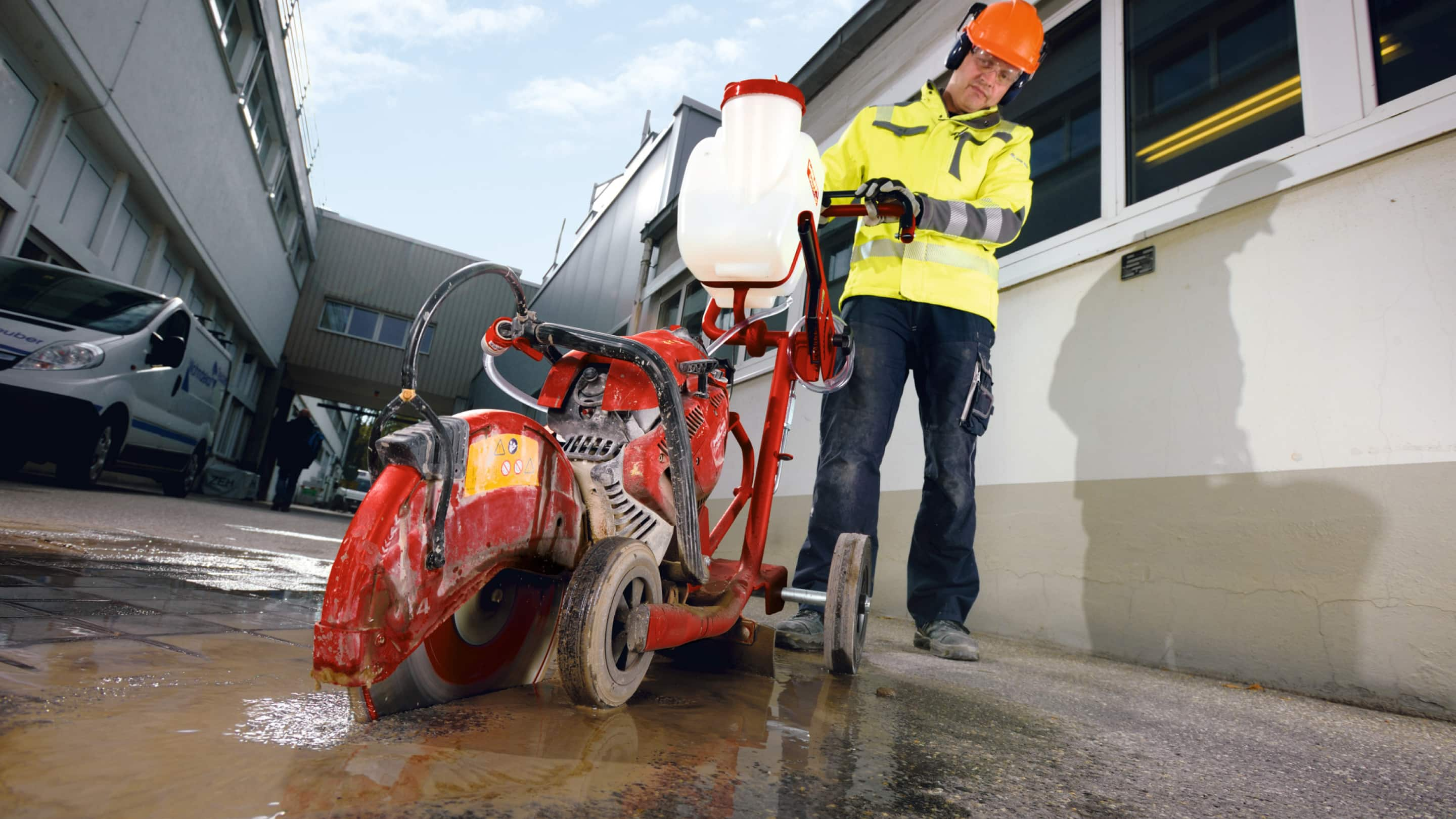
Wet cutting involves water spraying onto a diamond blade in use. This cools the blade while binding the silica dust into a slurry, preventing harmful particles from being released into the air.
- Wet saws must either have a water tank or be connected to a continuous water source.
- Wet cutting usually involves walk-behind saws, but hand-held options are available.
- Wet saws run on gas or diesel to avoid the potential hazards of mixing electrical power and water.
- Wet cutting requires cleanup of dust slurry afterwards.
Dry cutting involves ventilation for cooling the blades by air, so no water is necessary.
- Dry cutting requires regular pauses in operation to allow the blades to cool. A popular guideline suggests 10 seconds of cooling for every 30 seconds of cutting.
- Dry concrete saws can only cut straight lines, no curves.
- Dry concrete saws have venting and vacuum systems to manage the dust.
- Dry saws can be electric, battery or gas powered.
- Dry cutting often involves hand-held saws with lower horsepower.
Both wet saws and dry saws use diamond blades that generally have different designs.
- Wet saw blades are engineered with harder bonds for continuous operation and longer blade life.
- Dry saw blades are engineered with softer bonds for short cuts and heat dissipation.
Most dry saw blades can be used wet, but wet saw blades cannot be used dry.
When Should I Use a Wet Saw?
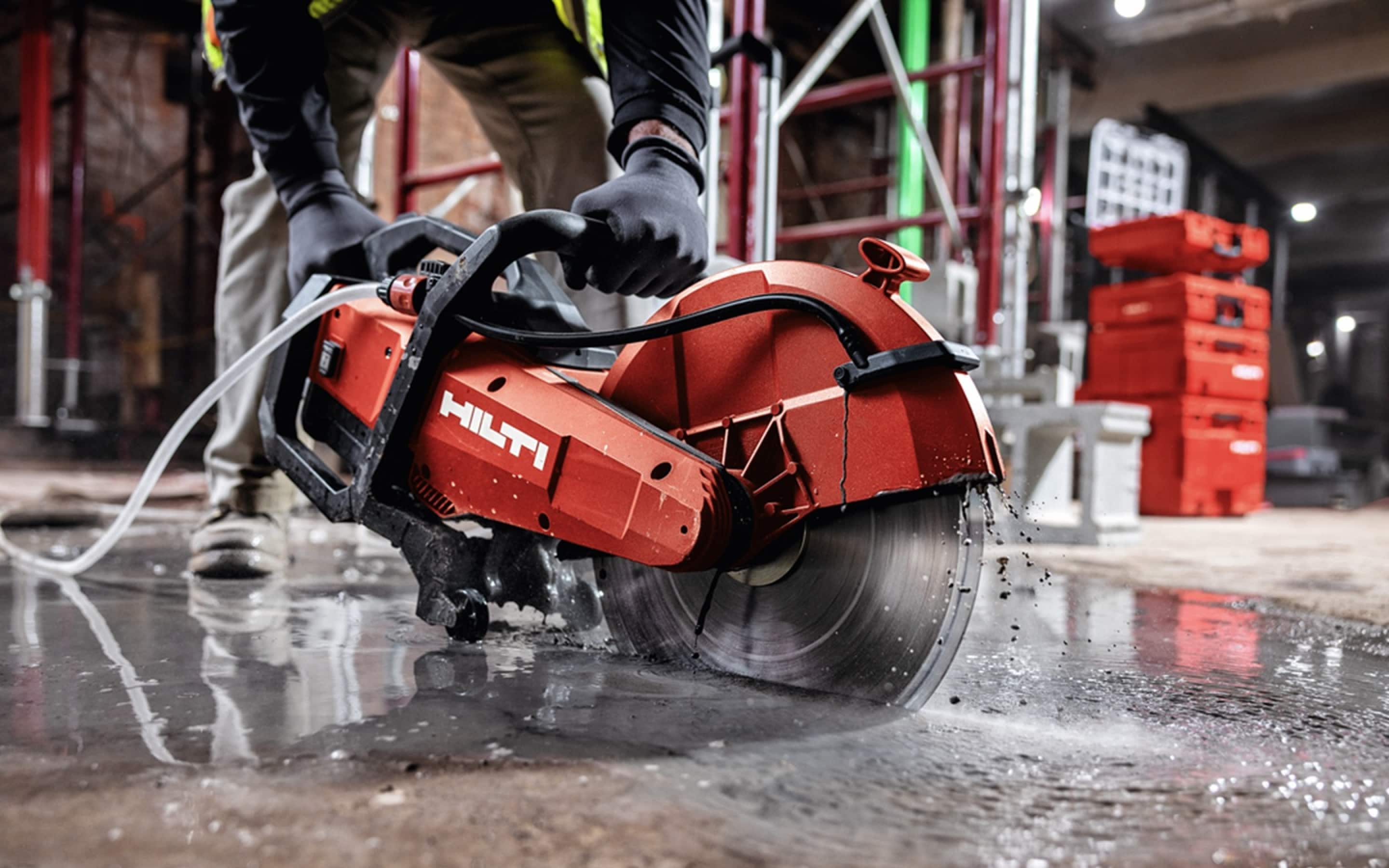
Wet saws are generally better for heavy-duty jobs that can include asphalt roads, outdoor concrete slabs, large commercial flooring projects and more. Consider the following factors when choosing wet saws for cutting concrete.
- Wet cutting can make deeper cuts than dry cutting, making it more suitable for reinforced concrete, deep expansion cuts and materials more than 4 inches thick.
- Wet saws are preferable for jobs that are outdoors or in ventilated areas.
- Wet cutting can cut concrete for longer, uninterrupted durations than dry, making it more suitable for jobs that need long or curved cuts.
- Wet saws tend to be more accurate, less noisy and less likely to chip.
- Wet cutting takes less time and can be more efficient for jobs with tight deadlines.
- Wet saws minimize airborne dust and are preferable for OSHA silica dust concrete cutting compliance.
When Should I Use a Dry Saw?
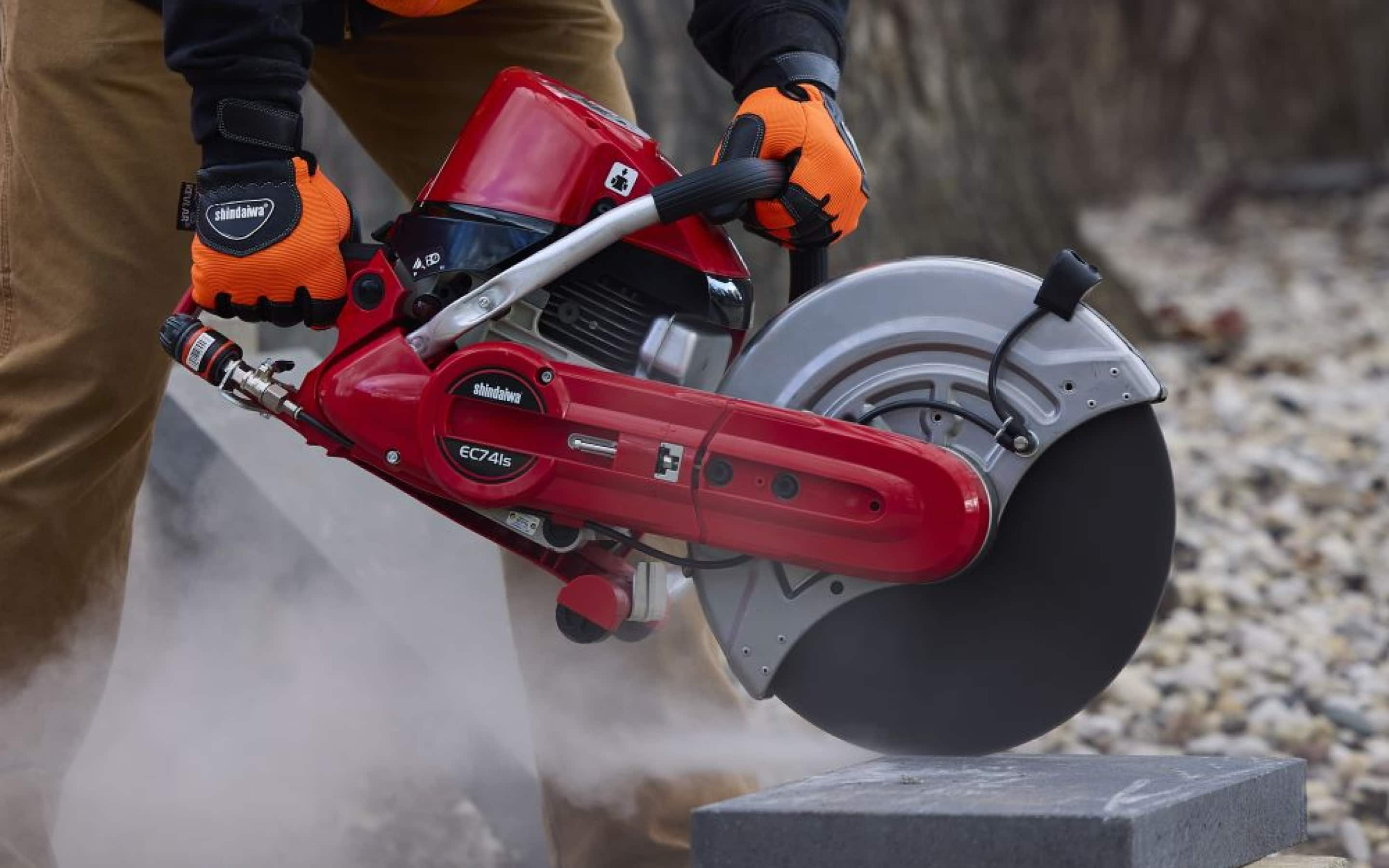
Dry saws make straight, shallower cuts and are generally used for smaller jobs, tighter workspaces, indoor renovations or emergency repairs. Dry saws are used with vacuum systems to manage hazardous dust. Consider the following factors when choosing wet saws for cutting concrete.
- Dry concrete saws can be preferable for interior work sites that must remain dry, especially ones near electrical components.
- Dry cutting can be preferable for jobs in remote areas with limited access to water or power.
- Dry cutting is good for scoring lines, segmented cuts, decorative patterning and other jobs that need short or intermittent cutting.
For OSHA compliance, dry cutting requires an enclosed dust shroud with HEPA-filtered vacuum system, as well as jobsite PPE including respirator masks.
What Are the Best Materials for Wet Saws vs. Dry Saws?
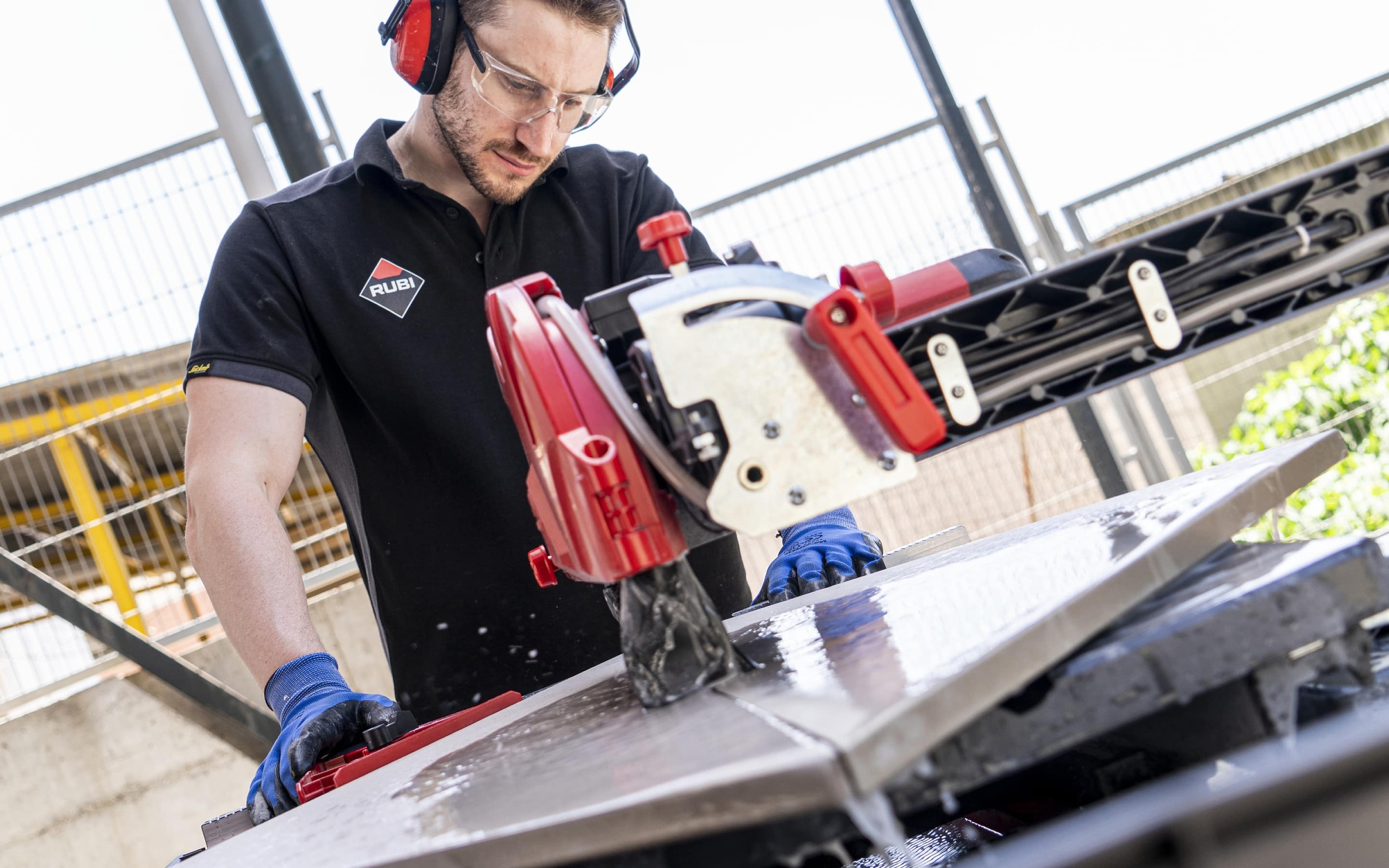
The size and scale of a job will often determine whether to use wet vs. dry cutting. Some cutting methods suit different types of building material.
Wet saws can be more versatile, making them preferable for a greater range of materials, including:
- Tile
- Bricks
- Masonry
- Natural stone such as flagstone, bluestone and travertine
- Metal
The best saw for cutting pavers can depend on whether the edges are visible. Wet saws are better for pavers that have precise, visible edges. Dry saws can be more effective for jobs that allow concealed cuts and have tight deadlines due to their faster cutting time.
Dry saws can make faster straight cuts on concrete block, but wet saws make cleaner edges.
Dry saws should not be used for sustained cutting of such dense stones as granite or quartzite.
Wet vs. Dry Saw Cost Comparison
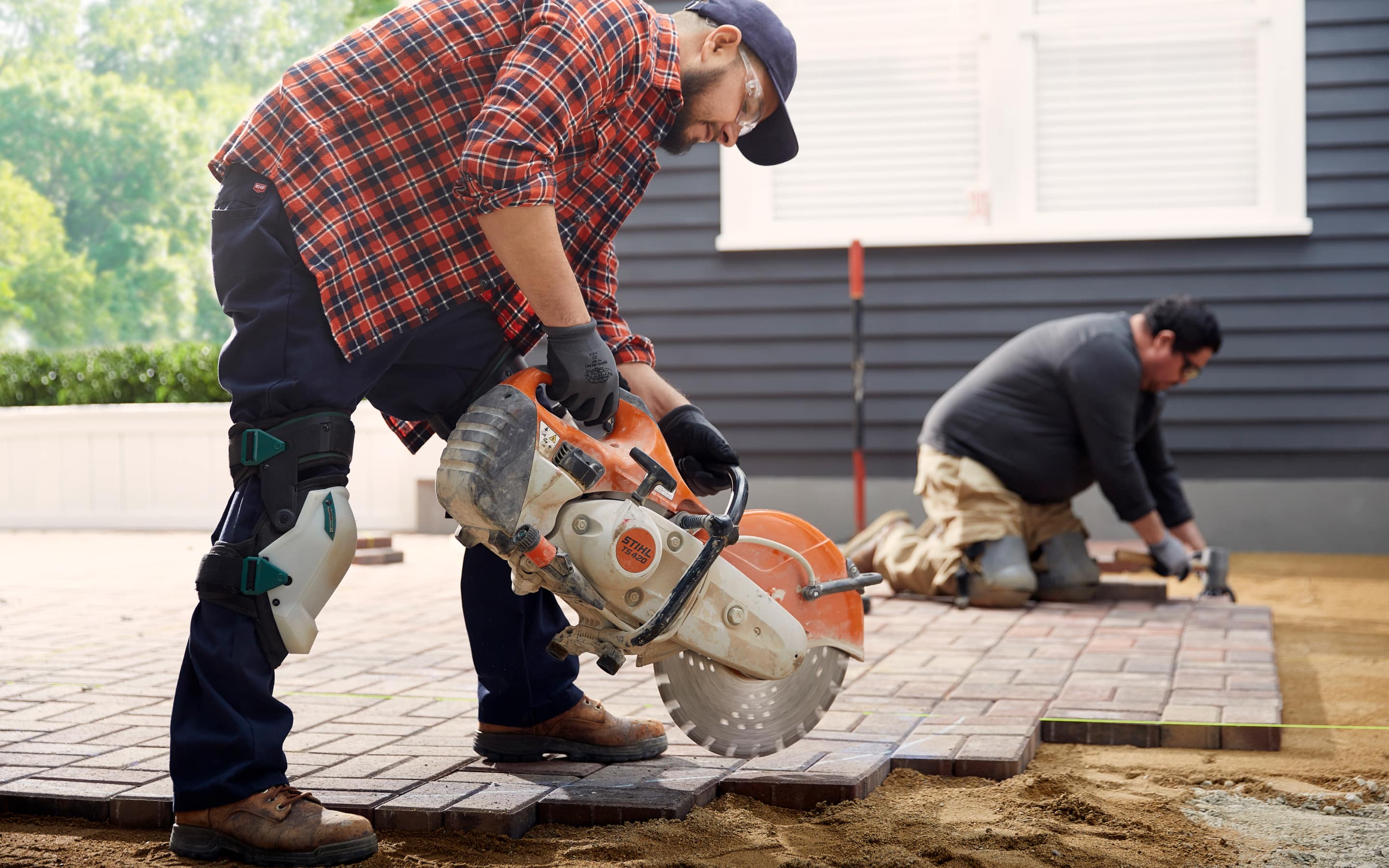
Pros must consider the wet vs. dry saw cost differences when choosing whether to purchase or rent the cutting tools.
Dry saws are generally less expensive and best for small-scale cutting jobs. These are the cost factors for dry saws:
- Handheld dry saws and angle grinders can cost $150-$400.
- Blades for dry saws can cost $150-$400 per blade. They are less expensive but wear out more quickly.
Pros who reliably have steady work booking larger concrete cutting jobs may save money in the long run by purchasing wet saws, but rental can be more efficient also. These are the cost factors for wet saws:
- Wet tile saws can cost $200-$600.
- Walk-behind wet concrete saws can cost $1,500-$5,000.
- Blades for wet saws can cost $200-$500. They are more expensive but last longer.
More Tools. More Products. More Perks.

Be more competitive and boost your bottom line with Pro Xtra, The Home Depot’s loyalty program built for Pros. Sign up today to access the enhanced Pro Online Experience, built with the online business tools and time-saving features Pros need.
Use the best concrete cutting equipment for your job with The Home Depot’s rental services.