Best Table Saw Blades for Your Project

Last updated March 30, 2026
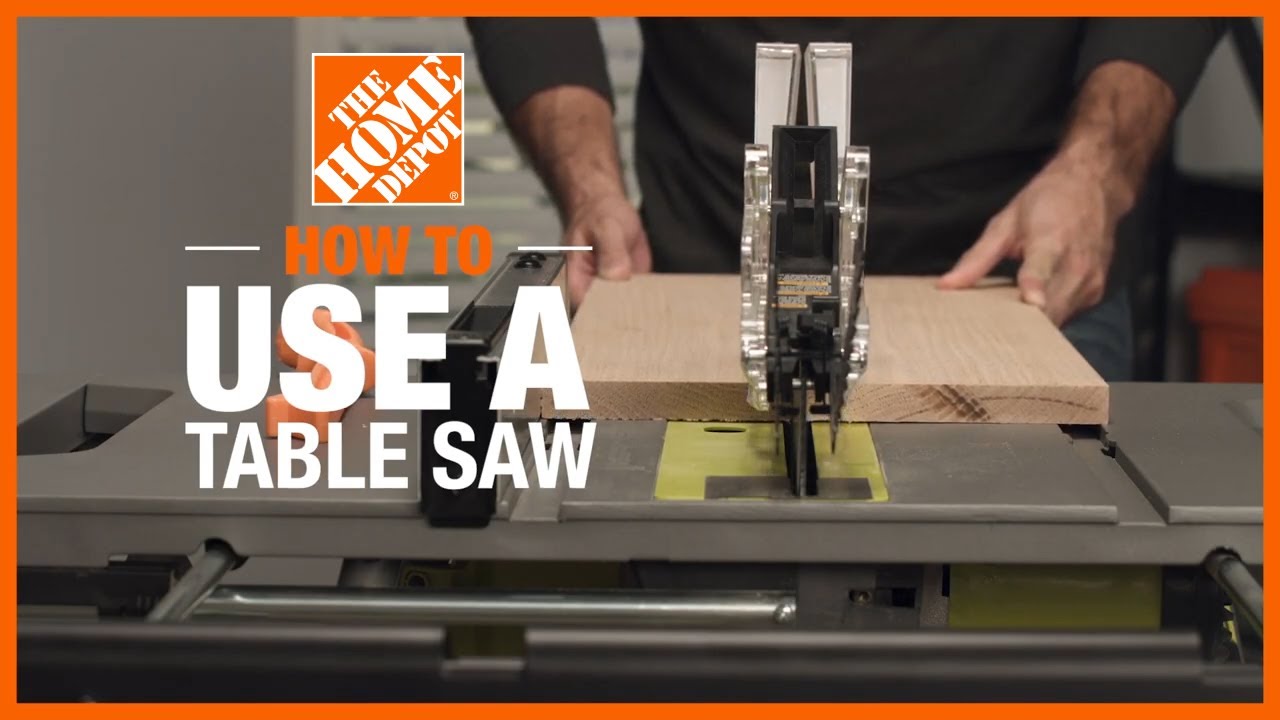
A table saw is an essential tool that helps you make more precise cuts. Whether cutting plywood, hardwood or man-made materials like MDF, the right saw blade is essential. Use this guide to learn about the different table saw blade sizes and the various types of table saw blades. Understand what type of saw teeth to use and how to choose the best table saw blades for your projects.
Table of Contents
Table Saw Uses
Types of Table Saw Blades
Ripping Saw Blades
Crosscut Saw Blades
Combination Saw Blades
Composite Saw Blades
Table Saw Uses

A table saw is vital for pros and hobbyists alike. Consider the job at hand when choosing the best table saw blade.
Below are the most common materials that different types of table saw blades are used for:
- Plywood is ideal for light construction and framing. It's easy to cut cleanly with a well-maintained plywood cutting table saw.
- MDF or medium density fiberboard is a specific type of plywood often used for furniture. A table saw fitted with the correct blade can help you cut it cleanly.
- Man-made materials like layered plywood, plastic laminate and even melamine can often be cut with the right table saw blade.
- Making precise cuts in hardwood takes a table saw blade that's the right size and structure.
Types of Table Saw Blades
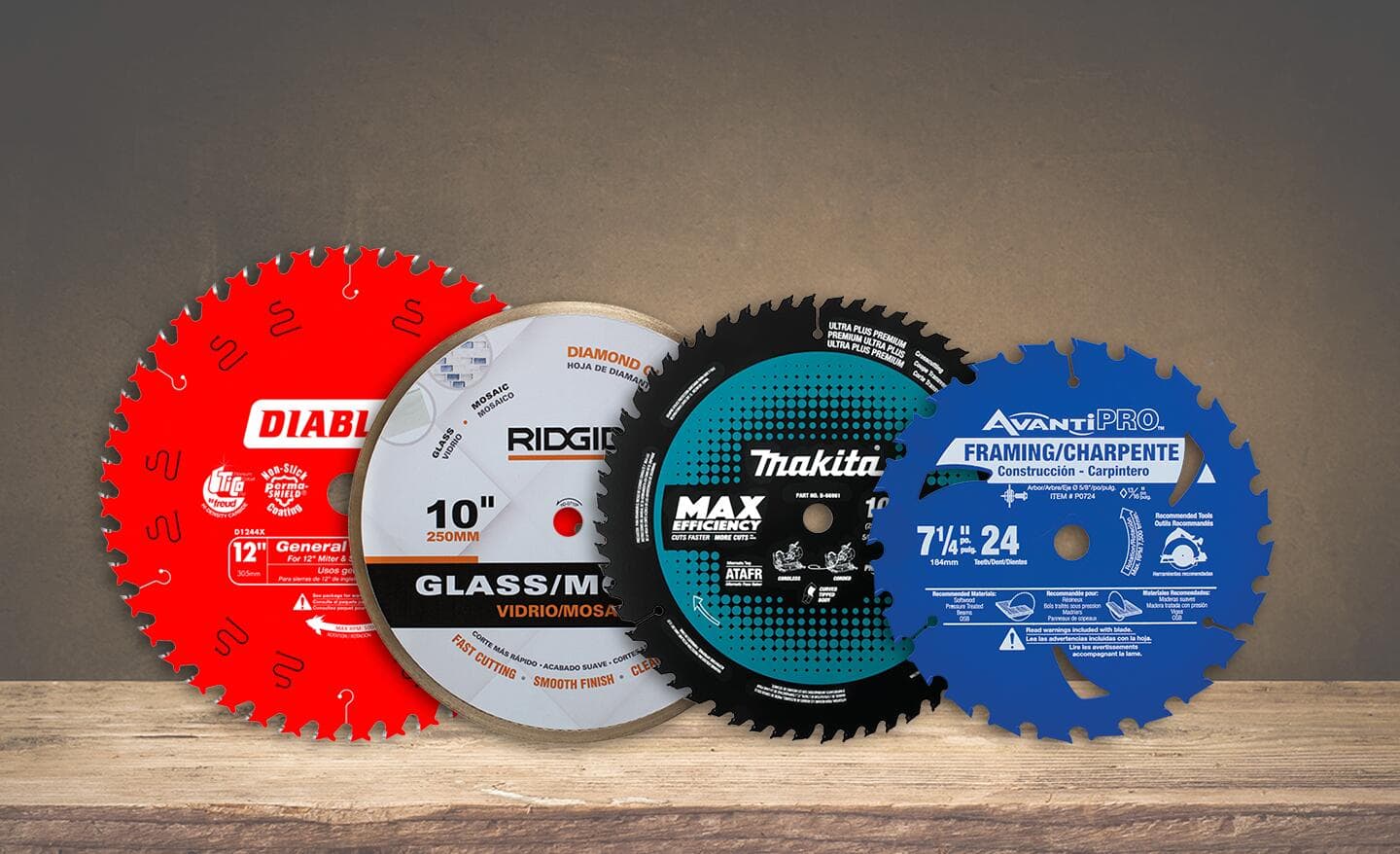
The best table saw blades are the ones that don't damage the material you’re cutting. There are ripping saw blades, crosscut saw blades, combination saw blades and composition saw blades. Each type of saw blade is designed to cut cleanly through a particular type of wood or man-made material.
Ripping Saw Blades

Ripping blades are the best blades for a table saw to have when cutting natural woods. When using a ripping blade, cut with the grain of the wood. Typically made with 24 to 30 wide teeth, ripping blades make short work of most cuts.
You might use a ripping saw blade to:
- Cut a single piece of lumber in half or in separate portions.
- Cut many pieces of natural wood to size before making more precise cuts.
- Cut through thick pieces of hardwood.
- Make a quick cut with the grain in plywood.
- Make fast cuts for wood framing projects.
Crosscut Saw Blades

Commonly designed with 80 to 90 teeth, crosscut blades are made to cut across the grain of your material. As you do this, you'll notice more sawdust. That's because the teeth of a crosscut blade are making a very fine, precise cut through your wood. Crosscuts are the best table saw blades for:
- Natural hardwood like oak
- Making cross-grain cuts in plywood
- Cutting composite materials like MDF, veneer and plastic laminate
- When using a metal cutting table saw blade for nonferrous metal
Combination Saw Blades

Combination saw blades come in a 32 tooth to 50 tooth design and can do the job of a ripping blade and a crosscut blade at the same time. Combination blades are the most common of all types of table saw blades. The 10-inch general purpose saw blade is a combination blade.
If you do a variety of projects or are new to woodworking, combination blades are the best table saw blades for you. They are excellent for:
- Cutting lumber or MDF, wood beams and lightweight veneer
- Making fast, precise cuts on many pieces of lumber
- Making cross cuts in plywood, natural wood like oak and pine or pressure treated lumber
Composite Saw Blades

Composite blades or multi-purpose blades are available in a 60-tooth design. Ideal for man-made materials, these table saw blade types do the work of both a ripping blade and a crosscut blade. They have a higher tooth count than a combination blade and are great for cutting materials like MDF and softer woods.
Here are a few tasks for a composite blade:
- Making many small cuts in MDF for furniture building or repair
- Cutting long lengths of materials like layered plywood
- Making more precise cross cuts in man-made materials
Best Table Saw Blade Features

To get efficient, accurate cuts always choose the best table saw blades sized for your project. The wrong size saw blade can cause splintering or uneven edges. A blade's size is measured across the diameter, from one side to the other. Below are some popular sizes found among the best table saw blades:
- 4-inch saw blades are good for crafts and precise cuts.
- 7-1/4 saw blades are lightweight and good for small projects.
- 10-inch table saw blades are the most common. A 10-inch blade is easy to carry and cuts well for both small and medium jobs.
- 12-inch blades are large and powerful enough for heavy-duty cuts and thick materials.
Tip: Table saw blade types that work in a circular motion are designed to rotate clockwise, so make sure the teeth always point down.
Full Kerf Blades vs. Thin Kerf Blades

Blade kerf is the width of the saw's carbide teeth.
- A full kerf blade that's 1/8-inch wide has more carbide, which means that it will stay sharper longer. However, it can be rougher on your table saw's motor. Plus, new woodworkers can find a full kerf blade more difficult to use.
- A thin kerf blade that's 3/32-inch wide has less carbide. This means the blade may not stay sharp long or make precise cuts. However, a thin kerf blade is easier on the saw's motor and easier to handle.
Look at your table saw's manual to see which kerf style works best with it. In general:
- For high-power machines like a 220-volt, 3-horsepower saw, a full kerf blade is ideal. You'll have ample power to make quick, relatively easy cuts with a blade that will stay sharp longer.
- For a less powerful table saw like a 110-volt model, a thin kerf blade works best. It will make cutting much easier while reducing wear and tear on your saw's motor.
Best Table Saw Blade Features

Here are a few features to look for when shopping for a new table saw blade:
- Titanium carbide teeth are strong and durable. Titanium carbide teeth provide excellent performance and can help you make many clean, fast cuts.
- Coated blades have a protective layer that creates less friction and resistance. It also prevents corrosion, gumming and burns. This is important for a combination or all-purpose blade where you may need to work slower to make clean cuts.
- Shock-resistant brazing can help your blade stay sharper longer by resisting the impact of more extreme work. This is particularly beneficial if you're working with materials like laminate.
- Filled stabilizer vents help prevent sideways movement for cleaner cuts. Look for these on heavy-duty blades designed for materials like plastic laminate and non-ferrous metal.
Table Saw Blade Teeth Guidelines

Blade teeth spacing matters when choosing the best table saw blades. The specific cutting action depends on the number of teeth per inch (TPI). Types of table saw blades with finer teeth are used for crosscutting material and produce smoother edges. Blades with fewer and more spaced teeth are better for ripping or cutting across the wood grain. The higher the TPI, the closer the teeth and the smoother the cut. This works well for thin materials. Large saw blades with lower TPI are best for thick materials.
Here are some guidelines to help you select the right table saw blade for most jobs:
- Use a 24-tooth to 30-tooth blade when ripping solid wood. You can also use a 40-tooth to 50-tooth multipurpose blade, but it will take longer.
- Use a 40-tooth to 80-tooth blade for cross-cutting wood or sawing plywood. You can use a 40-tooth to 50-tooth general purpose blade as well.
- Use a 40-tooth to 50-tooth all-purpose combination blade for joinery work.
- Use a 50-tooth to 80-tooth blade when cutting MDF and man-made materials. For the best cuts in dense materials, choose a 60-tooth saw blade.
- Use an 80-tooth cross-cut blade for plastic laminate. You may be able to use a 60-tooth composite blade for thinner materials.
Saw Blade Sets and Packs

When looking for the best table saw blades, check out prepackaged saw blade sets. Experienced woodworkers and many individuals find saw blade sets a budget friendly option. These sets usually contain several types of table saw blades, so you’ll always have the right blade for your project. Always having a sharp blade on hand will keep your project moving.
Most of these packs include standard 10-inch table saw blades that can do a variety of tasks. Circular saw blades often have a ripping blade, crosscut blade and a combination blade. For beginners, these multipack blade sets are a valuable option, especially if you want to replace the worn or dull blade that came with your table saw.
Frequently Asked Questions
What is the best tooth count for a general-purpose table saw blade?
Choose a blade with 40-50 teeth. It balances smooth cuts and efficient material removal. This makes it work well for both ripping and crosscutting.
When should I use a thin kerf vs. full kerf blade?
Use thin kerf blades for saws with motors under 3 horsepower since they need less power. Use full kerf blades for larger, more powerful saws to get more stability.
What is a Dado blade used for?
Use a Dado blade to create grooves like dadoes and rabbets essential for joinery in shelf-building and cabinetry. These grooves create snug strong joints.
How do I know when my table saw blade is dull?
Look for signs like burning wood, increased resistance, rough edges and excessive vibration. These show it’s time to sharpen or replace the blade.
Are carbide-tipped blades worth the higher investment?
Yes. They last longer, stay sharp and let you resharpen them multiple times.
There are a wide range of best table saw blades for wood and MDF. Specialty saw blades are available for cutting aluminum and stainless steel. Whether you're working with hardwood, plywood or MDF, using the correct types of table saw blades ensures clean and efficient cuts. Need a new saw blade or table saw? Use The Home Depot Mobile App to locate products and check inventory. We'll take you to the exact aisle and bay.