Polymeric Sand vs. Paver Sand

Published June 30, 2026
Polymeric sand is a clean, semi-permanent and low-maintenance option for securing paver joints, while paver sand (or regular sand) is a more temporary option that’s less expensive but harder to maintain. The product you advise your client on should depend on their needs, budget and how often they would like to have it maintained.
In this guide we cover the differences between polymeric sand and paver sand and when you should consider each for what you’re doing.
Table of Contents
Sand Materials: What's the Difference?
When to Choose Polymeric Sand?
When to Choose Paver Sand?
Standardizing Your Approach to Applying Sand
More Tools. More Products. More Perks.
Sand Materials: What's the Difference?
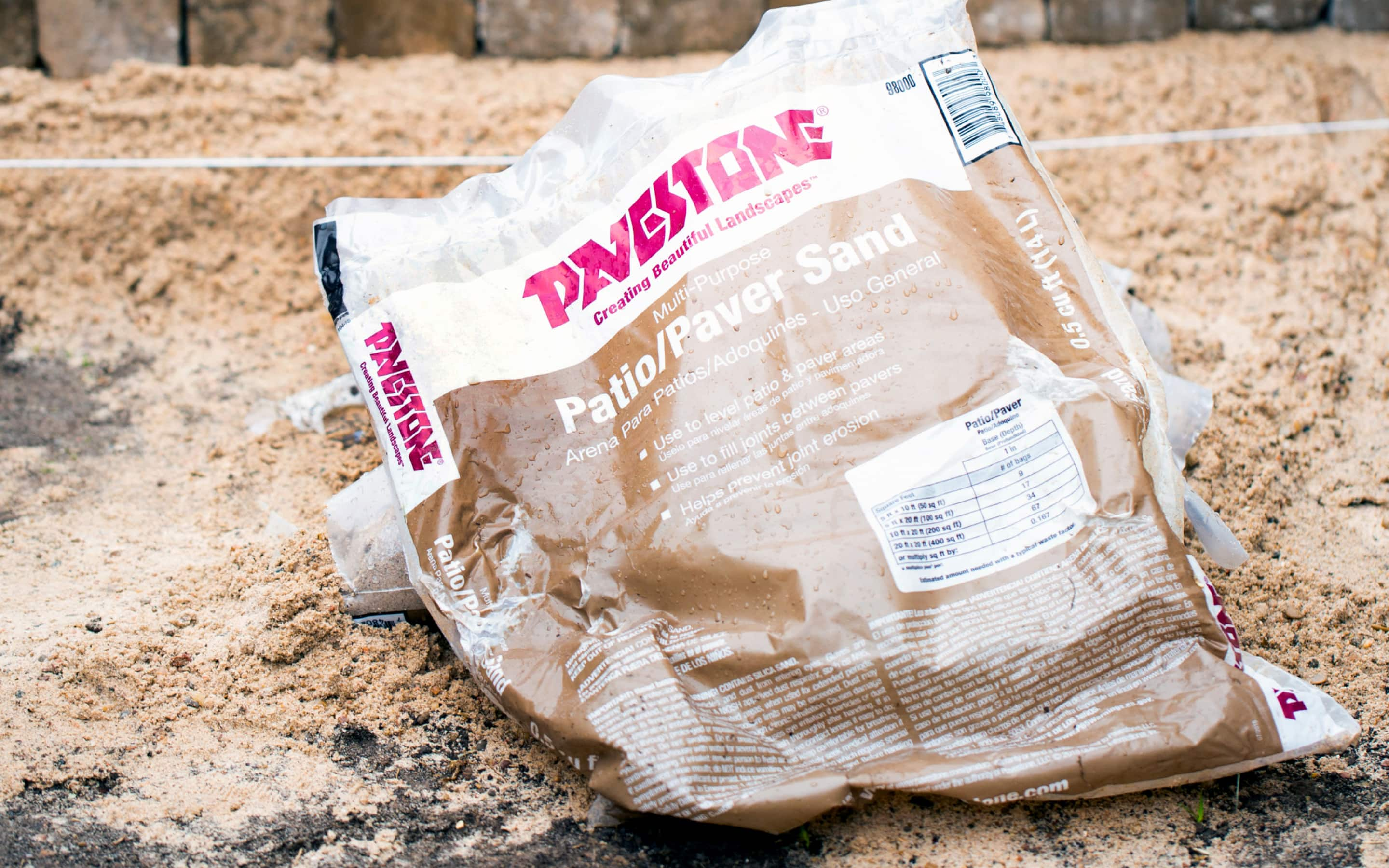
Polymeric sand is made of blended sand particles with a dry polymer binder. Paver sand is comprised of finely divided rocks and mineral particles with no bonding agents. Polymeric sand has a smooth, firm texture, while paver sand has a more rough, coarse texture.
Polymeric sand is known to last up to 10 years before a repair or re-sand is required. Paver sand usually needs an annual touch up.
A few other key differences include:
- Polymeric sand can cost about $20-$40 for a 50 lb. bag and regular paver sand can average about $5-$10 for a 50 lb. bag.
- Polymeric sand is semi-permanent and can last 3-10 years but paver sand is temporary and would require at least an annual touchup.
- Regular paver sand is made up of fine, divided rocks and mineral particles with no bonding agents, while polymeric sand is made of blended sand particles with a dry polymer binder.
- Regular paver sand can suffer from ongoing loss due to rain and wind, giving it a low washout resistance. Polymeric sand has a high washout resistance after curing.
- Polymeric sand has moderate difficulty to install with a strong weed and insect resistance, opposed to regular paving sand having minimal weed and insect resistance but a fairly low difficulty to install.
- Standard polymeric sand covers joints from about 1/8 in. to 1 in. and for wide-joint formulations, they cover joints from about to 1 ½ in. to 4 in. or more. Regular sand often needs a joint width between 1/8 in. to 1/2 in. For gaps wider than 1/2 in., polymeric sand is highly recommended.
When to Choose Polymeric Sand?
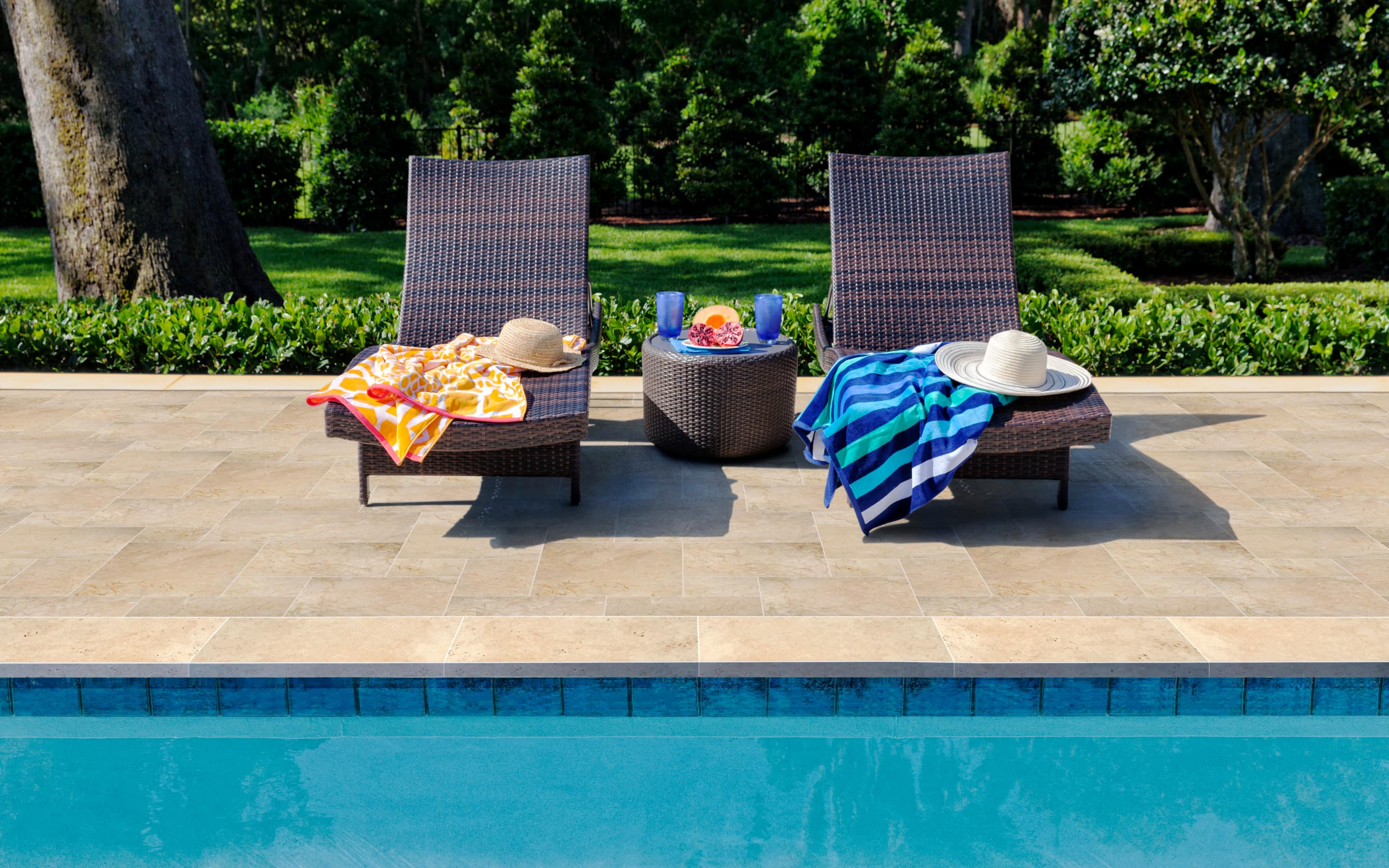
Polymeric sand is sufficient for paver installation projects in which the client expects a weed-free/ant-free surface. It thrives where conditions are dry for application (weather and surface) and the joints are between 1/4 in. to 1 1/2 in. wide.
Here are a few job scenarios and best use cases:
- Use polymeric sand for things like pool decks and surfaces near water. Look for high-performance/wet-environment formulated polymeric sand to apply for best results.
- Opt for polymeric sand when creating patios and walkways. These usually require standard joint widths (1/8 in. to 1 in.).
- You will find polymeric sand used often in driveways. A polymeric formula that can often withstand repeated tire stress is typically used.
- Polymeric sand is preferable for projects involving flagstone. These jobs usually require joints up to 1 1/2 in. or larger and a wide-joint formula related directly to that joint width.
- Polymeric sand works for high-end installations where a clean aesthetic is preferred.
When to Choose Paver Sand?

Regular paver sand is suitable for installation projects that you expect to lift and reset. Think utility access pavers or temporary jobs.
Here are a few job scenarios and best use cases:
- Paver sand can be suitable for budget-sensitive jobs where the client is comfortable with the need to re-sand annually as a trade-off.
- Paver sand is a good choice in wet climates where polymeric sand will not cure properly.
- Paver sand might be sufficient for jobs where the joint width falls outside of the polymeric range.
- Paver sand is a match for permeable paver systems where drainage would need to flow through the joint as a requirement.
Standardizing Your Approach to Applying Sand

It is recommended to standardize your processes for applying sand including selecting a go-to brand for polymeric sand products for semi-permanent jobs and keeping regular paving sand on hand for temporary needs.
Here are some benefits of coming up with a standard approach:
- Developing an install SOP (standard operating procedure) plan will give you the flexibility to onboard and start projects quickly.
- Relying on a one cure-time spec allows you to set expectations with your crew and client to avoid confusion on timing.
- Establishing one set of failure modes can increase efficiency and gives your crew piece of mind when navigating any issues that could arise.
- A sand-void callback or a polymeric haze callback can cost more in rework time than the material premium across a full season of projects. Standardizing and stocking polymeric sand for the bulk of your work can help you save significant budget and time.
Consider these best practices for standardization:
- Use tools like utility knives and leaf blowers for prep. Then, tools like water hoses, push brooms and plate compactors for application.
- Consider the buying math of purchasing by-the-pallet or by-the-bag when deciding what’s best for your business. It’s good to remember that most polymeric sands have a recommended shelf life of 1-2 years when it comes to storage.
- When it comes to training your team, cover your SOP at a high level and link to procedural Pro guides for full walkthroughs of work.
Remember, that there are only a few cases for polymeric sand failure:
- Polymeric sand application may fail if you use the wrong joint-width formulation for the job.
- Polymeric sand installations can falter if you overwater during activation. This will cause polymers to float to the surface, leaving loose sand below.
- Your polymeric sand project may not go well if there is excess sand residue left on the surface of the pavers, causing haze (a milky film that appears on the surface).
- Watch out for rain or sprinkler exposure during the cure window when applying polymeric sand. It’s best to ensure that there will be no rain forecasted for at least 24 hours.
More Tools. More Products. More Perks.

Be more competitive and boost your bottom line with Pro Xtra, The Home Depot’s loyalty program built for Pros. Sign up today to access the enhanced Pro Online Experience, built with the online business tools and time-saving features Pros need.
Partner with The Home Depot for bulk procurement of sand, application tools, localized delivery and Pro Desk Services in store.