Sump Pump Sizing and Backup Configuration for Pros
Published September 23, 2026
Plumbers and drainage contractors must correctly size sump pumps and backups for home installations. Sump pumps must be large enough to keep up with the load during flooding, but not so large that they over-cycle and burn out early. Sump pump sizing requires matching the water inflow rate to the total dynamic head with a 1.5x margin.
This guide reviews how to size a sump pump and how to configure a battery, water-powered or generator backup for outage protection.
Table of Contents
What Size Sump Pump Do I Need?
How do I Calculate Sump Pump Size?
Sump Pump Backup Configurations
Frequently Asked Questions
More Tools. More Products. More Perks.
What Size Sump Pump Do I Need?
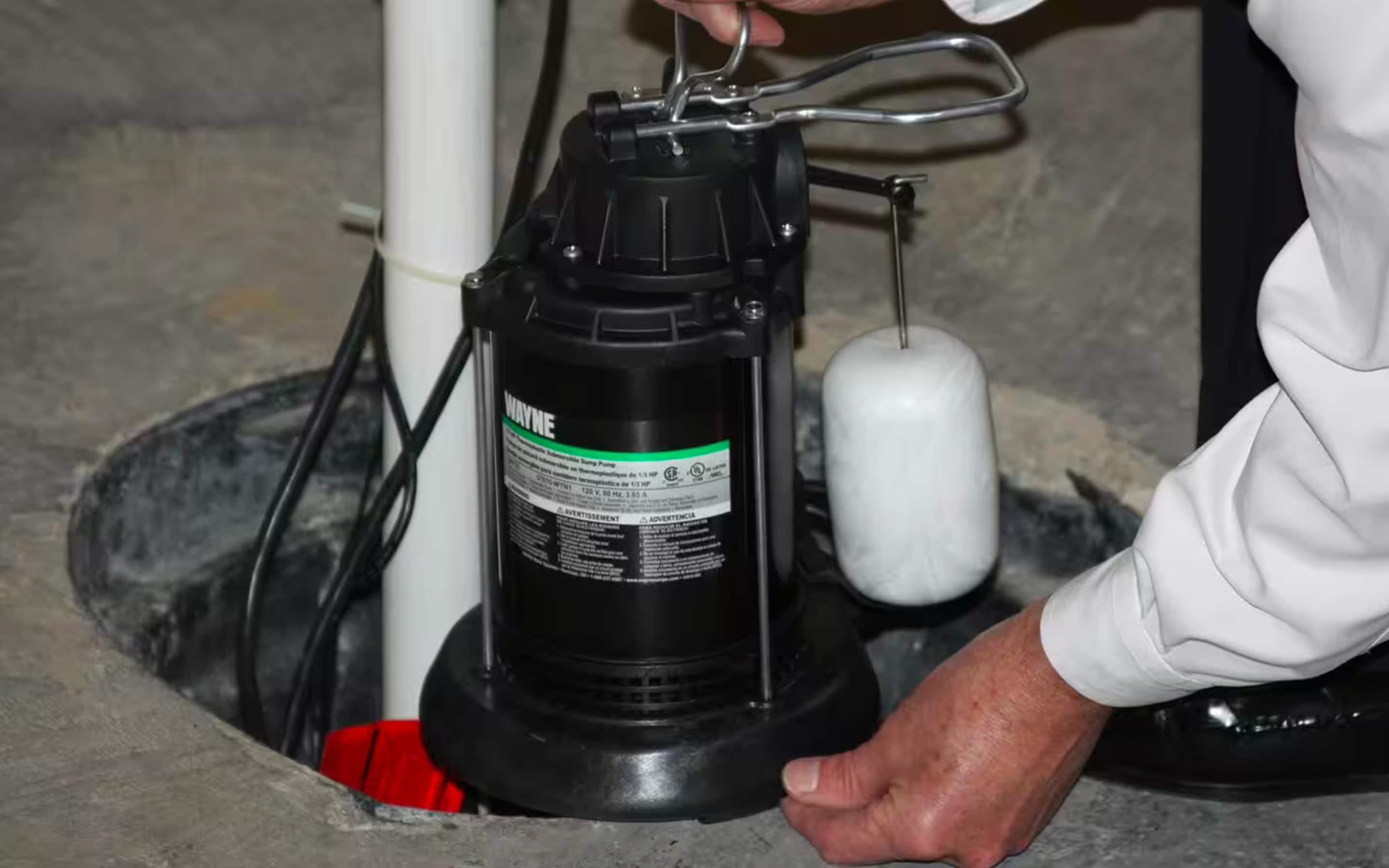
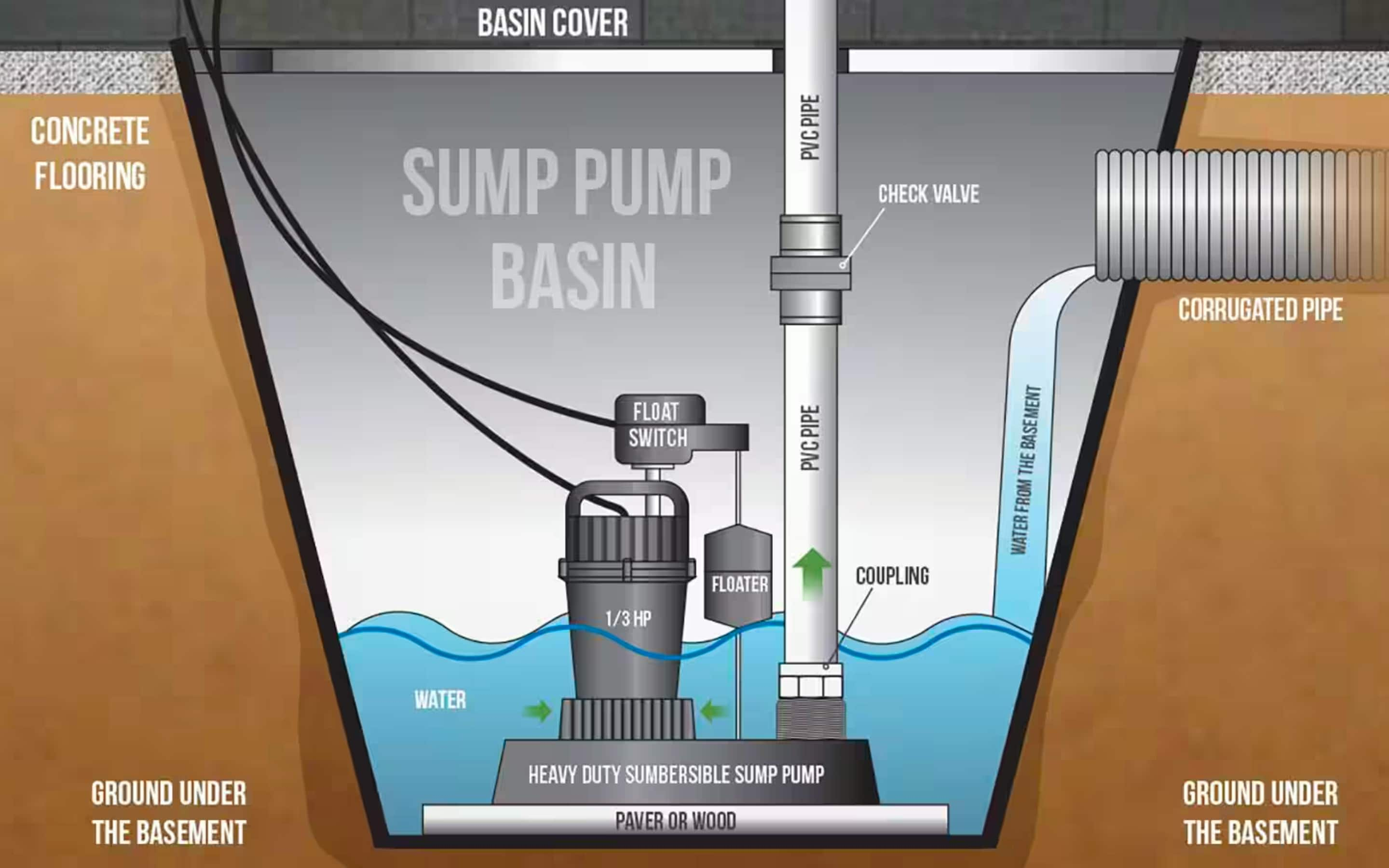
Sump pump manufacturers generally use horsepower to represent the motor strength that provides the unit’s lift. Lift is the vertical height a sump pump can push water from the pit to the discharge pipe.
These types of sump pumps generally meet the most home needs based on hp:
- 1/3 hp sump pumps are the default size for typical basements and average water tables. They generally provide 7-10 feet of lift with one 90-degree elbow and a 3–25-foot run.
- 1/2 hp sump pumps are suitable for deeper basements, above average water tables or longer runs. They can handle 10-15 feet of lift and move 35-40 percent more water.
- 3/4 - 1 hp sump pumps are suitable for floodplains, low-lying homes or high water tables and have 20-35 feet of lift.
The stronger pump may not be suitable for every situation, as a pump oversized for the pit will short cycle and wear out early. Measuring the input flow provides the more accurate sizing (see below).
How do I Calculate Sump Pump Size?
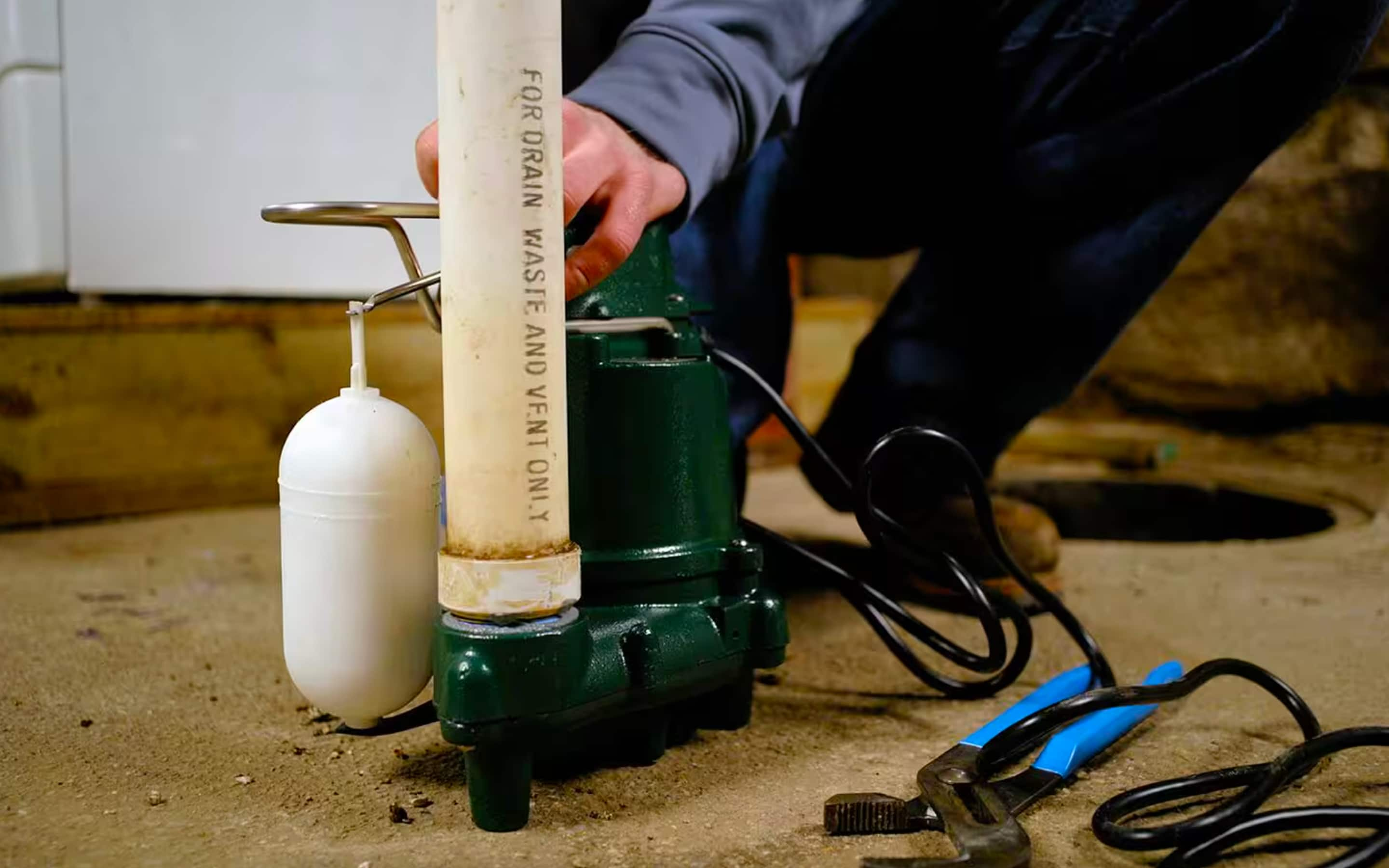
Two methods for calculating the precise sump pump size for a residence involve the inflow rate and total dynamic head.
Inflow rate is the water collected in the pit of the pump, usually represented by gallons per hour. In municipalities compliant with the International Residential Code (IRC), residential pits are 18 inches in diameter and 24 inches deep.
Determine inflow rate into the sump pump pit in rainy conditions.
- For sizing when the pump is off, mark the water level in the pit, wait one minute then measure the rise in gallons.
- For sizing when the pump is on, count how many times the pump cycles and the amount of water in gallons it moves per minute.
- Multiply these amounts by 60 to determine the gallons per hour (gph).
Size the sump pump by multiplying peak inflow by 1.5 in case of flooding that exceeds normal inflow. For instance, if a basement’s peak inflow is 100 gph in heavy rain, choose a pump that delivers 150 gph at the required lift.
Total dynamic head of a sump pump is the vertical lift plus friction loss in the discharge pipe and fittings.
- Measure the vertical lift from the pump’s “on” level to the discharge rim. In many basements this is 8-10 feet.
- Estimate the friction provided by such factors as long pipe runs or multiple elbows. For example, every 25 feet of 1 1/2-in. pipe will add about 1 foot of head, while each 90-degree elbow adds 2.5 feet of head.
- The combined measurement is total dynamic head.
Use the manufacturer’s table for gph vs. lift (total dynamic head) and find the closest match. If your inflow is greater than the manufacturer’s recommendation, choose the next size up.
Sump Pump Backup Configurations
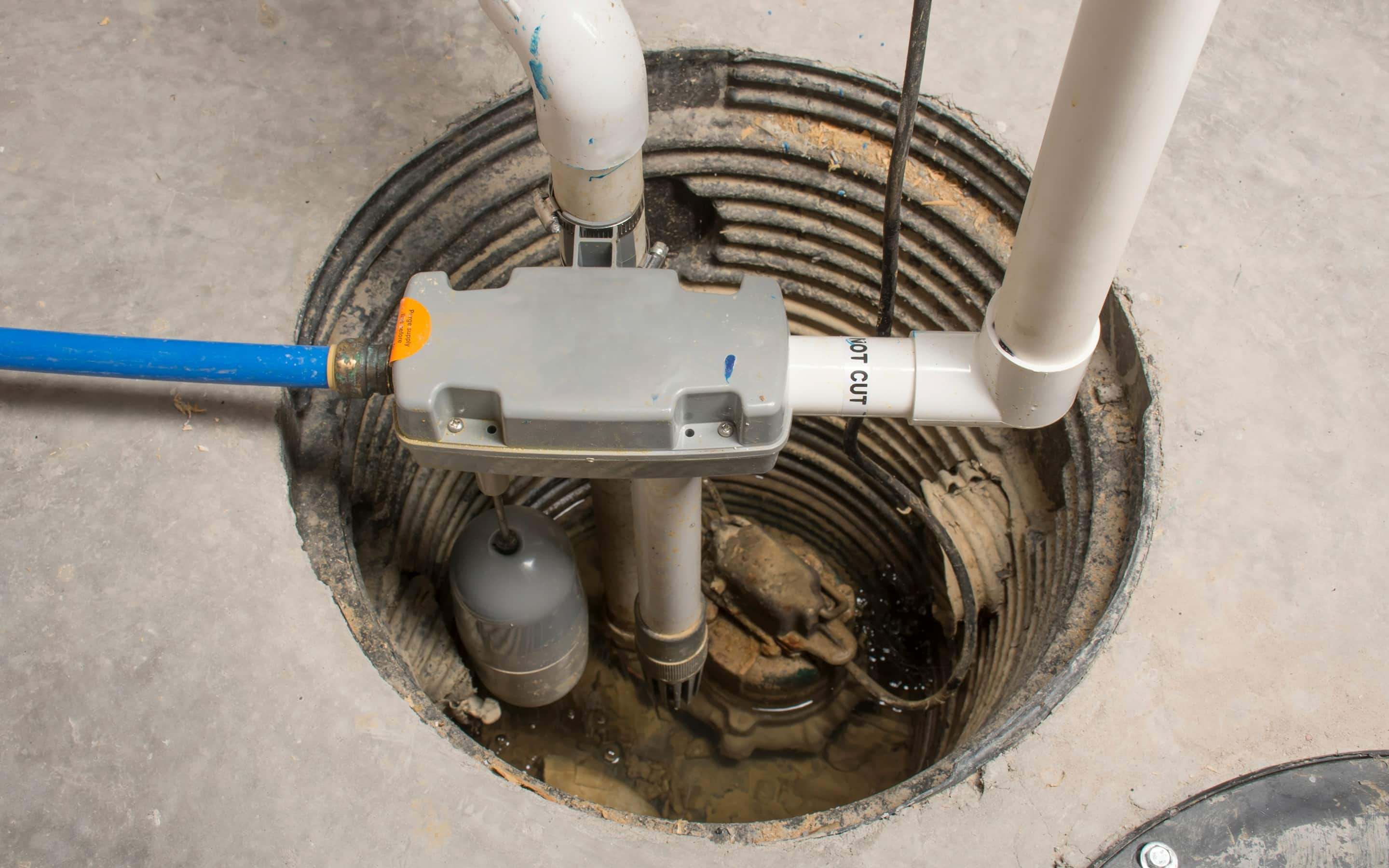
Sump pumps require backups to continue to remove water during a power outage. The backup pump should be at least as strong as the primary to sustain the load.
The following sump pump backup configurations have different advantages.
- Battery backups provide a second pump on a higher float. A 75-100 ah AGM battery provides 5-12 hours continuous run time as the backup drains. The older the battery, the quicker the power drain.
- Water powered backups run on municipal water pressure, requiring 40 psi minimum. They do not work on well water but have unlimited runtime as long as municipal pressure is uninterrupted. They use about one gallon of treated city water for every two gallons of floodwater pumped and may have backflow/cross-connection code considerations.
- Generators keep the primary pump at full capacity. Use 2,000-3,000 watt generators for 1/3 hp pumps and 4,000-5,000 watts for 1/2-1 hp pumps.
For residences prone to long or frequent power outages, water-powered or generator backups are more reliable.
Pro Tip: Replace backup batteries every 3-5 years.
Frequently Asked Questions
How do I measure my sump pump inflow rate?
Unplug the pump during heavy rain and mark the water level in the pit. Wait exactly one minute, then measure the rise in gallons. Multiply that result by 60 to determine gallons per hour. Plug the pump back in immediately so the pit does not overflow.
How long does a sump pump backup battery last?
A sump pump backup battery lasts 3 to 5 years before it needs replacement. Backup batteries provide 5 to 12 hours of continuous pumping or 1-3 days of intermittent cycling. Heavy cycling during a major storm can reduce continuous pumping to 4-5 hours.
Should I get a 1/3 or 1/2 HP sump pump?
A 1/2 hp pump can move 35-40 percent more water and handle higher lift than a 1/3 hp pump. However, a pump oversized for the pit will short cycle and wear out early. A stronger pump is not always the best option, so match the pump to the measured inflow and dynamic head.
More Tools. More Products. More Perks.

Be more competitive and boost your bottom line with Pro Xtra, The Home Depot’s loyalty program built for Pros. Sign up today to access the enhanced Pro Online Experience, built with the online business tools and time-saving features Pros need.
Create a quote before purchasing plumbing equipment using a free Pro Xtra account. Use Quotes to review your purchasing needs and lock in pricing.