Types of Roses

Published September 28, 2026
Ready to add classic color to your yard with roses, but unsure which varieties to choose? Begin by considering how much yard space you have for growing roses plus how much time you’re able to spend nurturing your garden. Roses are adaptable to many types of garden styles.
This guide walks you through the types of roses and helps you choose the best roses for your garden space.
Once you've selected your ideal roses, learn how to care for roses with this step-by-step guide.
Table of Contents
Find the Right Rose
Types of Roses
Patio Roses
Bouquet Roses
Climbing Roses
Landscape Roses
Find the Right Rose
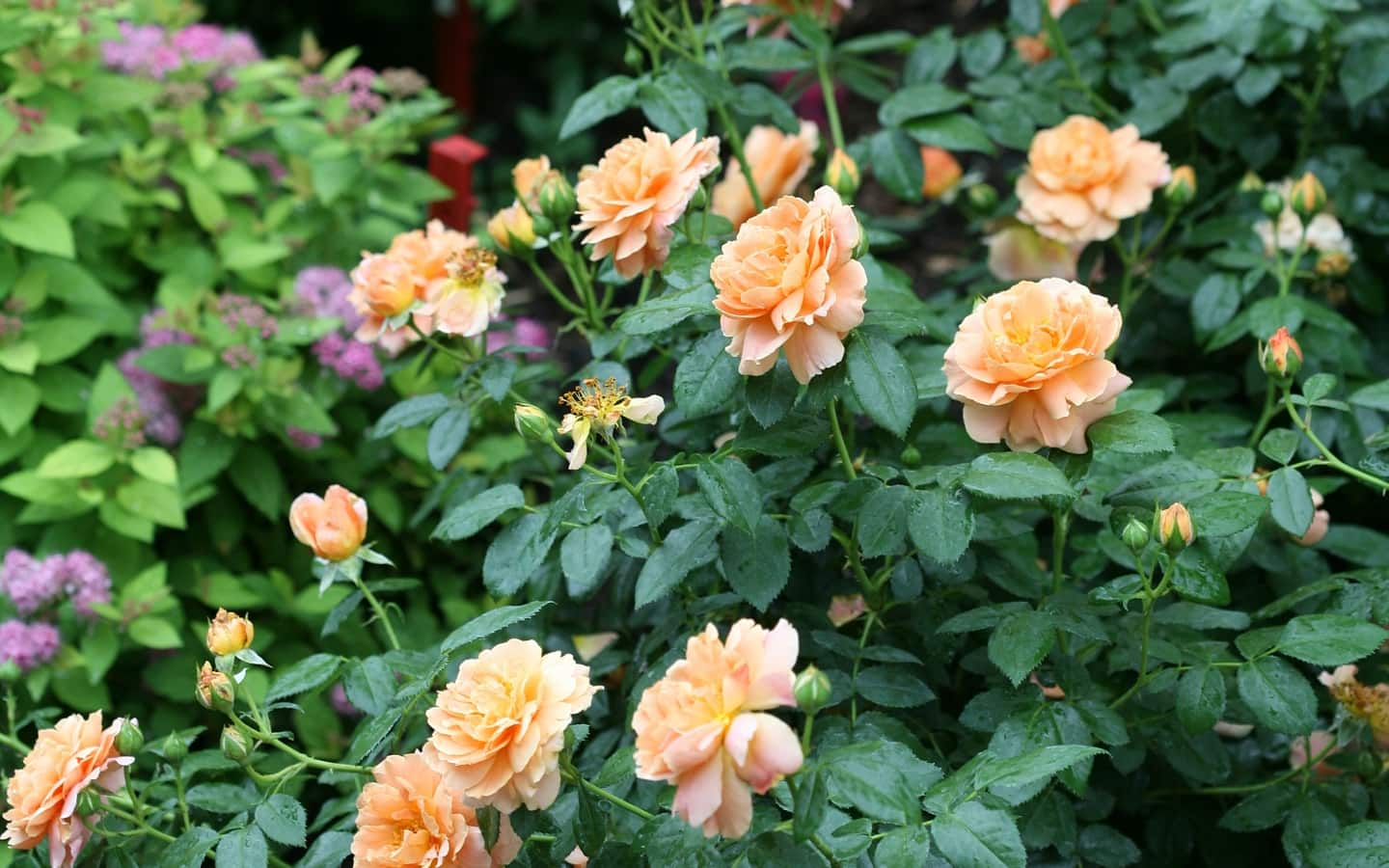
Shopping for roses can be intimidating. There are many rose varieties in the Garden Center and online. Some bushes are sold dormant or "bare root," and some are sold in pots. There are climbers and tree forms, too.
To help take the guesswork out of selecting roses, keep these tips in mind as you shop:
- Know your hardiness zone. Roses grow best in USDA hardiness zones 4 to 9, as these zones provide a balance of cold winters for dormancy and warm summers for flowering. Check plant tags and online info for rose types that thrive in your climate.
- Know your soil. Roses thrive in loamy soil that's rich in organic matter and drains well. Further, roses need a slightly acidic to neutral pH between 6.0 and 7.0. If you're unsure of your soil's pH, get a soil test kit from your local Extension Service and amend your soil based on the test results. Most packaged garden soils have a neutral pH; amending with organic compost will improve soil structure and drainage ability.
- Know your gardening style. Are you a beginner who's new to growing roses? Or are you an experienced gardener who can put time and labor into a rose garden? This info helps when deciding whether to purchase hybrid teas, floribundas, climbers or shrub roses. Keep in mind there's a rose for just about every kind of gardener.
Rose Gardening Basics:
- Dormant, bare root roses are planted in late winter and early spring. This gives them time to establish roots and grow strong in your garden before the stress of hot weather.
- Rose buds are produced on the stems. Buds can become flowers or foliage.
- Canes are the stems of roses. They can be the main stem or the branches.
- Deadheading means removing spent blossoms from plants.
- Rose hips are the fruit of rose plants. The hips contain the rose seeds.
Types of Roses
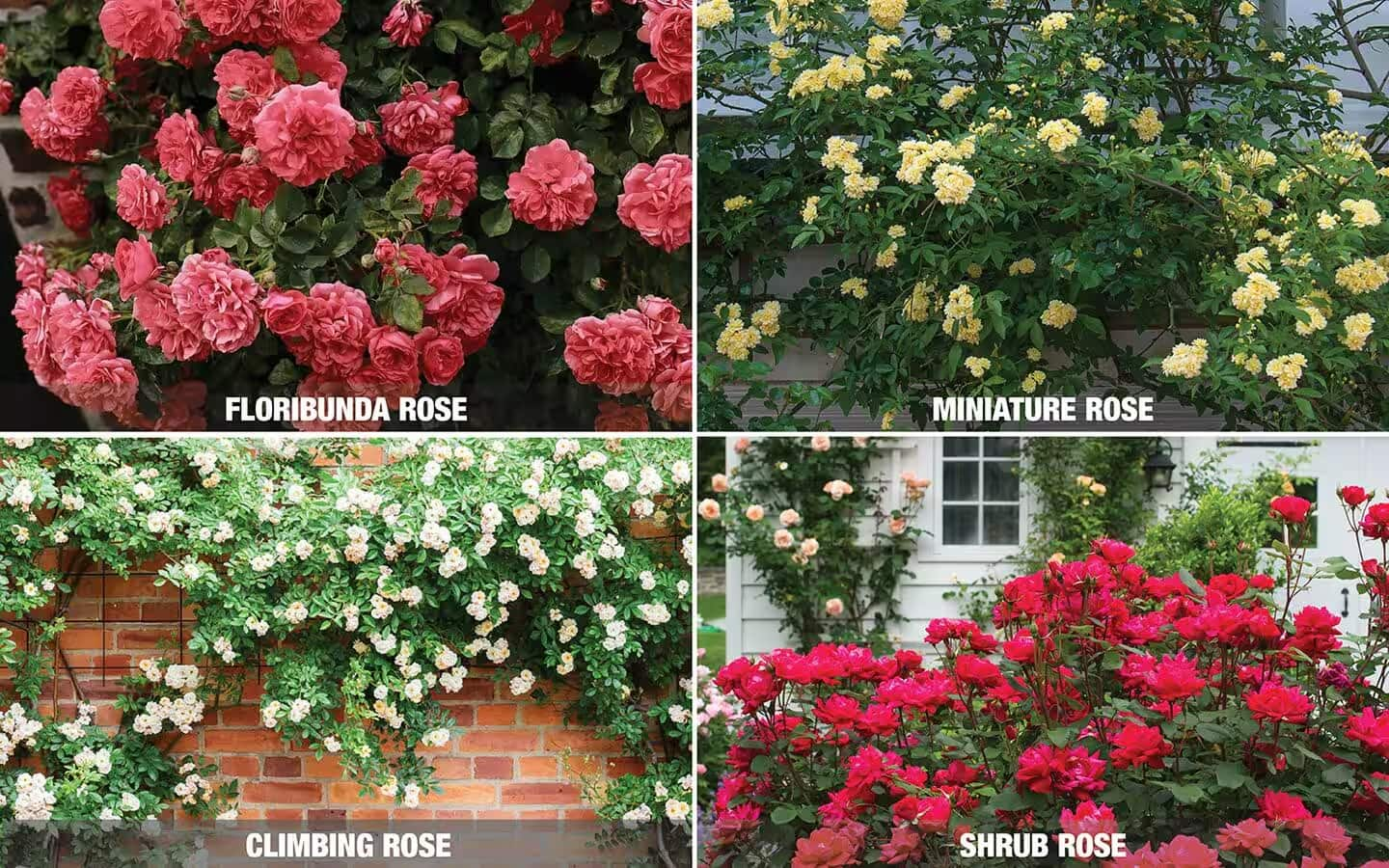
Choose between hybrid teas, floribunda, grandiflora, shrub, miniature, climbing roses and patio trees.
Hybrid tea roses are the type of roses florists prefer. Hybrid teas grow tall with minimal foliage and have single blooms on each long stem.
Floribunda roses remain compact as they grow, reaching a maximum height of 2 to 6 feet. Floribunda roses are bred by crossing polyantha roses and hybrid teas. They have the same range of colors and bloom structure as hybrid teas, but with multiple blooms on each branch instead of just one.
Grandiflora roses are a cross between hybrid teas and floribunda. The blooms are larger than floribunda and they grow in clusters on long stems.
There are many types of shrub roses. The hardiest variety of roses, shrub roses come in reds, pinks, white and yellows, and some feature double blooms. Shrub roses are hybridized to withstand diseases and pests, and don’t carry a fragrance.
Miniature roses stay under 2 feet and thrive in containers, edging and low hedges. These roses are delicate due to their stature. Display miniature roses like you would treasured indoor plants, in ornamental planters in your outdoor entertaining space.
Climbing roses reach from 8 to 20 feet on arbors, fences, trellises and larger mailboxes. As the plants grow, secure new growth with plant ties. This will train the climber in the right direction.
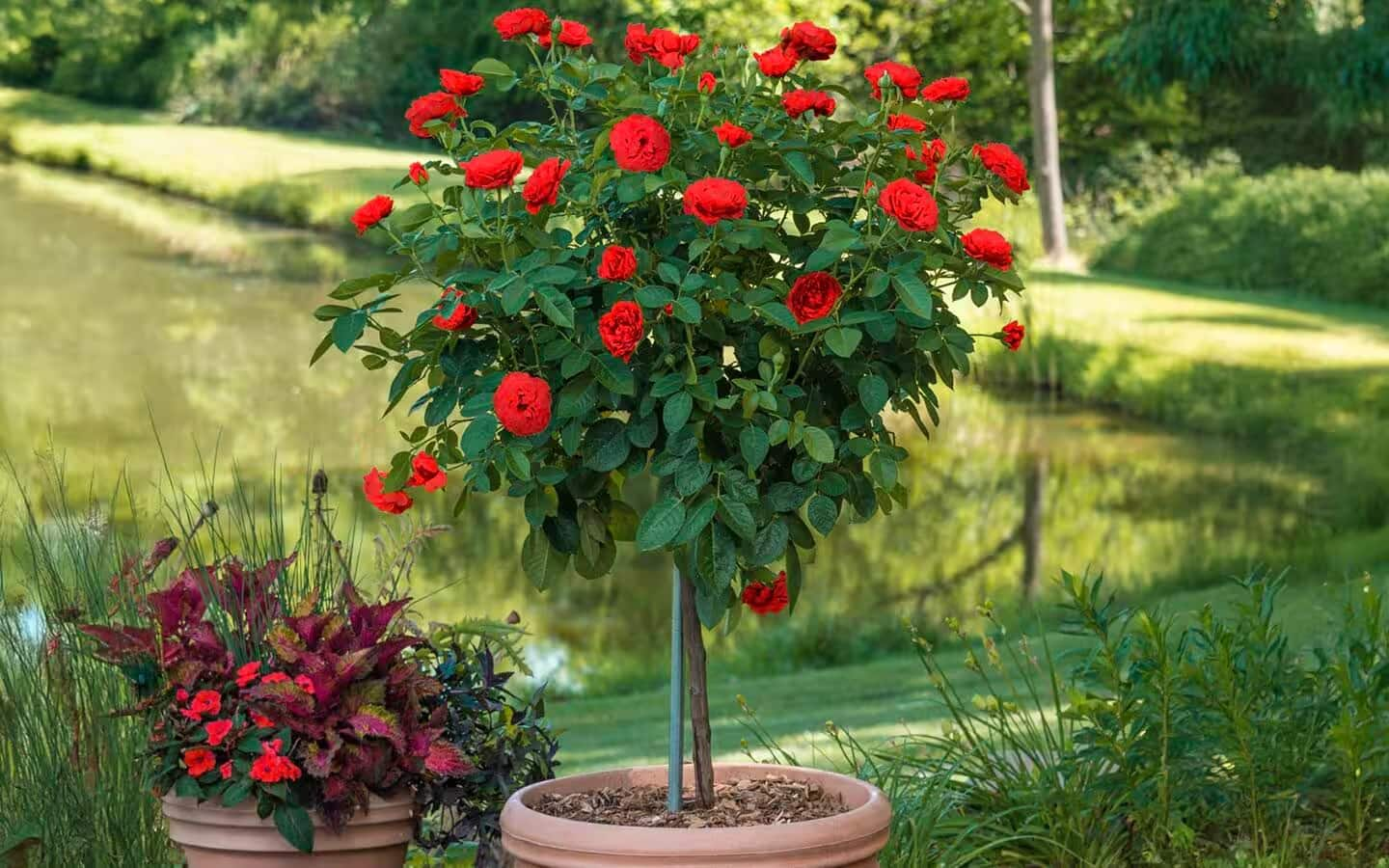
Patio tree roses are roses grafted to rootstock. Larger tree roses feature multiple grafts, often miniature rose varieties on the rootstock. Patio tree roses are a great way to display rose blooms at eye level.
In the Garden Center, you’ll find roses categorized by how gardeners use them. The categories are:
- My Patio
- My Bouquet
- My Climbing
- My Landscape
- My Painter’s Palette
Patio Roses
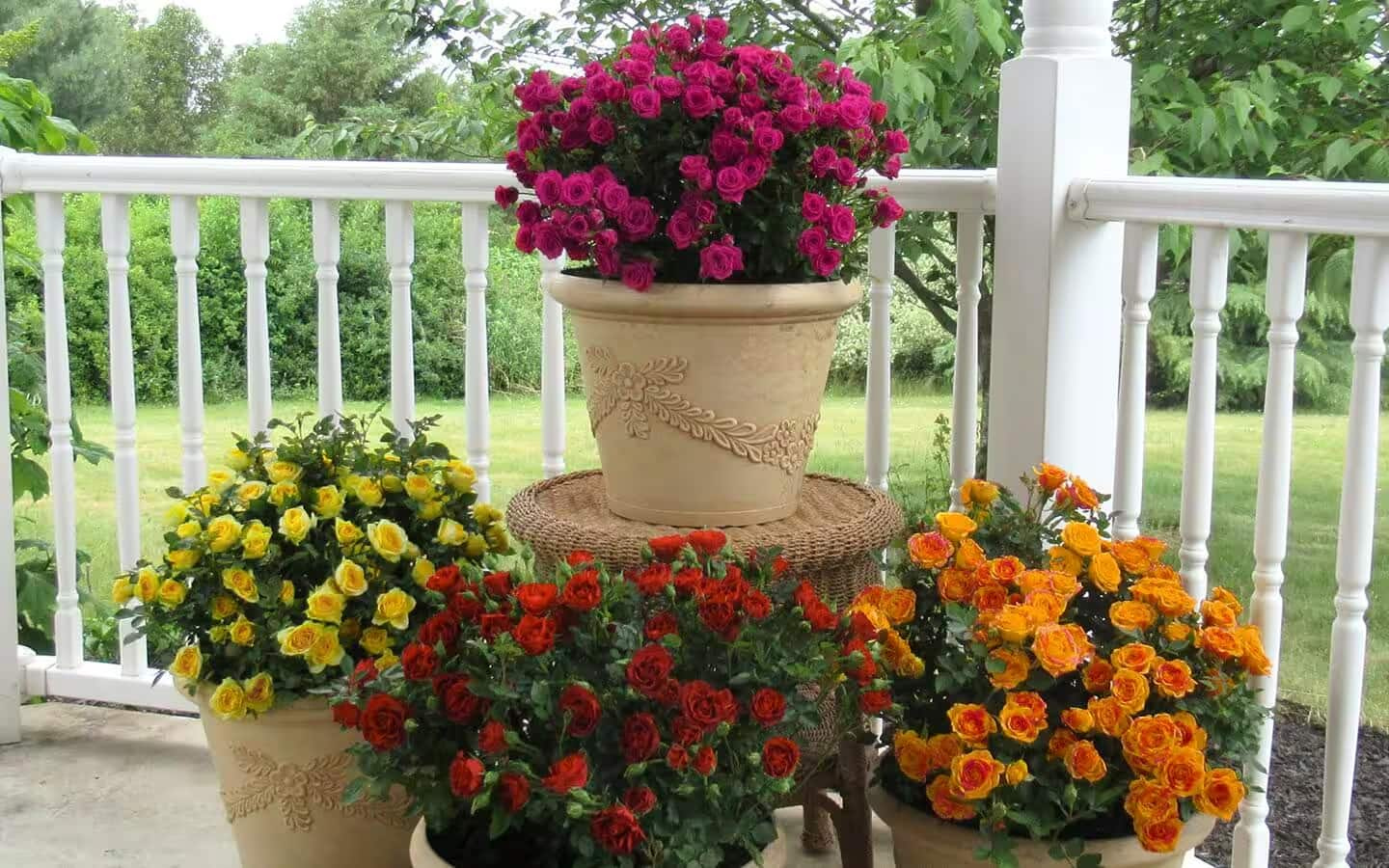
Patio roses are versatile, low maintenance plants perfect for small space gardens and containers. Varieties are compact and offer perpetual bloom cycles.
Types of roses included in the patio collection include floribundas, miniatures, shrub roses and hybrid teas. Patio type roses are compact and disease-resistant. They are bred for continual bloom and ease of care.
Tips for growing roses in containers:
- Choose a pot that's at least 15 inches in diameter and deep enough to allow for root growth. Make sure it has drainage holes.
- Use a high-quality potting soil amended with organic compost.
- Place pots in a sunny spot that gets at least 6 hours of sunlight daily. More sunlight equals more blooms.
- Regularly water roses in pots. In hot weather, this could mean checking the soil daily. Hold the hose close to the base of the plant and let water drain from the bottom of the pot.
- Treat plants with a rose fertilizer product every 2 to 4 weeks during the growing season. Experts recommend starting with half the recommended amount on the package label and adjusting to your plants' needs.
Bouquet Roses
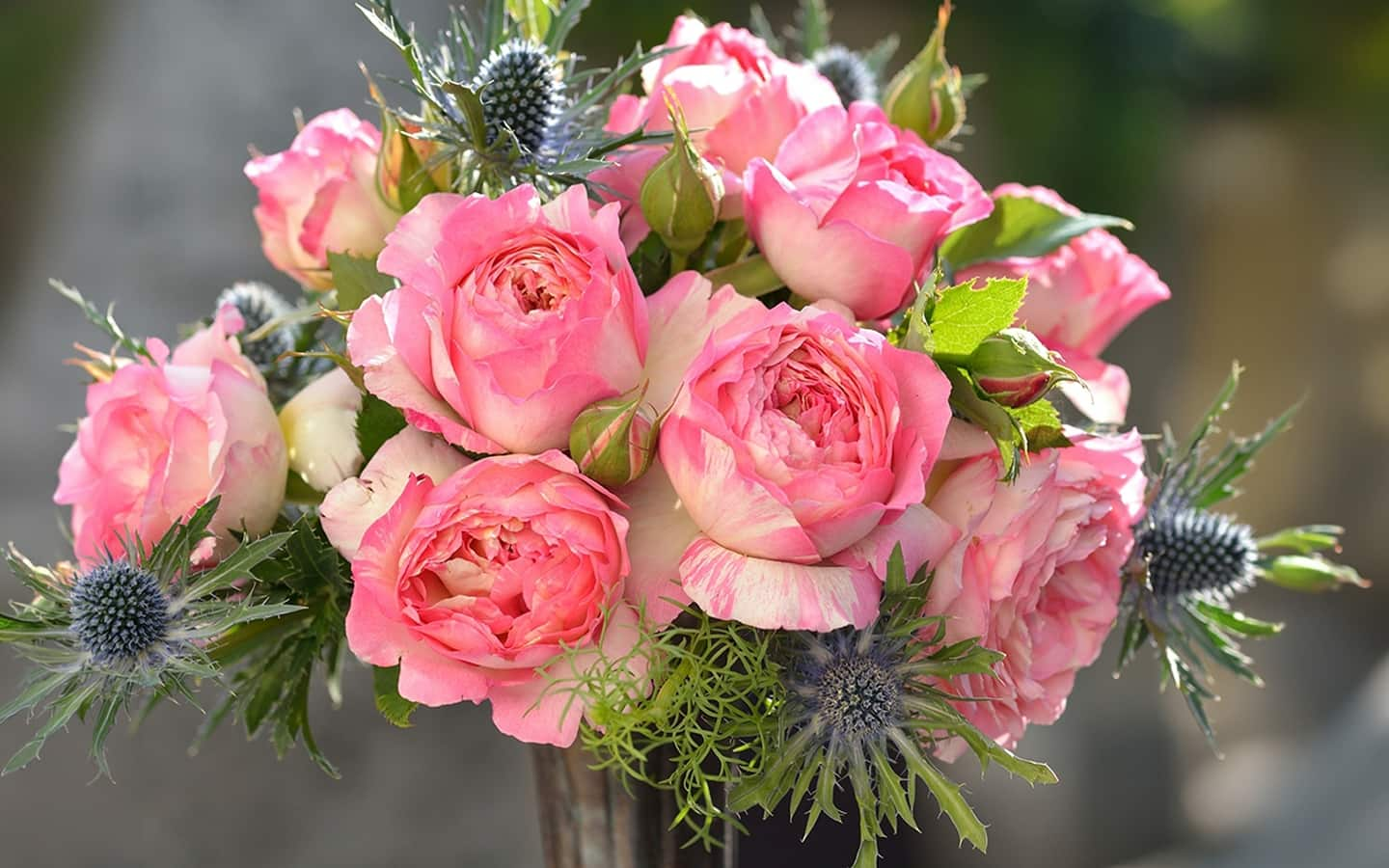
One of the benefits of growing roses is having beautiful floral stems to keep and share. The My Bouquet collection features rose varieties that are best for cutting for bouquets, like hybrid teas, floribundas, grandifloras and some shrub roses. My Bouquet roses are fragrant and have long stems, ideal for making colorful bouquets all season long.
Hybrid tea roses are the most popular type for bouquets due to their long stems, classic flower shape and intense fragrance. Grandiflora types with their clusters of blooms and strong fragrance make excellent cut flowers, as well.
Tip: The best time of day to cut roses is early morning when the blooms start to open. Carry sharp pruners and a bucket filled with a few inches of water into the garden. Make clean cuts on rose stems and place immediately into water.
Climbing Roses
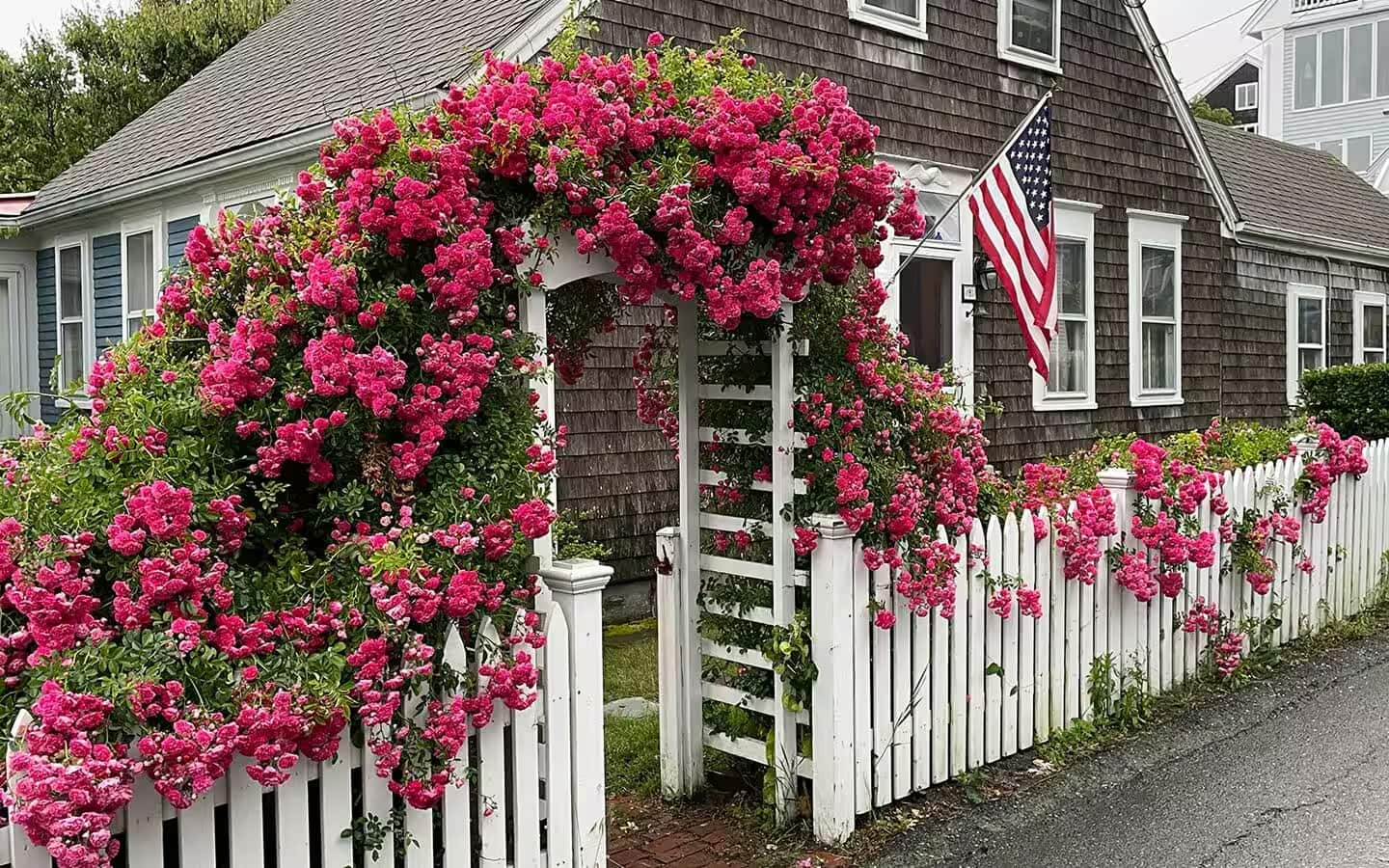
Climbing roses are enthusiastic growers that scramble up trellises, walls and pillars, and spill over arbors. The My Climbing Rose collection features a range of rose colors and fragrances, with plants that bloom repeatedly and climb vigorously.
Give your climbing rose a structure to grow along. Look for these types:
- Trellises can be made of wood or metal, attached to a wall or freestanding.
- Arbors typically feature an arch and are used as entryways or focal points in the garden.
- Pergolas are a size up from arbors. These larger structures create shade for seating areas or walkways.
- Fences are natural supports for climbing roses.
- Obelisks are tall, pyramidal structures made of wood or metal. They're used as focal points in garden beds.
- Climbing roses can be trained to grow on walls. To prevent damage to the wall, always provide a support structure like a trellis or wires. Routinely inspect both the plants and the wall for any problems.
Landscape Roses
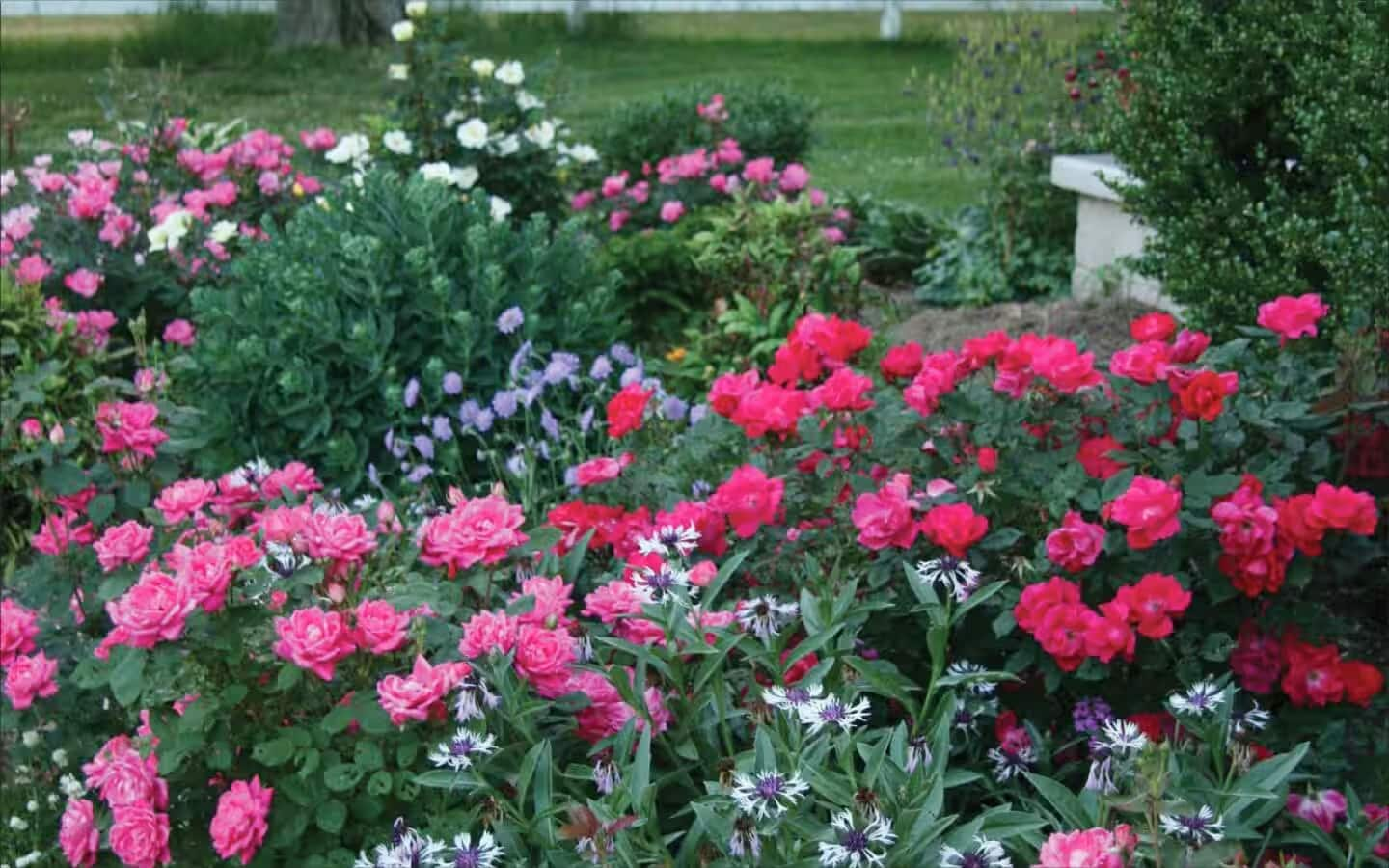
Landscape roses are known for flower power, disease resistance and ease of care. Low maintenance roses in the My Landscape category are a cinch to grow. They can be used as hedges and to screen in the landscape. Need to fill a garden bed with a mass of color? Plant low-growing shrub roses as a low-maintenance groundcover.
Growing shrub roses brings dramatic color to your landscpe. Employ these types of roses to define garden beds and pathways, as well as create focal points. Additionally, a bed of landscape roses helps shade out weeds.
When choosing landscape roses, be sure to look for disease resistance and maintenance requirements. You want compact shape and "self-cleaning" plants that shed spent blooms on their own and don't require deadheading.
Specialty Roses
Specialty roses in the Garden Center include My Painter’s Palette, a series of high contrast striped roses inspired by French Impressionist painters. Varieties produce large blooms with outstanding fragrance and distinct coloring.
You'll also find other varieties like tree roses. These are grafted plants that look spectacular in large pots on patios in summer.
Tools for Rose Care
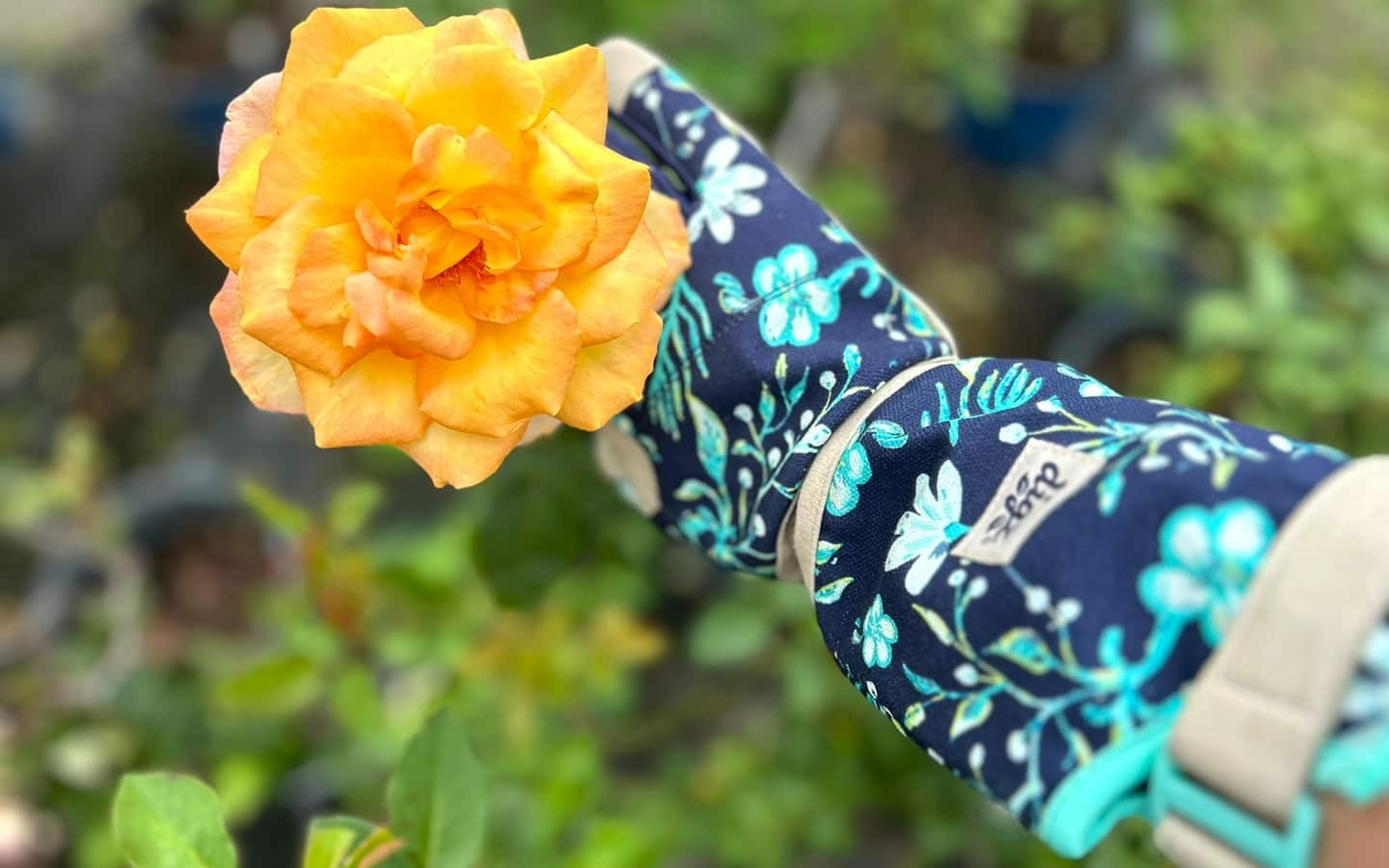
You’ll need some special tools for rose gardening. Rose gardeners wear rose gloves with leather gauntlets that protect arms from scratches. You can wear most work gloves for gardening. But when you’re working with roses, look for high-quality gloves thick enough to save your skin from sharp thorns.
Roses need routine pruning, and of course, you’ll cut flowers for bouquets. Choose sharp pruning shears for everyday pruning. Next-level rose gardeners will need loppers and pruning saws to trim roses.
Full sun rose beds can get weedy. A blanket of mulch will keep weeds down, but you will always find a use for weeding tools. Look for hand-held weeders for tender weeds that you can reach. Consider a long-handled weeding tool that can access weeds close to thorny rose bushes.
Roses need regular applications of rose fertilizer and fungicide. Use a multi-purpose pump sprayer to mix up solutions and spray targeted areas of your rose bushes.
You’ll need a garden hose with an adjustable nozzle. A watering wand makes it easy to direct the water to the base of the plant. Drip irrigation is a great way to keep plants watered during extreme heat.
Climbing roses need trellises and training wire to guide their growth. Choose from plant ties that twist close, or wire that you cut to size and wrap around stems.
How to Care for Roses
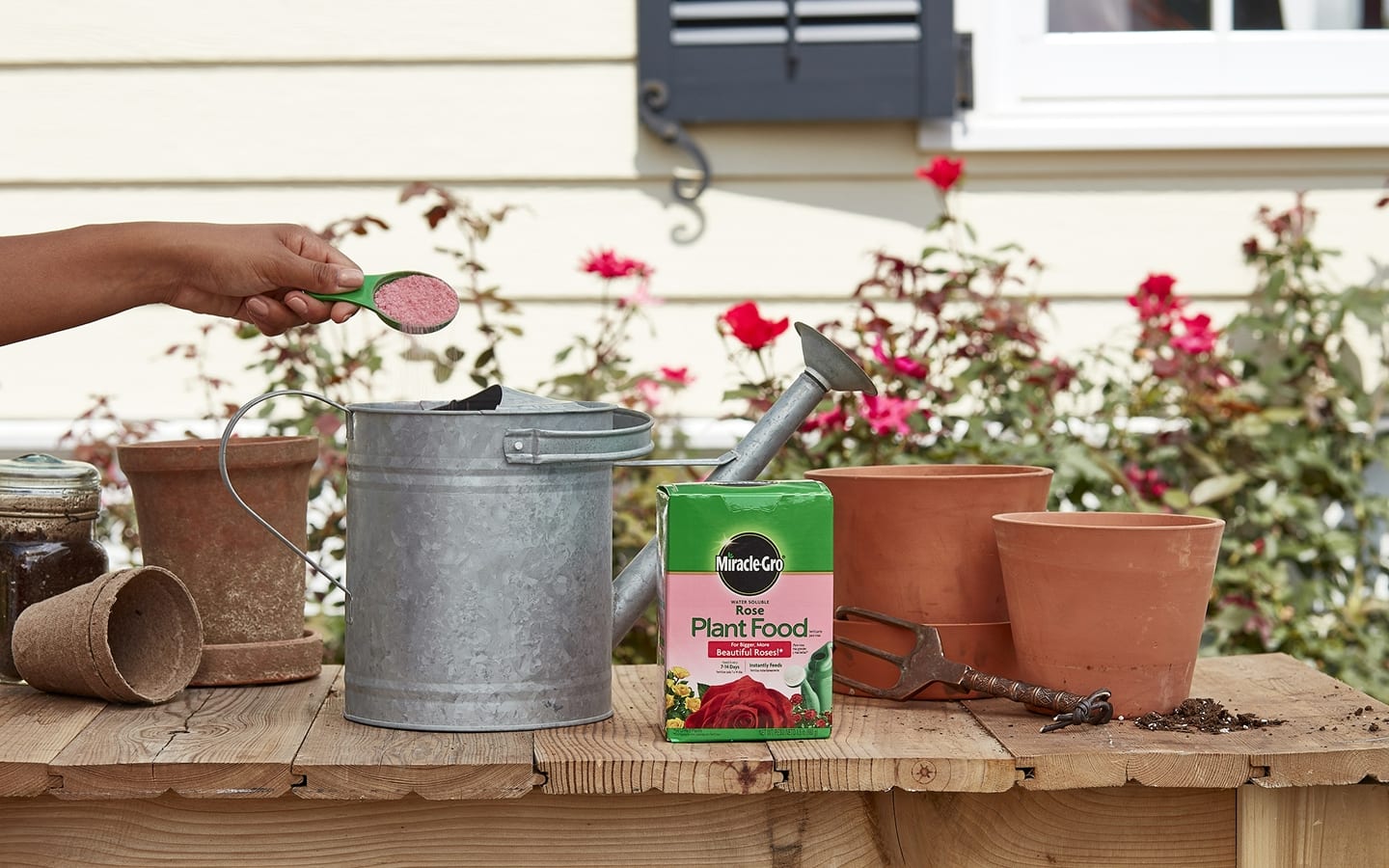
Plant roses in fertile, well-draining soil. The best way to improve your soil is to amend with organic compost. Compost will aid the soil’s ability to drain away water and keep your roses’ roots happy.
It’s always a good idea to perform a soil test before planting and amend your soil based on the findings. You can get a low-cost soil test from your local Cooperative Extension Service.
Select a fertilizer that’s formulated for roses. These have a higher ratio of nitrogen to phosphorus and potassium (N-P-K). Garden experts fertilize roses at least three times a year. First, in early spring, after the first bloom in June and a final application in late July.
Even if planted in full sun, roses can be prone to black spot. For this reason, it’s good practice to remove dead leaves from rose bushes. In humid climates, this may not be enough to prevent black spot. Check leaves regularly for signs of the disease.
Treat black spot fungus with anti-fungal spray and follow package directions for treatment. With most products, plan to reapply every seven days throughout the summer.
Tips for Growing Healthy Roses

Learn how to care for the types of roses in your garden with these tips.
- Gardeners say that roses “sleep, creep, then leap.” This means that roses spend 2 to 3 years in the garden establishing roots before committing to blooms.
- Roses like a layer of mulch or pine straw 1 to 2 inches thick spread over their roots.
- Roses need plenty of sun. More sun equals more flowers and less chance of fungus damage. Plant roses where they’ll receive a minimum of six hours of sunlight a day.
- Roses do not like wet feet. Do not plant them in areas that get wet or that drain slowly. Water when planting, and regularly as they get established.
- Pruning shapes rose bushes, removes dead wood and helps the bushes produce more flowers. Increased airflow reduces disease pressure, too.
- It’s important to scout for fungal diseases like black spot. Black spots can appear on rose foliage and weaken the plant. Remove infected leaves and throw them in the trash. That way, diseased leaves won’t infect other healthy plants. Use fungicides to control black spot fungus.
Make use of downtime in winter and plan your rose garden for the next summer. When you're ready to plant roses, remember The Home Depot delivers online orders when and where you need them.