How to Get Rid of Ticks in Your Yard

Published September 3, 2026
Ticks aren’t just an annoyance, they are carriers of several diseases and disorders that can infect people and animals. At the very least, a tick bite will cause itching that feels like it will never stop. At worst, tick-borne diseases can cause long-term serious health problems and, in some cases, death.
This guide will help you get rid of ticks in your yard and home.
Difficulty:
Beginner
Duration:
Over 1 day
Table of Contents
Clean Up Yard Debris
Keep the Grass Mowed
Create a Mulch Barrier
Treat Your Pets
Careful Use of Pesticides
Tick Tubes
Clean Up Yard Debris
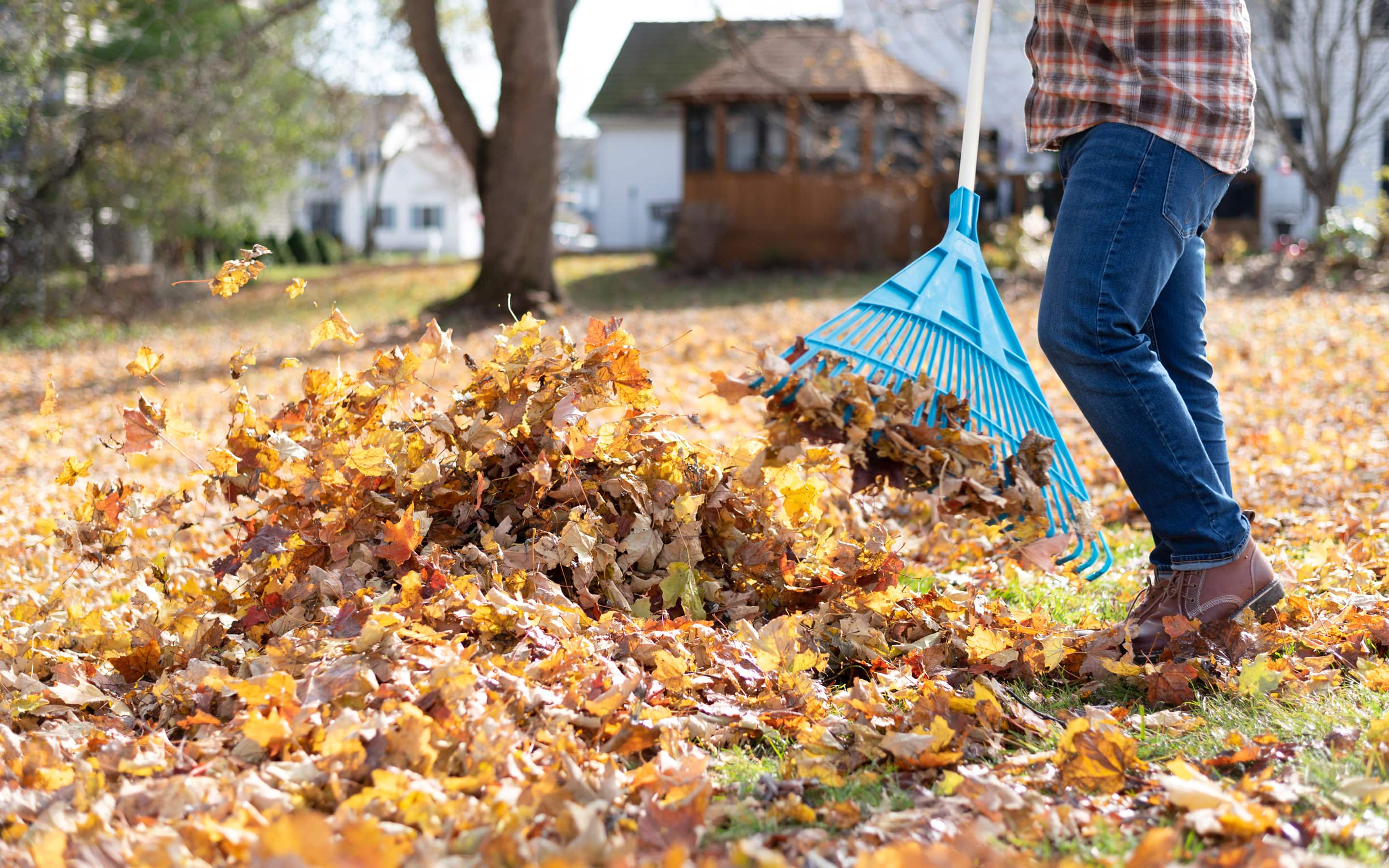
Ticks like to live in areas that hold moisture. The prime culprit for providing this environment is in leaf litter.
A mat of leaves that’s been building up for a few years or a pile that was raked up and left last fall, either would be a tick’s favorite place to live and reproduce.
Leaves aren’t the only debris that shelters ticks. Any debris that provides moisture and shelter to ticks should be removed.
Keep the Grass Mowed
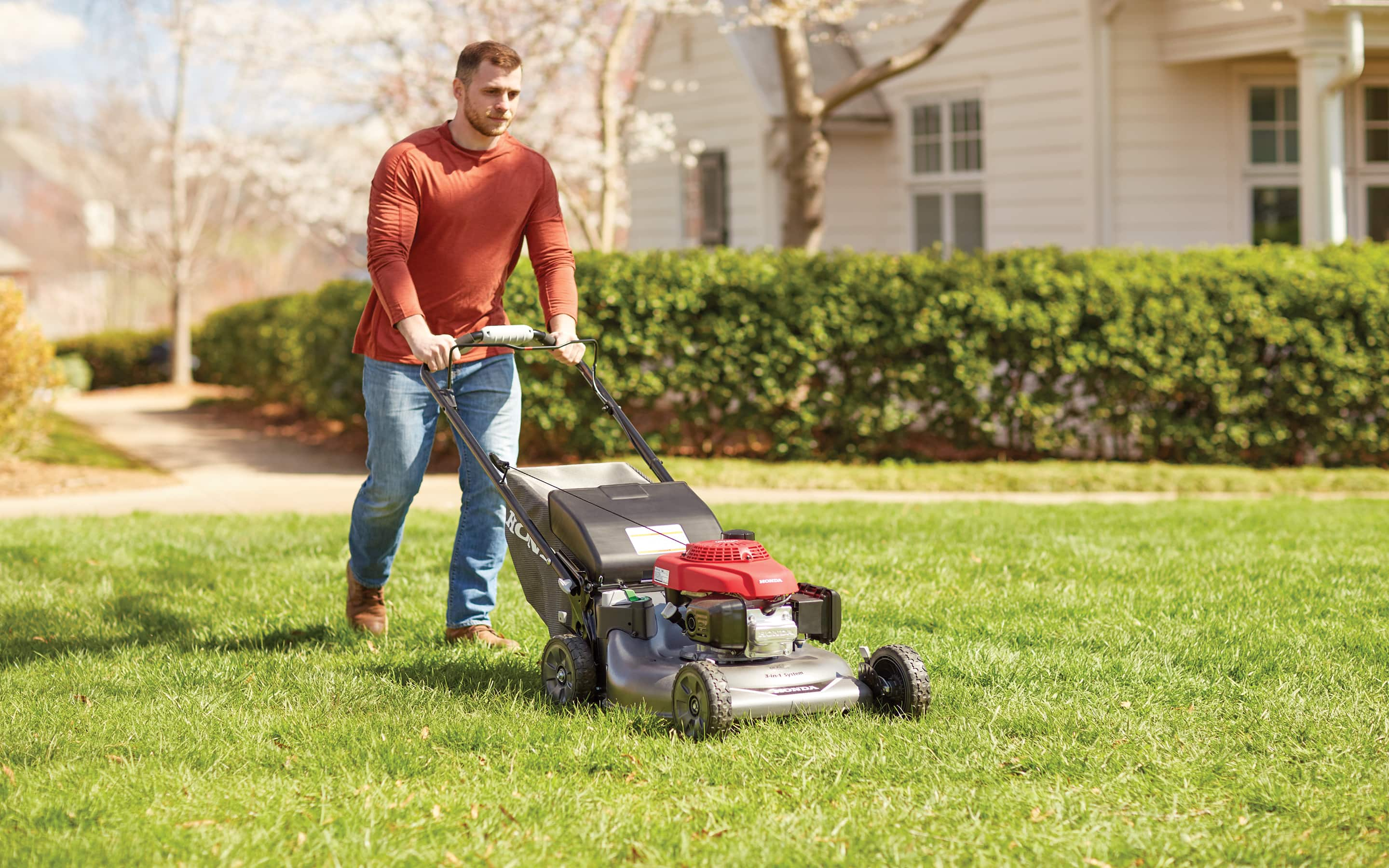
Most ticks find their way onto people and animals by climbing on tall grass or vegetation, just below knee height. They hold out their front legs, waiting to grab on to whatever mammal passes by, like a mouse, a dog, a deer or a human. The tick then crawls upward until it finds a place to bite.
An easy way to defend against this tactic is to mow the grass. Keep grass in your yard short, so the ticks don’t have their primary perch in the places where you spend most of your time.
Create a Mulch Barrier

A properly drained, 3-foot-wide cedar chip or gravel mulch bed is difficult for ticks to cross. If the mulch bed is dry, the ticks will dry out and die as they try to cross it.
Cedar has properties that naturally repel insects, so it may be the best choice of mulch material.
The mulched area will be most beneficial between your yard and wooded areas or fields, where ticks are in their natural habitat.
Treat Your Pets

- A tick can get on a pet while outdoors and hitch a ride into your home.
- Talk to your veterinarian about tick preventative treatments for your pets. There are a wide variety of collars, sprays and even medications that can help.
- Treat around bedding areas with pet-safe pesticides.
- Check your pets for ticks.
- Vacuum your rugs and carpets on a regular basis.
Careful Use of Pesticides
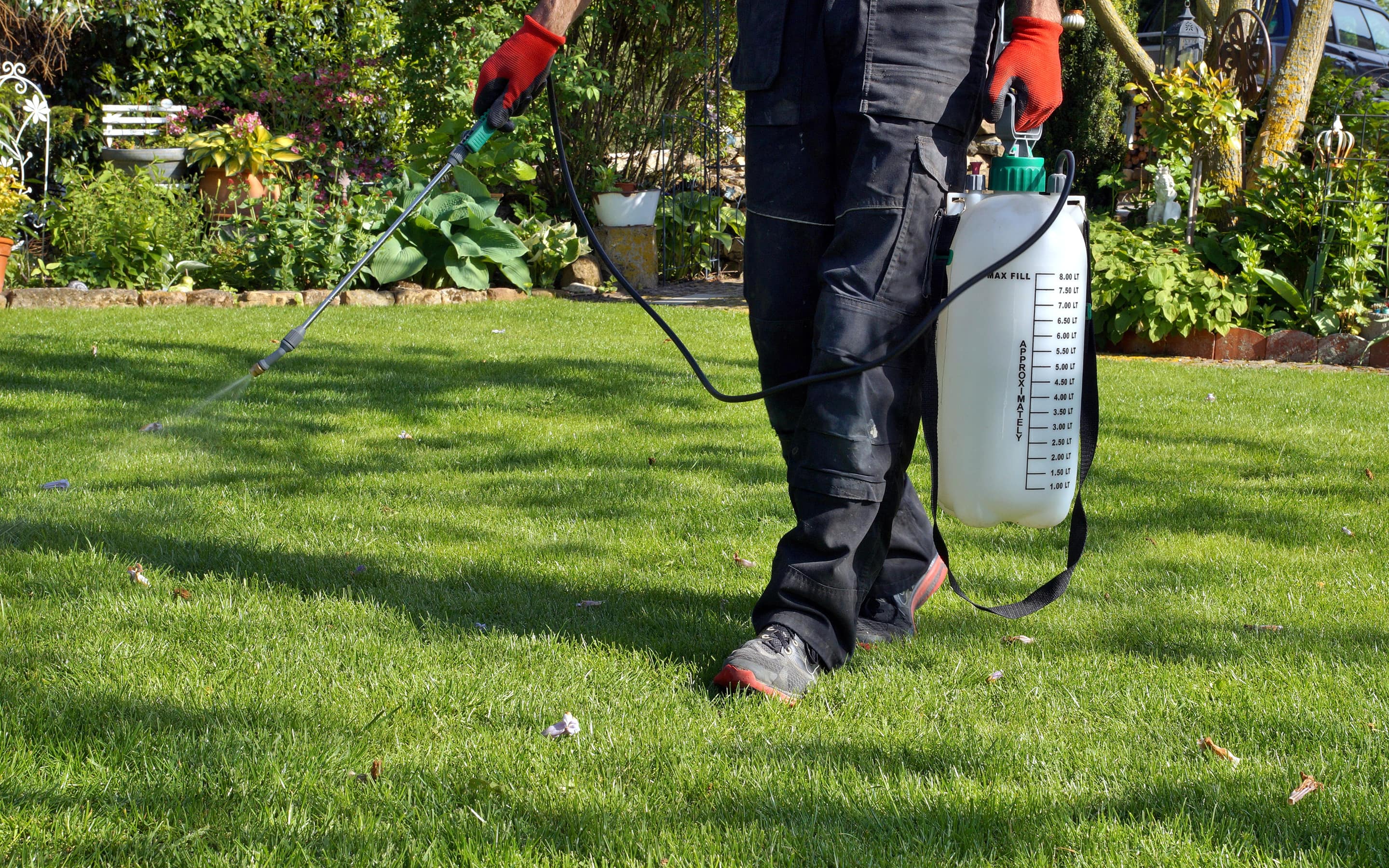
Using pesticides can be a controversial topic. Learning how and when it’s best to use them can reduce the impact on beneficial insects, while still being able to protect your family and pets from ticks.
In addition to debris areas, ticks find shelter and moisture in all sorts of shrubs and low-lying vegetation. Treat the areas that are most attractive to ticks with a pesticide that is indicated to kill ticks.
Learn the lifecycles of beneficial insects in your area and try to balance the effects by avoiding times they’ll be using the vegetation in your yard. For example, don’t use a pesticide that harms pollinators while your plants are flowering.
Treating in and around the structure of your home is also important. Use an insecticide that is indicated for use in and around the home. This will kill ticks and other unwanted pests. Be sure to follow the instructions carefully for best and safest results.
Tick Tubes

Mice and ticks go together. Mice are often infested with ticks and some diseases ticks transmit to humans come from mice.
One way to use mice to kill ticks is with tick tubes.
Tick tubes can be purchased, ready to use, or they can be a DIY project.
- You’ll need empty toilet tissue roll tubes, cotton balls, liquid tick poison and PPE to keep the poison from touching your skin and eyes.
- Put on your rubber gloves and safety glasses
- Apply poison to the cotton balls
- Loosely fill the tube with treated cotton balls
- Place the tube in a spot where it will be found by mice but not by children or pets
Mice like to travel behind and under things and in tight spaces. So, place tick tubes in holes in rock walls, behind a storage bin in a shed or behind the outdoor trash can. The mice will take the cotton balls as bedding for their nests. The poison will kill ticks on the mice and in their nesting material.
Treat Your Clothing and Skin

Even after precautions are taken in your yard, it’s still smart to protect your family as much as possible.
- Use a proven tick repellent spray or lotion on exposed skin. Opt for formulations that are made for children if you have youngsters.
- Clothing can be treated with a permethrin-based formula that protects from ticks and biting insects. Clothing and shoes are sprayed, then allowed to dry. Use a treatment that is designed for use with clothing.
Tick-Borne Diseases

For information regarding tick-borne diseases, visit the Centers for Disease Control Web site.
Despite all of your efforts, some ticks will manage to survive. Perform tick checks after venturing outdoors.
Protecting your family from ticks starts with identifying tick habitat. A combination of commercial treatments and DIY effort will reduce ticks in your yard. You can find the supplies you need to get rid of ticks using The Home Depot Mobile App.