Do you have what you need to make your garden grow?


Garden Center
Store Hours
Mon-Sat:
6:00am - 9:00pm
Sun:
8:00am - 8:00pm
Curbside:
09:00am - 6:00pm
Location
1000 Vision Dr
Apex, NC 27523
Popular at Your Garden Center
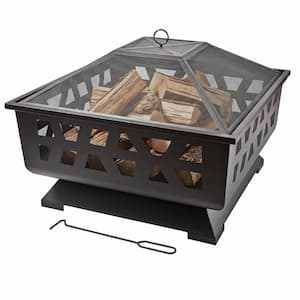
Garden Essentials Near You









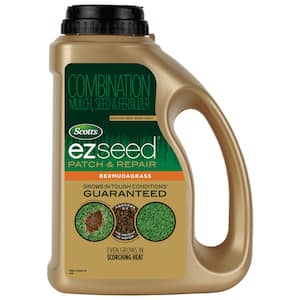


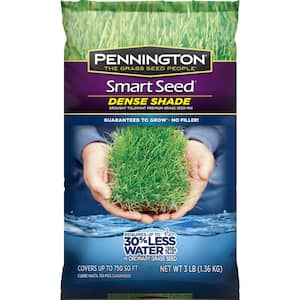


Garden Project Calculators
;Resize=(703,395.44))
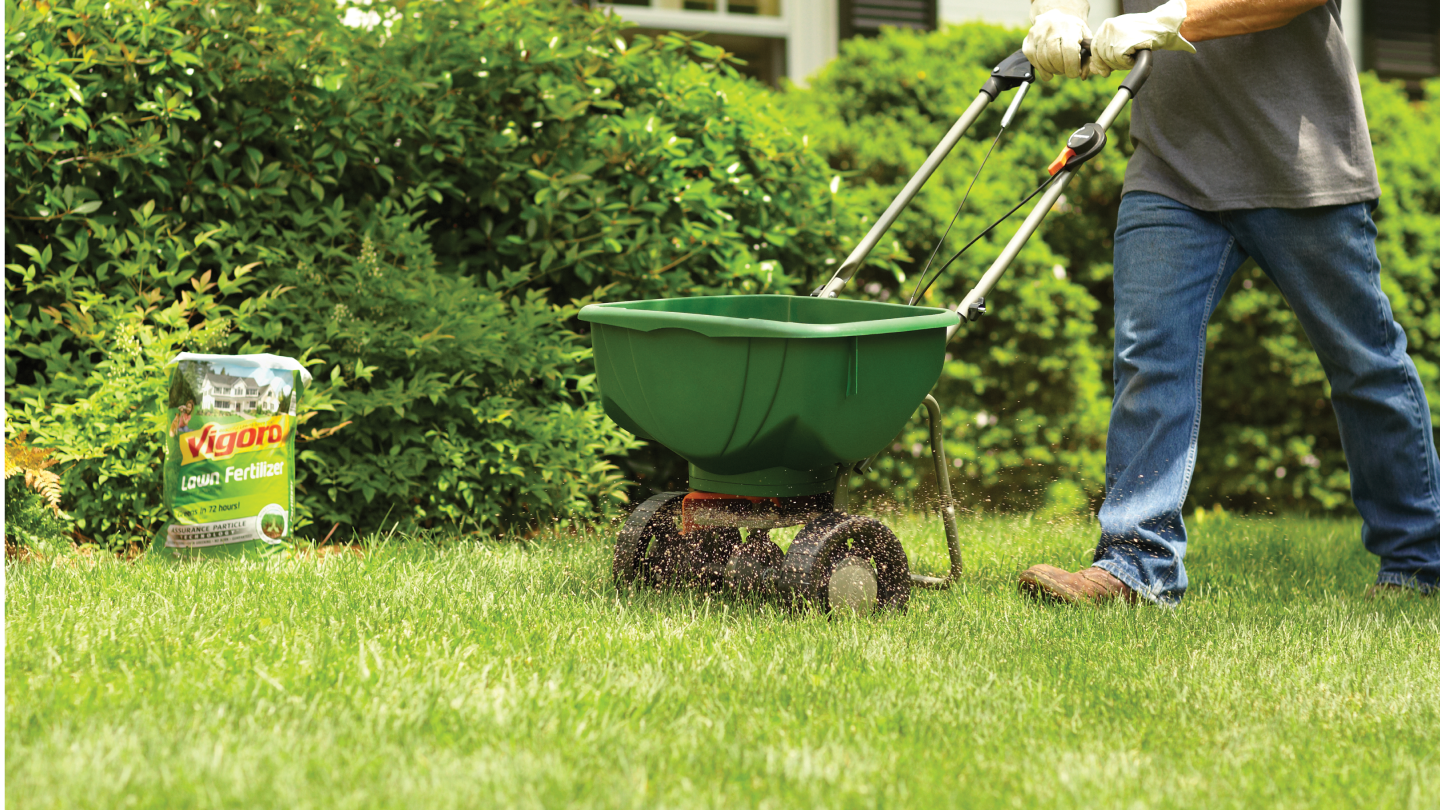
Grass Seed Calculator
When you're ready to seed your lawn, our calculator helps you estimate the amount of grass seed you'll need to get the job done.

Mulch Calculator
Enter your preferred material, the square footage and mulch depth of the coverage space for accurate results.

Fencing Calculator
We'll calculate the amount of fencing you should purchase based on your property needs.
Shop Outdoor and Garden Brands


Frequently Asked Questions About Gardening
What planting zone am I in?
Take a look at the USDA plant hardiness zone map, as planting zones have evolved over time. Zones with higher numbers can plant earlier in the year and continue growing into the autumn months — or throughout winter in some places. Choose plants that are intended for your zone and increase your odds of successful gardening.
How can I get my mulch delivered?
The Home Depot offers flexible mulch delivery options nationwide based on your order size. We can deliver small orders via car for a $3 fee. As orders grow to medium-sized, we switch to a van for a $35 fee. For massive jobs, we have a fleet of box trucks and flatbeds ready to deliver to your job site for a $79 fee. Of course, you can always choose our free in-store pickup option as well, and orders that reach a purchase threshold may qualify for free delivery. Not sure how much you'll need? Check out our mulch calculator to get started. Keep scrolling for details below on mulch delivery via van, car, or truck.
Can I pick up my mulch order myself?
Yes, you're welcome to pick up your own mulch. We're also ready to help if you need it. After you buy mulch in-store or online with store pickup, go to the drive-thru or mulch loading zone if your store has one. One of our associates will load your small or medium mulch order directly into your truck or SUV. For very large orders of bagged mulch or bulk yard mulch, we encourage you to choose delivery.
How much does it cost for a small order of mulch to be delivered?
If you have a small bagged mulch order, you can get it delivered to your door via a store-fulfilled local delivery service that uses third-party drivers. Your mulch will arrive in a standard car or van for just a $3 delivery fee. Bulk mulch, also called loose or yard mulch, will come in a truck. If you order a specific number of bags, you may qualify for free delivery. That threshold varies from one store to the next. However, you'll be able to verify the cost at checkout.
What size mulch order gets flatbed delivery?
When you're ordering pallets of bagged mulch or huge quantities of bulk yard mulch, you'll get flatbed or box truck delivery. Normally, these are landscapers, serious DIYers, or Pro customers working on a major landscaping project. There's a minimum pallet order to maximize resources and usually a delivery fee. Orders that pass a threshold may qualify for free delivery.
When should I plant my fall vegetables outdoors?
If you're planting seeds for fall outdoor gardening, get them in by late summer. Plants can go in the ground much later than seeds, and warm climates can plant later in the year than colder northern climates. We've got useful tips on how to plan and prep a fall vegetable garden. You may be able to grow cruciferous vegetables and leafy greens throughout the fall and into winter if the weather stays mild. In fact, some vegetables are sweeter after a frost. Check your planting zone for information on your growing season and specific plants, then do some research on how to plant a fall vegetable garden.
What's the best time to water my lawn and garden?
If you can water at least once a day, during the early morning or in the evening, that's ideal. Whenever you water, give all the plants a thorough drink, and don't skip it if it's not the ideal time. The plants still need water to live, regardless of the time on the clock. Depending on your grass type, climate, and lawn health, you may also want to add a lawn fertilizer. If your lawn is going dormant for the winter, don't water it often or fertilize it.
Do you have paper bags for yard waste?
Although sometimes it feels like a losing battle, you can keep ahead of leaf maintenance. For a quiet cleanup method, an economical choice, and a workout, go with a garden rake, work gloves, and lawn and leaf bags. We've also got leaf blowers if you'd prefer to use an outdoor power tool instead.
Should I clean my garden tools before storing them?
Clean up your yard and garden one final time for the season, then store your tools for the winter. Remove dirt and grime by soaking them in soapy water, then drying the tools thoroughly. Next, soak them in a water and bleach mix for 20 minutes to kill off any fungi or bacteria, and follow with a rinse. Then, scrub away rust specks using a wire brush, oil them with vegetable oil or WD-40 if necessary, and make sure they're dry before hanging them in a shed or garage.
What do I do with a downed tree?
After storm cleanup or pruning bushes and trees with a gas chainsaw or hedge trimmers, process the debris in a chipper. Log splitters leave you with more manageable chunks of wood, while wood chippers make tiny wood chips. If your trees are healthy, the bark chips and chopped wood make fresh mulch that you can spread around your fall plants and flowers. If you got rid of a tree, you can use a splitter, an axe, or a sledgehammer with a wedge to divide the fallen tree into smaller pieces. The wood splitter will be quicker and a smart investment if you're doing a large amount of tree cleanup, and bigger is better here. We also have stump grinders for rent and purchase.
Should I winterize a hose bibb?
Prepare for freezing temps by covering outdoor faucets and shutting down sprinklers and irrigation. Once the heat of summer fades, it's time to winterize your sprinkler system before the cold really moves in. Anywhere you use water outdoors, remove every drop of moisture. Disconnect the garden hose, drain the pipes, and and use a faucet cover for extra protection. Winterizing the hose bibb helps prevent cracked or weakened pipes if water freezes in them. While you're at it, drain and winterize your pool, too.
Garden Project Ideas
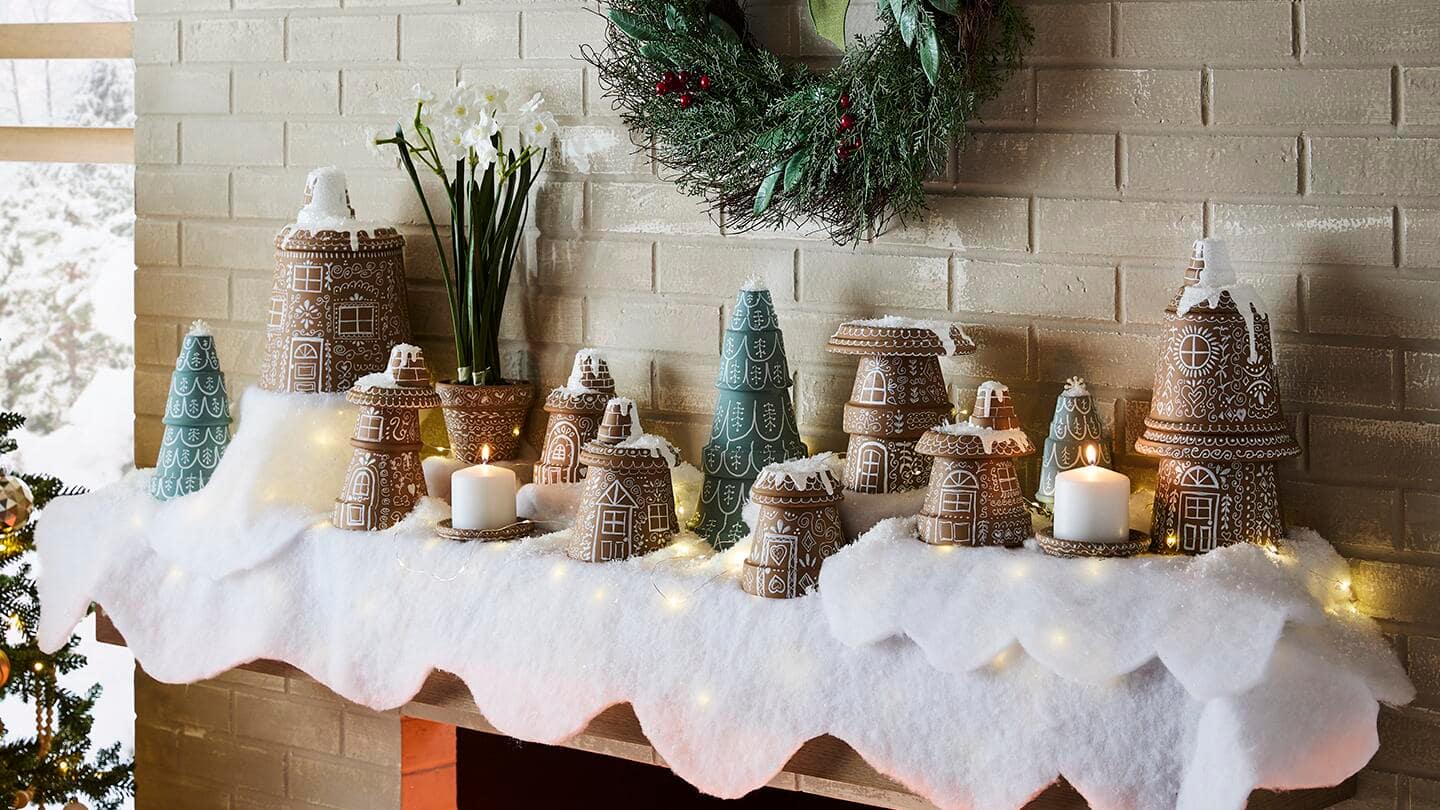
Discover fun and festive ways to transform simple clay planters into seasonal decorations. Explore our creative projects now!

Find the perfect tool to clear your driveway quickly and efficiently this winter. Browse our expert recommendations today!
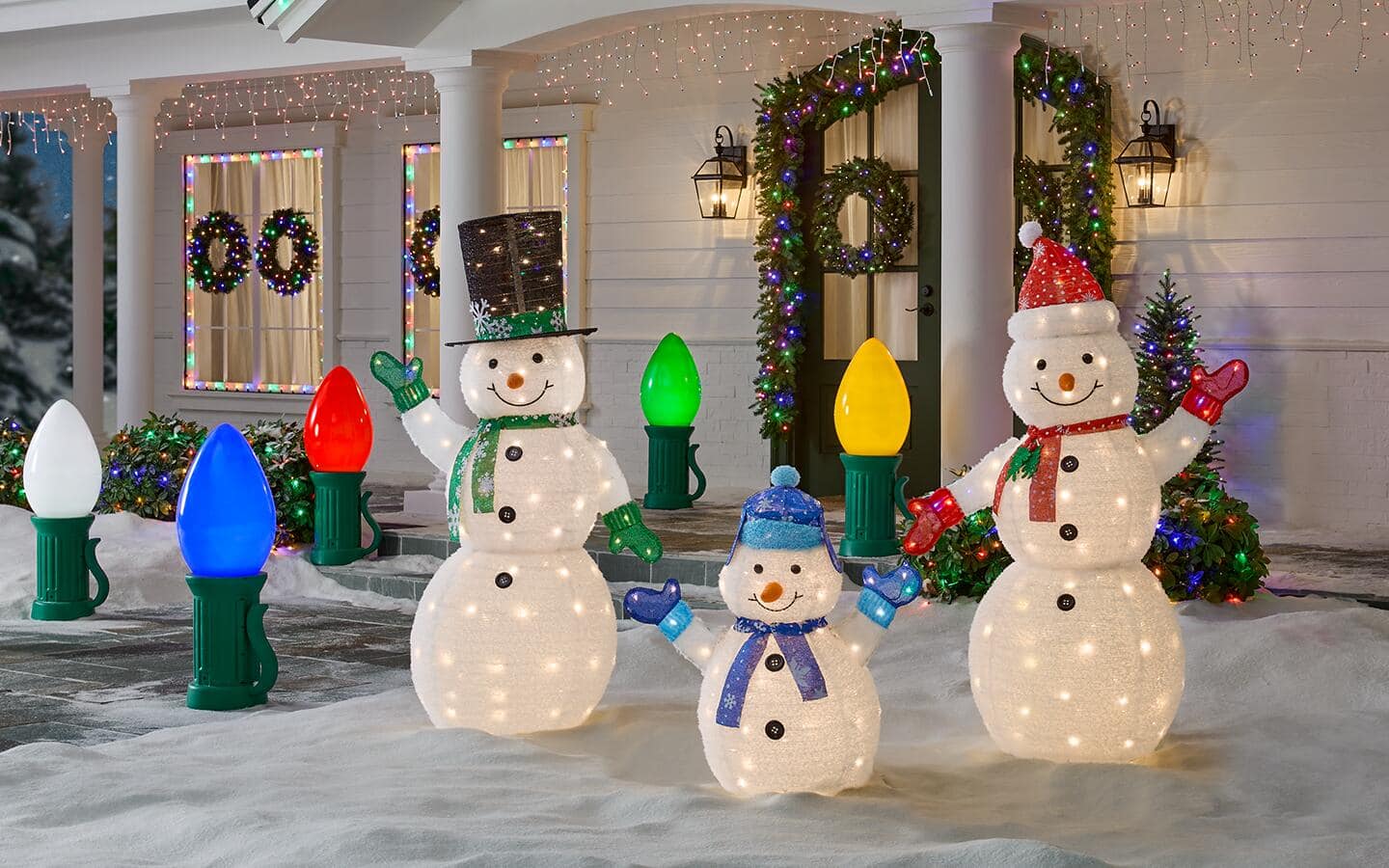
Turn your exterior into a magical winter wonderland with these inspiring yard displays. Check out our design tips here!
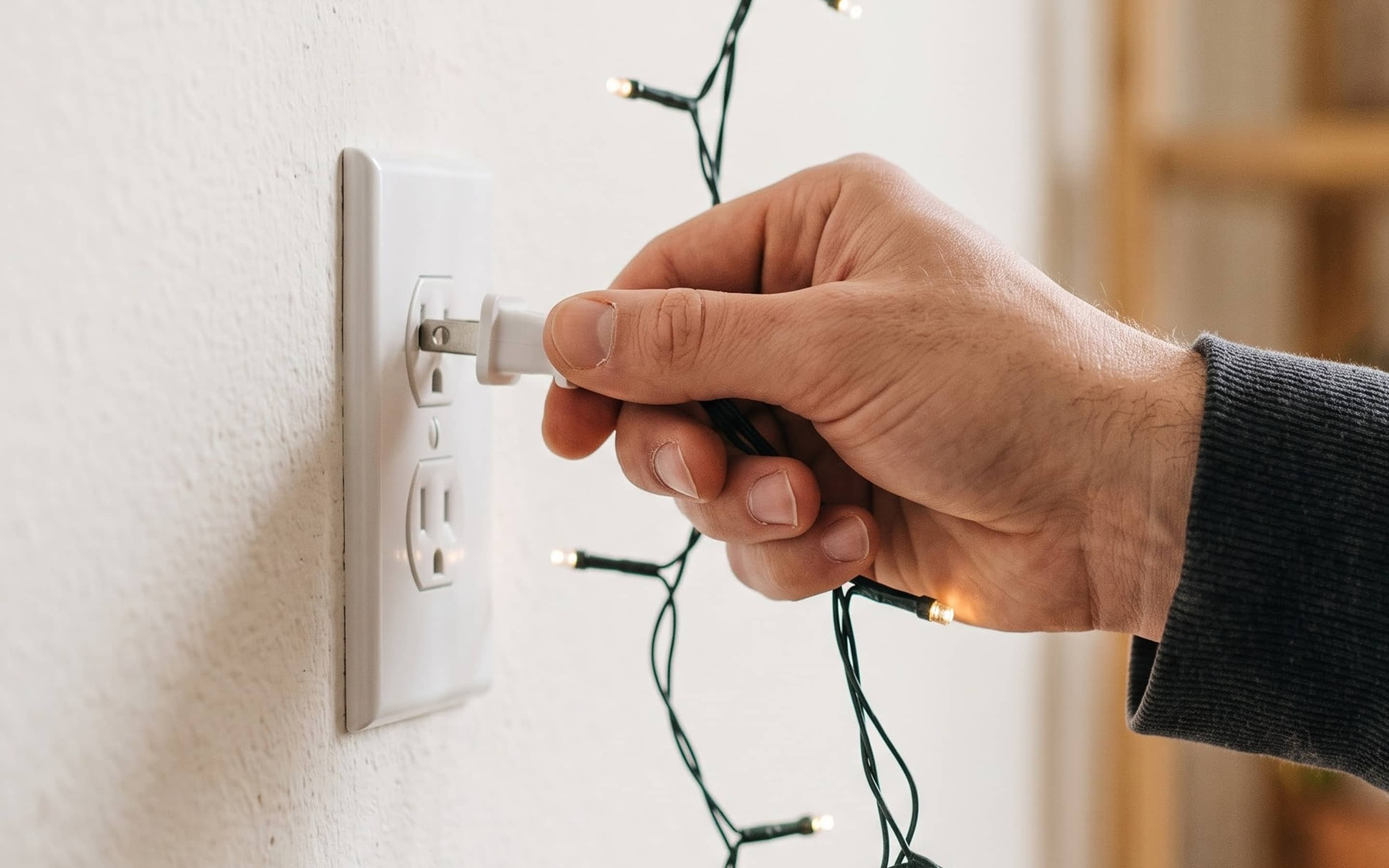
Rescue your glowing strands from dreaded dark bulbs and broken fuses effortlessly. Follow our step-by-step troubleshooting instructions!
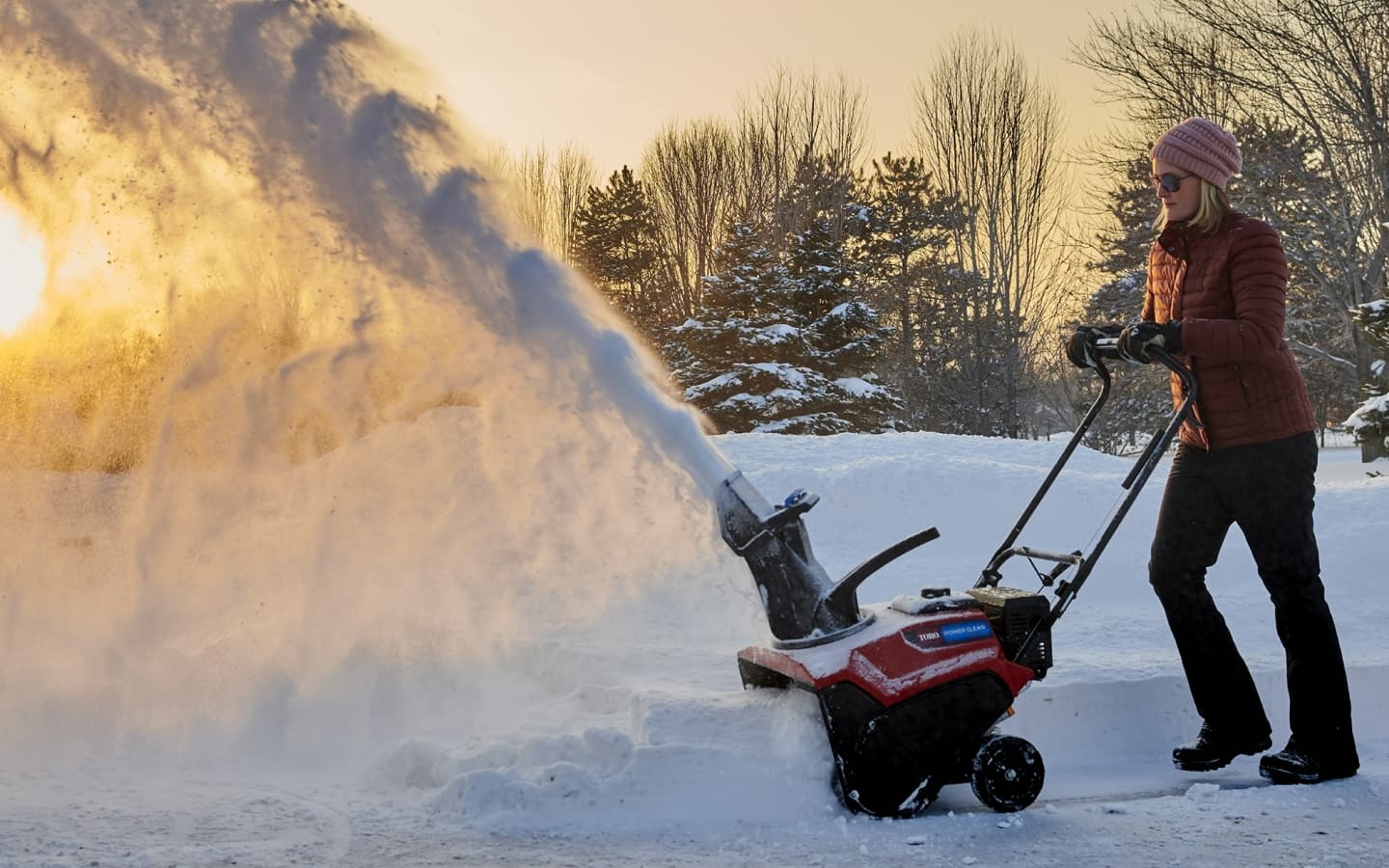
Tackle heavy drifts and icy buildup with top-rated cold-weather equipment. Choose your ideal machine in this detailed breakdown.
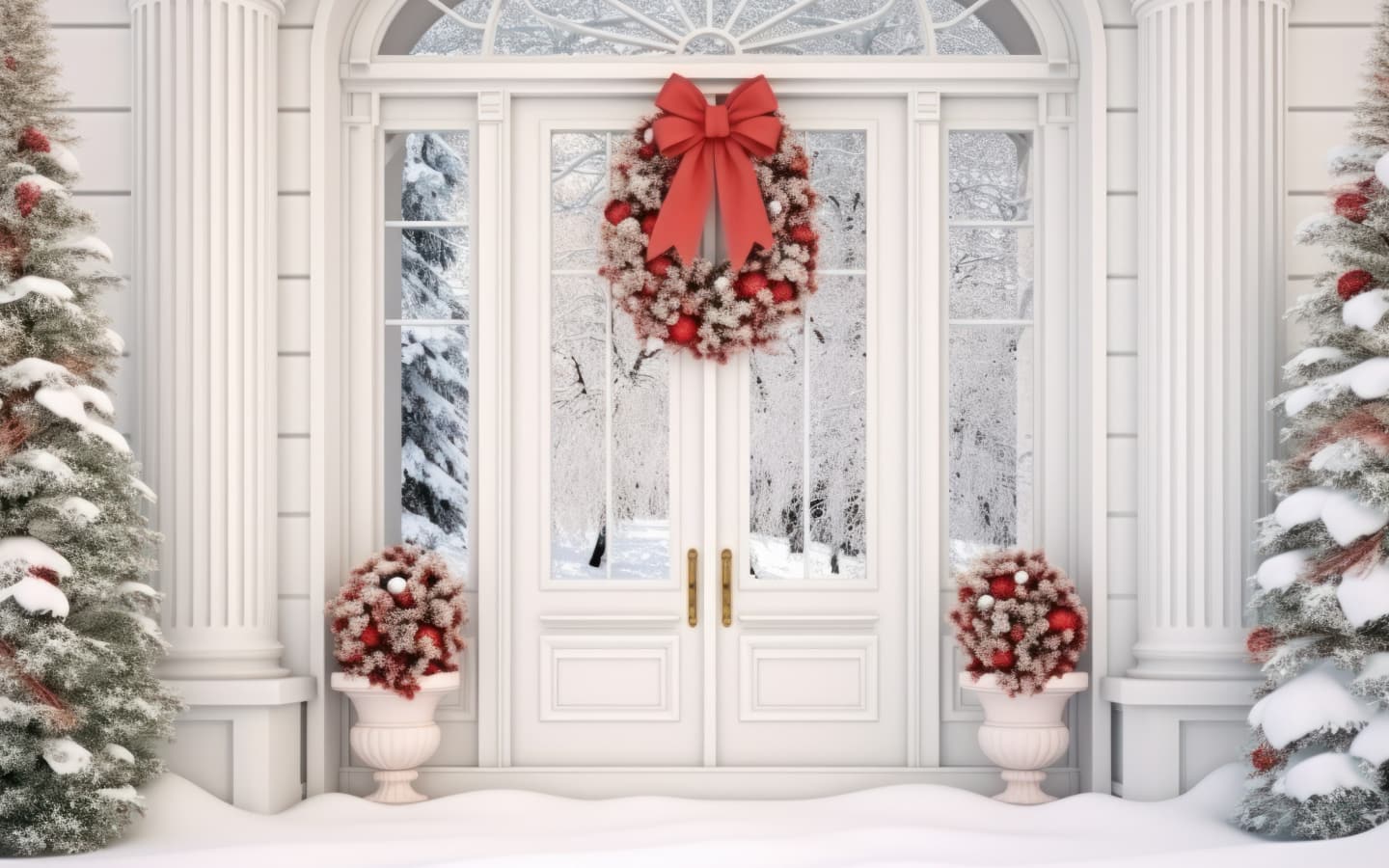
Welcome guests with a cozy and inviting entryway that celebrates the chilly season. Uncover our beautiful styling secrets right away!
The Apex Home Depot Garden Center
Fall is a different time for your lawn and garden, so get out your work gloves, pole saws, chainsaws, and pruners. The focus shifts from growing to harvesting, from upkeep to cleanup. We've got fall lawn tips and fall gardening advice to help you make the most of your landscaping and garden as the season comes to a close. We'll also guide you through fall planting and harvesting. Depending on your climate, you might be able to garden throughout the cooler months. Keep reading for more on fall lawn and garden maintenance.
Patch or Fertilize Your Lawn
Patch up bald spots on your lawn by overseeding them. Chillier weather is a great time to fill in brown, dead, or bare places in your yard. However, be mindful of fallen leaves on freshly seeded areas. Fresh grass seed requires water, air, and sun to grow, and leaf litter can block out the air and sunlight it needs to germinate.
If your lawn is in good shape, make sure it stays that way by applying lawn fertilizer if you have cool-season grass. Aerate your lawn before adding fertilizer to get the most value. An edger gives extra polish to the perimeter of your yard. Water your cool-season lawn regularly and tend to any pesky fall weeds that might spring up. It will require different upkeep than warm-season grass, which goes dormant as cooler weather arrives. Taper down watering on warm-season lawns. If you're in the climate zone striped across the middle latitude of the U.S, we have transition zone grass seed, too.
Fall Planting
Autumn planting is often overlooked, but fall is the perfect time to get extra flowers in your garden. Chrysanthemums, often simply called "mums," provide a gorgeous pop of fall color. You may also choose some marigolds for red, yellow, and orange blooms that last until the first frost, or possibly even longer if you shield them. Remember to explore the wide variety of fall plant and flower options.
Succulents, shrubs, and bushes also bloom in the fall, especially if they've been established in the ground or kept in plant pots. For shrubs, care for the ones you've got or plant new ones, if the weather allows. Get in new plants now, especially if you're in a warmer climate and have time before the cold and frost set in.
Cover Perennials
In climates where you might have a quick cold snap, but then it warms up above freezing again, cover your plants. Protect your garden from frost and freeze damage to extend their season. Cover your plants with drop cloths, tarps, or even 5-gallon buckets. It'll warm your plants like a blanket or greenhouse, and they'll survive a frost. Once the temps regularly dip below freezing, it's time to say goodbye to the garden until the springtime.
Put the Garden to Bed
When the sun angle changes and your annual flowers begin to look tired, it's time to dig up the plants. Northern climates that get cold earlier in the fall might be putting the garden to bed for the season in October or November, while warmer climates might wait until November or December. After your vegetable plants have produced a final harvest, dig them up, then chop and dispose of the detritus, or dead plant debris. You can let them return their nutrients to the earth, but there are two exceptions: if your plants dealt with disease or if you had a problem with snails.
If your garden has snails, remove the detritus. Snails and slugs are still part of the ecosystem. As for the exception of plants struggling with disease or blight, simply put those dead plants in the leaf and lawn bag to avoid passing any issues on to next spring's crop. Disinfect your tools after dealing with diseased plants or pests.
After you've removed the old plants, you have a clean slate. Prep your garden bed for the spring by rotating the soil with a shovel or renting a rototiller. Bring the deeper soil to the surface, send the topsoil lower down, and generally break up the ground. It helps nutrients penetrate and lets the soil rest. It's also a terrific opportunity to see what, if any, soil amendments you need. Different crops and plants use different nutrients. Test your soil to see if it's balanced or if you should add certain nutrients that have been depleted.
Move Delicate Plants Indoors
Gardeners with potted plants can extend their growing season by bringing the plants indoors to a sunny window. Indoor gardening allows both outdoor plants to live longer and indoor plants to bring joy into your home. Just make sure they get enough water now that they won't benefit from rainfall, and rotate them regularly to give all those leaves enough sunlight for photosynthesis. Don't forget to place decorative dishes beneath your house plants if the pots don't have built-in overflow dishes to catch any extra water.
Warm the Outdoors with a Fire Pit
Stretch out your fall evenings with a fire pit, outdoor fireplace, or patio heater to take off the chill. Whether you're looking to heat a cozy back porch, a small patio, or a spacious deck, we've got options. All you have to do is find the one that matches your style.
Ease Into Fall
This fall, shore up your lawn and garden for the season with The Home Depot. We've got everything you need for putting the garden to bed, restoring nutrients to your soil, and leaf cleanup so it's ready for next spring. Shop our selection of fall garden care and outdoor living products online, in your local store, or in our mobile app.
Nearby Stores
Find Another Store
2031 Walnut St
Cary, NC 27518
8.00 mi
Store:
Pro Service Desk:
Mon-Sat: 6:00am - 9:00pm
Sun: 8:00am - 8:00pm
901 E Broad St
Fuquay Varina, NC 27526
12.03 mi
Mon-Sat: 6:00am - 9:00pm
Sun: 8:00am - 8:00pm
2540 Timber Dr
Garner, NC 27529
13.82 mi
Store:
Pro Service Desk:
Mon-Sat: 6:00am - 9:00pm
Sun: 8:00am - 8:00pm