Do you have what you need to make your garden grow?


Garden Center
Store Hours
Mon-Sat:
6:00am - 10:00pm
Sun:
8:00am - 8:00pm
Curbside:
09:00am - 6:00pm
Location
4101 Roswell Rd
Marietta, GA 30062
Popular at Your Garden Center


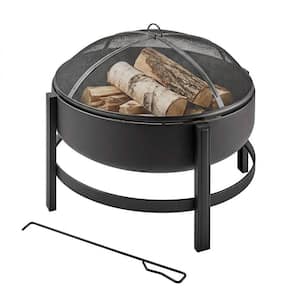
Winter Garden Supplies Near You










Popular Live Plants




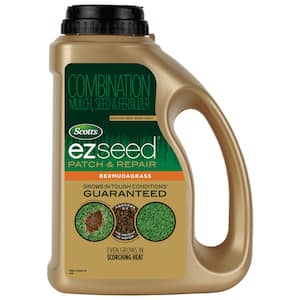



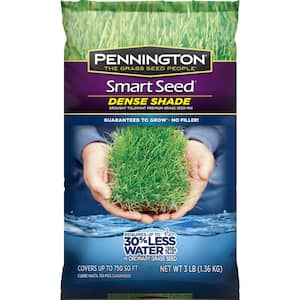
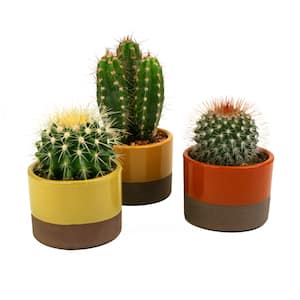
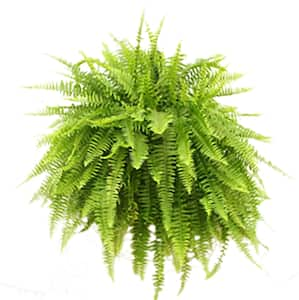

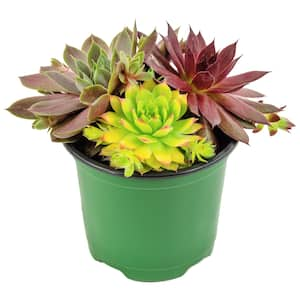

Garden Project Calculators
;Resize=(703,395.44))
Grass Seed Calculator
When you're ready to seed your lawn, our calculator helps you estimate the amount of grass seed you'll need to get the job done.

Mulch Calculator
Enter your preferred material, the square footage and mulch depth of the coverage space for accurate results.

Fencing Calculator
We'll calculate the amount of fencing you should purchase based on your property needs.
Shop Outdoor and Garden Brands


Frequently Asked Questions About Gardening
What planting zone am I in?
Take a look at the USDA plant zone map, as planting zones have shifted slightly over time. Zones with higher numbers can begin planting earlier in the year and their growing season extends further into the fall months or winter in some places. Increase your chances of successful gardening by planting flowers, veggies, and trees that grow well in your area.
Does The Home Depot deliver mulch?
The Home Depot offers flexible mulch delivery options nationwide based on the size of your order. We can deliver small orders with a car for a $3 fee. As orders get bigger, we switch to a van for a $35 fee. For massive mulch projects, we have a fleet of flatbeds and box trucks ready to deliver to your job site for a $79 fee. You can also pick up your mulch at the store for free, and orders that meet a purchase threshold may qualify for free delivery. Not sure how much you'll need? Check out our mulch calculator to get started. Get more details below on mulch delivery via van, truck, or car.
Can I get my mulch order loaded into my truck?
Yes, you're welcome to pick up your mulch yourself. Even better, we're happy to help if you need it. After you purchase mulch online with store pickup or buy it in-store, go to the mulch loading zone or drive-thru if your store has one. An Orange Apron will load a small or medium mulch order directly into your truck or SUV. For very large orders of bulk yard or bagged mulch, delivery is easiest.
Does my mulch get delivered in a car or van instead of a truck?
If you have a small bagged mulch order, you can get it delivered to your door via a store-fulfilled local delivery service that uses third-party drivers. Your mulch will arrive in a regular car or van for just a $3 delivery fee. Bulk mulch, also called loose or yard mulch, will come in a truck. If you order a specific number of bags, you may qualify for free delivery. That threshold varies from store to store, but you'll be able to verify the cost at checkout.
How much mulch qualifies for flatbed or large truck delivery?
When you're ordering pallets of bagged mulch or huge quantities of bulk yard mulch, you'll get flatbed or box truck delivery. Most of the time, these are landscapers, Pro customers, or serious DIYers working on a major landscaping project. There's a minimum pallet order to maximize resources and usually a delivery fee. Orders that pass a threshold may qualify for free delivery.
Can I plant veggies in the fall?
If you're sowing seeds for fall outdoor gardening, get them in by late summer. Plants can go in the ground much later than seeds, and warm climates can continue planting later in the year than colder northern climates. Read these tips on how to plan and prep a fall vegetable garden. You may be able to grow cruciferous vegetables and leafy greens throughout the fall and into winter if the weather stays mild. In fact, some cole crops are sweeter after a frost. Check your USDA planting zone for information on your growing season and specific plants, then read up on how to plant a fall vegetable garden.
How often should I water my garden?
If you can water at least once a day, during the evening or in the early morning, that's ideal. Whenever you water, give all the plants a good drink, and don't skip it when it's not the best time. The plants still need hydration, no matter what time it is. Depending on your grass type, lawn health, and climate, you may also want to look into adding a lawn fertilizer. If your lawn is going dormant for the winter, don't fertilize it at all or water it often.
How can I deal with autumn leaves?
You can keep ahead of leaf maintenance. For a traditional and economical method, go with a garden rake, work gloves, and paper yard waste bags. We've also got leaf blowers if you'd prefer an outdoor power tool instead.
Do I clean my garden tools before storing them?
Tidy the yard and garden one last time for the season, then store the tools for the winter. Give your tools a soak in soapy water to remove dirt and grime, then dry them thoroughly. Next, soak them in a water and bleach mix for 20 minutes to kill off any fungi or bacteria, and follow with a rinse. Then, scrub away rust specks with a wire brush, oil them with vegetable oil or WD-40 if necessary, and make sure they're dry before hanging them in a shed or garage.
What tools do I need to process a tree into firewood?
After storm cleanup or pruning trees and bushes with a gas chainsaw or hedge trimmers, process the debris in a chipper. Log splitters leave you with more manageable chunks of wood, while wood chippers make tiny wood chips. If your trees are healthy, the chopped wood and bark chips make fresh mulch that you can spread around your fall plants and flowers. If you removed a tree, you can use a splitter, an axe, or a sledgehammer with a wedge to divide the downed tree into smaller pieces. The wood splitter will be faster and a wise investment if you're doing a large amount of tree cleanup, and bigger is better here. We also have chippers and stump grinders for rent and purchase.
Should I winterize my pool?
Once the summertime fades, it's time to winterize the pool before the cold really moves in. Vacuum and clean the pool with a special pool vacuum, then drain the water. Use a swimming pool cover to help prevent the pipes or even the pool wall itself from becoming cracked or weakened if water freezes and expands inside. Don't forget to drain and cover outdoor faucets and sprinkler systems, too.
Garden Project Ideas
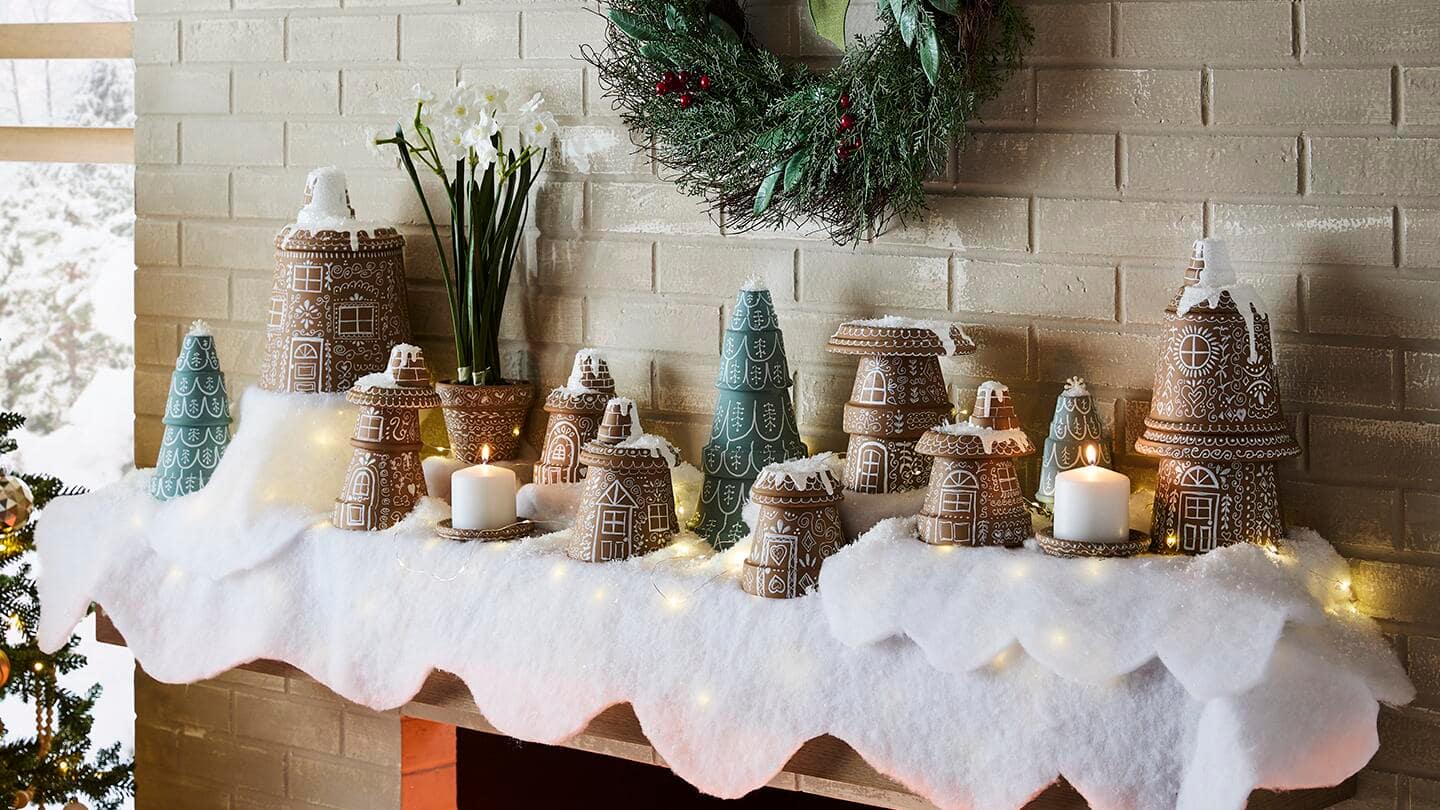
Discover fun and festive ways to transform simple clay planters into seasonal decorations. Explore our creative projects now!

Find the perfect tool to clear your driveway quickly and efficiently this winter. Browse our expert recommendations today!

Turn your exterior into a magical winter wonderland with these inspiring yard displays. Check out our design tips here!
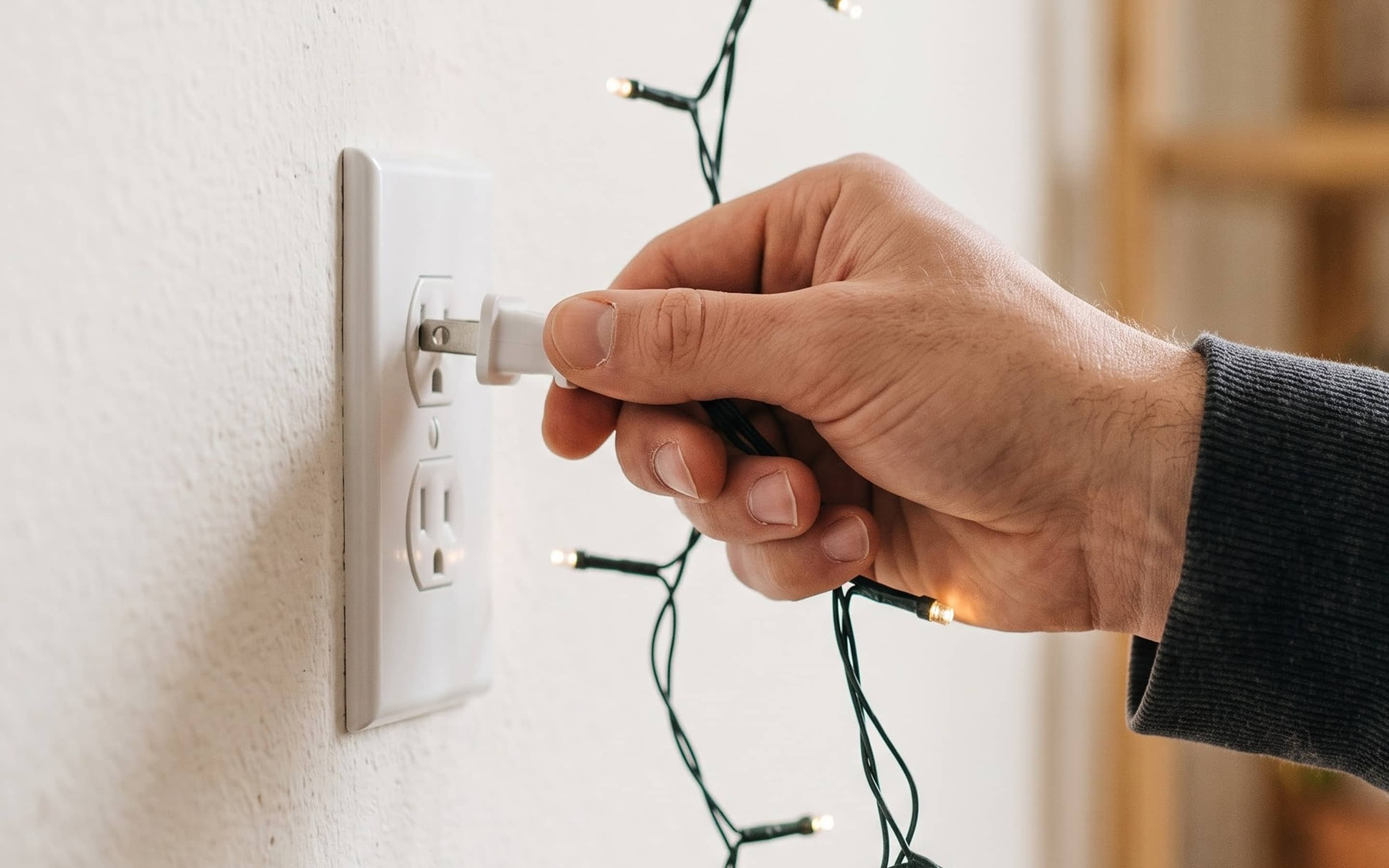
Rescue your glowing strands from dreaded dark bulbs and broken fuses effortlessly. Follow our step-by-step troubleshooting instructions!
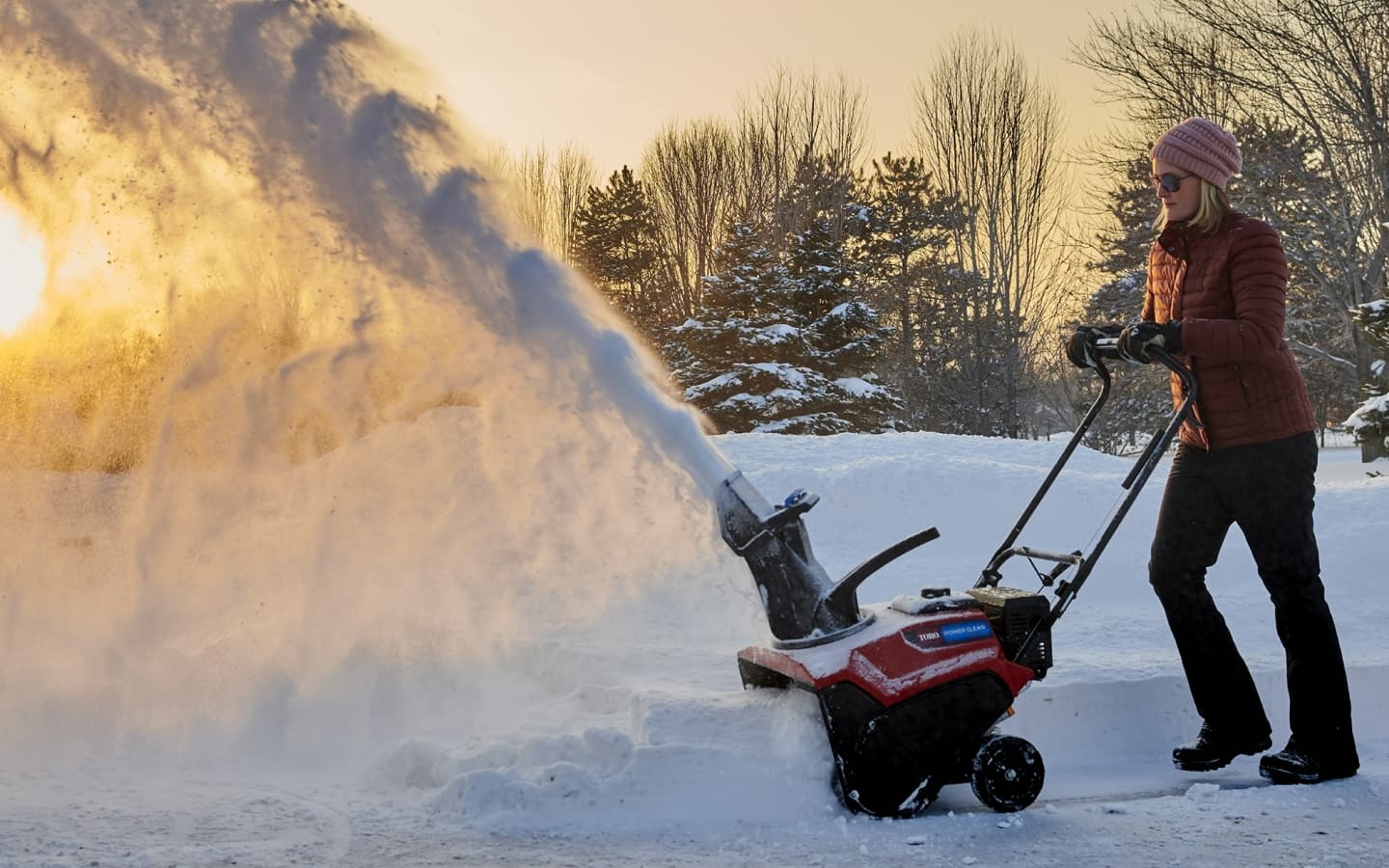
Tackle heavy drifts and icy buildup with top-rated cold-weather equipment. Choose your ideal machine in this detailed breakdown.

Welcome guests with a cozy and inviting entryway that celebrates the chilly season. Uncover our beautiful styling secrets right away!
The Merchant's Walk Home Depot Garden Center
Fall is a different time for your lawn and garden, so grab your work gloves, pole saws, chainsaws, and pruners. The focus shifts from upkeep to cleanup, from growing to harvesting. We've got fall lawn tips and fall gardening guidance to help you make the most of your landscaping and garden as the season ends. We'll also help guide you through fall planting and harvesting. Depending on your climate, you might be able to garden throughout the cooler months. Read on for more on fall garden and lawn maintenance.
Fertilize or Patch Your Lawn
Patch up bald spots in your yard by overseeding them. Cooler weather is a great time to fill in brown, dead, or bare places in your yard. However, be mindful of fallen leaves on freshly seeded areas. Fresh grass seed requires sun, water, and air to grow, and leaf litter can block out the air and sunlight it needs to germinate.
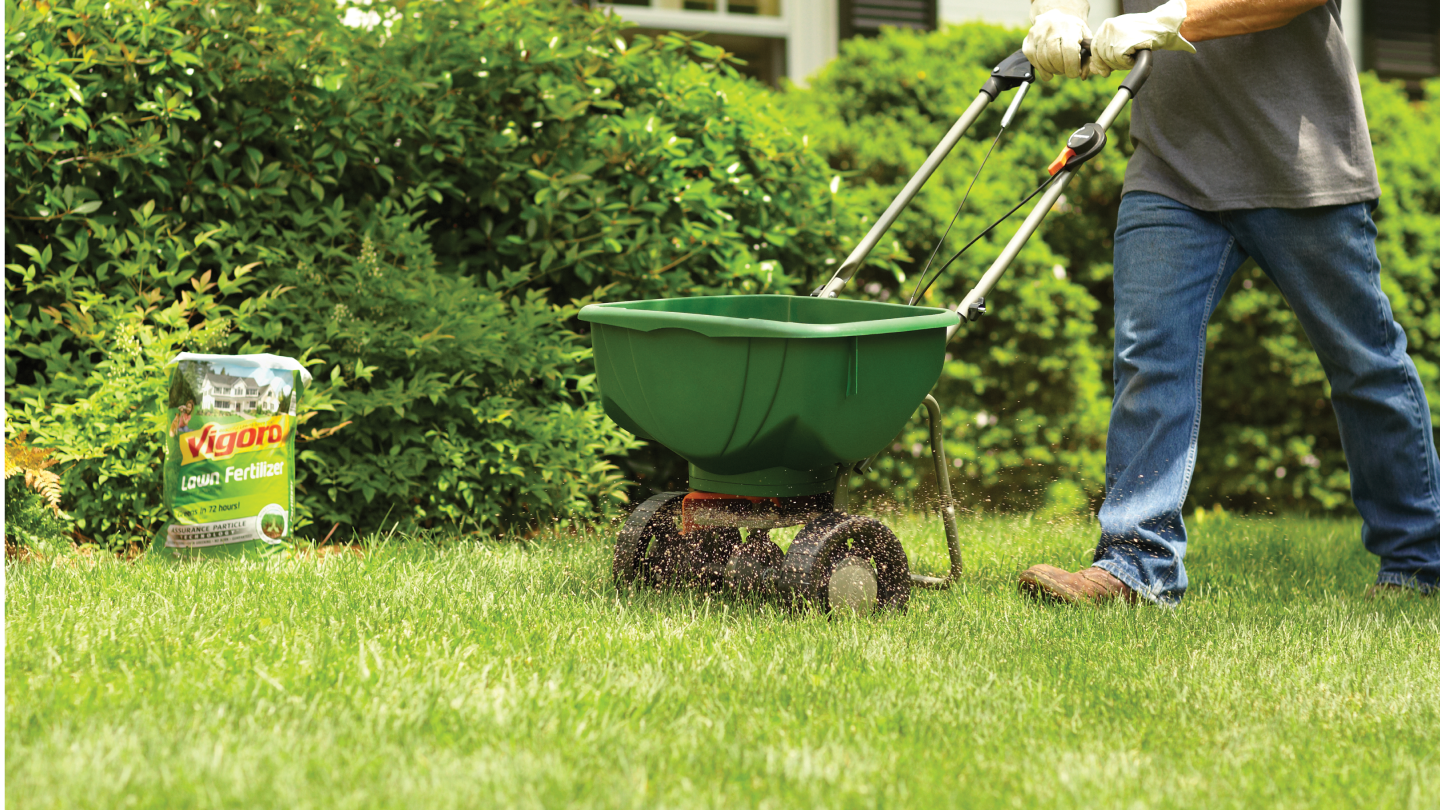
If your cool-season grass is in good shape, help ensure it stays that way by using an aerator and then applying lawn fertilizer. An edger gives extra polish to the perimeter of your yard. Regularly water your cool-season lawn and tend to any pesky weeds that show up. It will require different maintenance than warm-season grass, which goes dormant as the weather cools. Slow down watering on warm-season lawns. If you're in the climate zone striped across the middle latitude of America, we have transition zone grass seed, too.
Fall Planting
Fall planting is often overlooked, but autumn is the perfect time to get additional flowers in your garden. Chrysanthemums, often simply referred to as "mums," provide a pretty pop of fall color. You might also choose some marigolds for yellow, red, and orange blooms that last until the first frost, or possibly even longer if you properly protect them. Remember to explore the wide variety of fall plant and flower options.
Succulents and shrubs also bloom in the fall, especially if they're already established in the ground or kept in flower pots. For shrubs, care for the ones you've got or plant new ones, if the weather permits. Get new plants in now, especially if you're in a warmer climate and have time before the frost and cold set in.
Cover Perennials
In climates where you may have a cold snap here and there, but then it warms up above freezing again, cover your plants. Protect your garden from frost and freeze damage to extend their season. Cover your plants with 5-gallon buckets, drop cloths, or tarps. It'll warm your plants like a greenhouse or blanket, and they'll survive a frost. Once the temps regularly dip below freezing, it's time to say goodbye to the garden until the springtime.
Put the Garden to Bed
When the sun angle shifts and your annual flowers look worn, it's time to dig up the plants. Northern climates that get cold earlier in the fall might be putting the garden to bed for the season in October or November, while warmer climates might wait until November or December. After your veggie plants have produced a final harvest, dig them up, then chop and dispose of the detritus, or dead plant debris. You can let them decay, but there are two exceptions: if your plants dealt with disease or if you had a snail problem. Let snail-ridden decay elsewhere and dispose of diseased material in leaf and lawn bags to avoid transferring issues on to next spring's crop.
When you've removed your old plants, you have a clean slate. Prepare your garden bed for the spring by rotating the soil with a shovel or renting a rototiller. You want to bring the deeper soil to the surface, send the topsoil lower down, and generally break up the ground. It helps nutrients penetrate and lets the soil rest. It's also a great opportunity to see what, if any, amendments you need. Different crops and plants use different nutrients. Test your soil to see if it's balanced or if you should add certain nutrients that have been depleted.
Move Delicate Plants Inside
Gardeners with potted plants can extend their growing season by moving the plants indoors to a sunny spot. Indoor gardening allows both outdoor plants to live longer and indoor plants to bring joy into your home. Just make sure they get enough water now that they won't benefit from rainfall, and rotate them often to give all those leaves enough sunlight for photosynthesis. Don't forget to place decorative dishes underneath your house plants if the pots don't have built-in overflow dishes to catch any extra water.
Warm Up with a Fire Pit
Extend your fall evenings with a fire pit, patio heater, or outdoor fireplace to take off the chill. Whether you're looking to heat a spacious deck, a small patio, or a cozy back porch, we've got options. All you have to do is find the one that matches your style.
Ease Into Fall
This fall, shore up your lawn and garden for the season with The Home Depot. We've got all that you need for restoring nutrients to your soil, putting the garden to bed, and leaf cleanup so it's ready for next spring. Shop our wide variety of outdoor living and fall garden care products online, in your local store, or in our mobile app.
Nearby Stores
Find Another Store
3605 Sandy Plains Rd
Marietta, GA 30066
4.34 mi
Mon-Sat: 6:00am - 9:00pm
Sun: 8:00am - 8:00pm
6400 Peachtree Dunwoody Rd
Sandy Springs, GA 30328
5.78 mi
Mon-Sat: 6:00am - 10:00pm
Sun: 8:00am - 8:00pm
870 Woodstock Rd
Roswell, GA 30075
6.07 mi
Store:
Pro Service Desk:
Mon-Sat: 6:00am - 9:00pm
Sun: 8:00am - 8:00pm