Choose between battery-powered for ultimate mobility, or corded for unlimited cleaning power.
)
)
Built for durability and performance. Perfect for heavy-duty cleaning in industrial and commercial settings.

For use on vehicles, outdoor furniture, grills and weathered siding.
)
)
Powerful cleaning for driveways or paint stripping, reaches up to a second floor.
)
Compare gas and electric by cost, power and features for every cleaning project.
)
Maintain curb appeal and keep your outdoor surface clean by choosing the best pressure washer for your needs.
)
Improve your home’s appearance or prep for new paint.
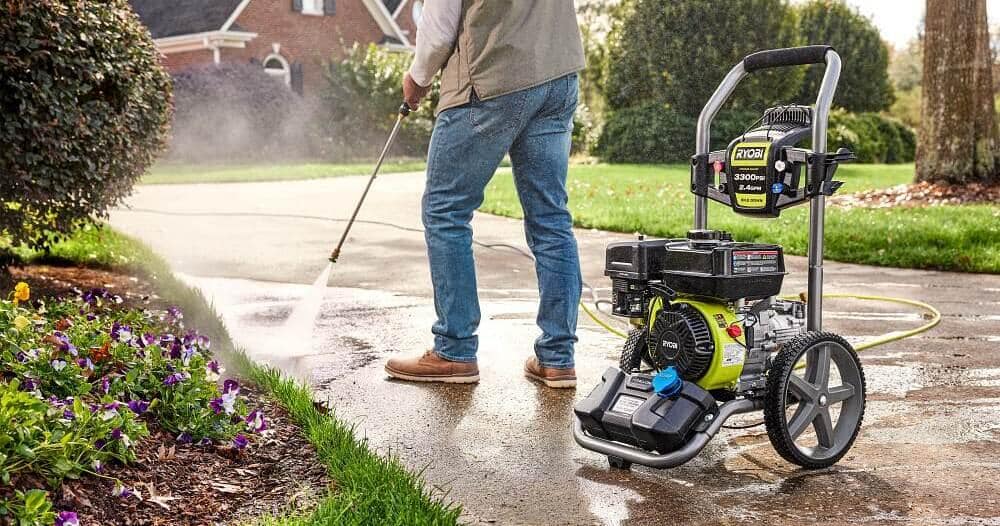
The two main types are electric and gas-powered pressure washers. Electric models are lightweight, quiet, low-maintenance, and ideal for light-to-medium-duty tasks like washing cars or patio furniture. Gas-powered models offer much higher water pressure and flow rates, making them the best choice for heavy-duty projects like cleaning large concrete driveways, prepping house siding, or stripping paint. There are also battery-powered, cordless pressure washers available for ultimate portability on quick, smaller jobs.
A pressure washer connects to your standard garden hose. Inside the machine, a gas engine or electric motor powers a water pump that significantly accelerates the water pressure. This pressurized water is then forced through a concentrated wand and specialized spray nozzle, creating a powerful stream that easily blasts away stubborn dirt, mold, grease, and grime from outdoor surfaces.
Pressure washers are incredibly versatile tools for outdoor maintenance. Once you learn how to use a pressure washer, common ways to use it include cleaning wooden decks and patios, washing vehicles and boats, blasting oil stains off concrete driveways, clearing out gutters, and cleaning brick or vinyl house siding. They’re also frequently used to strip old paint or stain off fences and siding before a remodel.
PSI (Pounds per Square Inch) measures the actual water pressure, which dictates how forcefully the machine can break the bond between dirt and a surface. GPM (Gallons Per Minute) measures the volume of water flow, determining how quickly that loosened dirt is washed away. To figure out the overall cleaning power of a machine, you look at both numbers combined.
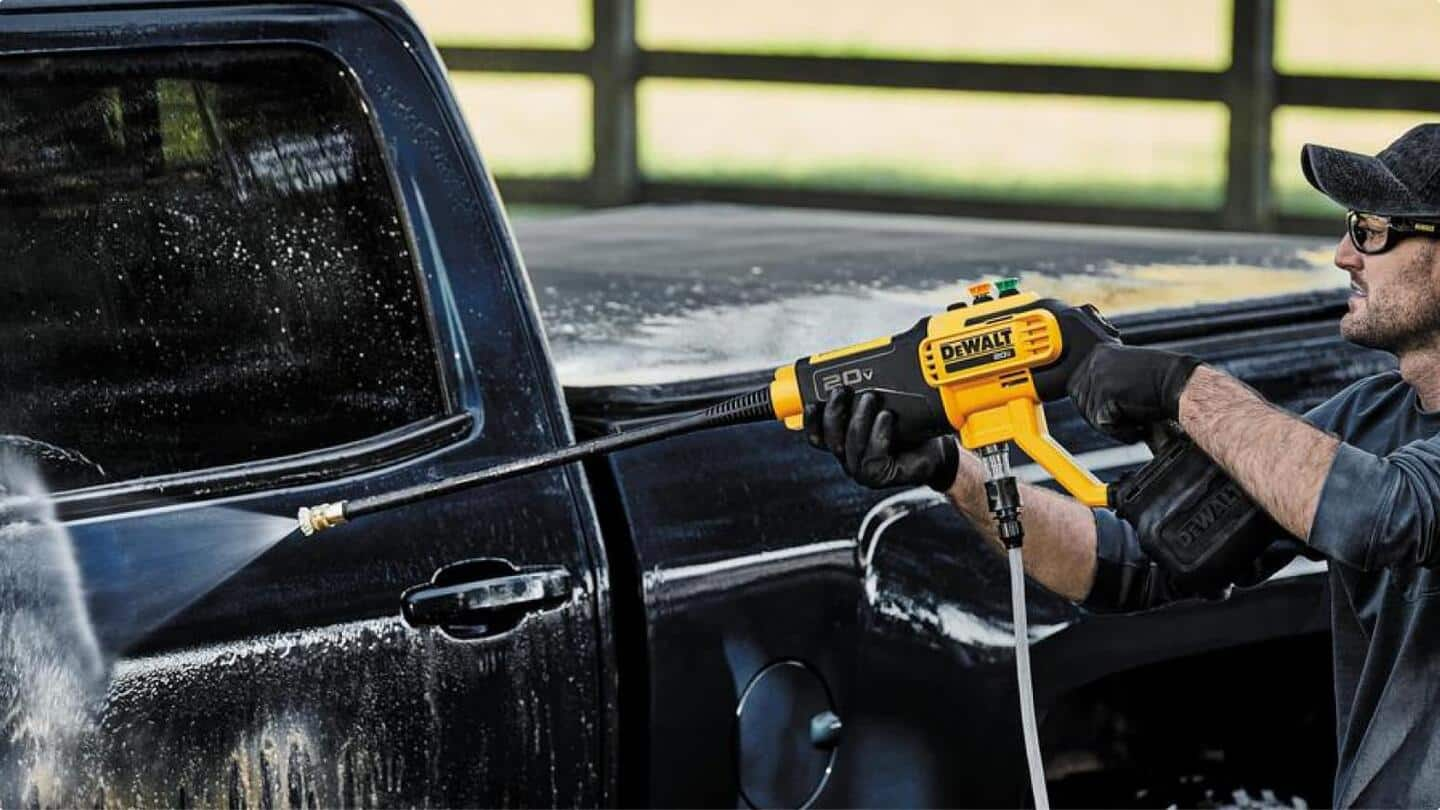
Yes! An electric pressure washer for your car is generally a good choice since it has a lower, safer PSI. To avoid damaging your clear coat or paint, always use a wider-angle spray tip (like a 40-degree nozzle), keep the wand at least a foot away from the surface, and consider using a foam cannon attachment for an even, scratch-free soap application. Be sure to double check the product’s instructions before use.
Pressure washers use a universal color-coding system for spray nozzles to indicate the angle and intensity of the water stream. Red (0-degree) is a highly concentrated, pinpoint jet for the toughest stains (use with caution to avoid damaging surfaces). Yellow (15-degree) is great for heavy-duty cleaning and stripping paint. Green (25-degree) is an all-purpose nozzle for general cleaning on decks and brick. White (40-degree) provides a wide, gentle spray perfect for washing cars, windows, and patio furniture. Finally, Black (65-degree) is a low-pressure nozzle used specifically for applying soap or detergents.
When you're dealing with stubborn grime on your property, selecting the proper equipment is absolutely essential. There's a wide variety of pressure washers available today, and navigating the technical specifications shouldn't feel overwhelming. It's not just about getting the highest PSI; it's about matching the machine's capabilities to your specific daily tasks. Whether you're doing seasonal exterior maintenance or dealing with heavy grease stains on the driveway, we've got you covered. The key's understanding exactly what type of power cleaning action your surfaces can handle without causing accidental damage. Knowing the differences between various pump types and motor styles helps narrow down the choices for your specific home environment.
Choosing the right model often comes down to deciding between an electric or gas-powered pressure washer. If you're tackling light-duty jobs like cleaning patio furniture, washing shutters, or looking for a reliable pressure washer for car detailing, an electric model's usually your top choice. They operate between 300 and 1,999 PSI, making them budget-friendly, lightweight, and low maintenance. For added mobility without being tied to an outlet, you'll want to carefully consider the best cordless pressure washer in our inventory. On the other hand, if you're dealing with medium to heavy-duty tasks like cleaning a large deck, pavement, or siding, gas models provide the higher PSI and GPM ratings you'll need. If you're searching for the most powerful pressure washer to handle industrial cleaning or act as a capable pressure washer for removing paint, a professional gas engine unit is definitely the route to take.
Your estimated budget shouldn't be a mystery when planning an outdoor cleanup project. Electric pressure washers generally require less upfront investment, making them an attractive option if you only need a standard pressure washer for house siding or basic spot cleaning a few times a year. Gas-powered pressure washers carry a higher initial price tag and require more ongoing maintenance, but they're incredibly durable and get tough jobs done. If you're balancing the initial equipment costs, be sure to check our current seasonal promotions to find the best prices on pressure washers. It's also smart to consult our pressure washer buying guide to evaluate the exact cleaning power needed, so you don't overspend on excess PSI you won't actually use.
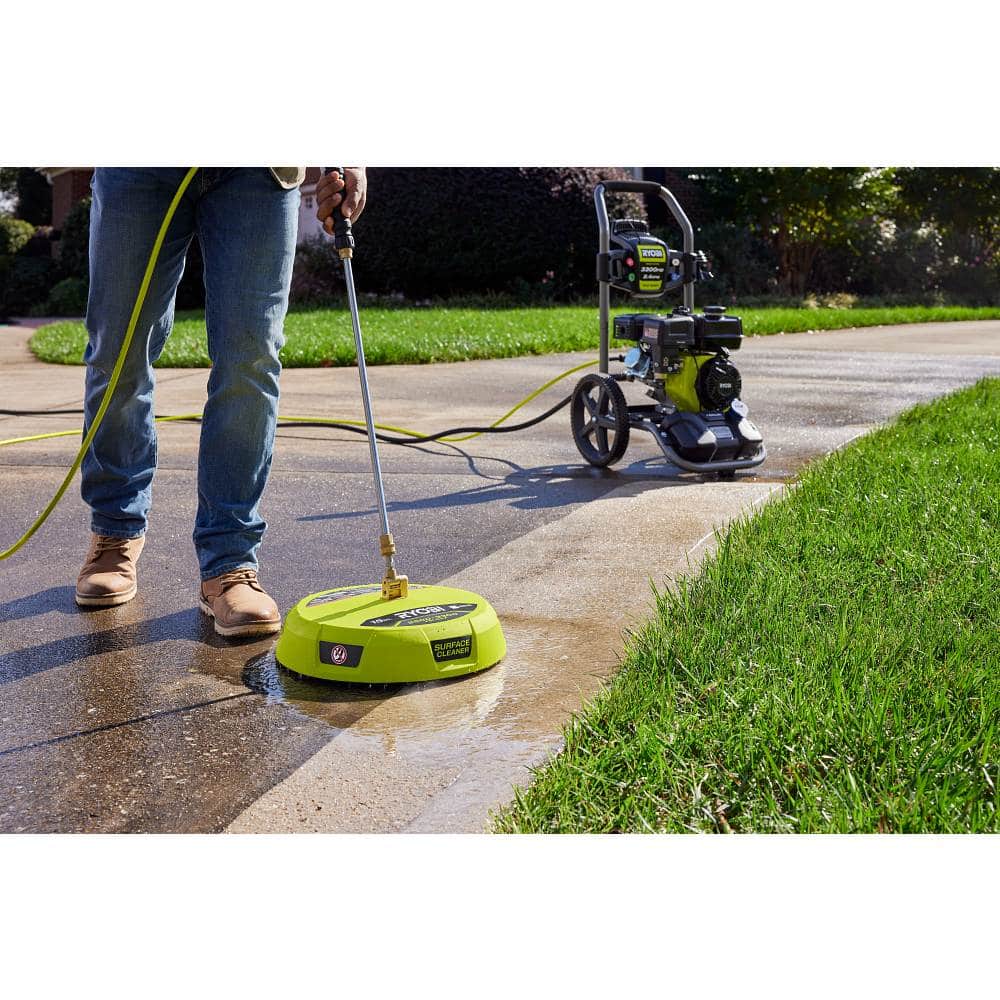
Understanding the important role of attachments remains crucial for highly effective and efficient work. Standard spray nozzles handle most general jobs, but if you're tackling a large flat surface area, you'll definitely need specialized gear. Finding a dedicated pressure washer for cleaning concrete often means pairing your base machine with a wide surface cleaner attachment. This smart combination ensures an even, consistent wash without leaving streaks on your driveway or patio. In many cases, adding the right tool from our pressure washer accessories section vastly reduces your overall manual labor. For specific everyday applications like utilizing a pressure washer that attaches to hose systems, ensuring you have the proper quick-connect fittings makes all the difference in the world. All in all, The Home Depot will help you find everything you need to get your pressure washing project complete.