RAIN BARRELS




314 results






Viewing 1-12 of 314
Get 10% off your purchase
Sign up for emails & save 10% on select home decor. Valid on select items.
Loading Recommendations
Questions & Answers
What are some popular brands of rain barrels?
Different brands focus on specific job needs, so you can match the barrel to your setup. We carry industry-leading brands known for high-quality rain barrels, including VINGLI, OGETFUUR, and Rain Wizard. Compare features like overflow control, spigot height, and lid design.
What materials can I expect in your rain barrels?
Expect durable, weather-ready materials built for outdoor use and long-term water storage. Options focus on strength, resistance to sun and temperature changes, and low maintenance. You'll find lightweight designs for easy setup as well as heavier builds for added stability and a more traditional look. Explore our nylon, rubber, and HDPE (High Density Polyethylene) rain barrels today. Each choice supports reliable water collection and helps you match the barrel to your space, climate, and project needs.
What makes a rain barrel eco-friendly?
An eco-friendly rain barrel uses materials and features that reduce waste and conserve water at the source. Many models use recycled plastic that holds up outdoors and keeps materials out of landfills. A sealed lid, debris screen, and overflow control help manage runoff and keep water clean for reuse. You capture rain from your roof and put it to work in your yard, which cuts demand on treated water and helps control drainage around your home.
How do I clean a rain barrel?
Drain the barrel and disconnect it from the downspout. Remove the lid and screen, then rinse out loose debris. Scrub the interior with a brush and a mix of water and mild soap or vinegar. Flush the spigot and any hoses to clear buildup. Rinse until the water runs clear, then reassemble and reconnect. Clean once or twice each season to keep water flowing and reduce odor or algae.
Rain Barrels That Turn Rain Runoff into Ready-to-Use Water
If you've ever watched a good rainstorm run straight off your roof and down the driveway, you already understand the appeal of rain barrels. Instead of letting that water disappear into the storm drain, a rain barrel captures it so you can put it to work later on flower beds, container gardens, or a patch of new sod. Rainwater barrels come in a wide range of setups, from a single compact barrel to a full rain barrel system with stands, diverters, and overflow hoses. The hardest part is usually just picking the right one for your space.
Sizing Up Your Water Barrel Needs
Capacity is where most people start, and rain barrels range from around 30 gallons up to 125 gallons. A smaller water barrel in the 30 to 50 gallon range works well if you're watering a few garden beds or potted plants and don't have much room along the foundation. If you're serious about cutting down on your municipal water use, or you've got a larger vegetable garden, stepping up to the 50 to 70 gallon or even 90 to 125 gallon options means fewer trips back and forth with a watering can. Pairing your setup with efficient drip irrigation tubing can help stretch stored water even further across a whole bed.Types of Rain Barrel Materials
Material affects both looks and longevity. Plastic rain barrels, along with polyethylene and PVC versions, are common because they resist cracking, don't rust, and hold up well through freeze and thaw cycles. Polypropylene is another option you'll come across, valued for being lightweight without sacrificing durability. If you want something with a heavier, more industrial look, stainless steel barrels are also part of the mix, though they tend to sit at a higher price point. Whichever material you land on, make sure the barrel comes with a secure lid to keep debris and mosquitoes out while the water sits.Assembling a Full Rain Barrel System
A true rain barrel system starts before the barrel itself. If your downspouts aren't clear and properly angled, the barrel won't fill the way it should, so that's worth checking first. From there, a diverter routes rainwater from the downspout into the barrel, while an overflow connection handles anything extra by sending it safely away from your foundation once the barrel is full. A stand raises the whole setup high enough that gravity does the work of getting water out, whether that's straight into a hose or into a watering can for moving stored water to nearby beds and containers.Matching Rain Barrel Colors and Styles to Your Home
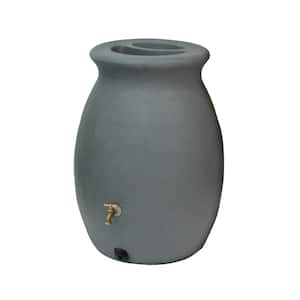
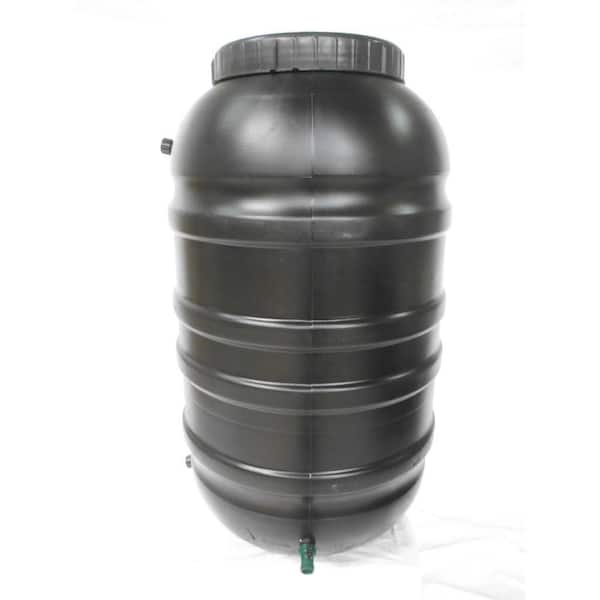
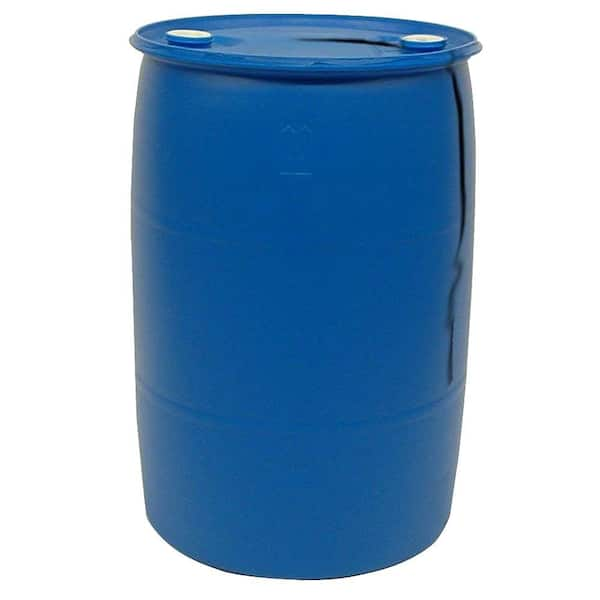
A rain barrel can double as a nice accent for your yard, not just a utility piece. Colors like black, green, blue, and even a wood-toned finish such as oak or dark granite let the barrel blend into landscaping or siding instead of drawing the eye. Some homeowners treat the barrel as a visible feature near a garden entrance, while others tuck it behind shrubs where it's barely noticeable. Either way, matching the finish to your outdoor palette makes the whole setup feel intentional rather than like an afterthought.Getting More Use from Every Rain Catcher
Once it's in place, a rain catcher earns its keep fastest when it's connected to the rest of your outdoor watering routine. A rainwater barrel pairs naturally with a lawn sprinkler for lawn care, or with a garden hose for spot watering around the yard. Browsing the wider watering and irrigation selection can help you round out the setup with fittings and accessories. The Garden Center has everything else you'd want nearby for whatever the season. With the right combination of size, material, and accessories, rain barrels turn something as ordinary as rainfall into a reliable resource you control.