NEC 2026 Code Changes

Published March 31, 2026
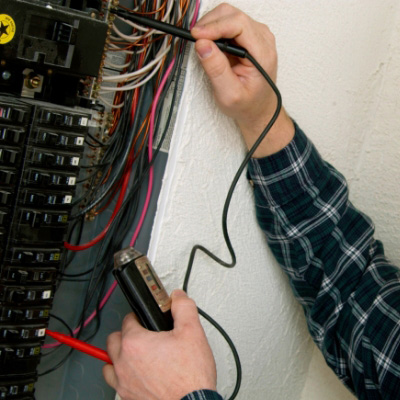
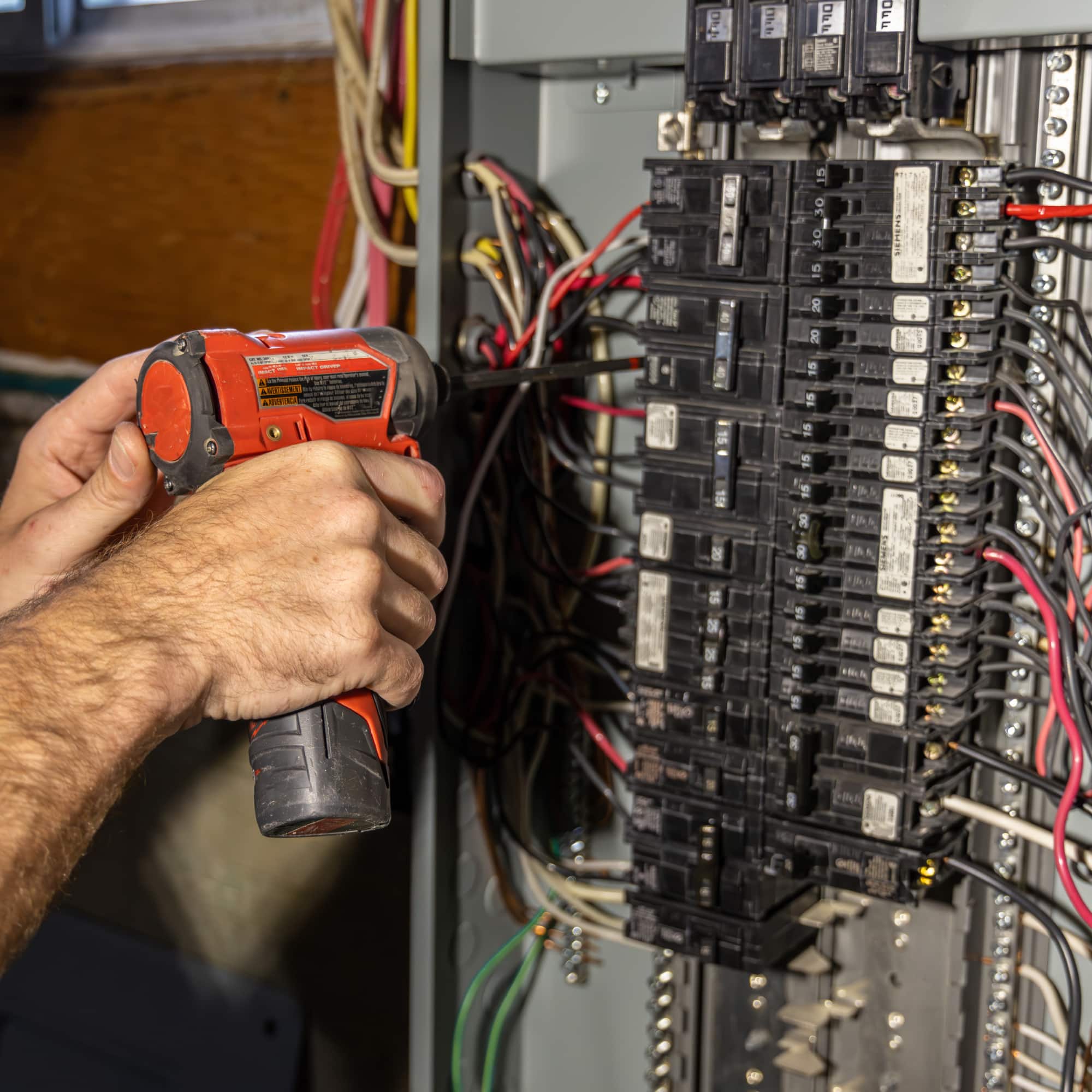
The National Fire Protection Agency officially updates the U.S. National Electrical Code (NEC) every three years. Learning the NEC’s latest changes ensures that Pros stay compliant and maintain safe practices.
The 2026 National Electric Code was issued Sept. 9, 2025. It includes updates in arc flash labeling, GFCI updates, EV charging rules and service disconnect requirements. This guide reviews the NEC electrical code changes for 2026.
Table of Contents
NEC Adoptions by State
Code Changes for Worker Safety
Code Changes for Equipment and System Safety
Code Changes for Energy Management and Electric Vehicles
Code Changes for Microgrids and Critical Systems
More Tools. More Products. More Perks.
NEC Adoptions by State
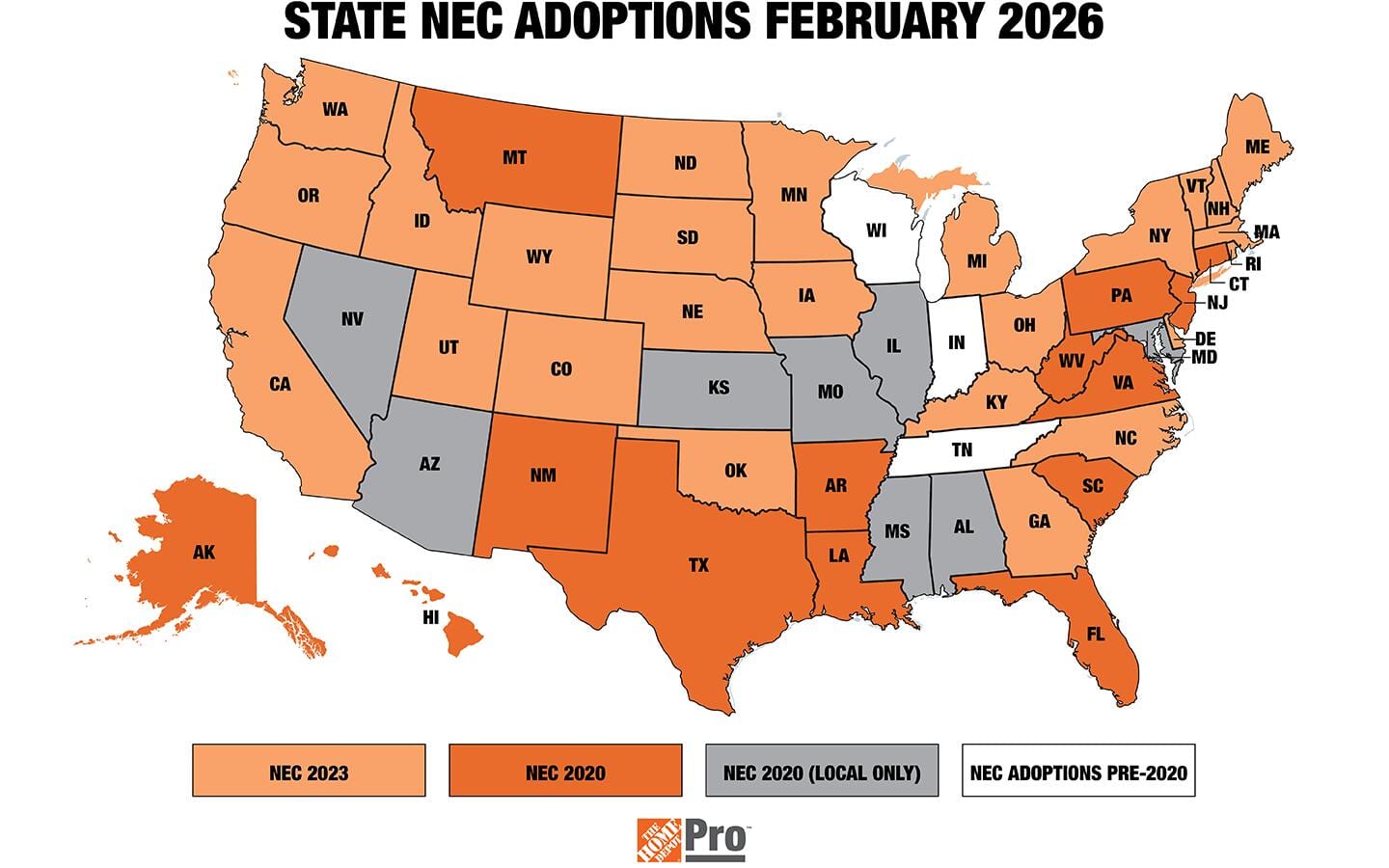
Despite the name, the National Electrical Code is not a U.S. law but is commonly mandated by state or local governments. The graphic above shows the status of NEC adoptions for the United States as of February 2026. (States in white have pre-2020 adoptions.) Individual states may make exceptions or amendments to parts of the code, so confirm your local code to stay compliant.
Pro Tip: Many states set a grace period of several months between the adoption of the code and its enforcement. To stay in compliance, always confirm the NEC status of your state or municipality.
Code Changes for Worker Safety
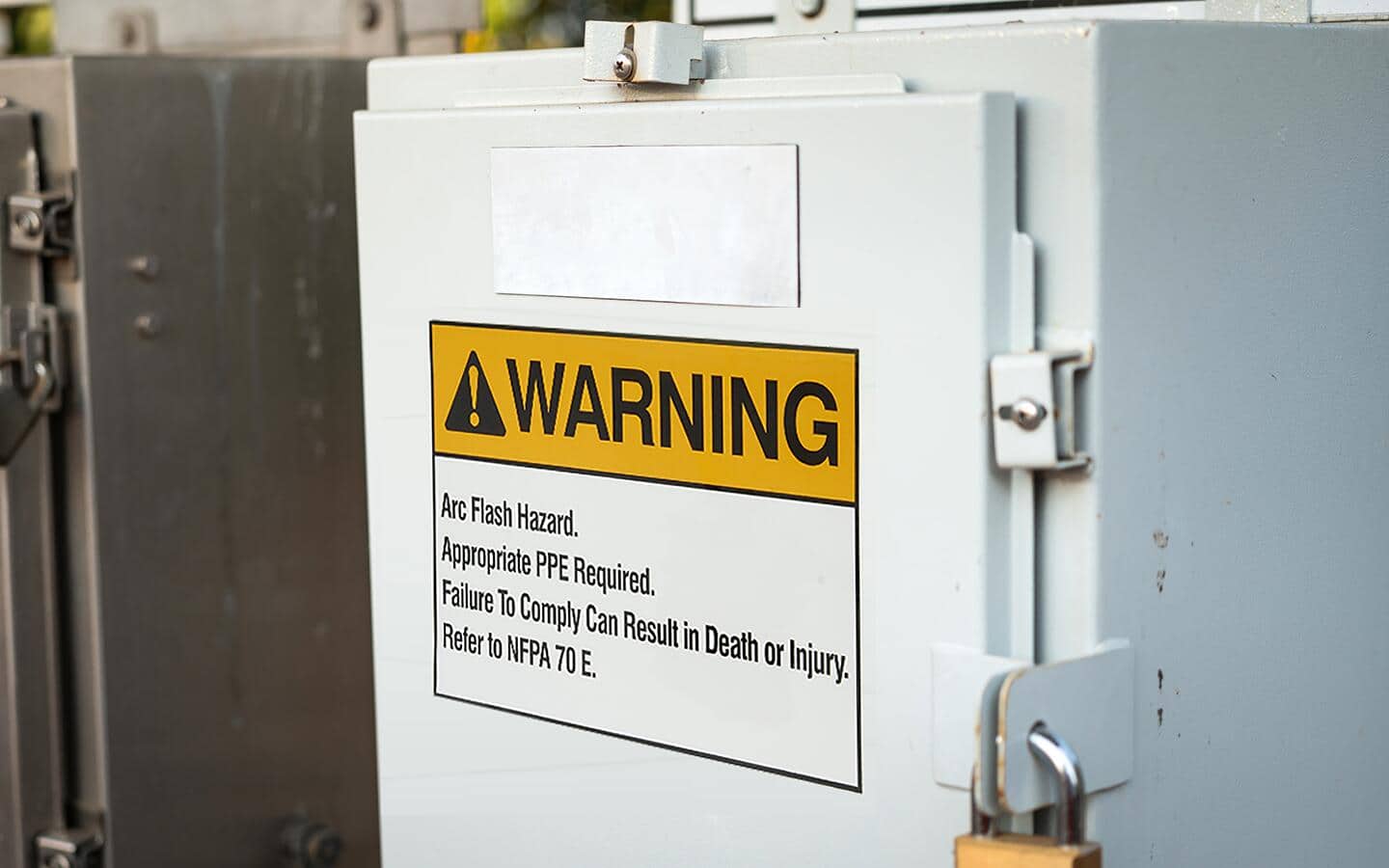
The following NEC 2026 code changes address worker safety.
Section 110.16(B) requires arc flash marking on all non-dwelling unit service and feeder equipment. (Previously, arc flash marking was required only for service or feeder-supplied equipment rated 1000X or more.)
- Labels are now required on such equipment as switchgear, switchboards, enclosed panelboards, industrial control panels, meter socket enclosures and motor control centers.
- Labels must specify safety information about nominal system voltage, arc flash boundary, assessment completion date and available incident energy or the minimum required level of personal protective equipment (PPE).
Article 110.26 requires that there are no obstructions in the working space in front of electrical equipment, including fixed cabinets, walls, partitions or storage of any kind for cleaning items, boxes or other items. This previously applied to large electrical equipment but now applies to all equipment.
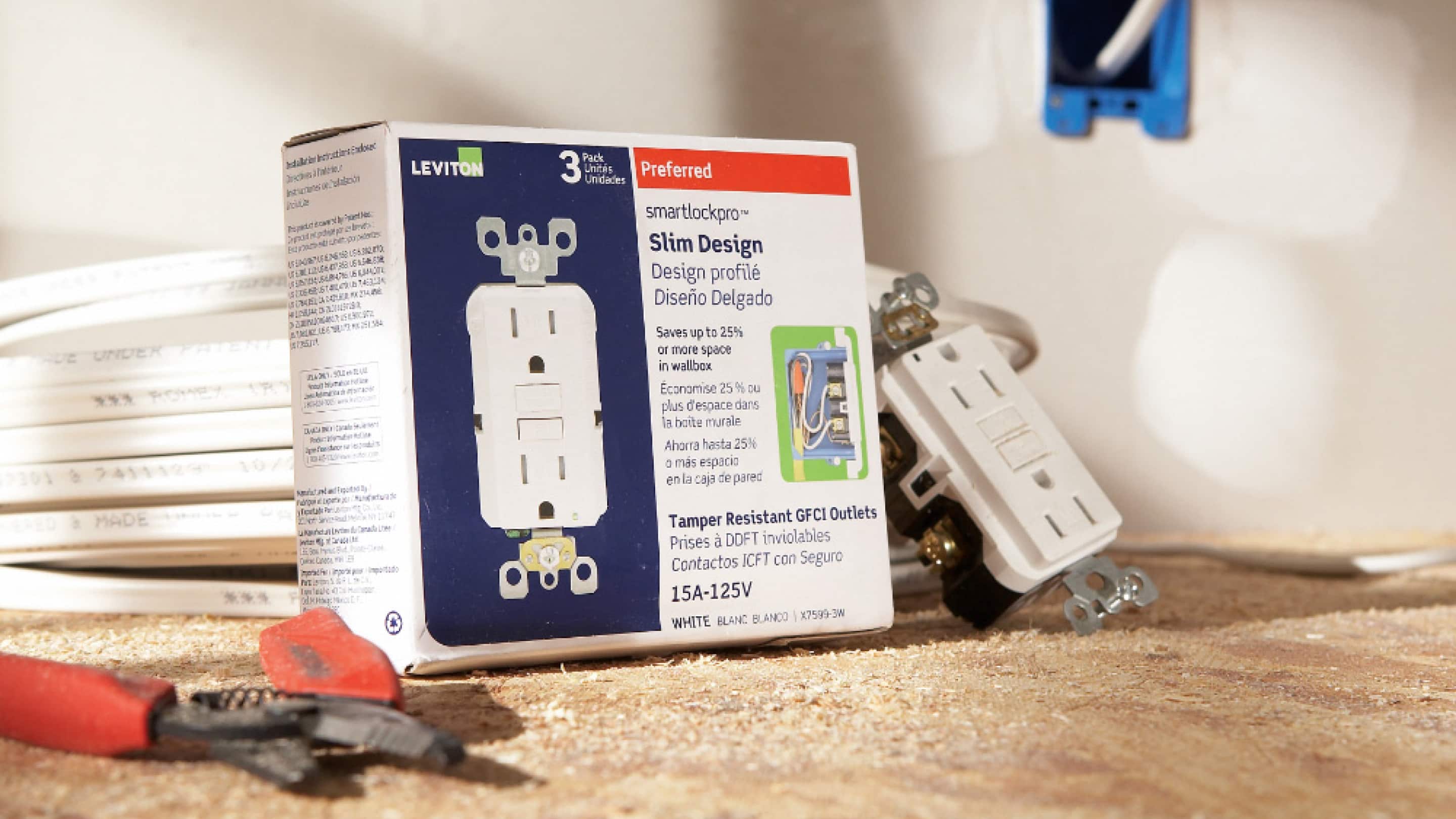
Section 210.8(F) sets the code exception that allows many outdoor HVAC units to operate without ground fault circuit interrupter (GFCI) protection to expire on Sept. 1, 2026. After that date, new outdoor HVAC installations will require GFCI protection.
Section 404.30 restricts access to live or energized parts within switch enclosures that have doors. Switches mounted within enclosures with doors or hinged covers shall be dead front unless access to the interior requires a tool.
Code Changes for Equipment and System Safety
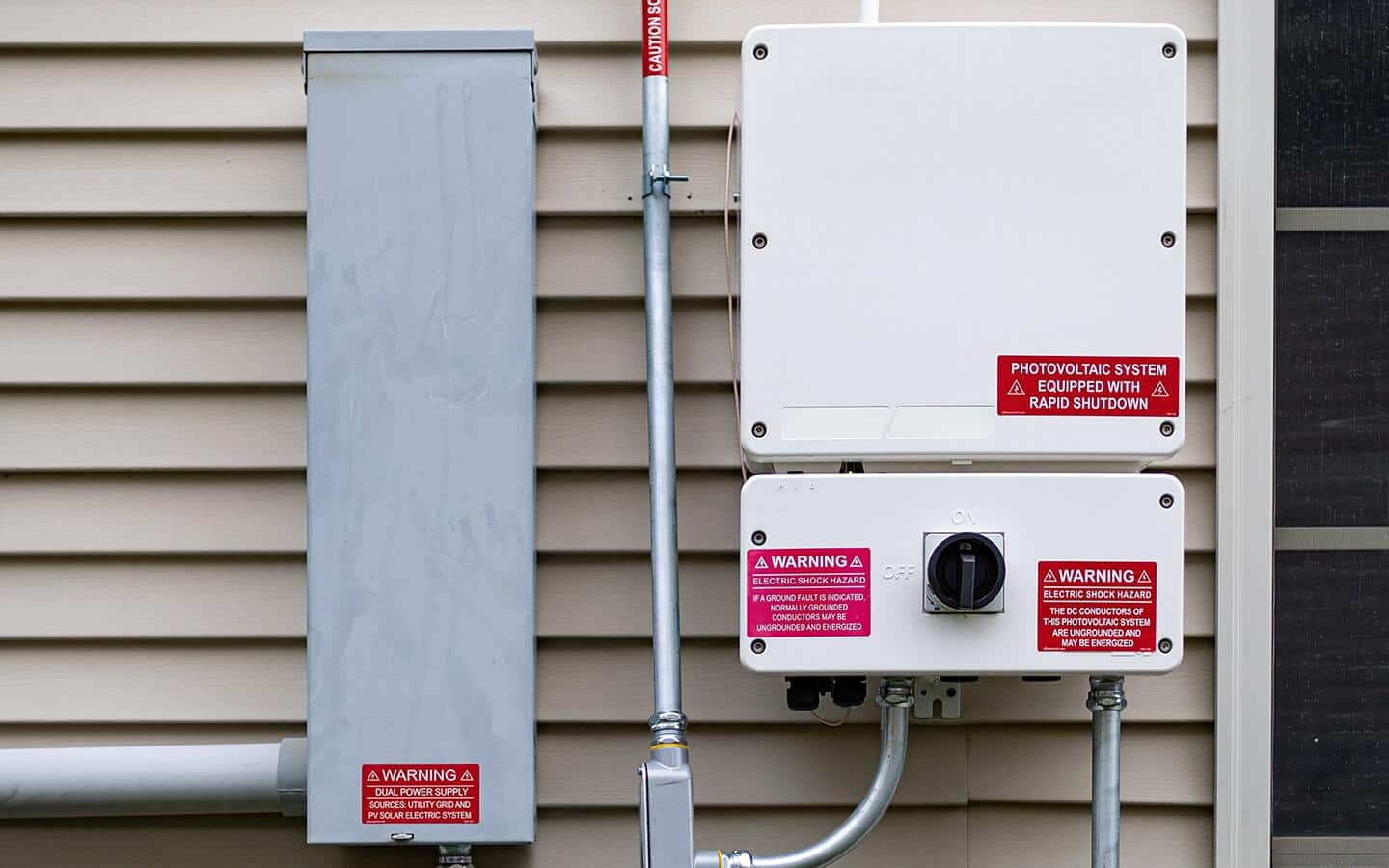
The following NEC 2026 code changes address equipment and system safety.
Sections 215.18(A) and 230.67(A) expand feeder surge protection to include bedrooms and areas designated as sleeping quarters in fire stations, police stations, ambulance stations, ranger stations and dormitories.
Section 230.70(A)(1) requires service disconnects to be installed in a readily accessible outdoor connection, either on or within sight of the dwelling unit.
- An exception is added for feeder-supplied dwellings if an emergency/service disconnect is installed in accordance with 225.41.
- For one- and two-family dwellings, the service disconnect will also serve as the emergency disconnect.
Section 230.70(B)(2) requires that the outside front of the service disconnect enclosure be marked “Emergency Disconnect.” The marking “Service Disconnect” should be on or adjacent to the service disconnect.
Section 230.70(E) requires that the emergency/service disconnect be outdoors and that “Emergency Disconnect” and “Service Disconnect” marking be provided when the service equipment is replaced. An exception to the requirement was added for situations when only the meter socket, service entrance conductors or related raceways are replaced.
Section 245.2 goes into effect Jan. 1, 2029, and is part of a structural reorganization to address gaps in the overcurrent protection requirements for systems more than 1000 volts AC, 1500 volts DC. The update takes into account medium voltage (MV) and high voltage (HV) systems and provides an easier path for approval from the authority having jurisdiction.
Section 268.2 requires that MV service equipment be listed or field evaluated (such as by UL standards). Requirements for these higher voltage services were previously found within Article 235, which has been deleted and its content redistributed.
Code Changes for Energy Management and Electric Vehicles
NEC 2026 has restructured Chapter 1 to clarify requirements for load calculations and energy management systems.
Article 120 now contains the fundamental principles and methodologies for calculating electrical load. This includes requirements that provide monitoring and control to prevent overload of power management systems.
Article 130 addresses energy management systems (EMS) and provides clearer guidance on EMS impact load calculations and how they can be used to potentially reduce required service/feeder sizes by dynamically managing loads.
Section 120.7 reinforces how power control systems should factor into the loading of branch circuits, feeders or the service. An EMS that provides an overload control function will be designated as a “PCS” (power control system).
Section 130.6 requires automatic controls and monitoring of energy management systems to prevent overload of conductors, power sources and power distribution equipment associated with the PCS. This allows a system malfunction to transition to a controlled state instead of a complete shutdown.
Section 130.70 includes requirements for how to configure and calibrate an EMS/PCS to perform such functions as demand-side management, load shedding and integration with renewable energy sources. Due to this change:
- Access to adjustable overload control settings has been simplified and is no longer limited to a specific list of options;
- PCS Control Setting is considered as a continuous load;
- Control setting access is limited to qualified persons using methods provided in the product standard and verified through listing.
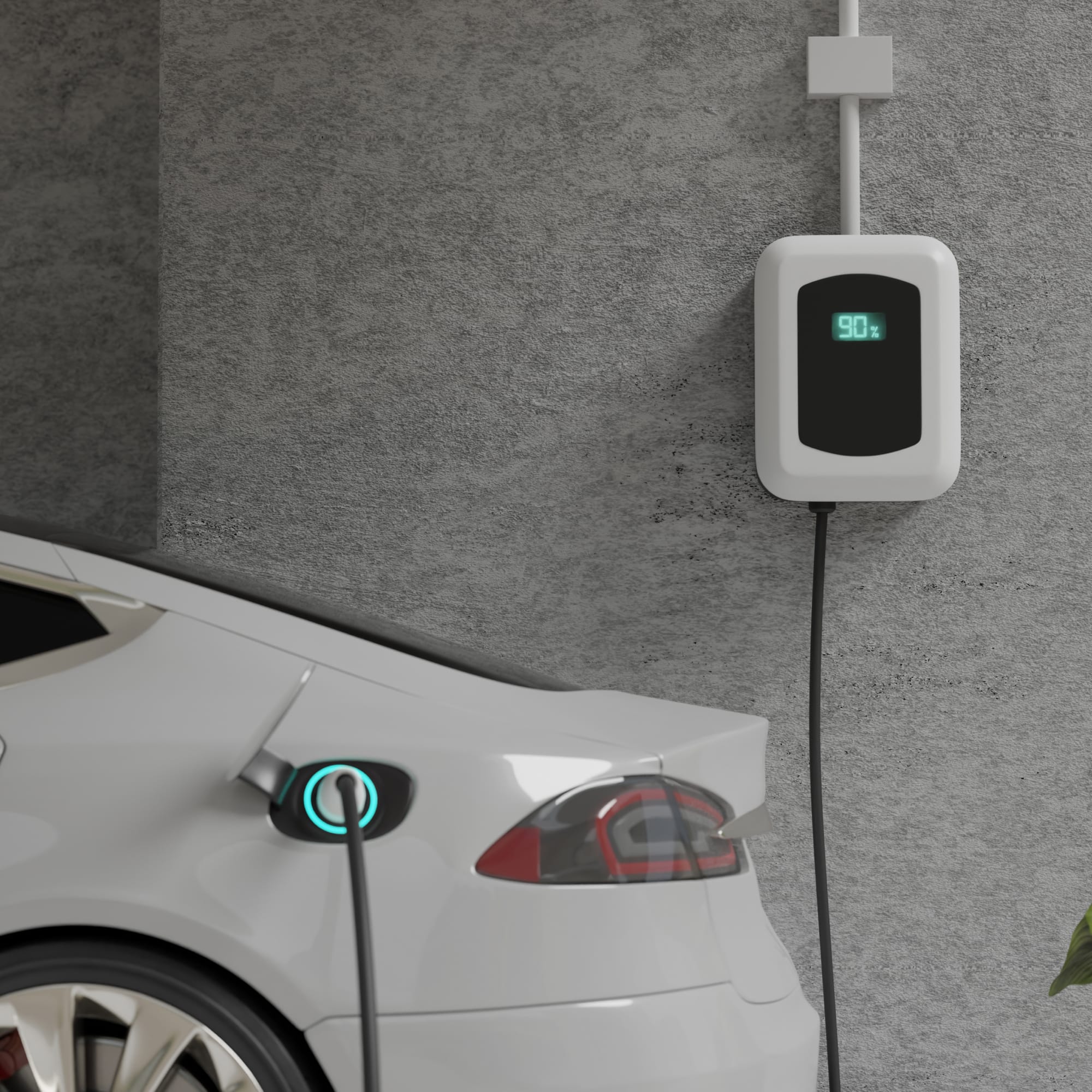
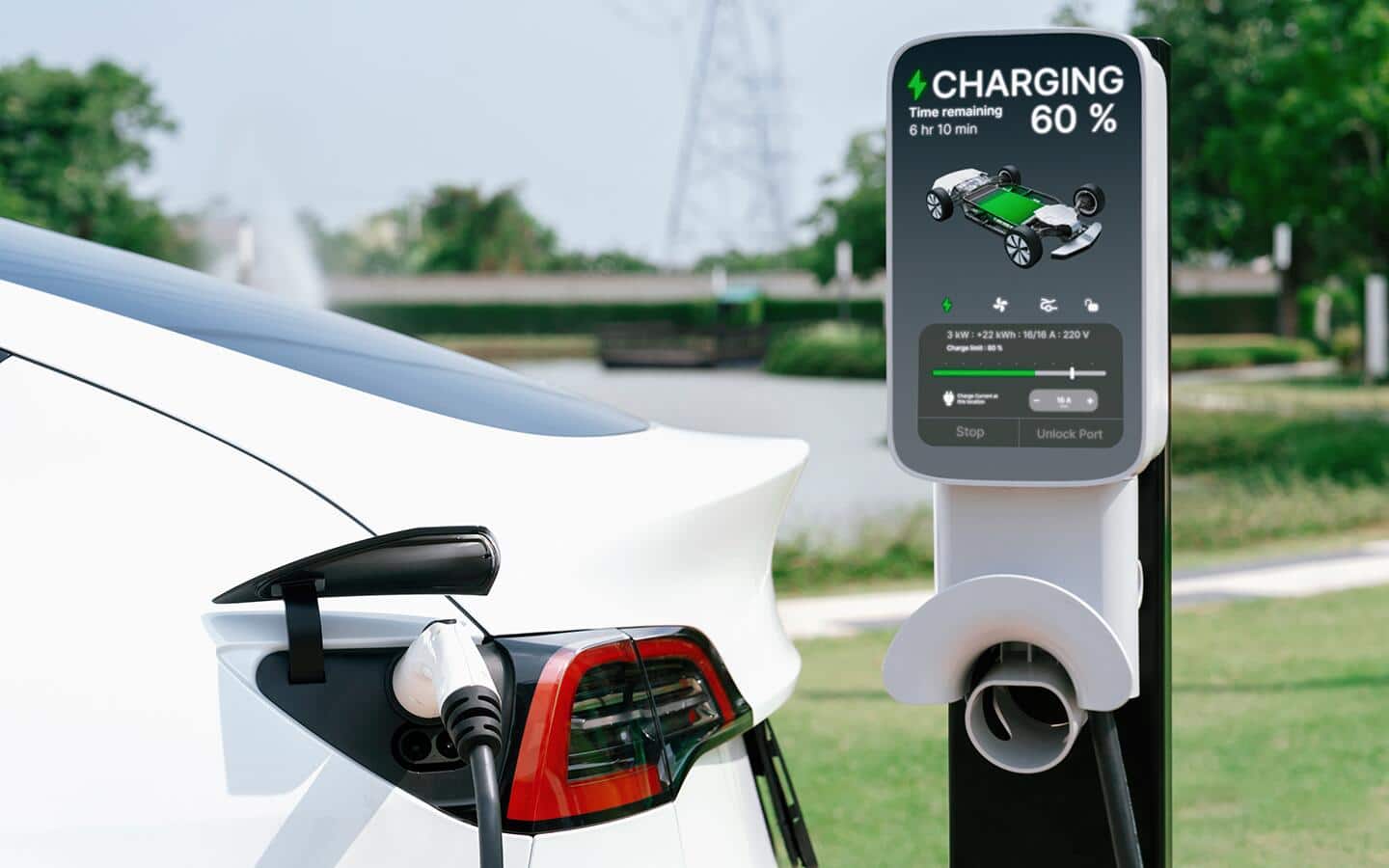
Section 625.43(E) ensures that, for other than one- and two-family dwellings, all permanently connected EV supply equipment, including wireless power transfer equipment, shall be provided with one or more clearly identified emergency disconnect devices or electrical disconnects. The emergency shutoff must be:
- Readily accessible
- In sight of the equipment
- Within specific distance requirements
- Equipped with a manual to reset
Section 625.44 requires that portable or hand-fastened charging equipment and wireless power transfer equipment that are connected to premise wiring using a receptacle outlet rated 30, 50 or 60 amperes must use a receptacle listed for electric vehicle supply equipment (EVSE) or wireless power transfer (WPTE). A 50A-rated receptacle can no longer be installed on a 40A branch circuit.
Pro Tip: See our guide “How to Calculate Electrical Load Step by Step.”
Code Changes for Microgrids and Critical Systems

The following NEC 2026 code changes pertain to microgrids and critical systems.
Section 705.11(C) establishes where and how overcurrent protective devices (OCPDs) must be installed when a power production source connects to existing utility service conductions or equipment inside a building or structure.
- The maximum conductor length depends on the occupancy with dwellings limited to 10 feet and all others limited to 16.5 feet.
- The section also makes an allowance for a conductor length up to 66 feet based on the use of cable limiters under engineering supervision when the service does not exceed 1000 volts.
Section 705.20 now permits a single system disconnect when multiple power sources are combined before connecting to the premise’s wiring system. A single disconnect can serve as both the service disconnect and the source system disconnect. Every power production source must have a means of isolation for maintenance and service activities.
Section 750.32 clarifies existing requirements for the interaction between power production sources such as PV systems and service disconnect ground-fault protection equipment (GFPE). Where GFPE is installed and a power source capable of providing ground-fault current is installed on the load side, the design of the protection must include this source and the whole setup tested together as one complete system.
Section 700.6(C) changes the code to provide the ability to safely take transfer switches out of service for maintenance or testing without interrupting the critical power supply to emergency loads. This is necessary when a single feeder supplies critical or emergency loads.
- The requirement now applies to assembly occupancies, educational occupancies and high-rise buildings.
- The ability to service to transfer equipment must be provided with permanently installed equipment that isolates the transfer equipment and bypasses power to ensure continuity of power.
Section 710.12(F) requires interconnection equipment listed for emergency use to separate or isolate the emergency system or legally required standby system from the normal power for the building or structure.
Section 701.9 adds surge protection to the requirements for standby systems. A listed surge protection device (typically a Type 1 or Type 2 device) must be integrated with or immediately adjacent to all legally required standby system switchgear, switchboards, panelboards and electrical system gear designed to provide power for essential functions during an outage.
Sections 695.7(A)(2)(d), 695.14(F), 700.10(D)(2), 700.10(D)(4), 708.10(C)(2) increase the concrete encasement for conductors within buildings from 2 inches to 5 inches, based on test data that circuit integrity was not maintained for 2 hours with an encasement of 2 inches.
- An allowance for 2-inch concrete encasement was added where the 2-hour rating is documented by a licensed professional engineer.
- This update raises the bar for the fire protection of essential electrical circuits, including fire pump feeders, fire pump generator control wiring and emergency systems.
More Tools. More Products. More Perks.
 "A Pro stands at the back of a truck.")
Be more competitive and boost your bottom line with Pro Xtra, The Home Depot’s loyalty program built for Pros. Sign up today to access the enhanced Pro Online Experience, built with the online business tools and time-saving features Pros need.
Use our tool and large equipment rental services for access to heavy-duty equipment for construction jobs.
The information provided in this guide does not, and is not intended to, constitute legal advice; instead, all content is for informational purposes only. This content does not create an attorney-client relationship between the reader and The Home Depot. You should consult your attorney to obtain advice with respect to any particular legal issue or problem.