How to Grow Succulents
Last updated September 7, 2023
Succulents are desert plants that need very little water and will grow virtually anywhere. They also come in a variety of shapes, sizes and colors. This guide will give you quick tips on caring for succulents, as well as which types work best for your conditions so you can choose where to keep your succulents.
Difficulty:
Beginner
Duration:
Under 2 hours
Table of Contents
How to Care for Succulents
How to Plant Succulents
Succulent Care Tips & Tricks
Supplies for Keeping Succulents Healthy
Succulent Troubleshooting
How to Care for Succulents
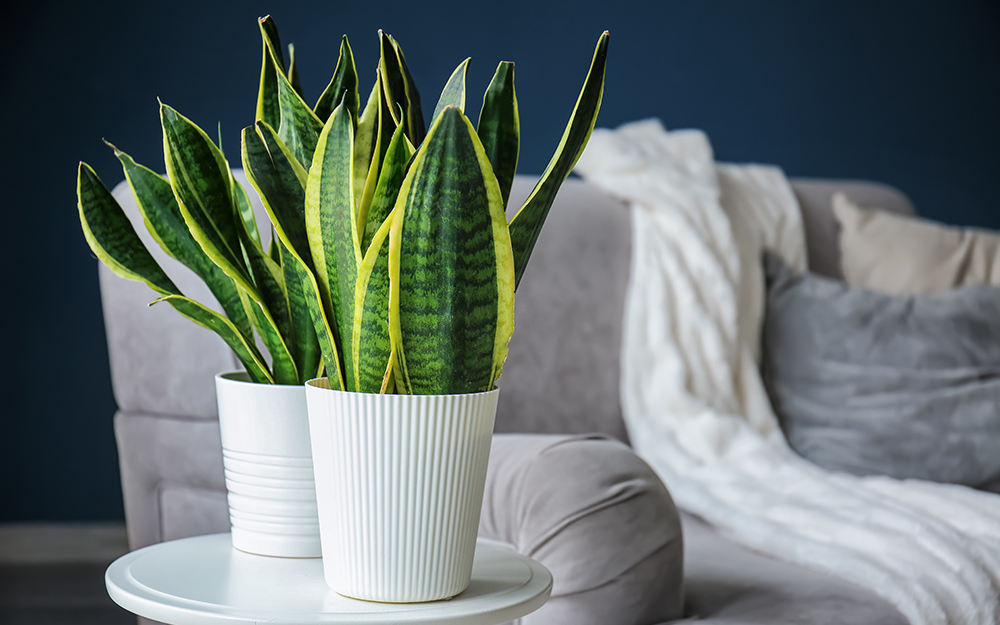
Succulent plants come in many different varieties, so you have plenty to choose from. For indoor succulents, some of the most common types include the burro’s tail (sedum morganianum), crown of thorns (euphorbia milii), jade plant (crassula ovata), aloe vera (aloe vera) and snake plant (sansevieria trifasciata). Popular outdoor succulents include hens-and-chicks (sempervivum tectorum), stonecrop (sedum spp.), whale’s tongue agave (agave ovatifolia), ball cactus (parodia magnifica) and dudleya (echeveria spp.).
When deciding which succulents you want and where to keep them, consider several factors linked to their survival. How much light does the area receive? If you’re planting outdoors, what kind of climate do you live in? How often would you like to water your plants? Also, consider potential pests, indoors and out, such as insects, rodents and cats. These points can all affect your succulents’ potential to thrive as they grow.
How to Plant Succulents
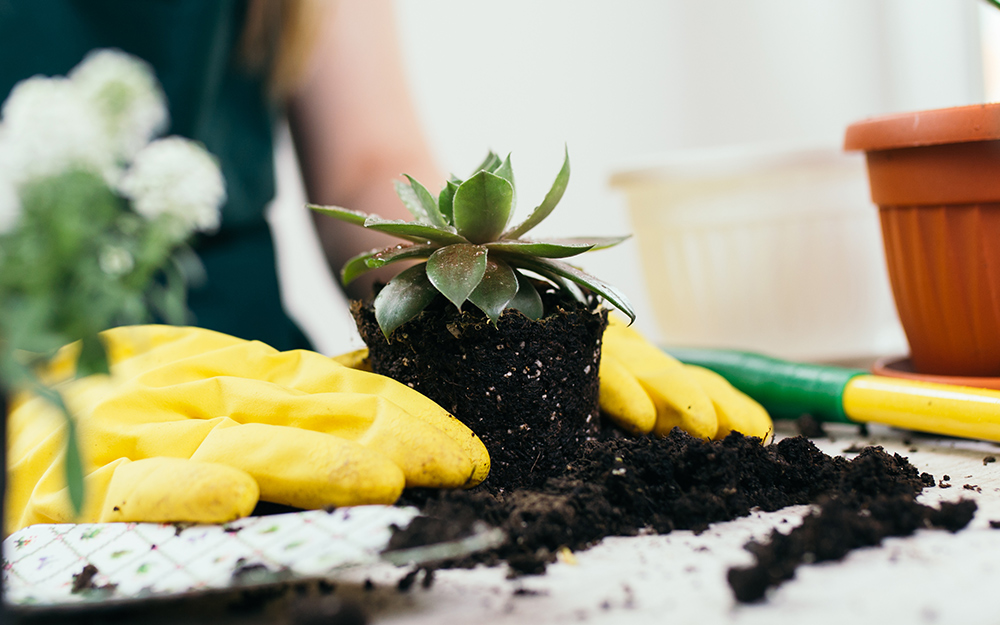
Succulents are the perfect plants for beginner gardeners. Succulents are known for tolerating a bit of neglect. Put them in the right location with adequate sunlight and good drainage and they will thrive.
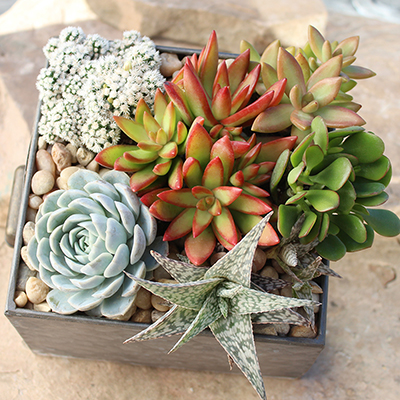
- When planting succulents indoors, use containers or dishes with drainage holes and fill 3/4 full with a special potting mix for cacti and succulents. Combine arching, spreading and towering plants for a winning combo or mass in containers beneath tall plants.
- When planting succulents outdoors, select a sunny location in the garden where soil drains well. Use as a groundcover to edge walks or tuck into walls where soil is thin and little else survives. Amend with sand or soil conditioner if needed. Remove plants from pots and place in shallow holes. Cover so that 1/4-inch of roots are out of soil.
- Feed with a half strength solution of water-soluble fertilizer and water well.
- Top with decorative rocks or mulch.
Succulent Care Tips & Tricks
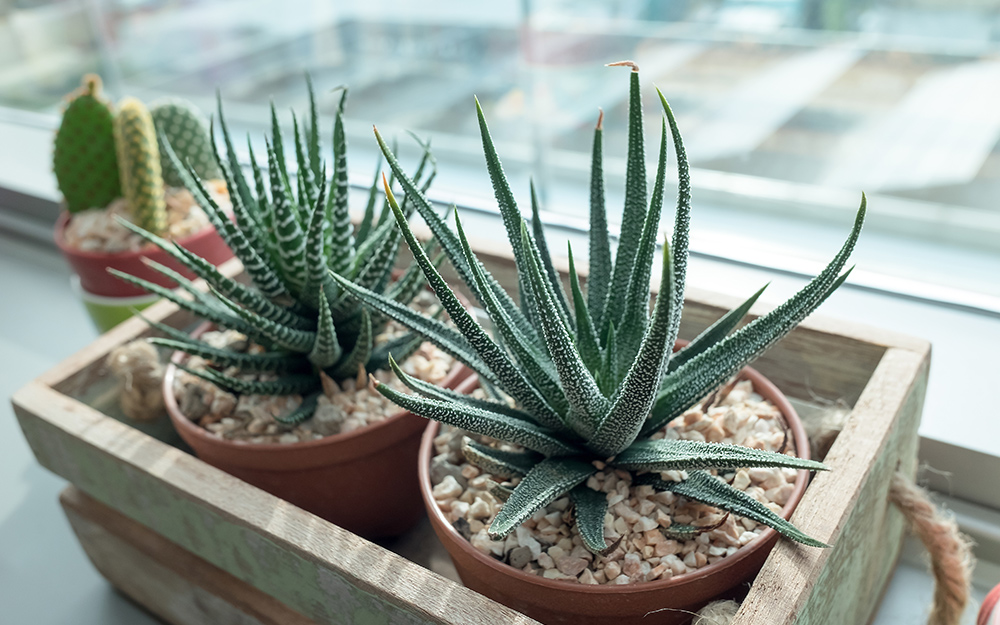
What do succulents need to stay healthy? In the garden, succulents are hardier than many other perennials. Indoors, find the right spot and be consistent with temps and humidity. The most important tip to remember when caring for succulents is to avoid overwatering, as succulents can rot if watered too heavily.
- Give succulents and cacti as much light as possible. A window with direct sunlight is best.
- Place anywhere in your home or office, except humid areas such as bathrooms and kitchens. The dry air of most houses suits succulents perfectly.
- Just as they like dry air, succulents also like dry soil. Water only when the soil is dry (once a month or once every other month, depending on the temperature). Also, water the roots rather than the leaves.
- Make sure pots have excellent drainage. Never leave them in standing water.
Supplies for Keeping Succulents Healthy
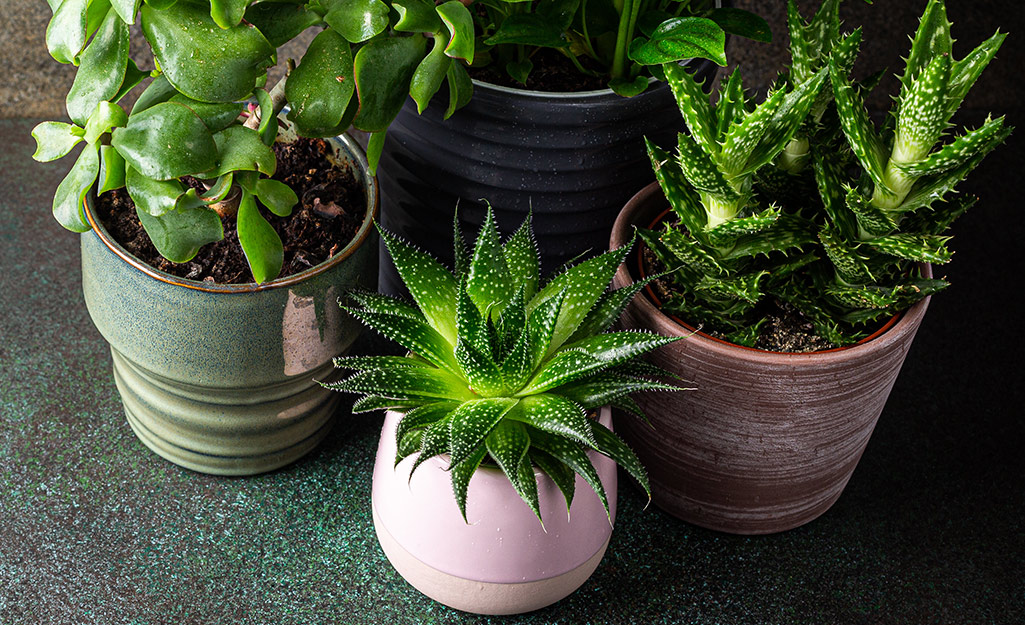
As mentioned previously, you want to plant succulents in pots or planters featuring drainage holes. Terrariums are not recommended, except for experienced succulent gardeners.
You will also need succulent soil (you can even make your own if you want), a shovel or digging tool, watering can or spray bottle for watering your succulents and top dressing. Mesh tape and drainage screens are optional but recommended to help keep your succulents in tip-top shape.
Succulent Troubleshooting
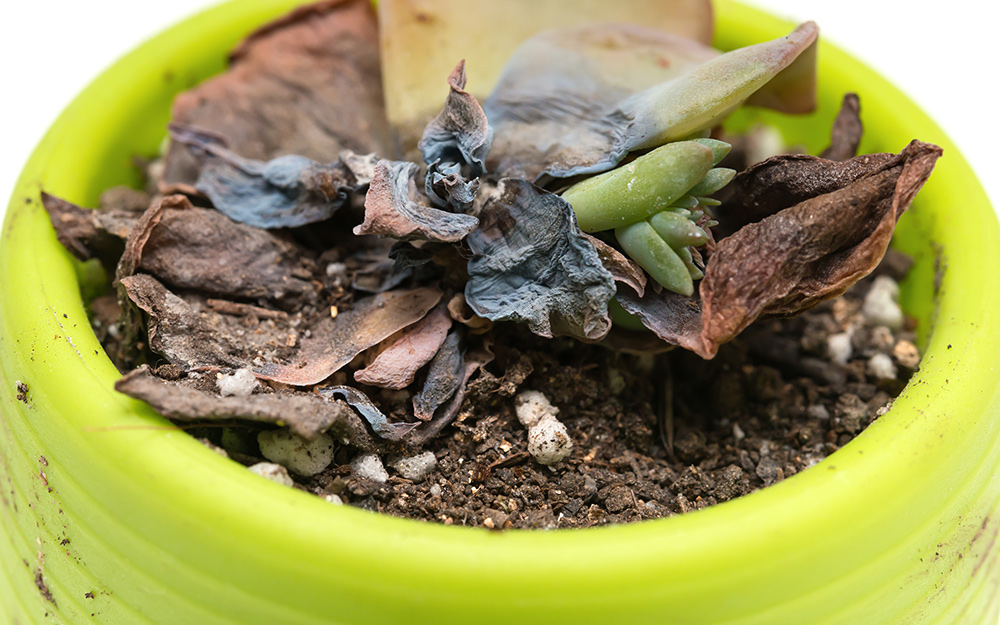
If your succulents no longer looking their best, try a few troubleshooting methods. Do you suspect your succulent is dying? Diagnose the symptoms and give these tips a try to bring your plants back to life.
- Dried-out leaves at the bottom: All plants have dying leaves. As new leaves grow, old ones die. If you don’t like the way the dead leaves look, gently remove them from the plant, making sure not to disturb the trunk or roots. Dead leaves at the bottom of a succulent are perfectly natural.
- Dried-out leaves at the top of the plant: When leaves dry out toward the top of a plant, they signal poor watering techniques or problems with the soil. Yellow, transparent leaves mean overwatering, and black leaves illustrate severe overwatering that often cannot be reversed. Avoid overwatering by using the soak and dry method. Soak your soil with water, then make sure the soil is completely dry before watering again. If you see black spots, you need to remove the top of your plant, cut away any black spots and propagate it into new soil. If your succulent boasts wrinkled, dry leaves instead, it is a victim of underwatering and needs more attention.
- Stretching: Stretched-out succulents need more light. Move them closer to a light source and repot/transplant if necessary. You can even cut off the top of the plant and put it in new soil if you prefer.
- Pest infestations: Like any other plant, succulents can easily fall prey to insects. Mealy bugs are the most common insect to attack succulents. If you’re dealing with an infestation of mealy bugs, act fast. Fill a spray bottle with 70 percent isopropyl alcohol and spray it on any affected areas of the plant to get rid of the bugs for good without damaging the plant.
Whether you need the right planters, succulents or potting soil, The Home Depot delivers online orders when and where you need them.