How to Turn Off the Water to Your House
Published March 23, 2026
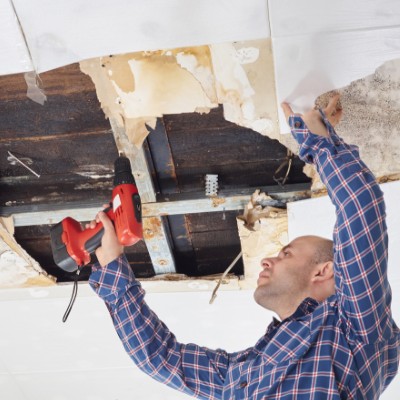
Do you know how to find the main water valve and turn off the water to your house? In the event of a leak or burst pipe, turning off the water could prevent damage to the house and keep your water bill down. If you’ll be away from home for an extended time period, it’s a good idea to turn off the water. And don't worry, if installed correctly, your water main won't start leaking. But be sure to turn off power to the water heater, too.
Difficulty:
Beginner
Duration:
Under 2 hours
Table of Contents
Understanding the Plumbing System
Types of Shutoff Valves
How to Find the Water Shutoff Valve
How to Turn Off Water to Fixtures and Appliances
How to Turn Off the Water at the Water Meter
Houses Served by a Well
Understanding the Plumbing System
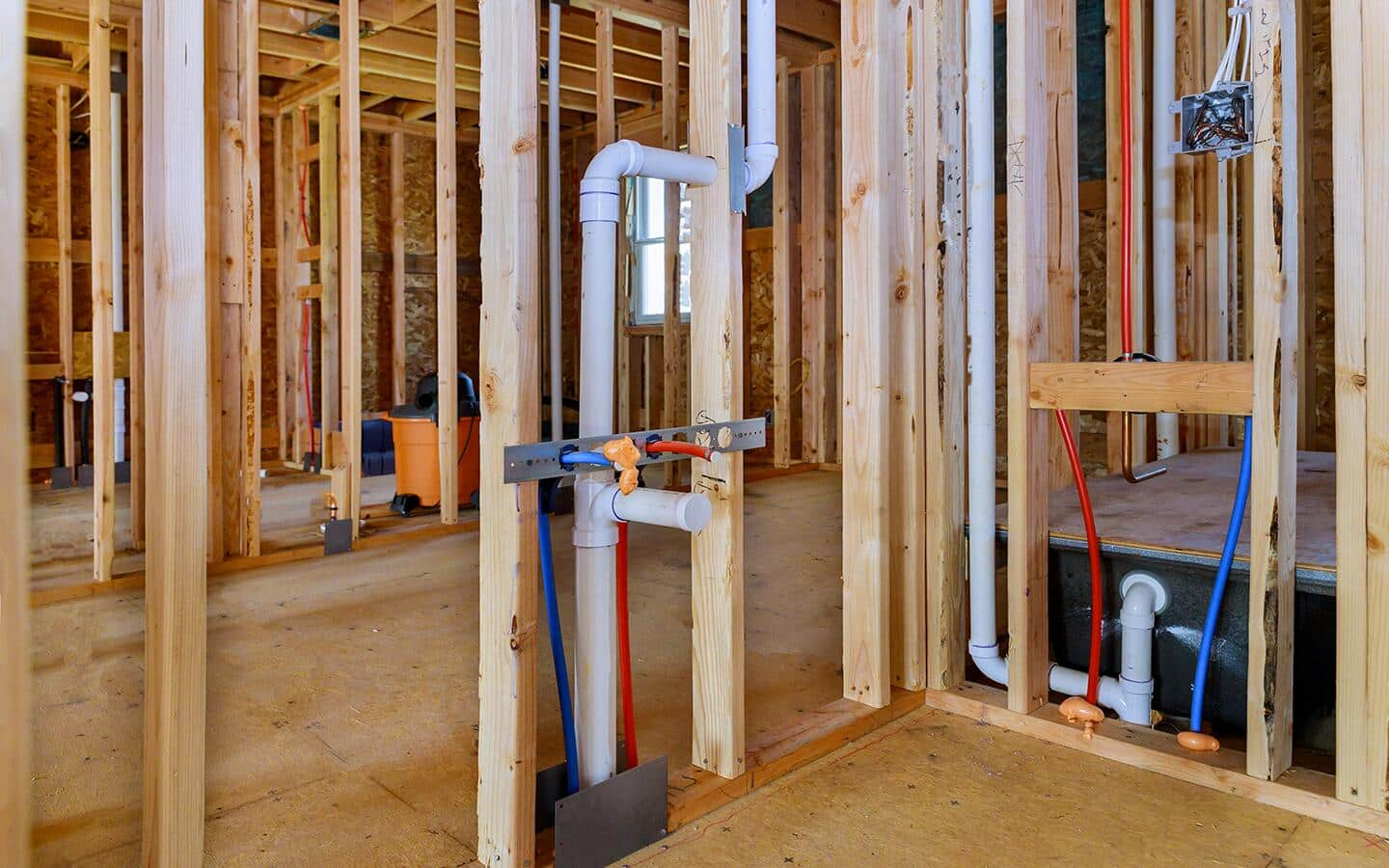
In general, most homes have main water shut off valves, often dictated by building codes. Water enters your house through a single cold water line. Shutting off the main valve will stop the water pressure in the house. It's one of the best ways to avoid flooding, especially before long trips. Should pipes burst, immediately turning off the main valve can reduce damage. Once shut off, it is recommended you open a faucet to relieve pressure in the pipes. However, this doesn’t do anything about the water that is already in the pipes when the pressure is turned off.
As the water lines proceed through the house, branch lines move water from this main line to outlets, like sinks and toilets. If there is a leak in a cold water line, water to the entire house will need to be turned off. However, you may not need to turn off the main line if there is a valve at the point of use.
At some point, water is diverted from the cold water line to the water heater. This is where the hot water lines begin. And if there is a leak in a hot water line? You can turn off the water at the water heater and still have cold water to use. When turning off cold water to the entire house, power to an electric water heater should be turned off, as well. Check the operator’s manual about the requirements for turning off your water heater when the water is off. You can also review the procedure to follow.
Types of Shutoff Valves
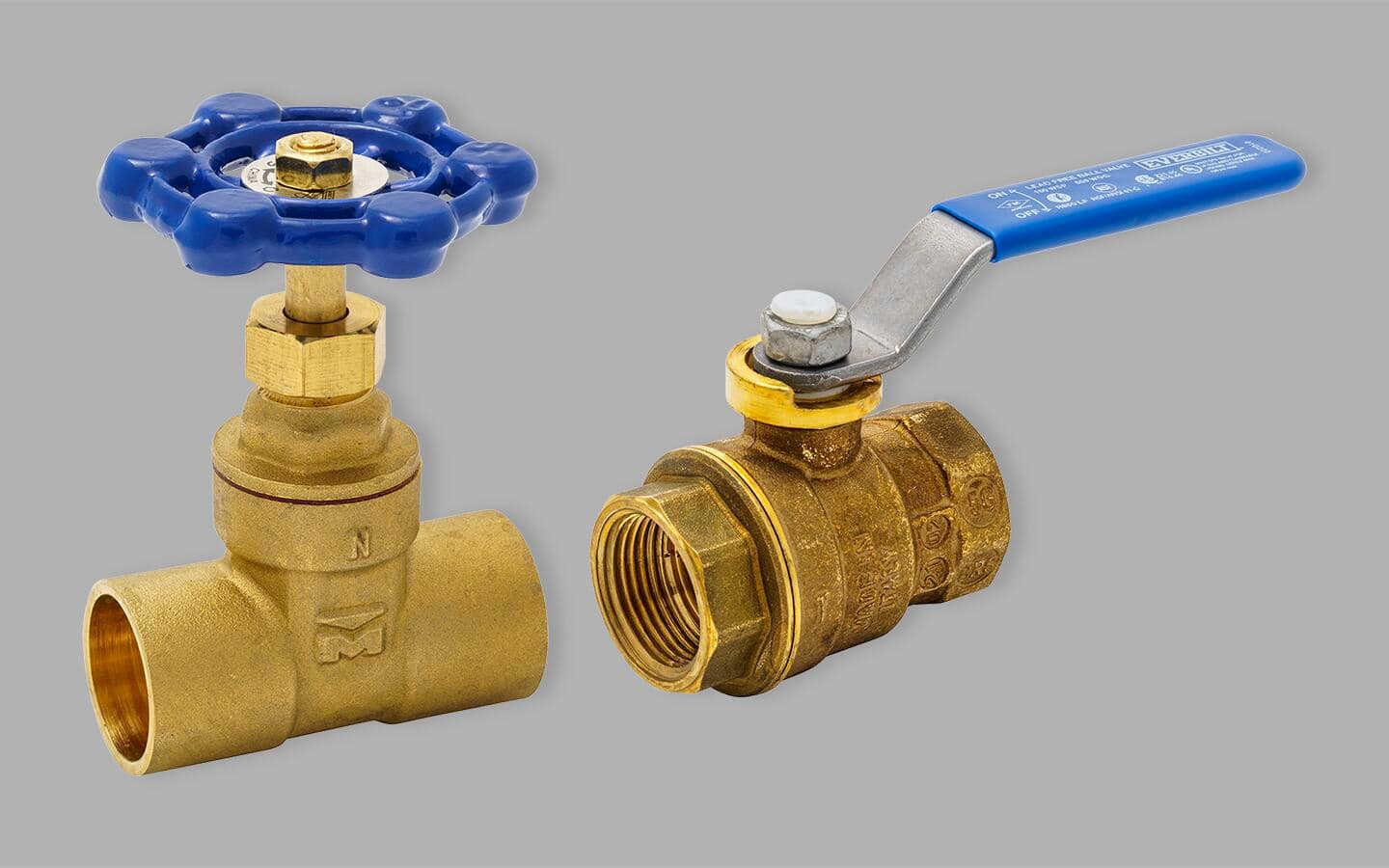
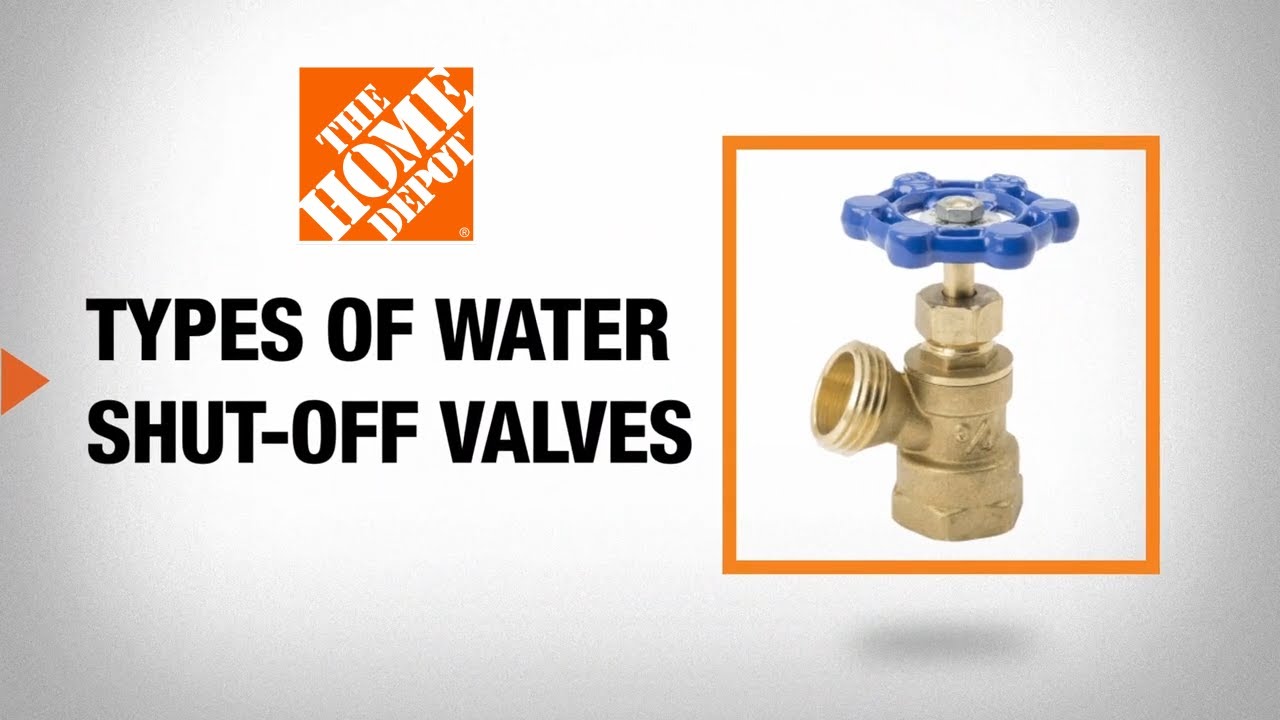
There are two main types of shutoff valves, gate valves and ball valves. Increasingly, modern homes are utilizing easier-to-operate quarter-turn ball valves. But older homes often have gate-style valves, which can be more complicated to use.
- A gate valve needs to be turned several times to completely open or close it. Any valve can seize over time, but gate valves are more prone to seizing than ball valves. These valves should be exercised on a regular basis to maintain function. Turn the knob clockwise (to the right) to close and stop the water, and turn it counterclockwise (to the left) to open the valve and restore the water flow. The old saying "righty-tighty, lefty-loosey" works with valves, just like nuts and bolts.
- Ball valves are often called quarter turn. That's because they only require 1/4 turn to operate. They often have a lever, rather than a knob. These valves usually require less maintenance but do need to be exercised from time to time. Does the handle look like a lever? The valve is open if the handle is aligned with the valve body and closed if it is perpendicular.
When closing the valve, pay attention to how smoothly it operates and whether it leaks. If it’s seized, difficult to operate, leaks or doesn’t shut off the water, it needs to be rebuilt or replaced. In this case, your water utility will need to shut off. This will turn off the water, so the work can be done.
Don’t use a tool like a pipe wrench to force a non-functional valve handle to turn. There’s a good chance it will break and cause another problem. A tool may be necessary to turn the valve handle because of a physical limitation. If so, be careful not to apply enough force to break the valve. Look for signs of bending, breaking or leaking.
How to Find the Water Shutoff Valve
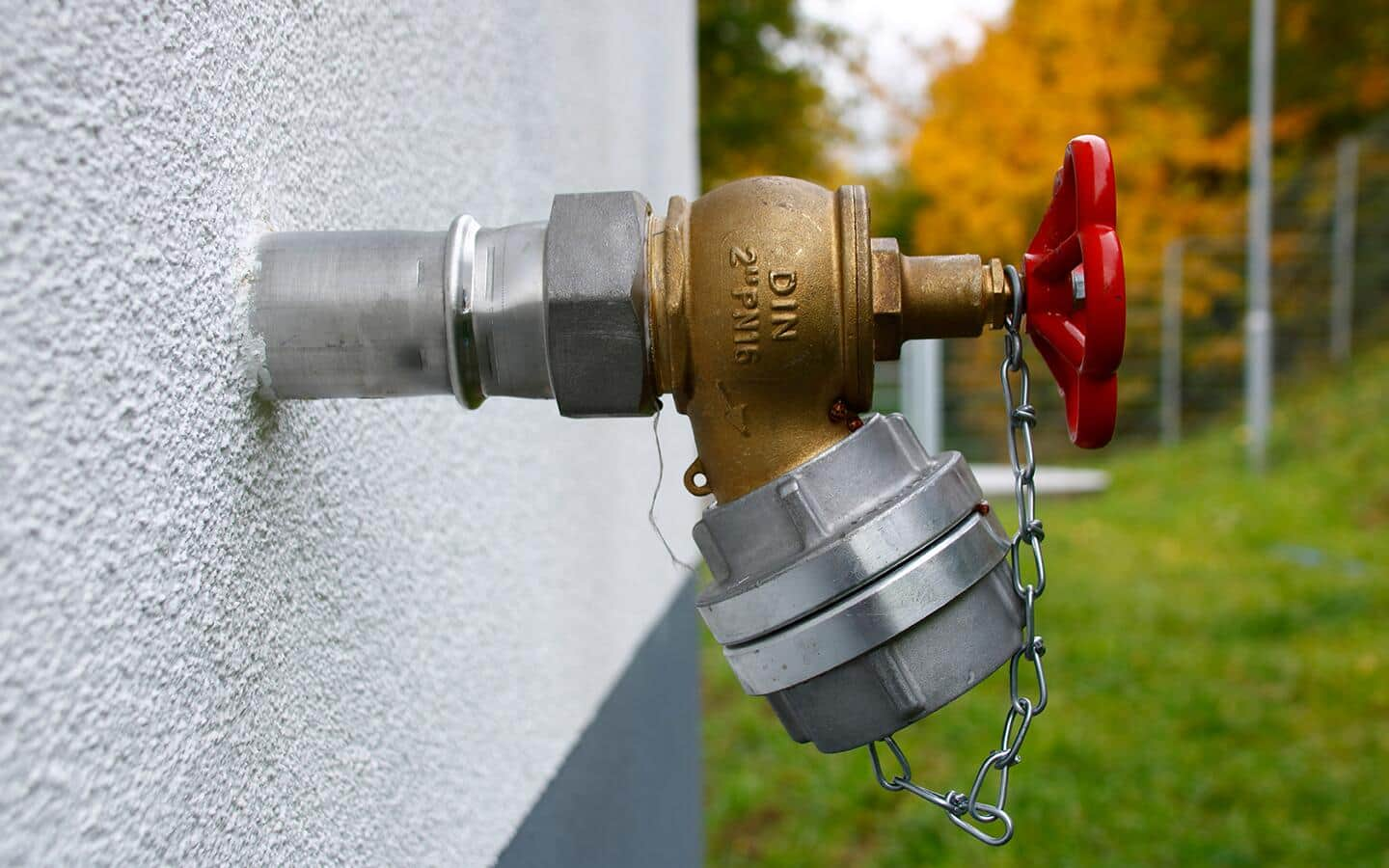
Generally, a house’s water valve is located at the point where the water pipe enters the house. It will usually be on the same side of the house as the water meter. You should start your search for the main valve on the front side of the house. The water line may encircle the house and come in through a side or rear wall. But usually, it's found in a straight line from the outdoor water meter.
- In cooler climates, the main water valve is often found inside houses or their foundations.
- In warmer climates, the main water valve is usually located outside, in yards.
- Other common locations for main water valves include the back of closets (on the side of the house closest to the water meter), homes' ground floors, basements and crawl spaces, and inside buried access boxes.
The main shutoff valve will not look the same in every situation. At the meter, it often looks like a valve that's missing its handle. Many older systems will use a gate valve with a round knob handle that is 2-4 inches in diameter. Newer systems may be a larger version of a ball valve.
How to Turn Off Water to Fixtures and Appliances
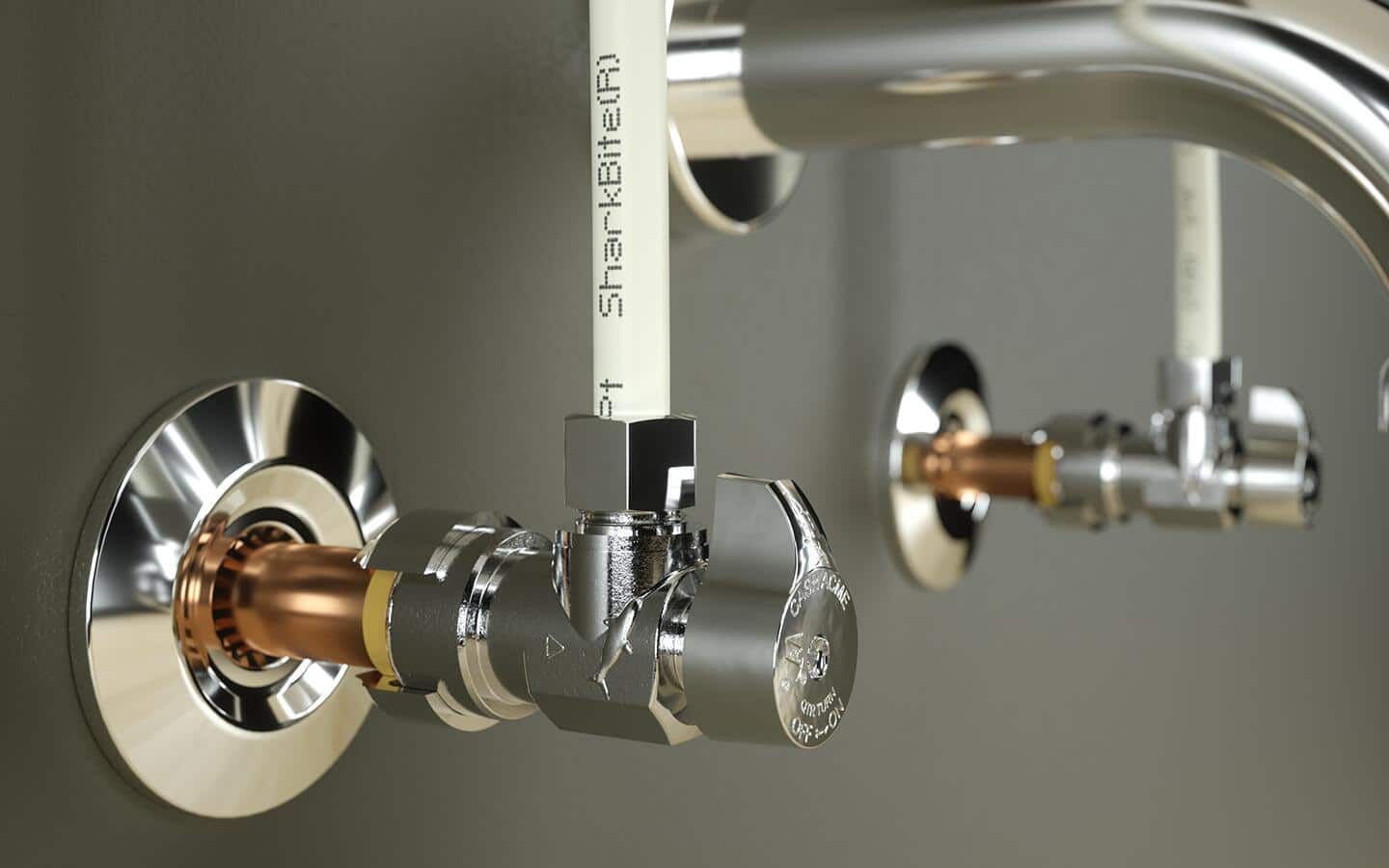
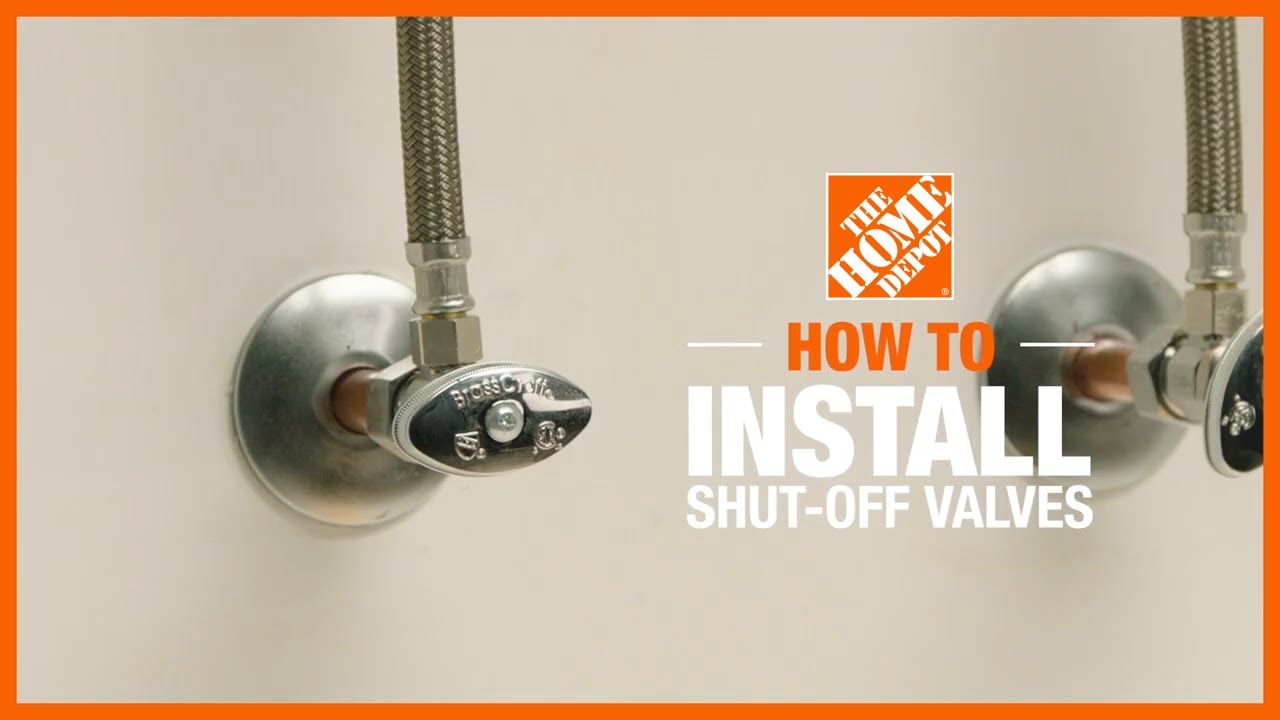
Once you know how to turn off the water to the entire house, it becomes evident that turning off water at each point of use would be beneficial. Many fixtures and appliances that use water will have a shutoff at the base of the supply line. This valve is often called a “stop” or “angle stop,” depending on its configuration. Similar to the main line shutoff, stops can be multi-turn gate valves or 1/4 turn ball valves. The same general rules apply. If the valve is seized or if it leaks, it should be replaced or repaired.
Common locations for water shut off valves in a house:
- Toilets
- Sinks
- Water heaters
Tip: Turn off the power to the water heater if turning off the water. If the hot water line has a leak, turn off the power to the water heater. If an electric water heater tries to heat water that isn’t there, this can burn up the elements. This will require a costly repair.
How to Turn Off the Water at the Water Meter
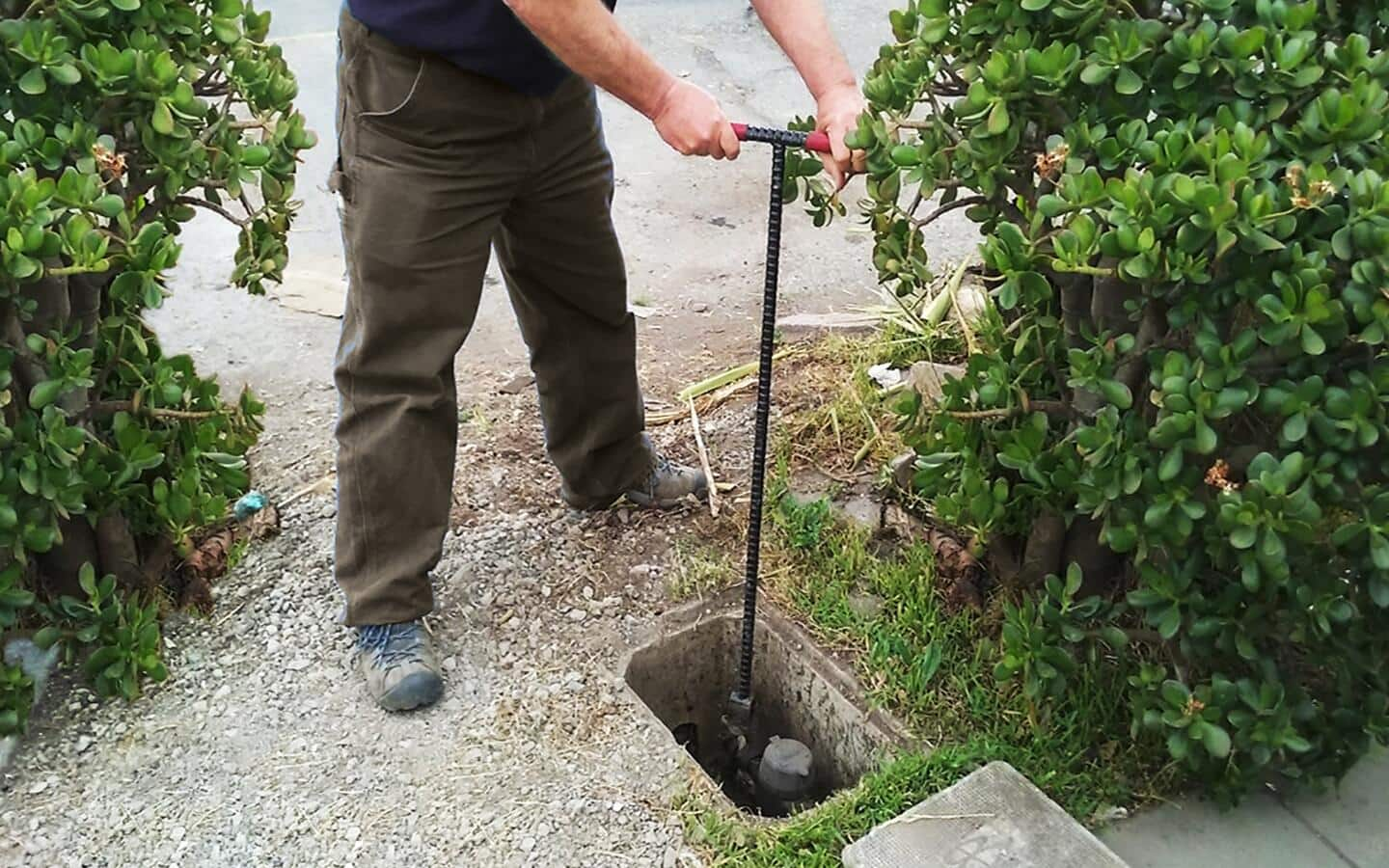
In some homes, the water valve is found at the utility’s meter. This is common in homes located on a slab without a basement or crawl space. In these cases, opening the meter box may require a meter key or another tool. To operate this valve, a tool called a “curb key” is often required. But this tool doesn’t resemble a regular key. Instead, it looks like a large metal “T,” with a notch at the bottom end.
To turn off water with a curb key, open the water meter box and find the valve. It will appear as though the handle is missing. The curb key serves as the handle. Place the notched end of the key over the “missing” handle. Then, turn the valve in a clockwise direction until it stops. There should be no need to crank down on the valve.
Houses Served by a Well
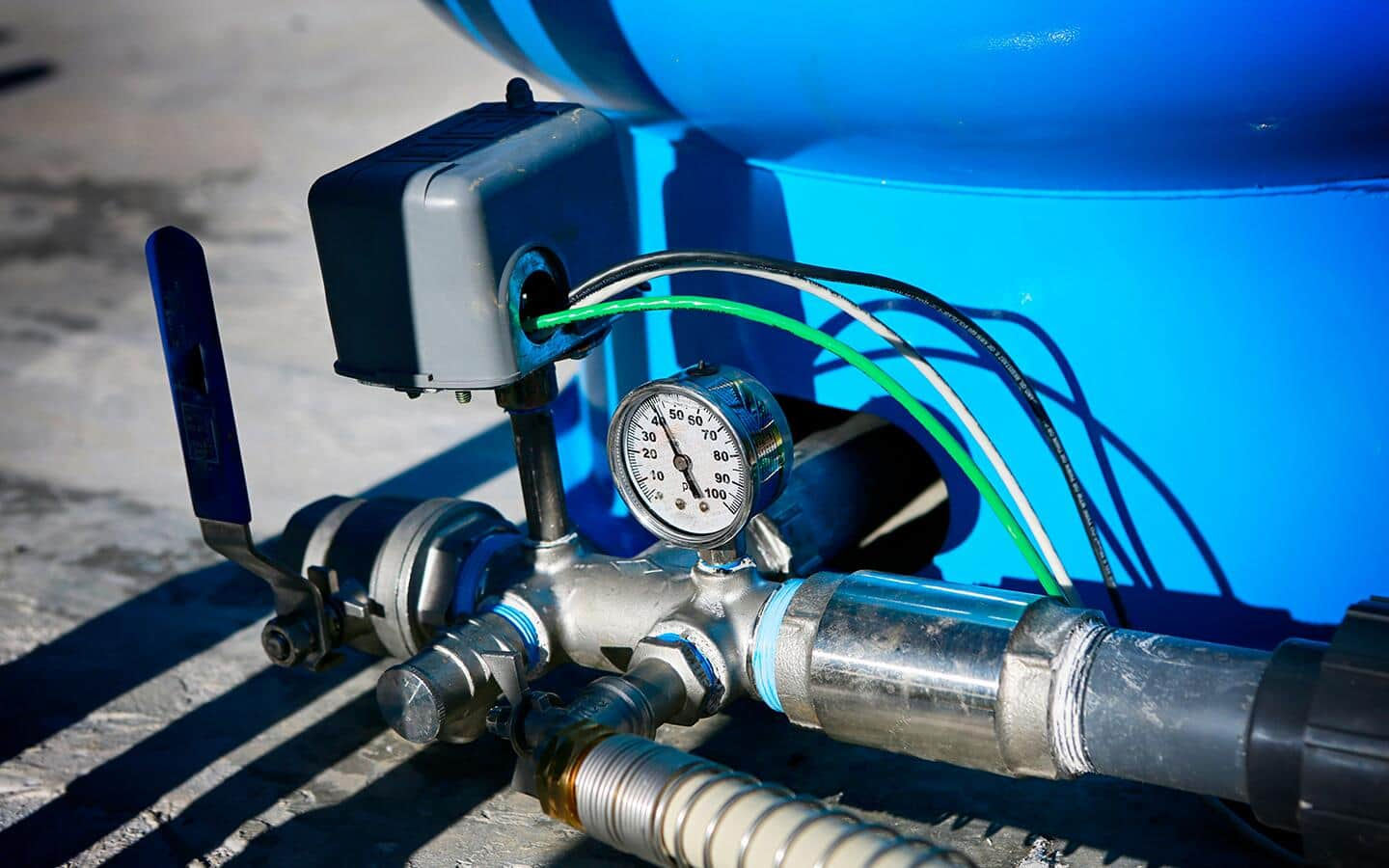
Does your water come from a well? If so, there are several ways to shut off water coming into the house.
- Electrical power to the well can be shut off. This is normally done by switching off the breaker to the well pump in the house.
- There could also be a switch or a fuse box at the well.
- The pressure switch may have an external switch to control the pump. Do not remove the cover to the pressure switch, unless the electrical power has been turned off at the source.
- There should be a valve at the well to stop the flow of water to the house.
Plumbing is a basic system in your home. The more you know about how it works, the better prepared you are to handle repairs and emergencies. But you need to know how to find the main shutoff valve. It's also important to know how to turn off the water to your house. And you must ensure that it's working properly before a plumbing emergency happens.
Download The Home Depot Mobile App to get everything you need delivered right to your doorstep.