Pro Forecast: January 2026 Outlook
Housing Market Ready to Rise in 2026
More Pro Resources
“The Forecast” is a monthly report of industry outlook news to help Pros plan their jobs, keep up with the market and anticipate developing trends.
Key topics in the January Forecast

HOUSING PRICES TO INCREASE IN 2026
Experts predict the housing market will make a comeback in 2026, with more sales and higher prices than 2025.

REMODELING WARMS UP
Remodeling and renovation trends include warm colors and closing up formerly open spaces.
Housing Market Shows Signs of Speeding Up
In 2025, supply challenges and economic uncertainty reduced growth in the housing market and slowed the increase of building and remodeling jobs. Analysts predict these limitations will continue in early 2026 but point to signs that the market will make a modest comeback with rising growth.
The Federal Reserve made three cuts to the Federal Funds Rate in late 2025, bringing the rate down to 3.50-3.75%. Nevertheless, mortgage rates are expected to remain high. Mortgage rates had an average of around 6.25% in late 2025. Fannie Mae’s Economic and Research Group predicts that mortgages could drop as low as 5.9%, but other groups expect rates to be between 6.0-6.4%.
Let Us Help You Finish the Job



Due to low consumer confidence and high homebuyer uncertainty in the economy, 2025 home sales have taken longer and often required more incentives, such as price cuts. This economic climate has led to customers postponing both home purchases and major remodeling projects.
In 2026, analysts predict that U.S. wages will increase 4%, while home prices will go up by 2.2%. With lower mortgage rates and wage growth outpacing home price inflation, pent-up demand for both homes and remodeling jobs should be released. Realtor.com predicts that the typical monthly home payment will fall 1.3% in the U.S., the first decline since 2020, easing affordability challenges.
Previously-owned home sales are predicted to rise 7.8% in 2026, compared to 2025’s flatter rate. Single-family housing starts will gain 3.1%, a rebound from 2025’s drop in housing starts of -4.3%, which signals a rise in building jobs.
The Home Improvement Research Institute (HIRI) forecast for 2026 makes predictions for U.S. economic growth. HIRI also predicts the market size of home improvement products, an indicator of remodeling jobs. The report includes baseline, optimistic and pessimistic predictions for 2026. The baseline prediction expects an increase in gross domestic product of 1.9%, unemployment of 4.5% and a 3.8% increase in the home improvement market.

HIRI’s optimistic scenario assumes lower inflation, lower interest rates and a looser U.S. trade policy. This forecasts 2.4% GDP growth from 2025-2027, unemployment of 4.3% and a 4.6% increase in the home improvement market. HIRI’s optimistic forecast predicts a Federal Funds rate of 2.50-2.75% in late 2026. Pros should prepare to expand their business in this turn of events and plan for increased building and remodeling jobs.
HIRI’s pessimistic scenario assumes higher inflation, a more turbulent trade policy and deeper interest rate cuts to support a sluggish economy. This forecasts 1.1% GDP growth, unemployment more than 6.0% and a 2.6% increase on the home improvement market. The pessimistic forecast assumes a Federal Funds rate of as low as 2%. Pros should be prepared for fewer jobs, higher competition and potentially contracting businesses.
Regional differences in home affordability will continue to be significant. In 2025, prices increased in markets with low housing supply, especially the Northeast, but dropped in markets with high inventories, such as the South and West. Buyers should look for continued price declines in such Southern markets as Tampa, Miami, Orlando as well as Seattle, Denver and Portland. This areas should see more “remodeling for sale” jobs.
On the legislative front, in October of 2025, the U.S. Senate passed the ROAD (Renewing Opportunity in the American Dream) to Housing Act. The bipartisan bill directs the Department of Housing and Urban Development (HUD) to provide municipal governments with options to increase housing at the local level. If the ROAD to Housing Act goes into law in 2026, it will include policy approaches to address housing affordability, including provisions to boost supply, modernize financing options, reduce regulatory barriers and promote economic mobility. Many of these policies can indirectly spur Pro building and remodeling jobs.


Remodeling Trends Save Space
Increasing single-family home sales and a rise in remodeling permit activity indicate remodeling will ramp up in 2026. Harvard University’s Joint Center for Housing Studies projects that year-over-year spending on home renovation and repair will rise by 2.4% in early 2026 before easing to 1.9% by the third quarter.
Despite the modest rise, the Joint Center for Housing Studies expects total U.S. homeowner remodeling spending to rise to $524 billion in early 2026, a record high. Due to sluggishness in the residential housing market, remodeling is expected to lead home building in 2026 spending on building products. This suggests that Pros in some areas may find more opportunities in remodeling jobs and should diversify their services when possible.
According to a report from the National Association of Realtors (NAR), homeowners’ main reason for remodeling is to upgrade, repair or replace worn-out surfaces, finishes or materials. The next most popular motivations are to improve energy efficiency and to remodel for resale within two years.
Remodeling trends for 2026 include fewer all-white kitchens or other rooms. Instead, warmer colors and designs will be favored both by customers remodeling for sale and planning to age in place. The following are more design trends for remodeling and renovation according to Pros.

Instead of open floor plans, more closed floor plans and “designed rooms” with walls and sound privacy such as dedicated home offices
Wellness amenities such as small saunas, meditation rooms and home gyms
Modular lighting
Seamless stone or slab backsplashes as alternatives to tile
“Color capping” design with ceilings a different color than walls
Indoor/outdoor spaces such as sunrooms, indoor gardens and screened-in patios
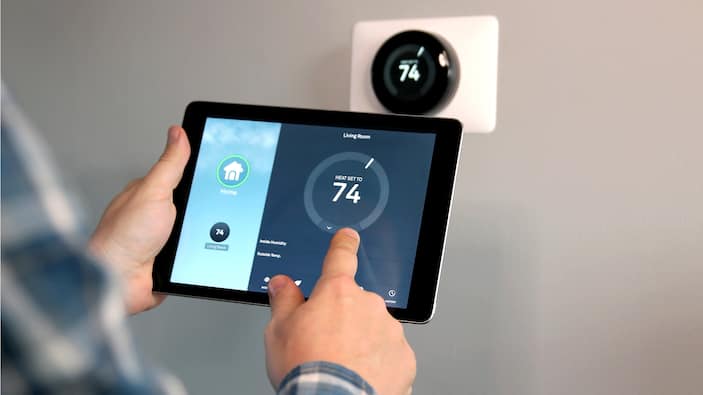
Hidden tech and seamless tech integration (See our guide “Smart Products Enhance New Home Builds”)
Kitchens will modify open plans with more separate spaces. “Layered” kitchens can include walk-in pantries, concealed utility areas or small, supplemental prep kitchens. These are additional kitchen remodeling trends:
Induction cooktops and ovens
Mesh-insert cabinets
Slim and minimalist cabinets
Sleek cabinet hardware or hardware-free cabinet doors and drawers
More efficient cabinet layouts to conserve space
Smart appliances such as refrigerators and dishwashers

Bathrooms will feature more technology to conserve energy and water as well as the following other trends:
Hand-painted tiles
Spa-style design
Vintage-style lighting fixtures
Textured surfaces
Smart mirrors and faucets
Remodelers now make up 56% of all residential building companies and almost 40% of all residential construction jobs. The number of firms in the remodeling profession have nearly doubled over the past 25 years, from fewer than 69,000 in 2000 to more than 128,000 in 2025.
In 2026, factors such as the interest rate lock-in effect, aging housing stock, limited home supplies and high levels of home equity should continue to encourage remodeling jobs.



You May Also Like