Do you have what you need to make your garden grow?


Garden Center
Store Hours
Mon-Sat:
6:00am - 10:00pm
Sun:
8:00am - 8:00pm
Curbside:
09:00am - 6:00pm
Location
1225 Wimberly Dr Sw
Decatur, AL 35603
Popular at Your Garden Center
Garden Essentials Near You
)
;Resize=(300,300))
;Resize=(300,300))
;Resize=(300,300))
;Resize=(300,300))
)
;Resize=(300,300))
;Resize=(300,300))
)
)
)
;Resize=(300,300))
)
)
;Resize=(300,300))
)
;Resize=(300,300))
;Resize=(300,300))
)
)
)
;Resize=(300,300))
)
)
)
)
;Resize=(300,300))
;Resize=(300,300))
)
)
)
;Resize=(300,300))
)
)
)
)
)
Garden Project Calculators
;Resize=(703,395.44))
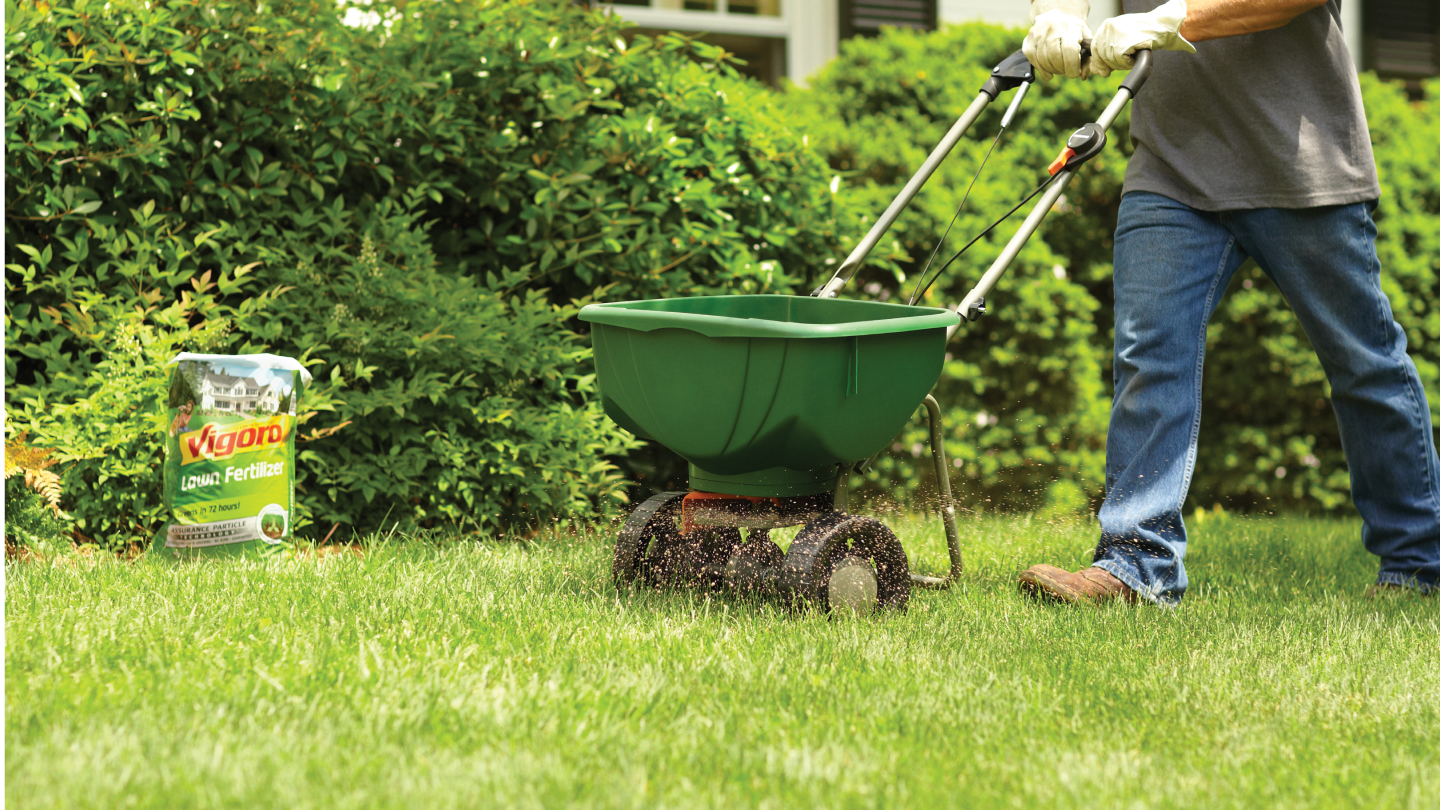
Grass Seed Calculator
When you're ready to seed your lawn, our calculator helps you estimate the amount of grass seed you'll need to get the job done.
;Resize=(703,395.44))
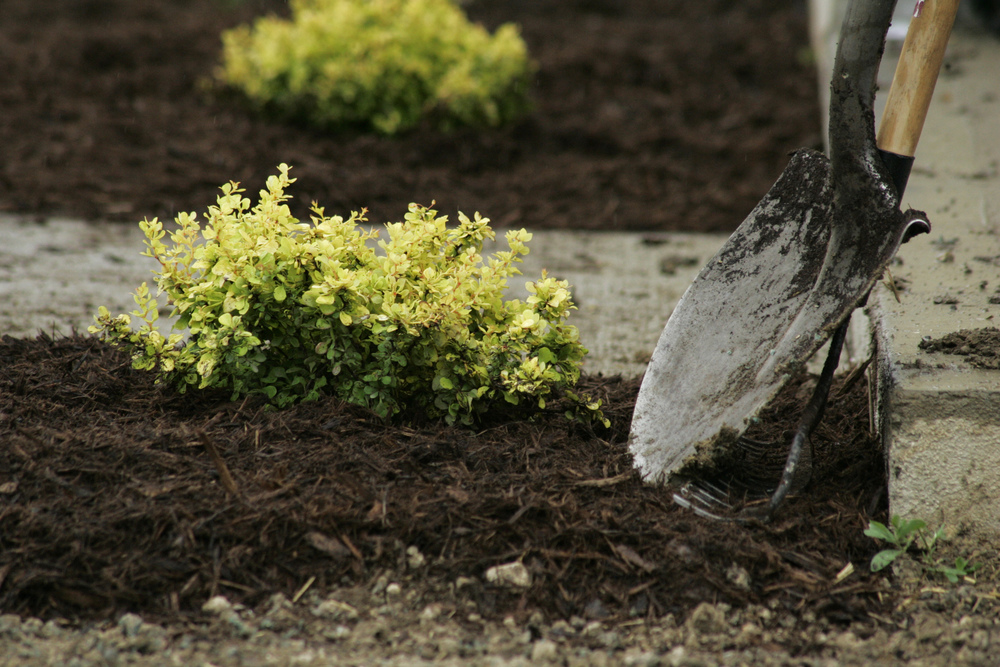
Mulch Calculator
Enter your preferred material, the square footage and mulch depth of the coverage space for accurate results.
;Resize=(703,395.44))
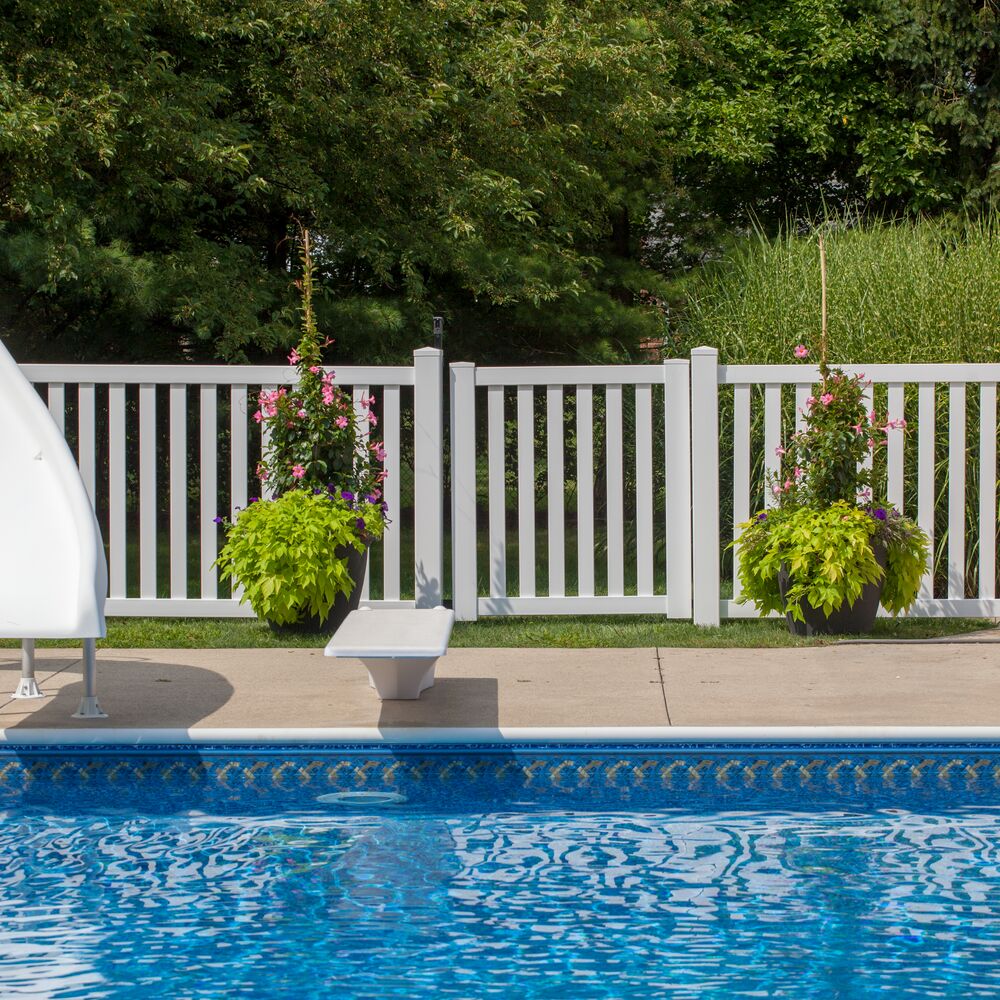
Fencing Calculator
We'll calculate the amount of fencing you should purchase based on your property needs.
Shop Outdoor and Garden Brands


Frequently Asked Questions About Gardening
What's my planting zone?
Check the USDA plant hardiness zone map, as planting zones have evolved through the years. Zones with higher numbers can plant earlier in the year. Increase your chances of successful gardening by planting veggies, flowers, and trees that thrive in your zone.
How can I get my mulch delivered?
The Home Depot offers flexible mulch delivery options nationwide based on your order size. We can deliver small orders with a car for a $3 fee. As orders get bigger, we switch to a van for a $35 fee. For the largest jobs, we have a fleet of box trucks and flatbeds ready to deliver to your job site for a $79 fee. Of course, you can always choose our free in-store pickup option as well, and orders that meet a purchase threshold may qualify for free delivery. Not sure how much you'll need? Check out our mulch calculator to get started. Keep scrolling for details below on mulch delivery via car, van, or truck.
Do you offer self-pickup for mulch orders?
Yes, you can pick up your mulch in your own vehicle. We're also ready to help if you need it. After you buy mulch online with store pickup or purchase it in-store, go to the mulch loading zone or drive-thru if your store has one. An Orange Apron will load your small-to-medium mulch order directly into your truck or SUV. For very large orders of bagged or loose mulch, delivery is a wise choice.
Does my mulch get delivered in a car?
If you have a small bagged mulch order, you can get it delivered to your door via a store-fulfilled local delivery service that uses third-party drivers. Your mulch will arrive in a standard van or car for just a $3 delivery fee. Yard mulch, also called bulk or loose mulch, will come in a truck. If you order a specific number of bags, you may qualify for free delivery. That threshold varies from store to store. However, you'll be able to verify the cost at checkout.
How much mulch qualifies for flatbed or large truck delivery?
When you're ordering huge quantities of bulk mulch or pallets of bagged mulch, you'll be looking at box truck or flatbed delivery. Most of the time, these are landscapers, serious DIYers, or Pro customers undertaking a major landscaping project. There's a minimum pallet order to maximize resources and usually a delivery fee. Orders that pass a threshold may qualify for free delivery.
How do I treat weeds?
Weeds are likely poking through in the garden beds, even if you put down mulch or landscape fabric liner to keep them at bay. Be sure to get them before the weeds' flowers dry out and drop their seeds. Pull weeds from the root in edible flower or vegetable gardens, and dig up the roots if the weeds snap off without them. If you choose to treat weeds with weed killer, find one that's safe for bees, other pollinators, and pets — and wear heavy rubber gloves and a respirator to ensure that it doesn't irritate your skin or lungs.
Is it possible to fix scorched grass?
The solution for how to get burnt grass green again is easy: Fix the scorched spot with a good long drink. Continue to water it regularly. It should perk up by the following week. The method for how to treat grass from dog urine isn't as simple. Grass damaged by pets must be removed, neutralized, and replaced in fresh soil with new grass, sod, or patch and repair grass seed.
When should I water the grass?
If you can water at least once a day, during the early morning or in the evening, that's ideal. When it's the height of summer, twice is better. Watering when the sun is at its peak means a lot of the moisture will evaporate. This applies to whatever you're growing: trees, flowers, grass, and gardens. Whenever you water, give all the plants a thorough drink, and don't skip it just because it's not the perfect time. The plants still need water to live, no matter what time it is. Depending on your grass type, lawn health, and climate, you may also want to look into adding a lawn fertilizer.
Does my garden need fertilizer?
Once you've got your plants in the ground, make sure they stay hydrated and well-fed. Choose a synthetic or an organic fertilizer and give your garden a boost. You can even find one that's formulated for your plants, whether you need a flower fertilizer, vegetable fertilizer, citrus tree fertilizer, or general garden fertilizer blend. Only apply as often as recommended on the packaging. Always water immediately after, as directed. That way, the plants won't be burned by the fertilizer.
How can I keep cool this summer?
When you need a break from working in the yard, shelter beneath a covered gazebo or a patio umbrella. If you have sturdy structures like a house or a shed, make your own shade by attaching shade sails and awnings. But sometimes shade isn't enough because it's just too humid out. That's when a misting fan or patio mister can help cool the air and turn an uncomfortable afternoon into a relaxing day. Go back to lounging in the sun when that water-cooled air is ready.
How do I do a quick patio makeover for entertaining?
Spending time with friends in gorgeous summertime weather makes the season even more special. But you don't need to do a full patio makeover or create your own patio conversation sets from scratch to do it. Even a tiny backyard refresh can make a big difference. New outdoor lounge furniture, rugs, or even outdoor string lights can breathe new life into a backyard space.
Garden Project Ideas

Learn the best techniques for mulching your yard to boost curb appeal. Read our guide today!
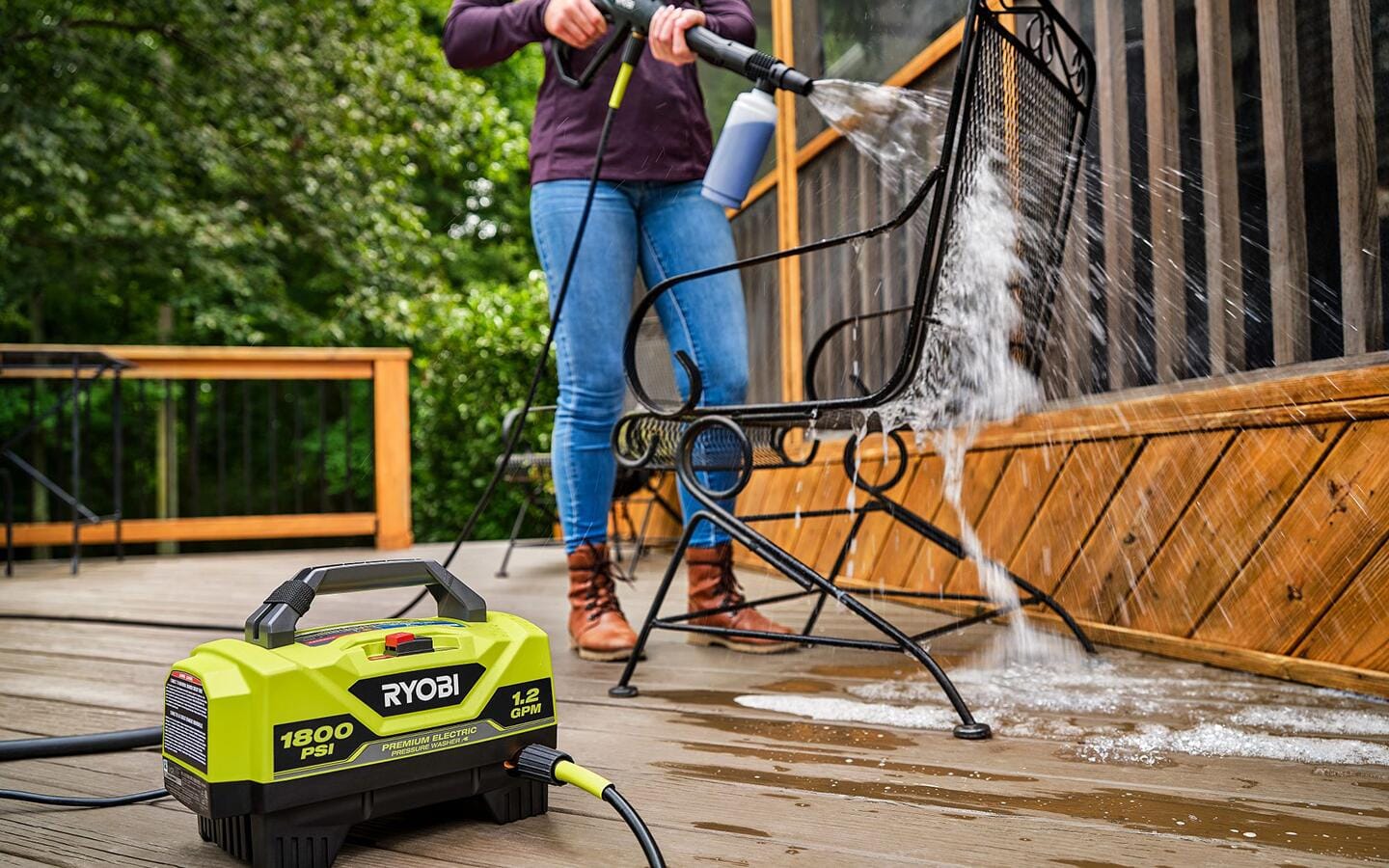
Prepare your house for cooler weather using our comprehensive fall home maintenance checklist. Get started now!

Keep your giant twelve-foot skeleton looking great all season long. Read our essential maintenance tips today!

Discover the absolute best Halloween decorations to make your home perfectly spooky. Shop our top picks!
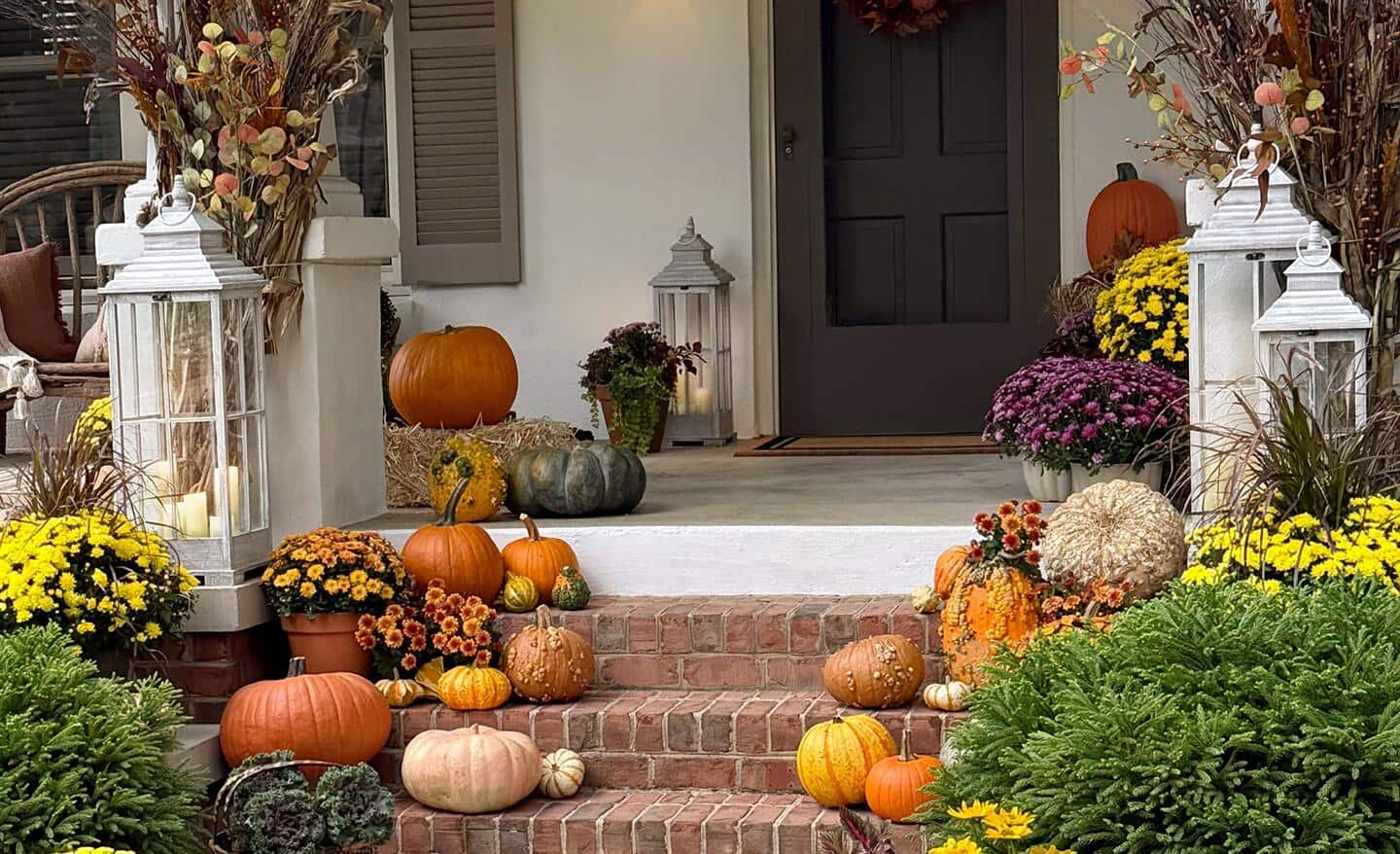
Transform your entryway with these ten beautiful ideas for autumn porch decor. Get inspired right now!

Honor tradition and style your home beautifully for Day of the Dead. Explore our decoration guide!
The Home Depot Garden Center at Decatur, AL
Settle Into Summer
As we stretch into the dog days of summer, your landscaping and garden will weather more heat and sun than earlier in the season. That means you'll need to consider how to keep things cool with shade, irrigation, and proper tending. You might also need ways to beat the heat. We can help. At The Home Depot Decatur, AL Garden Center, we've got what you need to make the most of summer.
Keep Your Lawn Tidy
As the weeks tick by, the grass seed or sod you planted will grow taller than what's ideal. Give it some TLC so it looks fresh again. Keep the lawn in check with a self-propelled lawn mower and a string trimmer to knock down any tall grass around sidewalks, fences, or buildings.
Trees, shrubs, and bushes climb toward the sun and lose their shape over time. They'll be growing fast, filled with buds before you know it. Prune them back to a more manicured state with garden shears and hedge trimmers. It's best to leave tree topping and major tree maintenance to the pros, but you may want to use a pole saw for minor trims and a chainsaw for small branches on trees and bushes.
Watch Your Garden Thrive
Much of your garden's upkeep comes down to balancing water and sun. You'll need both to keep plants growing and spirits high with summer flowering. A general rule when watering flowers and plants is to water the roots. A garden hose, sprinkler or sprinkler system, or drip irrigation system will do the job. You don't need to water the blooms themselves. Many flowers wilt when they get wet, but they'll recover just fine once they dry off. Succulents are, of course, the exception to basic watering rules, so look up your specific succulent types to optimize their care.
In addition to watering, keep an eye on the nutrients your plants are getting. Apply plant food and fertilizer as recommended. We've even got fertilizers to match the types of plants you're growing so they'll get the right nutrients.
Grow Your Own Herbs
Get fresh flavors to spice up your mealtimes and accent your homegrown produce with herb gardening. They're generally low-maintenance and grow easily in pots, both indoors and outdoors. If you grow herbs outdoors, stick to heat-loving herbs that'll endure the summer temperatures, and consider a hanging herb garden. Check out our herb gardening for beginners guide for more info.
Planting herbs in the ground can be tricky, as many of them — especially mint — are invasive and will take over your lawn. Avoid a yard of volunteer herbs when you keep them in decorative plant pots on a sunny window sill, porch, or even in wall planters. Herbs also work as a hydroponic garden, which means they don't grow in soil. Instead, they grow in a mixture of sand, perlite, or rock chips.
Vines as Decorative Shade
Plant vines near an arched arbor or trellis so they'll climb it and give you both shade and beauty. Choose vine plants that are native to your area to attract pollinators. Grape vines are a classic choice, but they take time to mature, so you'll enjoy dappled shade but no grapes for a few years. Be sure to match your vine plants to the amount of sunlight you receive, as some like full sun and others don't. As a bonus, many vines put out sweet-smelling flowers with a delightful fragrance you can enjoy as you cool off in the shade.
Find Your Summertime Supplies Today
No matter if your perfect summer includes gardening, grilling, relaxing, or finishing those outdoor DIY projects, we've got the supplies you need to keep your days flowing with ease. Make the most of these long evenings and early mornings to enjoy all the season has to offer. Shop online at your leisure, on our app anywhere you like, or in the aisles of your Decatur, AL store.
Nearby Stores
Find Another Store
4045 Lawson Ridge Dr
Madison, AL 35757
20.49 mi
Mon-Sat: 6:00am - 10:00pm
Sun: 8:00am - 8:00pm
10012 Memorial Pkwy Sw
Huntsville, AL 35803
25.55 mi
Mon-Sat: 6:00am - 10:00pm
Sun: 8:00am - 8:00pm
1035 Memorial Pkwy Nw
Huntsville, AL 35801
26.19 mi
Mon-Sat: 6:00am - 10:00pm
Sun: 8:00am - 8:00pm