Do you have what you need to make your garden grow?


Garden Center
Store Hours
Mon-Sat:
6:00am - 10:00pm
Sun:
7:00am - 8:00pm
Curbside:
09:00am - 6:00pm
Location
12175 Tech Center Drive
Poway, CA 92064
Popular at Your Garden Center
Spring Garden Center Essentials
;Resize=(300,300))
)
)
;Resize=(300,300))
;Resize=(300,300))
)
;Resize=(300,300))
/12_SOIL_B_0420_Social%20media%20(square).jpg?im=Resize=(300,300))
;Resize=(300,300))
;Resize=(300,300))
;Resize=(300,300))
)
;Resize=(300,300))
;Resize=(300,300))
;Resize=(300,300))
;Resize=(300,300))
)
;Resize=(300,300))
)
;Resize=(300,300))
Trending Garden Center Plants Near You
;Resize=(300,300))
)
;Resize=(300,300))
;Resize=(300,300))
)
)
)
;Resize=(300,300))
)
/Capello_Spring_Mum_10in_Social%20media%20(square).jpg?im=Resize=(300,300))
)
;Resize=(300,300))
;Resize=(300,300))
)
)
)
;Resize=(300,300))
)
)
)
)
)
)
)
)
Garden Project Calculators
;Resize=(703,395.44))
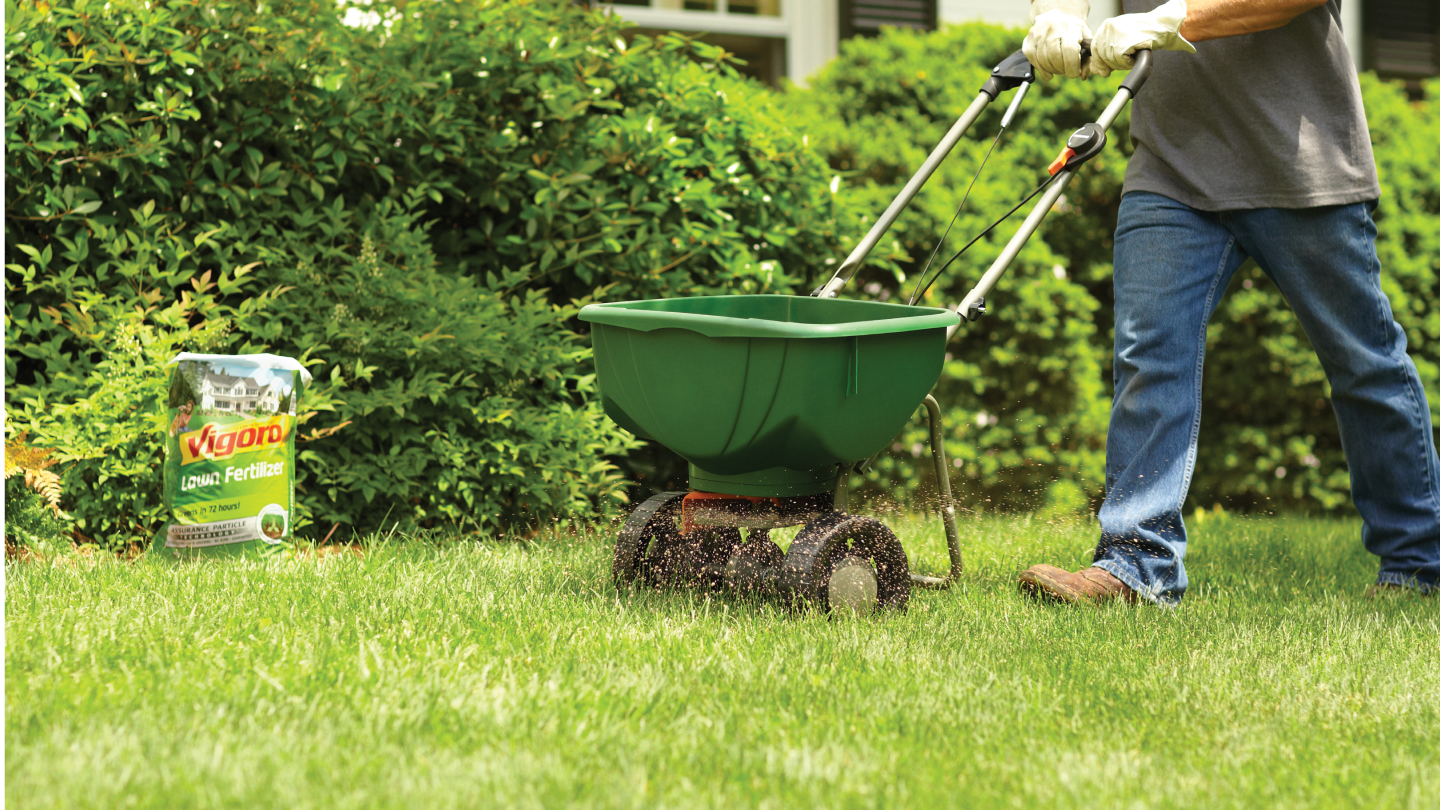
Grass Seed Calculator
When you're ready to seed your lawn, our calculator helps you estimate the amount of grass seed you'll need to get the job done.
;Resize=(703,395.44))
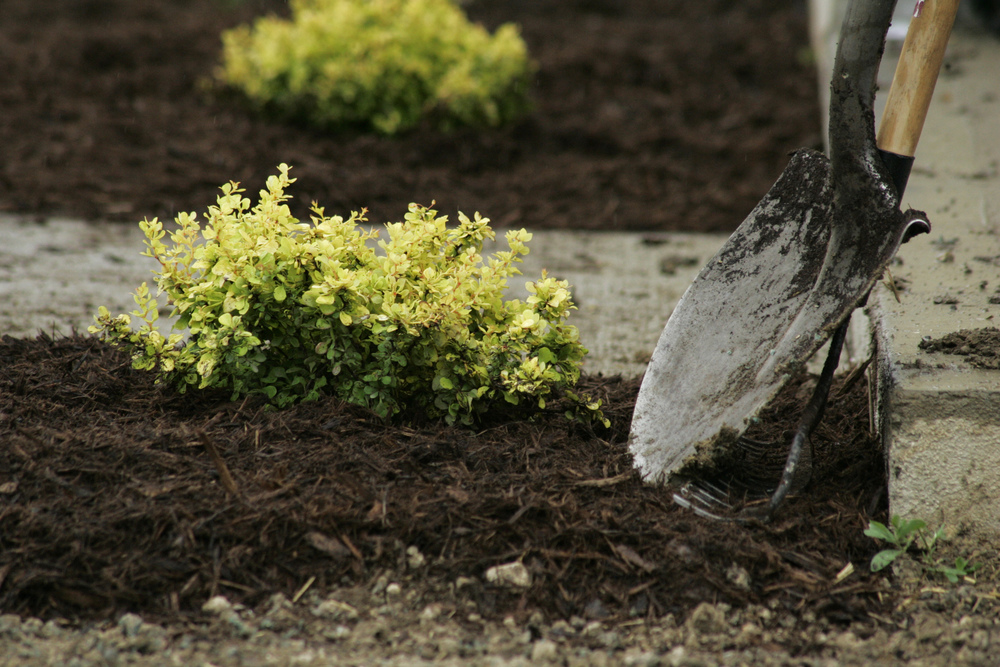
Mulch Calculator
Enter your preferred material, the square footage and mulch depth of the coverage space for accurate results.
;Resize=(703,395.44))
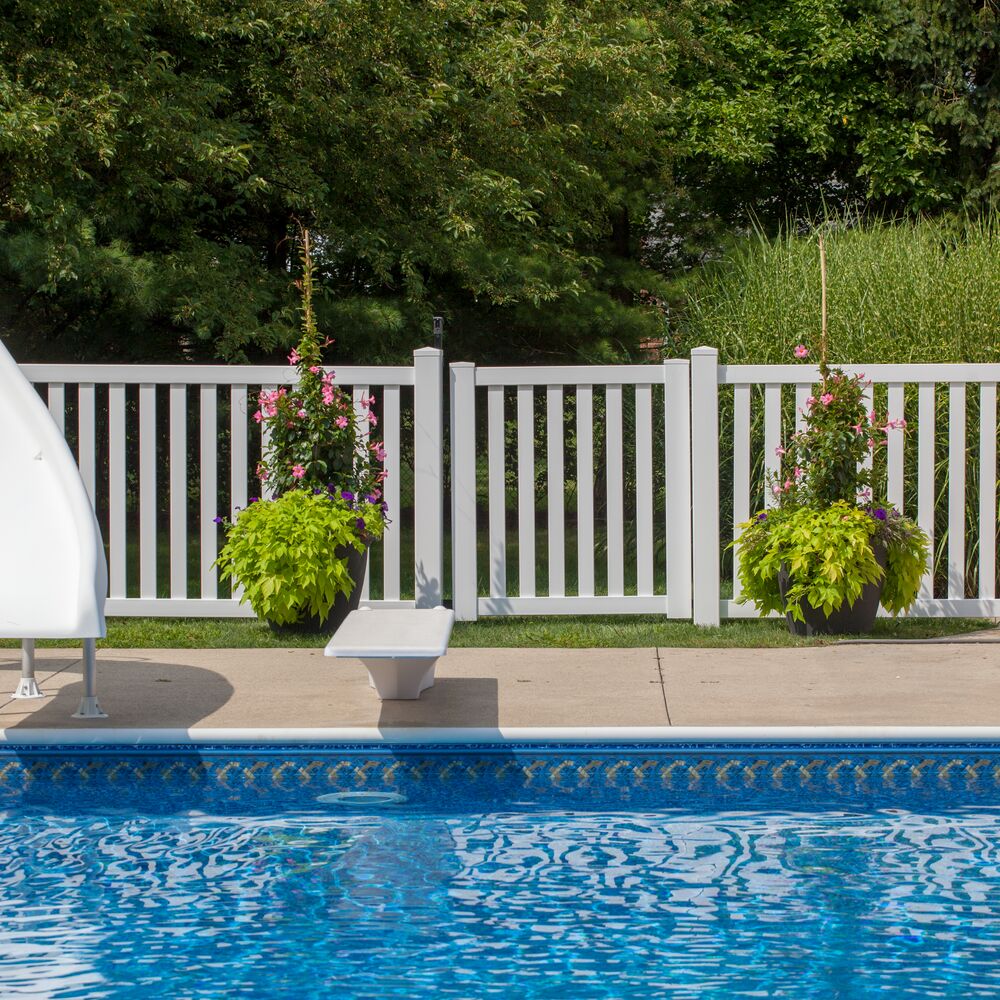
Fencing Calculator
We'll calculate the amount of fencing you should purchase based on your property needs.
Shop Outdoor and Garden Brands


Frequently Asked Questions About Gardening
Are there Spring Deals in the Garden Center?
Our huge spring sale is back, so get ready to save money. Don't forget to upgrade your outdoor power equipment to keep your lawn and garden pristine. Fresh patio furniture makes it easy to enjoy the spring air, and a new grill adds fun to springtime cooking. Get great Spring Deals from April 23rd to May 10th, 2026, and enjoy your outdoor oasis as your garden transforms with the seasons.
How do I know which planting zone I'm in?
Take a look at the USDA plant hardiness zone map, as planting zones have changed slightly over the years. Zones with higher numbers can start their garden earlier in the year. Increase your odds of successful gardening by planting trees, vegetables, and flowers that grow well in your area.
Can I "direct sow" seeds in my garden?
If the ground isn't frozen solid and the soil isn't cold, consider planting your flower, fruit, or veggie seeds directly into your garden bed. This is called the "direct sow" method. The time to plant will be after the frost threat has passed for the season, as sprouts and seedlings can't survive those conditions. You can also start your seeds indoors if you'd like. Consult your seed envelope for when and how to plant your seeds.
How do I plant seeds?
The most reliable source of information is the seed packet your garden-to-be came in. It's the key to successfully growing spring flowers, fruit, and vegetables — outdoors or indoors. Requirements vary from one type of plant to the next. Some seeds are indoor-sow only, and your seed packet has that info, too. You will be an expert at sowing seeds before you know it.
Do you have organic vegetable plants and seeds?
We've got a variety of organic options, including organic veggie seeds and fruit seeds, as well as organic herb and flower seeds that are subject to availability. We carry the organic soil to plant them in as well as the organic fertilizer to feed your plants.
What else can I do to strengthen my seedlings before moving them outdoors?
Get your sprouts used to breezy spring days and storms with a fan. It'll also help keep fungi from growing in damp conditions. Set up an oscillating fan on low to mimic the wind. Just the gentlest breeze for several hours a day will do the trick. The stems and leaves will get used to blowing in the breeze and not snap when a gust comes through. If you don't set up a fan, your seedlings may be more sensitive to wind. Try to plant between storms.
What do I do before planting seeds or transplants outside?
Before you put your seedlings in the ground, make sure that they will have the right amount of sunlight, warmth, and healthy soil. Check your seed package to see if they need shade, partial sun, or full sun, as well as what time of year they should be planted. Space your plants as described on the seed packet for best results. That way, your plant babies have enough space to grow up big and strong.
Can I use seed tapes to sow seeds?
If you're dealing with extremely tiny seeds or want more guidance in planting, consider seed tapes. They're biodegradable pieces of paper with seeds affixed at regular intervals. Bury the tape and water as directed. If all goes well, you'll have perfectly spaced sprouts pop up soon.
Garden Project Ideas
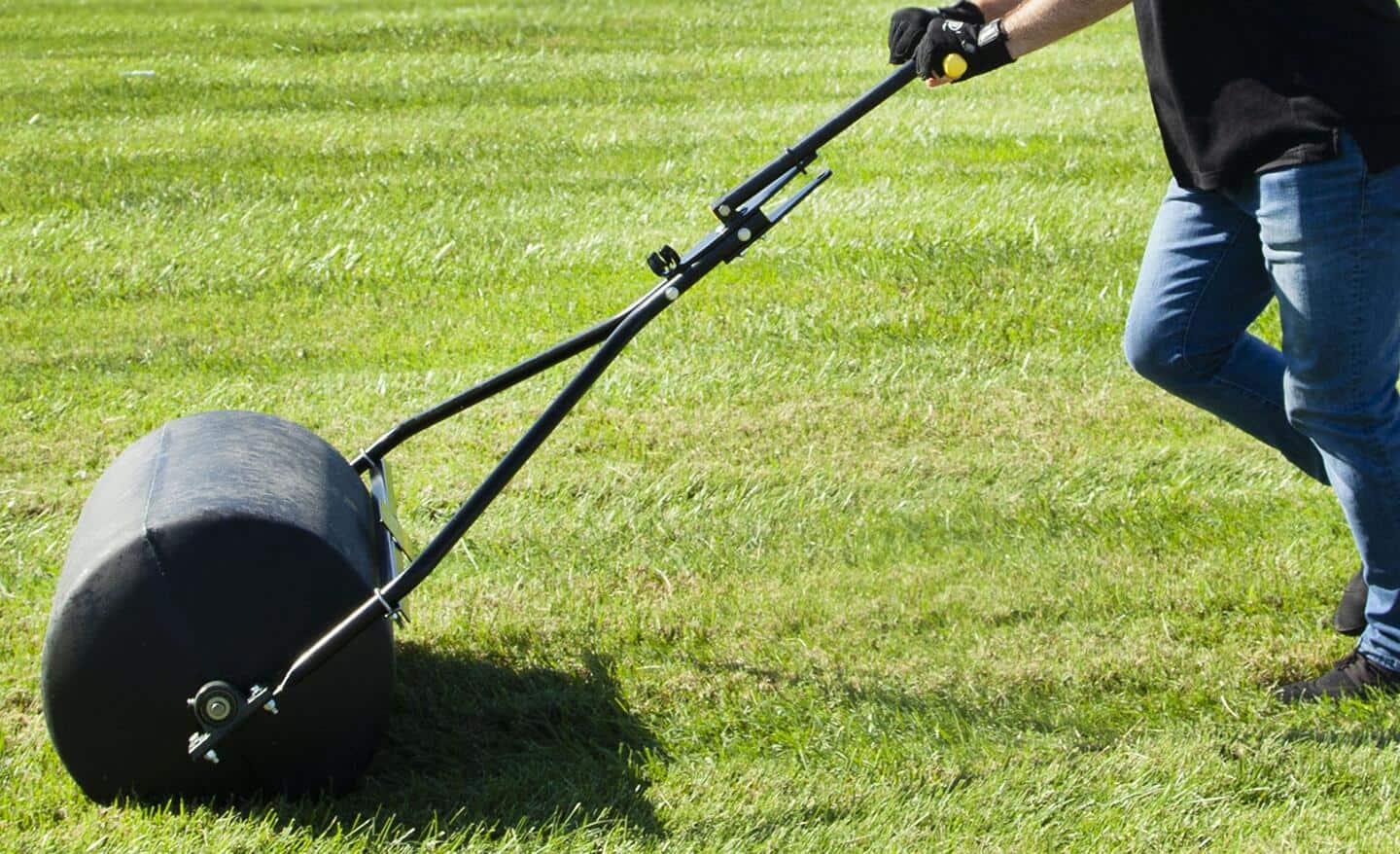
Easily create a lush, green lawn with our step-by-step sod-laying guide, covering soil prep, installation, and essential upkeep.
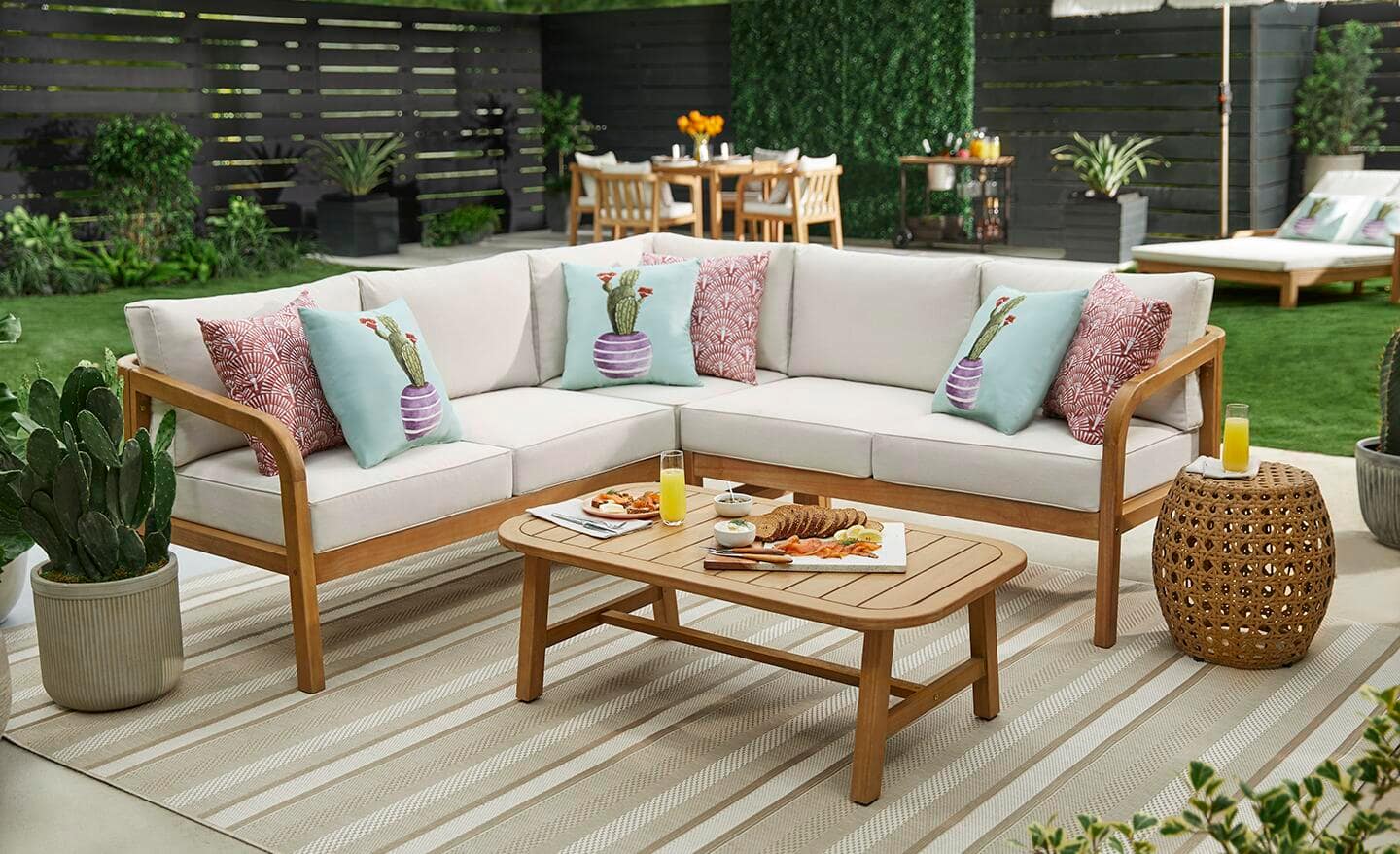
Find the ideal patio furniture with our expert tips on styles, materials, and maintenance to elevate your outdoor space.
Keep your lawn weed-free with our guide to choosing the best herbicides and natural solutions for effective control.
Pick the perfect soil for your garden with insights on soil types, pH levels, and key amendments for healthy plant growth.
Get your lawn ready for spring with essential tips on aeration, fertilization, watering, and maintenance for vibrant grass.
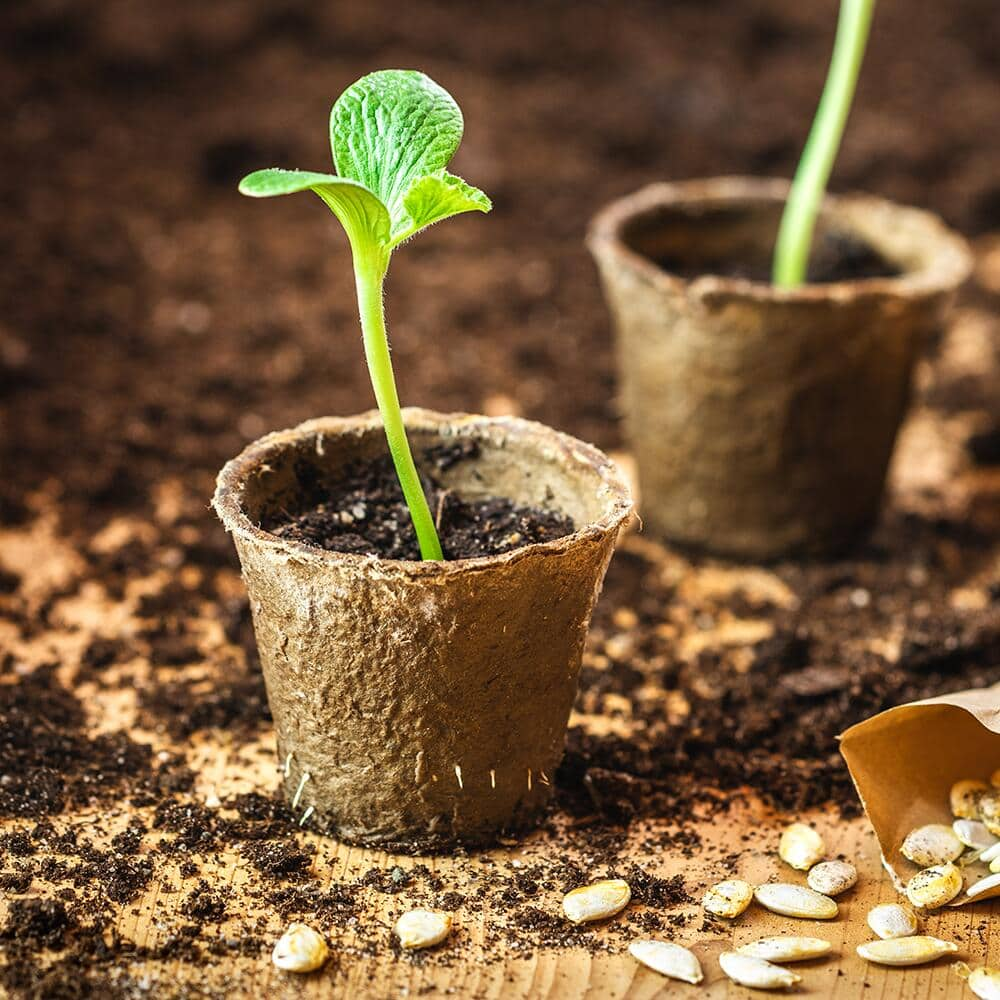
Start your garden right with our easy-to-follow guide on using peat pots for successful seed germination and transplanting.
The Home Depot Garden Center at Poway
Celebrate Springtime Gardening
It's time to start thinking of spring. Sweep the gazebo and clean out the shed to prepare for fragrant breezes, sprouts poking up out of the ground, and warmer temperatures. Planting seeds indoors with grow lights means you'll be ready to transplant young veggie plants and spring annuals when the ground thaws and the frosts are through. You might even want to plant seeds directly into the earth. What better way to start than by exploring your favorite local plant nursery?
Plant Hardiness Zones Explained
The first thing you should know when planting vegetables, spring flowers, and other seeds is your planting zone. Every location in the United States and its territories is sorted into blocks by climate. Find your zone on the USDA planting zone map and learn when to plant flower bulbs and seeds.
For example, you could plant bell pepper seedlings outdoors in mid-March in Zone 10, but not until the end of May in Zone 4. For best results, choose plants in your zone number or less. In other words, a Zone 8 garden can support plants listed as Zones 1–8. You can plant seeds indoors roughly a month before you can plant them outside, known as direct sow. Always read your seed package for details. If you start your seeds a little later, it's not ideal, but it should even out as time passes.
Gardening in Your Growing Zone: Southern California
The southernmost part of California is primarily in Zones 9 and 10, with small areas of Zones 6–8 sprinkled in near Palm Springs and San Bernadino. A temperate Mediterranean climate on the coast means it's usually beautiful gardening weather and wonderful for growing. Areas in the desert and mountains are more challenging to grow vegetables in, but indoor gardening is an excellent workaround.
For more temperate areas, find your planting zone and prepare to get planting. Growing season begins early and ends late in this part of the country. A wide variety of vegetables, flowers, and plants thrive in southern California. You can even grow citrus trees for fresh fruit when you plant somewhere with good soil drainage. You’ll get great results with peppers of all colors and heat levels, including jalapeños, bell peppers, and more. Zucchini, cucumbers, pumpkins, and squash, which are direct sow only, will flourish. Planting tomatoes will yield thriving fruit and leaves, as these tropical plants are happiest in the heat.
In the desert, native plants like cacti, succulents, and hardy desert shrubs will easily grow outside. Other beloved garden vegetables love the heat. If you start them indoors and carefully introduce them outdoors in the shade, you can enjoy raising vegetables even in a dry climate. However, many flowers are sensitive to that much sun and heat, so research to find which varieties can handle the weather before planting outdoors.
Plant Seeds In Your Garden With Direct Sow
Direct sow, or planting seeds directly into outdoor garden soil, is another way of gardening. If you like to go with the flow, follow the instructions on your seed pouch. Direct sow timeframes are later than indoor planting because the soil needs to be warm enough.
There's more variation with seed survival with direct sow. Your seedlings need to survive storms and hungry rodents, weather too little rain or sun, and obtain proper nutrition. Be ready to deal with whatever nature gives you. If you're lucky, you'll get strong sprouts that are ready to grow all spring.
Start Seeds Indoors
If you'd like more control over your seedlings' journey or you're eager to get growing, start your seeds indoors in your own plant nursery. In general, you can plant seeds indoors roughly a month before you can do it outdoors. Like direct sow, you push the seeds into the soil as directed on the seed envelope, but that's where the similarities end. Seed trays make it easier to transplant later.
You're responsible for giving them quality substitutes for sunlight and rain. Keep your seeds warm with heat mats and grow lights, water them carefully with a spray bottle or watering can, then thin them as they germinate in groups of three. Give them a boost with a gently blowing fan as they lengthen into sprouts if you'd like. Harden them off to get them used to outdoor conditions, then transplant them into your garden when they're big enough.
Transplant Young Plants Into Their New Homes
In quality soil, dig a hole that's bigger than or the same size as your plant's dirt plug. Place your transplant in the ground, and fill any extra space with nutrient-rich topsoil. Apply fertilizer if desired inside the plant hole before planting or on top of the dirt, then water it well. Never apply more fertilizer than recommended, as too much could harm the plant. Consider putting up garden fencing or other protective measures if squirrels, rabbits, deer, or chipmunks visit your yard regularly, as your sprouts may otherwise get eaten.
Enrich Your Garden With Mulch
Nourish your garden bed with compost and mulch. Compost enriches the soil so your garden can grow even better. Mulch keeps your soil from drying out and controls weeds. It may help foster larger plants that bear more fruit and flowers. Mulch and compost can be purchased in-store, or you can learn how to make compost DIY-style. The next time you're looking for "mulch near me," stop by the Garden Center to get the right amount.
Greet the Spring
Late winter into early spring is an exciting time in the world of gardening. Plan your landscaping and garden, prepare to fertilize your lawn, and browse your nearest plant nursery to find inspiration on which spring flowers to plant when the weather warms. If you don't have a lawn, consider adding artificial grass, an outdoor rug, or a pellet grill to your balcony. Shop for the seeds, fertilizer, and soil you need in the aisles of your Poway Garden Center, online, or on our mobile app. Let's get growing together.
Nearby Stores
Find Another Store
12185 Carmel Mountain Rd
San Diego, CA 92128
3.99 mi
Store:
Pro Service Desk:
Mon-Sat: 6:00am - 10:00pm
Sun: 7:00am - 8:00pm
10604 Westview Pky
San Diego, CA 92126
5.27 mi
Store:
Pro Service Desk:
Mon-Sat: 6:00am - 10:00pm
Sun: 7:00am - 8:00pm
255 Town Ctr Pky
Santee, CA 92071
7.31 mi
Store:
Pro Service Desk:
Mon-Sat: 6:00am - 10:00pm
Sun: 7:00am - 8:00pm


