Generator Installation Cost Guide
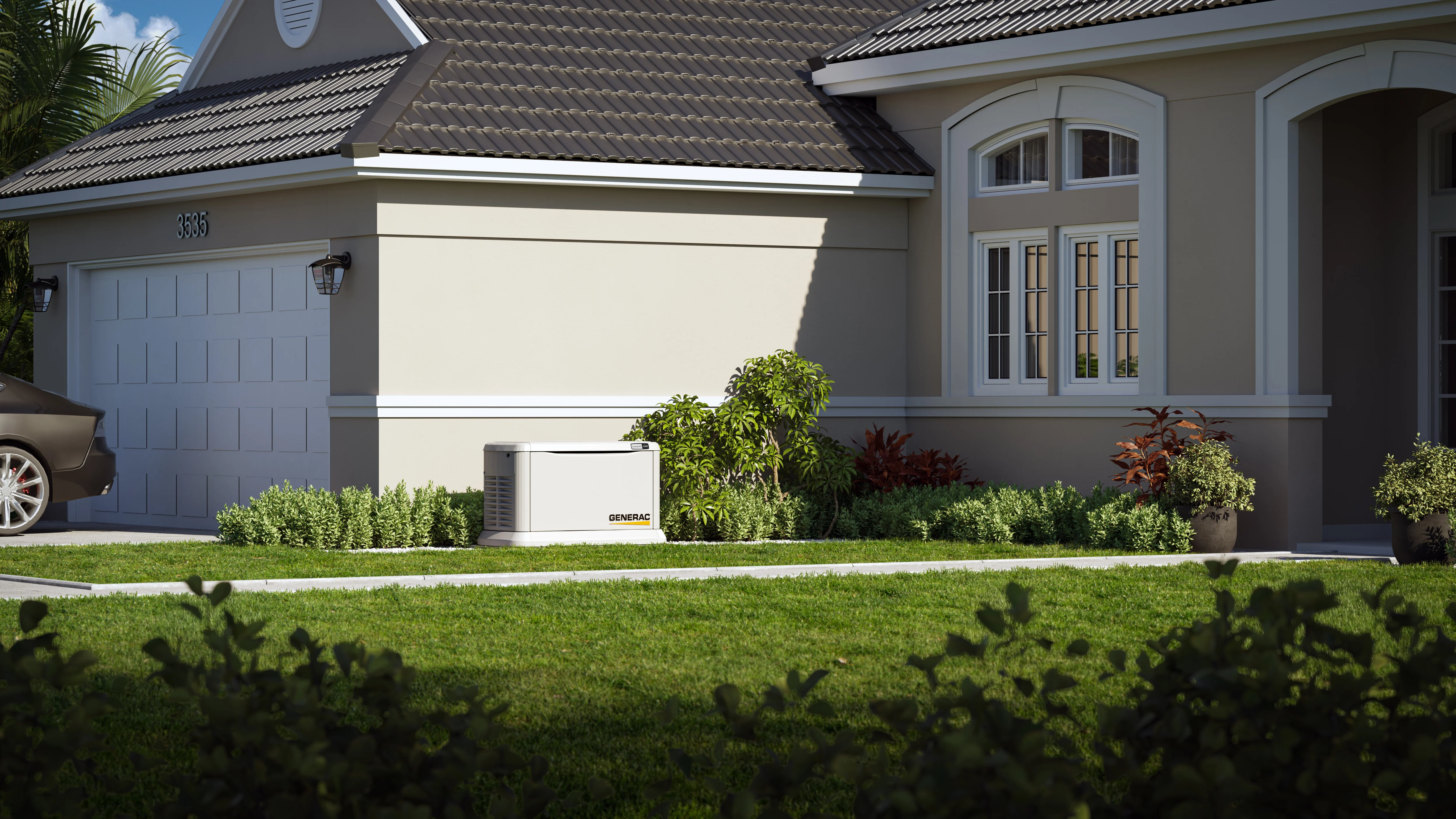
Partner with The Home Depot's local professionals for your generator installation.
Discover More Generator Savings
Protect your home with reliable backup power top offers and flexible financing.

How Much Does it Cost to Install a Generator?
Inclement weather like heavy rain, snow and high winds can knock out your electricity in a hurry. If you live in a place where hot weather stresses the power grid in your area, you may also be left in the dark when temperatures reach the 90s or low triple-digits. You don’t have to wait for the power company to restore your service to get your heat, air conditioning and electricity back though.
By installing a standby generator you’ll have power on tap, giving you the ability to heat and cool your home even when your utility company is unable to do so. You’ll also be able do other things like work or use your internet service with your generator, making a generator a vital part of life for many people.
While most people know that a generator can be a good thing to have and a great investment, many homeowners avoid installing one because they’re afraid the cost is far too high. The fact is that the average cost to install a generator doesn’t have to be through the roof.
Use this guide to learn more about the cost of generator installation for your home. You might be surprised at how affordable powerful generators can be.
Average Cost of Generator Installation
Air Cooled Generator Installation

Air-cooled generators take in cooler air from the surrounding area to cool down its working elements. This type of generator can be permanently installed or comes available as a portable unit, depending on the model you choose. For a home installation, a stationary standby model is best.
Air-cooled systems provide plenty of power during short-term outages for most homeowners who need a backup generator.
Here’s the average cost of installing an air-cooled generator:
Installation & Materials: $6897
Propane Tank Cost Exception: A propane tank installation may cost an additional $5000-$8000.
1/2
Cost by Unit Size

Choosing the right size generator is important. A unit that's too small may not be enough to power your refrigerator, washing machine, lights, heat, and air conditioning all at the same time. Installing a unit that’s too large may provide more power than you need and cost more than you need to spend.
20-24 kW generators are our most popular pick for their power and versatility in homes up to 3,000+ square feet.
2/2
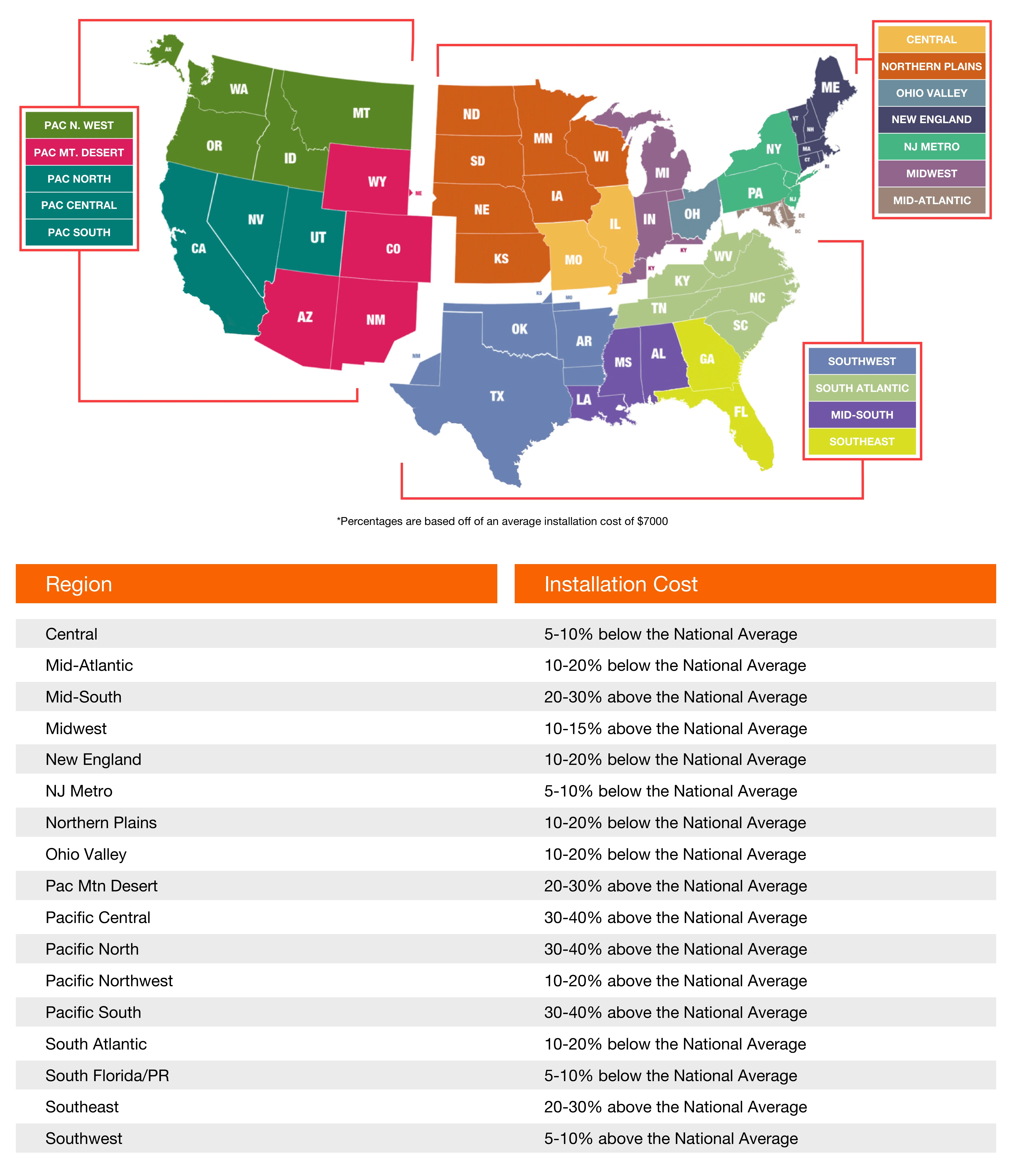
Average Installation Price By Region
Understanding Your Generator Needs
Additional Factors That Can Impact Pricing
Prep

Hard-to-reach spaces or areas that require some landscaping may also incur additional costs during installation. In most cases, these costs are not significant, and most service providers will be happy to handle basic tasks like moving outdoor furniture as part of the job for no fee.
1/5
Permits

Depending on where you live, you may need local city permits to install a standby generator on your property. Check with your local city offices to learn more about fees. Your installation provider may also be able to help you with permits and permit-related costs since they’re more familiar with the process.
2/5
Location

Where you choose to put your generator depends on a variety of factors. In general, installation is a little more expensive the further away from your fuel source and circuit panel you choose to go. For many homeowners, finding a balance between hearing the generator, placing it out of sight and lower installation costs is important.
3/5
Hook Up Options

You may also incur additional costs for upgrade of a LP tank, or for a new NG meter, if needed. While these charges are generally minimal compared to total costs, they can impact your overall natural gas generator installation cost.
4/5
Brand

Briggs & Stratton, Kohler and Generac are our most popular brands. With many options available at your fingertips, it’s worth comparing top brands to see which generator is right for your home. Not sure which brand to choose? Our professional team members can help you learn more about basic Briggs & Stratton, Kohler and Generac standby generator installation cost for your home.
5/5
Frequently Asked Questions
What is an automatic backup generator?
An automatic backup generator is a back up electrical system that operates whether you are home or away. Within seconds of an outage, it automatically supplies power directly to your home’s electrical circuit breaker box. After utility power returns, the generator shuts itself off and waits for the next outage. It operates on natural gas or liquid propane gas and sits outside just like a central air conditioning unit.
Why should I buy an automatic backup generator instead of a portable generator?
During a utility power outage, an automatic backup generator provides numerous advantages over a portable generator:
- The American Red Cross recommends permanently installed backup generators as a safer way to provide backup power to a home than a portable generator.
- With an automatic backup generator properly installed outside, your home is protected from deadly carbon monoxide poisoning that is a much greater risk with portable generators.
- Running on the home’s natural gas or LP fuel supply, it is less expensive to run than gasoline and sources such as natural gas do not need to be refilled.
- They start automatically within seconds of a power outage, and eliminate the need to haul a portable generator outside or run extension cords throughout your home.
- They provide protection 24/7, whether you’re home or away, and they turn themselves off when utility power returns, so there is no need to monitor the unit during an outage.
What type of oil should I use in my home backup generator?
An SAE rated high detergent oil that meets API Service Class SF requirements for gasoline engines, similar to your car. In general, when the temperature is over 40 degrees F, the most recommended oil is a 30-weight detergent product. When the temperature drops below 40 degrees F, you should use 10W-30. Refer to your owner’s manual for details.
What is the difference between an automatic air-cooled generator and an automatic liquid-cooled generator?
Air-cooled generators come with engines that use fans to force air across the engine for cooling
Liquid-cooled generators use enclosed radiator systems for cooling, similar to an automobile. Generally, liquid-cooled engines are used on larger kW generators due to the larger engines required for the higher power output.
Can an automatic backup generator replace utility service?
No. The generator fuel costs would be much more expensive than buying power from the utility company since their cost to produce electricity is divided among thousands of customers. Our automatic generators are produced for use as backup to utility power specifically and should not be used as primary power. Please refer to the warranty policy for additional information.
What battery do I need for my generator? Is it included?
Most portable generators do come with a rechargeable battery. However, our standby units do not. But don’t worry about where to find a battery—a standard car battery you can get at your auto parts store will be compatible.
What does a shining yellow LED light mean on the control panel of my generator?
This is a maintenance reminder light. You can reset the light by pressing the Enter key on the control panel. Service reminders include inspect battery, change oil and filter, change air filter, inspect spark plugs, and change spark plugs.
What size gas line do I need?
We recommending contacting your gas provider, or a licensed plumber, and they will be able to size the gas line for you. Gas pipe size will depend on length of run from the source and how many elbows and T’s there are.
Every home is different, and so is every installation. The placement of the generator, the amount of materials required, and the installation of the natural gas or LP fuel source all make estimating installation costs unique. A simple installation might cost about $2,000, but it can be more than that depending upon your specific situation. The best way to know for sure is to get a free in-home assessment. They will listen to your needs, assess your home, and give you a detailed quote. All at no charge, with no obligation, and no pressure.
Why Choose The Home Depot?
Here are a few reasons you should choose The Home Depot for your standby generator installation:
- Generator installation is best left to the pros for optimal safety and functionality. Let our certified installers handle the work so your new generator works flawlessly from day one.
- We install high-quality standby generators designed to keep whole homes running, not portable generators that aren’t suitable for regular use in residential spaces. Our generators are designed to keep homes running without fail.
- We only work with vetted, badged installers for your safety and security. Our team members and installers are also familiar with products, insuring a proper generator installation whether you choose a small, low-powered model or opt for one of the larger, more powerful styles on the market today.
- We offer free in-home consultations so you can learn more about your whole house generator installation cost before you begin work. Our consultants take their time to explain what’s right for you and help you find products that work perfectly. We can also answer any installation questions at the time of your consultation, so you’re armed with all of the knowledge you need to make the right choice for your home and budget.
- We have a range of flexible financing options so you can get the generator you need today and pay over time. Our financing options are among the best in the business.
- Our products and installation services come with industry-leading warranties so you can sleep soundly at night knowing your new generator is covered by The Home Depot.
Request a free consultation