How to Remove Scratches From Glass
Published September 6, 2023
While glass is quite strong, it can get scratched over time. A scratch can affect the look of a glass door, window, tabletop or other household item. Fixing a scratch can clear the surface of glass and make it seem new again.
This guide will show you how to remove scratches from glass using materials you may already have on hand.
Tip: This guide focuses on household glass, not scratches on eyeglasses. Your glasses are likely made of a type of plastic, rather than actual glass. For a scratch on your lens, your best bet is to talk to your eye doctor.
Table of Contents
Prepare the Glass
Toothpaste
Glass Polisher
Baking Soda
Metal Polish
Prepare the Glass
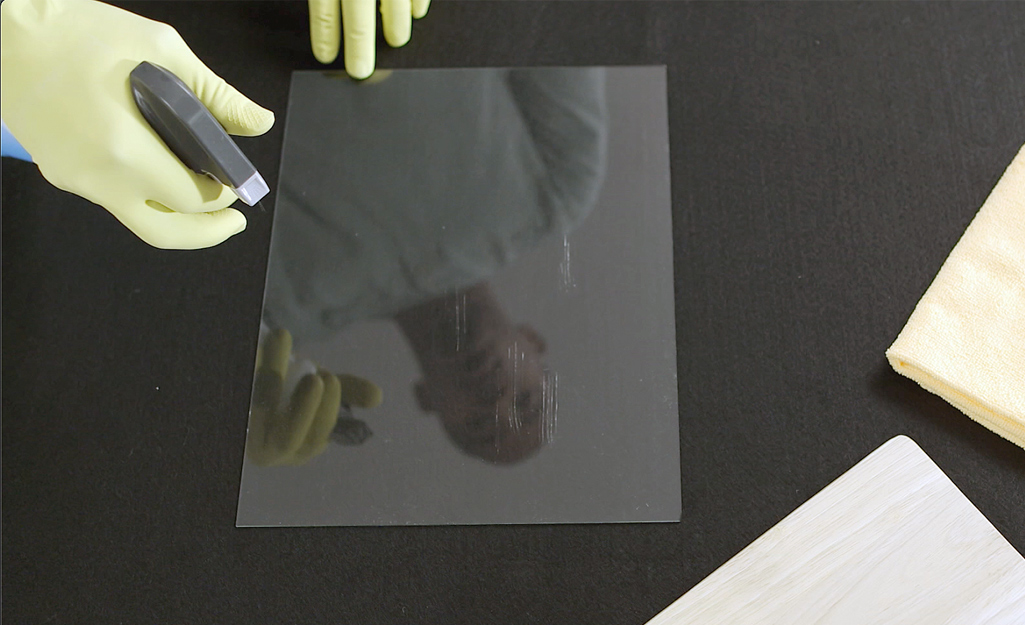
Home remedies work best on shallow scratches. For deeper damage, you may need to talk to a professional glass repair service or even replace the glass. Test the scratch you want to fix by trying to put your fingernail into it. If your nail fits, even partly, the mark is likely too bad for you to repair.
Working with glass takes a light touch. As you learn how to get rid of scratches on glass, you can practice on a piece of glass from an old picture frame.
Before you try removing scratches from glass, use a glass cleaner on its surface. Clean glass lets you see the damage better. Also, you will clear away any coarse particles that might scuff the glass even more as you work.
You have some options for exactly how to fix scratched glass. Try one of these methods.
Toothpaste
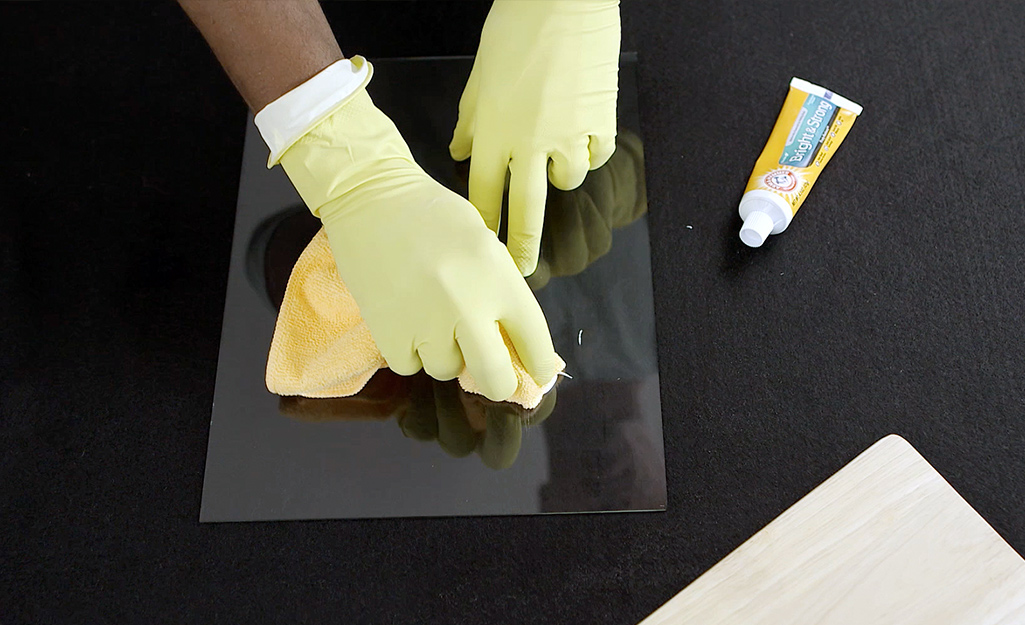
- You don’t need a toothbrush for removing scratches from glass, but a small dab of toothpaste may help. Use the non-gel white kind. One that contains baking soda would be best.
- Apply the toothpaste to a soft cleaning rag.
- Gently rub the scratched area, checking to see your progress.
- Repeat the process until the scratch can no longer be seen.
- When you’re done, wipe the extra toothpaste off the glass.
Glass Polisher
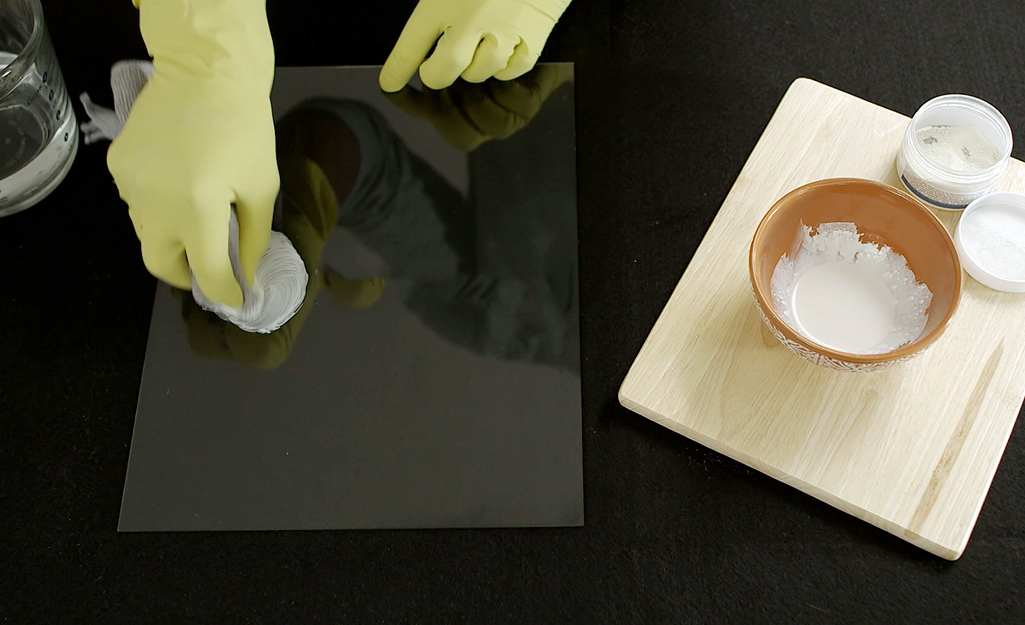
- Look for glass polisher that contains cerium oxide. It may come as a powder that needs to be mixed with water.
- You can apply glass polisher by hand with a soft cleaning rag.
- It also works well with machine polishers to remove fine scratches.
- You can try removing a scratch with a felt wheel on a rotary tool or an electric polisher.
- Place the glass polisher on the felt wheel. Run your tool on a slow speed as you polish the glass.
- If the bob or wheel dries out while you work, add more of the polisher.
- Once the scratch is gone, clean and dry the glass.
Baking Soda
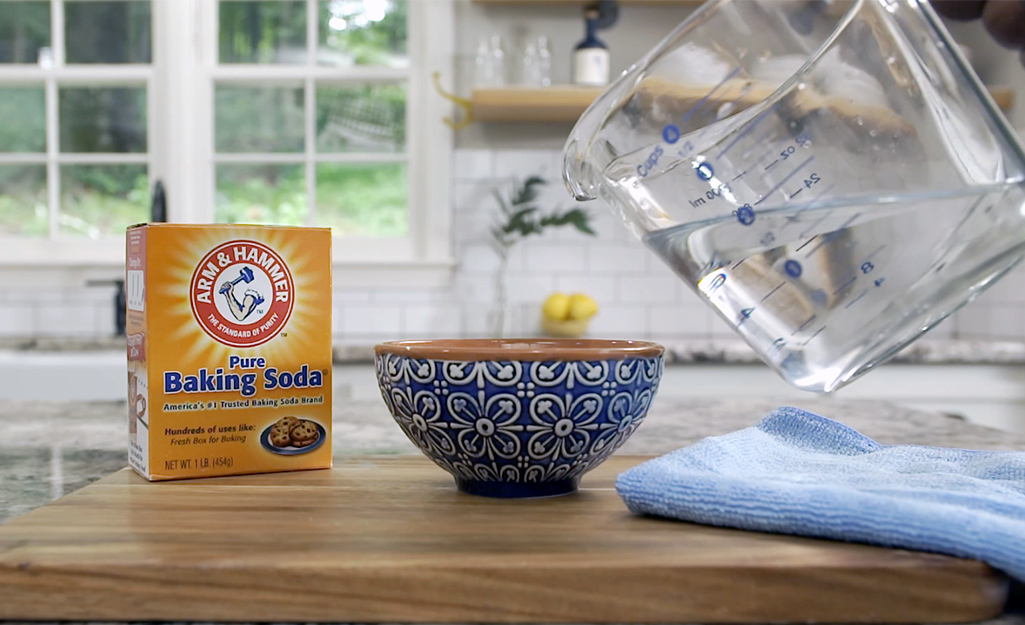
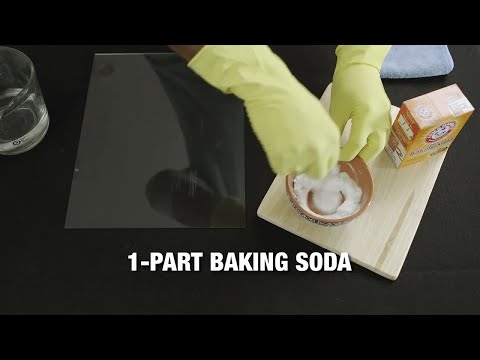
- As you learn how to remove scratches from glass, you can make your own scratch-repair paste with baking soda and water.
- Grab a bowl or other container. Mix one part baking soda and one part water together in the bowl. That means if you use two tablespoons of baking soda, you’ll add two tablespoons of water.
- Stir the mixture into a paste.
- Dip a soft cloth into the paste, using just a little of it.
- Use the cloth to apply the baking soda paste to the glass with a circular motion.
- As you work, check the scratch to see how you’re doing.
- Remove any extra paste with water when you’re done.
Metal Polish
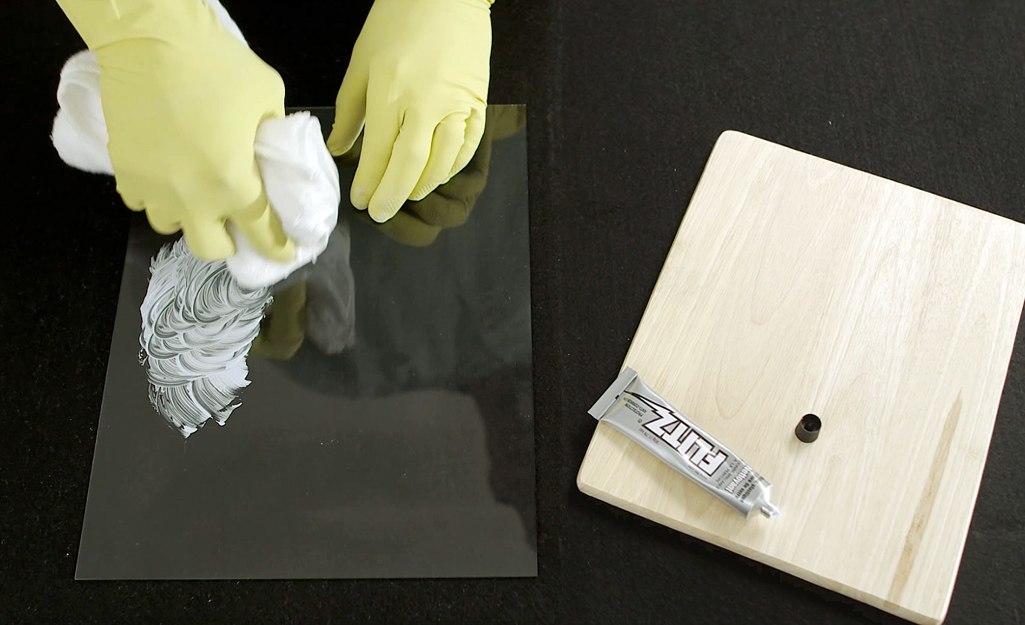
While it’s designed to make metal brighter, a metal polish can also be used to remove scratches in glass. Applying too much metal polish could damage your glass even more, though.
- Start by placing a little metal polish on a soft cloth.
Use the smallest amount possible, just a enough so that you can see it on the cloth. - Rub the scratched glass lightly.
- When you’re done, use a cloth to clean off any polish left on the glass.
Knowing how to fix scratched glass can help you renew its appearance or restore a view. Getting rid of a scratch might even keep you from having to replace an item.
Ready to get the supplies you need for removing scratches from glass? Home Depot delivers online orders when and where you need them.