Types of Ethanol Fuel Cleaning Products
Last updated September 7, 2023
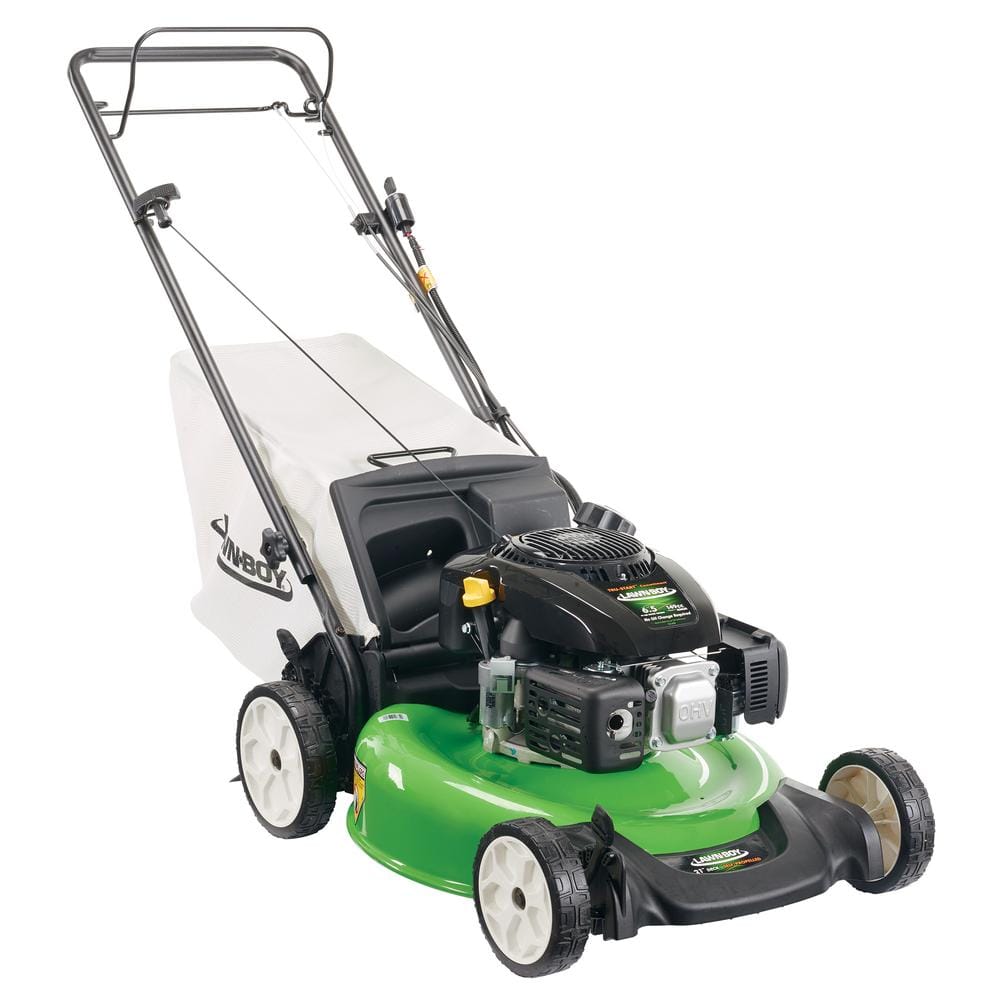
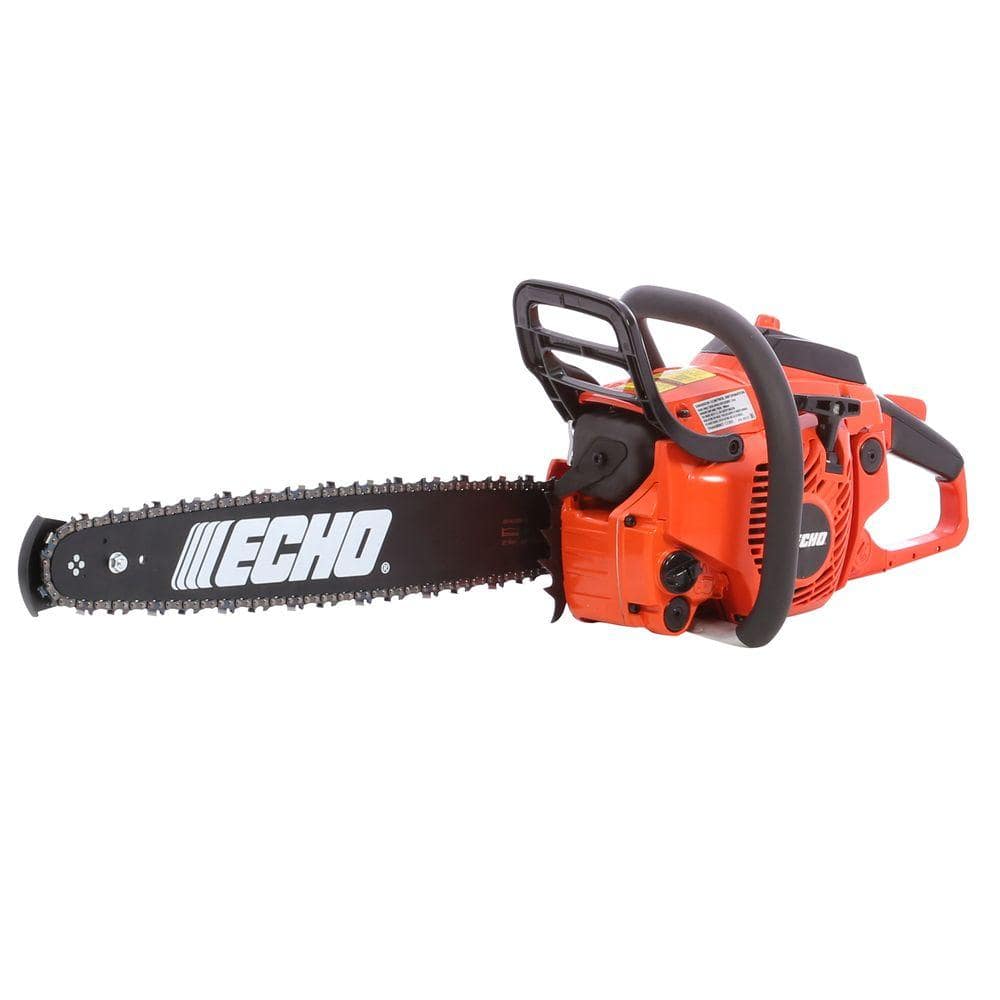
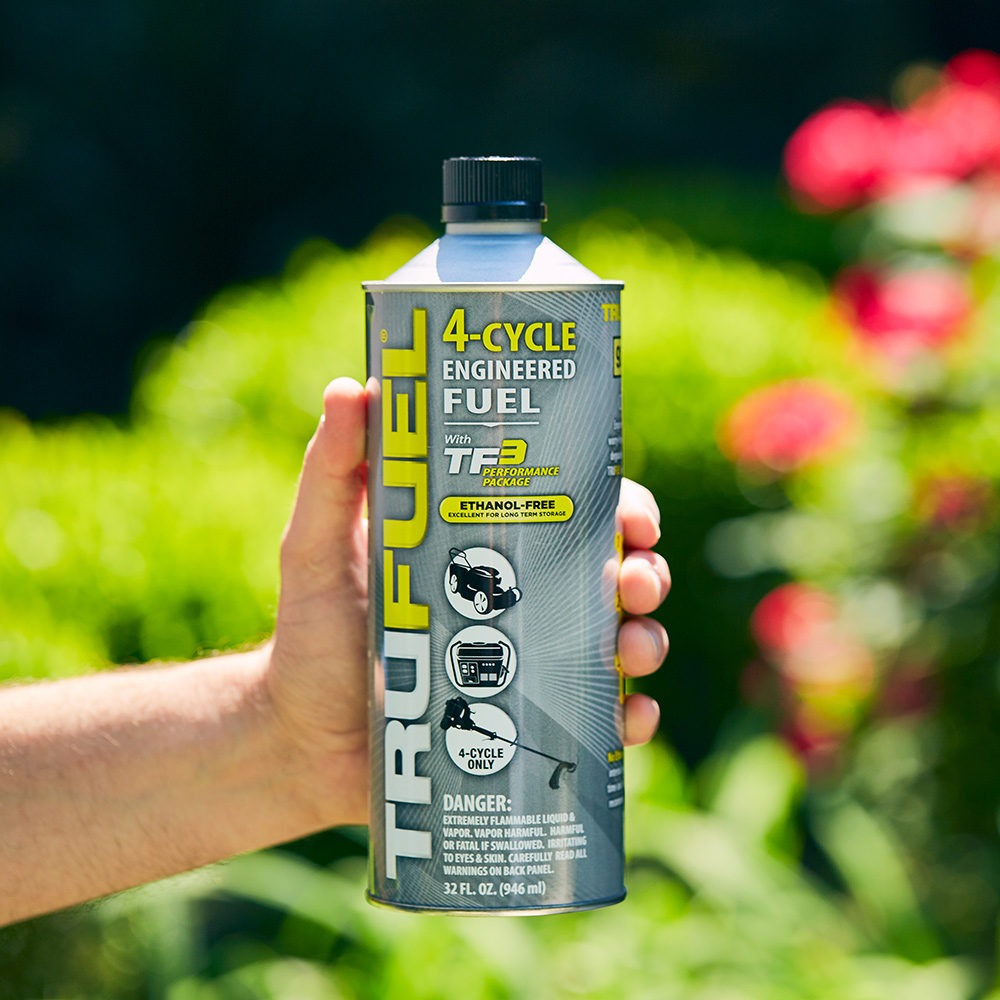
When you have a job to do, the last thing you want is trouble starting your electric string trimmer, gas chainsaw, lawn mower or other power equipment. Engines fail for many reasons, sometimes due to regular wear and tear. But often, gas that's gone bad is the culprit. Ethanol fuel cleaning products can help reduce the risk of engine problems and keep your power equipment working like new for longer.
Gasoline with ethanol added starts to go bad in as little as 30 days, but fuel additives can help. To limit the effects of ethanol, use fuel cleaning products to keep your outdoor power equipment running smoothly. This guide will help you learn the best way to clean and maintain your outdoor power equipment that runes on gasoline with ethanol.
Table of Contents
What Is Ethanol?
Why Is Ethanol Added to Gasoline?
What Does Ethanol Do to Power Equipment?
How Fast Does Ethanol-Blend Gasoline Deteriorate?
Deal with an Already-Damaged Engine
Protect Your Power Equipment from Ethanol-Blend Fuel
What Is Ethanol?
Ethanol is a colorless liquid naturally produced when plants are fermented to make beverages and food. Chemical factories also make ethanol out of ethylene. Beauty products, cleaning products and even some foods contain ethanol. Up to 98 percent of the gasoline sold in the U.S. has ethanol added:
- E10 is 90 percent gasoline and 10 percent ethanol, and it’s the most commonly used fuel.
- E85 is 51 percent to 83 percent ethanol and used in Flex Fuel vehicles. Normally, E85 gas pumps have yellow nozzles.
- E15 is 85 percent gasoline and 15 percent ethanol and can be used in automobiles released in the 2001 model year or later.
Tip: E-85 and E-15 fuels are gaining in popularity and availability for modern automobile engines. However, these new fuels can be harmful for outdoor power equipment. The EPA has not approved these new fuels for use in small engines, so it is best not to use these fuels with your outdoor power equipment.
Why Is Ethanol Added to Gasoline?
Ethanol helps make gasoline more eco-friendly. It introduces oxygen to the fuel to cut down on air pollution. Ethanol-enriched gasoline also helps to support the operations of American farmers who can sell their corn to produce the chemical.
Tip: E85 and E15 gasolines aren't approved for use in outdoor power equipment. Never use them to fuel up.
What Does Ethanol Do to Power Equipment?
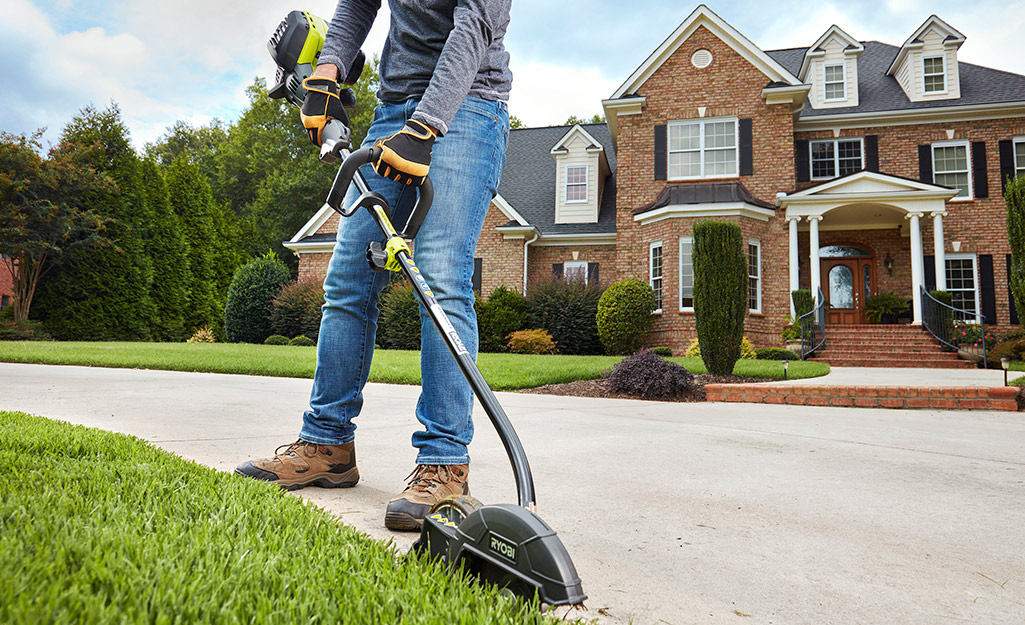
Ethanol is good for the planet—but not always for your power equipment. If you go through fuel fast, you're unlikely to encounter any problems. However, if you let ethanol-blended gasoline sit inside the engine, problems can arise. The presence of ethanol causes the gasoline to deteriorate. Gum and varnish can build up and corrode the engine.
In addition, ethanol attracts moisture, especially during the cold winter months. As it absorbs water, ethanol grows heavier and sinks to the bottom of the fuel tank. Once the ethanol separates from the gasoline, corrosion happens faster and can severely damage carburetors and fuel system components. Running separated gas through a two-cycle engine could destroy it, leading to costly repairs or the replacement of your gas string trimmer or other equipment.
How Fast Does Ethanol-Blend Gasoline Deteriorate?

Ethanol-blend fuel can begin breaking down within 30 days. Within two to three months, deterioration can become severe enough that it gums up and corrodes the engine. Cold weather and improper storage of your power equipment can speed up the process. Ethanol fuel cleaning products can protect small engines from this damage.
Most small engines have the ability to consume ethanol-blended fuel without major problems. When this blended fuel sits idle too long inside the engine, however, the formation of gum or varnish inside your fuel system causes engine corrosion.
Here’s a good illustration of this deterioration: You have two jugs of open milk containers. Place one inside your refrigerator and the other outside on your lawn in the middle of summer. The container outside will decay much faster because of exposure to the heat and elements. The milk container inside your fridge will decay, but at a slower rate.
In as little as 60 to 90 days, ethanol-blended gas will begin to gum up and corrode your engines. Ethanol also attracts water, causing the already corrosive nature of this blended fuel to become even more corrosive.
If enough water is absorbed, phase separation begins; the ethanol and water sink to the bottom of the fuel tank.
This process is magnified in the winter months because when the temperature drops below 33 degrees, ethanol cannot hold as much moisture as it can when temperatures are warm.
When phase separation happens, the mixture becomes extremely corrosive and starts to destroy the carburetors and fuel system components at a faster rate. In 2-cycle engines, phase separation will destroy the engine if this almost-pure ethanol cycles through.
Deal with an Already-Damaged Engine
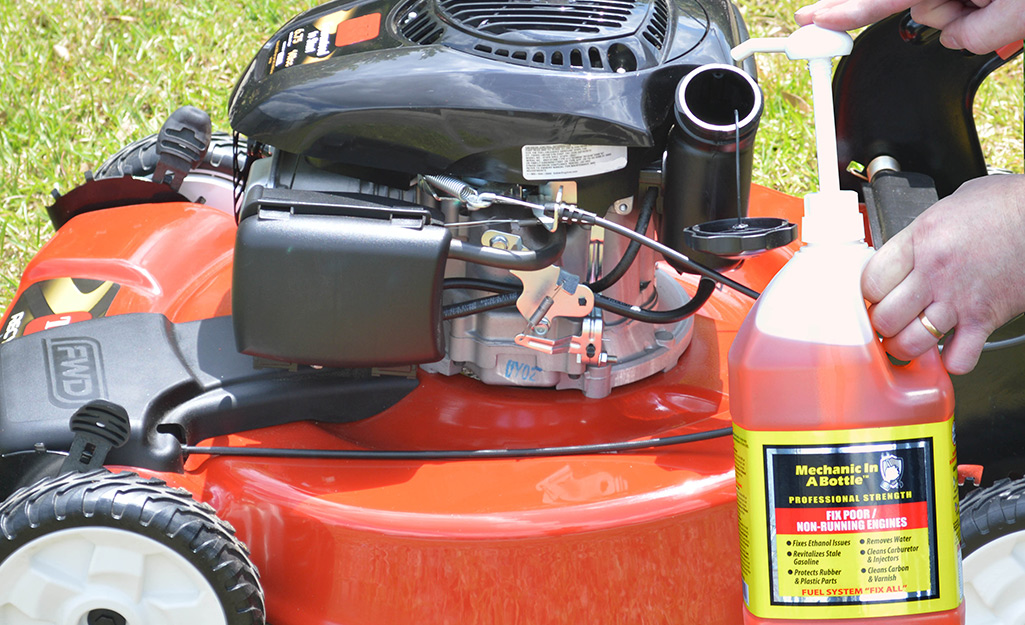
The Home Depot offers several products that combat the effects of ethanol. Some clean the engine, others act as a year-round fuel stabilizer while another option is a pre-mixed gas and oil alternative.
If an ethanol-blend fuel is affecting the performance of your engine, try Mechanic in a Bottle. This liquid additive:
- Removes water from the fuel system so it won't damage the engine when you start up your equipment.
- Gently, yet effectively, removes build-up from carburetors and fuel injectors.
- Improves the quality of gasoline.
- Restores rubber and plastic components.
- May help fix start-up problems.
- Cleans the fuel system without requiring you to take your equipment apart.
Protect Your Power Equipment from Ethanol-Blend Fuel

To avoid engine problems while enjoying the convenience of using conventional gasoline in your power equipment, try an Ethanol Shield fuel additive. When used as recommended by the manufacturer, it can:
- Fight against gasoline deterioration for up to 3 years.
- Keep ethanol from absorbing moisture to fight corrosion.
- Allow plastic and rubber parts to remain flexible.
- Protect the tank above and below the fuel line.
- Prevent the build-up of varnish and gum.
Ethanol Shield is suitable for both 2- and 4-cylinder engines.
Avoid Ethanol Altogether

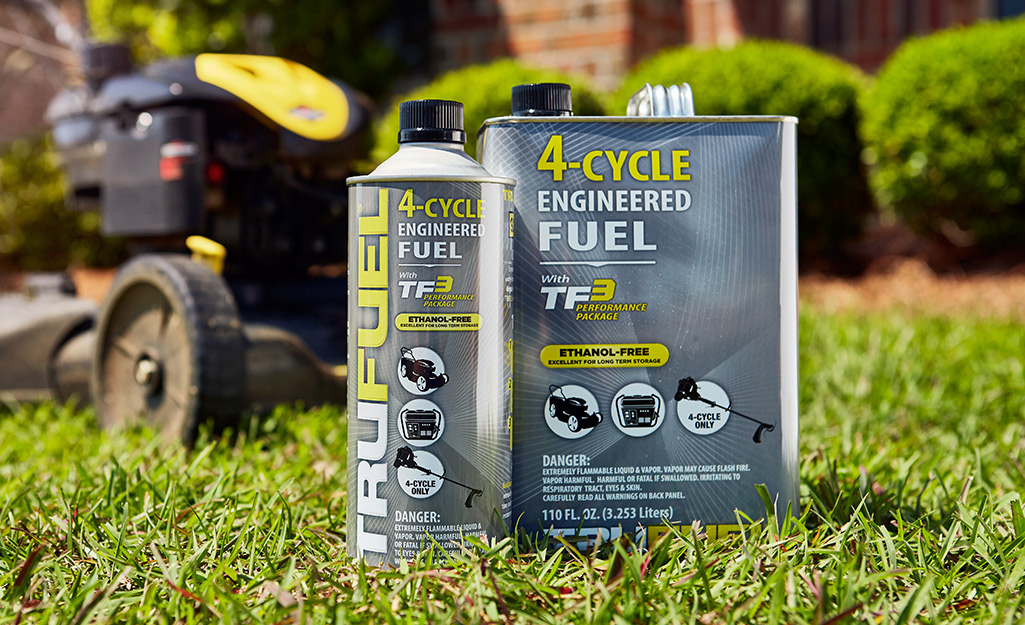
Spare your lawn mower, chainsaw and other power equipment the effects of ethanol by using an alternative pre-mixed fuel. These products come already mixed and are the equivalent of gasoline of a certain octane rating. Using a pre-mixed fuel:
- Prevents moisture build-up.
- Guards against corrosion.
- Minimizes carbon buildup in engine.
- Saves you trips to the gas station to purchase fuel.
Most pre-mixed fuels last for around five years unopened. Once you open the container, use the fuel within two years.
Tip: Some power equipment manufacturers produce pre-mixed fuel specifically for their products. Often, you can use the fuel in equipment made by other brands. Read descriptions carefully before buying to ensure you get the right solution.
Maintaining Your Power Equipment
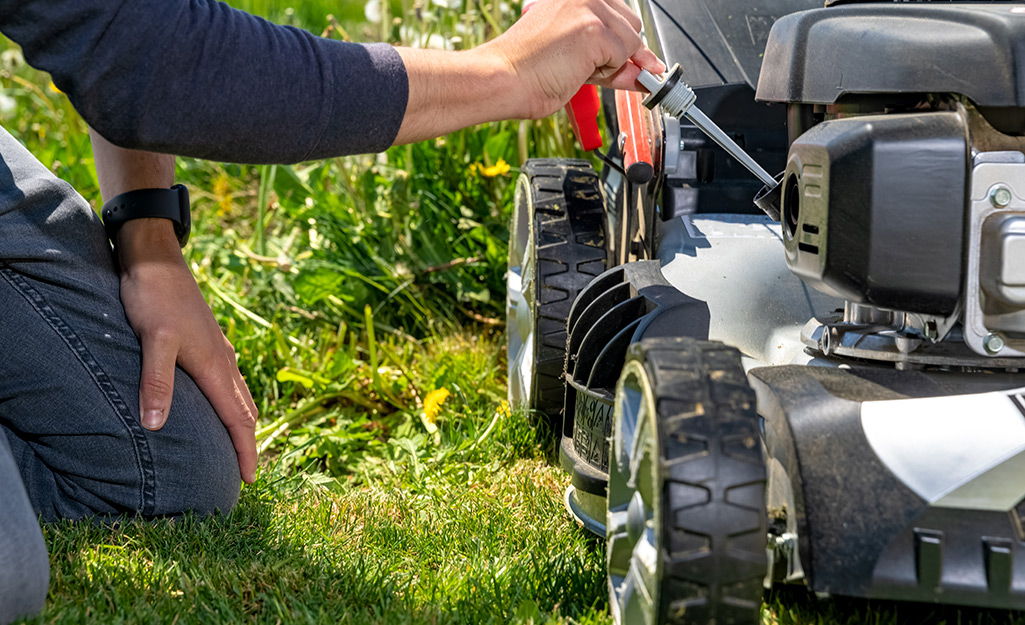
To keep your power equipment in the best possible condition:
- Change the oil as frequently as the manufacturer recommends.
- Only use the oil recommended by the manufacturer.
- Change or clean oil, gas and oil filters with every oil change.
- Have repairs made as soon as trouble arises to avoid further damage.
- Periodically inspect belts and replace them when you see signs of wear and tear.
- Replace tires when treads are worn.
- Follow the manufacturer's advice regarding spark plug replacement.
Tip: If you no longer have the manufacturer's maintenance instructions, check online for a copy. You can also contact the company's customer service department.
Getting Equipment Through the Winter
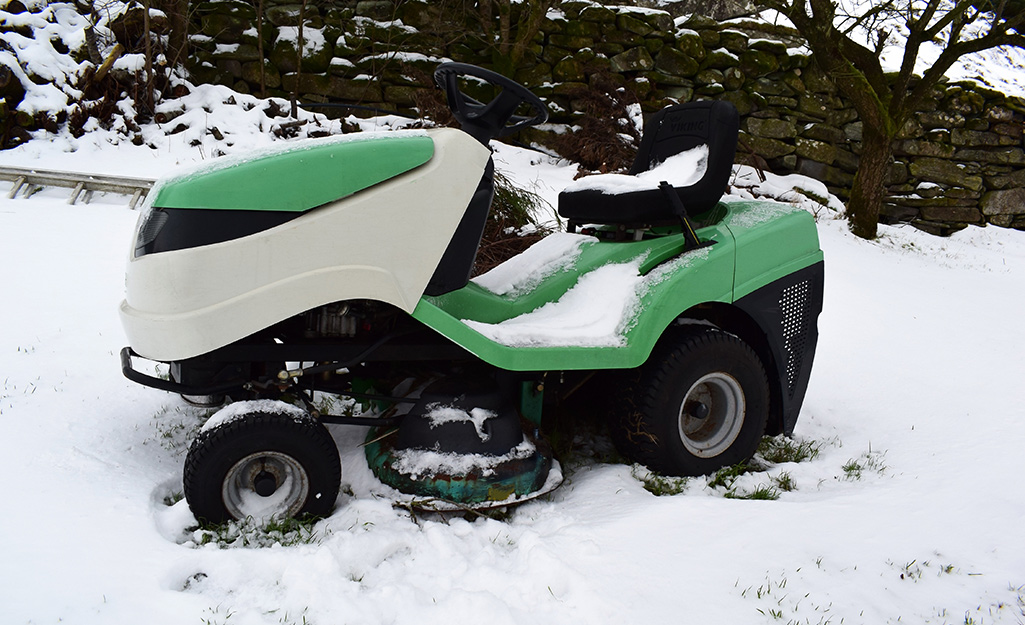
Help your power equipment get through cold weather months by winterizing through the following steps:
- Run the engine until you've used up all the gas to keep the carburetor and fuel line clean.
- Use a battery minder, a device that plugs into the wall and connects to the battery to maintain its charge.
- Wash the equipment.
- Store your power equipment out of reach of the elements.
- Slip a cover over the equipment to protect against dust and moisture.
Prepping for the New Season

As spring and summer approach, get your power equipment into shape by:
- Cleaning all filters.
- Filling the tires with air if needed. Winter may leave them underinflated.
- Sharpening blades.
- Inspecting belts.
- Wiping off any dust that accumulated during the off-season.
Storage Tips
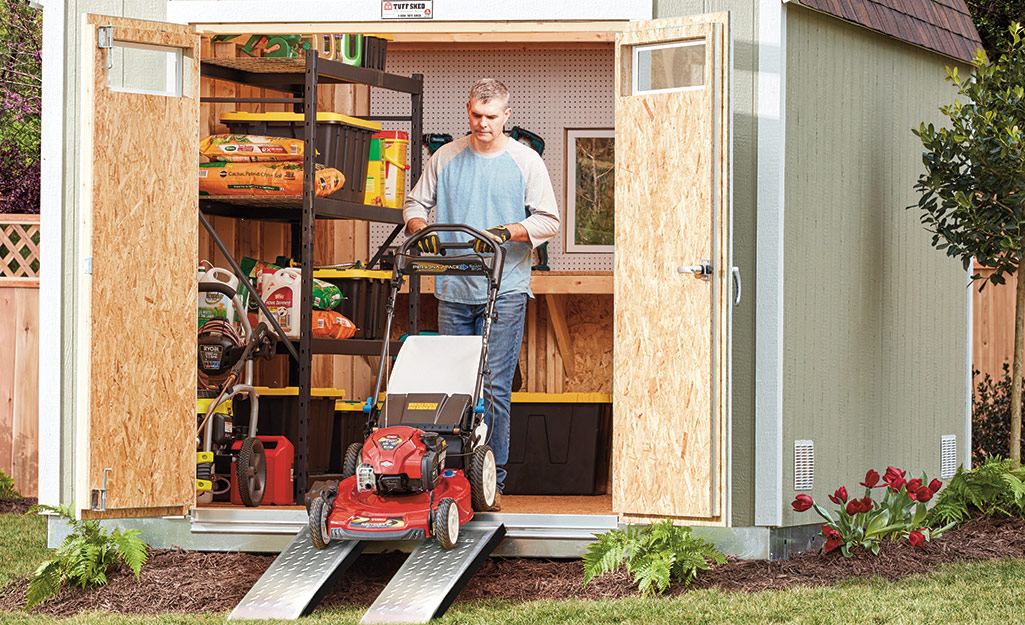
In addition to proper maintenance of fuel, you must take care of the rest of your outdoor power equipment before storing it to ensure it runs smoothly year after year.
- Run your outdoor power equipment until the gasoline runs out to ensure a clean carburetor and fuel line for the next growing season.
- Always change the oil per the manufacturer’s instructions for best lubrication.
- When changing the oil, also change or clean the oil, gas and air filters.
- Place a battery minder on the battery over winter. The minder plugs into a wall outlet and hooks to the battery to maintain the charge.
- Inspect the belts and replace as needed if they appear worn or torn.
- Sharpen the blades on your lawnmower before the next growing season.
- Check the tires to make sure they have good tread levels and keep them properly inflated.
- Replace or clean the spark plugs per manufacturer’s instructions.
- Wash and clean equipment before storing over winter.
- Make timely repairs to ensure good performance.
Up to 80 percent of engine repairs start with bad gasoline. Most forms of gasoline sold at gas stations contain up to 10 percent ethanol, which contains a higher amount of oxygen that naturally decays gasoline. Taking steps to protect small engines from the effects of ethanol can help your power equipment stand the test of time. When you combine fuel additives with proper maintenance, storage and start-of-season prepping, you can get the most out of your lawn mower, chainsaw, electric string trimmer and other equipment. Find all of the types of ethanol fuel cleaning products online or use The Home Depot Mobile App.