Best Shrubs for Your Garden
Last updated September 7, 2023
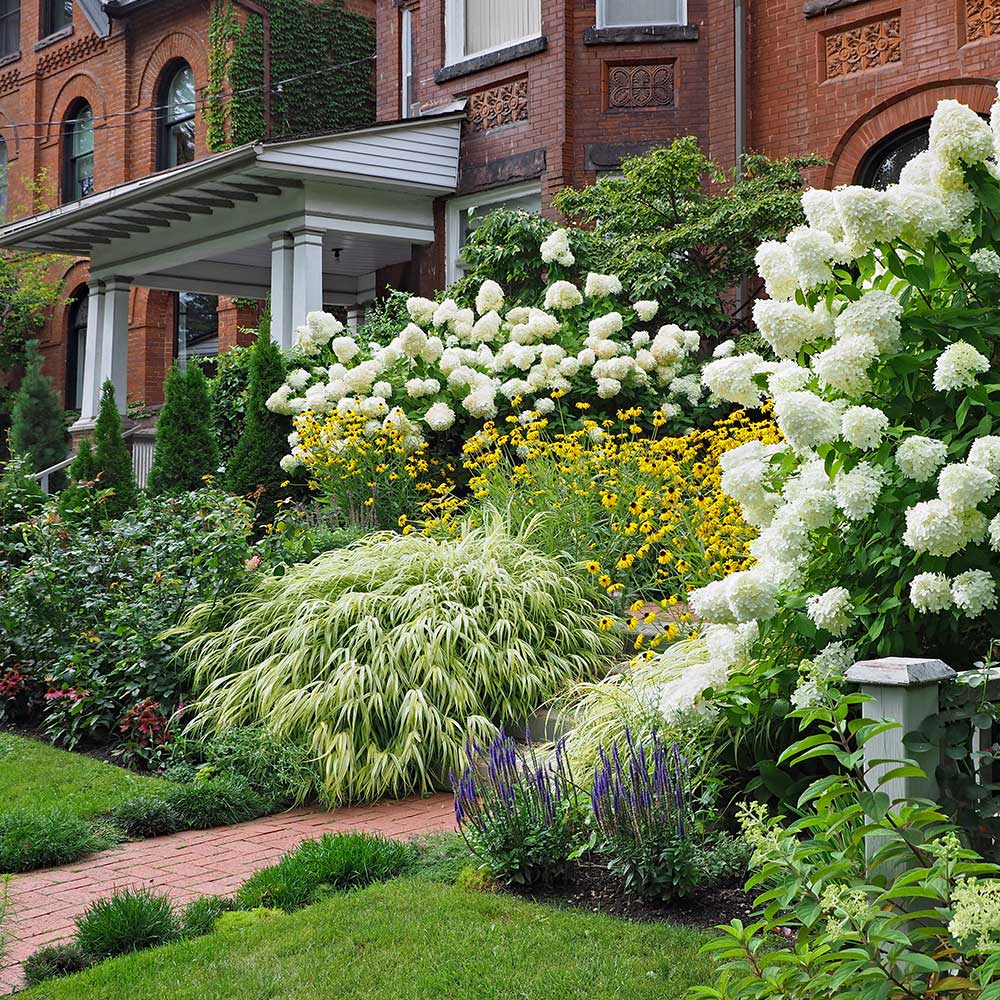
Shrubs are the foundation of a beautiful landscape. Well-placed shrubs frame your house and define your garden beds. Shrubs bring colorful foliage, flowers and berries to your landscape.
If you have a bare landscape to work with, plan for shrubs to anchor your designs. In older landscapes, planting new shrubs freshens up a tired garden.
Both “shrub” and “bush” describe woody plants that grow from a single stem. Shrubs are taller than perennials and shorter than trees. (Some shrubs like crepe myrtles are often used like trees in the landscape.)
In this guide, you’ll learn about varieties of shrubs to plant in your garden.
Table of Contents
Tips for Selecting Shrubs for Your Garden
Abelia
Azalea
Beautyberry (Callicarpa)
Camellia
Crepe Myrtle
Tips for Selecting Shrubs for Your Garden
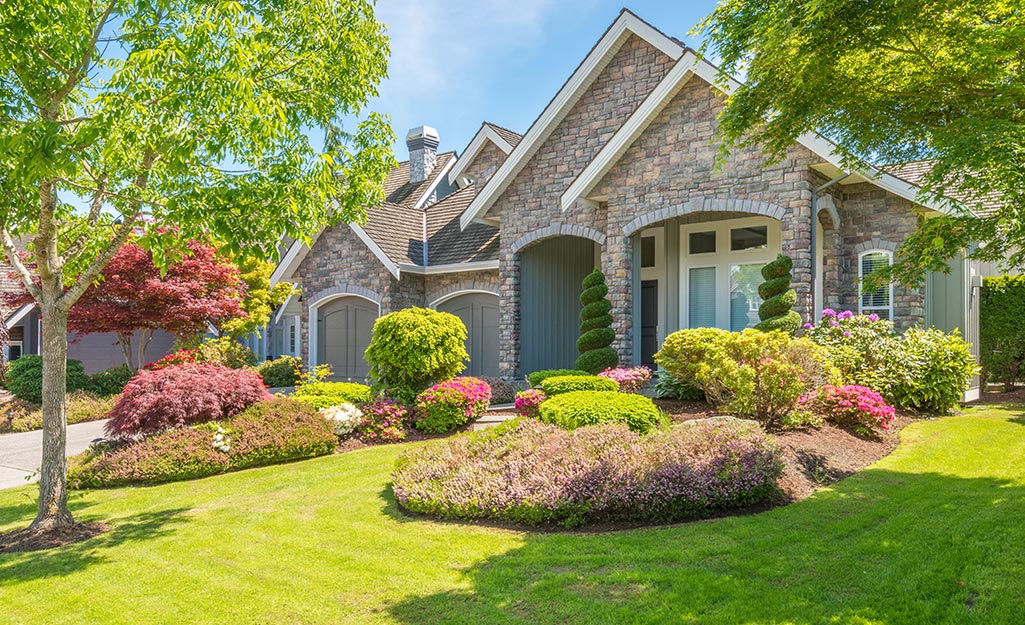
The first step to selecting shrubs is to know your garden’s site and light. Check the hardiness zone map to determine your area's zone.
In the Garden Center, choose compact shrubs with healthy foliage and color. It’s okay to gently pull them out of their pots and check root growth. Circling roots indicate the plants have been in the pots too long. Pot-bound shrubs need extra attention when planting.
You’ll want to know your garden’s soil and light before you shop. Most shrubs like well-draining soil.
When it comes to light requirements, remember these terms:
- Full sun is six or more hours of sunlight a day.
- Partial sun is four to six hours of sunlight.
- Partial shade is two to four hours of sunlight.
- Full shade means no direct sun or less than two hours of sunlight a day.
More Tips for Selecting Shrubs:
- Sketch a simple plan of your house and landscape. Include existing trees and shrubs, along with garden beds.
- Choose trees and shrubs suited for your area and sun exposure. Example: some trees and shrubs like full sun and others prefer partial shade.
- Look for the light in your landscape. Which direction does your home face? East means early morning sun and shade in the afternoon. The north side is coldest, so choose only the hardiest plants for that location. South and west are the hottest.
- Plan well for watering. Do you have an irrigation system? Soaker hoses are efficient in planting beds.
- Check plant tags for mature size, sun exposure and cold hardiness before buying. Allow enough space for mature growth. Don’t plant trees close to power lines or other trees. Be aware of underground pipes, your home’s foundation and walkways.
- Small shrubs, like roses, make great container plants. These are ideal for patios or balconies.
Abelia
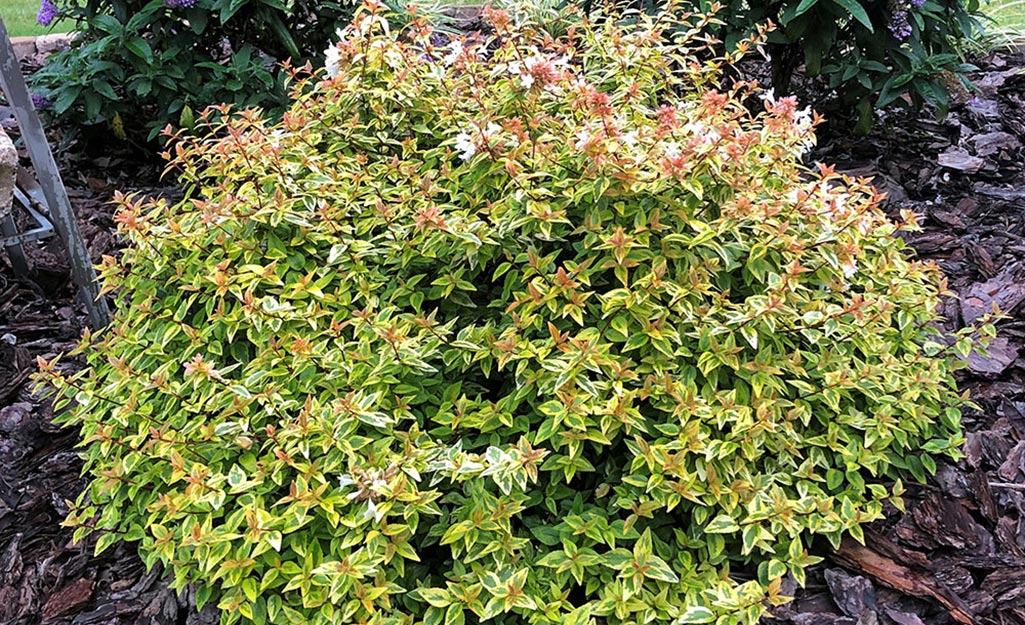
Abelia is a small shrub with pollinator appeal. Bees and butterflies love its sweet white flowers in summer. New varieties feature colorful foliage, turning from golden yellow in spring to red-orange in fall.
Plant abelia in full sun to part shade in hardiness zones 6 to 9.
Azalea
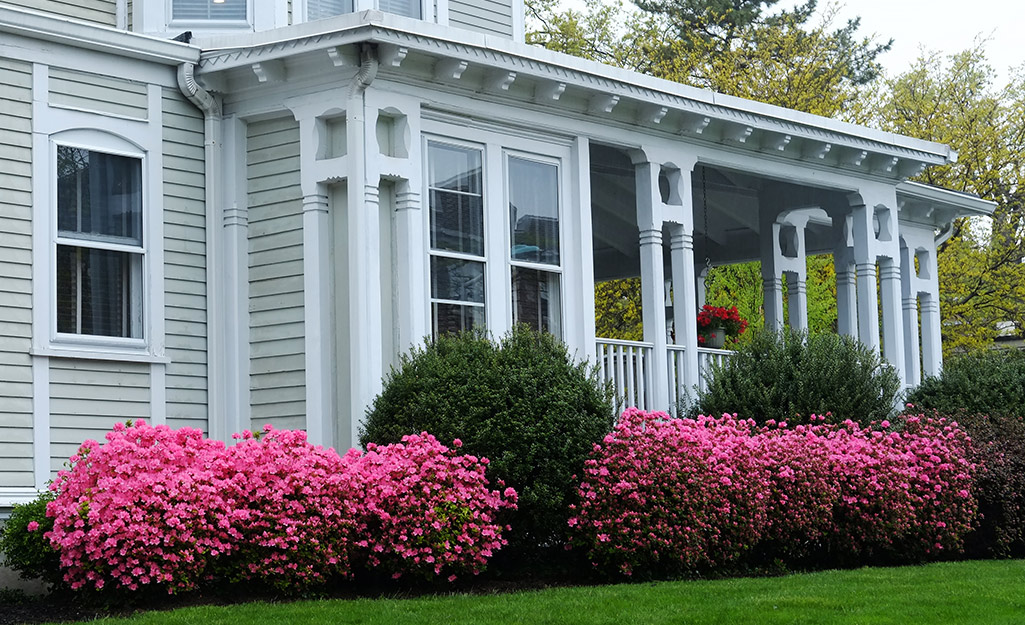
Azaleas are known for abundant flowers in spring and evergreen foliage. Re-blooming varieties like Encore send out a second flush of blooms in late summer.
Perennial azaleas thrive in hardiness zones 6 to 9. There are varieties that will survive to zone 4. In the Garden Center, check labels to discover azaleas suited to your climate. Plant azaleas in full sun for the best blooms.
Azaleas tolerate partial shade. In fact, protection from late afternoon sun will help them through hot, dry summers.
Azaleas like acidic soil, with a pH around 5.0 to 5.5. Before planting, test and amend your soil to ensure success with azaleas. Add organic compost, leaf litter, finely ground pine bark or soil conditioner to improve drainage.
Beautyberry (Callicarpa)
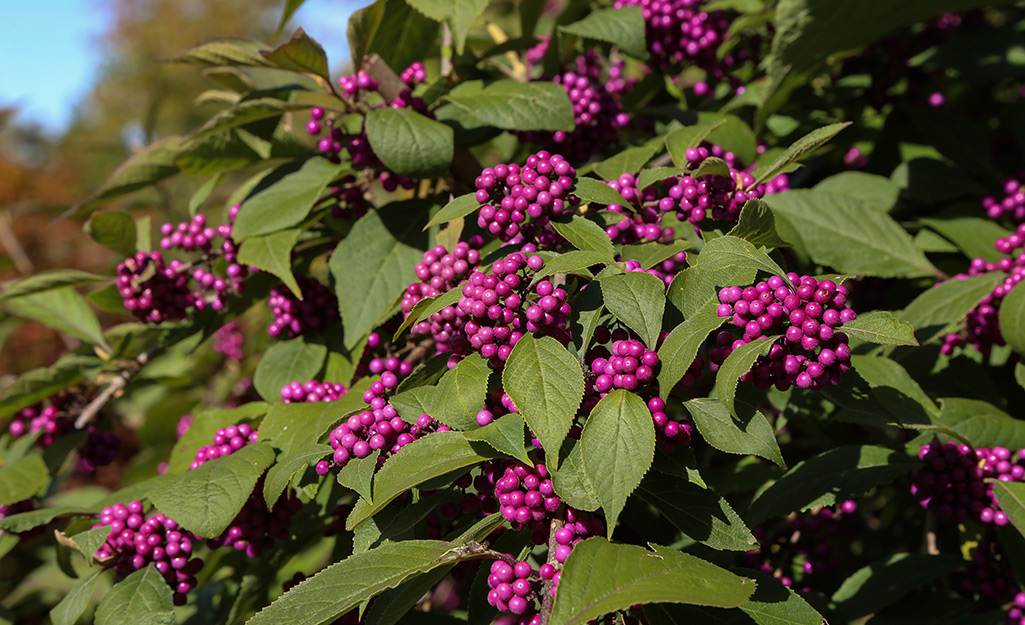
Beautyberry comes into the garden just when you need it. This stealthy late bloomer leafs out in early spring, followed by small, bright flowers. By late summer, you’ll find bright purple, pink or white berries on the graceful arching stems. Before the first frost in fall, beautyberry foliage blazes in autumn colors.
Butterflies and birds appreciate beautyberry. It’s an easy-growing centerpiece shrub for pollinator gardens.
Plant beautyberry in zone 7 to 11 gardens in full sun. Pay attention to mature size on the plant label. This fast-growing shrub reseeds and can be invasive in some areas. You can select native American beautyberry plants that are not invasive.
Camellia
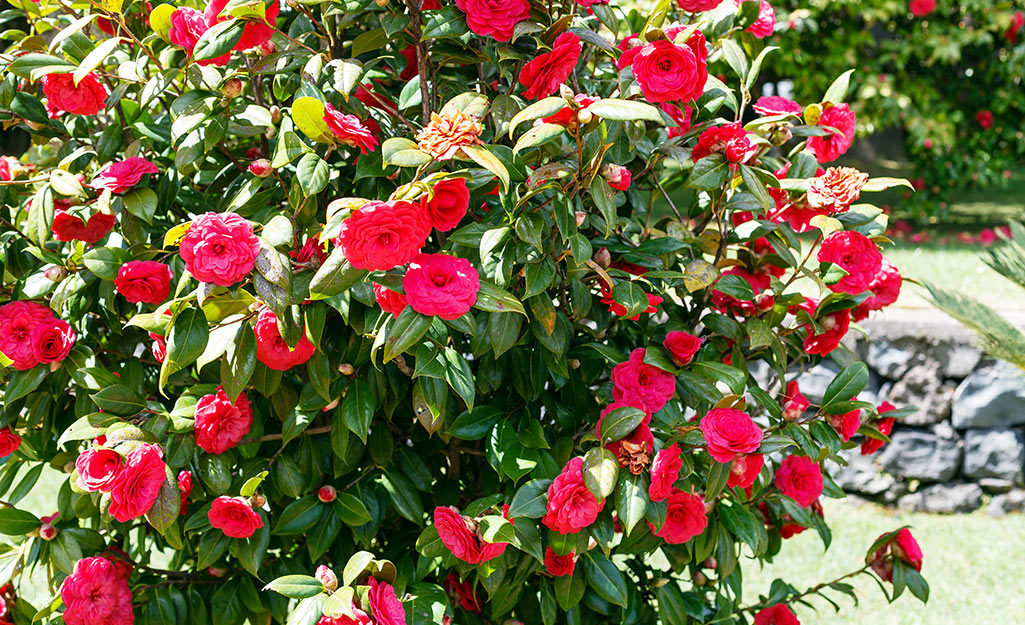
Camellias are like roses – once you start growing them, you want more of them. The evergreen shrubs have glossy, leathery leaves and stunning, fist-sized blooms in shades of white, pink and red.
Camellia sasanquas bloom from fall to midwinter. Camellia japonicas thrive in zones 7 to 9. Hardier varieties may survive colder winters when protected from cold and wind.
Camellias prefer well-draining, slightly acidic soil. When planting, amend native soil with organic compost. Finish with a layer of mulch to protect the roots. Water frequently the first few years, especially during extreme heat. Camellias are long-lived, drought tolerant plants when established.
Crepe Myrtle
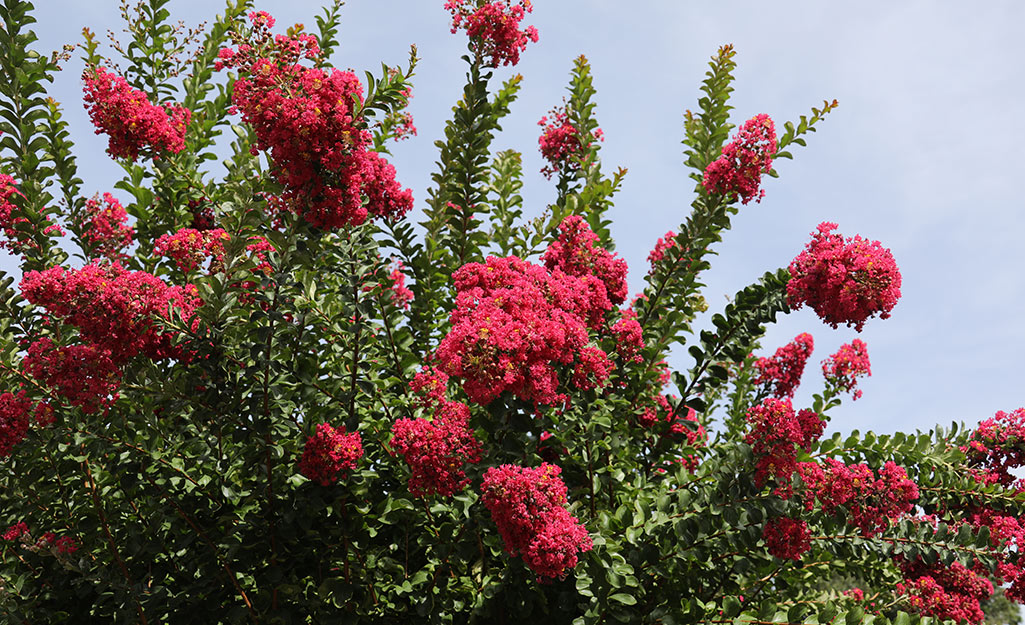
Crepe myrtles are colorful, sun-loving woody shrubs grown as small trees. In the right spot, crepe myrtles make a nice warm-weather privacy screen.
Crepe myrtle shrubs are hardy in zones 7 to 10. The foliage can be green to almost black. It blooms in white, pink, red and purple.
Drought-tolerant crepe myrtles grow best in full sun. Give them plenty of water in their first year to help establish roots.
Dipladenia
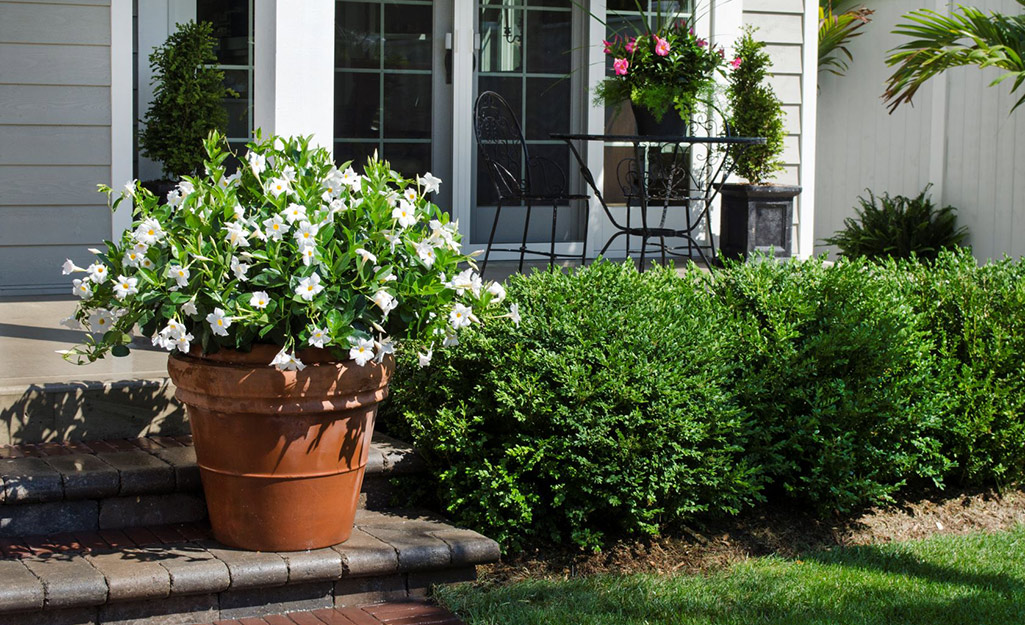
Dipladenia is related to mandevilla, a tropical evergreen vine with lush, vibrant blooms. In warm zones, it's grown in the landscape as a small shrub. Outside of zones 10 and 11, treat dipladenia like a precious annual.
Dipladenia is ideal for container gardens. Try pairing it with cordyline, creeping Jenny and small colorful annuals like calibrachoa.
Dipladenia has a wooden stem and a tidy growth habit. It can handle extreme heat as well as dry spells and bounce back. Plant in full sun. In cooler zones, try bringing it inside in winter. Treat it like a houseplant until warm weather returns.
Distylium
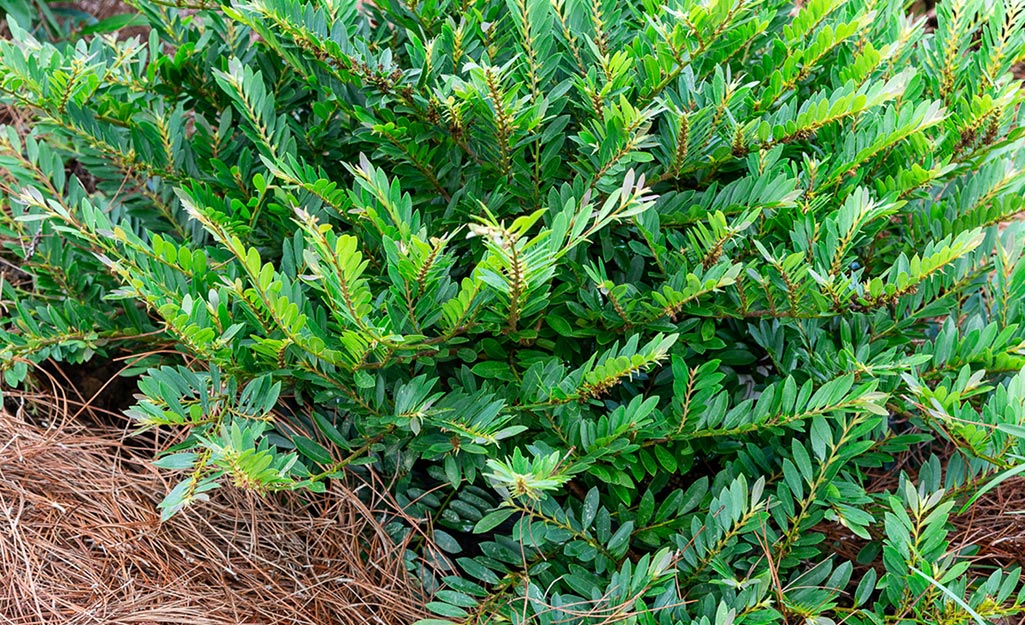
In Southern gardens, distylium is a problem-solving evergreen shrub. Plant distylium in place of shrubs like boxwood and hollies that are susceptible to diseases.
Distylium’s glossy dark leaves and tidy shape make it a full sun favorite. Like boxwood, it's popular for mass plantings. In the Garden Center, look for low-growing dwarf varieties that need very little pruning. When distylium needs a trim, prune before the first flush of growth in early spring.
Edgeworthia
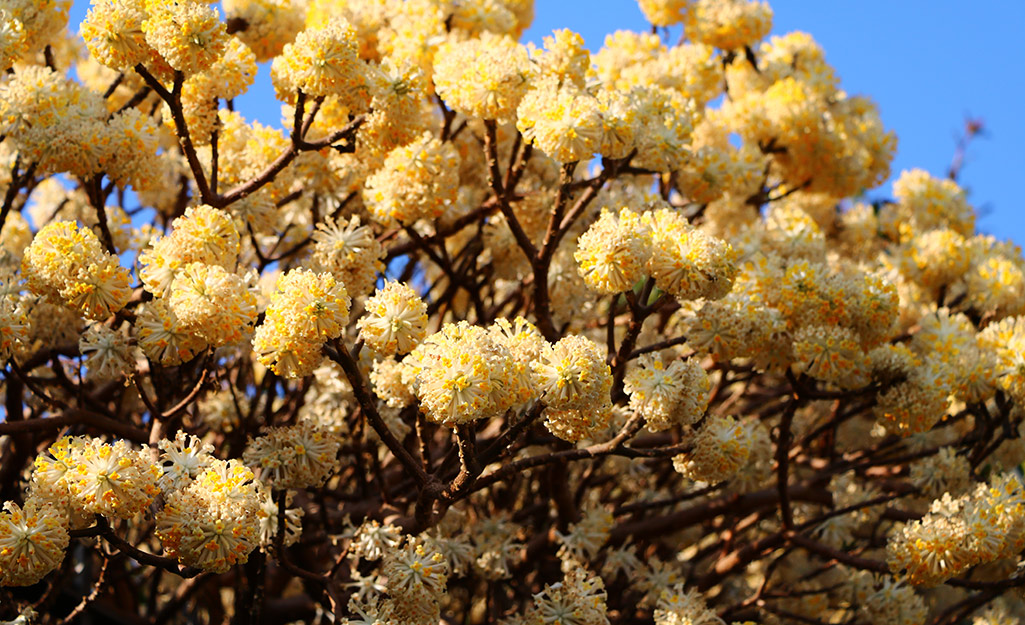
Often called paperbush, edgeworthia shrub makes a statement in late fall and through winter. Its silvery flower buds emerge, bringing bright yellow blooms and fragrance into a chilly landscape.
Edgeworthia thrives in zones 7 to 10. Its foliage is an understated blue-green through spring and summer.
Plant edgeworthia in a part sun site, along a wooded edge, for example. In the Garden Center, check mature size of the plant. Mature edgeworthia shrubs grow up to 7 feet high. Plant paperbush in the back of a border or as a specimen plant.
Forsythia
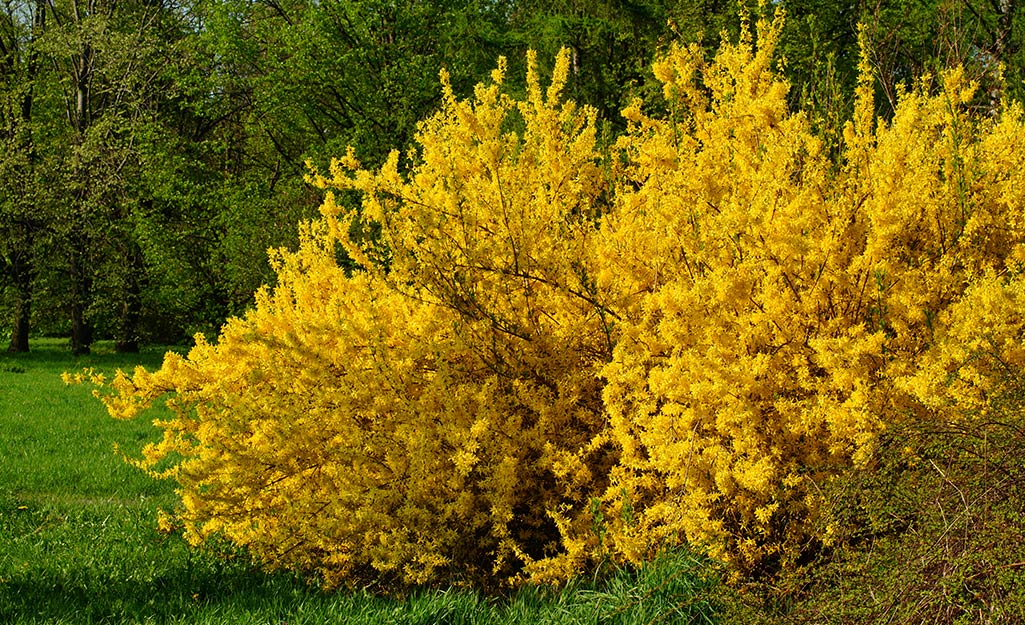
Forsythia is a beacon of spring in the last days of winter. It’s known for bright yellow flowers that cover arching branches.
Forsythia has a wide range, from zones 5 to 8, and can tolerate most soils. In the Garden Center, look for improved varieties with a tidy growth habit. Consider a mass planting of forsythia for a blaze of sunshine yellow flowers.
Tip: You can force forsythia buds to open on cut branches. Select branches filled with buds and trim with an angled cut at the base. Fill a vase with warm water. Remove the flowers below the water level. Give the branch a fresh, angled cut at the base. Experts advise using a hammer to lightly smash the base of the stem. Place stems in water, place in indirect light away from heat sources. Lightly mist the buds until the blooms open.
Gardenia
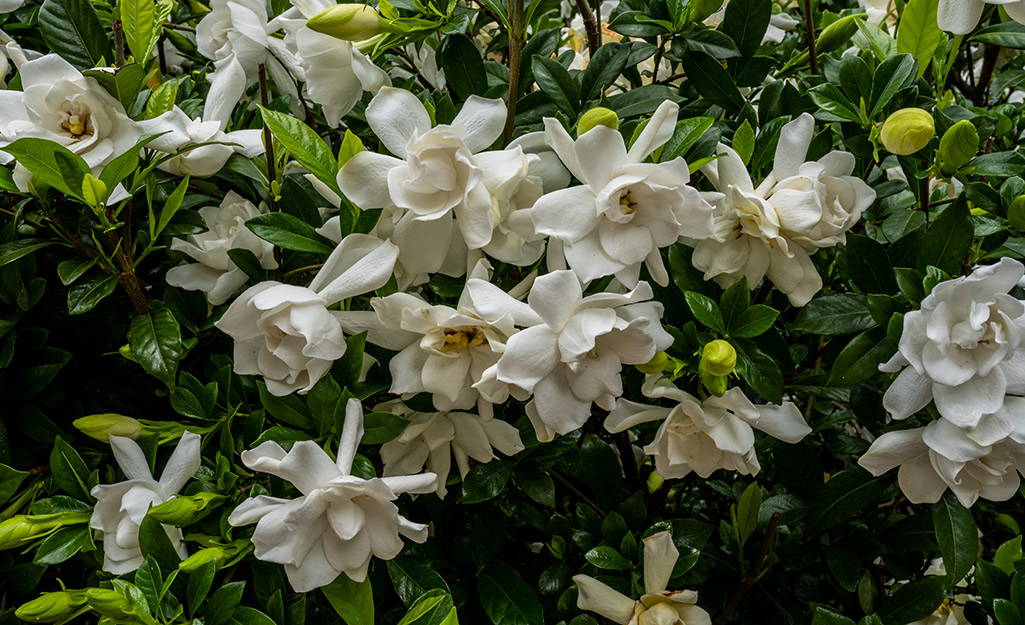
Gardenia’s creamy soft blooms scent your garden with perfume in spring. Evergreen foliage and a pleasing shape make it a must for Southern gardens.
Most gardenia shrubs are hardy in zones 7 to 10. Zone 7 gardeners will want to plant in full sun for the most blooms. In warmer zones, plant in a protected area. Ideal light is morning sun and afternoon shade.
Gardenia shrubs prefer slightly acidic soil. Amend your soil with organic compost when planting, and top dress in spring and fall. Use a slow-release fertilizer to nourish the plant throughout the year.
Hardy Hibiscus (Rose of Sharon)
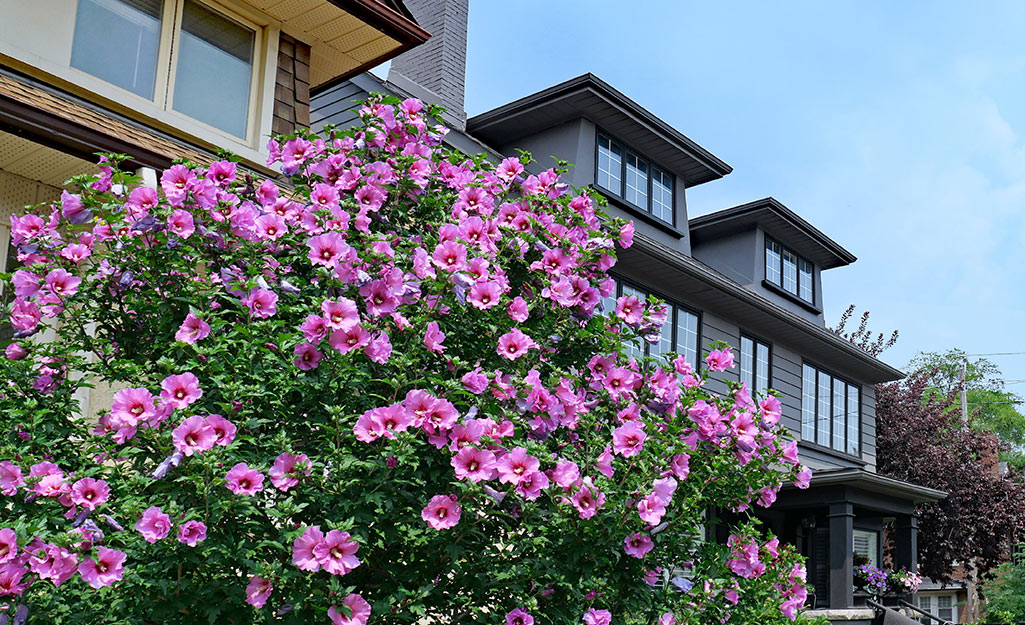
Known by the old-fashioned names Rose of Sharon or rose mallow, hardy hibiscus plants are tough shrubs with gorgeous blooms. They’re hardy in zones 5 to 9.
Zone 4 gardeners can plant hardy hibiscus, too. They'll need to treat it like an annual and plant it in containers.
Pollinators like bees, butterflies and hummingbirds love perennial hibiscus blooms.
In your garden, be sure to keep hardy hibiscus watered. It can dry out in extreme heat. The plants break dormancy a little later than others in spring, but are reliable bloomers year after year.
Keep hardy hibiscus blooming with a dose of slow release fertilizer in early spring.
Holly
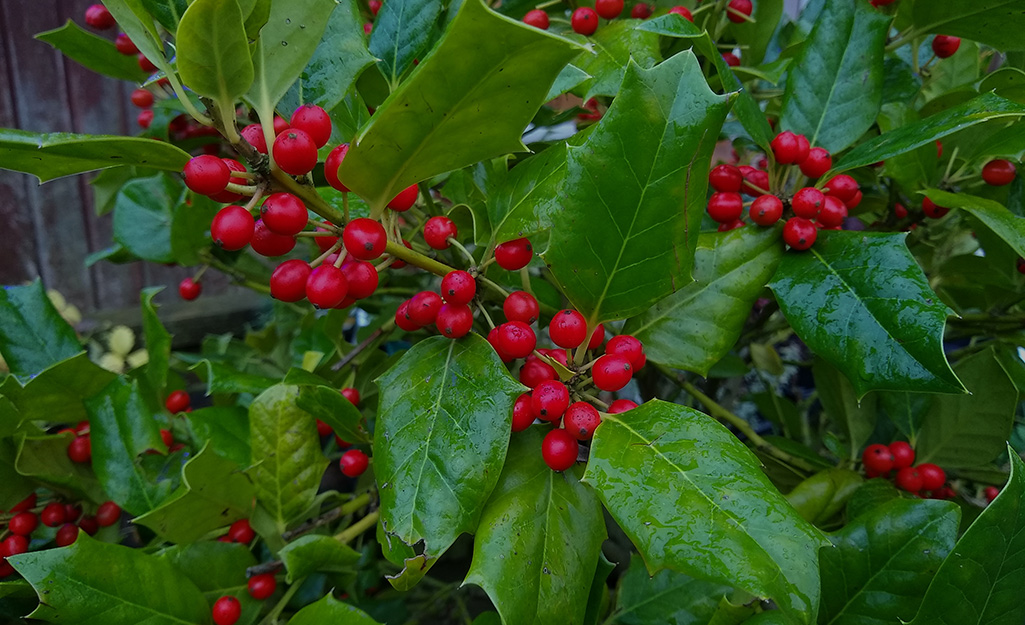
Hollies are classic evergreen landscape shrubs with year-round appeal. They sport evergreen foliage, fragrant spring flowers and bright berries in winter. Hollies grow best in zones 6 to 9.
Plant hollies in full sun, but they tolerate part shade. Check mature size on the plant tag before planting near a foundation. Some hollies can become very large. They make excellent evergreen privacy screens on the edge of properties.
Prune hollies in early spring or late summer to keep shapely. Rejuvenate old, overgrown hollies by cutting them back by half and thinning out the main branches.
Hydrangea
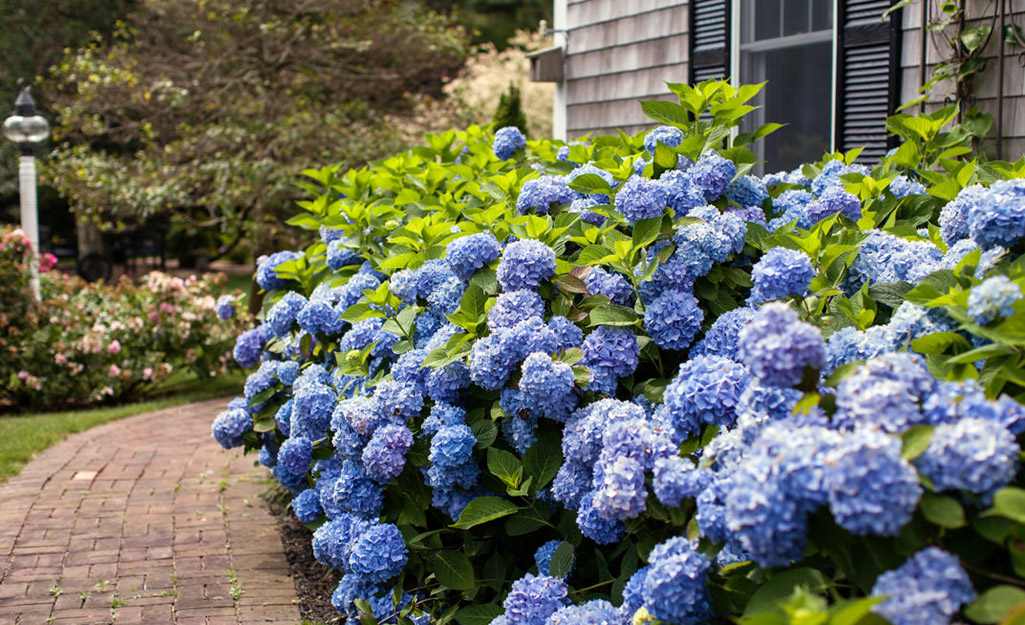
Grow hydrangeas for a garden that explodes with color. These carefree perennial shrubs bring pops of pink, blue, lavender and snowy white to your summer garden. Hydrangeas fade beautifully into fall, with some varieties changing from creamy white into dusty pink.
Hydrangeas may look delicate, but they’re tough plants. These woody perennial shrubs thrive in zones 3 to 7.
In the Garden Center, look for these types of hydrangeas:
- Mopheads bloom in summer with fluffy blue or pink flowers. They’re also known as Hydrangea macrophylla. This category includes re-blooming varieties like “Endless Summer.”
- Smooth hydrangeas (Hydrangea arborescens) flower in early summer in shades of pink and white. “Annabelle” is a popular smooth hydrangea variety.
- Oakleaf hydrangea (Hydrangea quercifolia) features plumes of creamy white or pink blooms and lobed leaves. Oakleaf hydrangea is a native hydrangea and grows best on the edge of woodlands.
- Panicle hydrangeas love heat and full sun. Varieties like “Quick Fire” and “Vanilla Strawberry” bloom creamy white in summer and turn pink as the seasons change.
Ixora
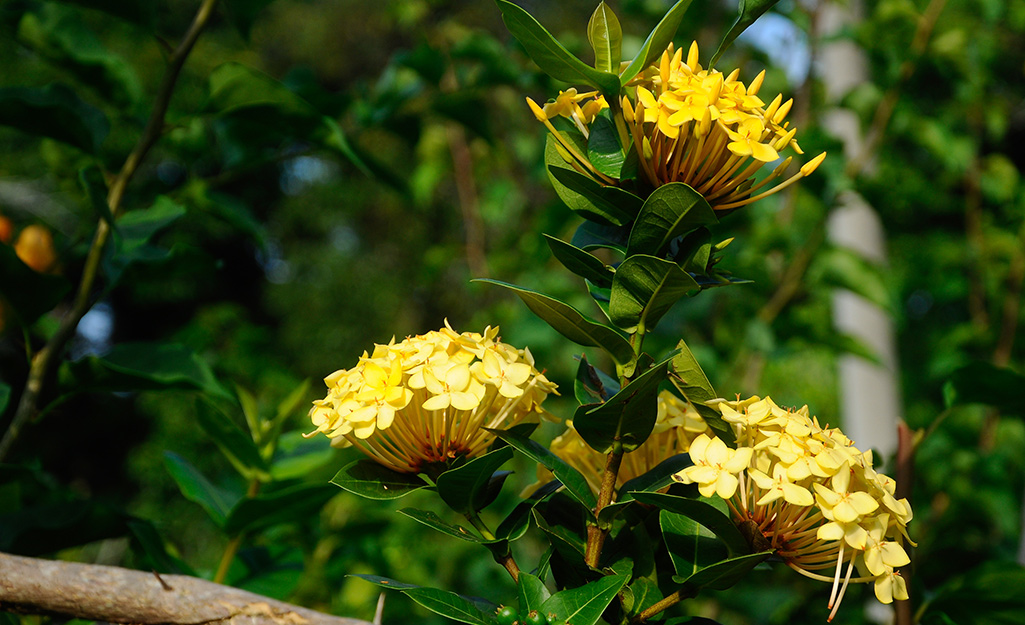
Florida gardeners appreciate ixora's long-lasting blooms and glossy green foliage. Ixora is often used as a hedge, like boxwood. Outside of zones 9 and 10, gardeners can treat ixora like an annual by growing it in a container.
Ixora's coral colored flowers earned it the name Flame of the Woods. In the Garden Center, you can find white and yellow varieties, too. Plant ixora in full sun for abundant flowers. It’s often pruned, but frequent pruning will reduce flower production.
Lilac
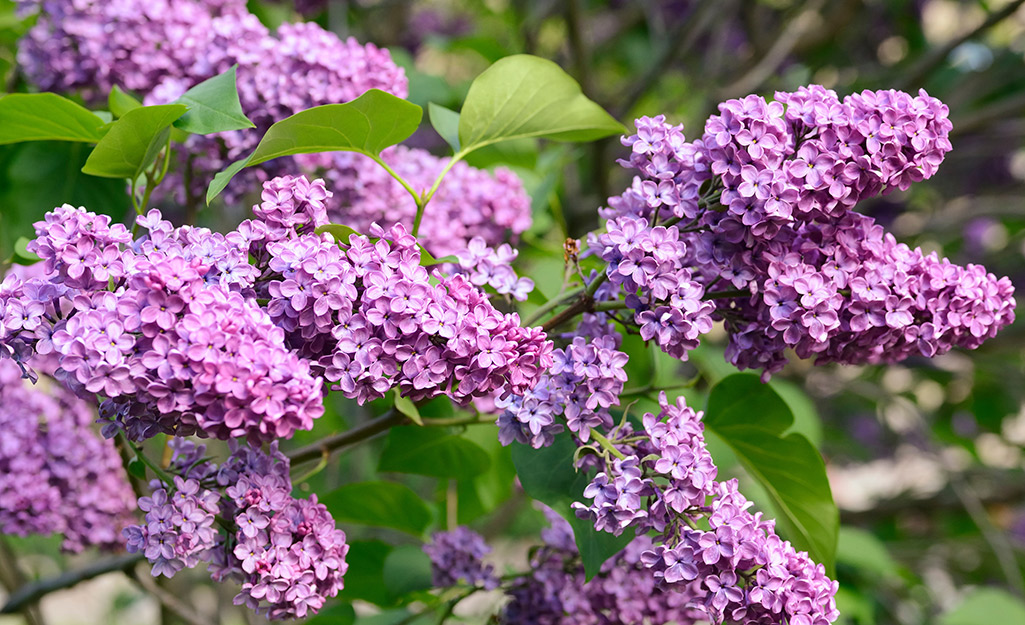
Purple lilac flowers appear when forsythia fades in late winter. The blooms are beautiful, but it’s their scent that makes lilacs so loved. These easy-to-grow shrubs are perfect as a focal point in a garden. Lilacs make an excellent privacy hedge.
Plant lilacs in full sun in colder zones and part shade in hotter climates. Most lilacs bloom best in USDA hardiness zones 3 to 7, the regions with winter chill. Prune mature lilacs at the end of their season, as soon as flowers fade.
Loropetalum
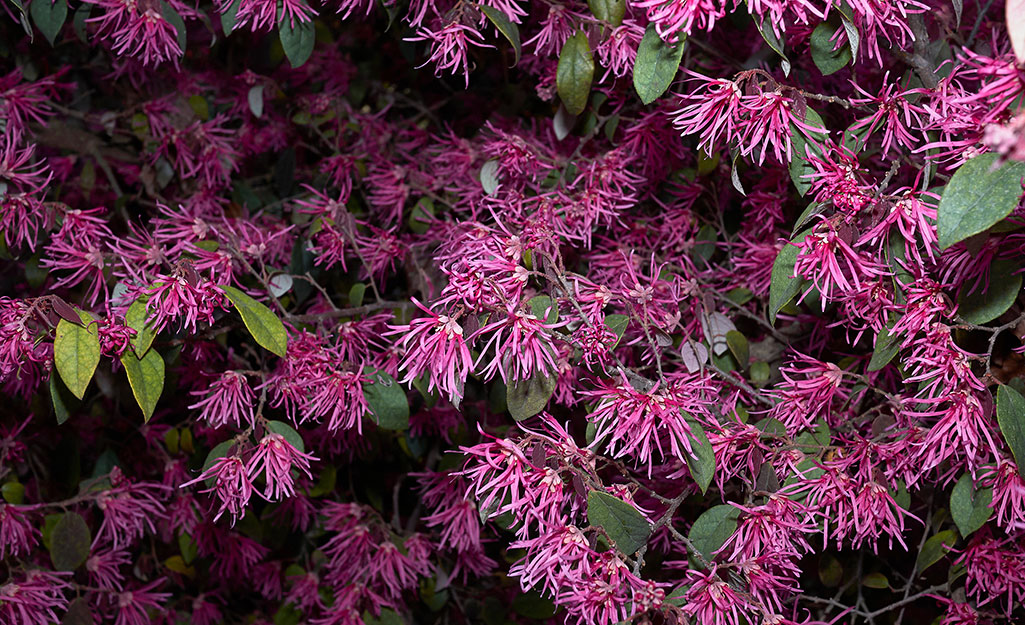
Also known as Chinese fringe flower, versatile loropetalum thrives in part shade settings. The flowers are a treat, but the evergreen foliage in shades of green and burgundy is the real star.
Some varieties can grow up to 15 feet tall. For this reason, pay attention to mature size on plant tags. Plant larger fringe flower varieties in mass plantings or privacy hedges.
Small space gardeners plant compact varieties in containers for balconies and porches. Loropetalum grows best in zones 7 to 9. Plant in well-draining soil in full sun. Prune after it blooms; summer and fall are best to trim it back.
Mountain Laurel
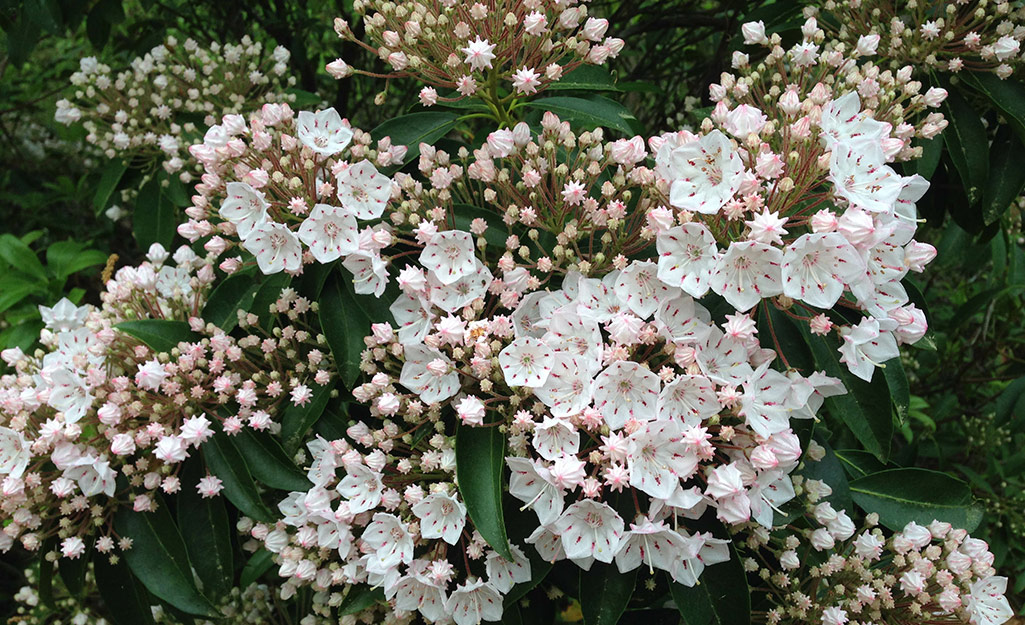
Mountain laurel is a native shrub that grows alongside rhododendrons and azaleas in the mountains. Like rhododendrons and azaleas, mountain laurel is an evergreen that prefers well-draining, slightly acidic soil.
Mountain laurel’s pink and white flowers bloom in late spring. When planting mountain laurel, amend your soil with rich organic compost. Finish with a thick layer of mulch (about 4 inches). Mountain laurel grows in hardiness zones 5 to 9. This shrub likes deep shade to partial shade sites.
Ninebark
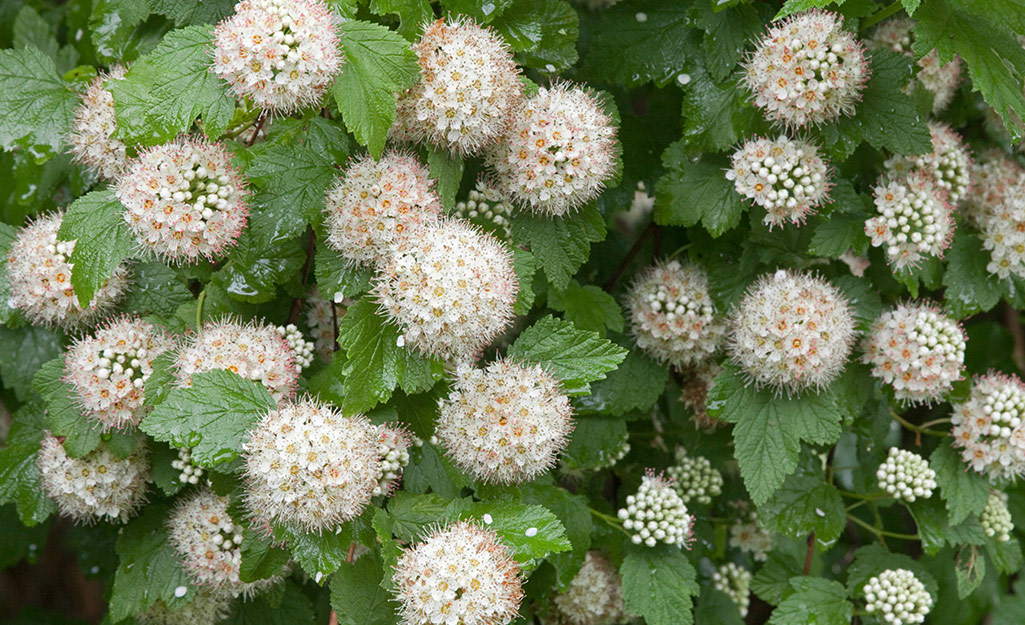
Gardeners in northern states rely on ninebark to fill in the landscape. Ninebark is favored for attractive dark foliage and small clusters of pink and white flowers. This tough plant thrives in zones 7 to 9 and prefers full sun.
Ninebark is a hardy deciduous shrub that can grow to up to 7 feet tall and 6 feet wide. ‘Fireside’ ninebark emerges reddish green, matures to red-deep purple and holds its color all summer long. Pinkish-white flowers bloom in spring.
Pieris Japonica (Japanese Andromeda)
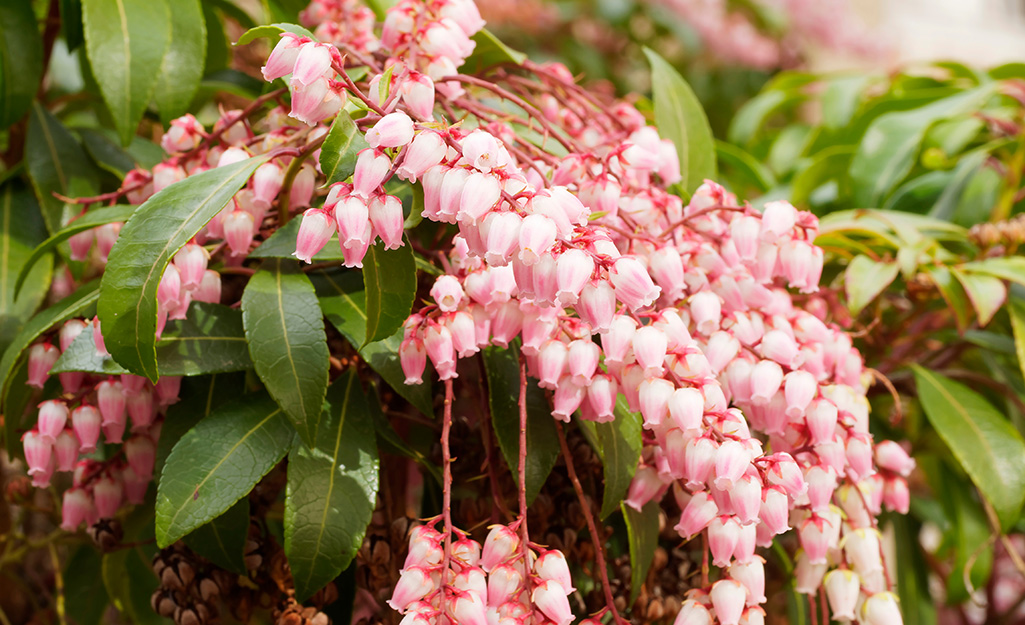
Pieris japonica shrubs offer evergreen foliage and drips of bell-shaped white flowers in spring. Plant pieris in a filtered sun setting. It's also a fine choice for a deep shade site.
Pieris shrub likes the same soil conditions as azaleas. Plant in slightly acidic, well-draining soil and layer with mulch to help retain moisture.
Water pieris frequently in its first year. Once established, it’s a low-maintenance plant. Like most shrubs, it will appreciate a dose of slow-release organic fertilizer in spring.
Pieris is winter hardy in zones 4 to 8.
Potentilla
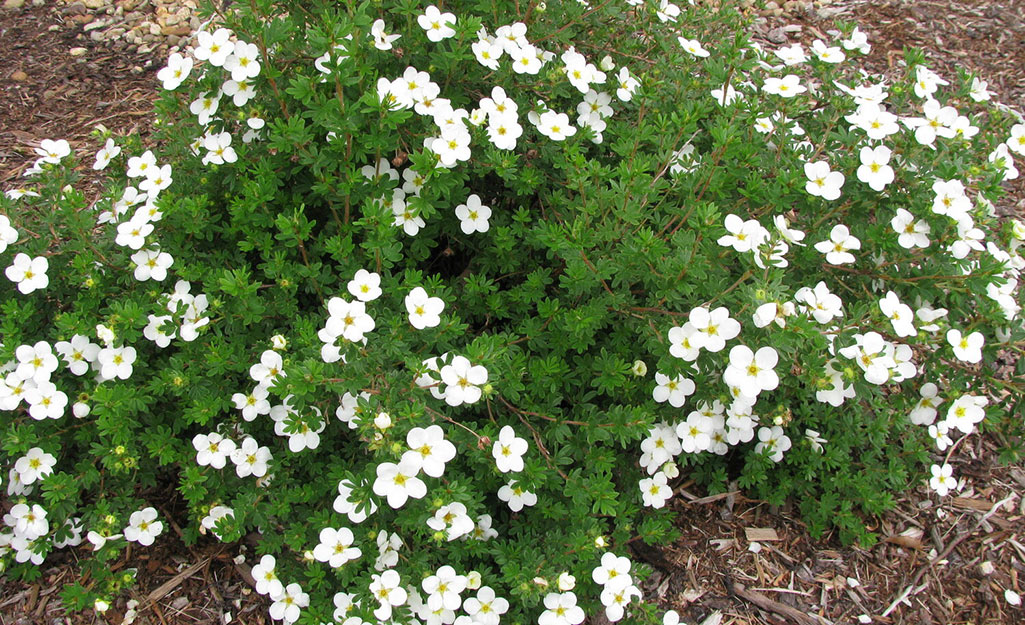
Potentilla is a tidy, compact shrub that sends out bright orange or yellow blooms, spring to fall. It’s low-maintenance, deer-resistant and a pollinator favorite.
Plant potentilla in full sun in hardiness zones 3 to 8. Potentilla needs frequent watering until established.
Its compact size is perfect for containers. Plant a trio of potentilla plants in a large container for your summer patio.
Flowering Quince
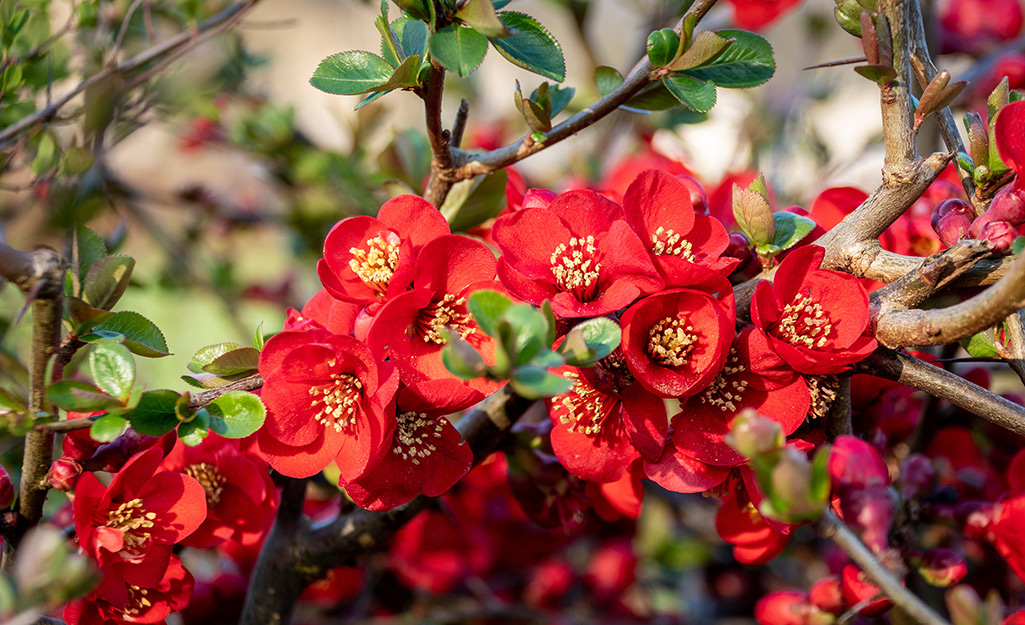
Quince blooms about the same time as forsythia and the colorful flowers will cause you to do a double-take. New scarlet and coral varieties, as well as double blooms, are ample reason to plant quince.
Plant flowering quince in full sun to partial shade. It’s drought-tolerant once established. Grow in zones 5 to 9.
Rhododendron
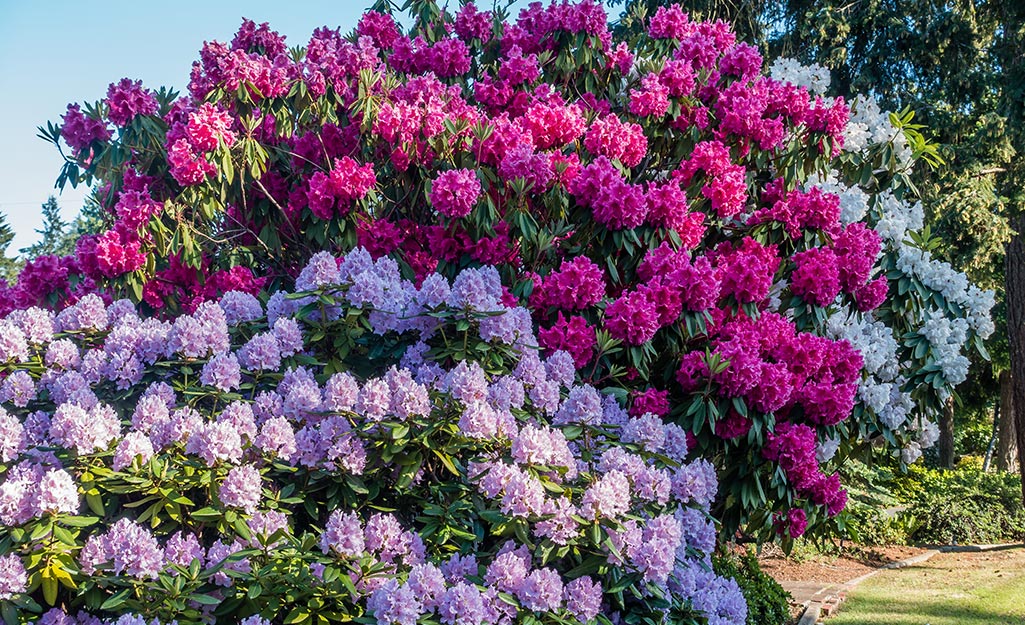
Rhododendrons are azaleas’ sassy big sister.
They’re both evergreen shrubs with eye-catching blooms. Azaleas bloom earlier than rhododendrons, with the latter flowering in late spring.
Rhododendrons like partial shade and staying cool during the heat of summer. Rhododendrons have shallow root systems. Mulch them with two or three inches of pine needles or chipped bark to help keep the soil moist and prevent weeds.
Rhododendrons are hardy in zones 4 to 9. In areas with late frosts, look for varieties like “Florence Parks” that bloom in late May and early June, to avoid frost damage.
Rose
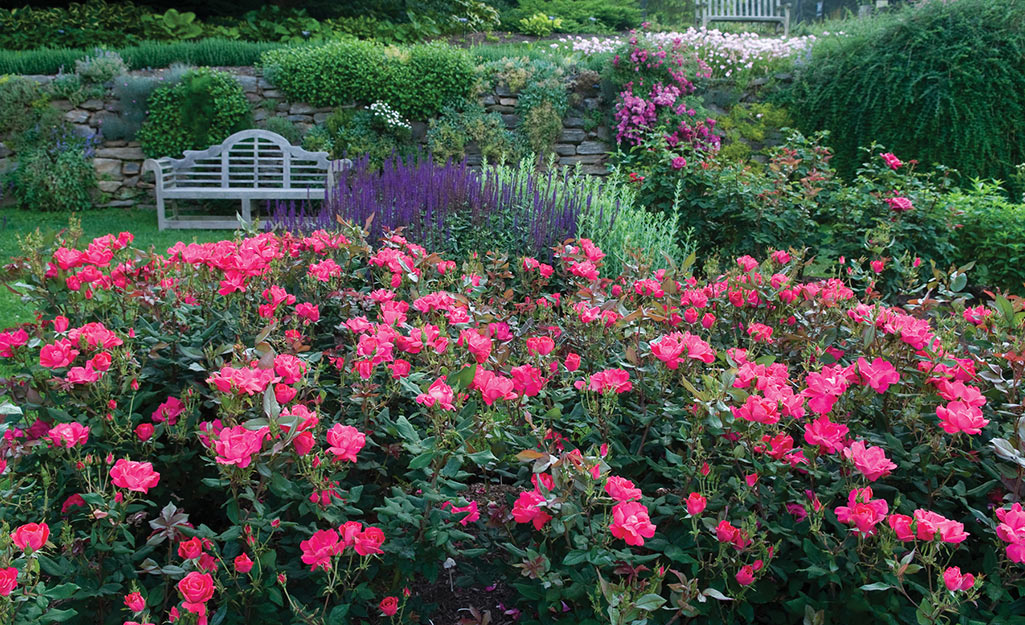
Shrub roses like Knockout and OSO Easy are low maintenance plants that look great in mass plantings. Shrub roses are pest and disease resistant, but most will need pruning and fertilizing. They reward with summer-long blooms.
Plant roses in full sun for the most blooms, but they can handle part sun. They’re hardy in zones 4 to 8.
Serviceberry
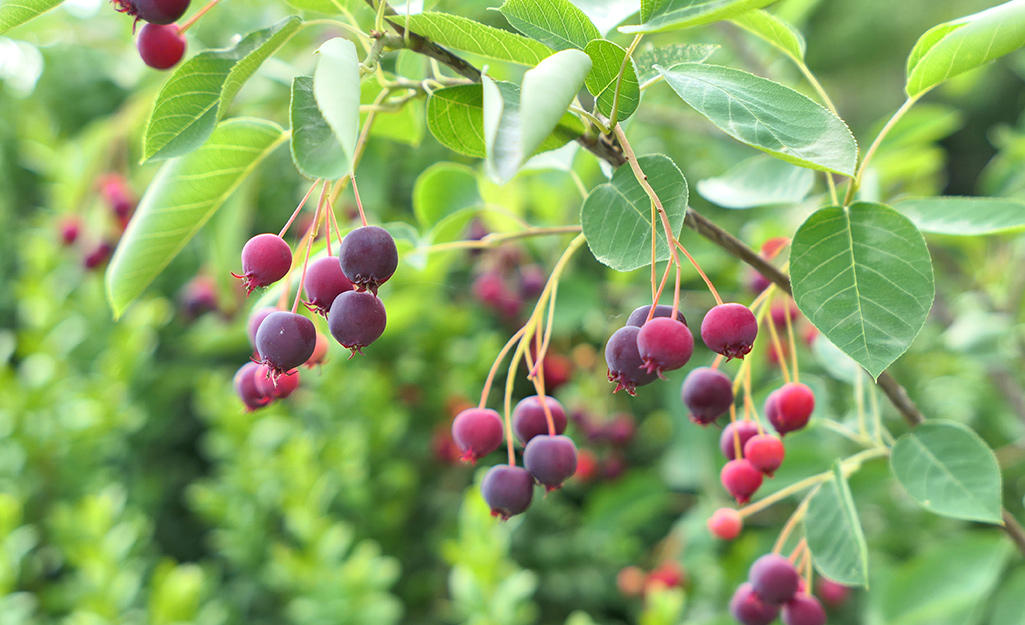
Serviceberry is a deciduous small tree or shrub that is native to the Eastern U.S. coast, from Maine to northern Florida and Louisiana. It flowers in early spring. The white blooms last about a week, but the real show for serviceberry is in fall, when its foliage turns yellow and red.
Wildlife appreciates the serviceberry fruit. It's an important early spring food source for bees and butterflies. Plant serviceberry in full sun to part shade, in moist, well-drained soil. It’s adaptable to differing soils, and tolerates wet soils. Serviceberry is hardy in zones 4 to 9.
Tea Olive
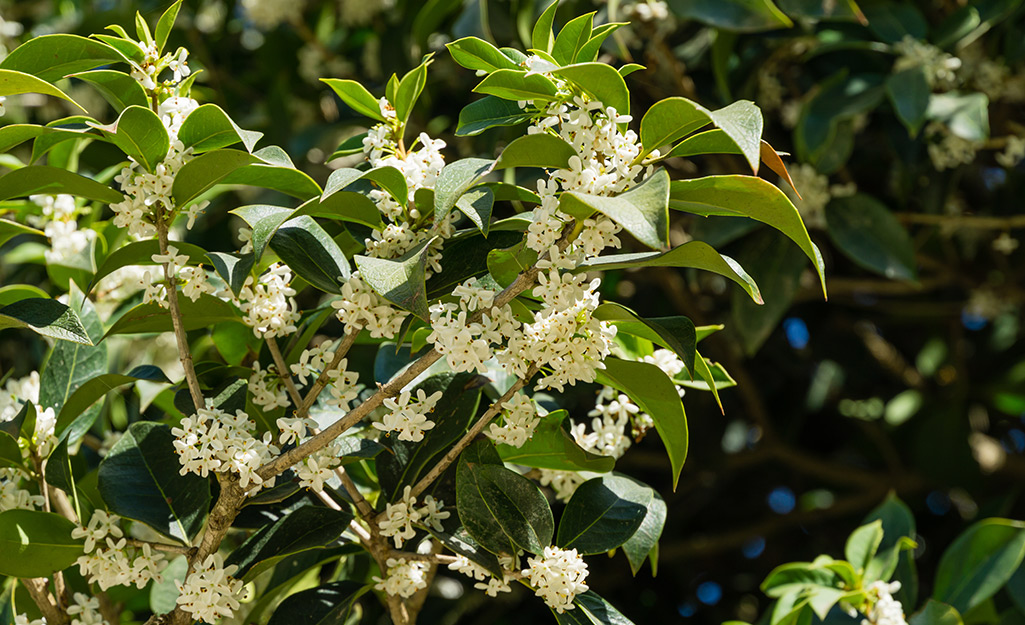
Tea olive is a fragrant cold hardy shrub that blooms in fall. Its white flowers are known for their sweet fragrance. Give tea olive plenty of room – it can grow 10 feet high and wide. For this reason, it’s often used as a privacy hedge.
Tea olive hardy in zones 7 to 10. It grows best in full sun but tolerates partial shade. It’s deer resistant and drought tolerant, as well.
Viburnum
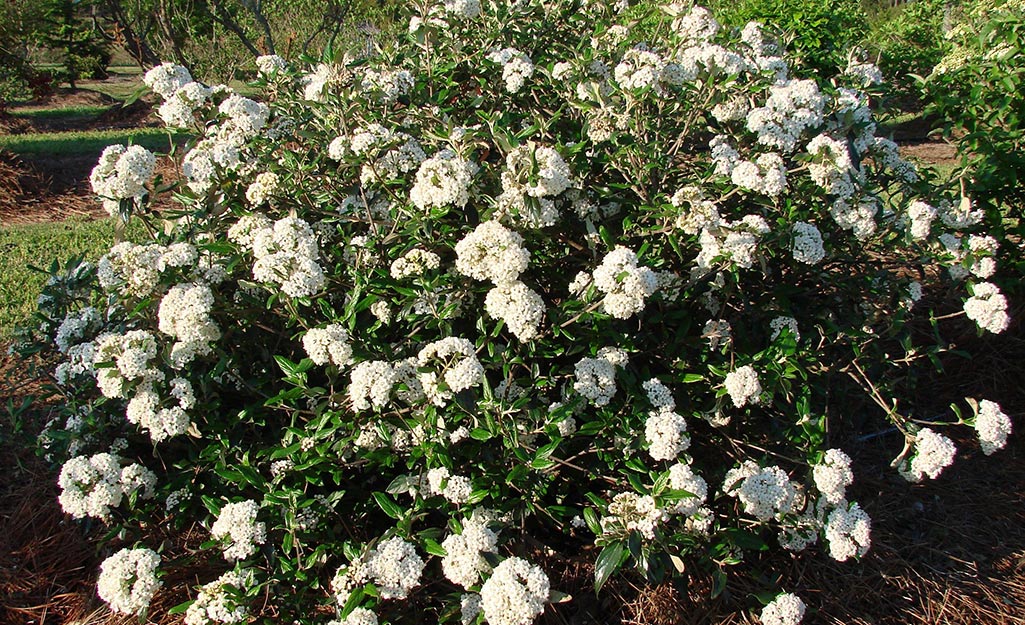
Viburnum features masses of large, pure white, snowball-like flower clusters in the spring. Viburnum's foliage is glossy and bright green and turns to a purplish red in the fall. Viburnum makes for a spectacular landscape specimen. It’s deer-resistant, too.
Viburnum is hardy in zones 3 to 8. Plant shrubs in well-drained soil. Flowers bloom from May to June.
Weigela
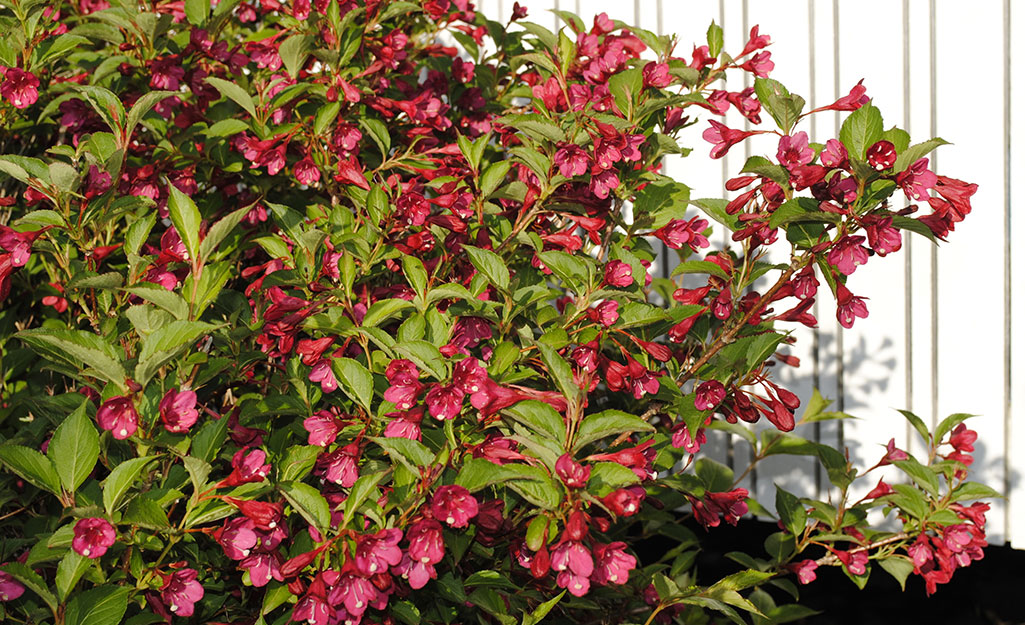
Weigela brings gorgeous dark foliage and bright pink flowers to your garden. This full sun shrub resists deer pressure, brings in the pollinators, and can re-bloom in summer.
Plant weigela in full sun in zones 4 to 8. Check plant tags for mature size. Varieties like “Wine and Roses” grow 4 to 5 feet tall, perfect for back of the border interest.
Witch Hazel
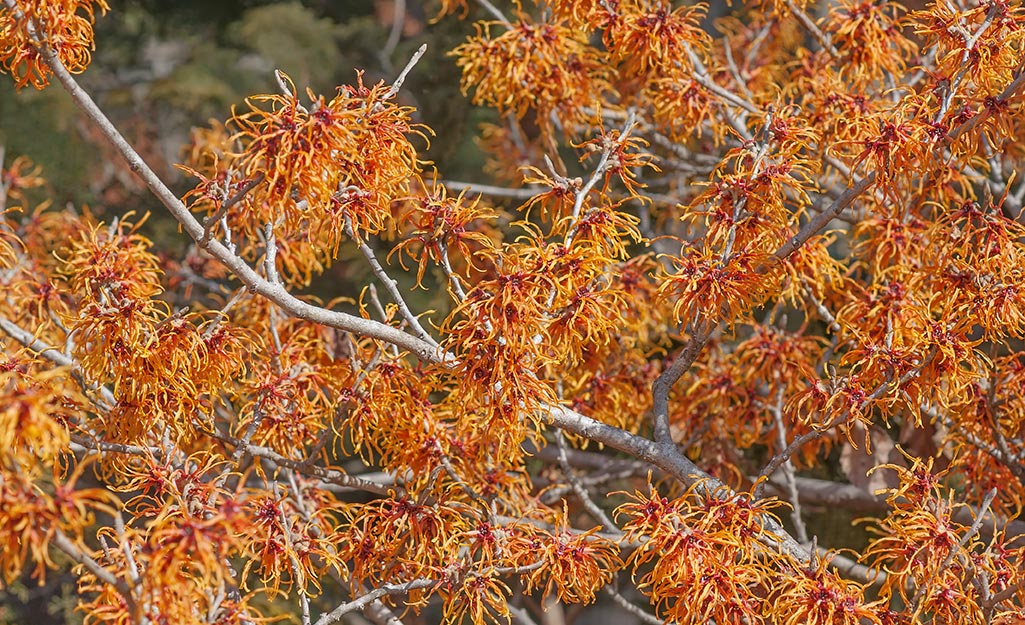
Along with forsythia, witch hazel is one of the earliest plants to bloom in spring. Depending on your zone, witch hazel flowers in February or March.
Plant witch hazel in full sun for more fall color. This low-maintenance plant needs light pruning to keep its shape.
A great landscape starts with good planning and choosing the right shrubs. Learn the art of caring for your foundation plants, and your yard will look more beautiful year after year.
Ready to pick your shrubs? The Home Depot delivers online orders where and when you want them.