Ideas and Tips for Your Raised Garden
Last updated March 12, 2025
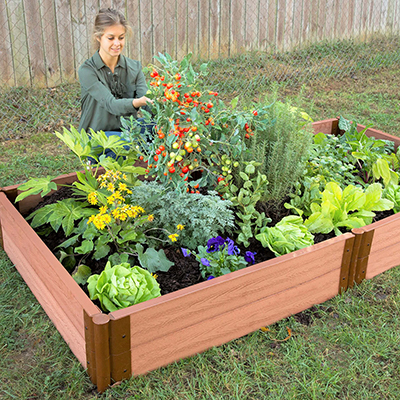
Take your vegetable and flower garden to a higher level by adding raised garden beds this year. By simply elevating and containing the soil and plants, you will harvest higher yields due to the loose, rich soil and intensive planting.
Raised garden beds are the best choice if you have heavy, poor draining, sandy or clay soil. The added soil depth in a raised bed helps plants develop roots while the improved drainage means warmer soil and earlier planting in spring. You can add row covers in the coldest months to extend the harvest across the seasons.
Raised beds are an excellent solution where a traditional row garden won’t work, like on a sloped site. Additionally, a raised garden bed allows for easy maintenance and less stooping for weeding and watering, because you reach in from outside the bed.
Table of Contents
How to Build a Raised Garden Bed
Choose the Right Soil Mix
Fill Your Raised Bed Garden
What to Grow in a Raised Garden Bed
Growing in a Raised Bed Garden
How to Build a Raised Garden Bed

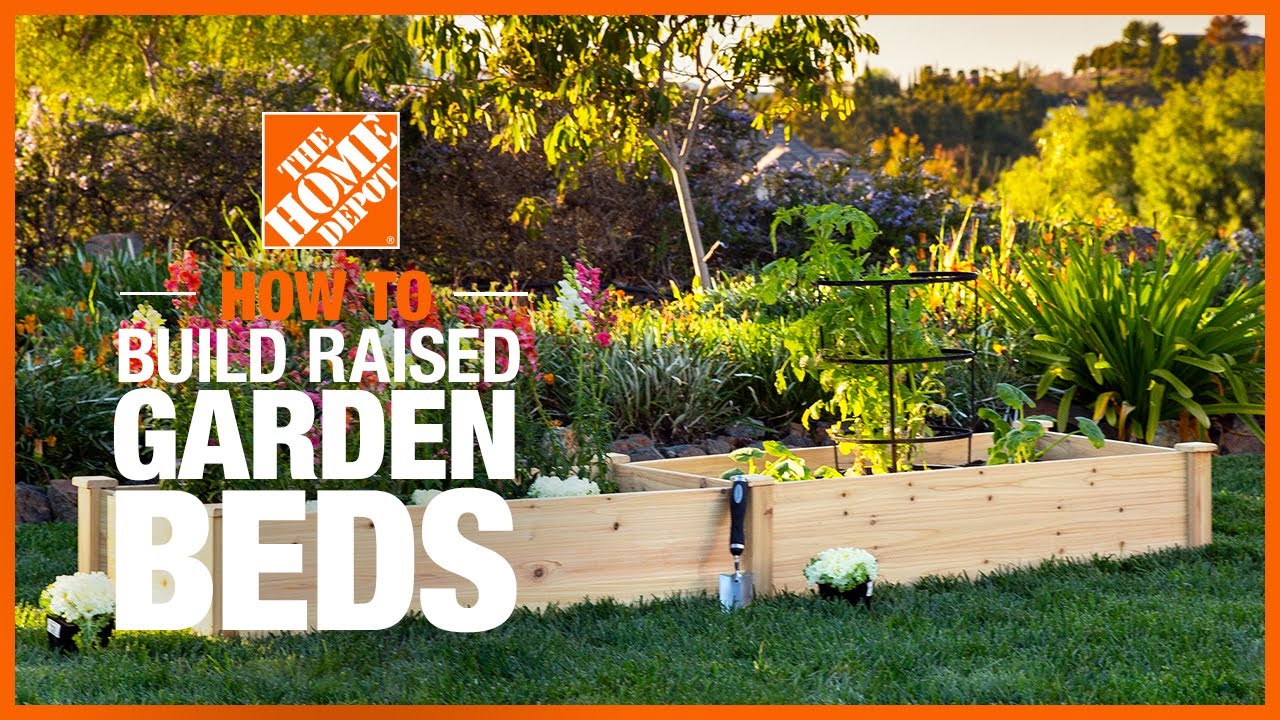
Before you begin to build, choose a site that gets at least six hours of sun a day. Begin with a level surface, and turn the soil in the area that will become the raised bed. Consider using a raised garden bed kit or create beds with planter wall blocks and lumber for a customized raised bed. Kits usually come in two sizes, 4- x 4-foot and 4- x 8-foot, and can be stacked for added depth. This depth is important if you’re growing root vegetables.
To construct a raised bed, rot-resistant redwood and cedar are good choices. Raised beds can also be built with pavers, bricks, stones and synthetic lumber. If you’re growing edible plants and want to keep an organic garden, go with untreated materials like redwood or cedar.
Raised beds are often 3 or 4 feet wide for easy access. Length can be as long as your landscape allows, but 8 feet is standard. Raised beds are usually at least 12 inches deep to accommodate soil. It’s important to create paths alongside and between the beds. If there's lawn, make sure your mower can safely maneuver around the raised beds and paths. Wood chips and gravel are popular low-maintenance choices for pathways.
To keep weeds from growing up through the garden, line the base of the bed. Use hardware cloth and landscape fabric to keep roots within the bed and critters out. Get step-by-step directions for building a raised garden bed.
Choose the Right Soil Mix

All soils are combinations of minerals, organic matter, air and water. These ingredients provide ideal conditions for plant roots to produce fuel for plants to grow. The mineral component of soil is a mixture of sand, silt and clay, with an ideal ratio of 40 percent each of sand and silt, and 20 percent clay. Too much sand and the soil won’t hold water. Too much clay and the soil will be unworkable and retain too much water.
For your raised bed, choose a well-draining soil mix that is rich in organic matter and nutrients. Many gardeners make their own soil from a mixture of 75 percent topsoil and 25 percent screened compost. You may want to add peat moss and vermiculite for lightness and drainage, and a slow-release fertilizer for a healthy start.
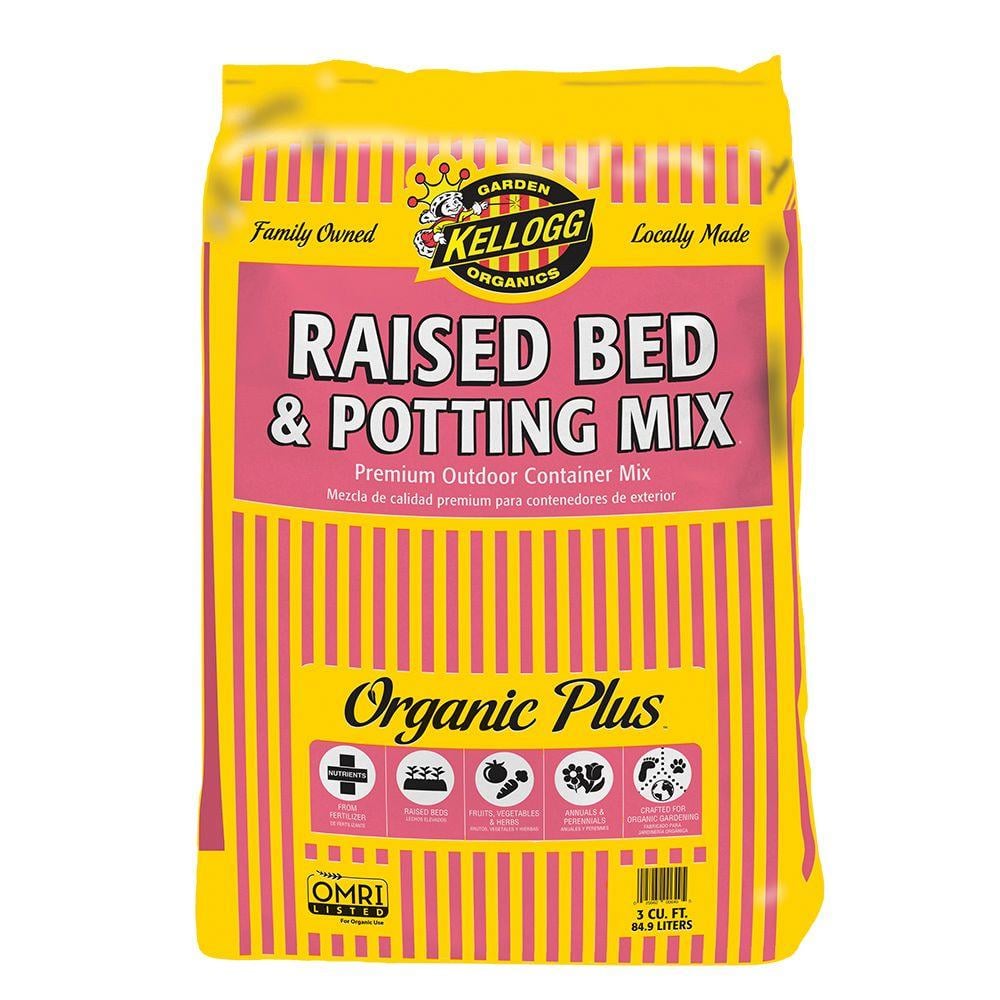
For an easy solution, try pre-mixed, raised garden bed soil. It’s formulated to give your vegetables, flowers and herbs just what they need to grow.
Tip: Use the mulch calculator to figure the amount of soil and amendments you’ll need. And save time when you use our delivery options.
Fill Your Raised Bed Garden

When shopping, you’ll find packaged raised bed soils formulated for successful gardening. Here are some tips for success with these soils.
Look at the peat content of the soil you purchase and always read the package for tips on using the product. For example, some soil brands use fine wood particles in their formula, and the products need to be thoroughly watered before planting. Put the soil in the bed and then thoroughly wet the mix through the full depth of the bed. After planting, regular watering is sufficient.
Packaged soils have a lot of good nutrition, but all plants will benefit from applying organic fertilizer when planting, and another boost six weeks into the growing season.
You can direct-sow seeds in raised beds. Just stir in organic seed starter mix to give your plants the very best start.
What to Grow in a Raised Garden Bed

If you can grow it in the ground, you can grow it in a raised bed. Tomatoes, peppers, corn, squash and bush beans can be planted close together, instead of in rows like a traditional garden. Raised beds are ideal for vertical gardening, too, when you trellis vining plants like cucumbers, pole beans and snap peas. The shade from taller plants deters weed growth below.
Because the soil in a raised bed is loose and crumbly, or friable, root vegetables are naturals for raised beds. Try carrots and radishes in cool weather months, and grow tender lettuces when temperatures remain above freezing.
Direct sow seeds or transplant seedlings when temperatures are above freezing in spring. Use a frost date calendar to determine when the best time to plant will be.
Flowers do well in raised beds too. Consider a cutting garden with plants grown from seeds like sunflowers, asters, zinnias, coreopsis and daisies.
Growing in a Raised Bed Garden

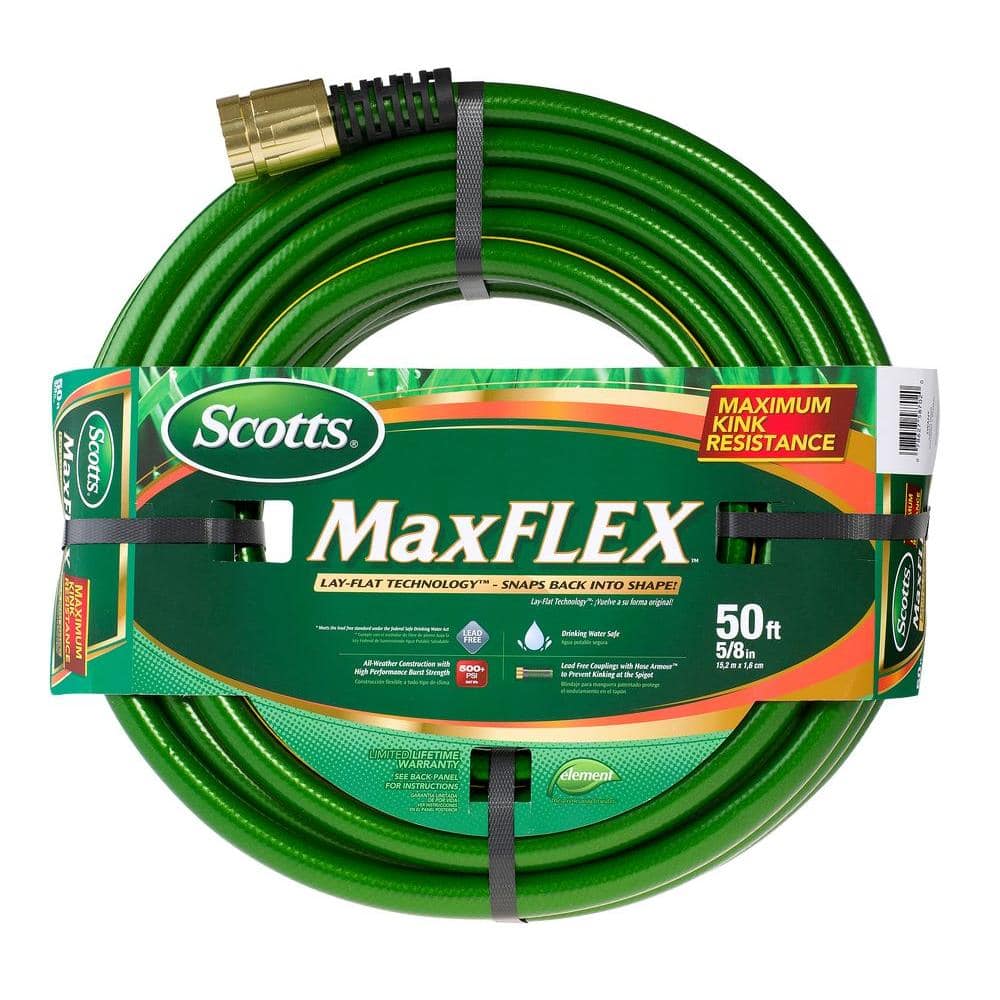
Plant vegetables and flowers close together in a raised bed. You can plant in a triangle formation instead of rows. This keeps down weeds and maximizes the space. When it's time to water, try installing a drip irrigation system or use a soaker hose. Cover the soaker hose with an organic mulch such as straw, hay, wood chips or pine bark. The mulch will suppress weeds and keep moisture in the soil.
Being above ground means the soil warms sooner and dries faster, allowing early planting of cool-season crops. When the summer growing season ends, compost the remaining plants and amend the soil. Use row covers over cool season crops to extend the harvest across the seasons.
The Home Depot is your DIY headquarters. Looking for a product to complete your project? We have options to deliver online orders when and where you need them.