#1 Home Improvement Retailer

LANDSCAPE FABRIC

LANDSCAPE FABRIC TYPES

664 results

    Sort by

    Top Sellers

Loading Recommendations

Installation Services

Fence Installation

Get started with a free consultation, where we'll design a fence to meet your needs and style, and offer you a personalized project quote

Viewing 1-12 of 664

Get 10% off your purchase

Sign up for emails & save 10% on select home decor. Valid on select items.

Questions & Answers

What's the top-selling product within Landscape Fabric?

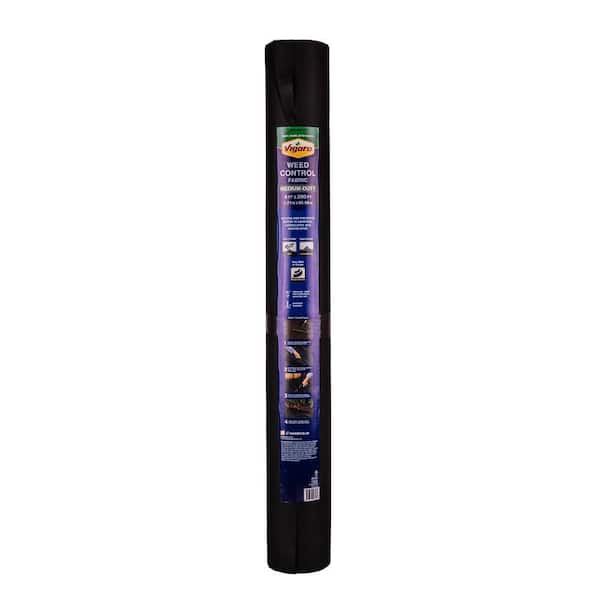
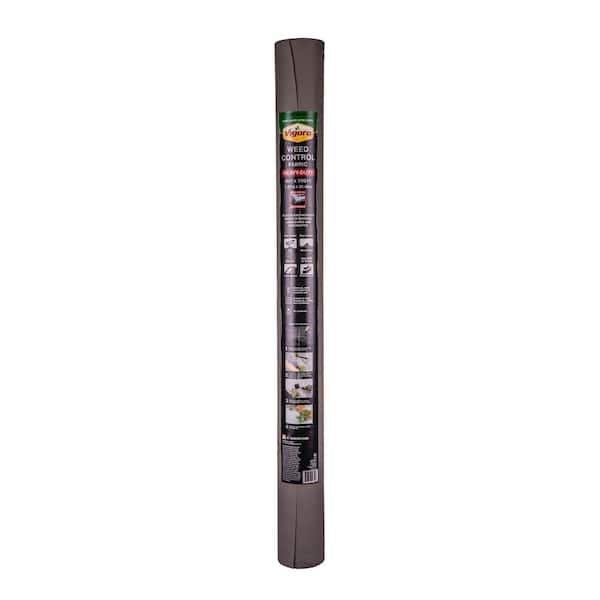
The top-selling product within Landscape Fabric is the Vigoro 4 ft. x 100 ft. Matrix Grid Landscape Weed Control Fabric.

Which brand has the largest assortment of Landscape Fabric at The Home Depot?

Agfabric has the largest assortment of Landscape Fabric.

What are the shipping options for Landscape Fabric?

All Landscape Fabric can be shipped to you at home.

What's the price range for Landscape Fabric?

The average price for Landscape Fabric ranges from $10 to $3,000.

Control Weeds with the Right Landscape Fabric for Your Garden

We know that keeping weeds out of your garden beds is a priority for any homeowner. Using landscape fabric is a smart way to stop unwanted growth while letting water and nutrients reach the soil. This barrier saves you time on maintenance and keeps your yard looking tidy throughout the seasons. We offer several landscape fabric types to suit different areas of your property. Whether you're working on a flower bed or a gravel path, we have the supplies you need to start your project.


Woven vs. Non-Woven Landscape Fabric Types

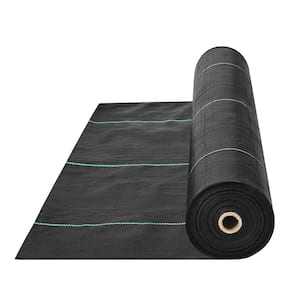
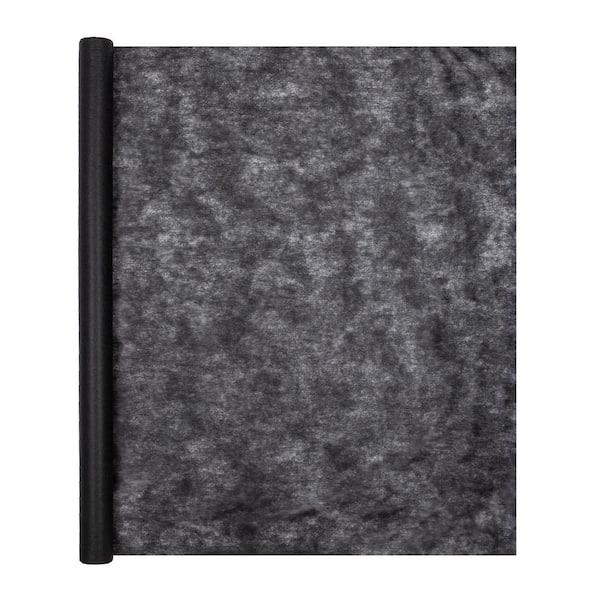
Woven landscape fabrics are common for flower beds and vegetable gardens, where you'll be planting in specific spots. These are usually made from polypropylene and have tiny holes that let moisture through to the roots. They're strong enough to walk on and resist UV rays well when they're left uncovered for short periods. On the other hand, non-woven landscape fabric options are better for drainage and filtration. These materials look like felt and work well under river rock or behind retaining walls. Non-woven fabric keeps soil from washing away while allowing water to pass through quickly. Choosing between these landscape fabric types depends on if you want maximum weed control or high water flow.


Selecting the Best Landscape Fabric for Your Project

Finding the best landscape fabric means looking at the weight and thickness of the material. Heavy-duty options are a solid investment that lasts for many years under heavy loads. We recommend thicker fabrics for high-traffic areas or under large decorative stones. For lighter tasks, such as seasonal annuals, a thinner material is easier to cut. You can find more details in our landscape fabric guide to help you choose. Remember to clear the area of existing weeds and debris before you lay the material down to ensure it sits flat against the earth.


Surface Layers and Edging Solutions

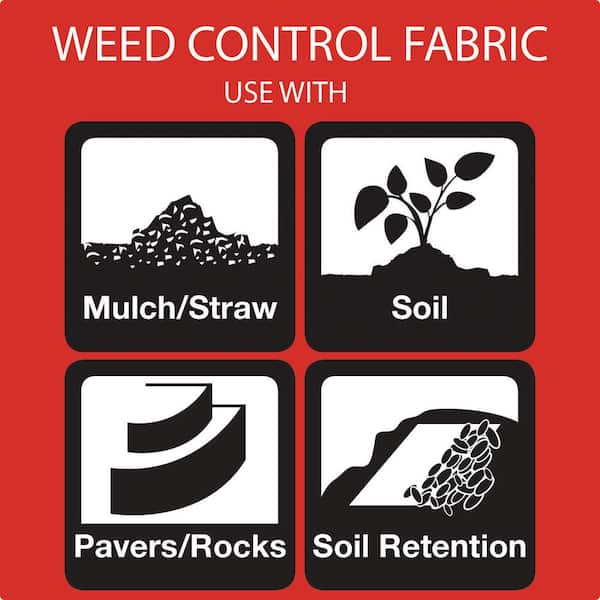
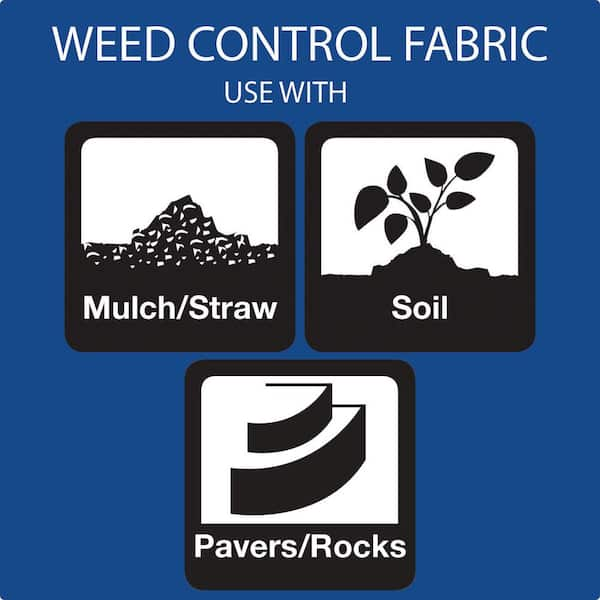
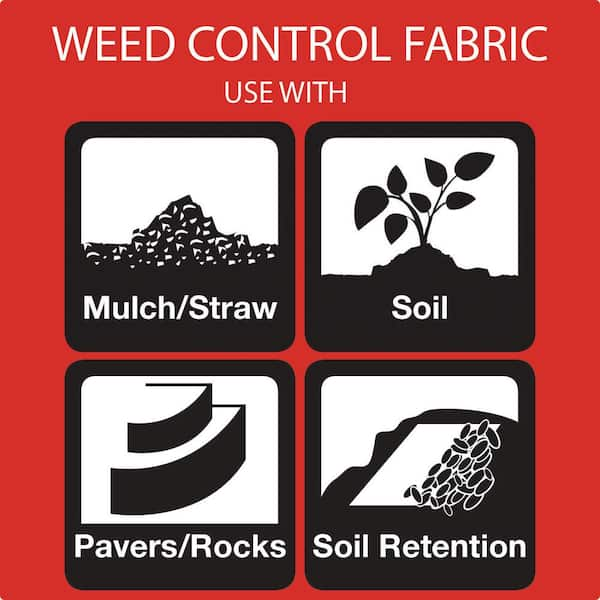
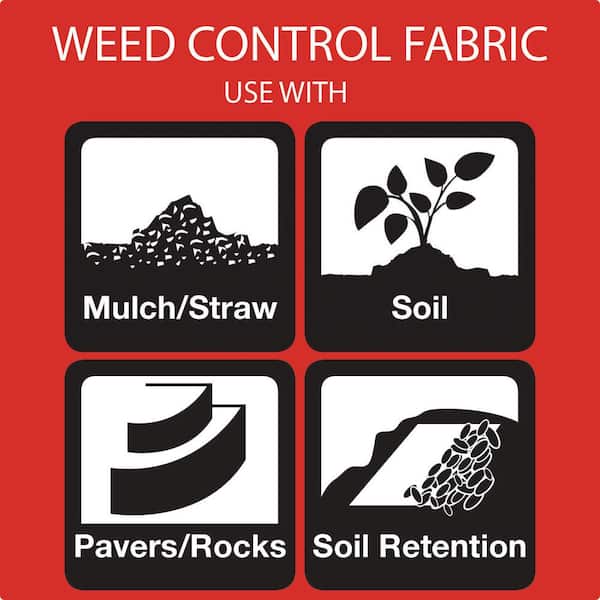
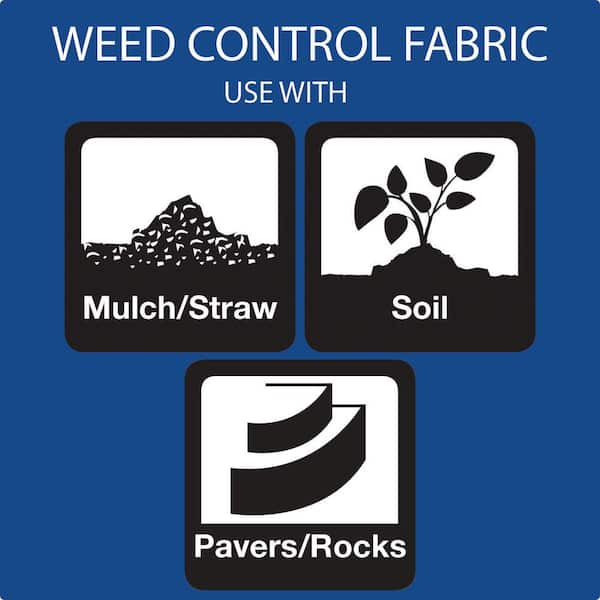
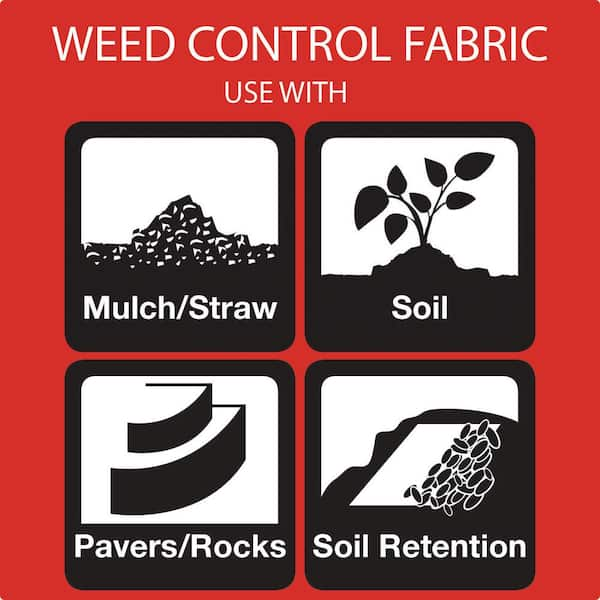
Once you've laid your landscape fabric, you need to cover it. Most people use a thick layer of mulch to give the beds a finished look. This surface layer also helps hold moisture in the ground for your plants and hides the fabric from view. If you're building a walkway, you might prefer putting pavers over the fabric instead. The barrier keeps the stones from sinking into the dirt over time and prevents soil from mixing with your gravel. We also suggest using landscape edging to keep your mulch and fabric from shifting during heavy rain or wind.


Landscape Fabric Material Durability

The lifespan of your weed barrier depends on the quality of the material and how well it's covered. A high-quality landscape fabric can last up to 20 years if it's protected from direct sunlight by stone or wood chips. Without a cover, the UV rays can break down the fibers much faster and reduce the effectiveness of the barrier. The cost of these materials varies based on the roll size, fabric type, and the thickness of the fabric you choose. Opting for a more durable option is a long-term investment that reduces the need for future repairs or replacement.


Landscape Fabric Installation Preparation and Tips

Preparing your site is the most important step before you install any new material. You should remove all large rocks and sharp sticks that could puncture the barrier during the laying process. Taking the time to level the soil makes the final project look much better and prevents water from pooling in low spots. Once the ground is flat, roll out your chosen material and cut it to fit your space with sharp utility shears. Overlap the edges by at least 6 inches to prevent weeds from sneaking through the seams. Secure the edges every few feet to keep the wind from lifting the sheets before you add your top cover. This simple process ensures your landscape fabric stays effective for years to come.