Pro Forecast: May 2025 Outlook
Building Materials Costs in Flux
Shop by Job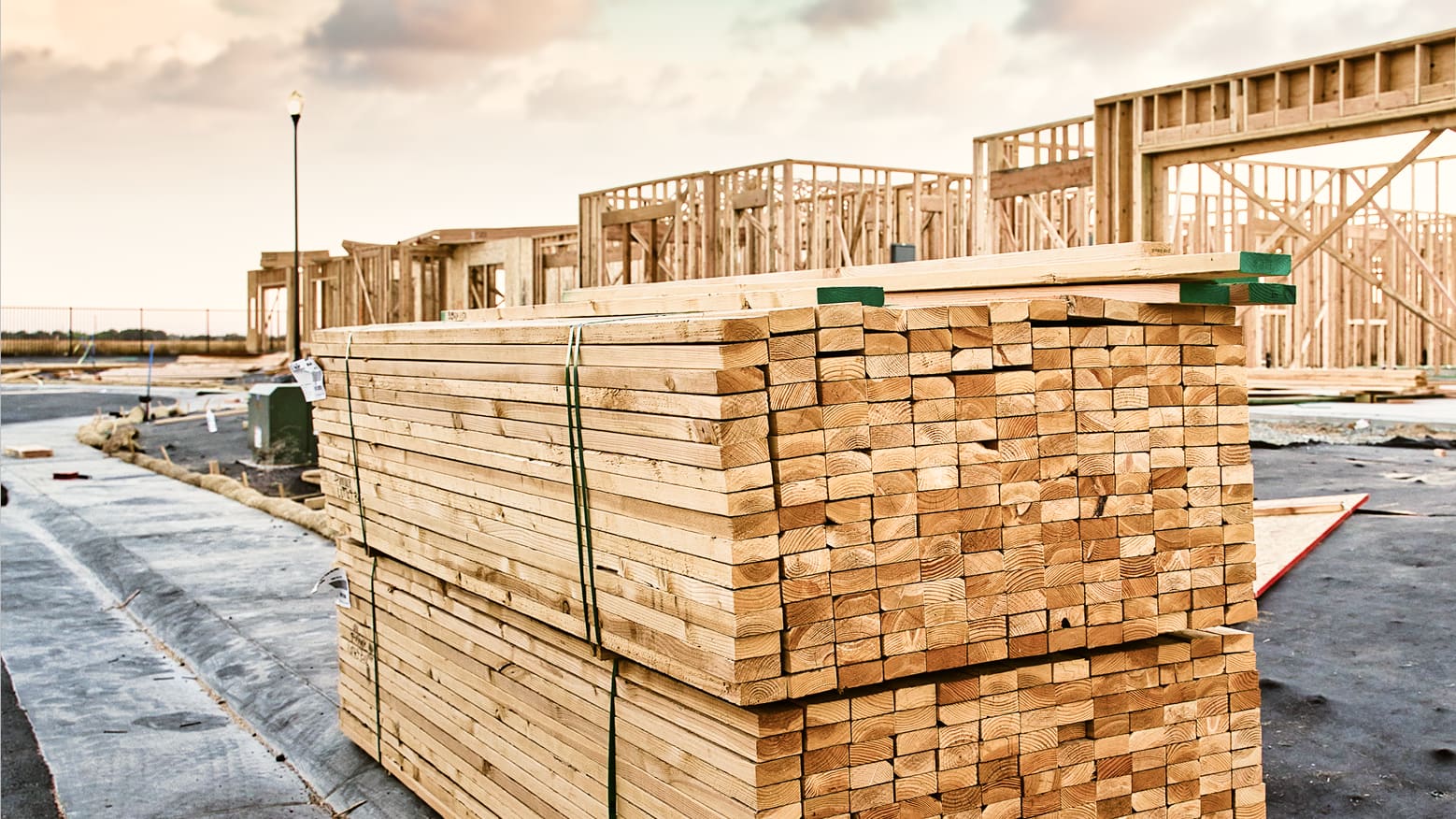
“The Forecast” is a monthly report of industry outlook news to help Pros plan their jobs, keep up with the market and anticipate developing trends.
All information in this report is current as of May 1, 2025.
Key topics in the May Forecast include the following:

BUILDING MATERIALS TREND HIGHER
High demand and supply chain challenges may drive up costs of lumber, steel and other items.

PRESERVATION CARPENTRY
Specializing in historic carpentry work may lead to higher-paying jobs.
Lumber, Steel and Other Materials Likely to Rise
Many building materials are seeing elevated costs in the first half of 2025. General inflation has been relatively low in early 2025, reaching 2.4% in March, the lowest since 2021. Analysts at John Burns Research & Consulting project materials costs to trend higher and rise at least 3% this year.
Construction data analysis company Gordian makes the following projections:
• Framing lumber, up 14% from last year, continues to trend upwards, but remains below the record highs of 2021-2022 • Concrete block, up 6.7% from last year but trending down • Conduit, up 2.4% and likely to be flat in 2025 • Copper wire, up 1.73% and likely to be flat in 2025
Structural steel is an exception, with costs down 16% over the past year. While costs have been trending down, steel is likely to see increases by the end of the year.
 "A forklift moves a stack of boards.")
 "A kitchen features smart appliances.")
 "A Pro installs drywall on a ceiling.")
 "A Pro mixes concrete.")
The Home Improvement Research Institute views the general economy as growing in early 2025 while facing increasing challenges. HIRI’s general economic forecast for 2025 includes baseline, pessimistic and optimistic predictions for gross domestic product, inflation and the housing market.
Baseline: 2.3% GDP growth, 2.8% inflation, 1.36 million housing starts
Pessimistic: 2.1% GDP growth, 3% inflation, 1.33 million housing starts
Optimistic: 2.6% GDP growth, 2.5% inflation, 1.4 million housing starts
Builders and remodelers should plan for the rest of 2025 with caution in the event the housing market takes a downturn. Pros in sluggish markets should consider expanding their business, such as branching out to commercial jobs as a supplement to residential ones. Depending on the area, Pros may increase specialty work, such as preservation carpentry. (See below.)
The global supply chain has stabilized following the crises of the post-pandemic years, but short-term disruptions can have long consequences. This year began with relief, as a potential dock worker strike on the U.S. East and Gulf coast ports was averted due to an agreement between the International Longshoreman’s Association and the U.S. Maritime Alliance.
In 2025, the global supply chain faces potential disruptions from ongoing international conflicts. Other possible challenges include new regulations for customs, shortages in skilled or experienced workers, increasing cybersecurity threats and weather-related disruptions.

These factors and general economic uncertainty can put strain on the supply chain:
Surges on shipping caused by high demand ahead of an economic slump or other disruption can cause delays and overtax workers.
Higher shipping volumes along popular routes can lead to bottlenecks, delays and shortages, all of which can cause higher costs.
Shortages in raw materials can slow down the manufacture of popular products.
Local problems weather events can cause regional production transportation delays. Canada exports nearly 70% of U.S. softwood lumber so 2023’s wildfires led to lumber shortages. Other disruptions to the global supply chain effect products from outside
North America, such as the 54% of U.S. household appliances and smart products shipped from China.

Many experts recommend companies diversify their supply chains to avoid being overly dependent on a single source and reduce the chance of supply chain issues. While this is good advice for local builders as well as large, international companies, diversification can be challenging given the need to find the most reliable and cost-effective supplier.
Many companies, including larger retailers, faced with fluctuating costs in raw materials can negotiate more favorable deals. In some cases, they can absorb or decline price hikes rather than pass changes to the customer.
Pro Tip: Get the whole job in one delivery via flatbed from our supply house where regionally available. Schedule deliveries for as soon as next day.

Preservation Carpentry Brings New Life to Old Structures
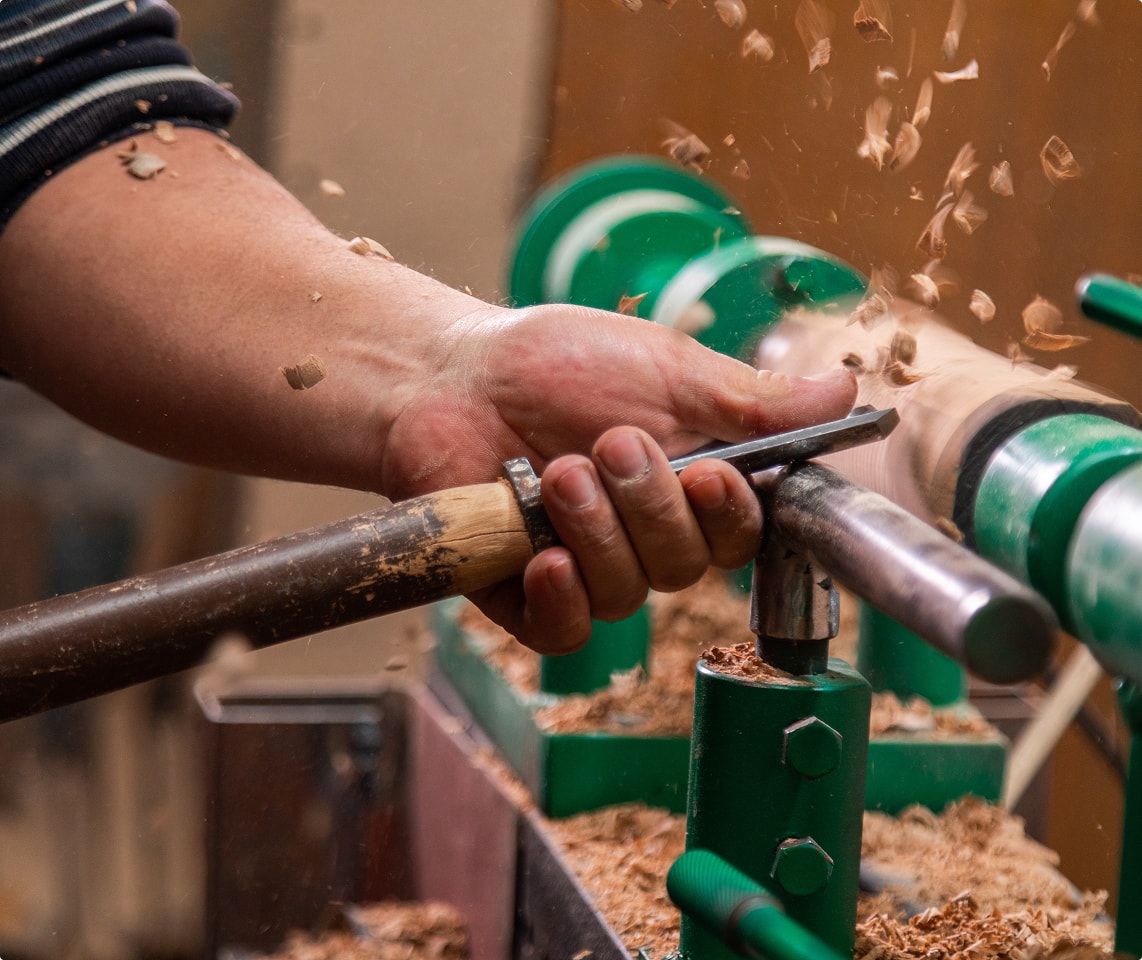
Preservation carpentry is a specialized trade devoted to restoring features of American buildings more than a century old. But preservation carpenters can also apply their techniques to homes only a few decades old, as long as they’re seeking to restore a building’s original design.
Historical restoration work is less common than standard carpentry jobs but can earn 20-40% more. The older the structure and more authentic the restoration, the more the job might pay. The Campaign for Historic Trades predicts that 35,000 preservation carpenters will be needed in the United States by 2030.
Historic carpentry can involve using new technology as well sourcing authentic materials. Preservation carpentry can include the following specialties:
Timber frame and log construction repair
Slate, metal and wood roofing
Historic window repair
Furniture restoration
Building deconstruction, especially to salvage usable material

According to the Department of the Interior, there are four standards for the treatment of historic properties, each with specific guidelines:
Preservation focuses on the maintenance and repair of existing historic features and materials. Preservation is minimally invasive and seeks to replace as little of the original material as possible, making it more sustainable and environmentally friendly.
Rehabilitation, or adaptive reuse, makes updated changes while striving to respect the building’s historic character. This can include upgrading kitchens and bathrooms, installing solar panels or building an addition.
Restoration refurbishes features of a building to recapture a specific period in its history while removing traces of other periods. For example, this could be restoring a 150-year-old home to its appearance in the 1900s.
Reconstruction involves rebuilds lost portions of a structure from scratch, usually focusing on individual features such as porches, balustrades, interior or exterior trim, etc. Very rarely are whole buildings reconstructed without extensive historical evidence.

Consider the following tips to become a preservation carpenter:
Work in an area with many historic homes or neighborhoods, as you’ll need a client base that can support specialty jobs. New England and New York have some of the oldest housing stock in the United States.
Get a certificate or degree from a school or other institution with a preservation carpentry program. Read books and do other research on the topic, especially the architectural history of your client base and any special skills you may have.
Expect to spend much of your time on standard carpentry work. You can charge more for preservation carpentry, there may not be enough jobs to support you full-time.
Get on the approved vendor lists for state historical agencies, historical preservation societies and similar organizations. This can require a lot of networking, but many homeowners interested in preservation work will use these groups as resources.
Work with architecture or design firms that specialize in historic preservation or restoration.
Pro Tip: Get the benefits of bulk pricing on more than 4,000 eligible products every day.

 "A Pro installs a new window.")
 "A Pro installs pavers in a patio.")
 "Indoor plants of various types stand on a table.")
 "Stacks of framing lumber stand in a warehouse.")
You May Also Like
)
)
)
)