#1 Home Improvement Retailer

44 results

    Sort by

    Top Sellers

Loading Recommendations

Installation Services

Attic Insulation Installation

Attic insulation improves home energy efficiency and comfort. Get started with a free consultation for stress-free and mess-free professional installation.

Viewing 1-12 of 44

Get 10% off your purchase

Sign up for emails & save 10% on select home decor. Valid on select items.

Questions & Answers

Where should I install foam board insulation?

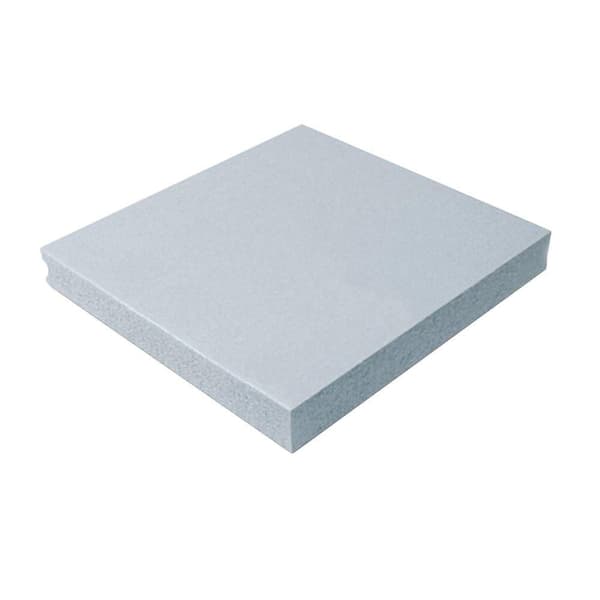
Foam board insulation can be used in many parts of your home to improve comfort and energy efficiency. It works great for areas like garage, camper/rv/trailer, and exterior sheathing. Whether you are insulating walls, floors, or exterior surfaces, foam board helps reduce heat loss and adds lasting protection against moisture and temperature changes.

What are some of the top-rated foam board insulation products?

One of our top-rated foam board insulation options is the 1 in. x 2 ft. x 48 in. R5 Radiant Acoustic Insulation Kit - STC 19 (12 sheets) - 96 sq. ft..

How do I install foam board insulation?

Foam board installation is straightforward. First, prepare the surface by cleaning and leveling it. Next, use a utility knife to cut the foam board to the desired size. Finally, adhere the insulation panels to the surface with construction adhesive or mechanical fasteners.

How different are faced and unfaced foam board insulation?

Faced foam board typically has a reflective foil or other facing on one or both sides that can act as a vapor retarder or radiant barrier, while unfaced board does not have this layer. The choice between faced and unfaced often depends on local building codes and the specific requirements of your project regarding moisture control. We carry both faced and unfaced.

Insulating Board


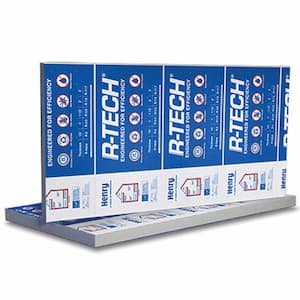
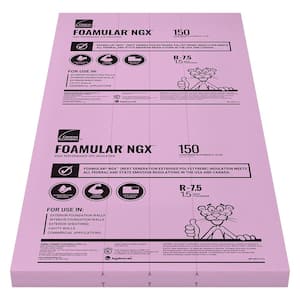
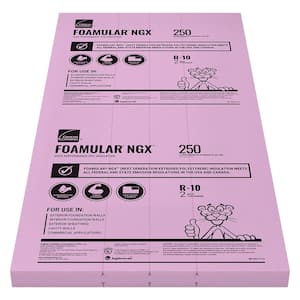
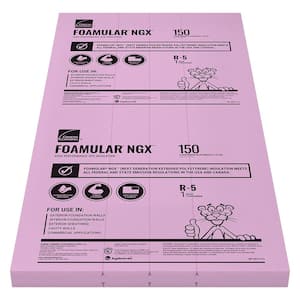
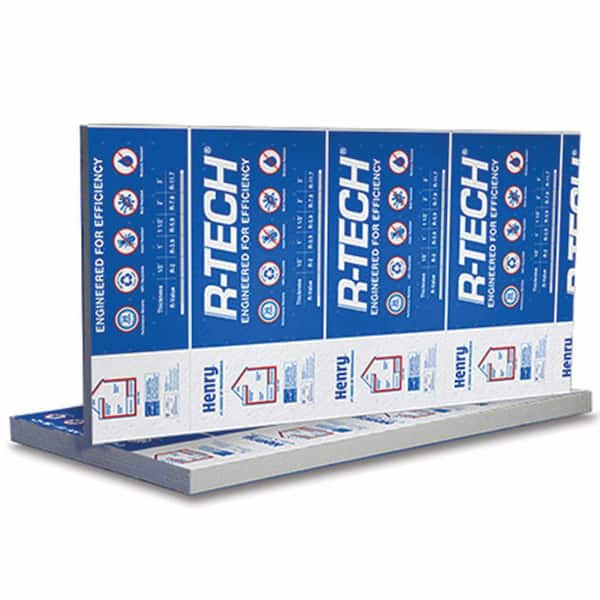
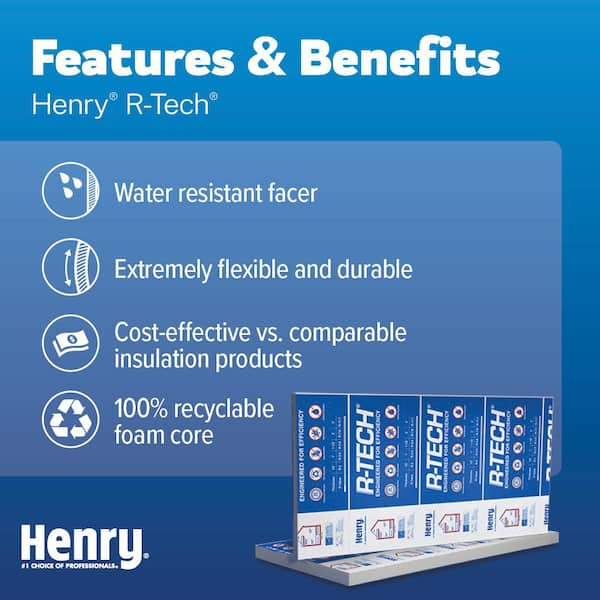
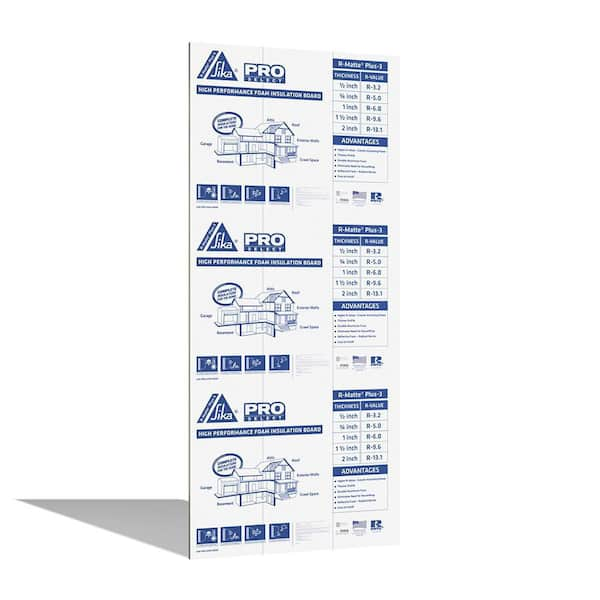
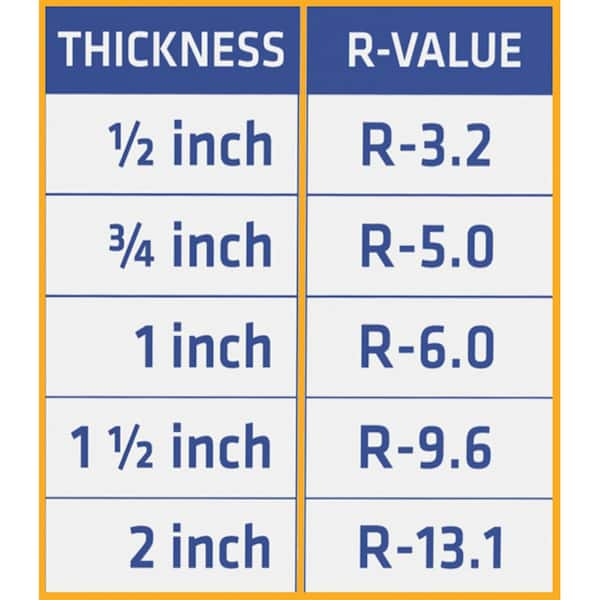
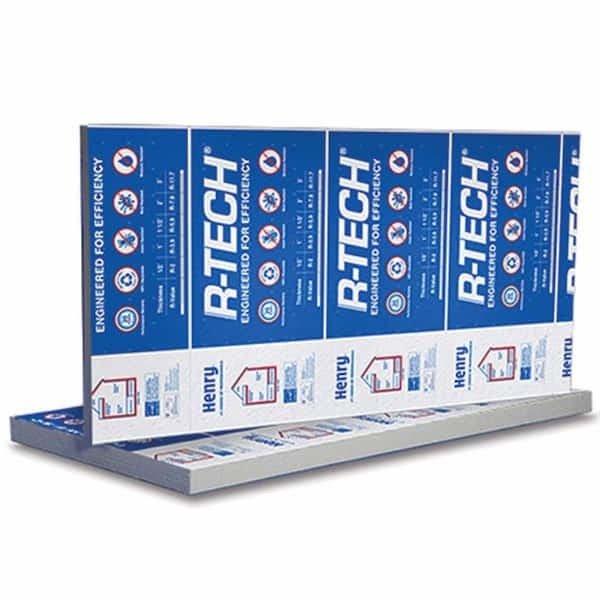
Rigid insulation is one of the best tools to reduce your energy costs. Install it anywhere from the roof to the foundation. You can even place it under the foundation slab. Rigid foam insulation, also known as insulating boards, provide high R-values. They keep your home at a comfortable temperature without the need to crank your heat. 
 
Types of Insulating Boards 

Choose from three types of insulating foam core boards for wall insulation. Products with a higher R-value have a higher cost but have an increased capacity to resist heat flow, and therefore provide greater insulation. Each type comes with unique advantages: 

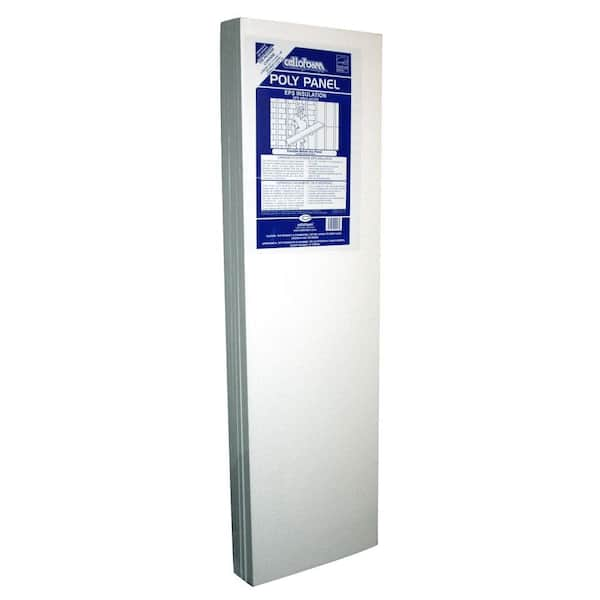
• Expanded Polystyrene. Also called Styrofoam insulation, this is the least expensive material. It provides R-values that range from 3.6 to 4.2 per inch. Some products have reinforced facing to make them sturdier.
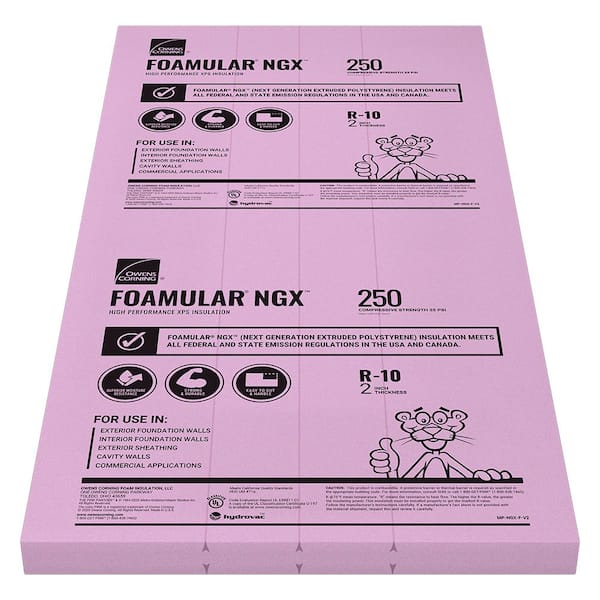
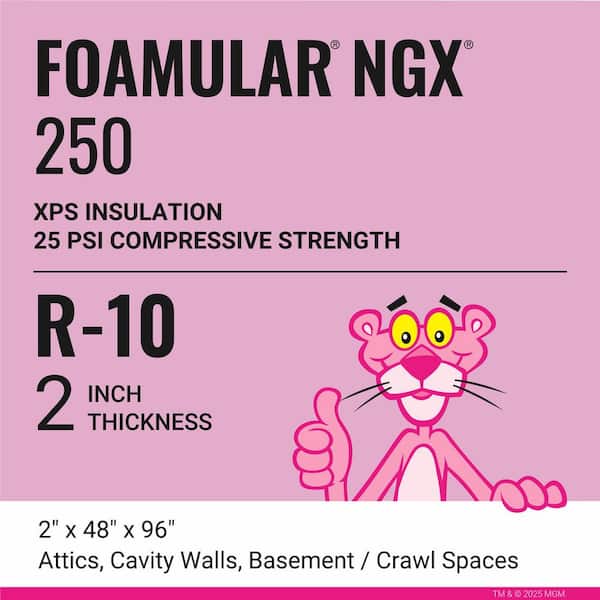
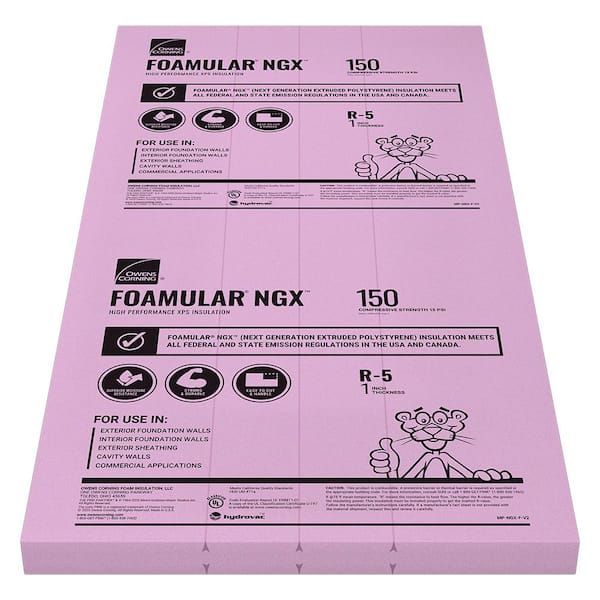
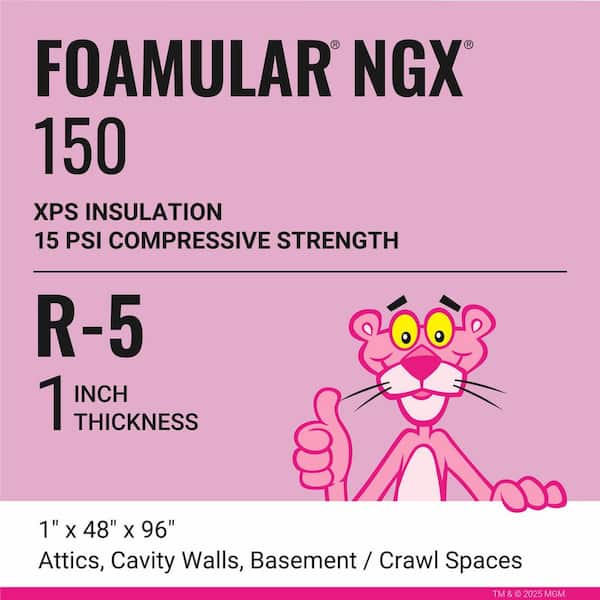
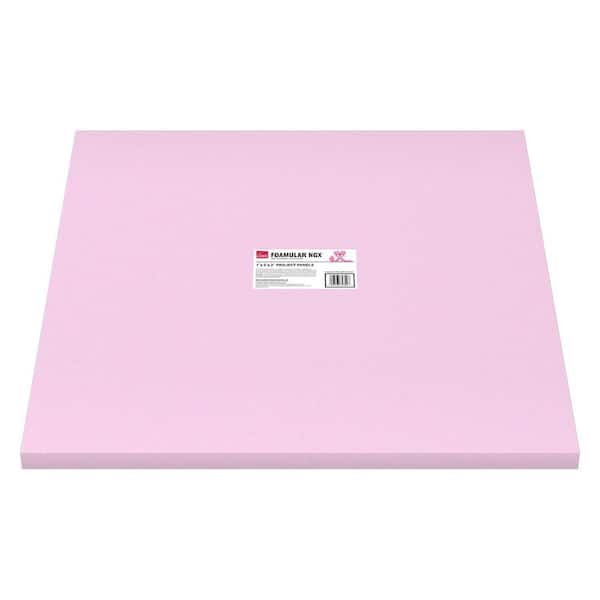
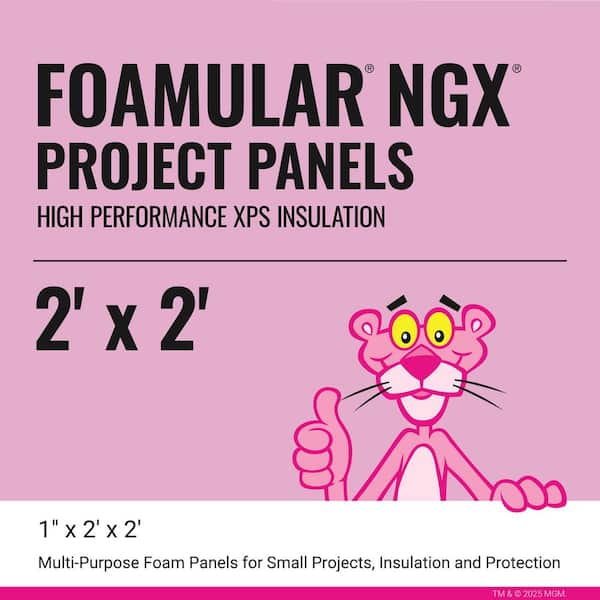
• Extruded Polystyrene. Choose this option for areas that need a good amount of strength and water resistance. It provides about R-5 per inch.
• Polyisocyanurate. This material offers the highest R-values—about R-6 to 6.5. Products with foil facing help the panels resist moisture vapor. 
 
Working with Home Insulation Boards 

Insulation panels typically come in 4x8-foot sheets. Smaller sizes are also available. They’re much lighter and easier to work with than plywood sheets. Install them using panel adhesive or screws. 
 
For new construction, use rigid boards to insulate slabs and the outside of foundation walls. For a basement remodeling project, consider insulating basement walls with foam board. Use a premade kit for this type of project. Attach the tongue-and-groove insulation boards to the concrete wall with adhesive. Follow with a 2x4 frame wall and insulate it with batt insulation. Keep in mind that any interior rigid insulating panel must be covered by a barrier. A common choice is drywall. 

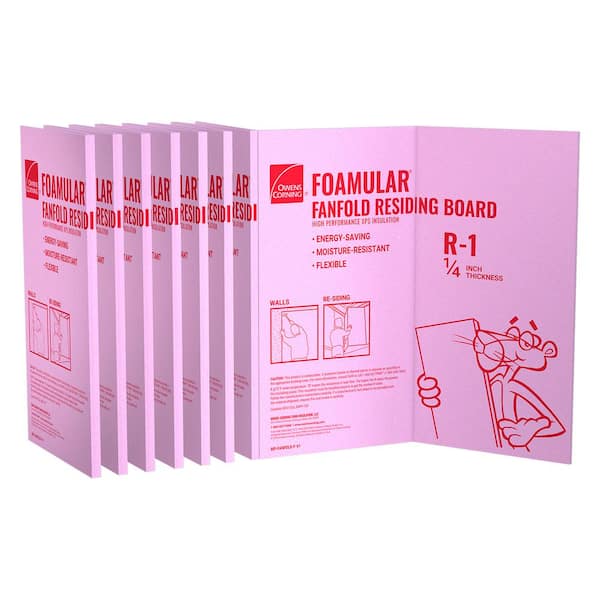
Insulated foam sheets are also used as an insulated sheathing underlayment for exterior siding. The panels provide a continuous energy-efficient surface. This eliminates thermal bridging, which is the energy lost through wall studs. The studs conduct more heat than the insulation between them. 
 
Insulating boards are just one of the many types of foam insulation. Consider using spray foam insulation as well to seal smaller cracks and gaps.