15 results
Viewing 1-12 of 15
Sign up for emails & save 10% on select home decor. Valid on select items.
What are the different sheens for paint primer?
Primer comes in different sheens, just like paint. For most projects, like walls, ceilings, and furniture, a flat primer adheres better and hides more flaws. However, we carry a range of common sheens to complete your project, including flat, flat/matte, and semi-gloss.
How do I determine the amount of primer I need?
Measure the square footage of the surface area to find out how much primer you need. Most 1-gallon containers of primer cover 250-400 square feet per coat. Most projects only need one coat, but you may need two coats for dark colors, stain or odor blocking, or for painting highly porous surfaces like bare wood or new drywall. It's a good idea to purchase slightly more than your estimated amount so you have enough for uneven surfaces or multiple coats.
Does paint need a primer?
Paint doesn't always need a primer, but it's usually a good idea. Use primer on bare, stained, or glossy surfaces for better paint adhesion and fewer stains. A primer is best for dramatic color changes and for specialized protection in high-moisture areas. Think of primer as insurance, ensuring durability and a professional finish. However, you can probably skip the primer when using paint-and-primer-in-one, when the surface is in excellent condition, and when you're not making a big color change.
What is paint primer used for?
Paint primer preps your surfaces before painting, creating a consistent base that helps your paint stick better, go on smoother, show more color, and last longer. We stock a wide range of primer for all types of purposes, including color changing, grease cover, and sealant.
Which paint primer hides imperfections the best?
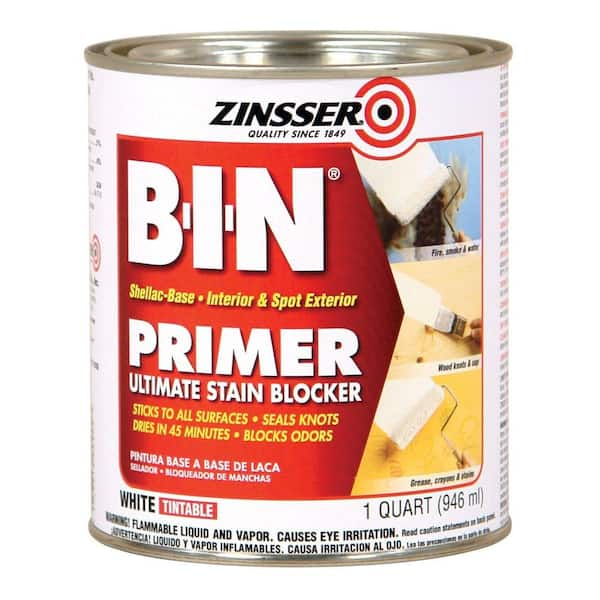
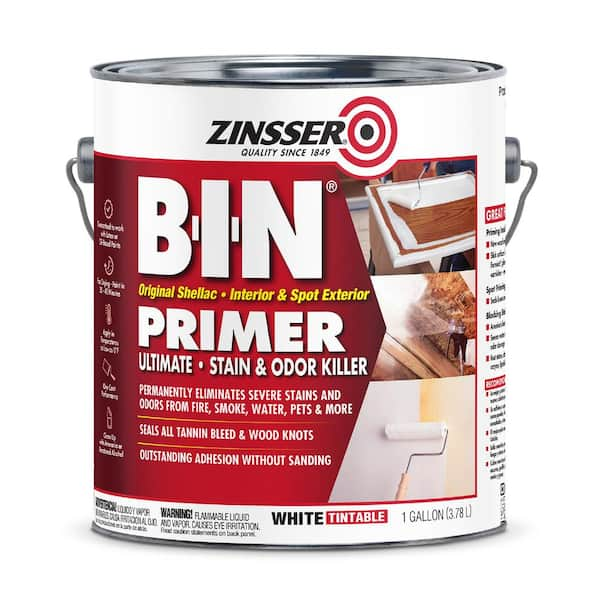
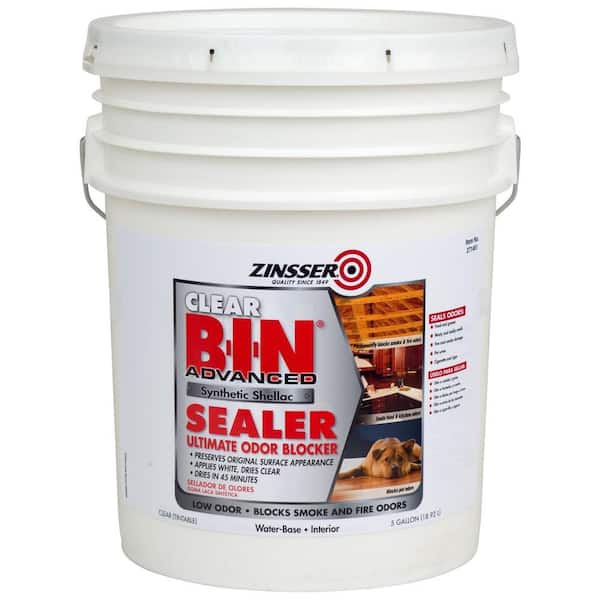
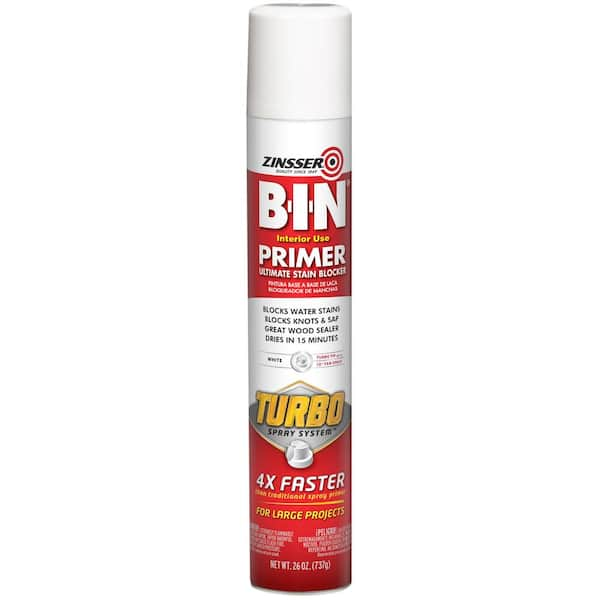
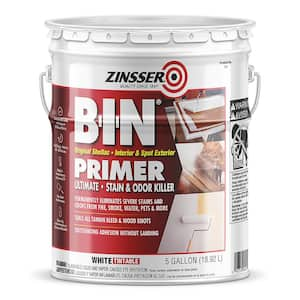
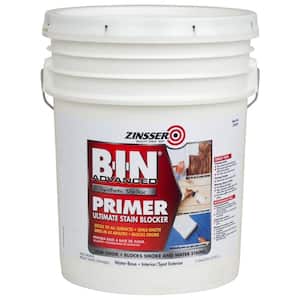
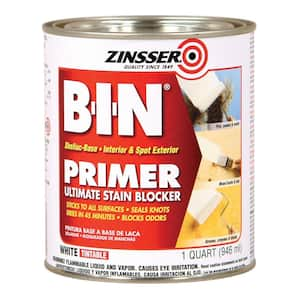
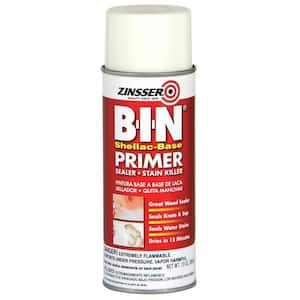
Stain-blocking primers are designed to fill minor surface flaws, creating a smooth, uniform base while hiding discoloration, water marks, and smoke stains. Select a primer with a thick formula to bring out the best in damaged drywall or uneven surfaces. For walls with significant imperfections, spot-patch areas you want to hide with joint compound or level the surface with a high-build primer.