Best Perennials for Your Garden
Last updated September 7, 2023
Annuals bloom and die after one growing season. Perennials, however, are plants that come back in your garden year after year. Plant once and enjoy through many seasons.
This buying guide will help you choose from different kinds of perennials. There are also tips for planting and maintaining them.
Table of Contents
How to Choose the Best Perennials for Your Garden
The Best Perennials for Different Gardens
How to Plant Perennials
How to Maintain and Care for Perennials
How to Choose the Best Perennials for Your Garden
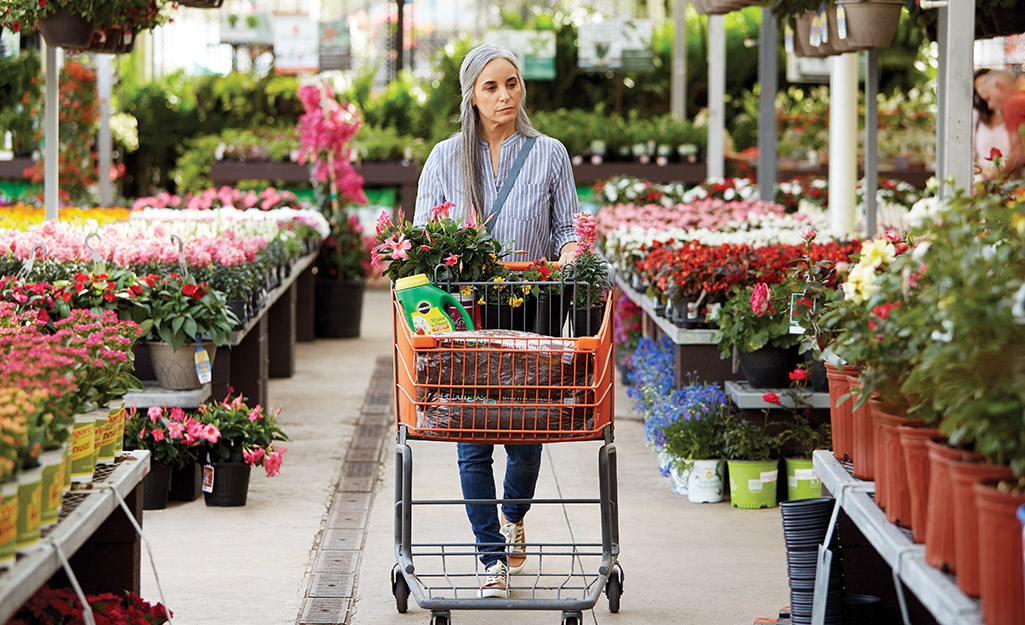
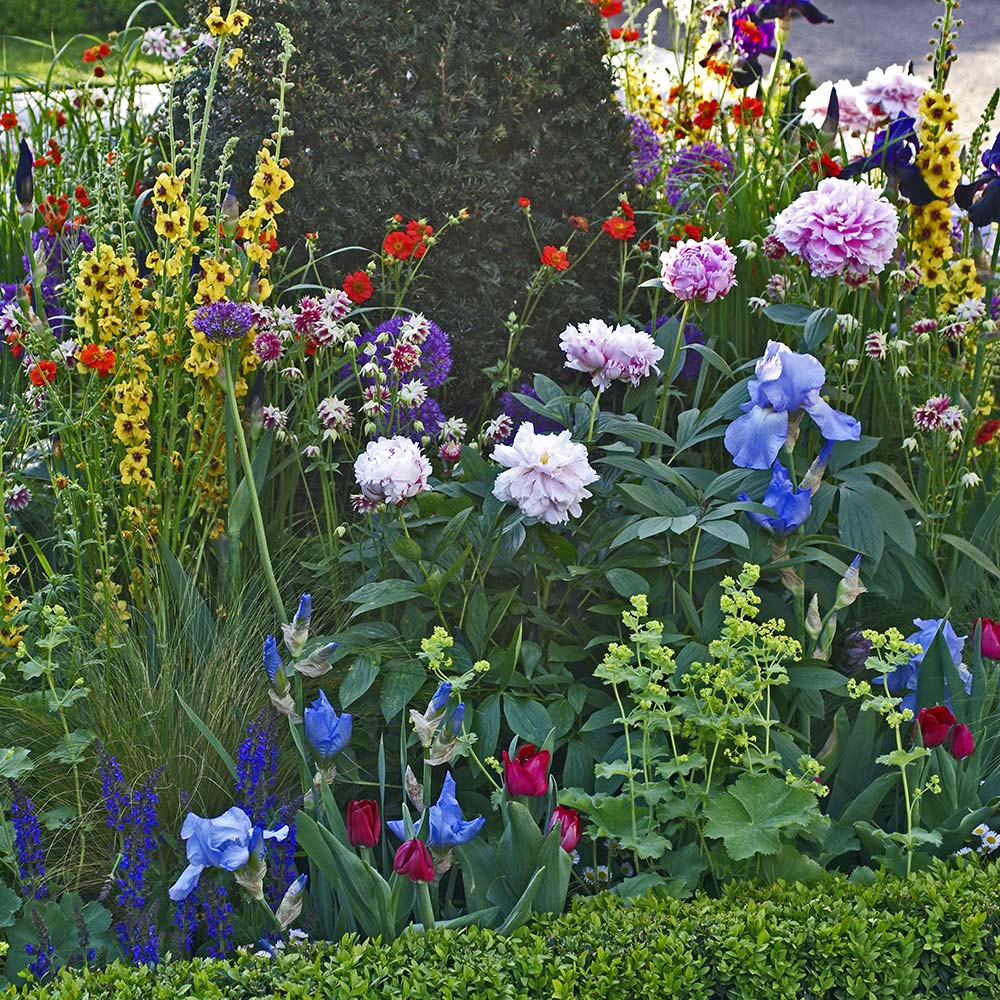
Most perennials are planted in the spring. Some can be set out in late summer or early fall. These usually bloom for a shorter period of time, ranging from two to three weeks. You can stagger the flower show by planting a mix of perennials. Choose some that bloom early in the season, some in mid-season and some in late season. For extra color, tuck in annuals, bulbs and flowering shrubs.
Choose perennials that match the growing conditions you can provide. If your garden spot is sunny, read plant tags and labels to find perennials that thrive in six or more hours of sunlight per day. Partial sun is four to six hours of sunlight. If you have a woodland garden or a shady site, plant perennials that prefer no direct sun or less than two hours of sunlight per day.
If your garden doesn’t get much sun, you can still grow many perennials by planting them in pots and moving them to a sunny spot in your yard. Large pots and half-barrels are good choices, because perennials typically have large root systems and need plenty of room. Put the container in place before you add the soil and plants, or it may be too heavy to move later.
Be sure the perennials you choose are recommended for your gardening zone. Not sure which one you're in? Use this guide to find your USDA Plant Hardiness Zone, so you can grow plants that are winter-hardy in your climate.
Tip: Most perennials are sold when they are in bloom, so you can see the colors you want.
The Best Perennials for Different Gardens
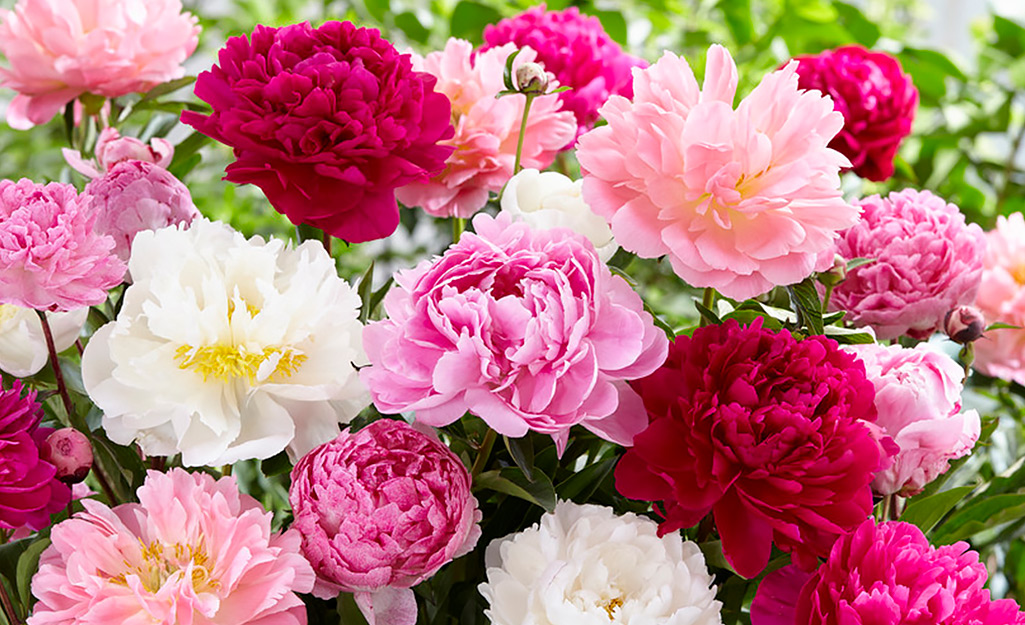
You can find perennials that thrive in a variety of garden conditions.
If you live in a hot, dry climate, look for drought-tolerant perennials, such as:
- Succulents
- Ascleapias, or butterfly weed
- Russian sage
- Vinca
- Dianthus
- Lavender
- Sedum
- Creeping thyme
- Yucca
For perennials that bloom thoughout the season, consider:
- Achillea, or yarrow
- Agastache
- Campanula, or bellflower
- Clematis
- Gaura
- Kniphofia, or red hot poker
- Nepeta, or catmint
- Veronica, or speedwell
For easy-to-grow perennials, plant:
- Ajuga
- Columbine
- Coreopsis
- Dayliy
- Hosta
- Iris
- Shasta daisy
For perennials that flower or have interesting foliage and seedheads in the fall, plant:
- Aster
- Ornamental grasses, like Muhly grass
- Rudbeckia, or Black-eyed Susan
Some perennials, such as peonies, can outlast the gardeners who plant them. Others add beauty and color to the garden but are short-lived and come back for only two or three years. These include:
- Foxglove
- Columbine
- Hollyhock
Keep in mind that some perennials fall into more than one category. For example, yarrow tolerates drought, is easy to grow and has a long-bloom time.
How to Plant Perennials
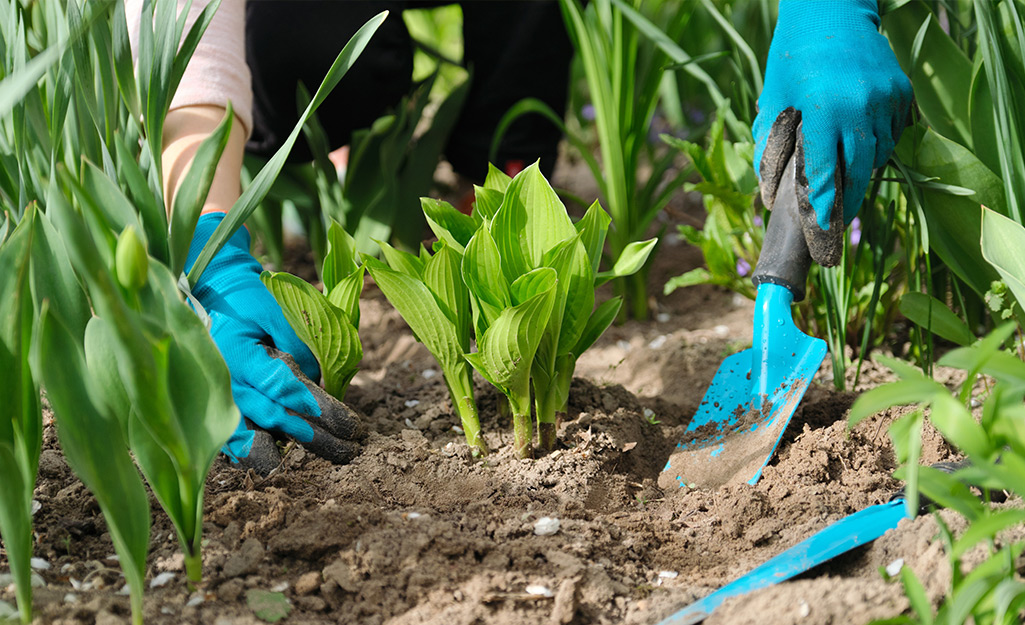
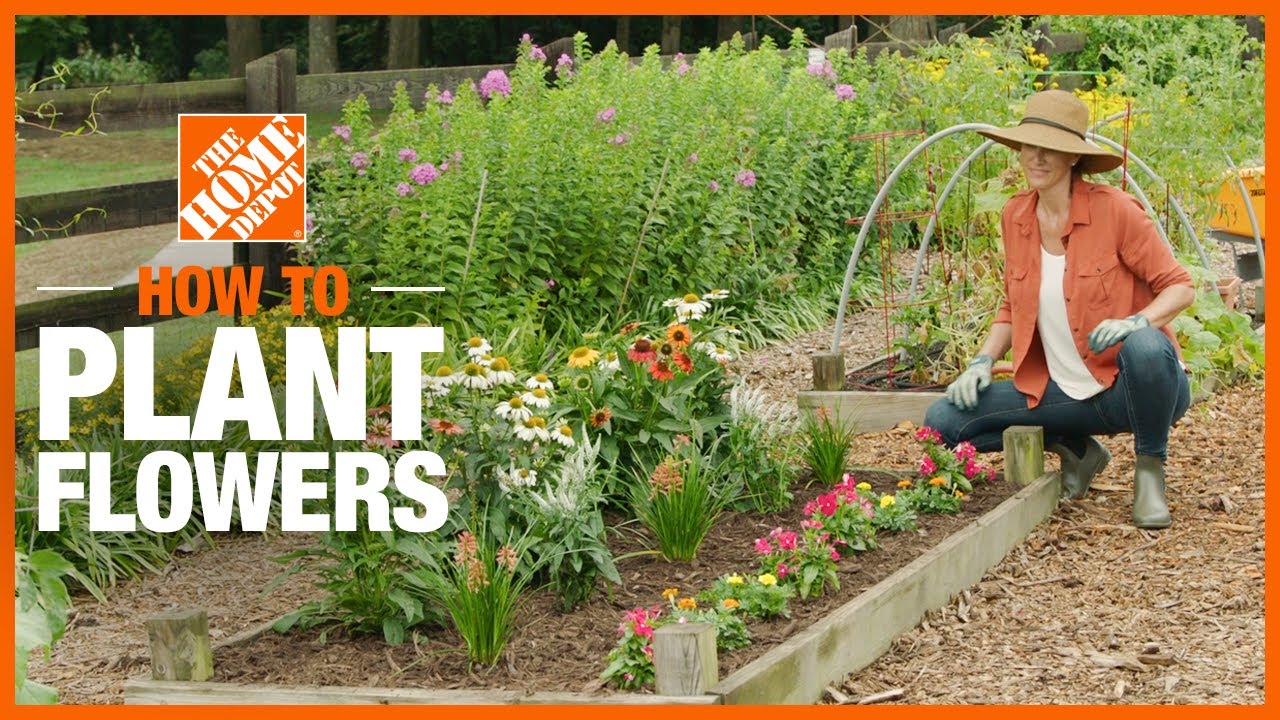
If you’re growing perennials in a mixed flower bed, watch how the sun moves across your garden, and plant tall perennials where they won’t shade shorter plants. Check their tags or labels to see how far apart to space them.
For best results, use a soil meter or pH test kit to determine the pH of your garden soil. Contact your local Cooperative Extension Service for information about low-cost soil testing. Most plants need soil with a pH between 6.0 (slightly acidic) to 7.0 (neutral). If needed, adjust your soil’s acidity by working in an amendment like limestone to raise the pH level or garden sulfur to lower it.
Next, dig holes for your plants that are as deep as the root balls and about twice as wide. Remove any rocks, sticks and other debris. Loosen the plant’s roots, if they’re tangled, and lower it into the hole. Keep it at the same level it was in its nursery pot and backfill the hole. Tamp the soil down lightly.
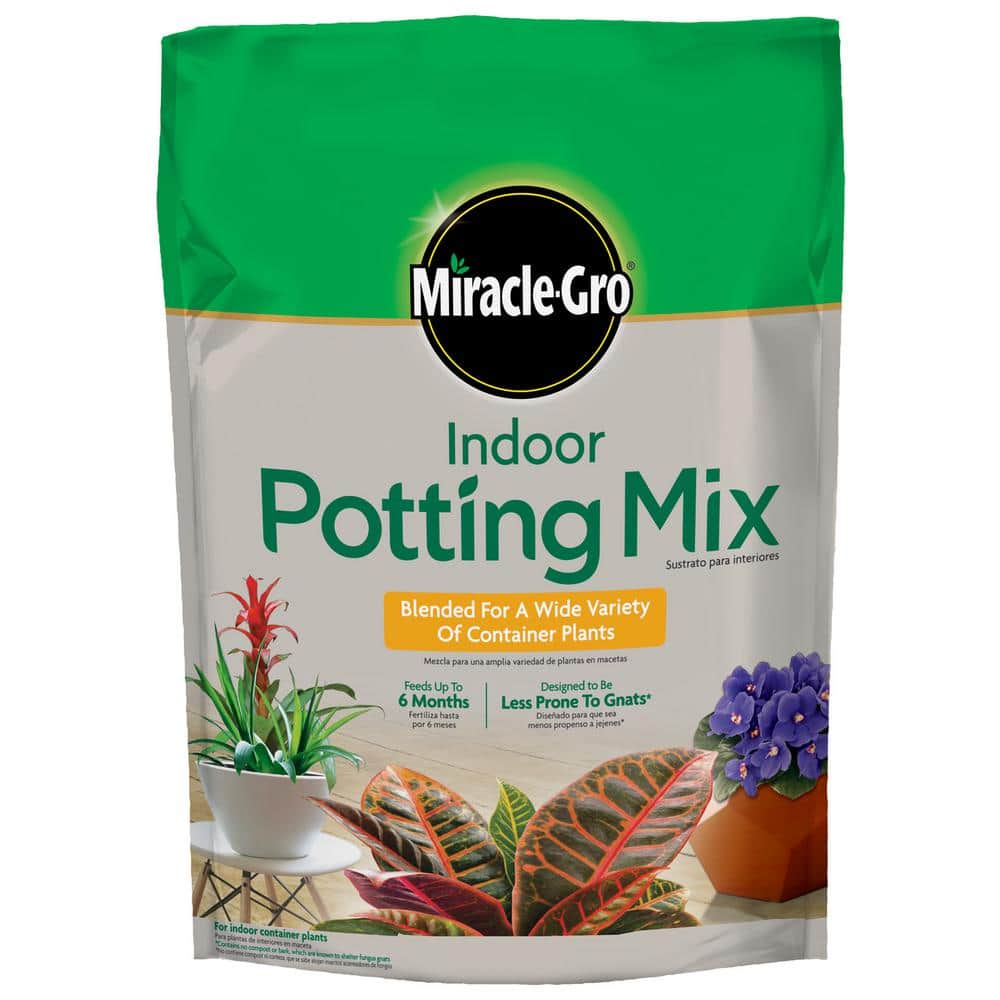
If you plant in containers, make sure they have drainage holes, or add a few, and fill the container with good quality potting soil.
How to Maintain and Care for Perennials
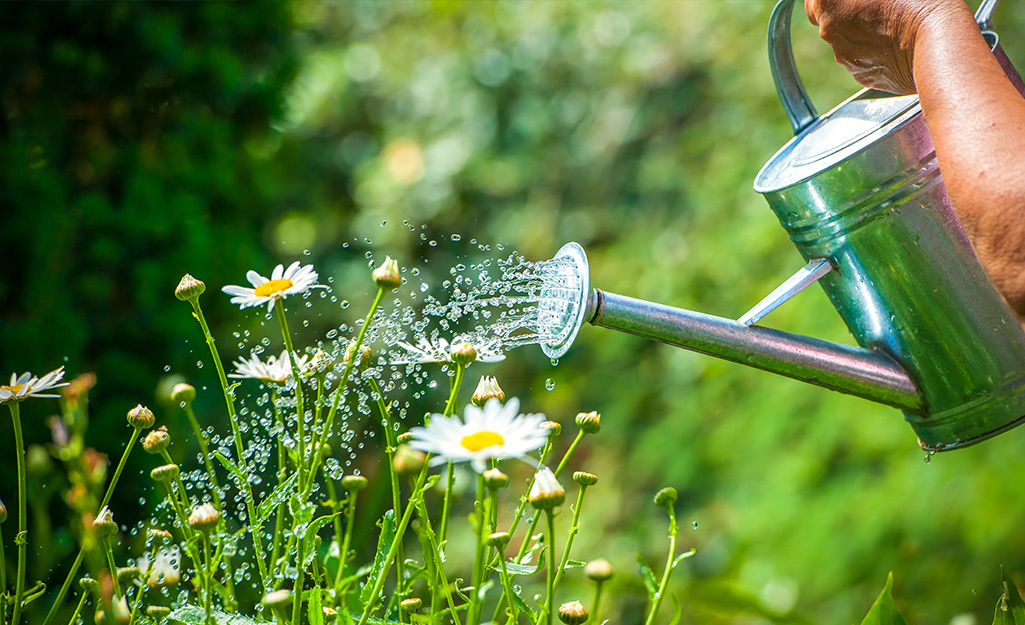
Keep new perennials well-watered for the first couple of weeks. After that, water when the soil feels dry to the touch. Don’t let the ground stay soggy, which can lead to rotting.
Deadhead your plants (remove the flowers) when they fade.
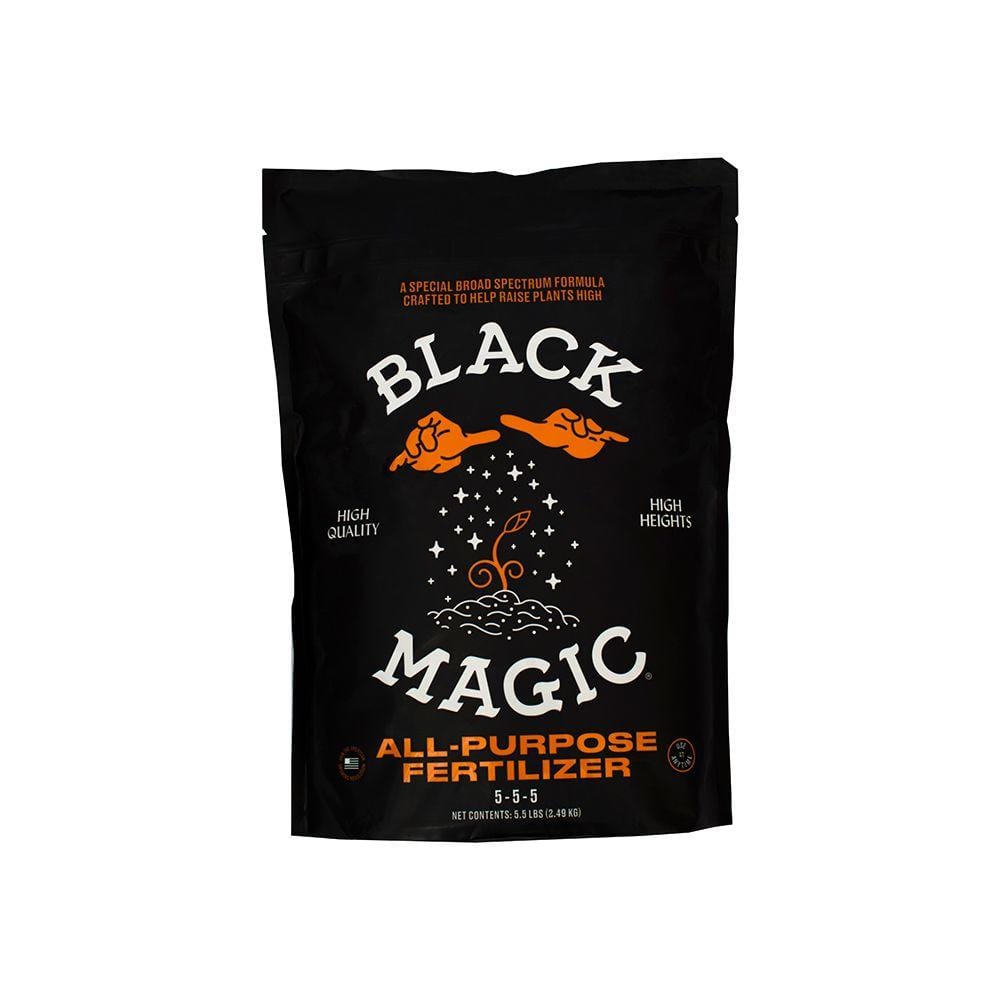
Perennials planted in healthy soil don’t need much fertilizer, but if desired, feed them once a year, in the spring, with a fertilizer recommended for perennials. Follow the directions on the product for how much to apply and water it in thoroughly.
Apply a two to three-inch layer of mulch around your plants to help retain moisture and prevent weeds from popping up. An organic mulch that will eventually decompose and add nutrients to the soil, such as shredded bark or leaf mold, is a good choice.
Perennials can be cut back to the ground after the first frost in your area, when the foliage begins to turn yellow and die. Some tender perennial bulbs, such as dahlias and gladiolas, should be dug up and stored in a cool, dark spot that stays above freezing. Replant them the following spring, after the danger of frost has passed.
Some perennials will grow and thrive where you plant them and will need to be divided every few years. Hostas and daylilies are a couple of popular perennials that you can grow, divide and share with friends. Early spring and fall are the best times to divide perennials. Learn more about dividing perennials.
A garden of healthy perennials is a joy year after year. Plant them once and enjoy a splash of color in any corner of your yard, with a lot less work. Use this guide to find the right perennials for your garden and ensure that they stay beautiful for years to come.