Butcher Block Countertops Buying Guide
Last updated September 7, 2023
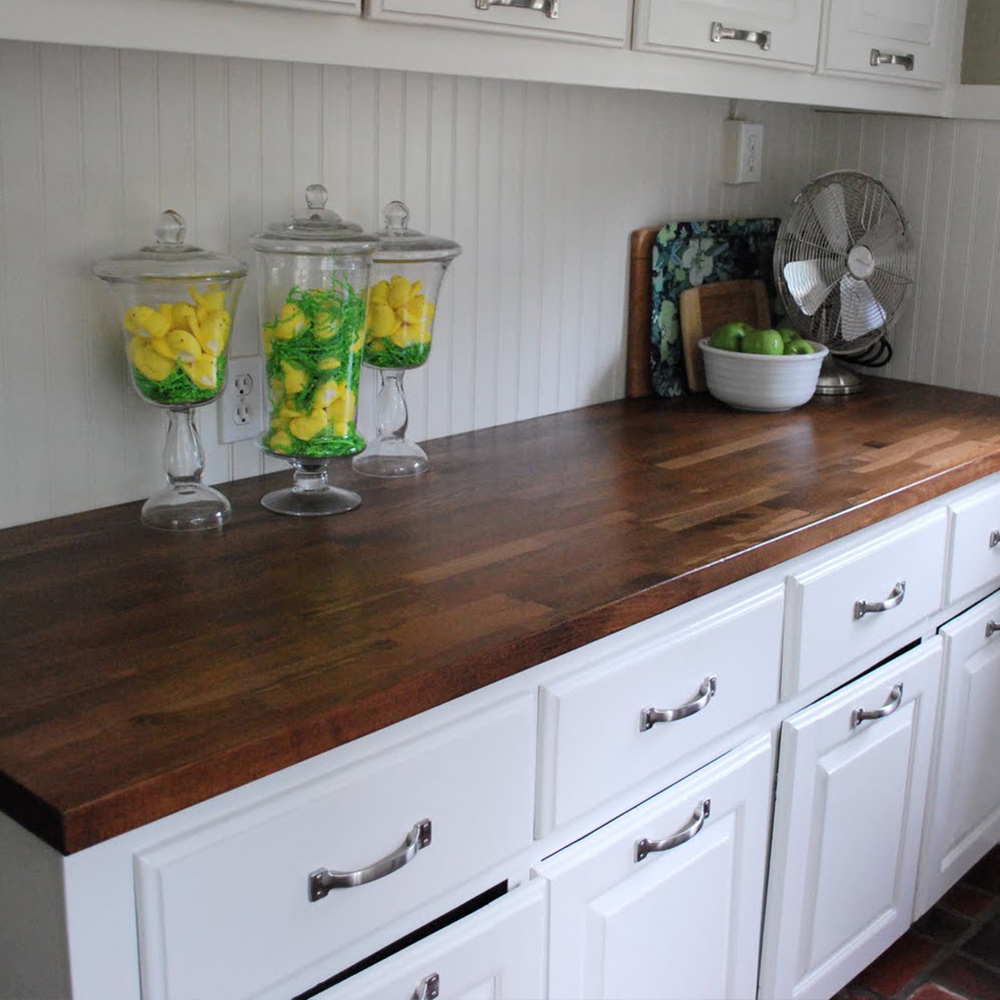
Butcher block is a popular material for countertops. Homeowners choose butcher block for its sleek and crafted appearance that enhances the look of any kitchen. Its rustic style aside, there is much to learn about the use of butcher block as a countertop surface. Read this guide to become familiar with how to buy butcher block countertops and if butcher block fits what you want for your home.
Table of Contents
What is Butcher Block?
Types of Woods Used in Butcher Block Countertops
Butcher Block Countertops Construction Types
Butcher Block Countertop Uses
Pros of Butcher Block Countertops
How to Care for Butcher Block Countertops
What is Butcher Block?
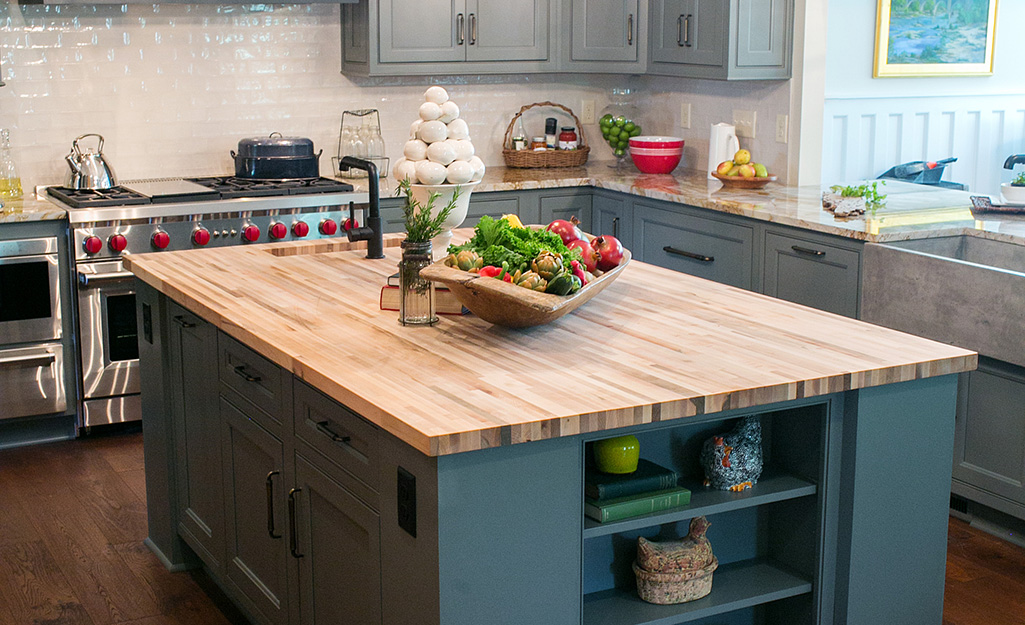
Butcher block is made from individual cuts of wood that are joined together with adhesive to create a slab. The resulting product is a distinctive patchwork of woods in alternating colors. Butcher block is commonly used for cutting boards in kitchens. In past years butcher block was popular as a standalone countertop island for food preparation. Designers and remodelers are practicing how to use butcher block as a premium alternative to stone, quartz and metal.
Types of Woods Used in Butcher Block Countertops
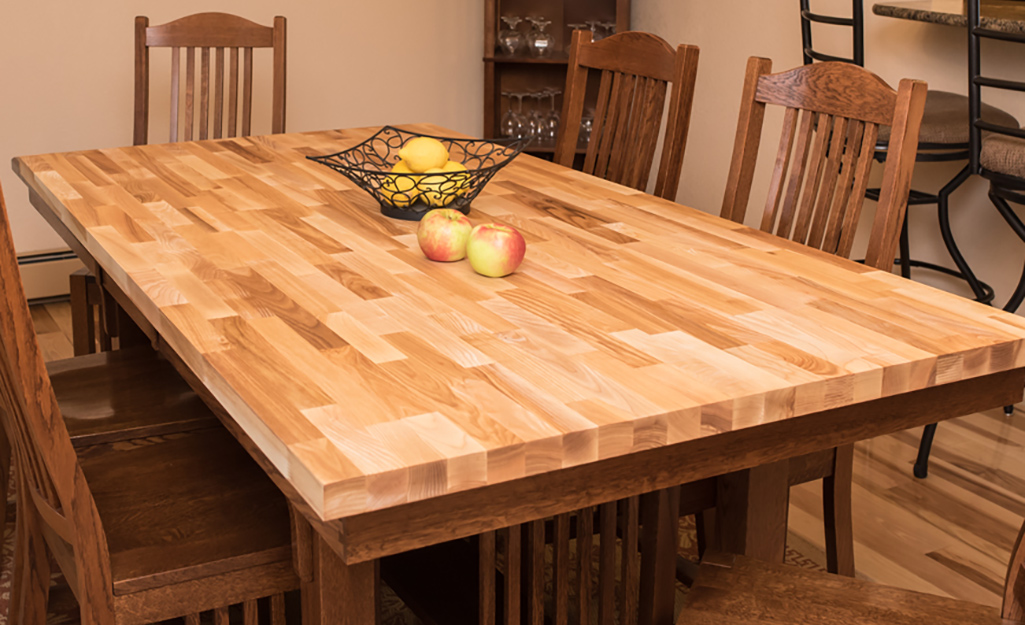
Almost any type of wood can be used to make kitchen butcher block countertops. Some of the more popular types of wood include birch, walnut, acacia and saman. Hardwoods like maple, walnut and oak are preferred for their durability. Cherry and red oak add hints of reds and darker browns to the kitchen. Birch and beech bring warm tones to a kitchen or other space. Some woods offer variation and have more personality depending on the look you want.
Butcher block surfaces come finished and unfinished. Unfinished butcher block surfaces offer a great blank slate to customize for your project or room with a variety of methods. The surface can still last a long time with proper cleaning and maintenance.
Butcher Block Countertops Construction Types
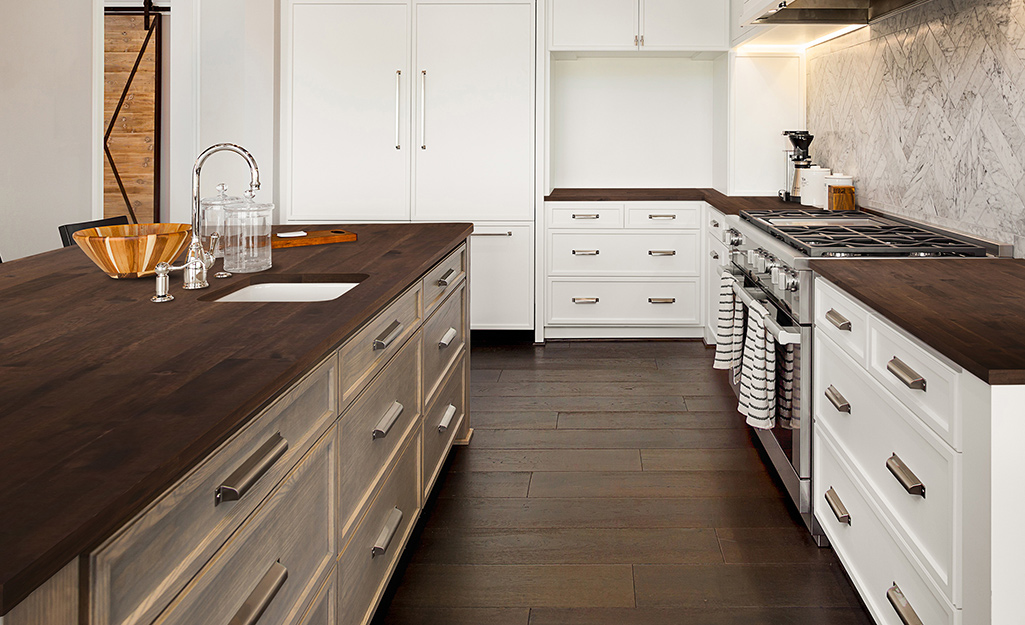
Butcher block countertops have a distinctive wood grain appearance that sets it apart from wood countertops. They are made in three types of designs.
- Edge grain: This butcher block countertop design is crafted from narrow edges of the wood glued together. The joined wood boards can be a continuous length or random lengths. Edge grain is popular as a butcher block countertop in homes because of its affordability.
- Flat grain: This countertop design reveals the natural patterns of the wood. Planks of 4- to 12-inch-wide wood are placed flat and glued at the edges.
- End grain: Rectangular blocks of the end grain of different woods are bonded together to create the checkerboard countertop surface. In most cases the growth rings of the wood are visible. The end grain is more durable than flat face grain and edge grain wood surfaces.
Butcher Block Countertop Uses
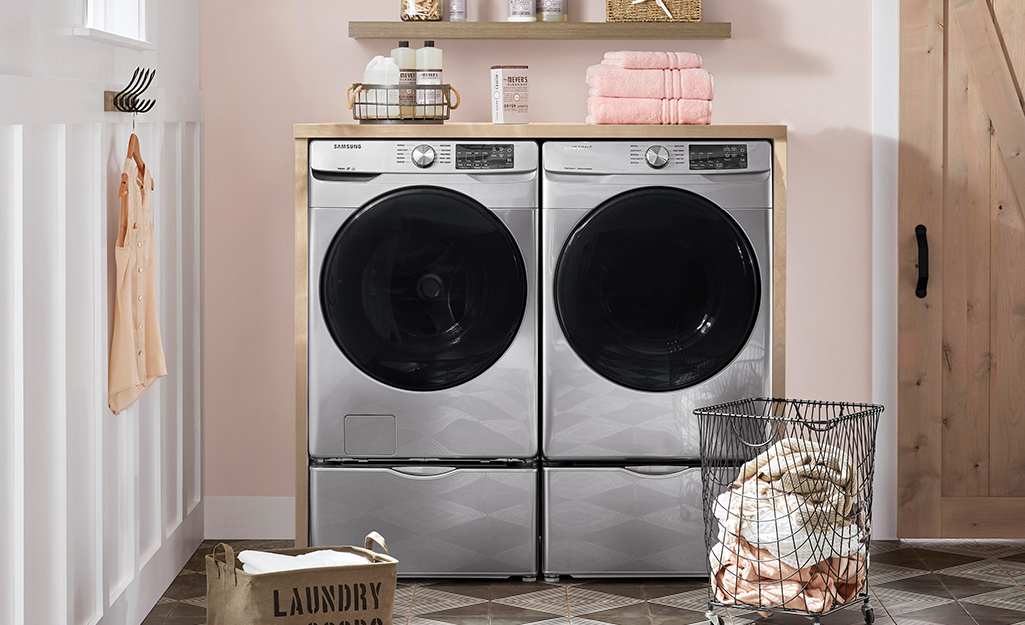
The durability and visual appeal of butcher block is why it is a popular choice for kitchen countertops and countertop islands. Here are some creative uses for butcher block in other parts of the house:
- Butcher block makes sturdy and eye-catching desks and work stations.
- Custom crafted butcher block shelves add style as DIY storage space.
- Finished butcher block countertops work well in laundry rooms and in mud rooms.
- Hardwood butcher block countertop surfaces make great work tables in garages and workshops.
Pros of Butcher Block Countertops
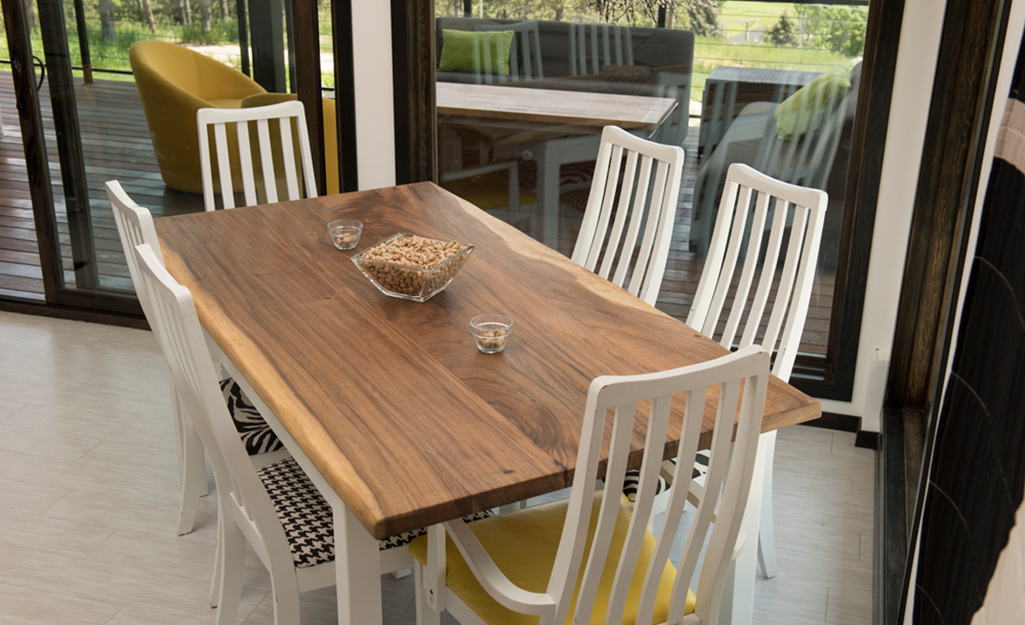
There are benefits to choosing kitchen butcher block countertops.
- Butcher block is one of the more affordable countertop materials available, with installation costing about $40 to $100 per square foot. The typical butcher block countertop of 50 square feet costs $2,000 to $5,000 to buy and install. By comparison, the best quality quartz for a kitchen countertop surface can costs $75 to $150 per square foot, and marble can range from $75 to $250 per square foot.
- Butcher block countertops are designed to withstand heavy daily use. They can last for 20 years or longer with regular care and maintenance. By comparison, laminate countertops typically last about 15 years before they need to be replaced or upgraded.
How to Care for Butcher Block Countertops
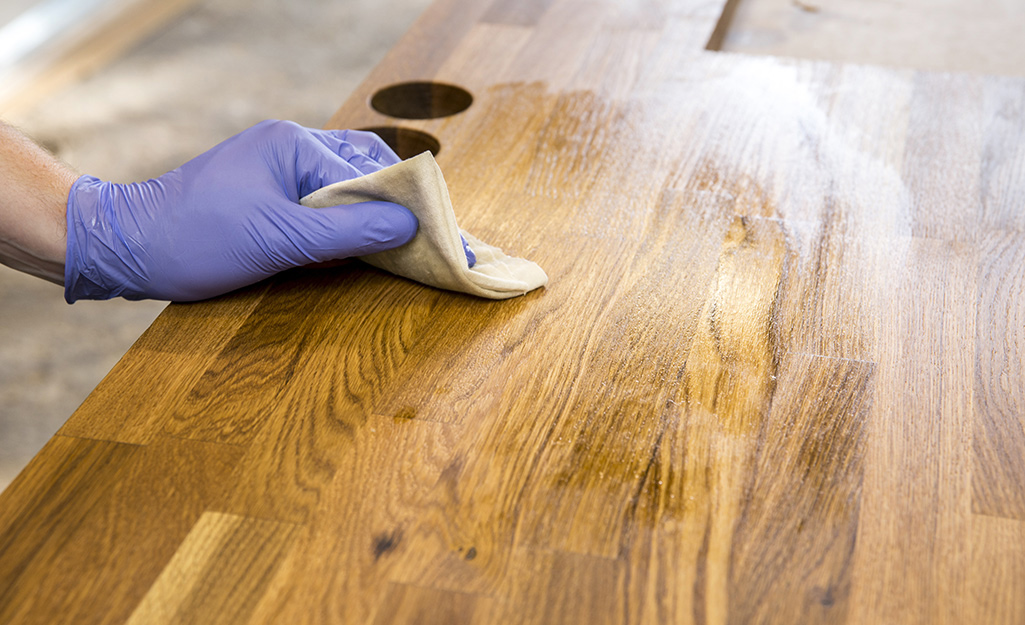
Butcher block countertops are easy to clean and maintain. Damage can happen but since wood is a natural product it is easily repairable or you can change the look by sanding it down and repairing the finish.
- Unfinished butcher block needs to be finished before installation. A commonly used finishing method is a mix of mineral oil and beeswax. Once dried, the finish forms a hard, fully cured and water-resistant surface for finished butcher block countertops. You can customize the look by using a stain or polyurethane.
- Soap and water are sufficient to clean off food residue and vinegar also works to clean and disinfect the countertop. Stuck-on food and grime can be removed with a plastic spatula.
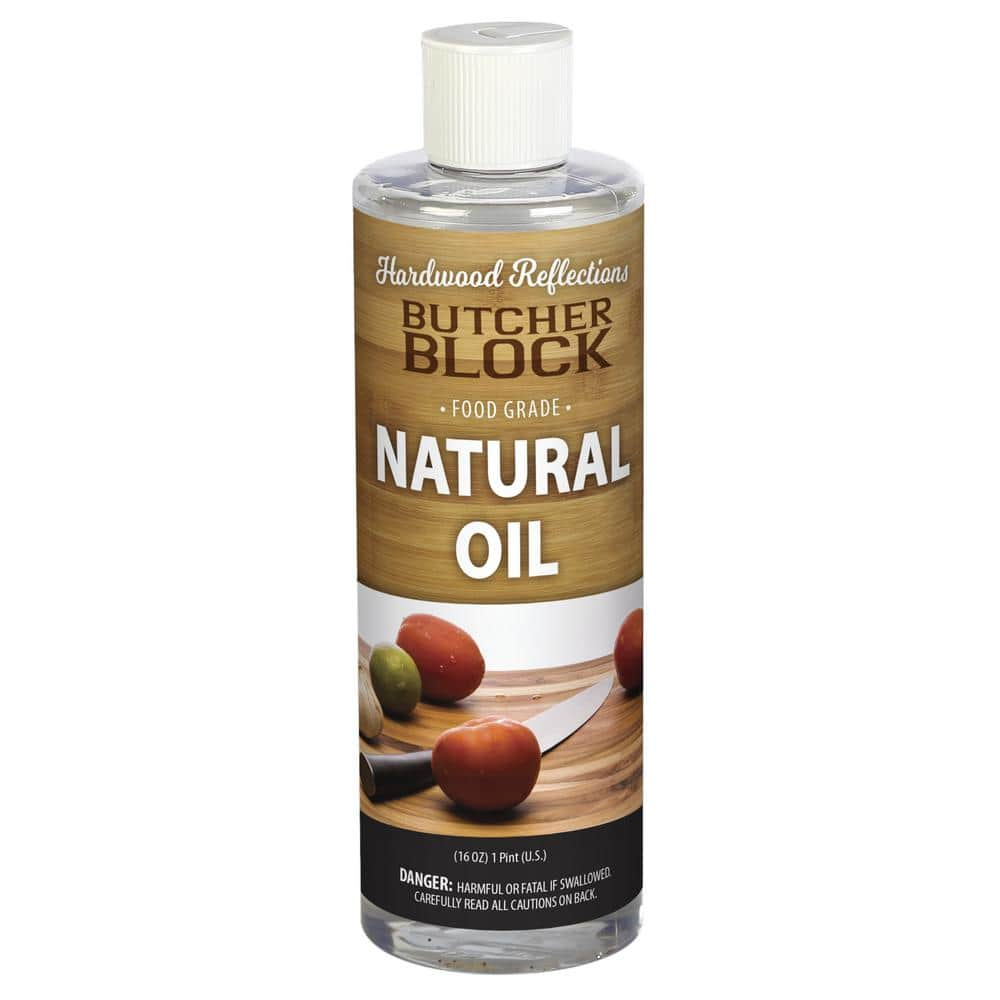
- Food-grade oil and conditioning oils are all that is needed to keep the butcher block wood looking fresh.
- Moisture can cause butcher block countertops to warp over time, but this is easily remedied. Apply mineral oil to the entire surface of the countertop or table and let it soak in. This makes the butcher block more moisture resistant and keeps the wood lubricated enough to avoid drying out and warping.
- To remove a burn mark or a scratch from a knife stroke or, sand the spot with fine-grit sandpaper and apply mineral oil to the spot.
Butcher block countertops add charm to any kitchen and the surface can be adapted for use in any part of your house. Knowing how to buy butcher block countertops helps when it comes to shopping for one that best fits your decor. Use The Home Depot Mobile App to locate products and check inventory. We’ll take you to the exact aisle and bay.