10 Flowers that Attract Pollinators
Last updated September 26, 2025
Bees, butterflies and other pollinators are important garden bugs needed to pollinate edible and ornamental plants. Create a garden pollinators love by planting flowers these bugs need to thrive.
Native plants are always a great choice, but many common ornamental flowers will do the trick. When selecting plants, choose those that bloom throughout the year to ensure pollinators are healthy year-round.
In this guide, discover 10 flowers that attract pollinators like bees, butterflies and hummingbirds to your garden.
Table of Contents
Asters
Bee Balm
Black-Eyed Susan
Borage
Butterfly Bush
Coneflower
Asters
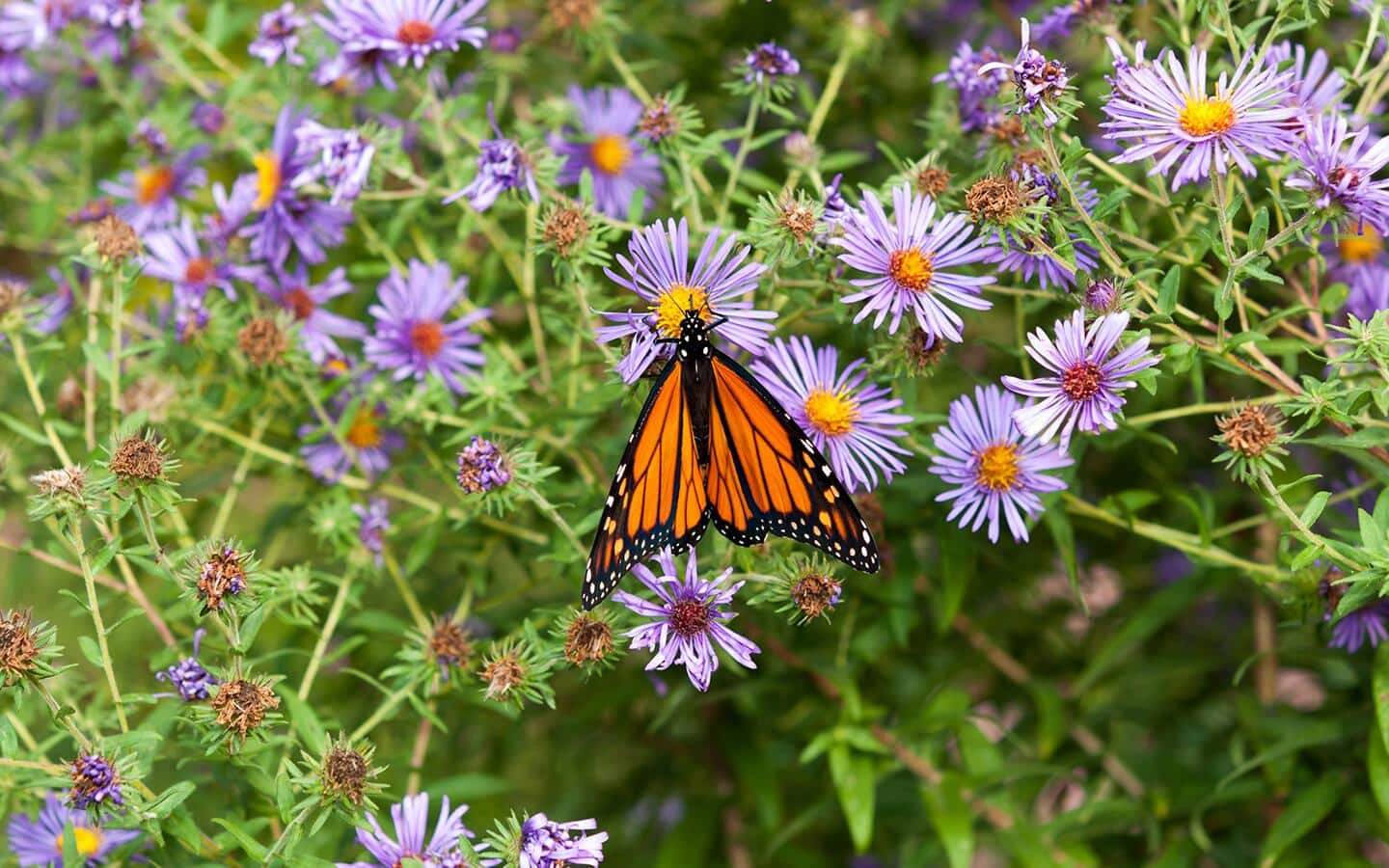
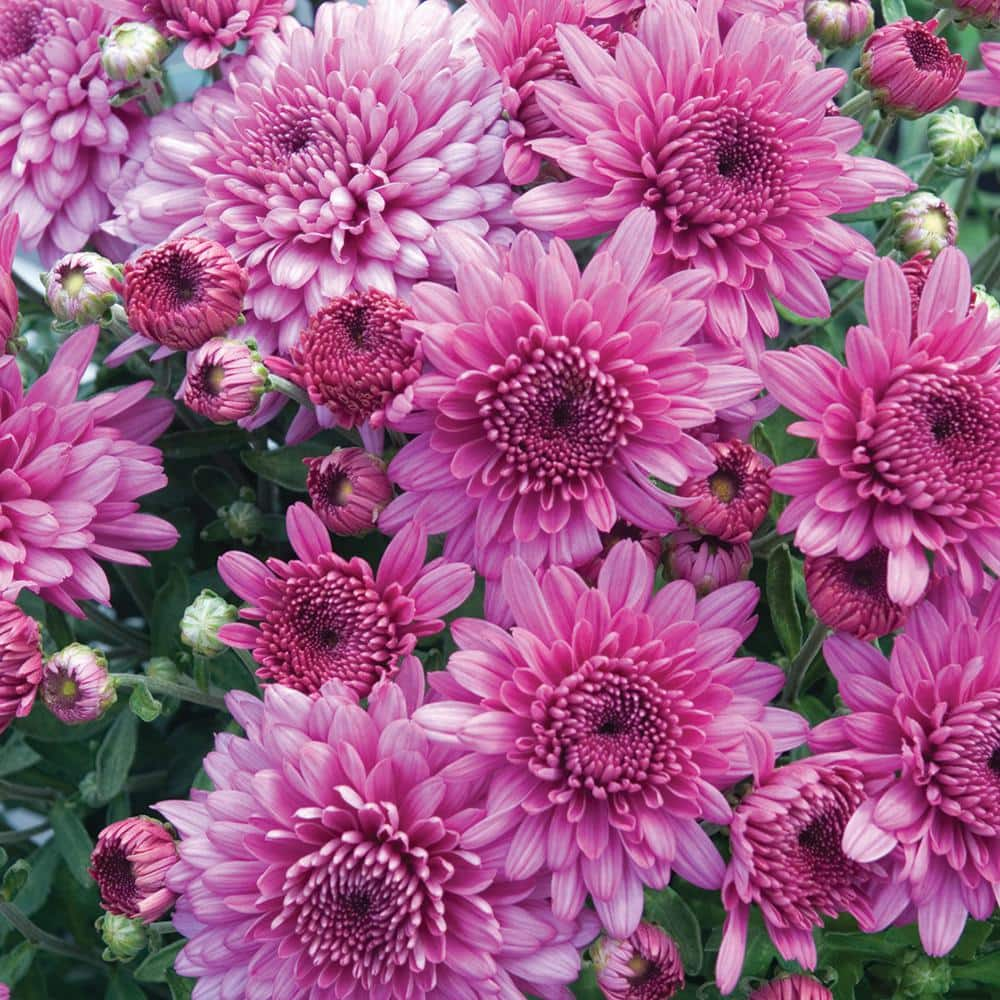
Asters' lovely pink or lavender blooms attract a wide range of late-season butterflies and beneficial insects. Darker purple varieties look stunning with a light background such as a white picket fence. In a sunny spot, space plants one to three inches apart depending on the variety. Most asters are hardy in zones 4 to 8.
Bee Balm

Another aptly named flower, bee balm deserves a place in every pollinator garden. You’ll be surprised to see bees and hummingbirds flock to this native plant. Plus, its leaves can be dried to make tea. This flower thrives in full sun in zones 4 to 9.
Black-Eyed Susan

Black-eyed Susan's smiling daisy-like flower is popular with bees and other pollinators. Also called rudbeckia, black-eyed Susans bloom in colors spanning sunny yellow to bronze, mahogany and red. This native perennial is easy to grow, performing well even in poor soil and dry conditions. Black-eyed Susans grow best in full sun in zones 4 to 9.
Borage

The star-shaped flowers of borage appear in summer and last until first frost. It’s a drought-tolerant, native herb that is self-seeding. Borage can grow up to 2 feet.
Butterfly Bush

As you might expect, butterfly bushes are great at attracting butterflies and hummingbirds to the garden. Colorful, fragrant flowers bloom in spring and summer. When left unpruned, butterfly bushes can grow 8 to 10 feet in height in zones 5 to 9.
Tip: Look for newer, compact butterfly bush varieties in the Garden Center. These petite plants can be grown in containers on your deck or patio.
Coneflower
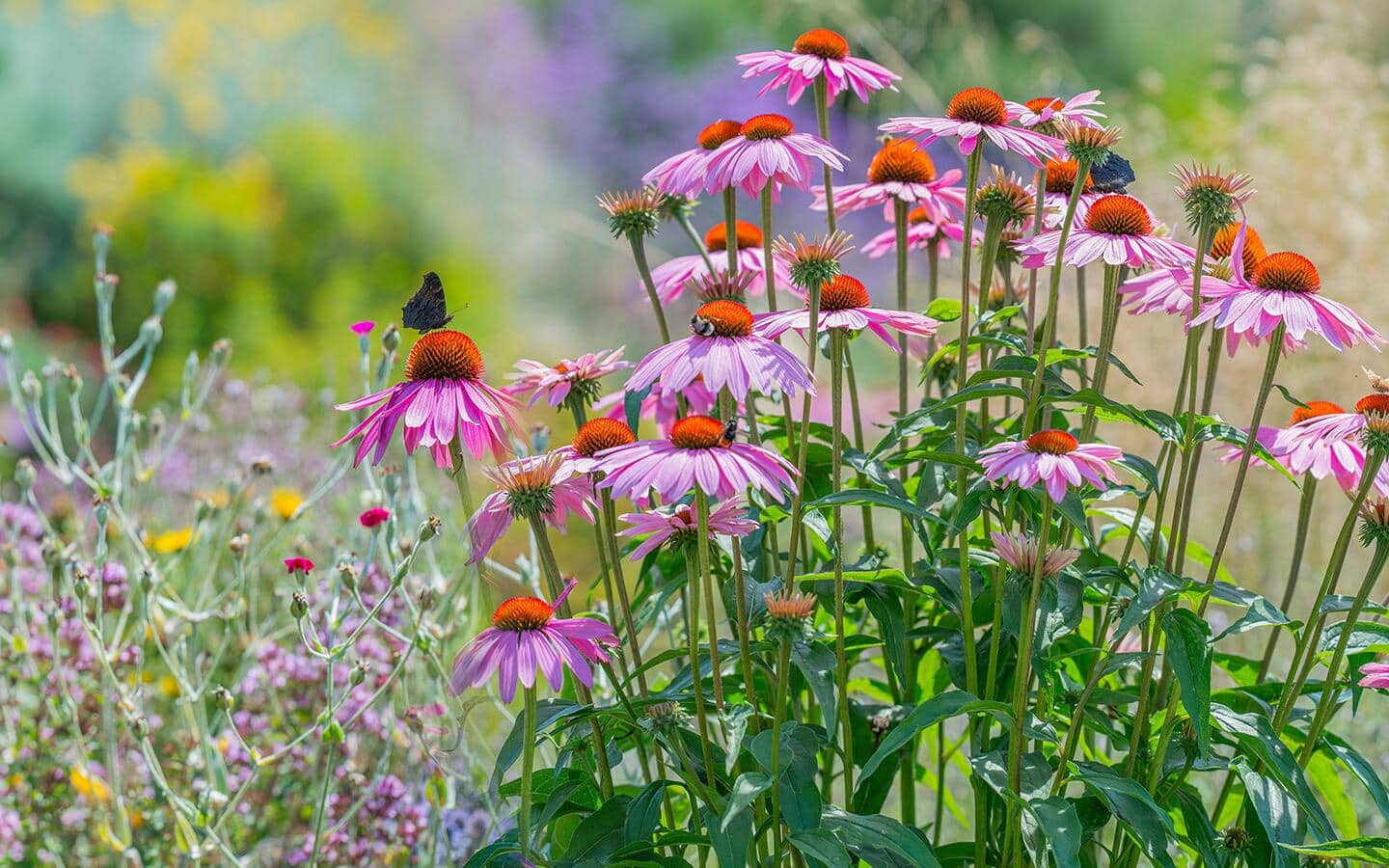
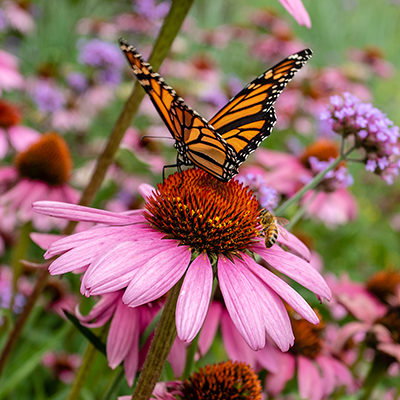
Coneflower's daisy-like blossoms in pink, yellow, orange or white are guaranteed to draw bees and butterflies from midsummer to late fall. Plant these at the back of the garden so their tall stems form a backdrop to smaller flowers in the foreground. Grow coneflowers in full sun in zones 3 to 9.
Joe Pye Weed

Moist spots are perfect for Joe Pye weed, which produces billows of airy pink florets in late summer. The native form can reach 3 to 12 feet tall, but improved cultivars grow to half that size, and they bloom in brighter colors, too. Joe Pye weed is best planted in a space with plenty of room to grow. Joe Pye weed is hardy in zones 3 to 8.
Lavender

Lavender is a low-maintenance plant that tolerates dry conditions and thrives in the heat. Bees love lavender and deer and rabbits tend to skip over it. Plus, the lavender blooms add perfume to the entire garden and can be used to scent your home. Grow lavender in full sun in well-draining soil in zones 5 to 10.
Milkweed

Spring is an extremely important time for monarch butterflies who need milkweed as a host for their larvae. This early spring native plant should be a staple in all pollinator gardens. Milkweed prefers full sun in zones 3 to 7.
Sedum

One of the most dependable perennials you can grow, ‘Autumn Joy’ and other vigorous varieties will quickly establish themselves as permanent garden residents in any sunny spot. The early fall flowers attract a wide range of beneficial insects, and make excellent cut flowers as well. Autumn Joy and other sedums thrive in zones 3 to 8. Check plant tags when selecting sedums for your location.
More Plants Pollinators Love
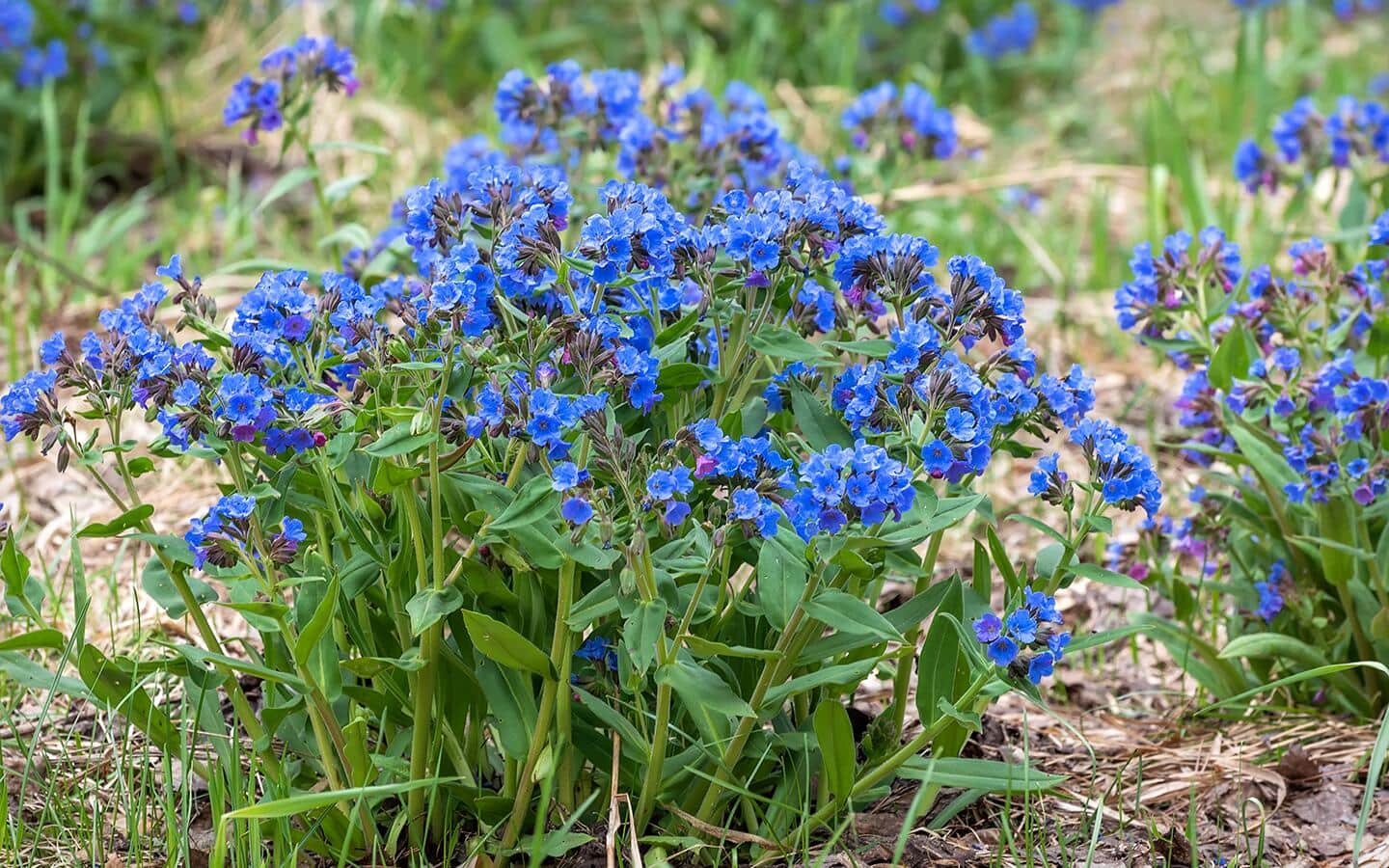
Plan to plant for pollinators all year long. Following are some ideas for your garden:
Spring pollinator plants:
- Crabapple
- Crocus
- Lungwort
- Pansy
- Viola
Early summer pollinator plants:
- Allium
- Cherry
- Columbine
- Dianthus
- Elderberry
- Foxglove
- Fuchsia
- Heuchera
- Winterberry
Mid-summer pollinator plants:
- Clethra
- Cleome
- Cosmos
- Gladiolus
- Morning glory
- Nasturtium
- Nicotiana
- Penstemon
- Petunia
- Scarlet runner bean
- Rose
- Spirea
- Sunflower
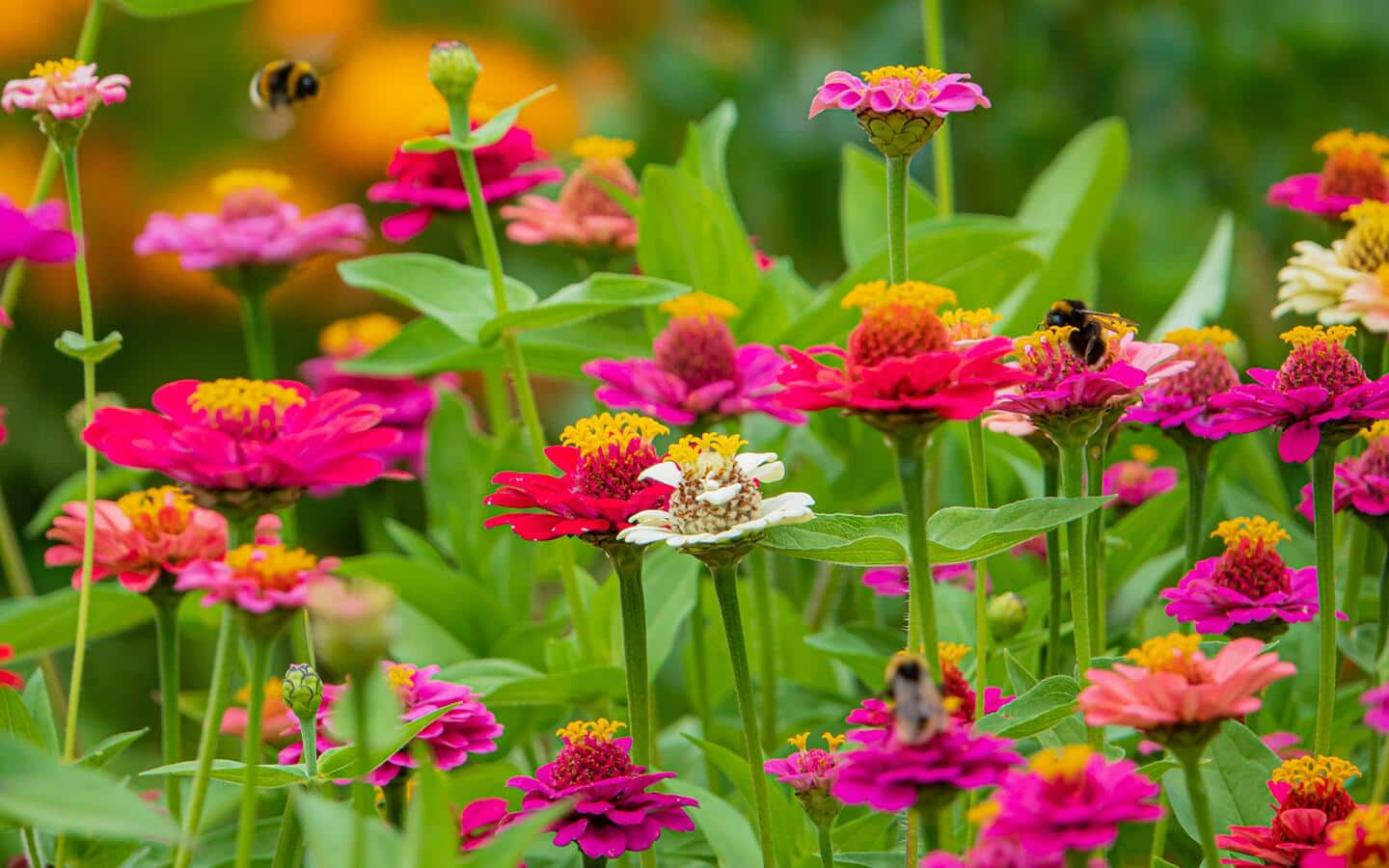
- Zinnia
Late summer pollinator plants:
- Delphinium
- Goldenrod
- Lobelia
- Obedient plant
Flowers that attract pollinators bring life to your garden and yard. Whether you need the right tools, seeds or garden soil, The Home Depot delivers online orders when and where you need them.