Herb Gardening Guide for Beginners
Last updated July 1, 2025
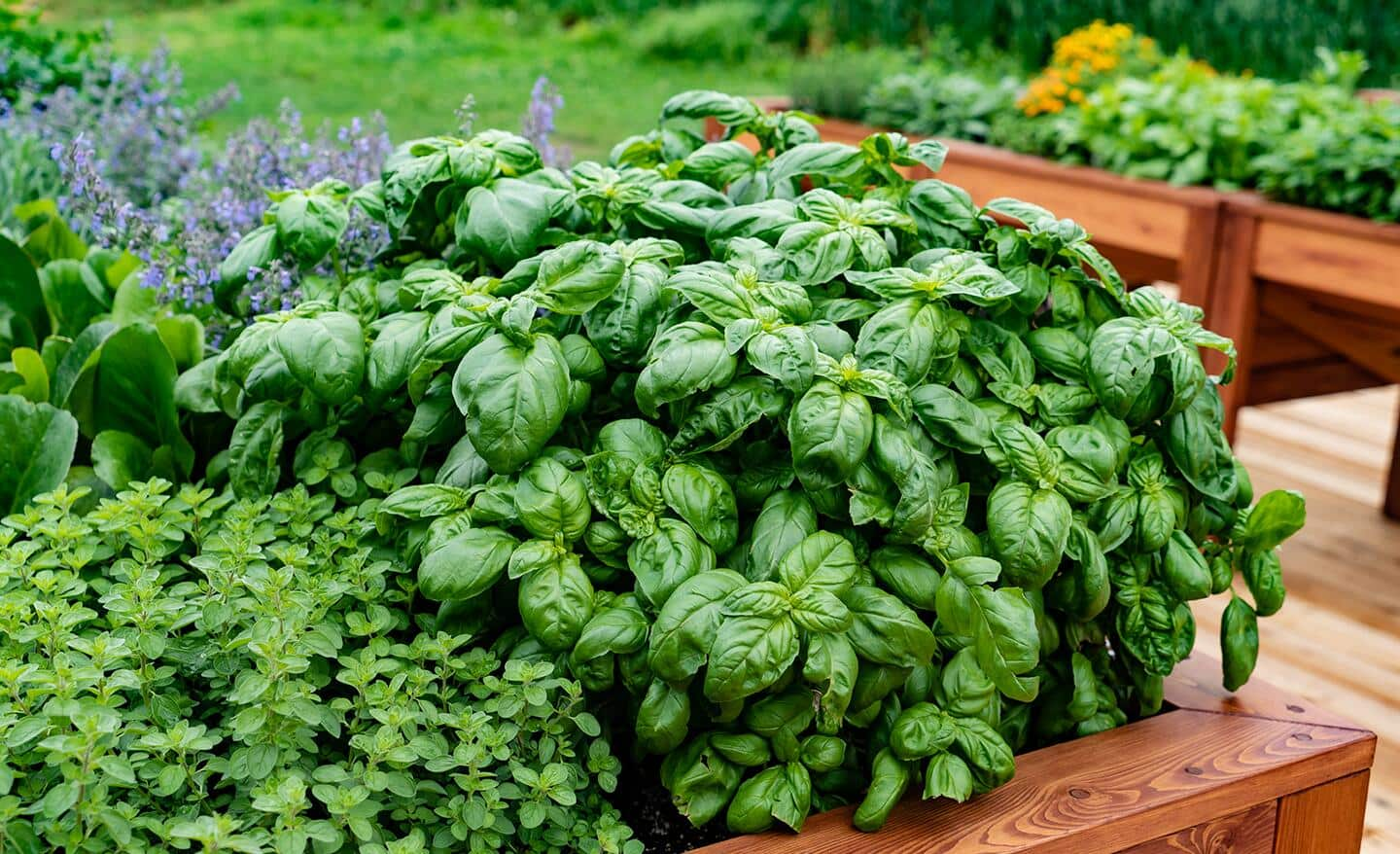
Growing herbs is a great way to get started gardening. Popular herbs like basil and thyme are attractive in the garden, and their fragrant leaves are useful in the kitchen.
Outdoor herb gardens invite interaction. When you touch the leaves, you release the fragrant oils that characterize them as herbs. Herbs attract beneficial pollinators to your garden, too.
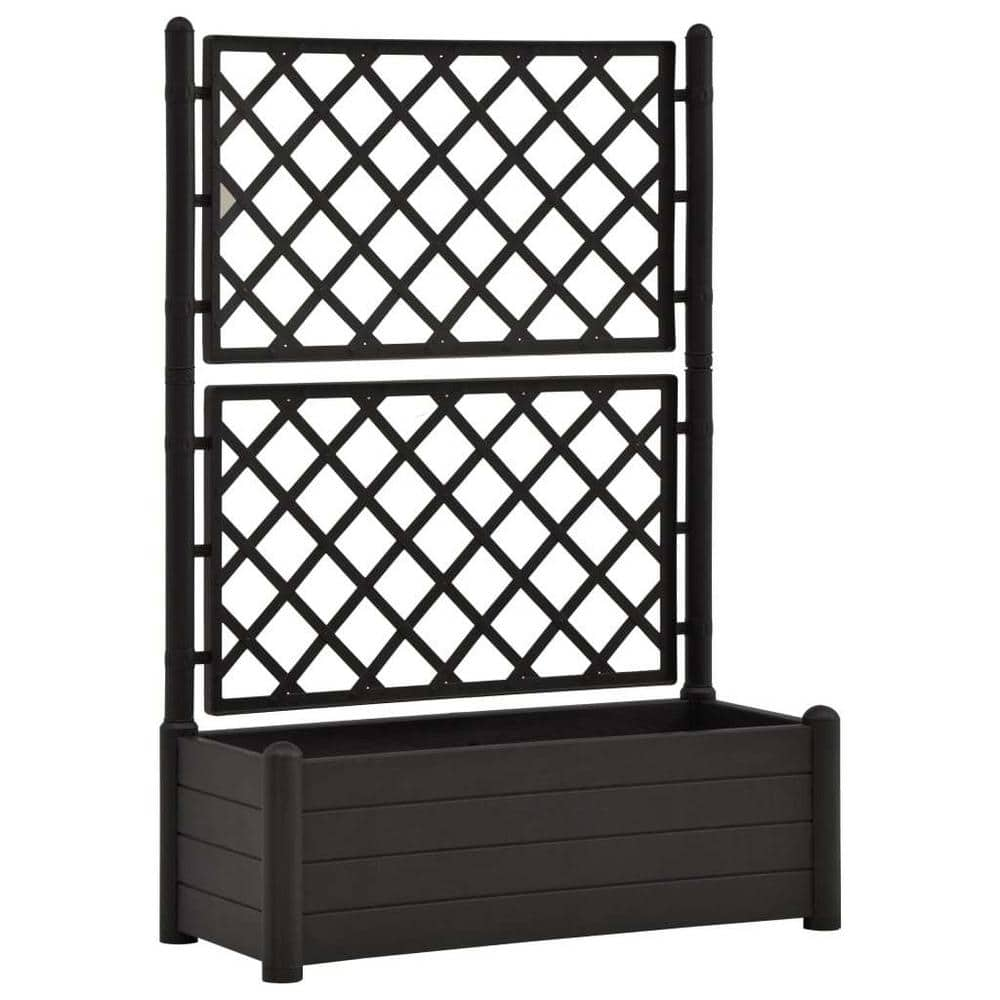
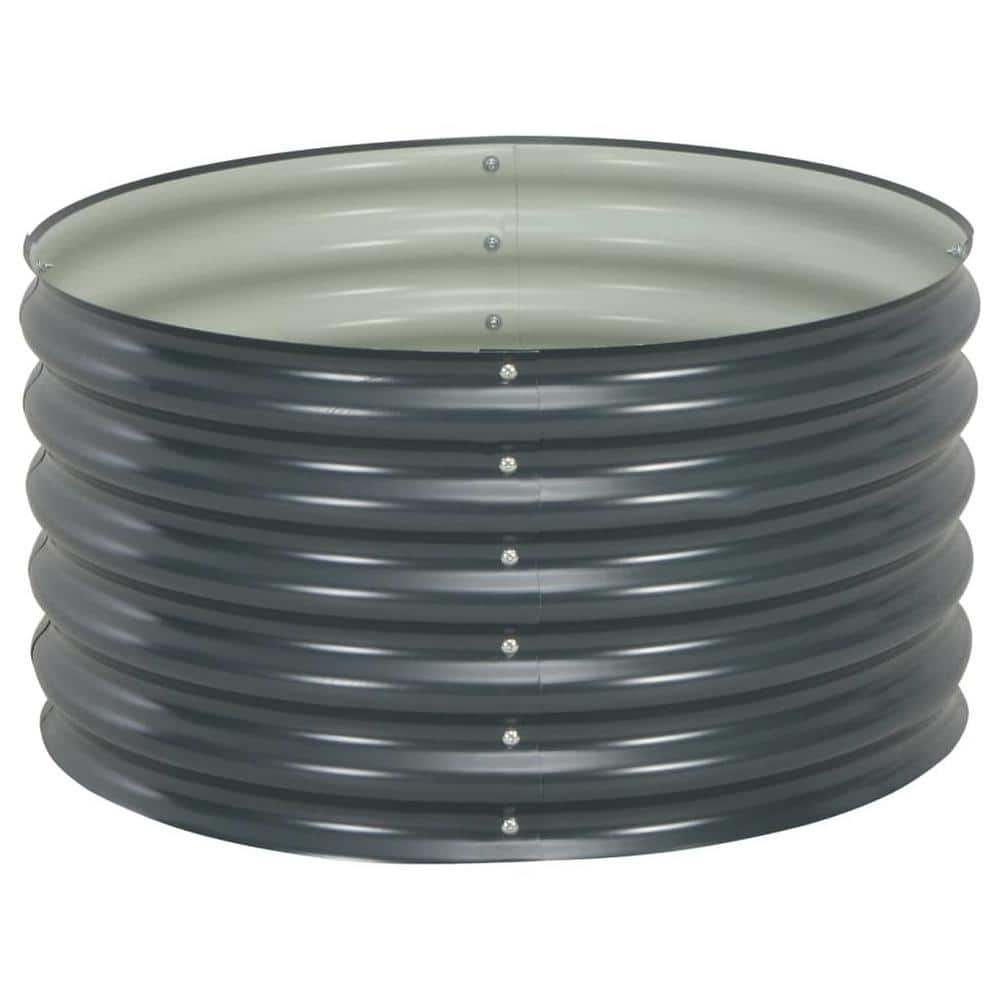
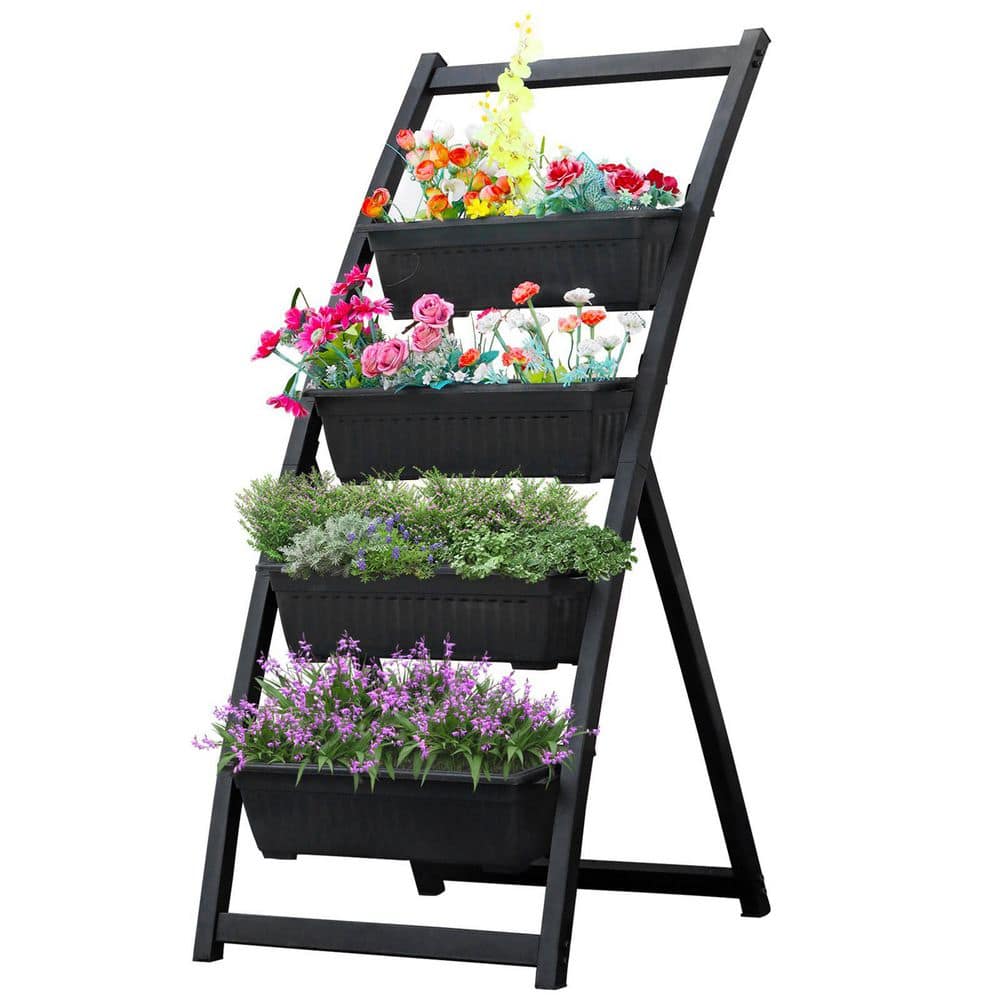
Herbs grow both indoors and outside. Inside, treat them like houseplants. Outside, plant in raised beds, in ground and in containers. In this guide, learn how to start an herb garden.
Table of Contents
How to Grow Herbs
Select a Site
Start with Seeds or Seedlings
Herb Gardening Tools
How to Plant Herbs
Let's Talk About Mint
How to Grow Herbs
Herbs are a group of plants grown for culinary, aromatic and medicinal uses. Some have woody stems, like rosemary, for example. Many have tender stems, like cilantro.
Gardeners grow herbs for the leaves and flowers. They contain oils that flavor food and repel insects, among many uses.
The words "herb" and "spice" are not synonymous. Herbs are the green, leafy parts of certain plants. Spices are the dried seeds, stems, barks and (sometimes) fruits of specific plants. Popular spices include cinnamon, nutmeg and peppercorns.
Herbs are adaptable plants that grow in a variety of conditions. Most like full sun but will tolerate shade. Herbs grow well in average soil, as long as it’s well-draining.
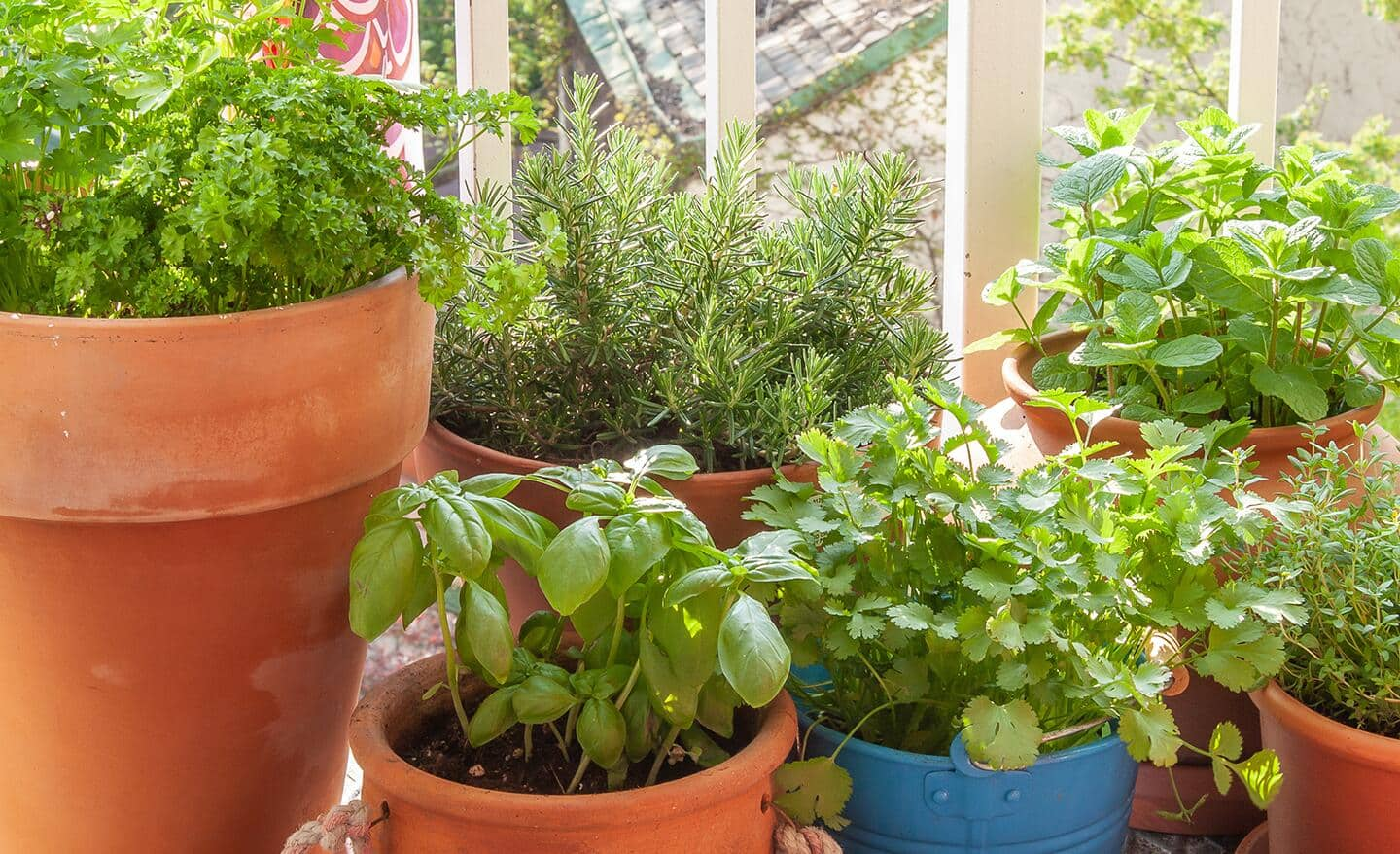
Growing herbs at home is a good value. They're inexpensive to grow from seeds and seedlings. It's easy to try out a few in an outdoor herb garden. Herbs thrive in pots, too. Place terracotta pots filled with herbs near your kitchen door and snip leaves for your culinary creations.
Select a Site
While a spacious, sunny outdoor herb garden is desirable, herbs tend to adapt to your growing space. Plant basil in a vegetable garden, nestled in with the tomatoes and peppers. Put bee balm and parsley in the back of your flower garden to nurture beneficial insects like butterflies.
Pot up kitchen favorites like chives, mint and thyme close to your kitchen for quick snips for salads and soups.
Soil is just as important as sunlight for growing herbs. Amend your garden soil with organic compost to improve soil health and drainage.
Spring is a good time to start herb gardens in most of the country. Most will thrive as summer plantings as long as water is plentiful while the plants establish roots.
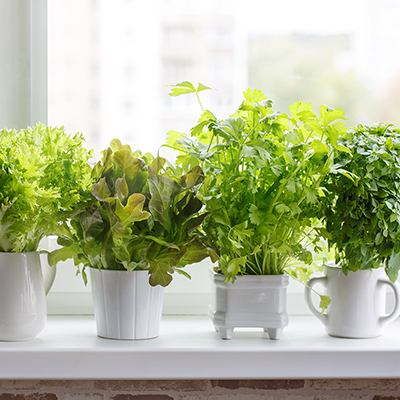
In winter, cold zone gardeners bring pots of tender herbs inside and treat them like houseplants. They'll grow on a kitchen windowsill through the colder months and your can return them outdoors in spring.
Start with Seeds or Seedlings
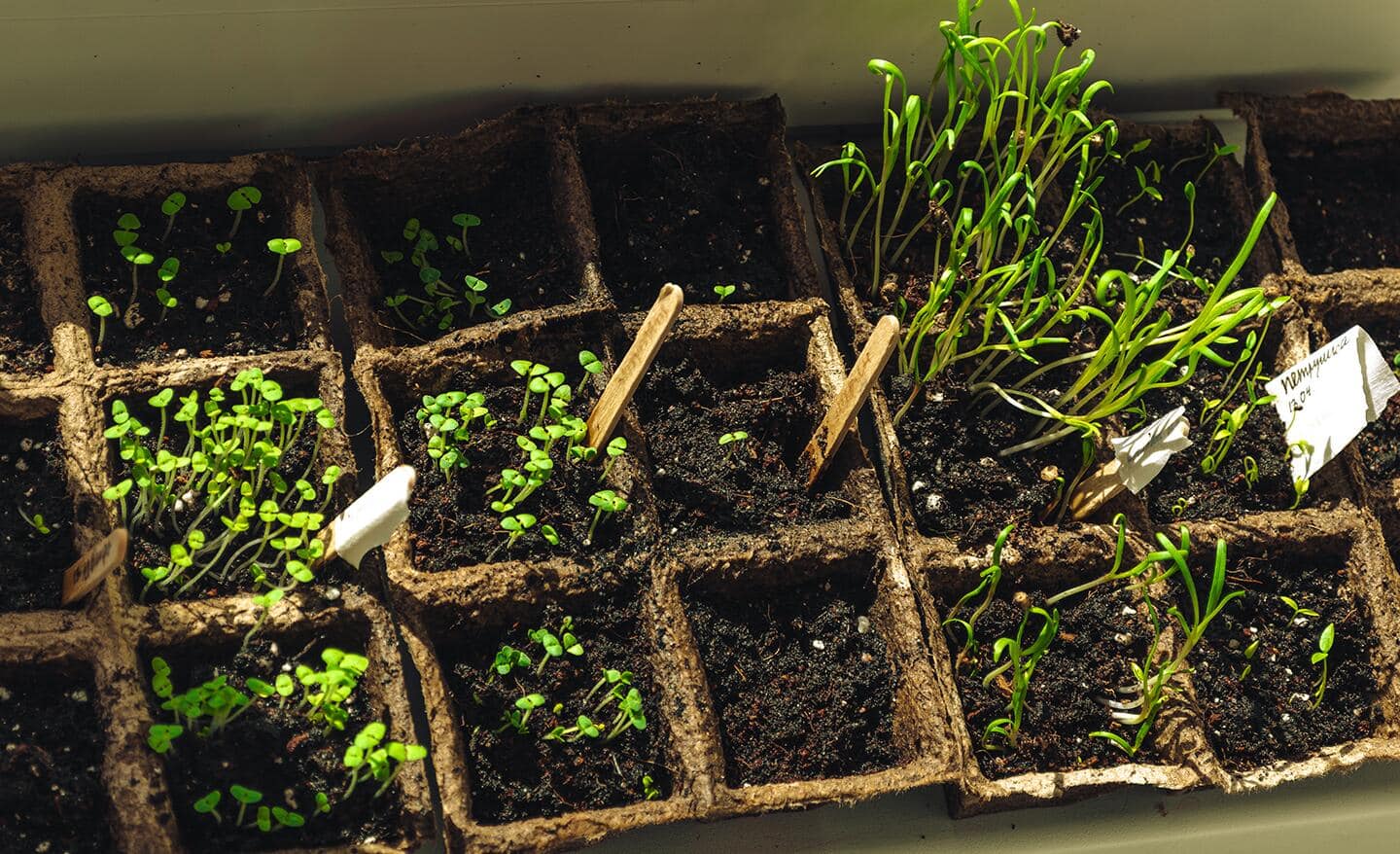
When growing herbs, it's important to grow what you love and what you have room to grow. Herbs are versatile. You can purchase and plant seedlings for immediate harvest. And you can grow herbs from seed to try favorite varieties and save money.
These herbs are often available as seedlings and many organic options are available:
- Basil
- Bee balm (monarda)
- Catnip
- Chamomile
- Chive
- Cilantro
- Citronella
- Dill
- Lavender
- Lemon balm
- Lemongrass
- Marjoram
- Mint (chocolate, peppermint, spearmint, sweet mint)
- Oregano
- Parsley
- Rosemary
- Sage
- Tarragon
- Thyme
Seedling plant tags let you know light and water requirements, as well as planting instructions.
Grow these herbs from seed:
- Basil
- Catnip
- Chamomile
- Cilantro
- Dill
- Fennel
- Lavender
- Marjoram
- Mesclun (salad)
- Mustard (greens use seeds)
- Oregano
- Rosemary
- Sage
- Tarragon
- Thyme
Woody herbs like lavender take many weeks to germinate from seed and up to two years to bloom. For mature lavender plants sooner, experts recommend starting with seedlings.
Growing from seed lets you try many varieties that may be difficult to locate as seedlings. If you’re an experienced seed grower and have pots, soil and grow lights, you’ll likely save money by starting with seeds. If you're new to gardening, try a herb seed starter kit that includes everything you need to get started growing herbs.
You don't always need to start seeds indoors. You can directly sow herb seeds in sunny garden spaces. Basil, cilantro, dill and parsley all grow easily from seed. From seed, they will take 4 to 8 weeks from germination to maturity.
Herb Gardening Tools
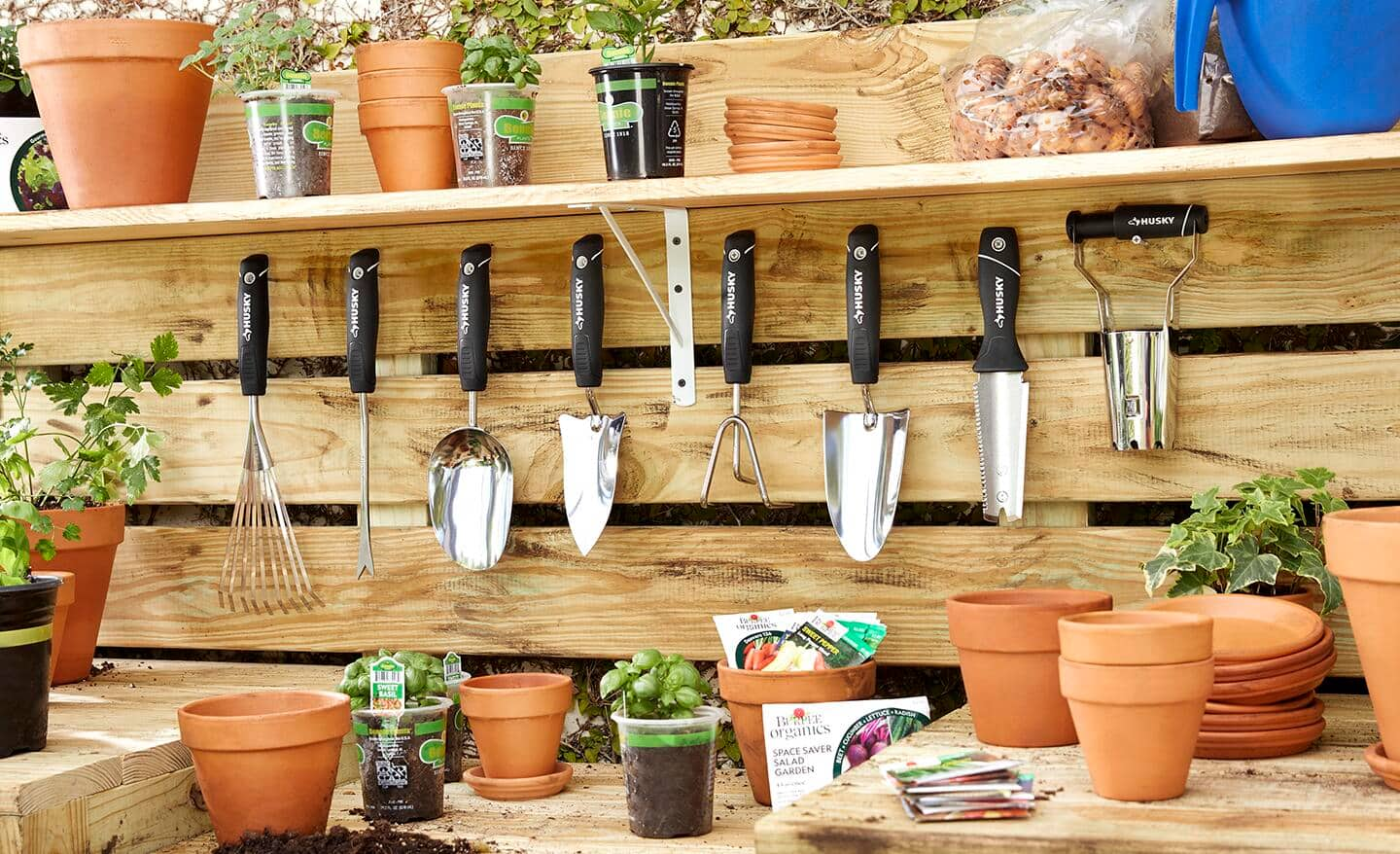
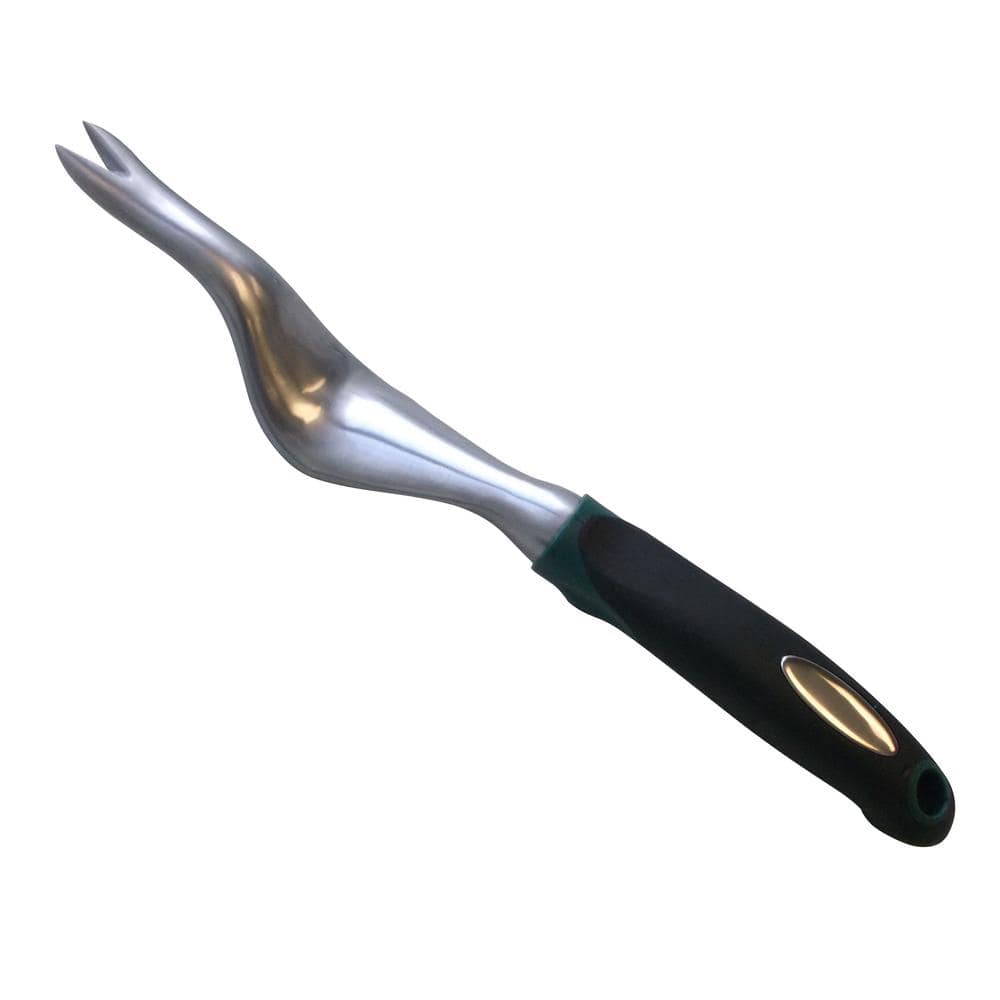
The right tools will improve your herb gardening experience. One of the most useful tools for herb gardening is a transplant trowel. When moving delicate seedlings into soil, use a transplant trowel to settle the plant into its new home.
Use a garden knife, like a hori-hori, or similar, to dig small planting holes. Look for a garden knife with a serrated edge to break up soil clods.
Gardening gloves make gardening easier. Buy gloves that fit your hand. An adjustable strap at the wrist helps gloves fit better.
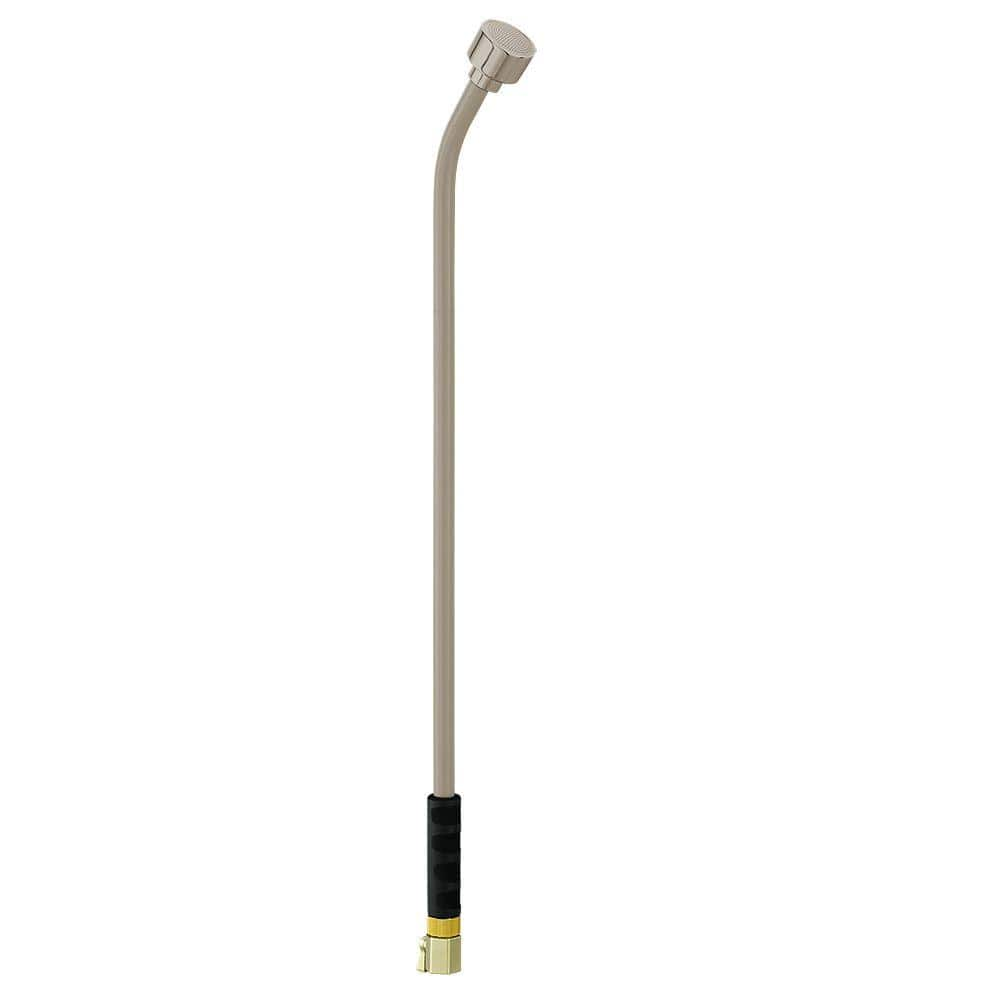
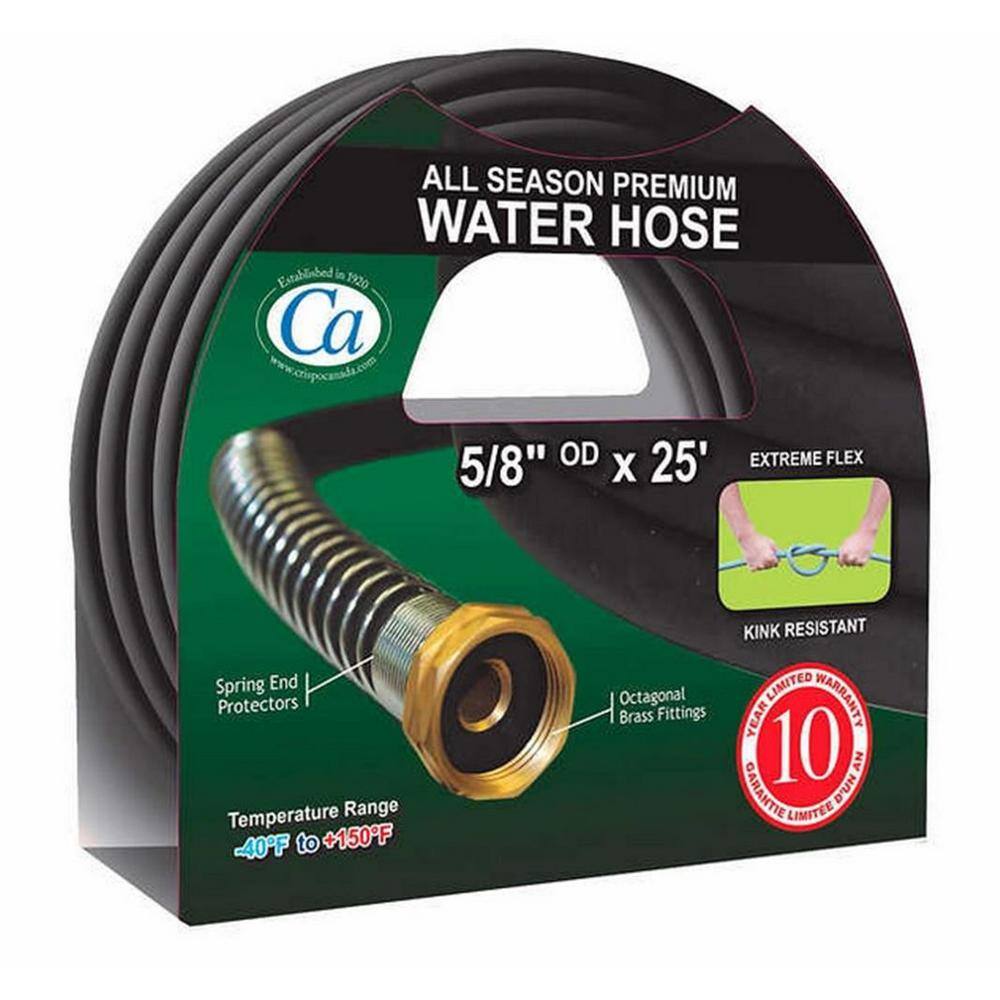
Most herbs need plenty of water after planting. You can use a watering can for small pots of herbs. Use a garden hose with a gentle spray nozzle for in-ground gardens. Direct the water at the base of the plants, not the leaves.
When it’s time to harvest, you’ll appreciate good-quality garden snips and pruners. Save your kitchen scissors and invest in garden snips and keep them handy. They’re useful for clipping leaves and stems. Use sharp pruners for thicker woody stemmed herbs like rosemary and lavender.
How to Plant Herbs
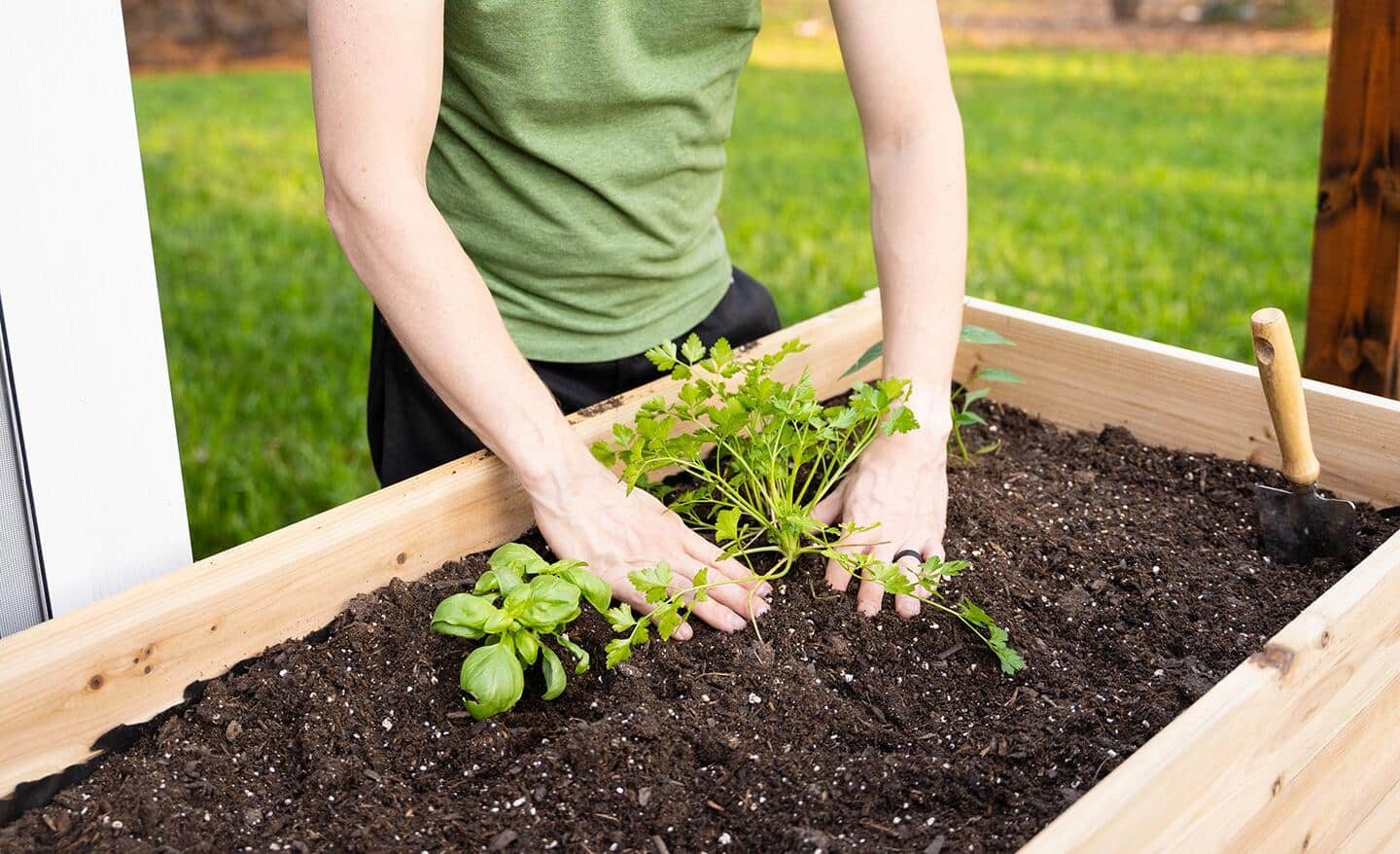
You can start growing herbs from seed indoors about 4 to 6 weeks before the date of last frost in spring in your area. If you don’t have a greenhouse, you can set up a grow light station for your seed starts.
Sow herb seeds when soil temperatures warm up in spring. Plant cilantro seeds when soil temperature is at least 55 degrees Fahrenheit. Sow basil seeds when the soil temp reaches 65 degrees Fahrenheit. Follow seed packet info for more planting instructions.
The ground needs to be warm for seedlings in your garden. Plant herb seedlings in your garden when soil temperatures warm to 65 degrees Fahrenheit. Check your area’s average last date of frost in spring as a guideline. When seedlings emerge and grow their second, or true leaves, thin them so they'll have room to grow.
When planting, pay attention to the plant tag recommendation for spacing. Rosemary is a good example of a plant that “sleeps, creeps, then leaps.” In zones where it’s perennial, rosemary grows from seedling to sizable shrub in just a few years.
After you amend the soil, dig a hole the size of the plant pot. Gently pull herb seedlings from the pot and break up the roots. Settle the plant in the soil and cover with a light layer of soil, compost or mulch.
Remember to label your seeds and seedlings to bring personality to your garden and to help you identify plants. Cilantro and parsley are similar-looking. You can paint rocks with herb names, or use a permanent marker and craft sticks.
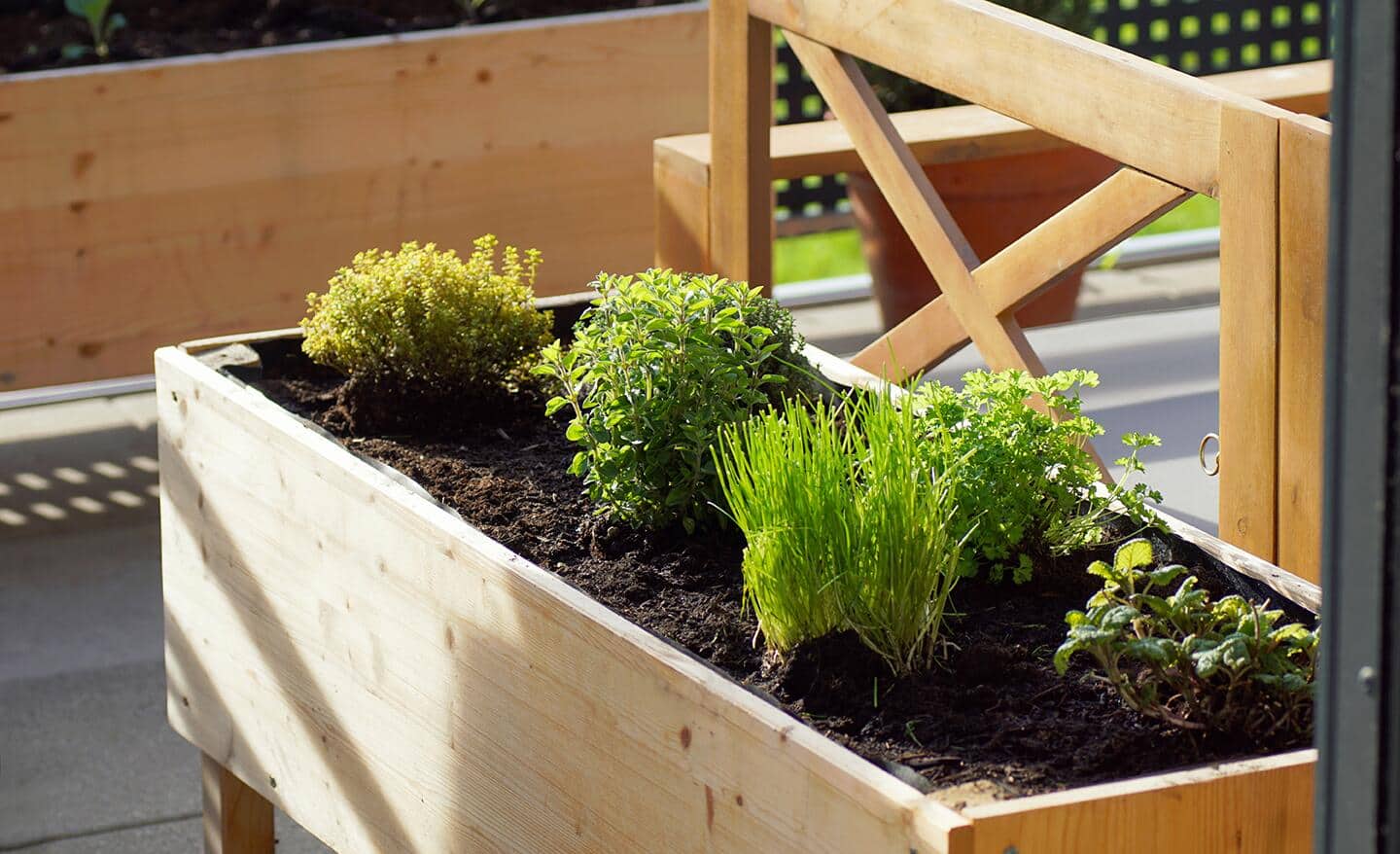
Planting herbs in containers is the same process as in-ground. Don’t crowd herb plants into containers. Herb plants will grow and fill in during the season.
Keys for potted herb success:
- Make sure the pot has drainage holes and fill it with good quality soil. Plants aren’t meant to stay in their nursery pots for long periods. Move them into bigger pots or plant them in-ground when you bring them home.
- Give herbs the right light. Most herbs like full sun but will tolerate light shade. Think about their country of origin when you’re looking for the right spot to plant. Lavender and rosemary grow in Mediterranean climates. Basil thrives in hot, sunny tropical conditions.
- Harvest or prune herb plants often, especially in summer heat. Cutting back the new growth will keep the plants from bolting, or flowering. Some gardeners say that herbs like basil taste different after the plant bolts.
Tip: Nursery pots of herbs contain multiple seedlings. You don’t have to plant them as close as they are in the pot. Gently separate the seedlings and plant them, following spacing guidelines on the plant tag.
Let's Talk About Mint
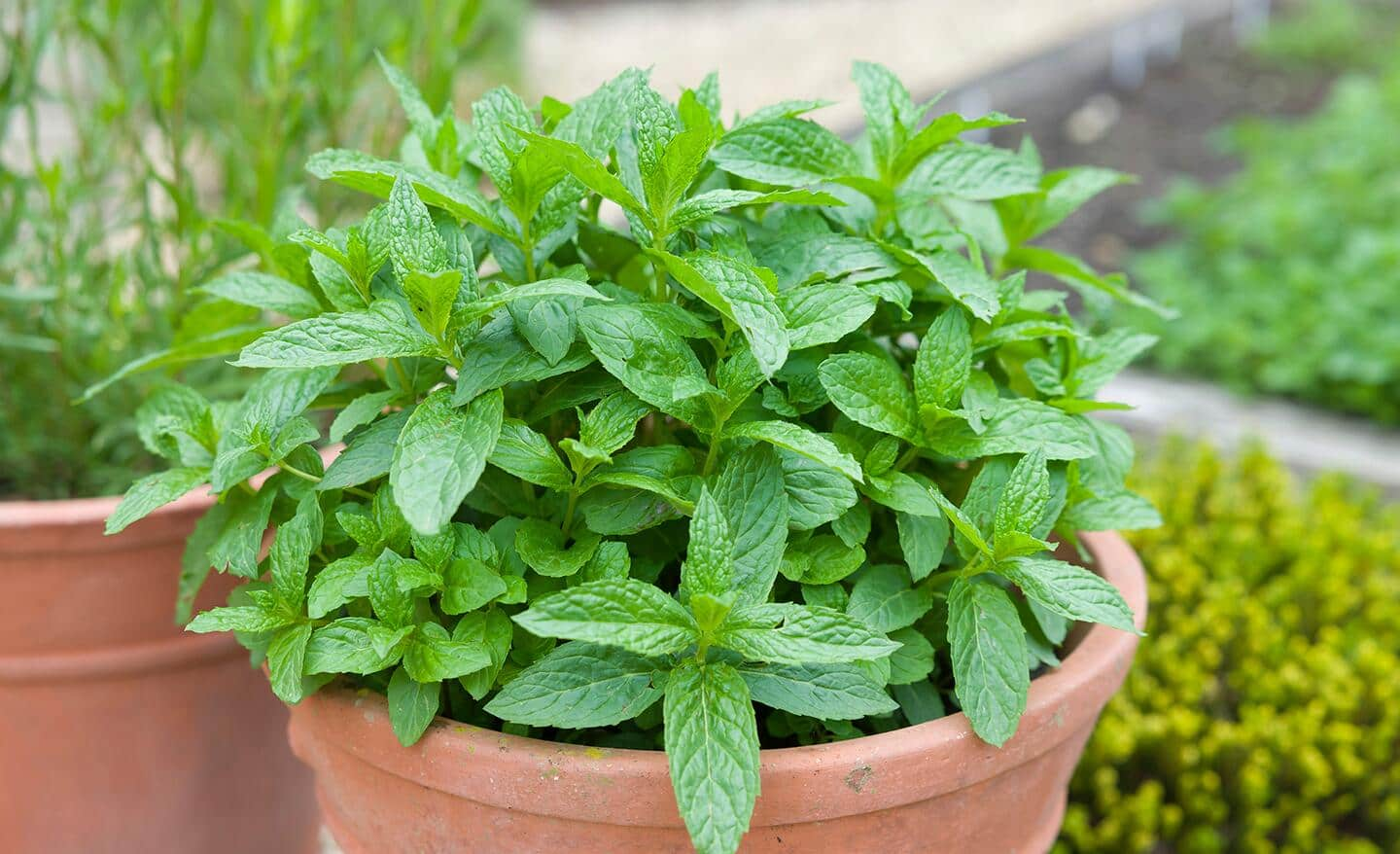
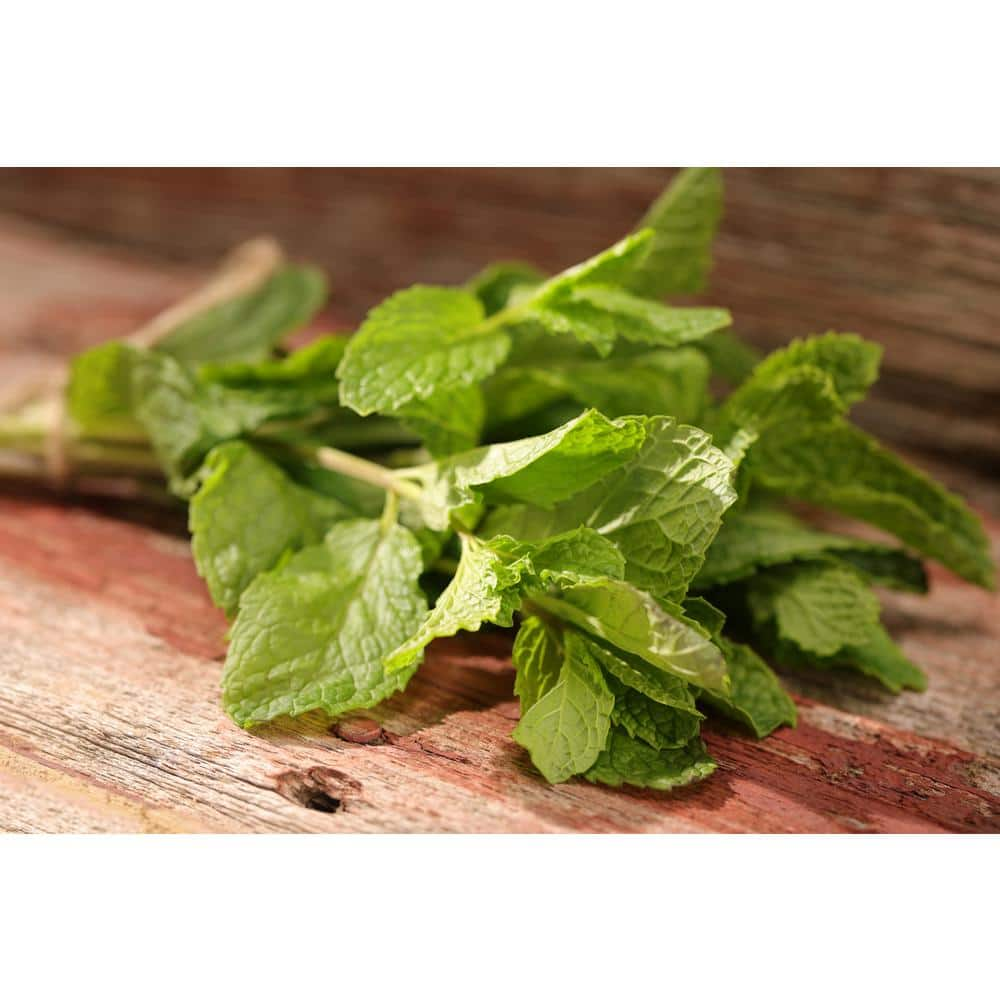
There’s so much to love about mint. First, the variety. You can grow chocolate mint as well as traditional favorites like peppermint, spearmint and sweet mint.
Mint leaves flavor teas and other tasty culinary creations. The leaves are delightfully tactile. In the garden, run your hand along mint leaves to release the oils and the intense fragrance. Mint is an adaptable plant that will thrive in sun or shade and isn't picky about soil conditions. This is the good news about mint.
The bad news: Mint is prolific and hardy and thrives in zones 3 to 8. Zone 3 temperatures as low as -40 degrees Fahrenheit will not kill it. Clearly, mint’s vigorous root system requires boundaries, unless you plant it in a large space where it can freely grow.
The best place to grow mint is solo in containers. Set the containers among the plants in your raised bed or in-ground garden. As the plant grows, it’s easy to divide and share with friends.
How to Care for Herbs
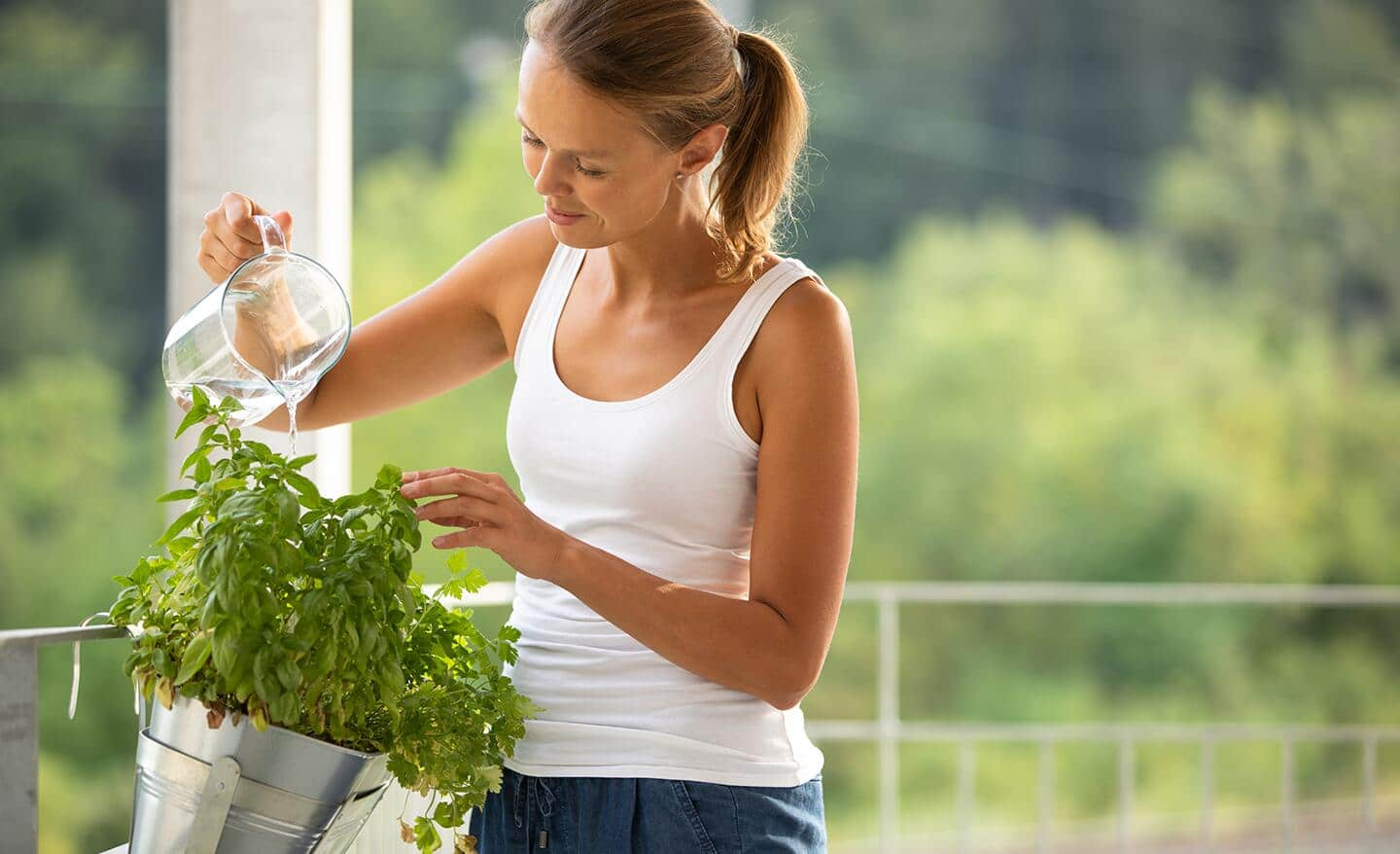
Newly planted herbs need sunshine and water to get established. When you learn how to grow herbs, you’ll understand that once their roots are in place, herbs are carefree garden plants. If they're in good quality garden soil, they won't need much in the way of fertilizer or extra water. They may need water in times of drought. Follow the guideline for vegetable gardens – 1 inch water per week, by rain or garden hose.
Good quality soil amended with organic compost will keep herb plants thriving through the season. If you like, fertilize herbs with an organic product mixed at half-strength.
The best way to keep herb plants healthy is to prune or pinch them. Snipping the plants keeps them from flowering and going to seed. This is called “bolting” and it happens in hot temperatures. Look for varieties of your favorite herbs resistant to bolting. Consistent pruning controls bolting, too.
How to Harvest Herbs
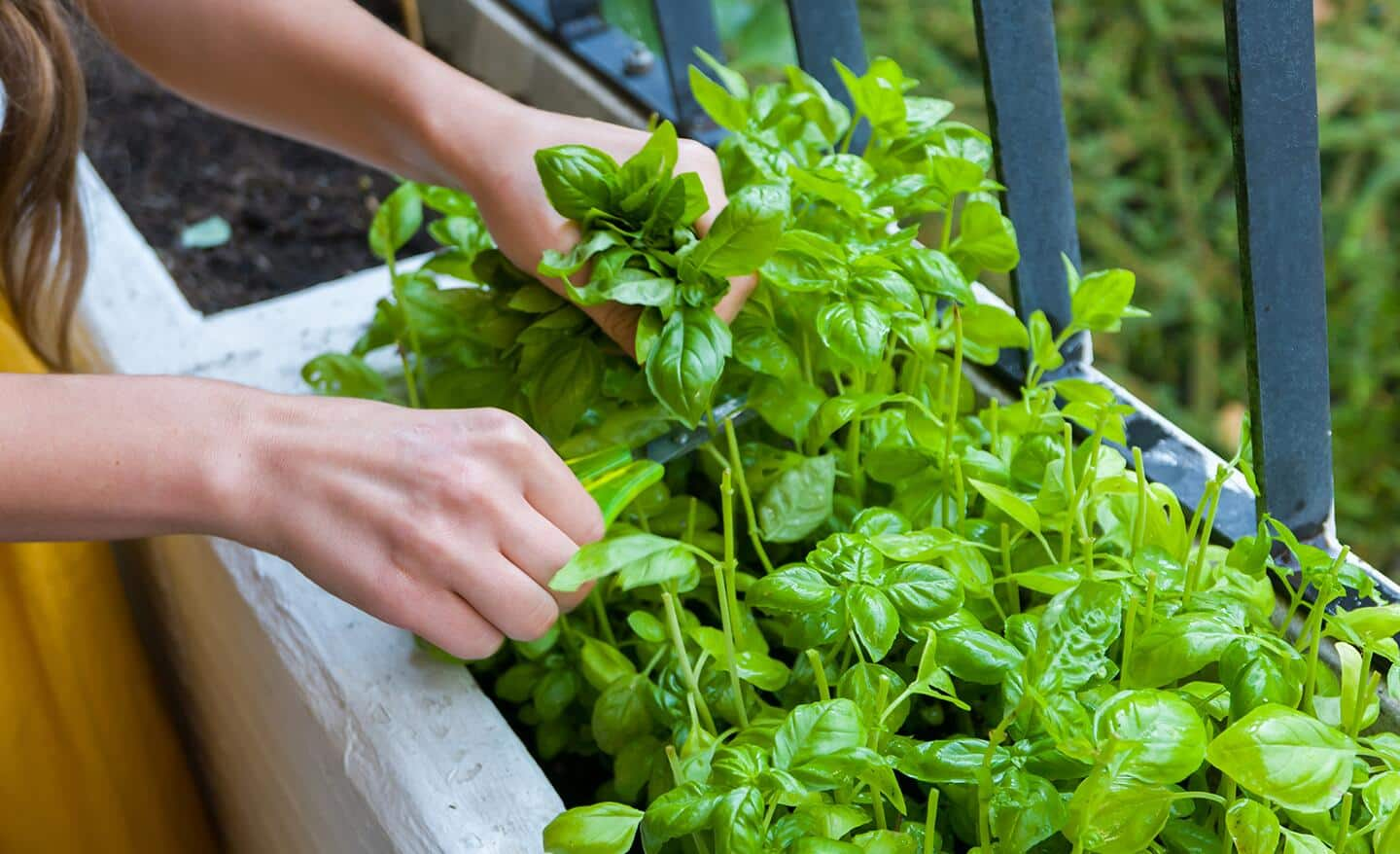
Frequent harvesting keeps herb plants healthy and thriving. Keep a pair of garden snips handy to cut herbs. Wipe the snips with rubbing alcohol and a soft cloth after using.
The best time to cut herbs is right before you plan to use them. That way, the essential oils that flavor food are at their peak. You can harvest herbs and store them. If you’re using them within a few days, put the stems in a glass of water and place in the refrigerator. Pop an open food storage bag over the top to protect them.
For longer storage methods like drying, check out our guide How to Harvest Herbs.
Tip: Add herb stems to cut flower bouquets. Fragrant basil and mint stems can be enjoyed indoors.
When you learn how easy it is to grow herbs, you will grow them in every season possible. Choose herbs that thrive in your growing area and plant them in-ground or in pots. Start your herb garden with the essential plants and tools you need.
The Home Depot delivers online orders when and where you need them.