How to Plant Summer-Flowering Bulbs
Last updated September 7, 2023
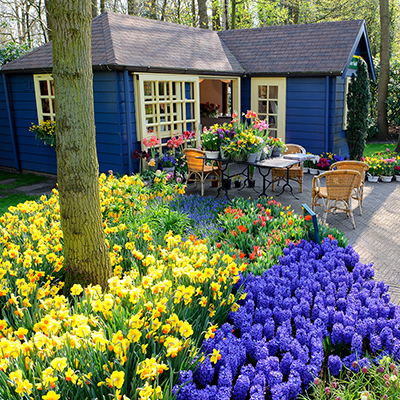
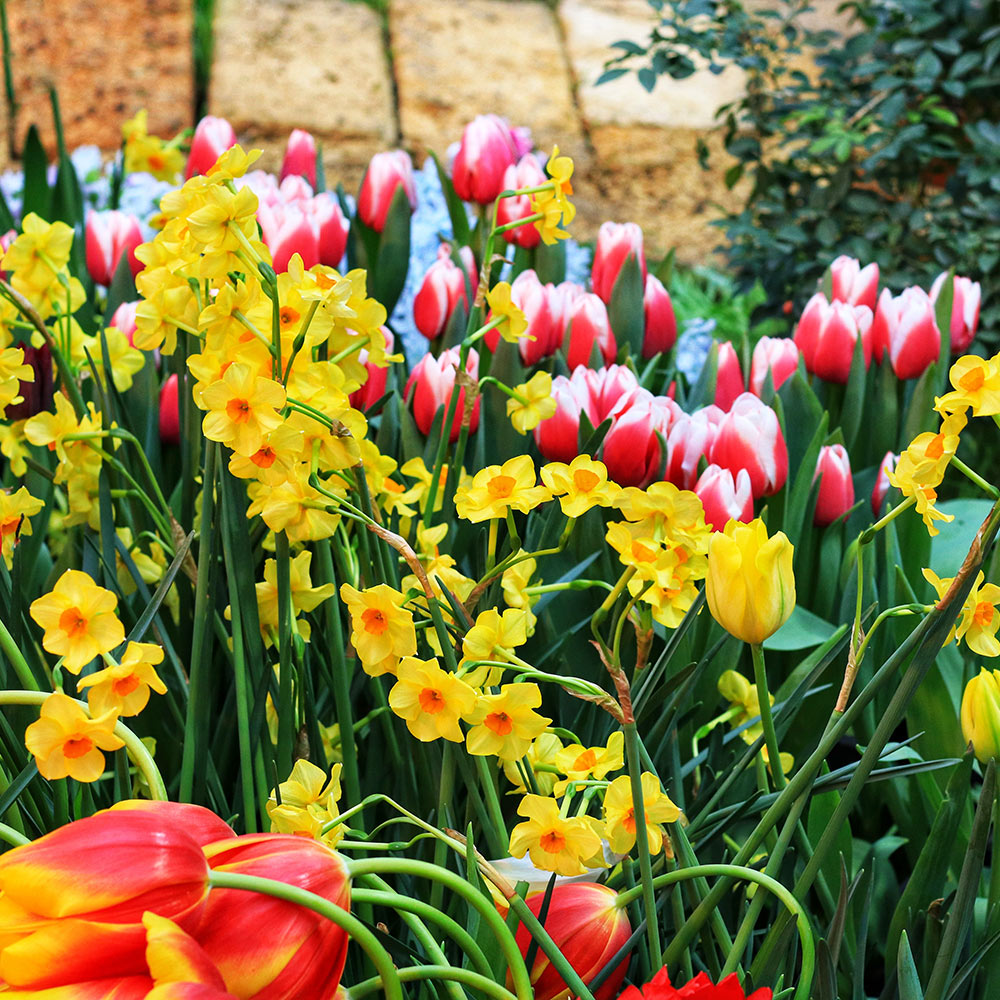
Summer bulbs are flowering bulbs that grow and bloom during the summer. Unlike hardy bulbs like daffodils and tulips that go dormant in freezing winter temperatures before emerging in spring, this category of bulbs gives you beautiful blooms and bold foliage through the hottest days of the year.
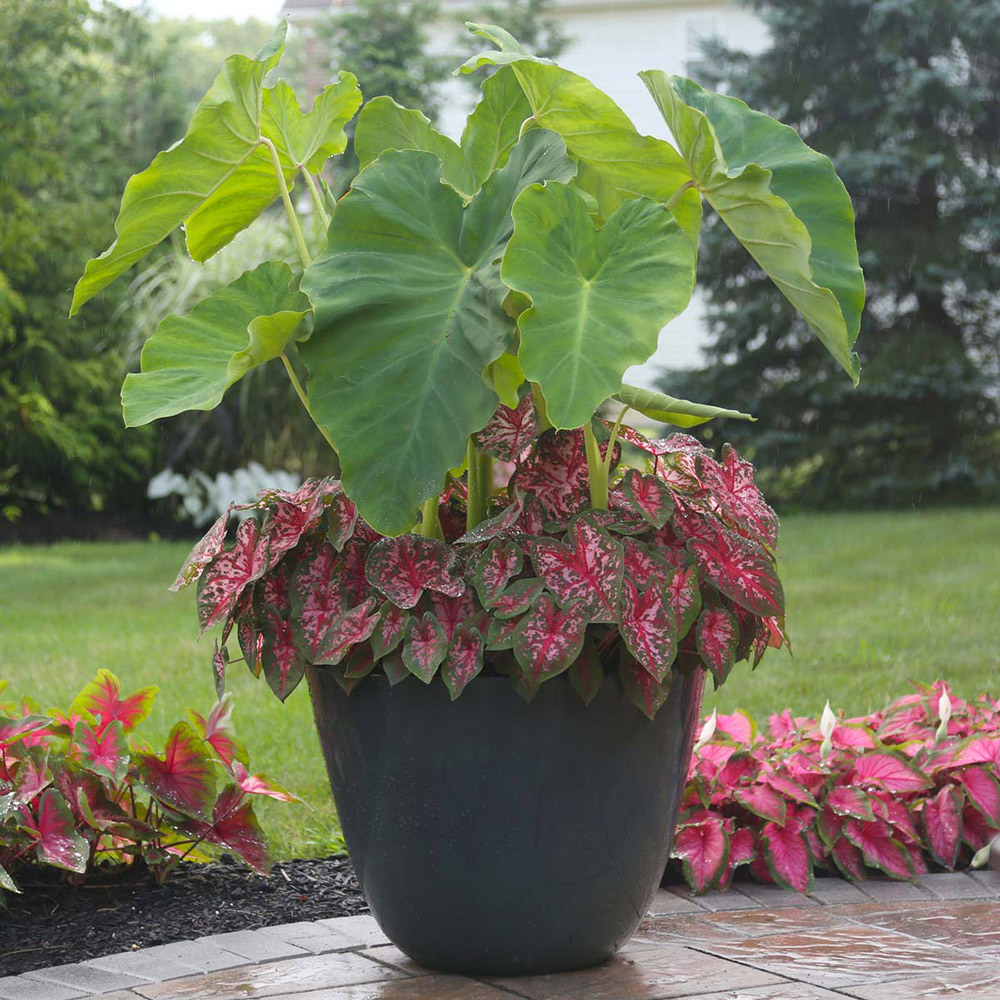
The summer-flowering category includes some of the most popular annual blooms, like tuberous begonias, cannas, dahlias, gladioli, lilies and caladiums. These summer-flowering bulbs are tender perennials that can't survive a cold, snowy winter or any area where the ground freezes. They are typically grown as annuals in the warm seasons and dug up in the fall, then stored indoors over the winter.
Dig in here and learn how to plant summer-flowering bulbs, like dahlias and elephant ears, for beautiful blooms. Learn how you can get gorgeous, long-lasting color in your garden with these bulb growing tips.
Table of Contents
Choose the Right Bulbs for Summer
Select Site and Prep Soil
How to Plant Summer-Flowering Bulbs
Care for Summer-Flowering Bulbs
Choose the Right Bulbs for Summer
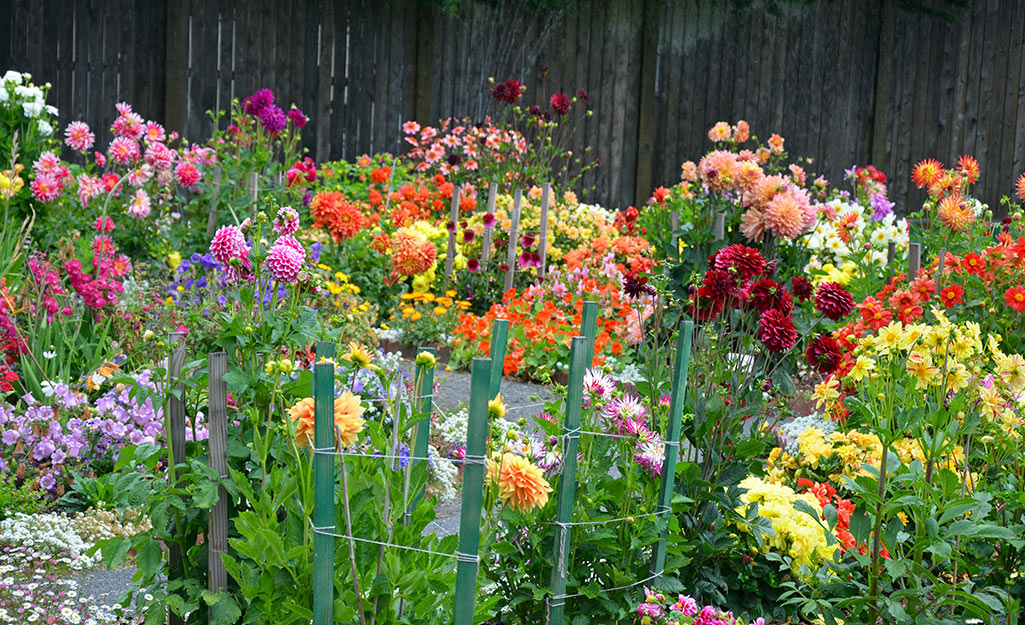
Summer blooming bulbs come in a variety of colorful flowers, textures and foliage. Some varieties are not actually bulbs, but are tubers, rhizomes or corms. Because they are stored and planted in a similar fashion, they are often grouped together under the term "summer bulbs."
Here are some of the popular varieties that will liven up your garden:
- Anemone
- Asiatic lily
- Bearded iris
- Begonias (tuberous)
- Caladiums
- Callas
- Cannas
- Dahlias
- Daylily
- Elephant ears
- Freesia
- Gladiolus
- Globe allium
- Gloriosa lilies
- Liatris
- Lily of the Valley
- Nerines (Spider lily)
- Oriental lilies
- Peony
- Pineapple lilies
- Poppies
- Ranunculus
- Tuberose
Tip: When you shop for flower bulbs, look for fresh, firm bulbs without blemishes. Store them in a cool, dry place until ready to plant.
Select Site and Prep Soil
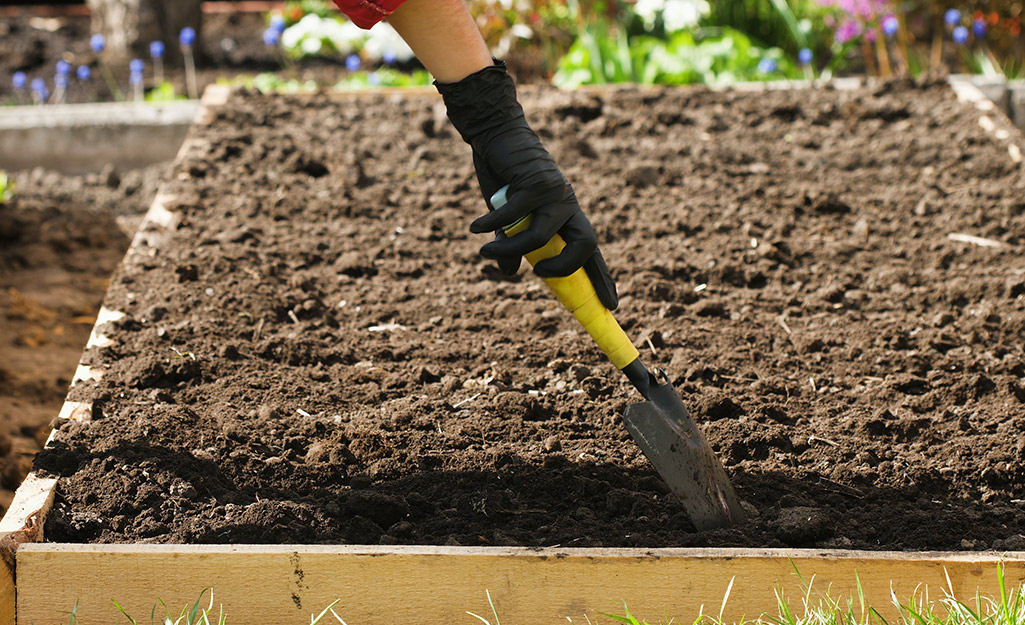
Spring is the best time to plant summer-flowering bulbs, whether in flowerpots and window boxes or simply in the ground. Summer bulbs need warm weather and soil temps in order to thrive.
Follow the weather in your area and wait until the soil has dried out and warmed up to about 55 degrees Fahrenheit. If you don't want to worry about testing soil temps, then plant the bulbs in the ground around the same time it's safe to plant warm-weather edibles such as tomatoes, peppers and green beans. Check out your area’s average last frost date in spring.
Bulbs need well-draining soil and most need full sun, at least 6 hours a day, and often more. Refer to the bulb's sunlight requirements to ensure they will thrive in your outdoor space. Many, like caladiums, grow well in containers, too.
When preparing a bed for bulbs, be sure to mix in plenty of organic compost to nourish the plants and improve drainage. If you have clay soil, you can amend with sand and perlite.
How to Plant Summer-Flowering Bulbs
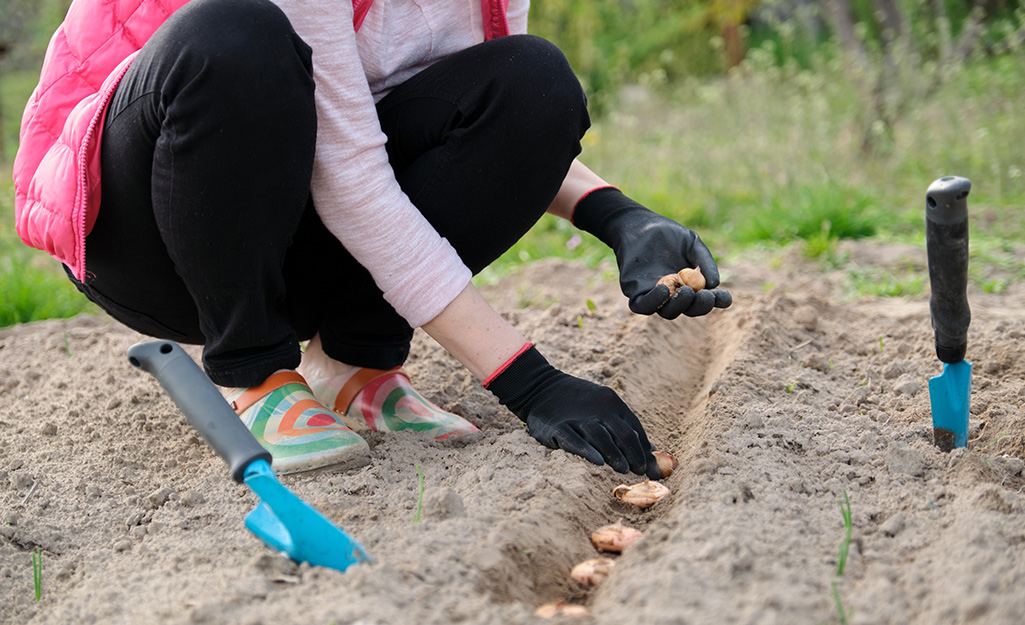
Be sure to read the planting instructions with each bulb variety.
Steps for Planting Bulbs:
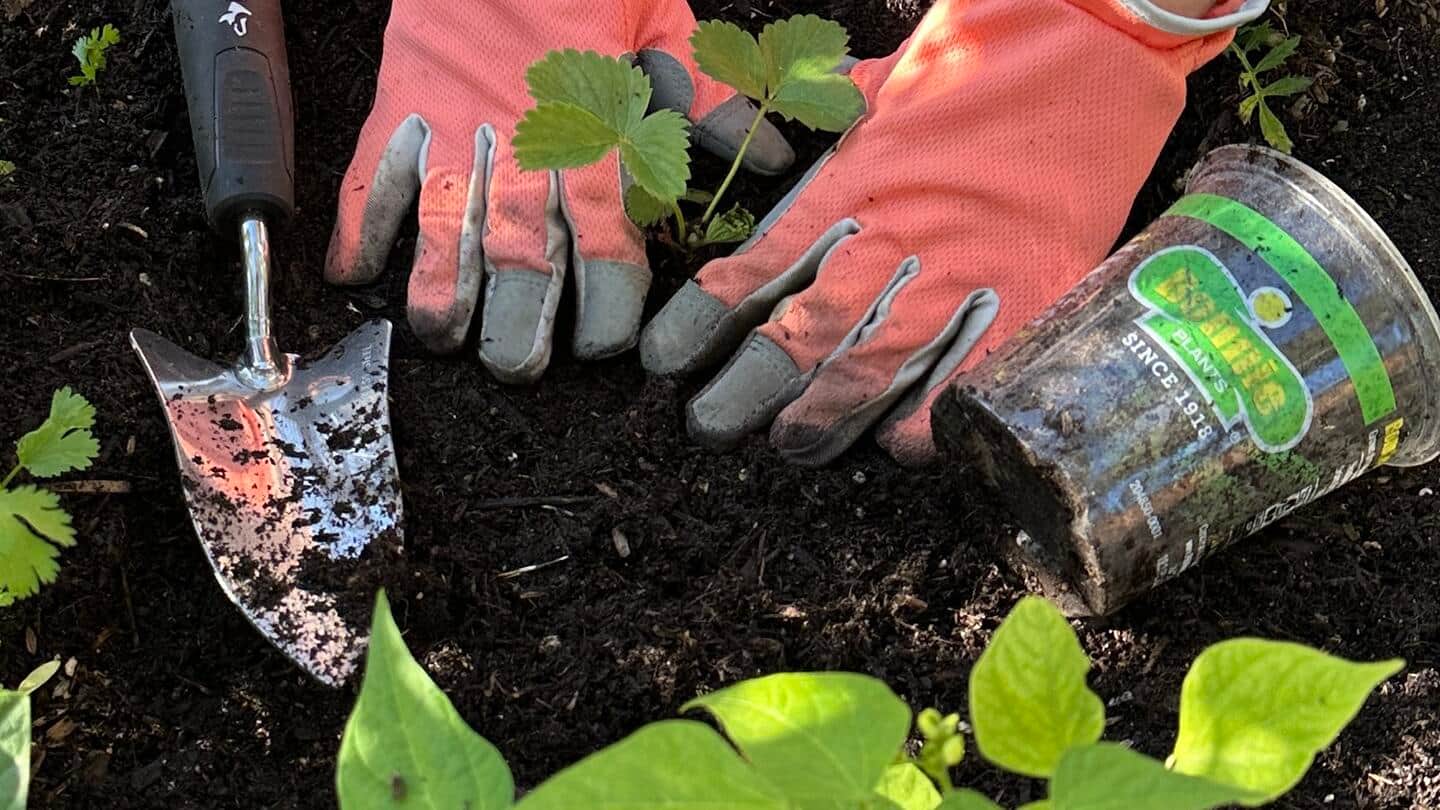
- Dig an appropriately sized hole: In general, you plant bulbs about three times as deep as their diameter. The package the bulbs come in will tell you the planting depth for your specific bulbs.
- Add a fertilizer: Amending the soil with compost at planting time will help the bulbs grow, bloom and store energy. You can also add fertilizer designed for bulbs.
- Plant nose side up: Make sure the growing point (also known as the nose) is pointing up and the roots (basal plate) point down.
- Backfill: Scoop soil back into the hole and firmly press it in place to prevent air pockets.
- Water: Give the bulbs a good long drink. Some soil settling may occur; if so, add a bit more soil.
- Weed: Weeds compete with your plants for nutrients. Try to keep the area weed-free as your bulbs get established.
- Mulch: A blanket of mulch, about 2 to 3 inches, will suppress weed growth and slow evaporation.
Care for Summer-Flowering Bulbs
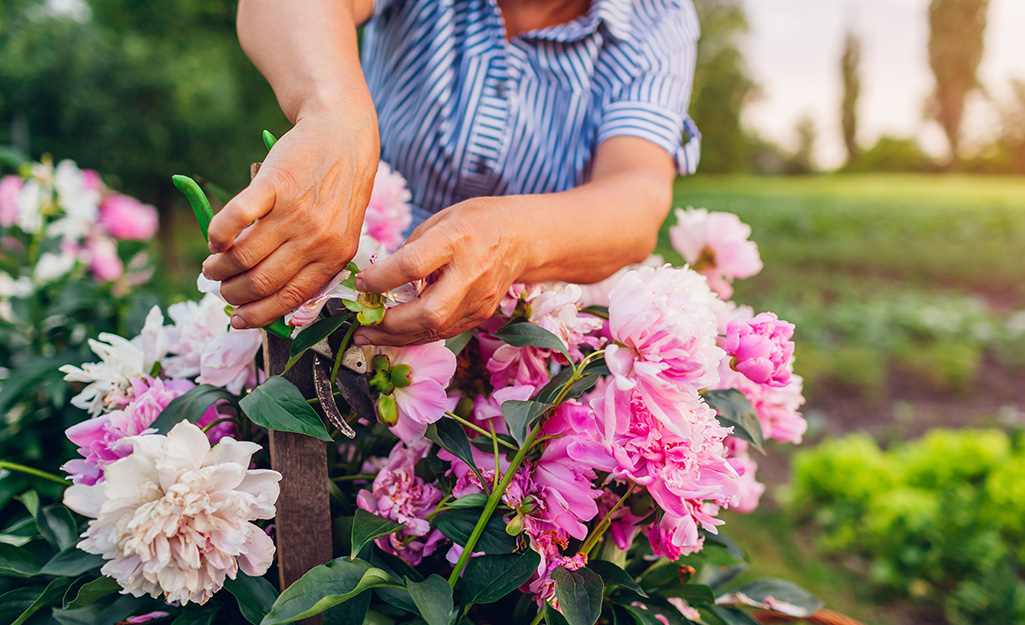
When the bulbs bloom, lightly fertilize them again. Sprinkle the fertilizer at the base of the plants, and not on the foliage. You can also use bone meal at this time, and thoroughly mix it into the soil.
These plants like plenty of water, especially on hot summer days. The best time to water is early morning, before the hot sun dries the dew on the grass. On days without rainfall, give your flowers a drink from a watering can or garden hose. Be careful to water the base of the plants and not the petals or foliage.
Many of these plants can be enjoyed in bouquets. Our best advice to get the most out of your cut flower garden:
- Harvest blooms in the cool of the day, before the sun's heat stresses the blooms.
- Carry a bucket of warm water into the garden with you.
- Use clean, sharp snips or scissors to cut blooms.
- Plunge stems immediately in warm water.
When the blooms fade, or you're at the end of the season, dig up the bulbs and store them in a cool, dry, dark place for next year.
Summer bulbs are a lovely addition to your flower garden. Order online from The Home Depot for a variety of bulbs, gardening tools, flower fertilizer and everything you need to get your flower garden going.