#1 Home Improvement Retailer

266 Results

    Sort by

    Top Sellers

Viewing 1-12 of 266

Questions & Answers

What's the price range for Rakes?

The average price for Rakes ranges from $10 to $400.

What are some of the most reviewed products in Rakes?

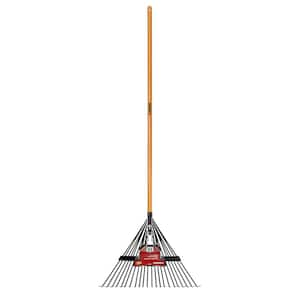
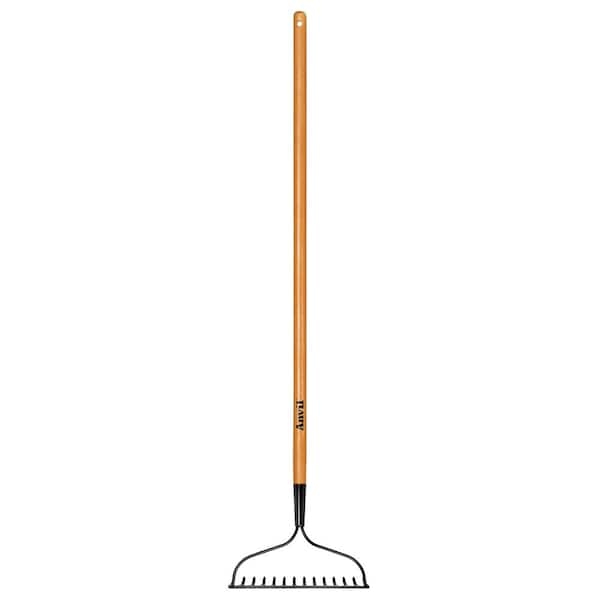
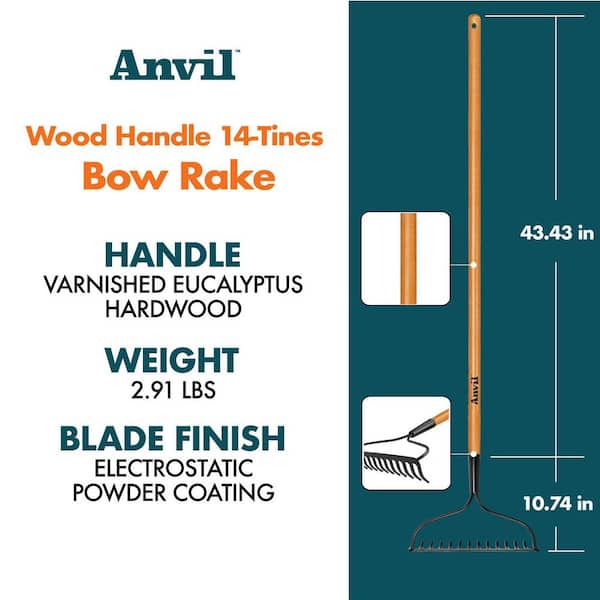
Some of the most reviewed products in Rakes are the Razor-Back 51 in. Fiberglass Handle 24-Tine Steel Rake with 1,139 reviews, and the Anvil 47 in. L Wood Handle 14-Tines Garden Bow Rake with 1,039 reviews.

What are some popular features for Rakes?

Some popular features for Rakes are coated tines, handle grips and corrosion resistant.

What are the shipping options for Rakes?

All Rakes can be shipped to you at home.

Rake More Than Leaves With Specialty Rakes

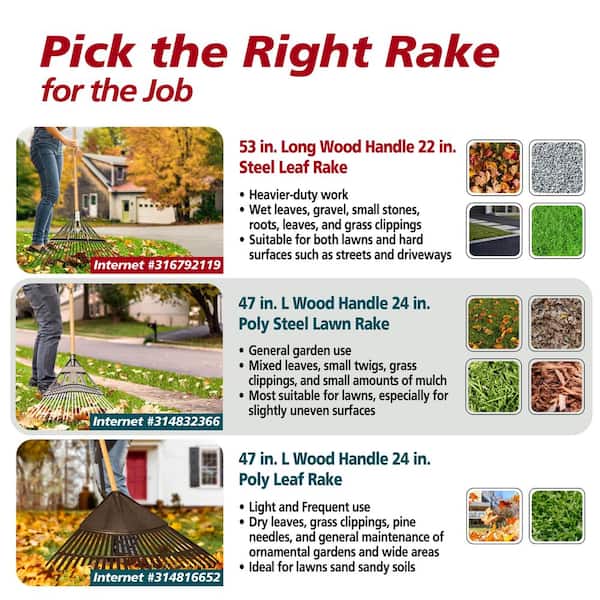
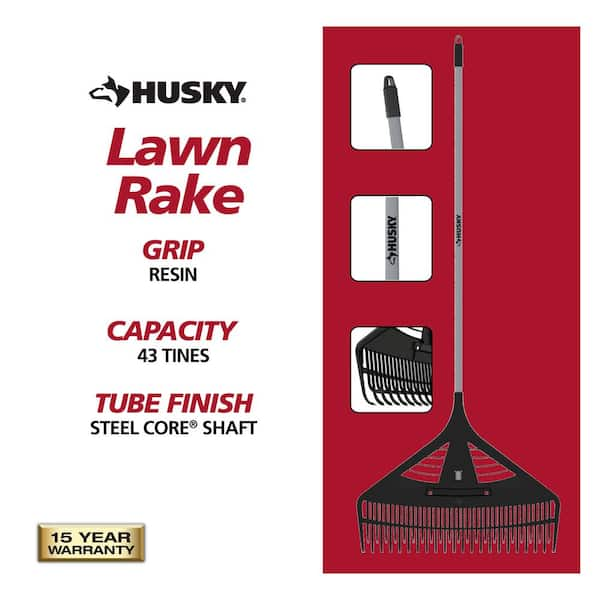
Fall lawn care requires specialized tools. If leaf blowers aren't your style, explore the vast variety of rakes to suit every part of your property. Most of us think of garden rakes when neatening the yard, but there are many specialty rakes for specific tasks.


Make the Most of Autumn Leaves

If you're looking for tips on how to rake leaves and what to do with them, you're in the right place. Leaf collecting tools let you quickly gather the bounty to redistribute them as needed. Learn easy ways to put fall leaves to work or find leaf litter bags to send them on their way. A garden rake will get the job done, but you may need to follow up with other rakes for further touch-ups on the grass, gravel, or bare earth. For expansive agricultural work, many specialty rakes are also available as truck or tractor attachments.


Rake Types and Uses

On the most basic level, a rake is a tool that spreads material along the ground. It keeps you from using your hands to distribute the material, be it leaves, hay, or soil. It usually has tines or prongs, which are the sharp sticks that are the distinguishing feature of most rakes, but the lawn leveler is an exception. Learn about the different types of rakes and a few use cases:


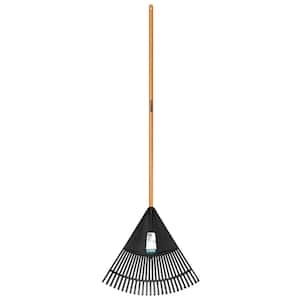
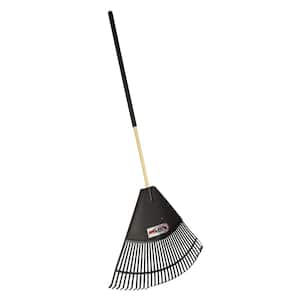
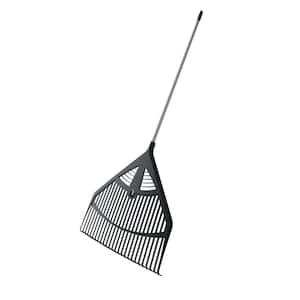
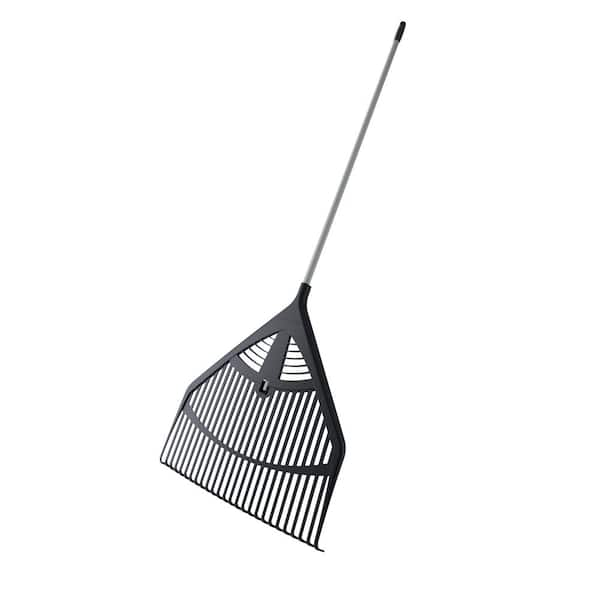
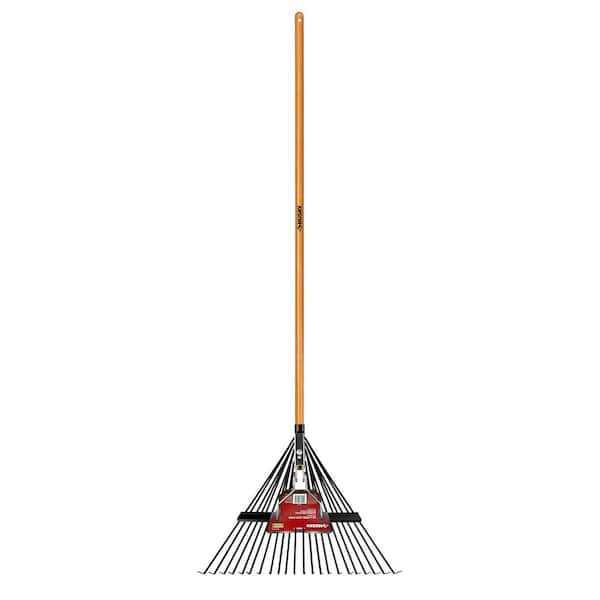
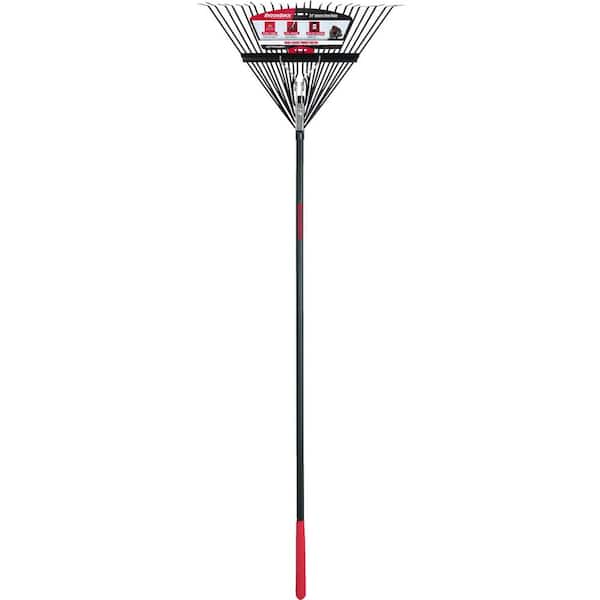
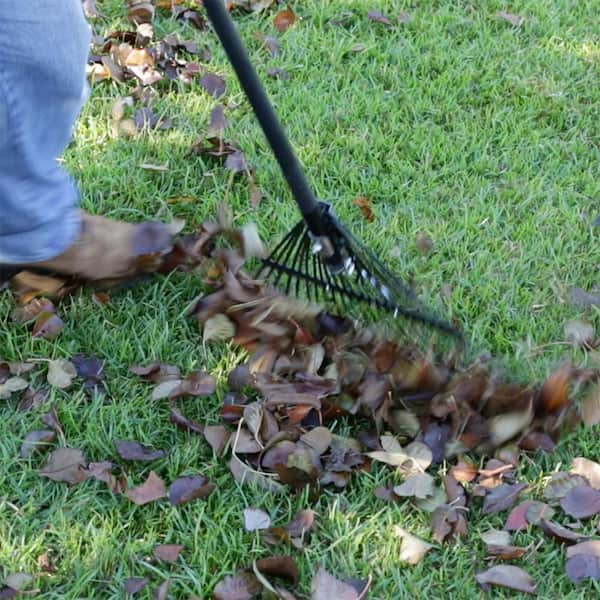
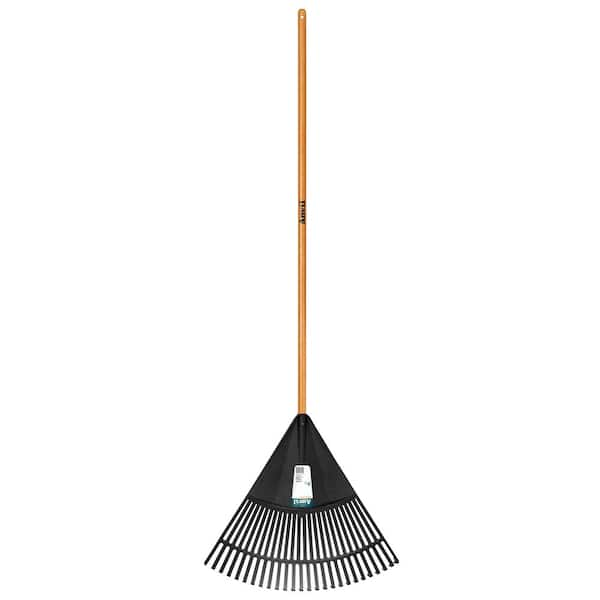
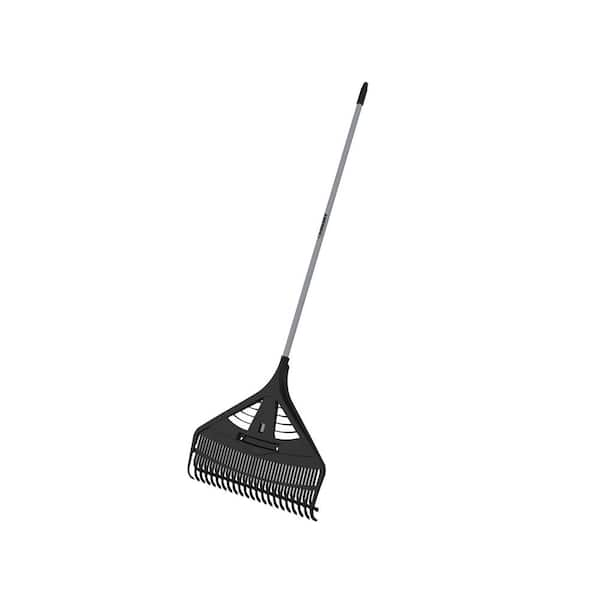
  • Garden Rake: This fan-shaped rake is what many people picture when they hear the word. Use it to neaten or spread grass clippings, fallen leaves, or straw.
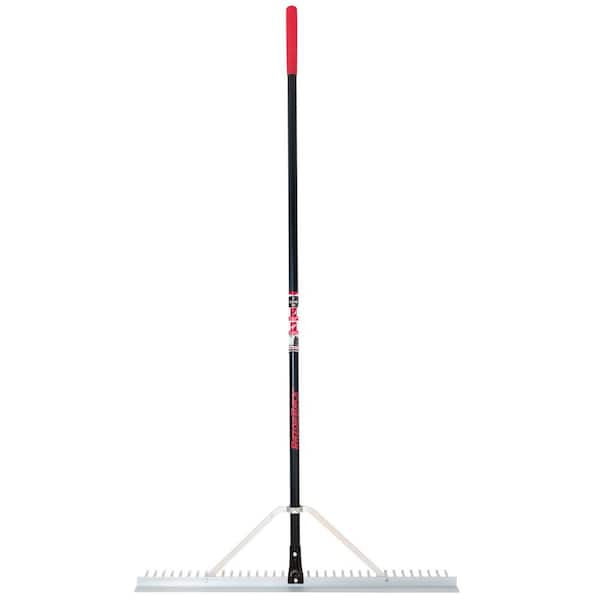
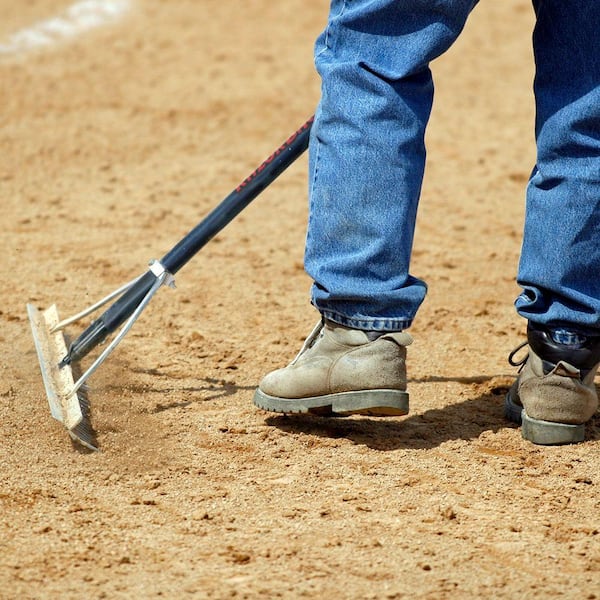
  • Lawn Leveling Rake: This rake has no tines and looks like a framed outline of a flathead mop. Smooth out the ground before building a structure, laying sod, adding paving stones, or evening out a garden bed to a flat surface. For expansive jobs, large industrial leveling rakes attach to the back of a truck or tractor.
  • Landscape Rake: These rakes are good for picking out rocks and breaking up dirt clods. True landscape rakes have wide-set tines that can withstand combing through soil and rocks without snapping off.
  • Thatching Rake: As grass grows, gets cut, and decays, a mat forms along the ground, around the bottom of the grass. That mat is called thatch, and too deep of a layer can interfere with the air and nutrients grass needs to thrive. Break it up when it gets too thick with a thatch rake.
  • Hay Rake: Often found as tractor attachments, hay rakes gather and fluff the grass to dry and prepare it for baling. Pitchforks and garden forks are cousins to the hay rake, with their long handles and handful of tines. The number and shape of the tines on garden forks vary according to what materials they're meant to pitch, but there are usually ten tines or fewer.
  • Rock Rake: Like a landscape rake, a rock rake has tines that can handle rocks without breaking. Use it to spread out gravel or other small stones.
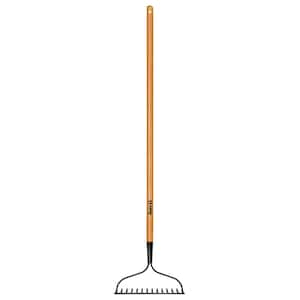
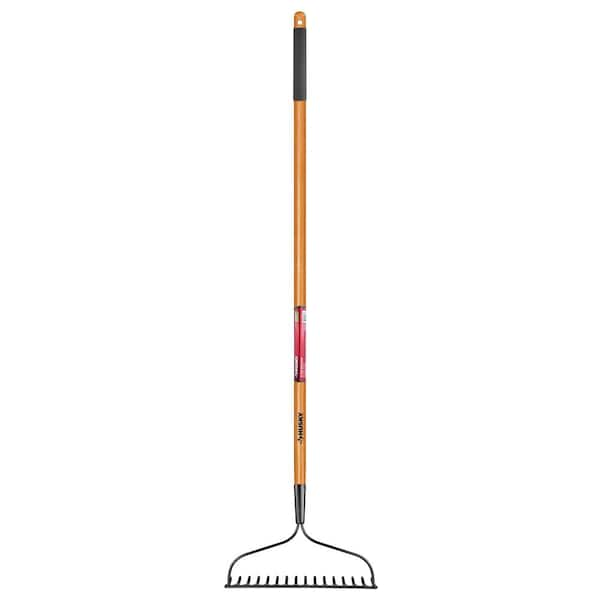
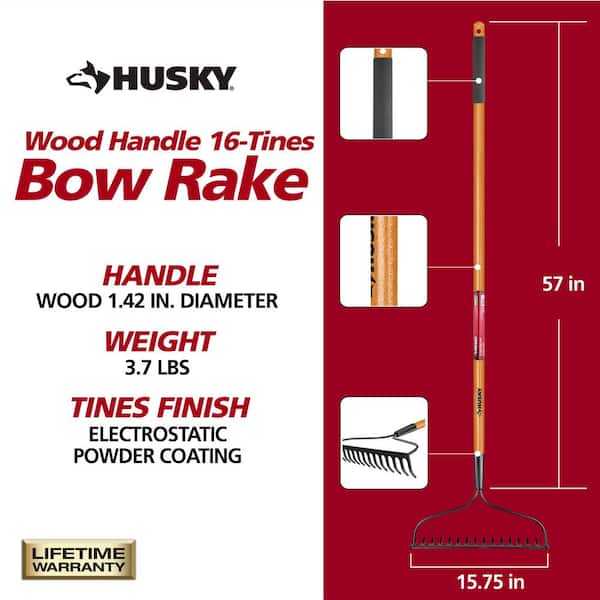
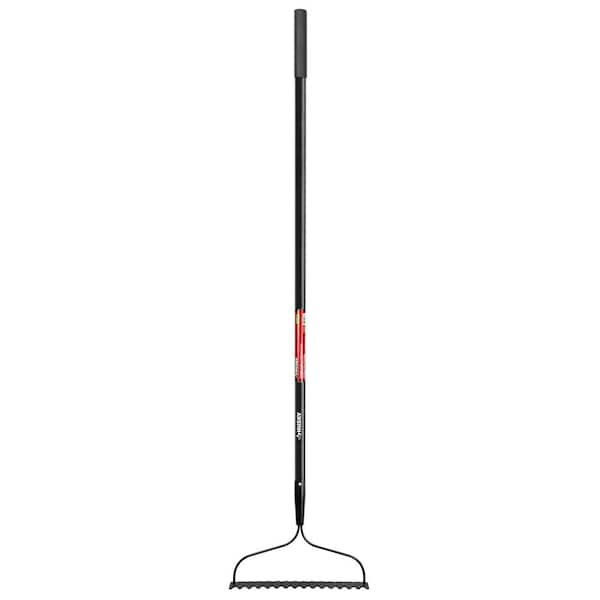
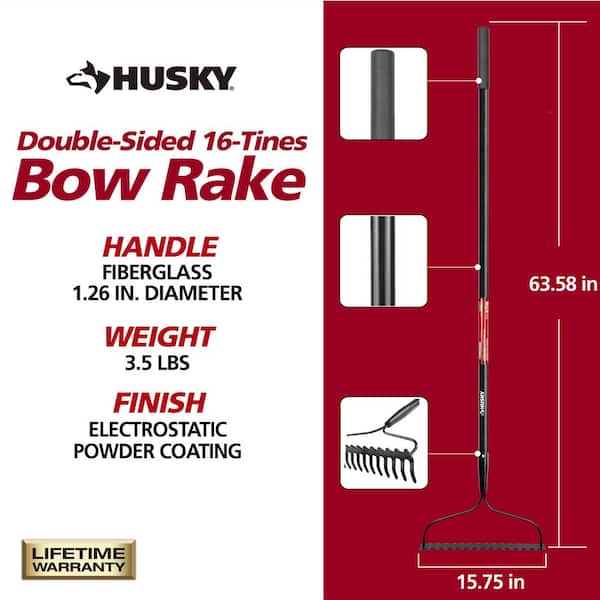
  • Bow Rake: Open in the center with a few tongs in a straight line at the bottom, this rake looks a bit like a bow or capital D shape. A bow rake is sturdier than a garden rake, with short and strong tines. Use a bow rake on bark chips, heartier mulch, or tightly packed soil.
  • Asphalt Rake: Get beautifully smooth blacktop with an asphalt rake. They have broad and sturdy tines, like landscape rakes.
  • Lute Rake: Finish asphalt by running a lute rake over the freshly applied product, evening out lumps. Lutes have short rectangular or triangular teeth, similar to a tile trowel, that comb over the surface.
  • Hand Rake: Unlike the rest of this list, a hand rake has no long handle reaching to the ground. It's far smaller, like a mini garden rake that fits in your hand. It's sometimes confused with a hand cultivator or claw garden tool, but a hand rake usually has more tines. Some hand rakes are for shrubs, while others are better suited to your garden bed.

With so many choices and variations, you're sure to find rakes that'll fit your specific needs. There's a reason rakes are some of the best gardening tools for your garden. Browse our Garden Center in person, online, or on our mobile app, then pick up all the tools, supplies, and plants you need — or get them sent to your door.