


52 results





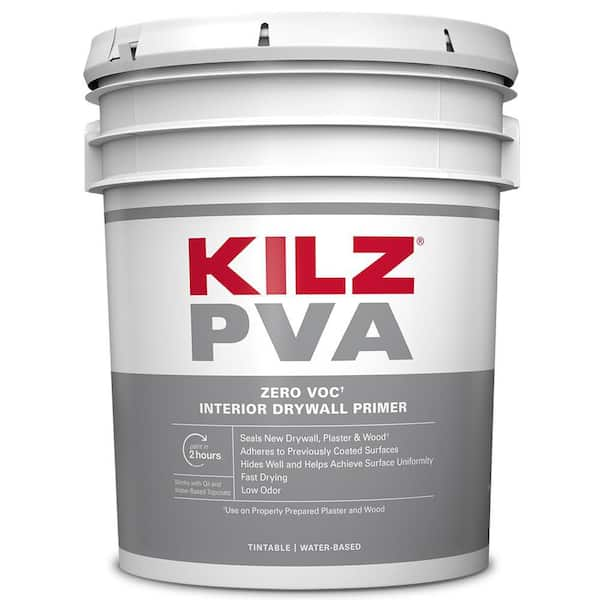
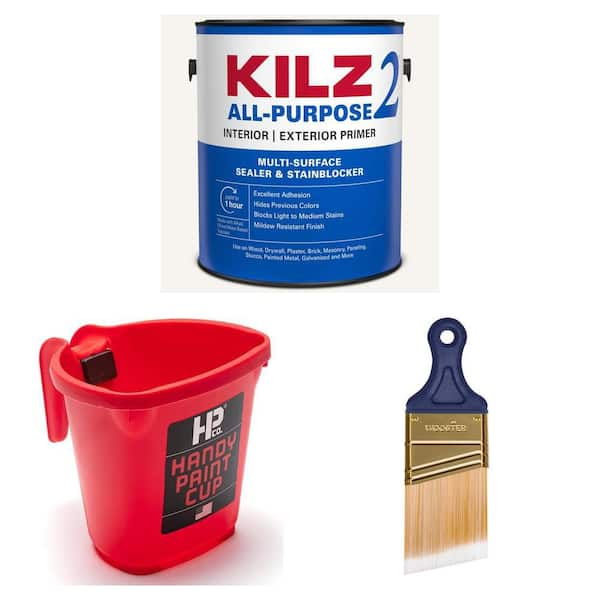


Viewing 1-12 of 52
Get 10% off your purchase
Sign up for emails & save 10% on select home decor. Valid on select items.
Loading Recommendations
Questions & Answers
Is there a difference in paint primers?
Paint primers are designed for different surfaces and purposes. There are latex and water-based primers that dry quick with easy clean-up, oil-based primers that adhere strong and block stains, and specialty primers that seal porous surfaces like concrete, brick, or chalky walls. Choosing the right primer for your project will help you get the best results.
How do I determine the amount of primer I need?
Measure the square footage of the surface area to find out how much primer you need. Most 1-gallon containers of primer cover 250-400 square feet per coat. Most projects only need one coat, but you may need two coats for dark colors, stain or odor blocking, or for painting highly porous surfaces like bare wood or new drywall. It's a good idea to purchase slightly more than your estimated amount so you have enough for uneven surfaces or multiple coats.
What's the best way to get a clean line between the wall and the ceiling when painting a room?
The secret to getting a crisp, professional-looking line between the wall and ceiling is in the preparation and technique. Use a high-quality painter's tape along the ceiling edge to create a sharp line, sealing the tape by painting over it with the ceiling color first. Wait for it to dry, and then paint your wall, removing the tape while the paint is still slightly wet for a clean edge. Use an angled sash brush to cut-in by hand, being careful not to overload the brush with excess paint that can cause drips and uneven lines. For more useful tips and helpful advice, read our DIY guide on how to paint a room.
Is there a specific primer for wall paint?
Yes! The right primer for your wall depends on the condition of the surface and the type of paint you plan to use. For most walls, a general-purpose latex primer gets the job done. However, you may need a stain-blocking primer for surfaces with stains, a bonding primer for glossy or previously painted walls, or a tinted primer for bold color changes and truer colors with fewer topcoat layers.