Best Ceiling Paint for Your Home
Published January 13, 2026
Don’t overlook your ceiling the next time you paint a room. With a little consideration, you can find the best ceiling paint for a room and change its look entirely. Certain ceiling paint types can enhance your decor and make rooms seem either larger or more intimate. Follow this guide to learn about the best paint for ceilings. You'll also find out what type of paint for ceilings best suits your home.
Table of Contents
Types of Ceiling Paint
Ceiling Paint Finishes
Ceiling Materials
Ceiling Paint Colors
Dark Ceiling Paint Colors
Light Ceiling Paint Colors
Types of Ceiling Paint

Ceiling paint provides your ceiling with a clean, uniform finish. Although you can paint your ceiling with regular wall paint, it’s not the best choice. Wall paint is thin and has low viscosity. This means it will likely drip when you try to paint a ceiling.
The best paints for ceilings are thicker and designed to better grip the ceiling. A good ceiling paint will create fewer drips and unsightly runs that are difficult to fix after drying. Plus, certain ceiling paint types do a better job of hiding stains, spots and small defects.
When deciding what type of paint for ceilings you need, consider these paint options:
- Flat latex paint: Although not exclusively a ceiling paint, you can use a latex paint with a flat finish for your ceilings. This can be a practical option when you want a versatile paint that can be used elsewhere in your home. Keep in mind that a latex wall paint (also called water-based paint) can drip while being painted onto a ceiling. Also, it may not be as durable as paints formulated for ceilings.
- Textured paint: Add some sound-dampening texture to your ceiling using a pre-mixed textured paint. But only apply textured paint to a non-textured ceiling. Pre-existing textures, such as a popcorn ceiling, should either be removed or simply painted over with a flat latex paint.
- Ceiling paint: Paints specified as ceiling paints are the best option for your ceiling. Ceiling paints are durable, low-sheen and require little to no maintenance. If you have a textured ceiling, however, a ceiling paint may be difficult to spread. Additionally, it's so thick that it dulls the texture’s appearance.
Ceiling Paint Finishes
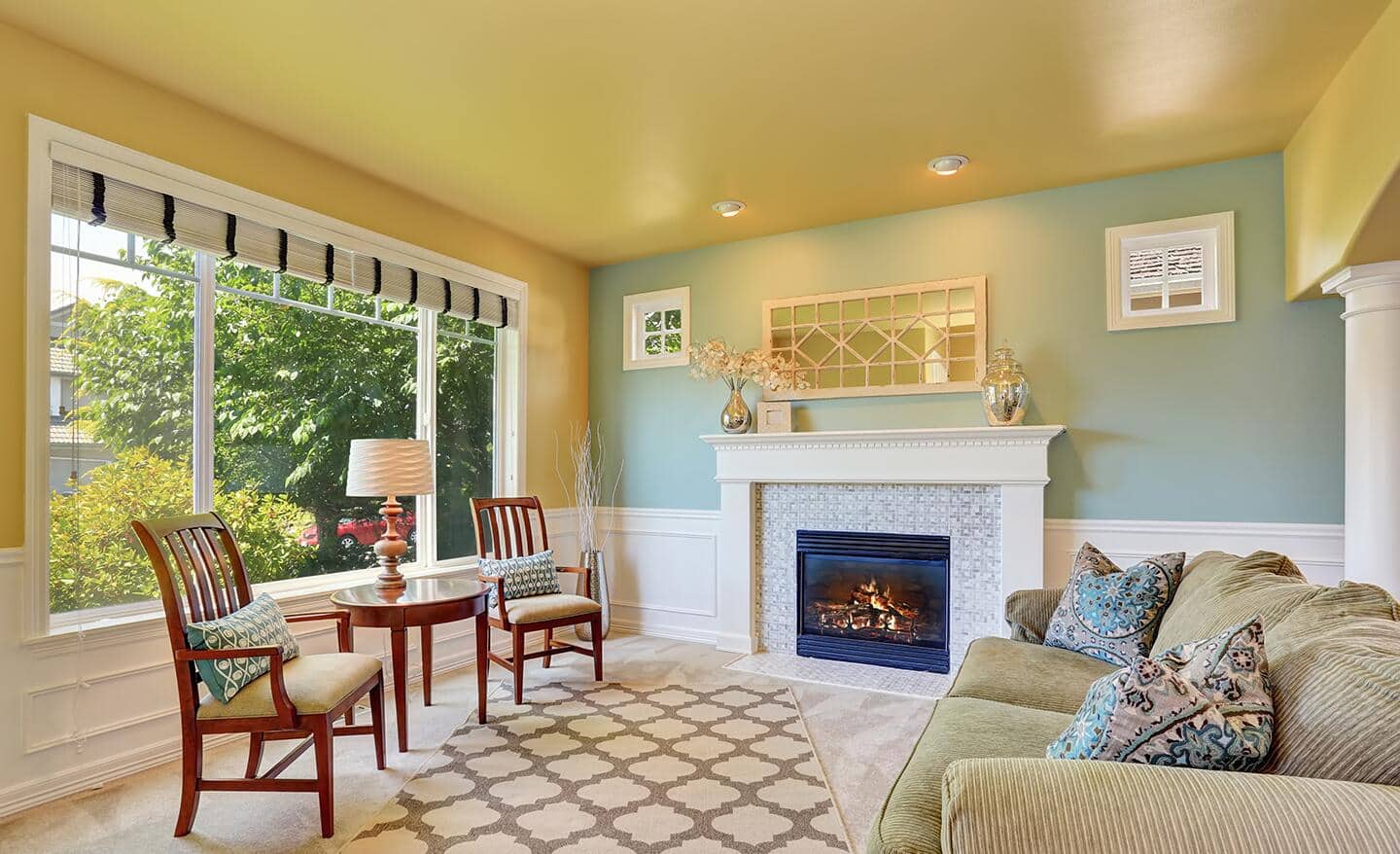
Most ceiling paints have a flat (also called matte) finish. A flat finish doesn’t reflect lights and will hide most ceiling irregularities and defects. On the other hand, reflective sheens draw the eye upward and can detract from the rest of the room. Another benefit of a flat finish is that it doesn’t scuff easily. You won’t have to clean a flat finish often to keep it looking its best.
Although a flat finish is most popular, more ceiling paint finishes are available:
- Eggshell finish: After flat, eggshell finish is the next most popular ceiling paint finish. Eggshell paints offer a low sheen, while still absorbing most light and hiding ceiling imperfections.
- Satin finish: Slightly more reflective than eggshell paints, satin finishes still have a low sheen overall. Paints with a higher sheen than satin finish paints tend to highlight nicks on the ceiling. However, higher sheen paints are easier to clean than flat paints.
If you can’t find the ceiling paint finishes you want, glazes can be used to coat paint and create a reflective sheen.
Tip: Unless you have wood ceilings, do not use oil-based paints for ceilings. They are more prone to dripping when wet and chipping when dry.
Ceiling Materials
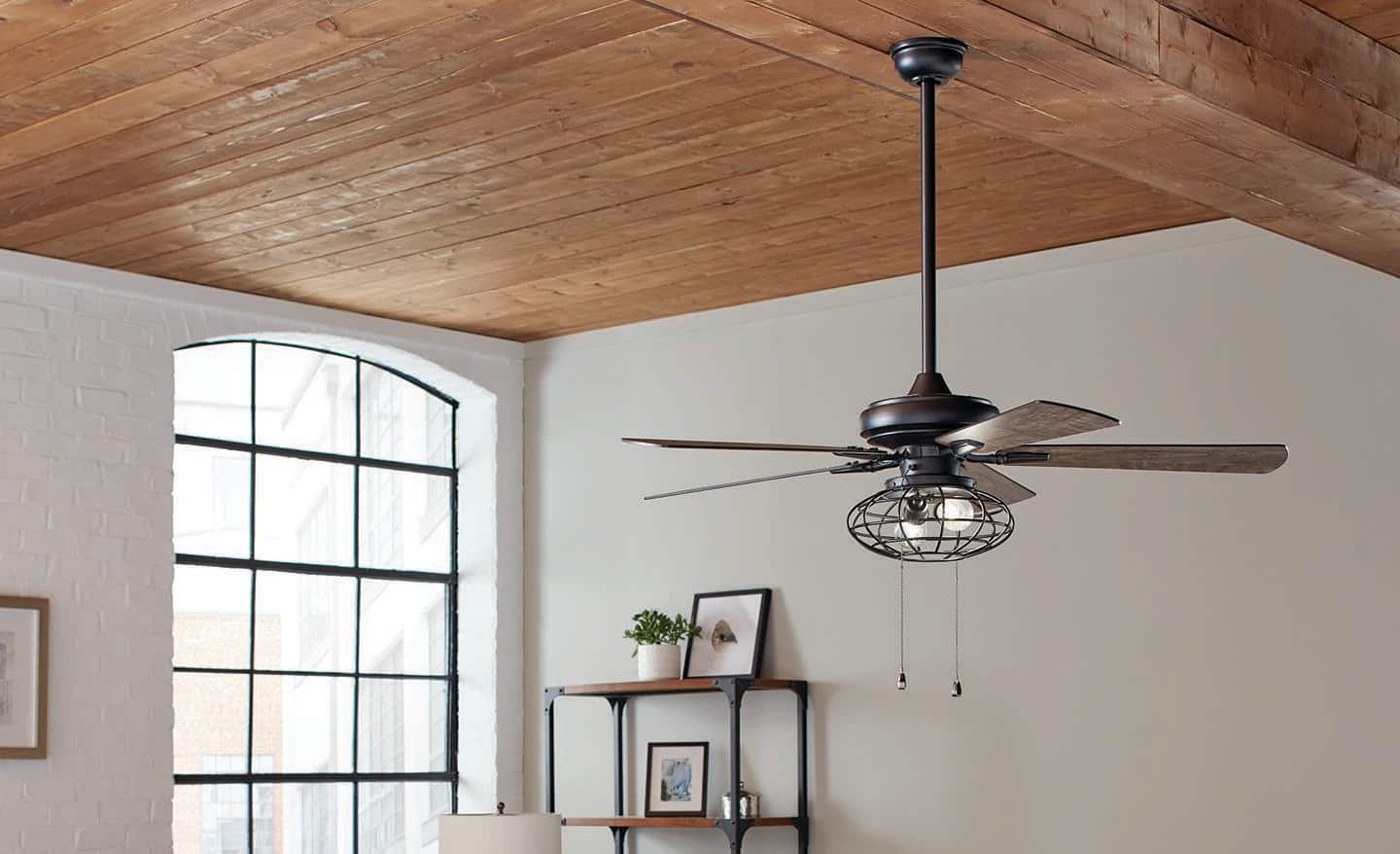
A ceiling can be made from a variety of materials, from wood to drywall. Choose the best ceiling paint for your material.
- Smooth drywall ceilings can handle most latex paints. A thicker paint with strong adhesion qualities is best for preventing drips. It also requires fewer coats.
- Textured drywall ceilings do best with a flat latex paint, rather than a ceiling-specific paint. However, your application methods may differ from your usual paint jobs.
- Plaster, masonry and stucco ceilings need paint that offers strong adhesion. Look for a material-specific paint in these cases.
- Acoustic tile (drop tile) ceilings should be painted with a latex paint that has sound-absorbing fillers. That's because regular ceiling paint can lessen their sound-dampening qualities. Acoustic tiles made of tin or faux tin can be spray painted.
- Wood ceilings need to be sanded and painted with a primer first, as wood is porous. Absorbing the wet paint can damage the wood and make achieving your desired look difficult. You may need two coats of primer. If the wood is stained, you will need to use oil-based paint.
Ceiling Paint Colors

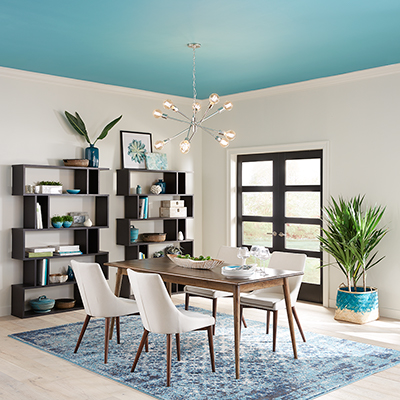
Ceilings are most often painted white to reflect light and brighten up a room. White ceiling paint is the most popular choice for homes. However, choosing to paint your ceiling a color can be a refreshing change of pace. A dark or light-colored ceiling is a great way to improve the mood of a room. It can also act as an accent wall and make the room actually look taller.
- White ceilings keep the focus on the color of the walls, while making the walls appear brighter.
- White ceilings complement all styles of decor.
- Painting both the walls and a ceiling white can make the room feel bigger. It also makes the walls seem taller.
- White ceiling paint can be mixed with colored paints to create a lighter, complementary shade.
Dark Ceiling Paint Colors
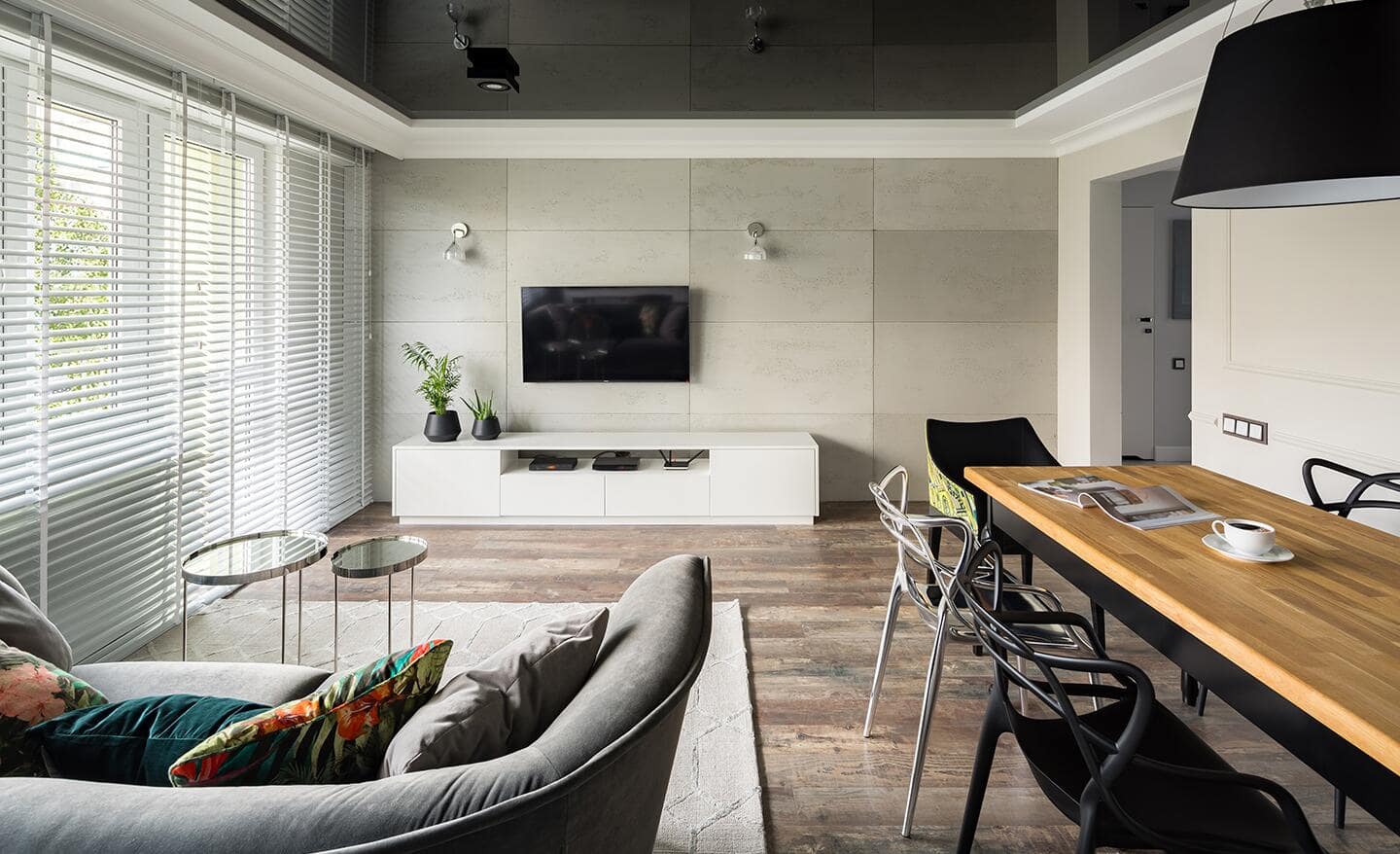
- Darker colors can add warmth and make larger rooms feel cozy.
- Dark colors visually shorten tall ceilings.
- A dark ceiling is eye-catching and can dramatically alter the appearance of a room.
Light Ceiling Paint Colors
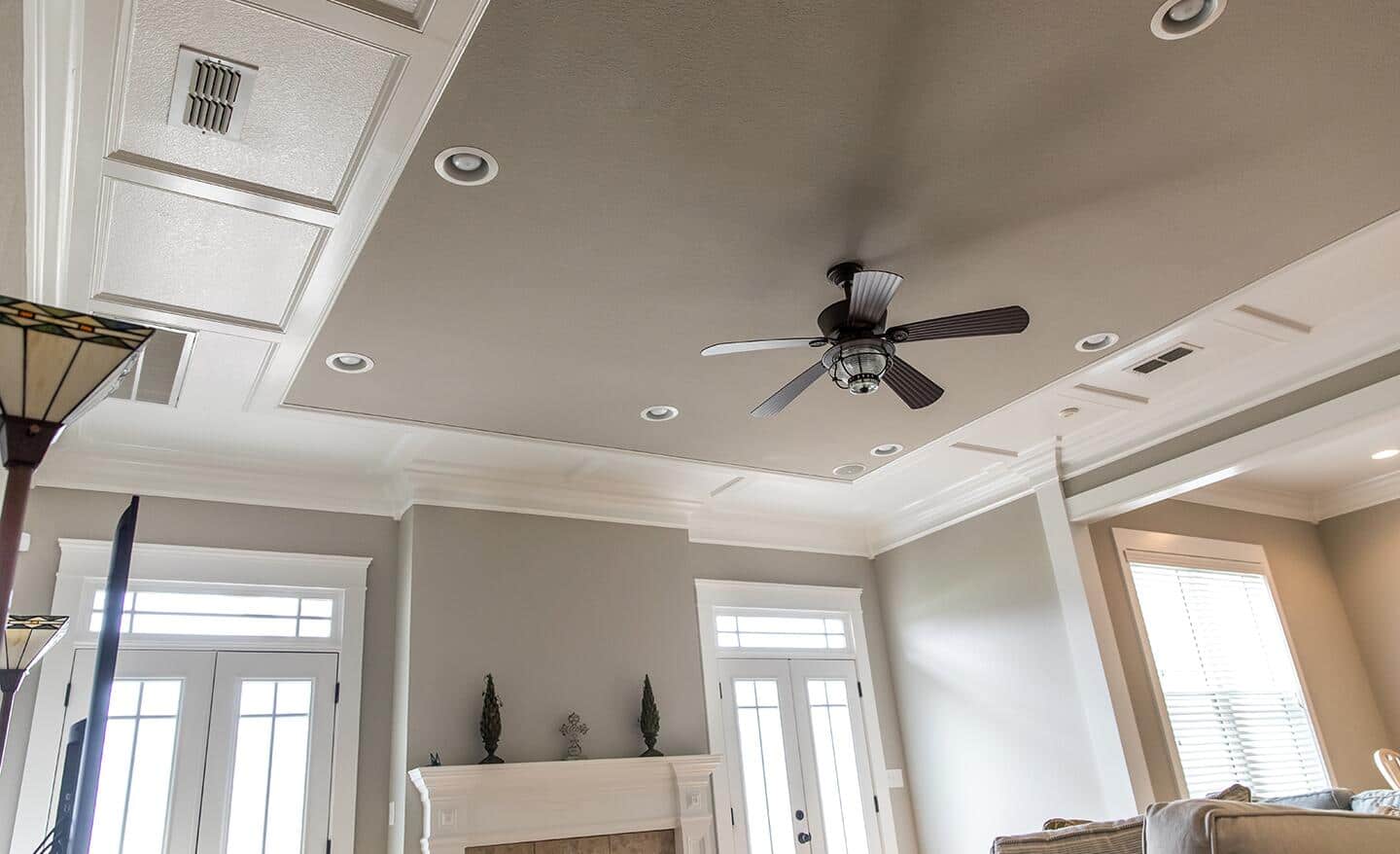
- Like a white ceiling, a ceiling with a lighter color than the wall color makes a room feel larger and brighter.
- Light colors can be used on surrounding trim to offset white or dark colors.
- A light ceiling makes walls appear taller.
- Many neutral colors are available to complement a wide range of decor.
Ceiling Paint Features
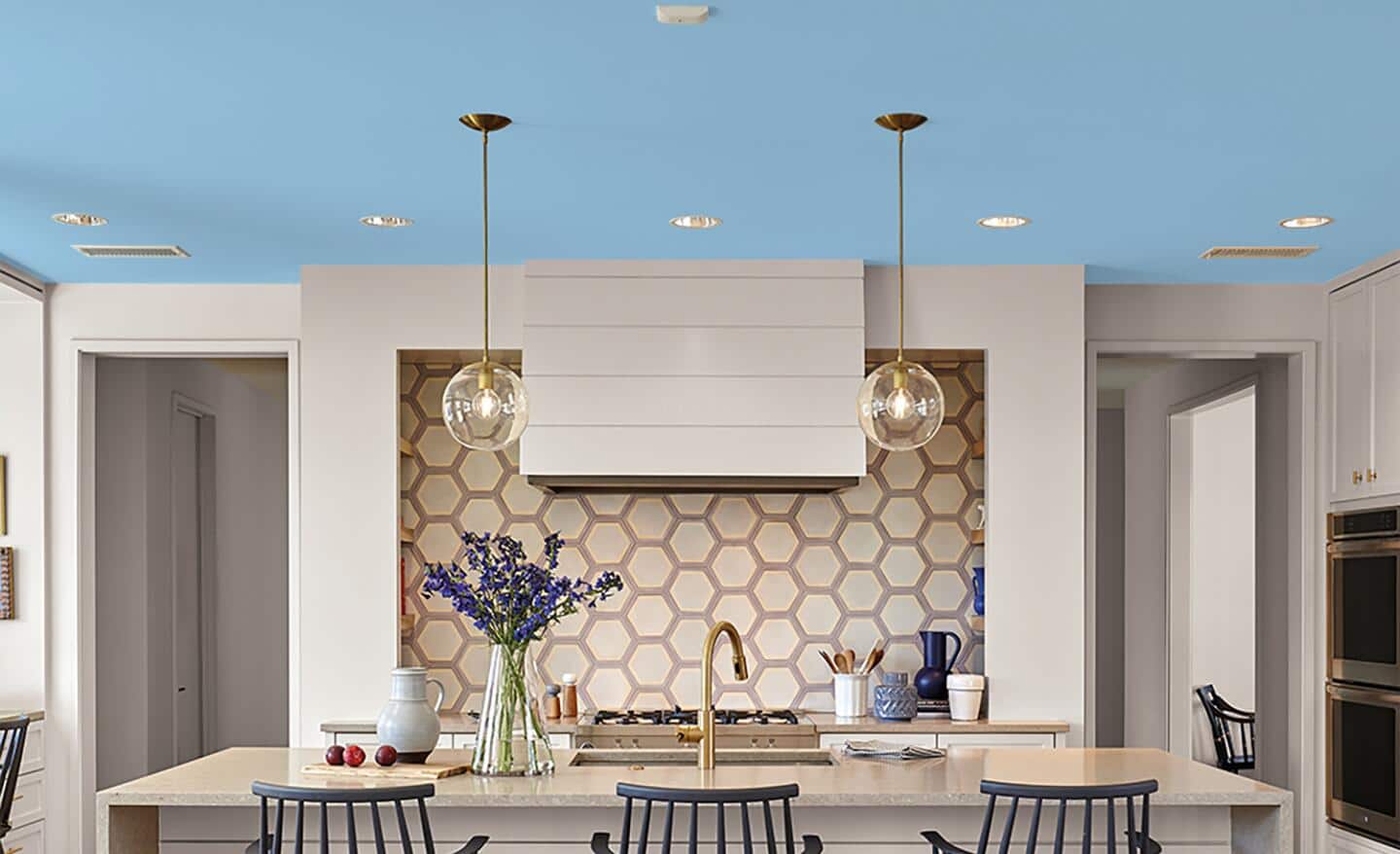
Searching for the best paint for ceilings? You should also keep these features in mind:
- Ceiling paint should be durable enough to resist peeling and cracking.
- A combination ceiling paint with primer.
- Choose a paint that is no more than 45-percent solvent. Solvent keeps paint from hardening in the can. But too much solvent can make paint very runny and hard to work with.
- For kitchens and bathrooms, you may want a more washable paint finish. Choose an eggshell or satin paint over a flat paint.
Professional Ceiling Painting Tips

You’ve found the best ceiling paint for your room. Now, achieve the best paint job with these tips:
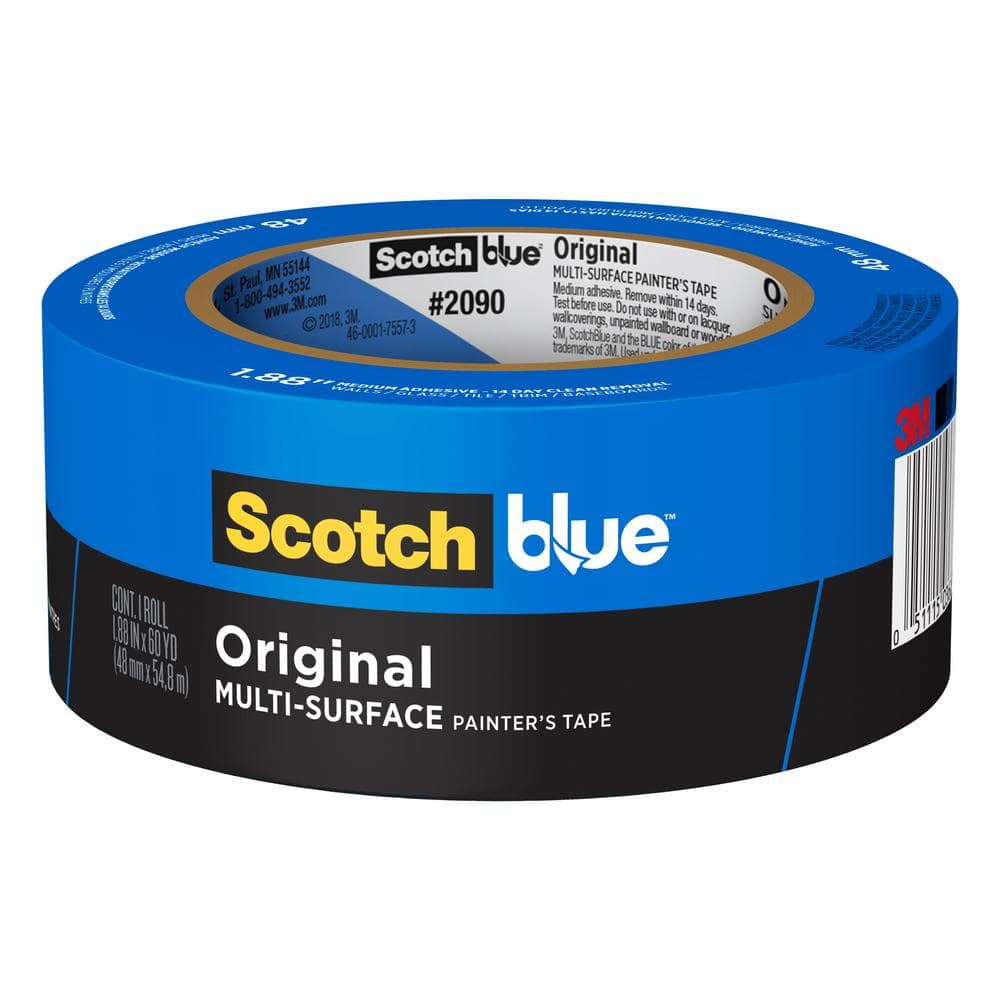
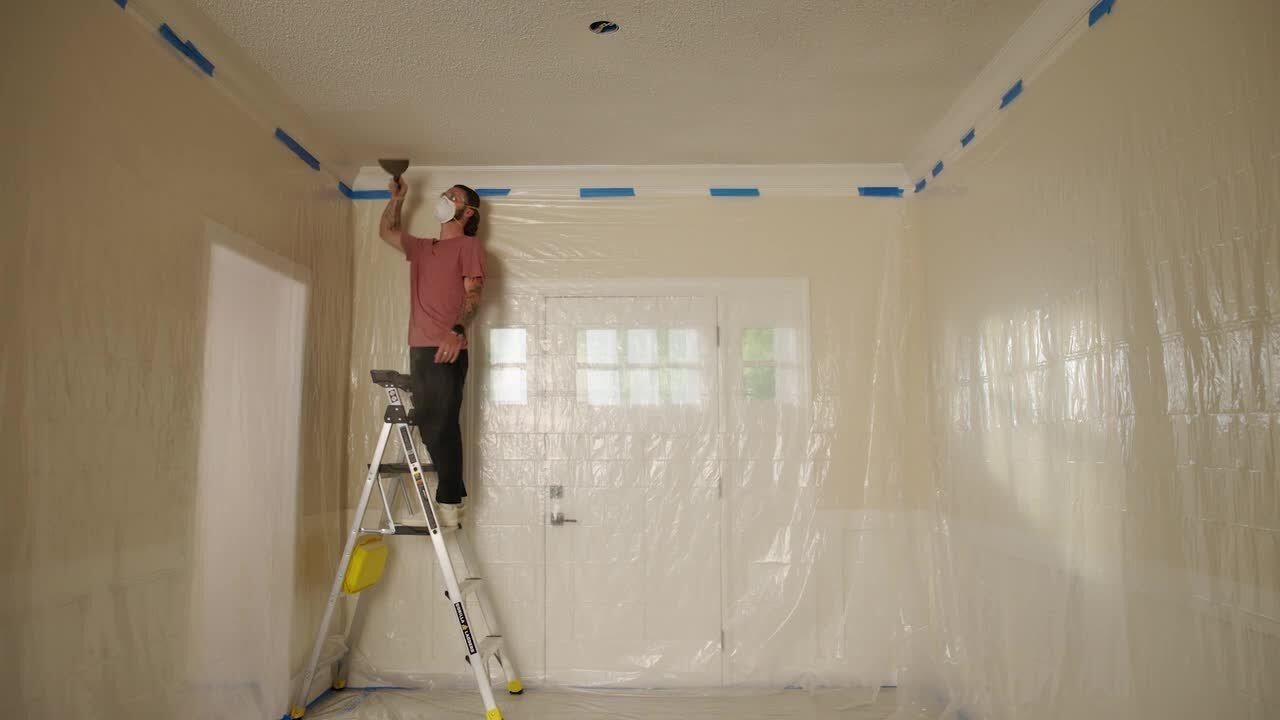
- Cover everything you don’t want painted with drop cloths.
- Glossy, slick surfaces may need to be sanded before painting.
- Clean, dust and repair the ceiling as needed before painting.
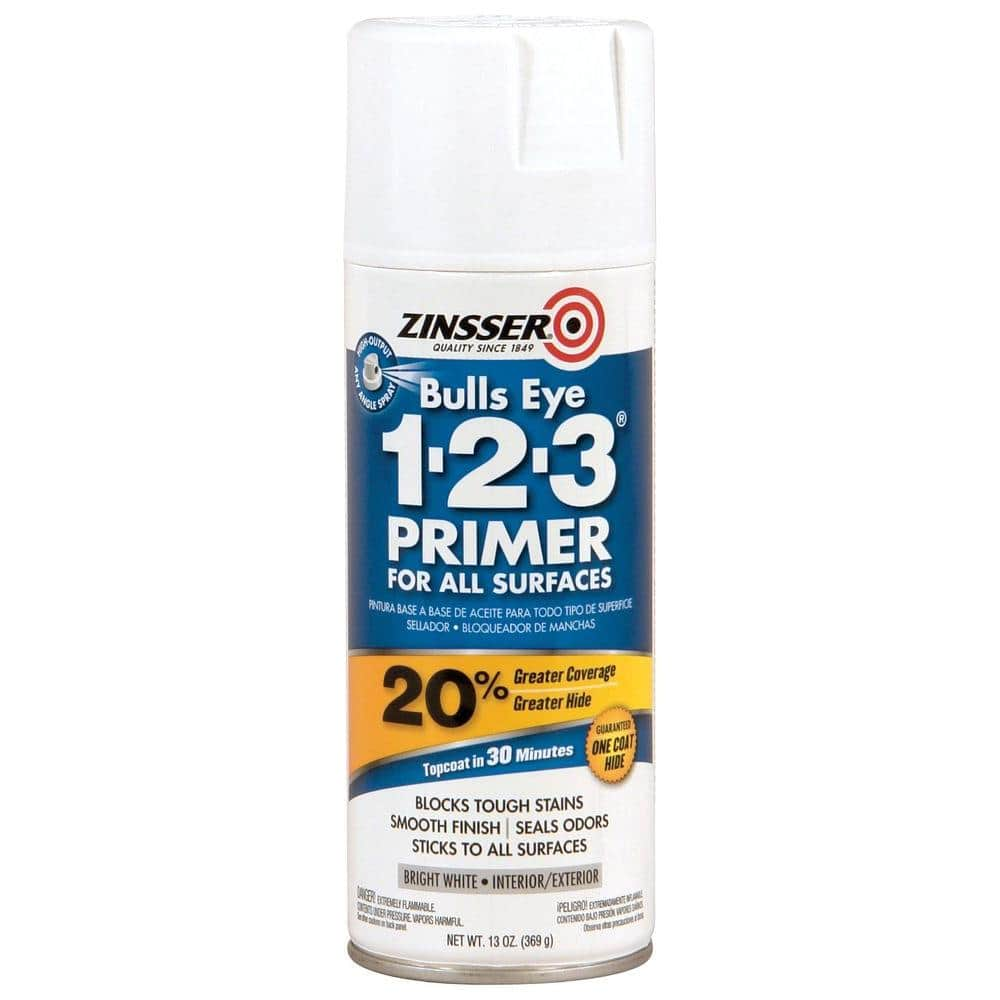
- A coat of primer will help cover stains and smooth the surface of the ceiling.
- Using a paint sprayer is the fastest way to paint large ceilings and textured ceilings.
- If you are painting the entire room, paint the ceiling before you paint the walls.
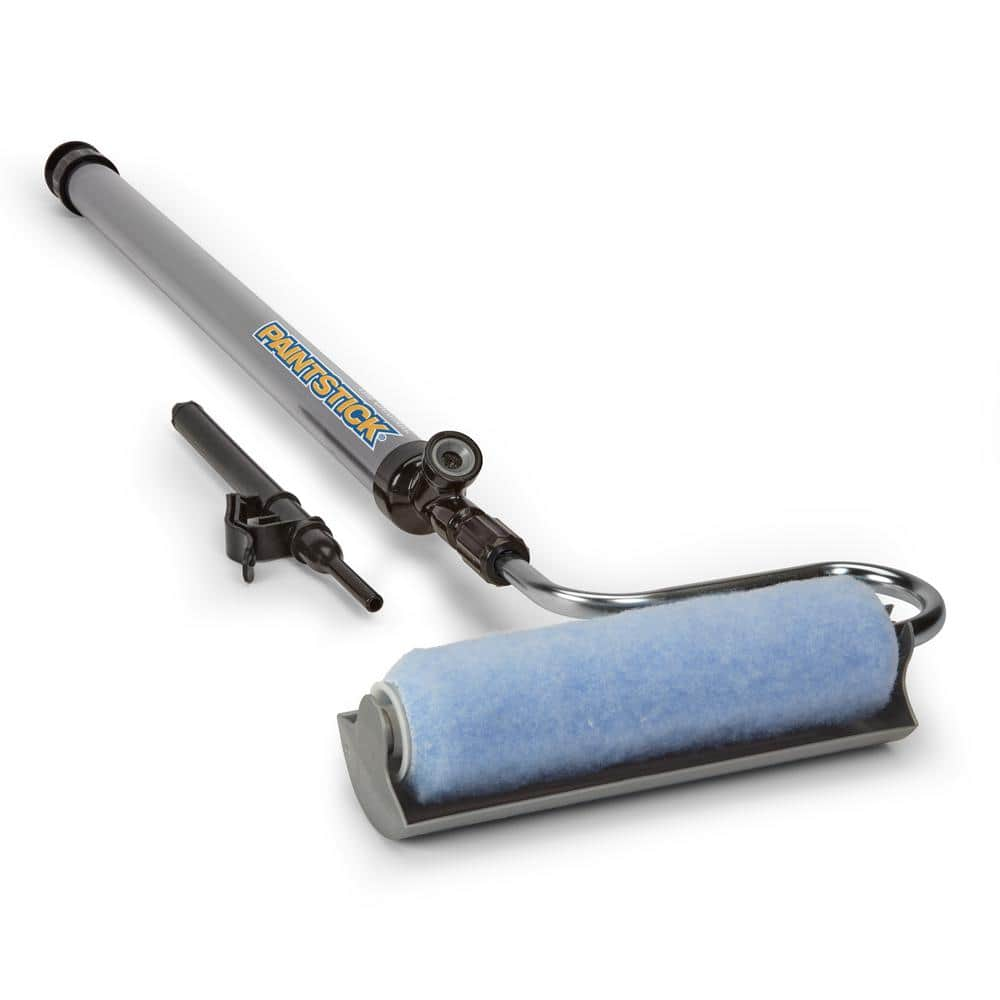
- When using a roller, paint in W-shaped strokes to avoid streaks and roller marks.
- If you use a primer or a combination ceiling paint and primer, you typically will only need one coat of paint.
Safety Tip: Practice lead paint safety. If the house or surface you're painting was built before 1978, see the Environmental Protection Agency's (EPA's) renovation, repair and painting program for guidelines.
To find the best ceiling paint for your home, look for a high-quality paint that works with the material of your ceiling. Flat white ceiling paint is a popular choice. However, even the best white ceiling paint lacks the impact of color. Try experimenting with bright or subdued colors and sheens to create a unique and striking room.
Ready to get the ceiling paint and painting tools you need? The Home Depot delivers online orders when and where you need them.