Keeping a garden doesn’t mean spending free time watering or pruning when you’d rather be walking the dog, enjoying family or taking a run.
Try these six ways to make your garden low-maintenance and water smart.
Plant Low-Water Perennials
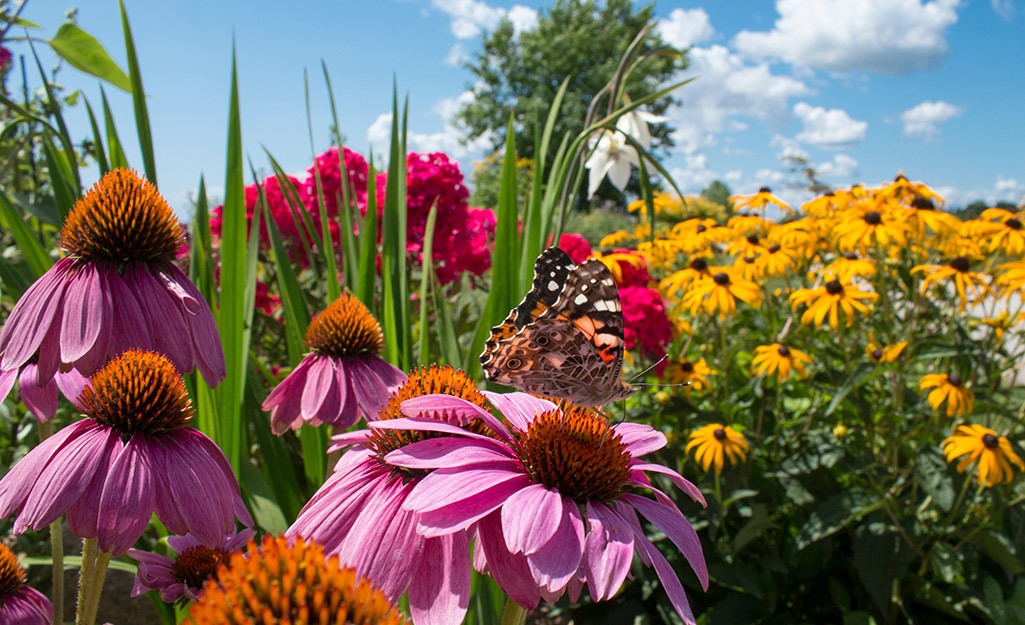
Colorful perennials are a low-maintenance plant with high rewards. Look for Black-eyed Susan's, peonies, or coneflowers. Succulents and salvia can also take long periods without water. Plus, they don’t mind heat and return for years to come.
Pair Your Plants with Purpose
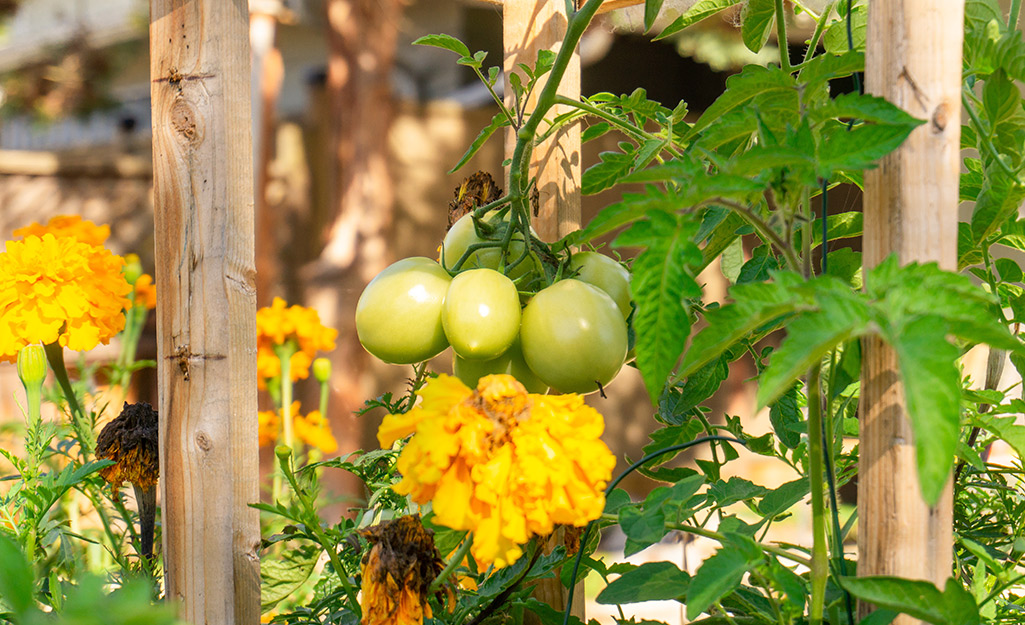
Pest control is a job in itself. Some plants have natural pest repellent embedded in their DNA. Plant marigolds next to tomatoes to repel slugs and tomato worms. Lavender is low maintenance and only requires annual pruning. The best part? Lavender repels fleas, moths, mosquitoes and many other insects.
Chrysanthemums (mums) will thrive, even with the most forgetful gardener's care. Bright blooms contain pyrethrum. This is an ingredient often used in natural insect repellents. Add these to your veggie garden to repel ants, ticks, fleas, spider mites, roaches and more.
Create a Raised Garden Bed
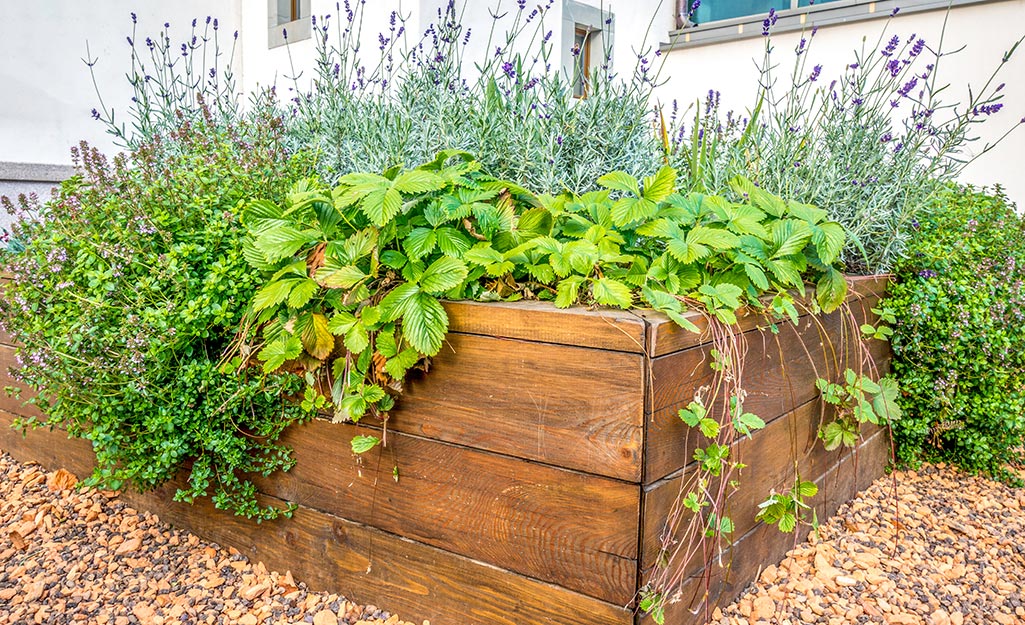
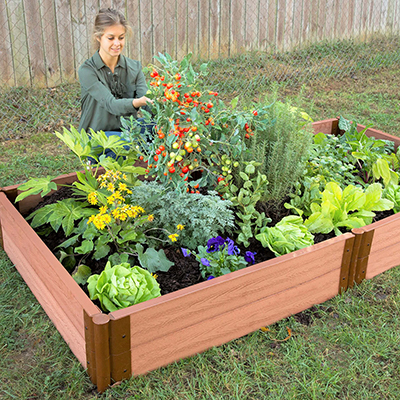
Nobody likes spending time weeding the garden. Use raised garden beds with low-water plants, such as sage or rosemary. If you're a home chef, add some vegetables like lettuce or radishes.
Raised garden beds allow plants to be closer together. This aids in helping shade out weed growth. Raised beds also help block out digging rodents, like moles. Line the bed with landscape fabric. Fabric will make those weeds and pests extra unwelcome in your garden.
Go Vertical
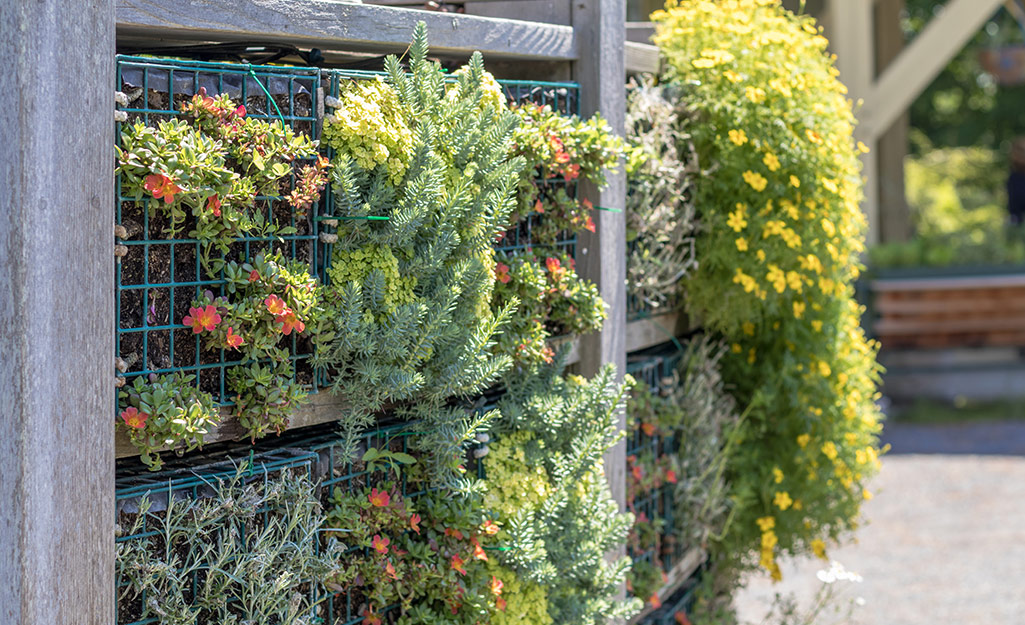
A vertical garden is when you hang plants above one another. When you water one plant, it drains on the others below. This helps immensely with lowering your water usage.
A bonus is vertical gardens help cut down on bugs. Weeds, ground-dwelling pests and soil-borne diseases are a thing of the past. W.You'll spend less time ridding your garden of pests and more time enjoying your garden.
Vertical gardening saves a gardener so much space. It gives you more room to plant other low maintenance plants!
Make Your Own Compost
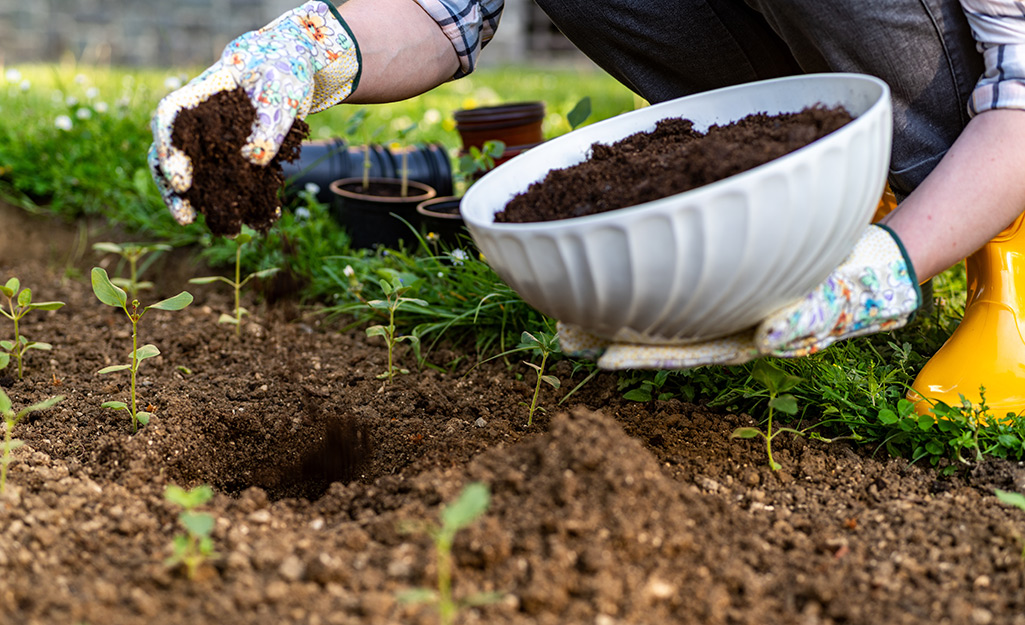
Do you ever have leftover lettuce leaves, strawberry tops or onion scraps? With leftover kitchen scraps, create your own nutrient-rich compost.
Compost is your homemade soil that helps you raise healthier plants and lessen disease. Healthier plants means they'll require less of you over time. Compost can even conserve water. It has a higher ability to retain and transfer water. Enjoy fewer trips taking out the trash, too.
Mulch, Mulch, Mulch
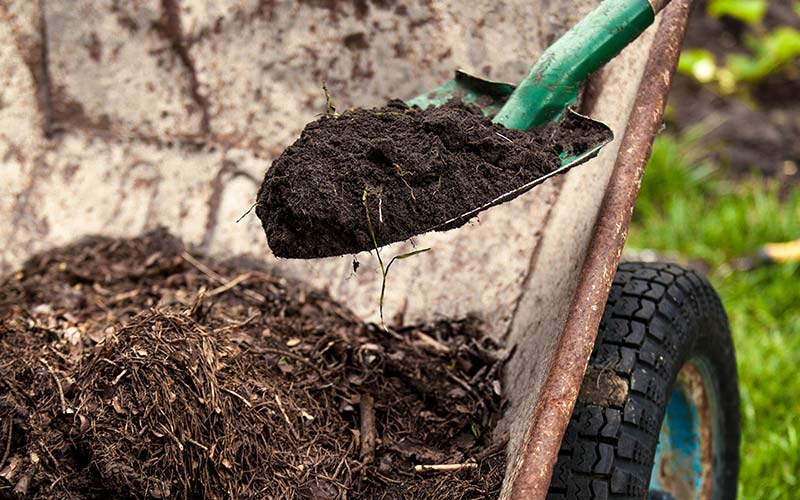
Besides compost, the other great ingredient for your low-maintenance garden is mulch. Mulch helps plants retain water. Try the mulch calculator to figure out how much you’ll need for your garden.
If you love gardening, but don't love the maintenance, we've got you covered with everything you need. Looking for tools to get your low-maintenance garden started? The Home Depot delivers online orders when and where you need them.