Discover New Plants of the Year
Last updated November 17, 2025
Explore standout additions for your garden with the National Garden Bureau's Plants of the Year. Each year, the bureau highlights a houseplant, bulb, annual, perennial, shrub and vegetable to feature and promote.
The National Garden Bureau selected its 2026 Plants of the Year to inspire gardeners and plant enthusiasts. This year's list highlights versatile ficus as houseplant of the year, vibrant crocus as bulb of the year and reliable impatiens as annual of the year. For perennials, sedum varieties, often called stonecrop, take center stage, while azalea claims the title of shrub of the year. Hot peppers, including cayenne, jalapeño and Scotch bonnet, round out the list as vegetable of the year. These plants bring beauty and functionality to your home and gardens.
Read on to learn more about the 2026 Plants of the Year.
Table of Contents
Houseplant of the Year: Ficus
Bulb of the Year: Crocus
Annual of the Year: Impatiens
Perennial of the Year: Sedum
Shrub of the Year: Azalea
Vegetable of the Year: Hot Pepper
Houseplant of the Year: Ficus
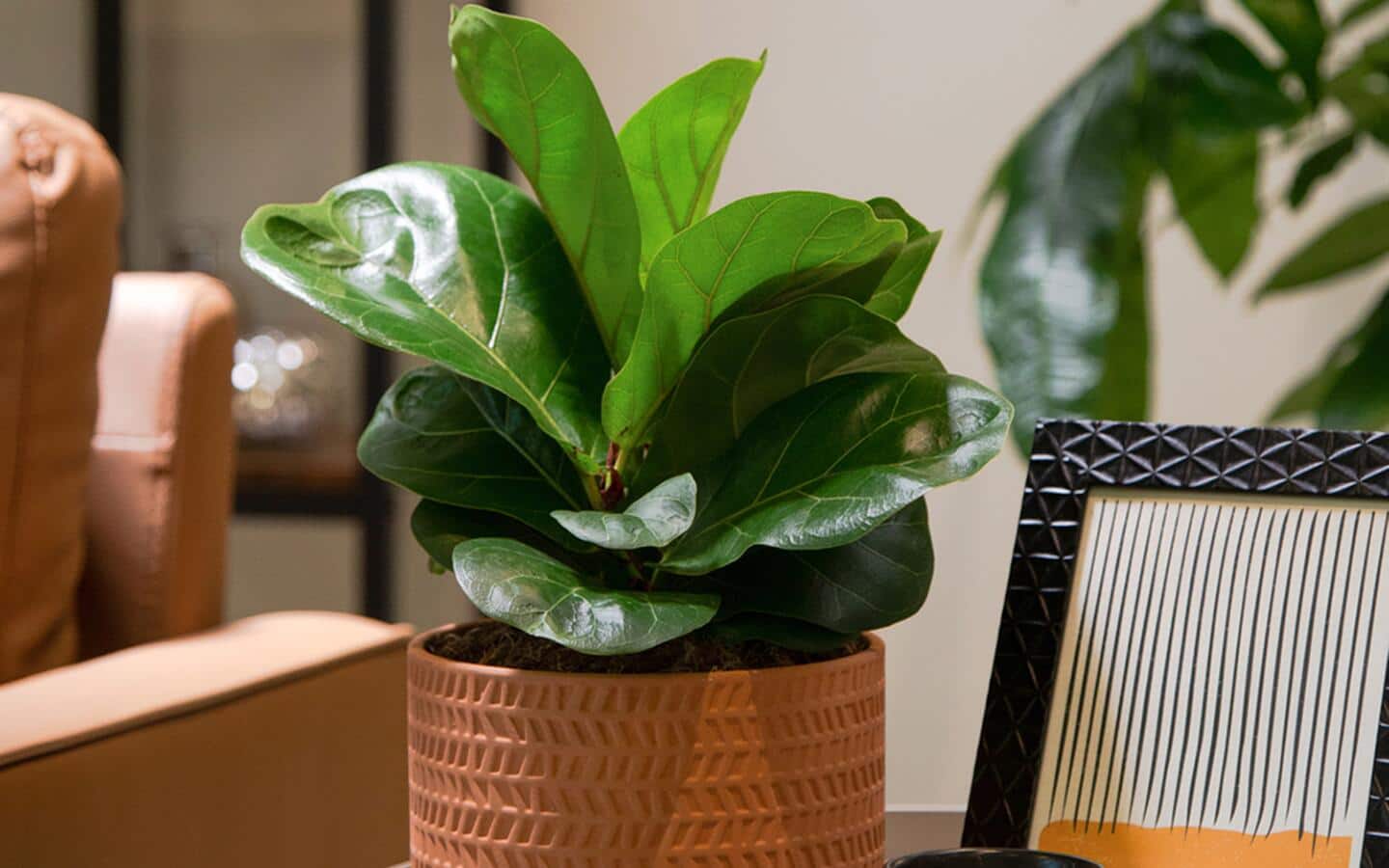
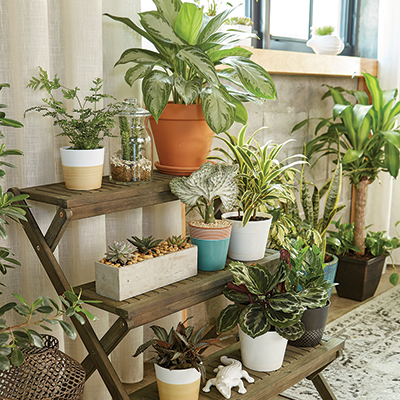
The Ficus genus is a cornerstone of indoor gardening, offering a blend of lush foliage and sculptural form. From the popular fiddle leaf fig ('Ficus lyrata') with its large, dramatic leaves to the graceful weeping fig ('Ficus benjamina'), these plants serve as living decor in your home. Their air-purifying qualities and adaptability make them a favorite choice for bringing a touch of nature indoors. With proper care, a ficus will be a long-lasting addition to your home.
Caring for a ficus starts with light and water. Place your plant in a spot with bright, filtered sunlight, like near an east-facing window (direct sun can scorch the leaves). Ficus plants are sensitive to drafts and sudden temperature changes, which may cause leaf drop. Water your ficus when the top one to two inches of soil feel dry, allowing excess water to fully drain. Overwatering is a common issue, so it's better to let the soil slightly dry between waterings.
In warmer climates like USDA zones 10 to 12, many ficus species thrive outdoors in containers. When grown outside, ficus plants may need more frequent watering, especially during hot weather. Pruning in late winter or early spring helps control size and encourages a fuller shape.
Tip: For maximum portability of a favorite ficus, place the plant pot on a planter caddy. This will save back strain as you move the plant indoors and out.
Bulb of the Year: Crocus
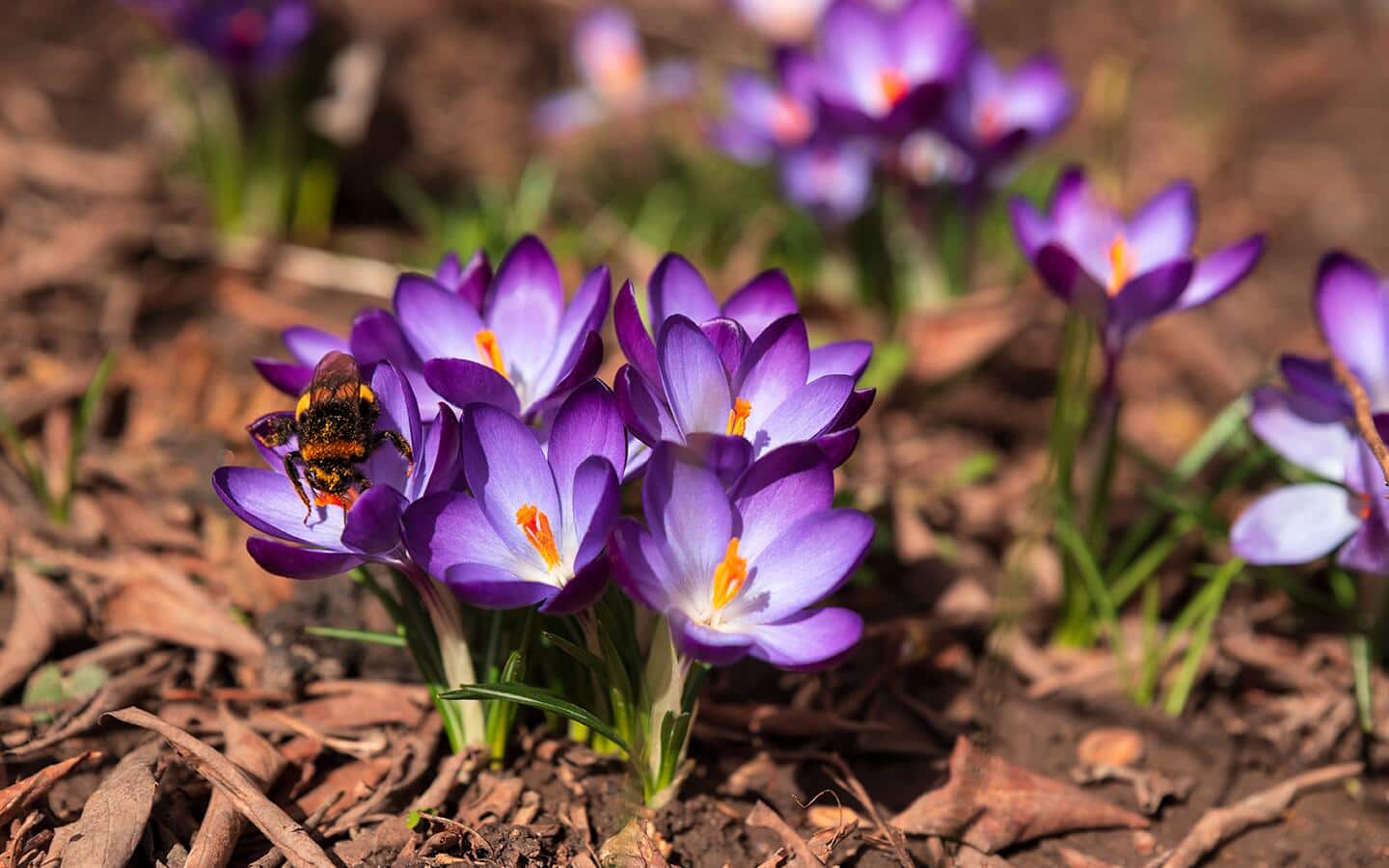
The crocus is one of the first and most welcome signs of spring, often pushing through late-winter snow to unfurl its vibrant blossoms. Grown from corms, these small plants from the iris family feature cup-shaped flowers in jewel-toned hues of purple, yellow and white. The slender, grass-like foliage lets the colorful blooms take center stage, bringing cheer to your landscape after a long winter.
To enjoy an early spring display, plant crocus corms in autumn in a full to part sun location. They need well-drained soil to prevent the corms from rotting. Plant crocus corms about three to four inches deep and apart, with the pointed end facing up. Add plant fertilizer formulated for bulbs to the planting hole. Once planted, crocus bulbs require minimal care. Let foliage die back after blooming to help the corms store energy for the next year.
Crocuses are hardy in USDA zones 3 through 8 and are a reliable choice for gardeners in colder regions. In the right conditions, crocus naturalize, spreading over time to create an expanding carpet of color. They are perfect for planting in lawns, under deciduous trees, in rock gardens or along pathways. Crocuses also grow well in containers, offering a portable display of early spring color.
Annual of the Year: Impatiens
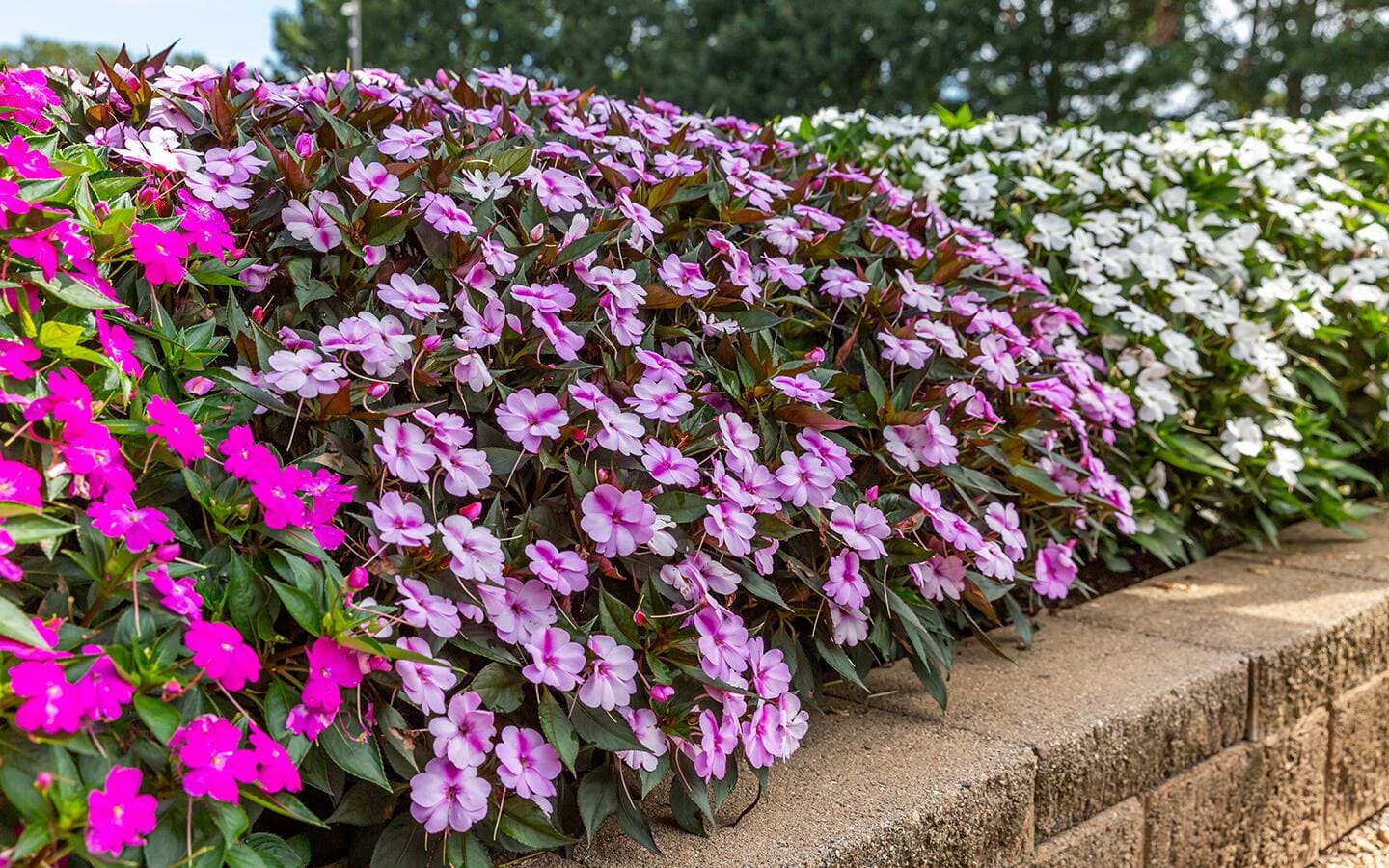
Impatiens are a classic home garden favorite for shady spaces, prized for their profusion of vibrant blooms from spring until the first frost. These cheerful annuals offer an impressive range of colors, including shades of pink, coral, red and purple. Their continuous blooming habit and easy-going nature make them a popular bedding plant for brightening dim corners in your landscape.
Success with impatiens hinges on providing shade and consistent moisture. Impatiens thrive in partial to full shade, as direct sun may scorch their delicate foliage. Impatiens require consistently moist, well-drained soil and should be watered regularly, especially during hot periods. In the heat of summer, container-grown plants may need daily watering. A balanced, water-soluble fertilizer applied every few weeks helps fuel bloom production all season long.
While typically grown as annuals, varieties like New Guinea impatiens and SunPatiens offer greater disease resistance and sun tolerance, expanding the possibilities for your garden. Impatiens' mounding habit is ideal for creating colorful borders, mass plantings and container arrangements. Whether you need to fill a shady spot with reliable color or create a hanging basket, impatiens deliver an outstanding floral show with minimal effort.
Perennial of the Year: Sedum
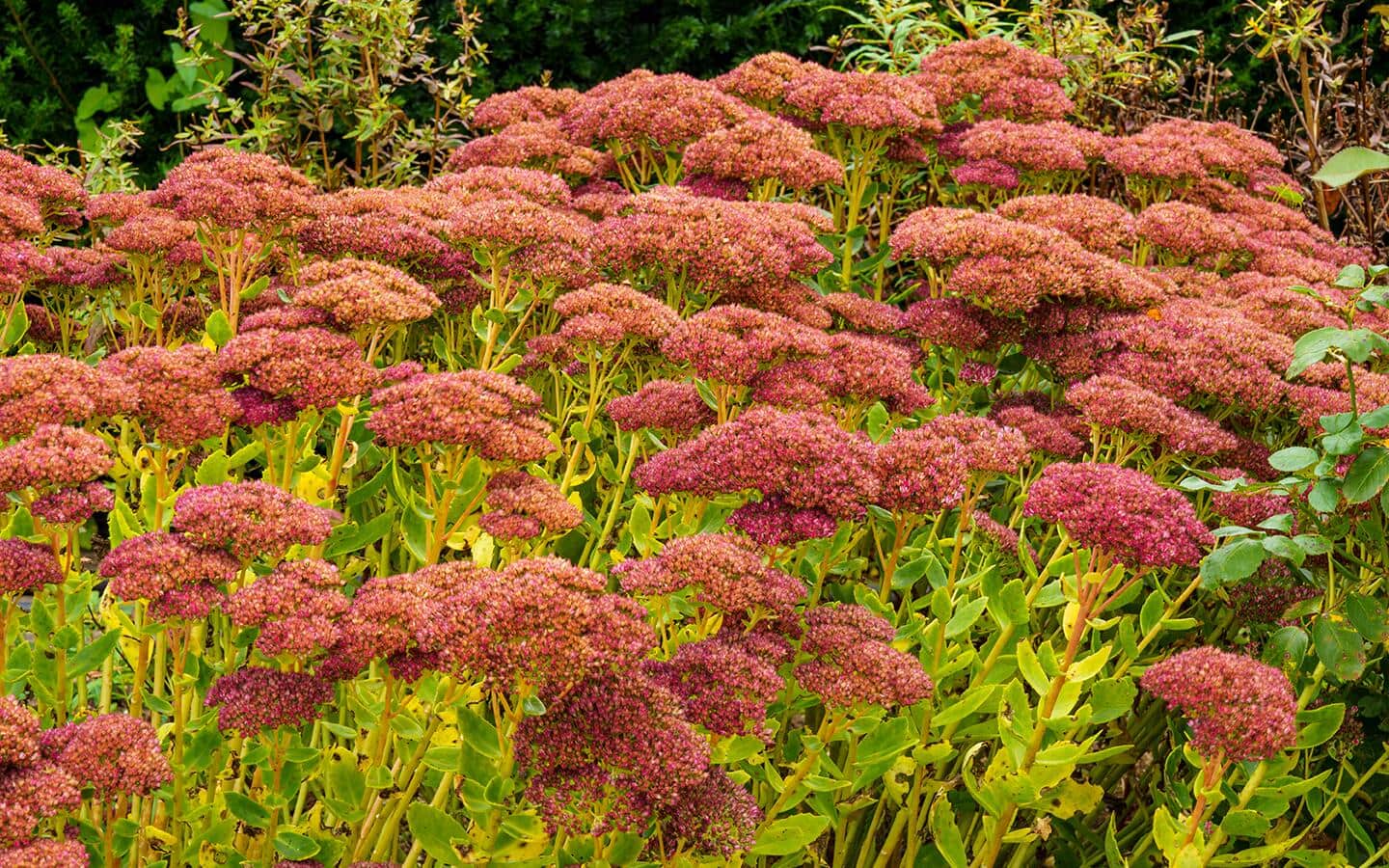
Perennial sedums, often called stonecrop, stand out for their resilience and good looks through tough conditions. Because they're succulents, sedums store water in their fleshy leaves, making them drought-tolerant and low-maintenance. The genus offers a wide array of forms, from low-growing groundcovers to upright varieties that give structure to your flower beds. Foliage colors range from chartreuse and blue-gray to deep burgundy, making sedum a reliable favorite in your garden design.
Sedum varieites need at least six hours of direct sunlight per day to maintain their compact shape and vibrant color. Once established, sedums have low water needs and rarely require fertilizer. Propagation is also easy, as new plants can be started from stem cuttings or by dividing established clumps.
Sedums are adaptable to a wide range of climates, with varieties hardy from USDA zones 3 to 10. Upright types like 'Autumn Joy' offer multi-season interest, with blooms that provide a late-season food source for pollinators. Low-growing sedums like "Lemon Coral" are perfect for creating a living carpet in rock gardens, along sunny borders or even on green roofs.
Shrub of the Year: Azalea
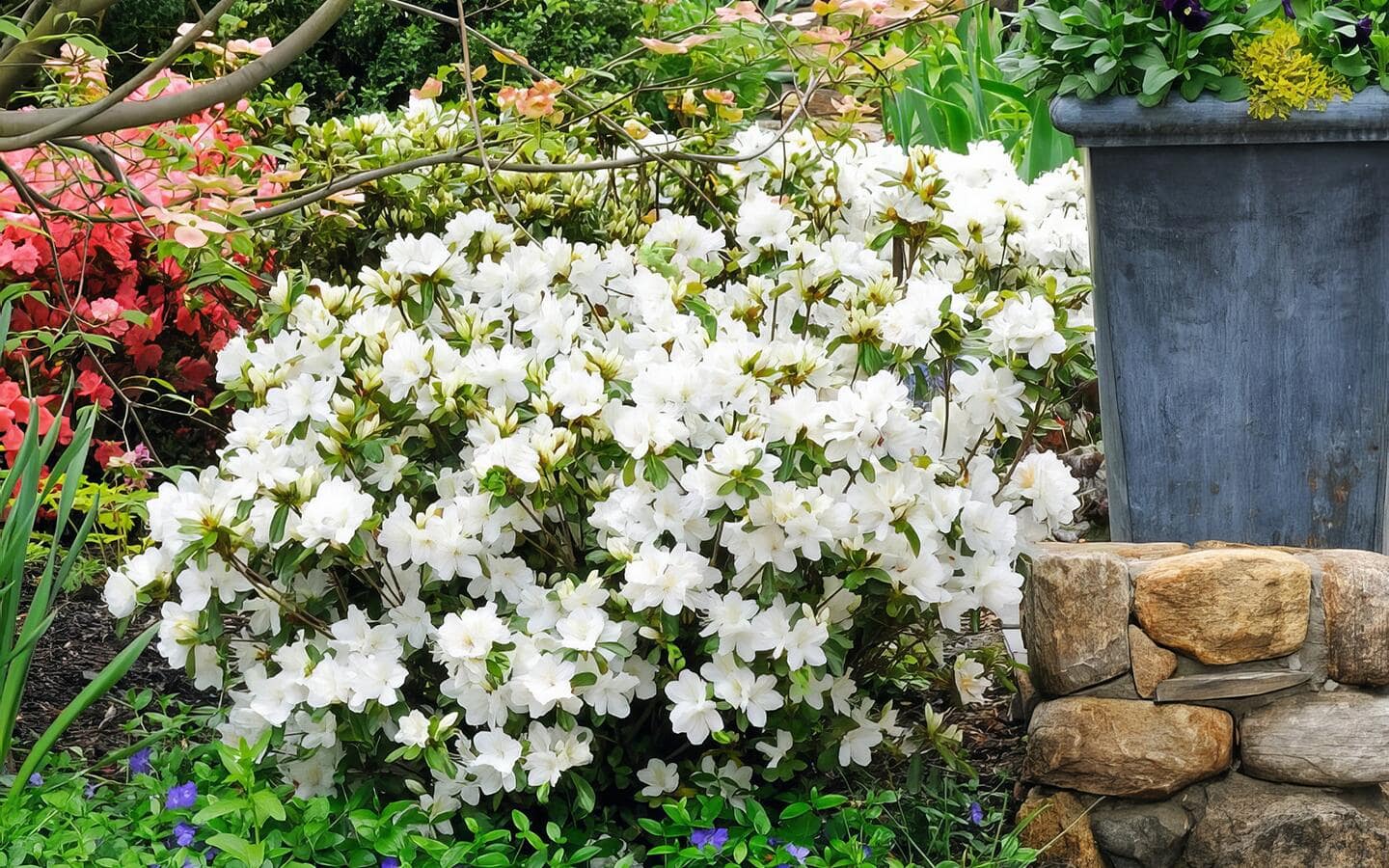
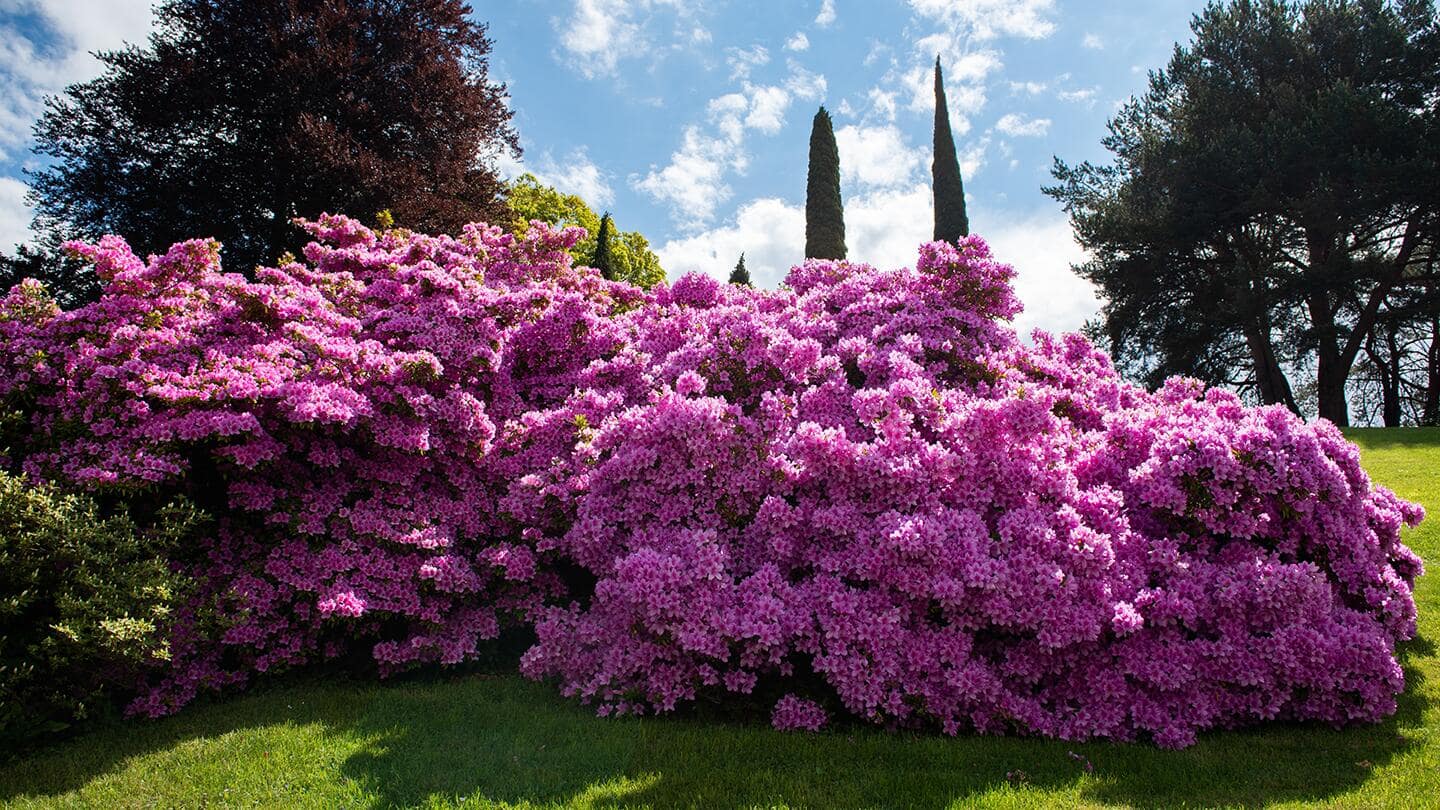
Gardeners and homeowners alike appreciate azaleas for their abundant blooms that signal the arrival of spring. Azaleas are members of the Rhododendron genus and produce stunning displays of color, with flowers ranging from pure white to brilliant shades of pink, purple and red. Some azalea varieties are deciduous, while others are evergreen, providing year-round interest in your landscape. In some areas of the country, look for re-blooming azaleas (sometimes called by the brand name Encore) that give you two seasons of blooms. These azaleas bloom in spring and put out a second flush of blooms in the cooler days of autumn.
Growing azaleas successfully begins with the right location. These plants thrive in landscapes with dappled sunlight or partial shade, as intense sun can scorch their leaves. Azaleas require well-drained, acidic soil with a pH ranging from 4.5 to 6.0. Determine your soil's pH with a soil test from your local Extension Service and follow guidance for amending soil. Compost aids drainage and sulfur applications will help lower soil pH.
Azaleas prefer consistent moisture but are prone to root rot if overwatered. Mulch with a layer of pine bark or pine straw to help retain moisture. Prune shortly after blooming to shape the plant and encourage fuller growth for the next season.
Azaleas grow well in a range of climates, generally performing best in USDA hardiness zones 6 through 9. They are perfect for foundation plantings, softening the corners of a house with a burst of color. They also perform well in woodland gardens under tall trees or as colorful borders along walkways. For smaller spaces, grow compact varieties in containers on a patio or deck.
Vegetable of the Year: Hot Pepper
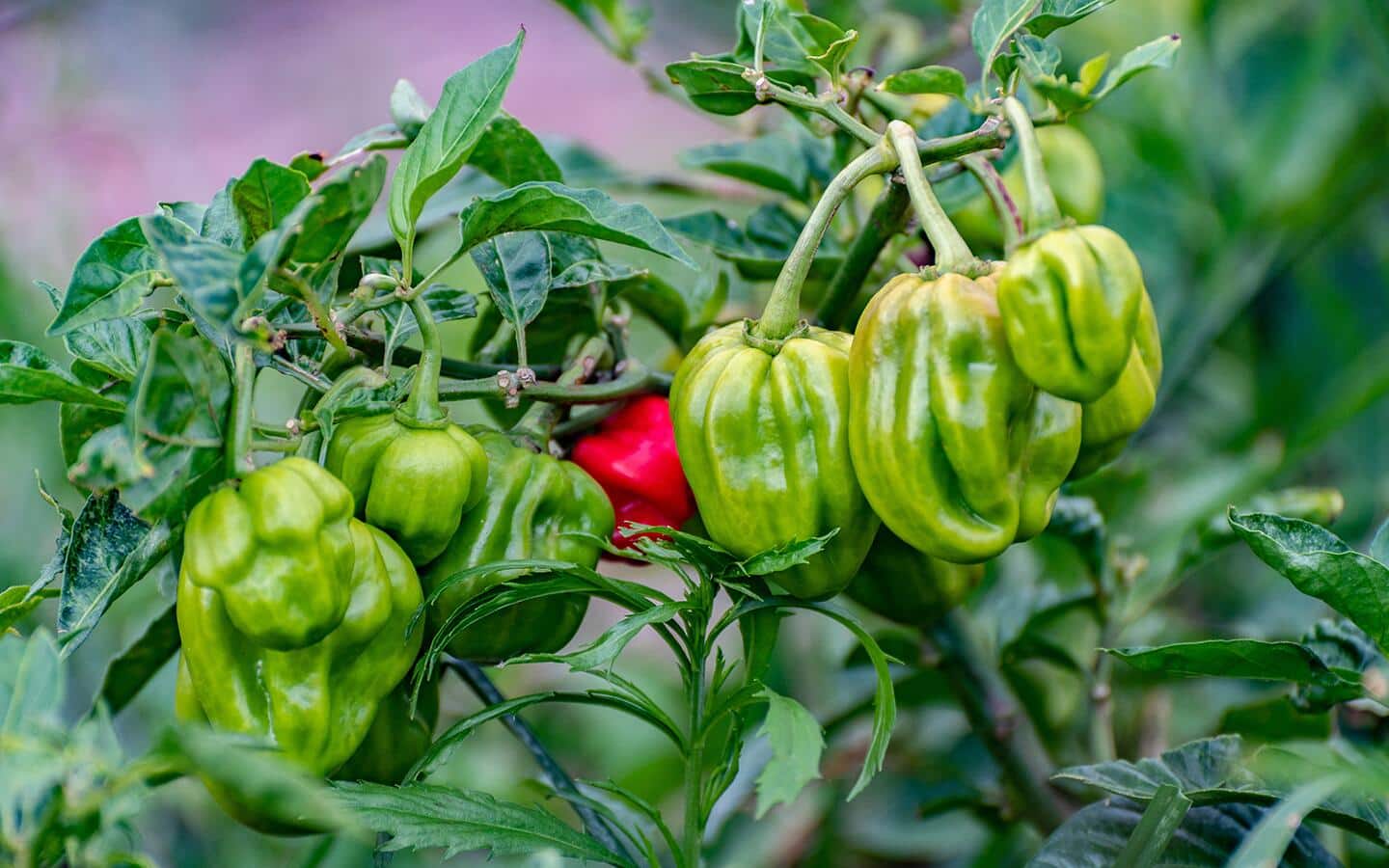
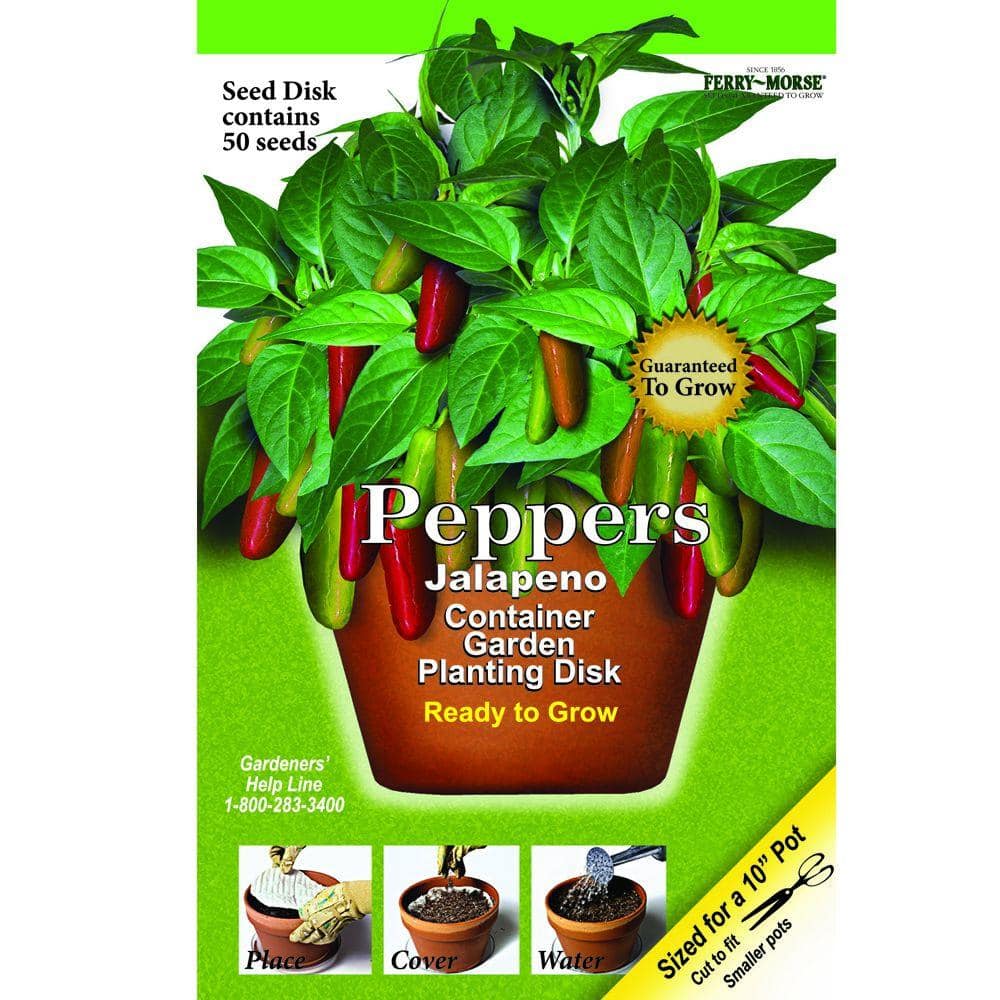
Hot peppers bring a unique combination of culinary fire and ornamental beauty to your garden. A member of the Capsicum genus, hot peppers produce fruits that range in heat from mildly warm to intensely fiery. Beyond spice, hot peppers are celebrated for their vibrant colors, ripening to shades of red, orange, yellow and even purple. This diversity in heat, flavor and appearance makes them a versatile choice for gardeners and cooks alike.
You need plenty of warmth and sunlight to successfully grow hot peppers. These plants need at least six to eight hours direct sun each day and prefer well-drained, fertile soil. Start seeds indoors about eight to ten weeks before the last frost, or purchase starter plants. Consistent watering is crucial during fruit development, but avoid waterlogged soil. A layer of mulch helps retain soil moisture and suppress weeds.
Hot peppers are best suited for warm climates like USDA hardiness zones 9 to 11, but are often grown as annuals in cooler regions. Peppers grow well in containers and raised beds. Add compact varieties with fruit to mixed borders for a pop of color in your foodscape.
Plants of the Year
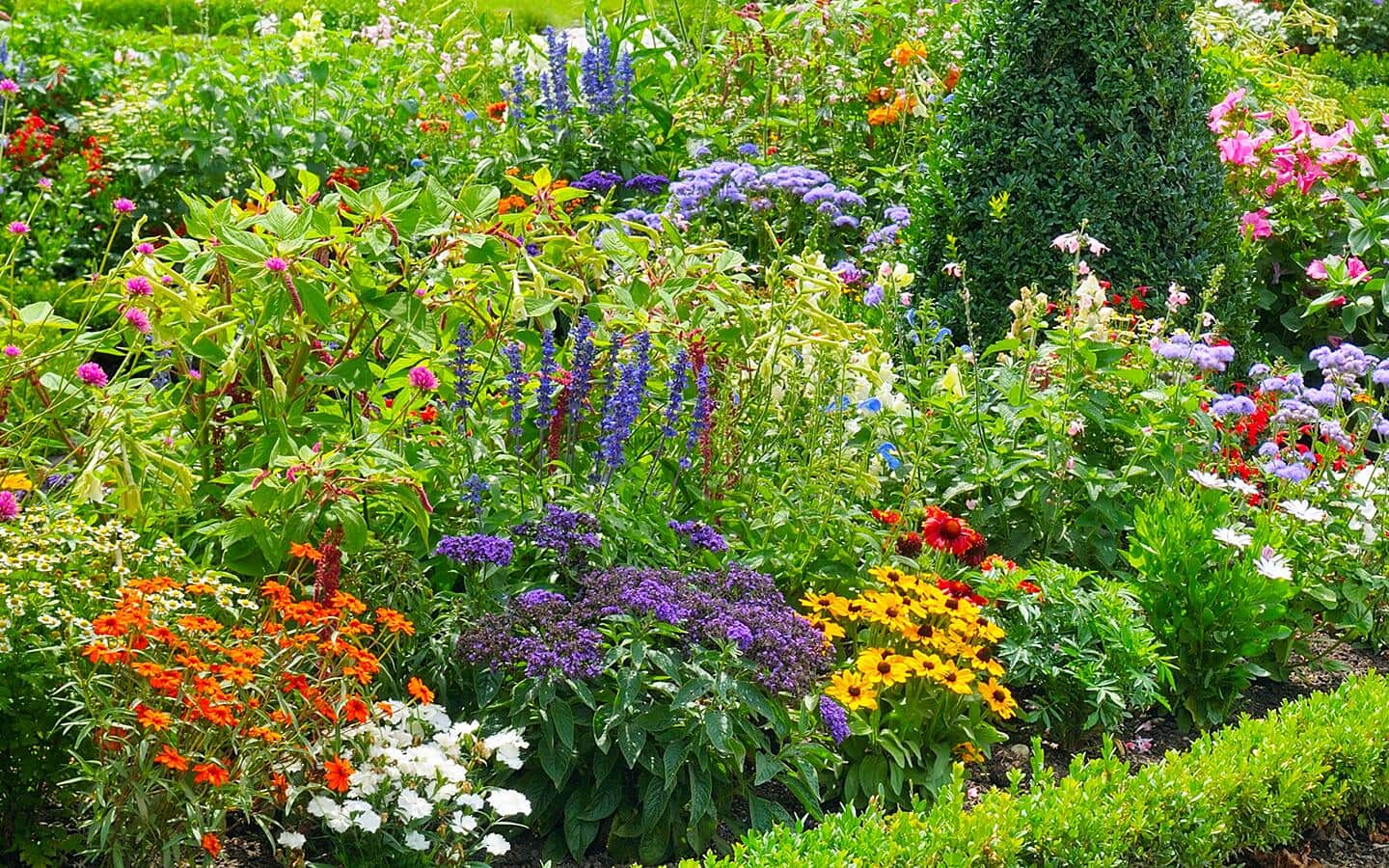
The 2026 Plants of the Year are the latest picks from the National Garden Bureau. Check out previous years' crops to inspire your next garden project.
2025 Plants of the Year:
- Houseplant: Monstera
- Bulb: Caladium
- Annual: Calendula
- Perennial: Asclepias (Milkweed)
- Shrub: Dogwood
- Vegetable: Pea
2024 Plants of the Year:
- Houseplant: African violet
- Bulb: Lily
- Annual: Angelonia
- Perennial: Hosta
- Shrub: Buddleia
- Vegetable: Squash
2023 Plants of the Year:
- Houseplant: Orchid
- Bulb: Amaryllis
- Annual: Celosia
- Perennial: Rudbeckia
- Shrub: Spirea
- Vegetable: Broccoli
2022 Plants of the Year:
- Annual: Verbena
- Perennial: Phlox
- Shrub: Lilac
- Bulb: Gladiolus
- Houseplant: Peperomia
- Vegetable: Salad Greens
2021 Plants of the Year:
- Annual: Sunflower
- Perennial: Monarda (bee balm)
- Shrub: Hardy hibiscus
- Bulb: Hyacinth
- Vegetable: Green bean
2020 Plants of the Year:
- Annual: Lantana
- Perennial: Lavender
- Shrub: Hydrangea
- Bulb: Iris
- Vegetable: Corn
Refer to the Plants of the Year lists for reliable, high-performing options for your garden and home. When it’s time to shop for plants, seeds or potting soil, The Home Depot offers convenient delivery to your door.