Do you have what you need to make your garden grow?


Garden Center
Store Hours
Mon-Sat:
6:00am - 9:00pm
Sun:
7:00am - 8:00pm
Curbside:
09:00am - 6:00pm
Location
639 S Westwood Blvd
Poplar Bluff, MO 63901
Popular at Your Garden Center
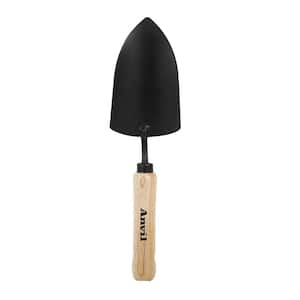
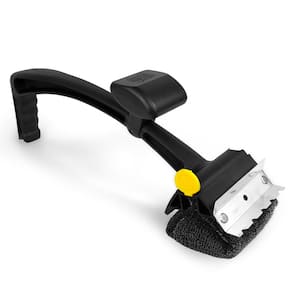
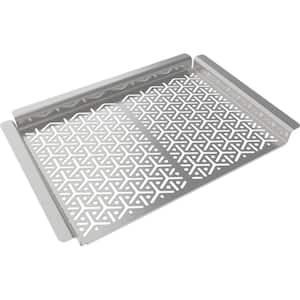

Garden Center Supplies
)
/17_514245_S_012_Product%20Image%20(square).jpg?im=Resize=(300,300))
)
;Resize=(300,300))
)
)
;Resize=(300,300))
)
)
;Resize=(300,300))
;Resize=(300,300))
/2021_PKG_Edging_205465972_L_Product%20Image%20(square).jpg?im=Resize=(300,300))
)
;Resize=(300,300))
;Resize=(300,300))
)
;Resize=(300,300))
.jpeg?im=Crop,rect=(363.69230769230774,1.2307692307692308,958.7692307692308,958.7692307692308);Resize=(300,300))
;Resize=(300,300))
;Resize=(300,300))
)
;Resize=(300,300))
)
)
)
;Resize=(300,300))
)
)
)
)
)
)
;Resize=(300,300))
)
Garden Project Calculators
;Resize=(703,395.44))
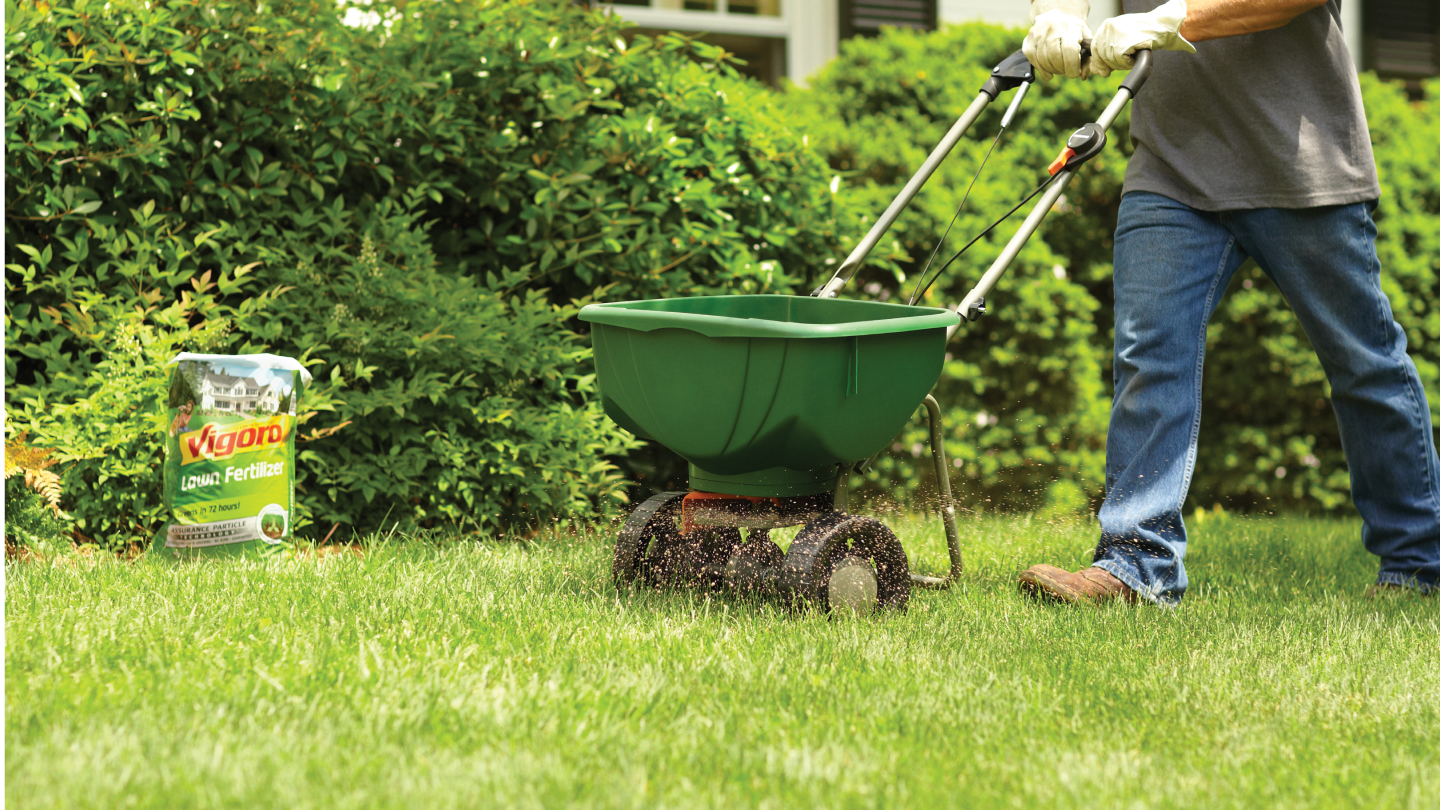
Grass Seed Calculator
When you're ready to seed your lawn, our calculator helps you estimate the amount of grass seed you'll need to get the job done.
;Resize=(703,395.44))
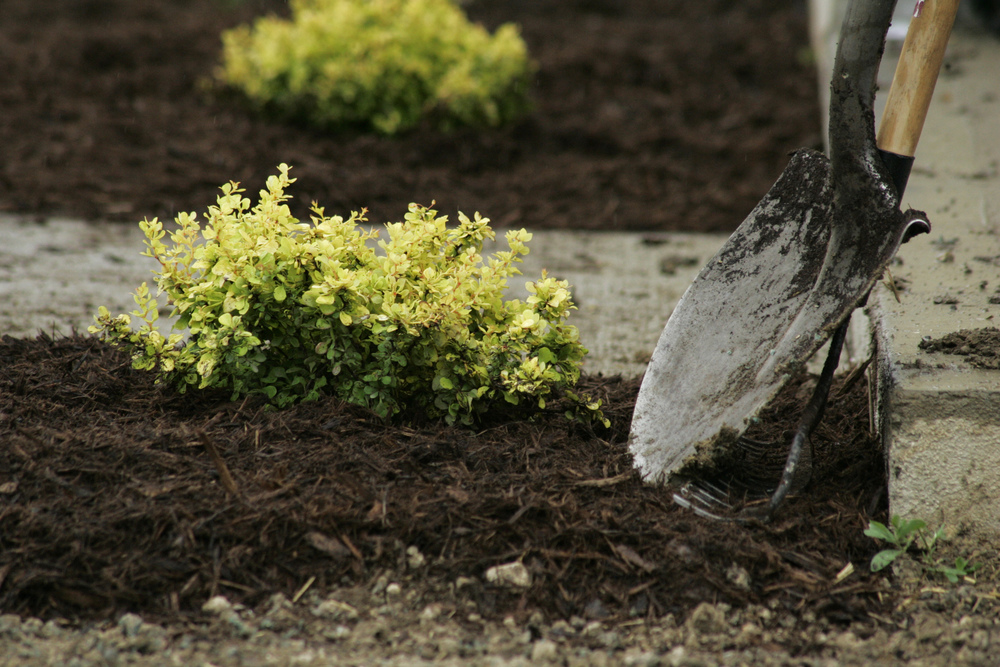
Mulch Calculator
Enter your preferred material, the square footage and mulch depth of the coverage space for accurate results.
;Resize=(703,395.44))
Fencing Calculator
We'll calculate the amount of fencing you should purchase based on your property needs.
Shop Outdoor and Garden Brands


Frequently Asked Questions About Gardening
What should I do with the extra wood after tree removal or tree trimming?
Log splitters leave you with more manageable chunks of wood, while wood chippers make tiny wood chips. After pruning bushes and trees with a gas chainsaw or hedge trimmers, clean up the debris in a wood chipper. If your trees are in good health, the chopped wood and bark chips make fresh mulch that you can spread around your fall plants and flowers. If you removed a tree, you can either get an axe or a log splitter to divide the downed tree into smaller pieces. The wood splitter will be faster and a wise investment if you're doing a large amount of tree cleanup.
How can I get rid of all these leaves?
Although it may sometimes feel like a losing battle, you can keep ahead of leaf maintenance. For a light workout, a more silent cleanup method, and an economical choice, go with a rake, some work gloves, and lawn bags. We've also got leaf blowers if you'd rather use an outdoor power tool instead.
What's the best way to store my garden tools for the season?
Give your garden and yard a final cleanup for the season, then store the tools for the winter. Give your tools a soak in soapy water to remove dirt and grime, then dry them thoroughly. Next, soak them in a bleach and water mix for 20 minutes to kill off any fungi or bacteria, and follow with a rinse. Then, scrub away rust specks using a wire brush, oil them with WD-40 or vegetable oil if necessary, and ensure they're dry before hanging them in a shed or garage.
How do I prepare my outdoor spigots for freezing temps?
Prepare your outdoor spigots for freezing temps by draining and covering them with faucet covers. With all hoses disconnected, turn off the indoor valves that control the spigots, then open the taps and let them run until the water stops. If you have in-ground sprinklers or an irrigation system, drain those, too, per the manufacturer's instructions. You may need an air compressor to get all the water out.
What tools will I need for snow removal?
In climates where it gets cold and snowy, preparing your snow removal tools is key. Snow blowers are great, but keep a snow shovel around to clear trouble spots or chip away ice patches. We carry high-quality gas snow blowers and electric snow blowers. Rock salt and ice melt can clear walkways with less effort and help keep you safer when you make quick trips to the car or mailbox. Be prepared before the first snow starts falling.
Garden Project Ideas

Learn how to safely hang Christmas lights on your roof, windows, and trees with our effective setup guide for the holidays.
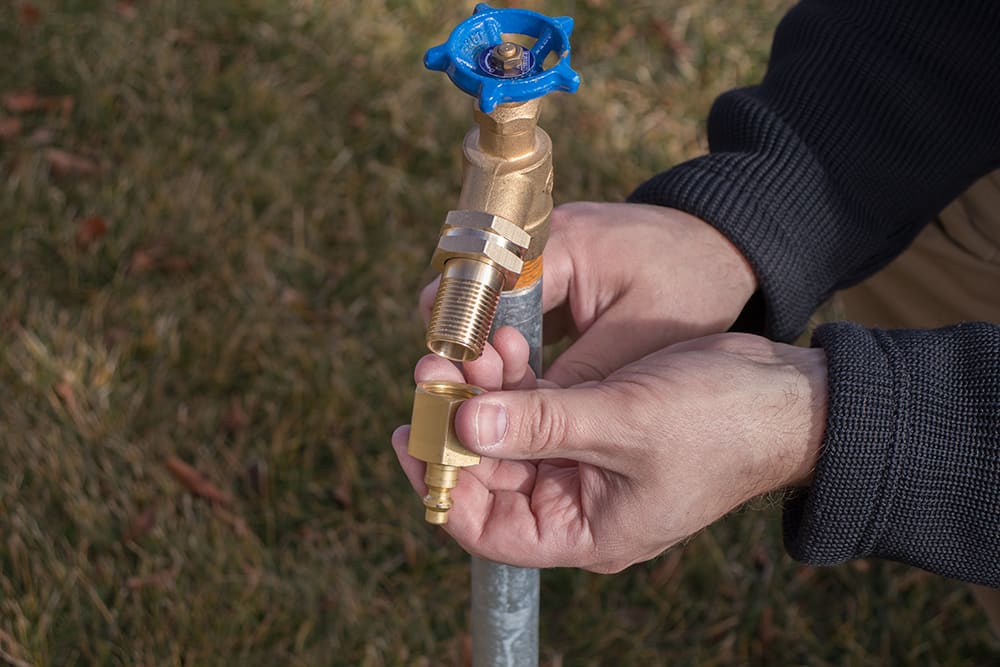
Prevent damage! Easily winterize your sprinkler system to avoid costly repairs from freezing temperatures with our instructions.

Choose the perfect Christmas lights. Compare LED, traditional, and smart options using our helpful guide to decorate your home.
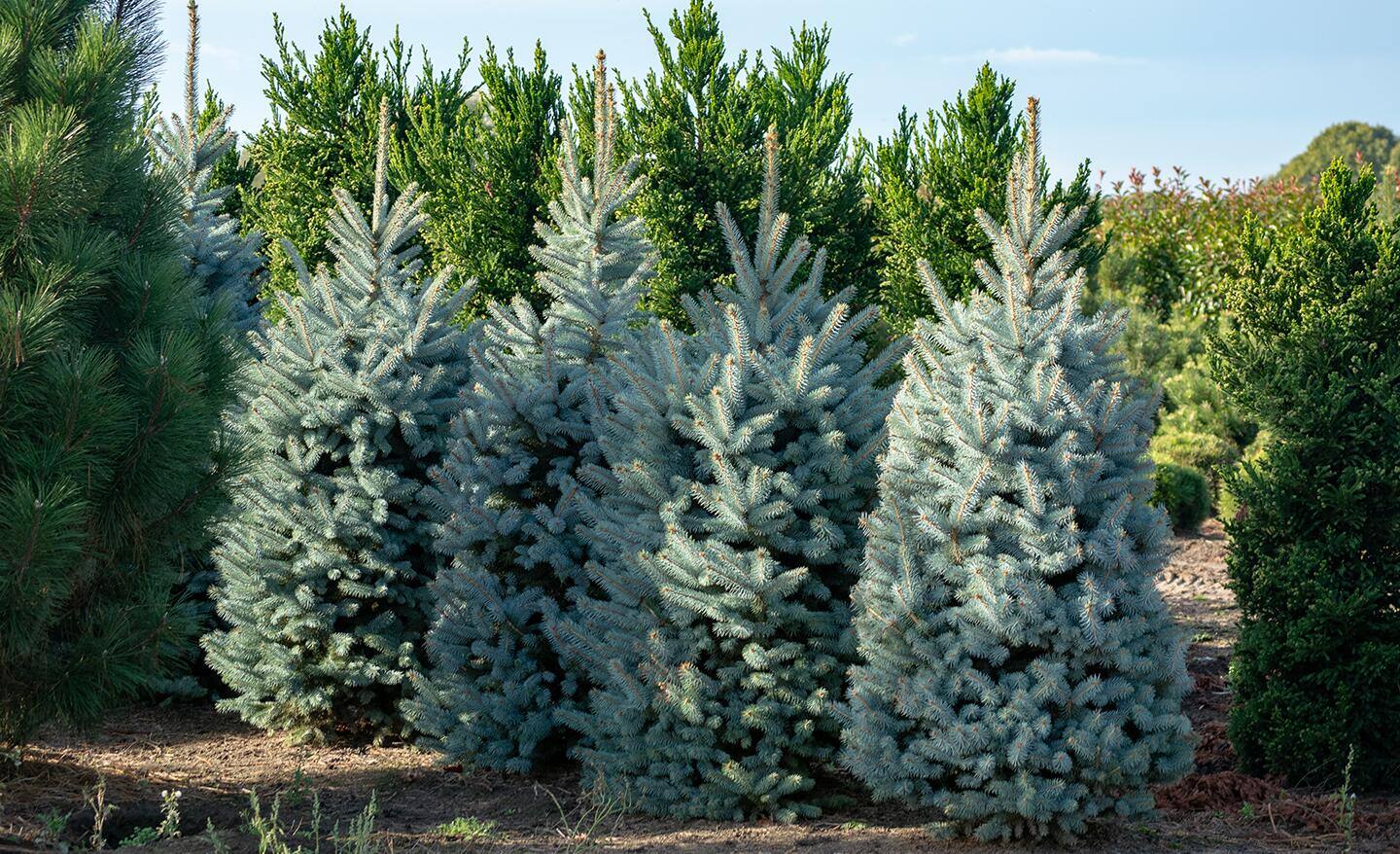
Choose the perfect real Christmas tree. Our guide covers types, selection tips, and advice for keeping your tree fresh all season.

Find the best snow blower for your needs by comparing single-stage, two-stage, electric, and powerful three-stage models easily.

Learn how to choose the perfect snow shovel by exploring ergonomic designs, durable materials, and specialized features.
The Home Depot Garden Center at Poplar Bluff
Colder temperatures often mean it's time to wrap up the gardening and outdoor work for the season. However, if it's not freezing outside and you're motivated, there are usually other projects to knock out. In the meantime, you can still enjoy house plants. Read on for more on final leaf and tree cleanup, indoor gardening, giving next year's garden bed a glow-up, or making the most of a break in the cold weather.
Leaf Upkeep and Tree Maintenance
Between cold snaps, you might still be able to get out your work gloves, chainsaws, pole saws, and pruners. If you haven't done it yet, the focus is on cleanup and preparing for next year. Leaf maintenance is a concern even late in the season in warmer climates, so check out leaf blowers, rakes, and lawn bags. Remember a wheelbarrow and buckets to easily transport lawn debris.
Dote on Indoor Plants
Enjoy caring for indoor house plants? Watering, trimming, and attending to your plants can be soothing. Indoor plants can help brighten your mood, clean the air, and cheer up your home's interior. Many types of plants will thrive indoors, from fruit trees to bonsai trees to traditional potted plants like peace lilies. Low-maintenance indoor plants are great for new or nervous gardeners, and succulents thrive with little watering. If you have pets, be sure to look for cat-safe indoor plants or dog-safe plants. As long as the plant pots are big enough and you follow the directions for sunlight and watering, you'll soon have a green, gorgeous indoor garden. Remember to place decorative dishes beneath them if the pots don't have built-in overflow dishes to catch any extra water.
Garden with Air Instead of Soil
For a different type of indoor planting, try hydroponic gardening. Hydroponics are an unconventional choice for indoor gardens. You can even keep them going year-round if outdoor raised beds aren't an option or the existing soil is questionable. A hydroponic garden uses water infused with fertilizer and nutrients to keep plants growing in something other than dirt — like rock chips, perlite, or sand. It's an excellent way to grow herbs and vegetables. Later in the year, you can pick a fresh veggie or snip an herb to incorporate into your meal. You can also use hydroponics to grow certain types of succulents.
Spread Nutrients
Give your house plants a nutritious place to grow with fertilizer and proper soil. Potted plants all do best with specialty potting soil. Keep in mind that succulents require a sandy soil mix that allows for drainage. For the best results, always match your soil to your plants when transplanting to larger containers. Fertilizer replenishes and adds nutrients and trace minerals that your soil may lack. Fill in the blanks with fertilizer. We offer a variety of non-organic and organic plant fertilizers to keep your indoor plants healthy and happy.
Add Decorative Retaining Wall Blocks and Mulch
It's not too early to begin planning for the spring. Measure the perimeter of your garden and crunch the numbers to see how many retaining wall blocks you'd need to surround or accent your garden. While you're at it, use our mulch calculator to figure out how much you'll need to buy when the temperatures warm. Give your garden a finished look with rubber mulch. It overwinters just fine and looks new longer than bark chips or other mulches that fade with weathering.
Get Cozy Outside with a Fire Pit
Stretch out warmer winter evenings with a fire pit, outdoor fireplace, or patio heater to take off the chill. No matter if you're looking to heat a small patio, a cozy back porch, or a spacious deck, we've got options. Simply find the one that matches your decor. We've got fire bowls and fire pit tables ready to warm your outdoor space. Check out stylish propane and natural gas fire pits in various shapes. We've also got wood-burning fire pits and the firewood to stoke them. You can even build your own using a fire pit kit or create a custom in-ground design with pavers. Stop by your closest garden center to see what we have in stock.
Ease Into Winter
This winter, shore up your yard for the year with us. We've got everything you need for enjoying outdoor company and planning for the spring. We'll be here when it's time to shop our wide variety of spring garden care and outdoor living products online, in your local store, or in our mobile app.


