Tips for Composting
Published March 13, 2026
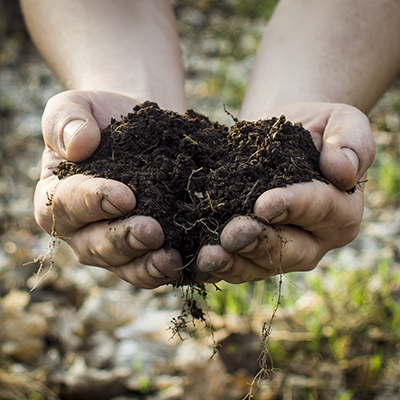
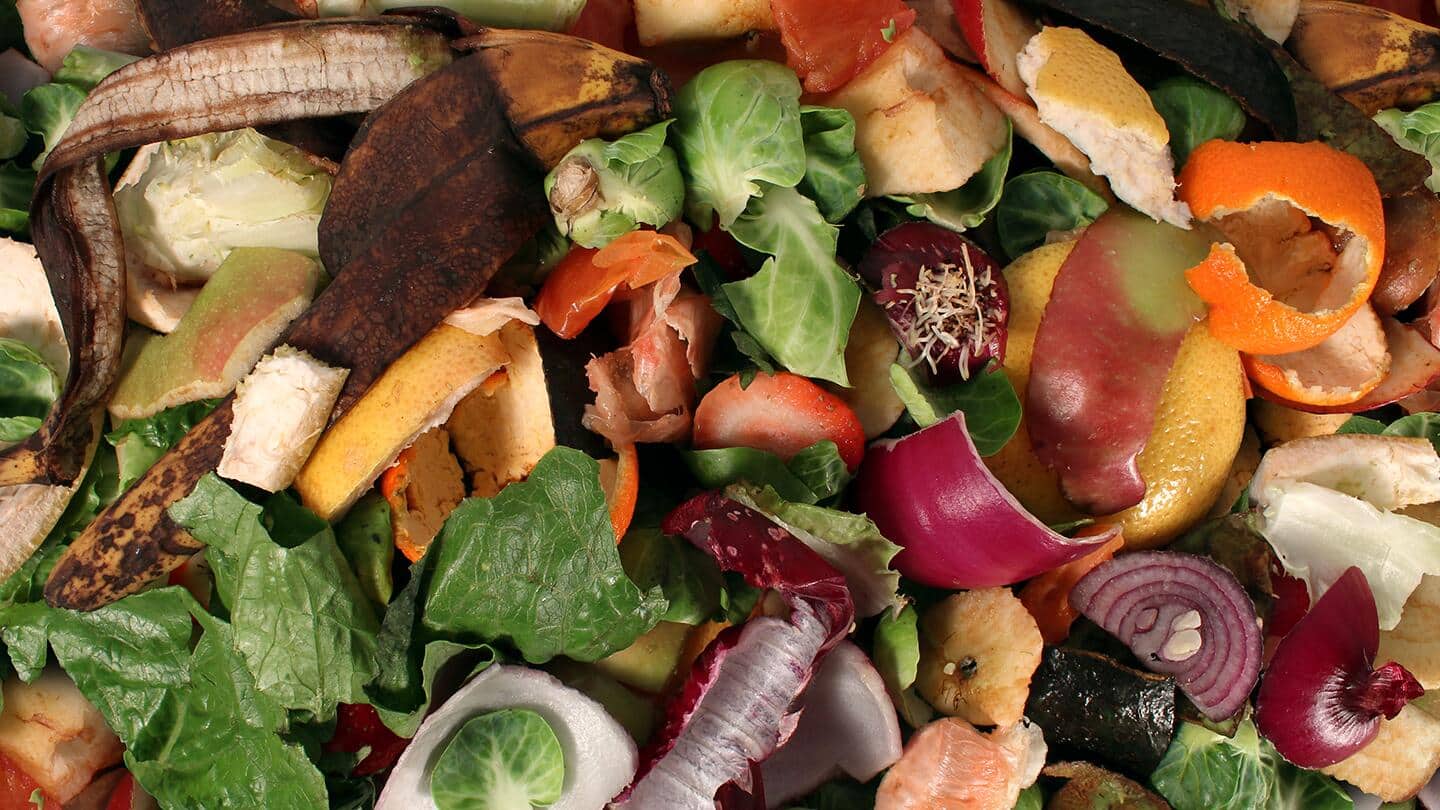
Have you ever wanted to compost, but need a few ideas to get you going? You can then turn your vegetable, fruit and garden scraps into healthy soil for your plants. You’ll also be able to start an eco-friendly habit that benefits you and your family’s lives. By learning how to compost correctly, you can also reduce your need for pesticides. And you'll be adding nutrients back into the soil.
The nutrient-rich compost that results can help you improve your organic gardening method by reducing the need for hazardous pesticides and chemical fertilizers. Composting is an environmentally friendly way to recycle household and food scrap waste and condition your soil. It is considered one of the best climate solutions. And this should only continue, as technology, increased infrastructure and municipal mandates help to boost efficiency.
Interested in leveling up your compost game and going greener in the garden? You’ve come to the right place. Read on for all the dirty details and hot tips you need to start composting like a pro.
Table of Contents
Start with the Right Composter
Bring on the Worms
Try Compost Starter
Make "Compost Lasagna"
Keep a Compost Pail Handy in the Kitchen
Start with the Right Composter
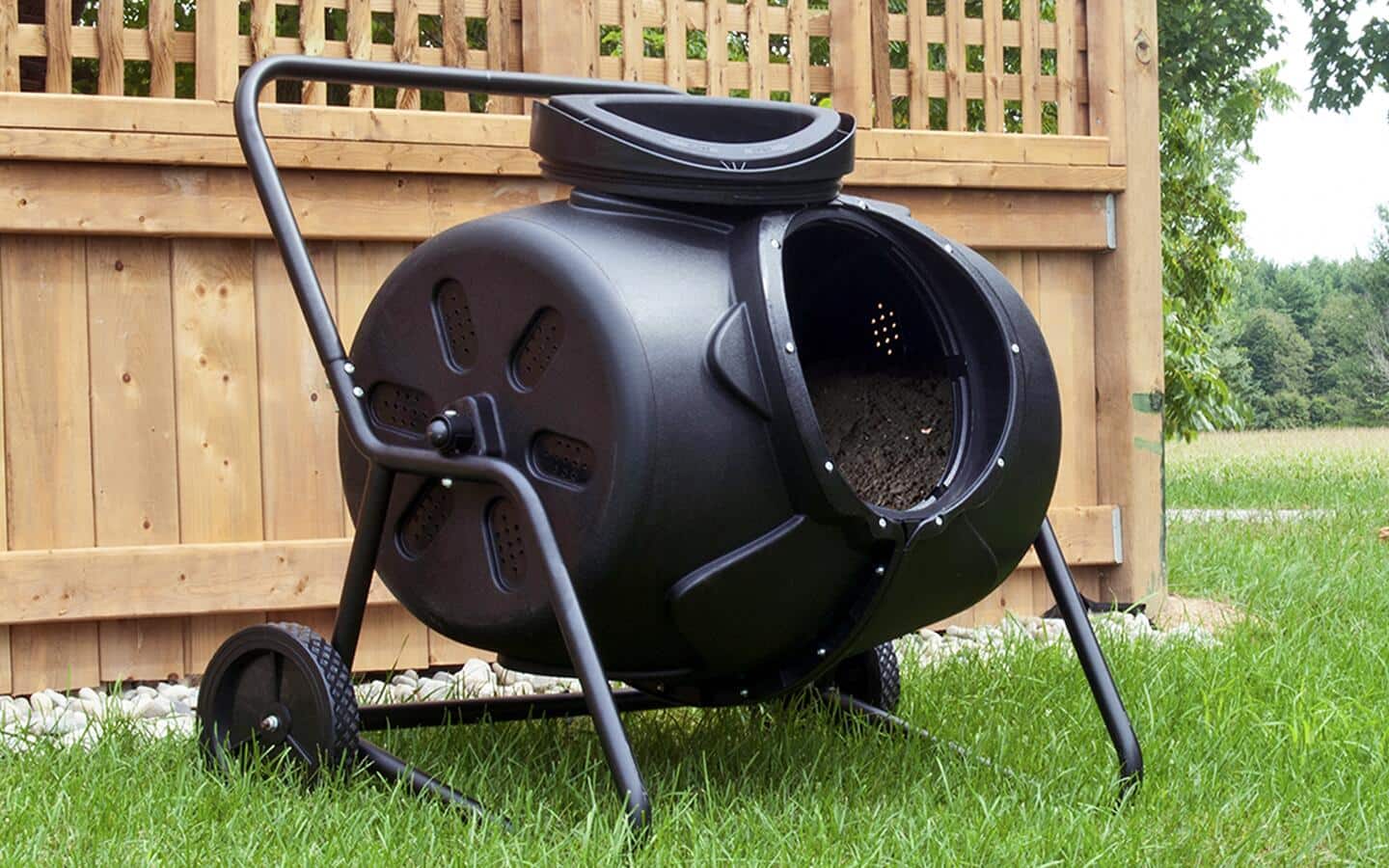
First things first, you'll need to choose the right composter for your lifestyle and the type of waste you’ll be composting. There are the three main types of composters, each with its own purpose and maintenance needs.
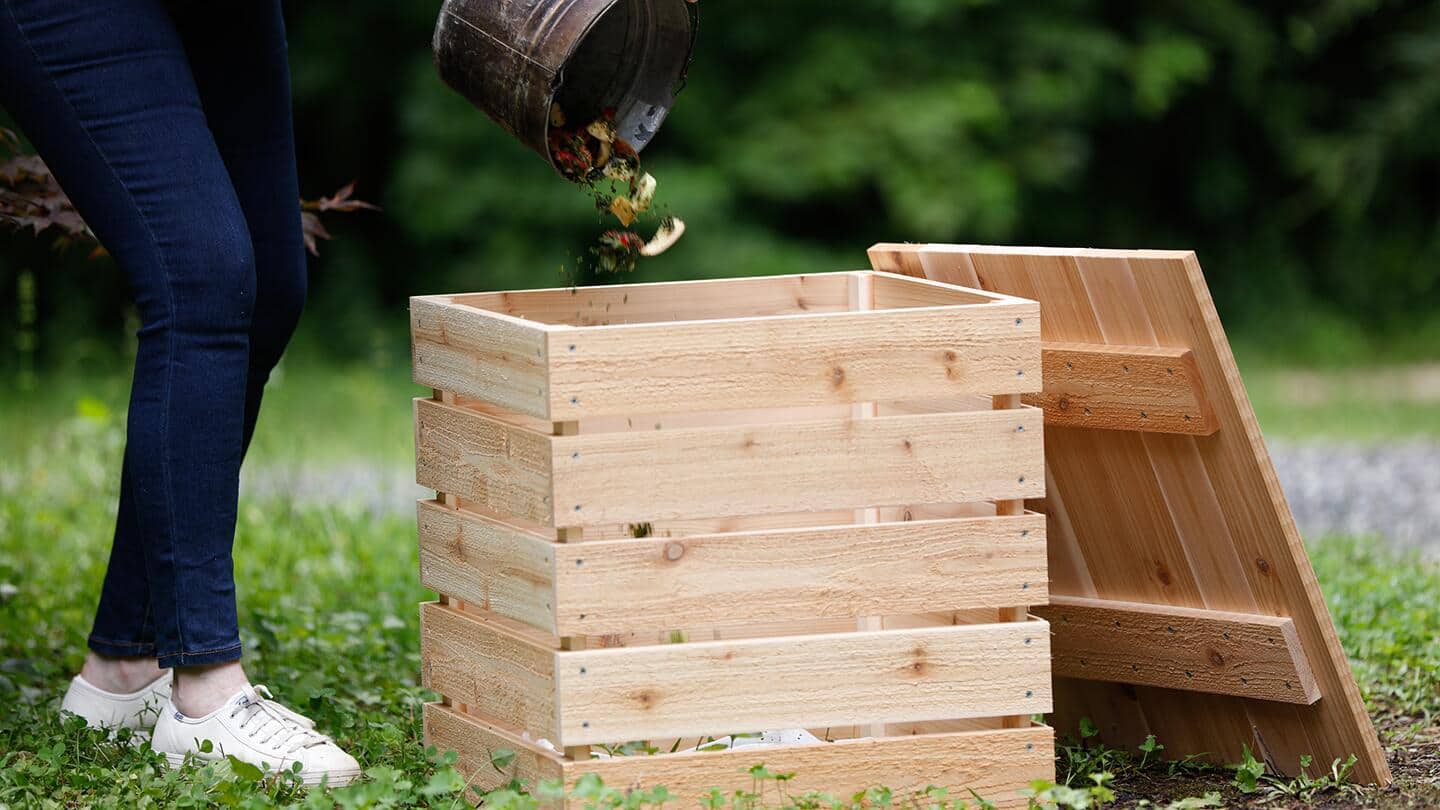
Continuous Composters: These products offer a low-maintenance backyard composting option. They’re called “continuous” because new scraps and organic matter can be added to their stationary outdoor bins all the time. You'll find they're great for tossing everything from kitchen scraps to yard waste. Just toss material in the compost pile, wait for it to break down and open the bottom of the bin. You’ll be greeted by finished compost. Continuous composting takes anywhere from four weeks to twelve months to create ready-to-use compost.
Batch Composters: These devices are great for people who need compost immediately for lawn and gardening use. Also called compost tumblers, batch compost bins are essentially large barrels that you fill with grass clippings and food scrap waste. You simply tumble the batch daily with a handle that spins the barrel. After four to eight weeks, you’ll have a big batch of nutrient-rich compost. While one is decomposing, you can stockpile scraps for the next batch in a countertop compost bin or an outdoor compost heap. You may also prefer to have two batch composters, to have multiple batches going at the same time, but at different stages.
Indoor Composters: These products are typically used for smaller-scale projects, like breaking down vegetable scraps. They’re also effective if you live in an apartment building with no space for a compost pile. Indoor composting can be done with aerobic composting, which uses microbes from garden soil to decompose kitchen waste. You may also use vermicomposting, an efficient, smell-free method in which worms process food waste.
Place your indoor compost bin in the pantry, under the sink or in your basement. Then, add your kitchen scraps to it daily or weekly. Once a week, turn the bin's contents with a compost fork. It’ll take two to four months for your kitchen waste to turn into ready-to-use compost.
Composting trends are focusing on those that embrace convenience and efficiency. Among these products and trends are:
- Electric Composters/Recyclers: While very convenient, these devices may not actually compost food waste. Instead, they primarily recycle, dehydrate and grind waste. However, this still adds nutrients to soil. Electric composters are quick, working in hours. And they reduce pest issues compared to open, static bins.
- Active Microbe Systems: These composters offer a true composting process using microbes to break down waste into nutrient-rich soil in only days.
- Compost Tumblers: These products work well in small, outdoor spaces. They offer simple, frequent turning, for faster composting, with fewer odors.
- High-Efficiency Insulated Bins: These composters are ideal for rapid, year-round composting, even for small waste amounts.
Bring on the Worms
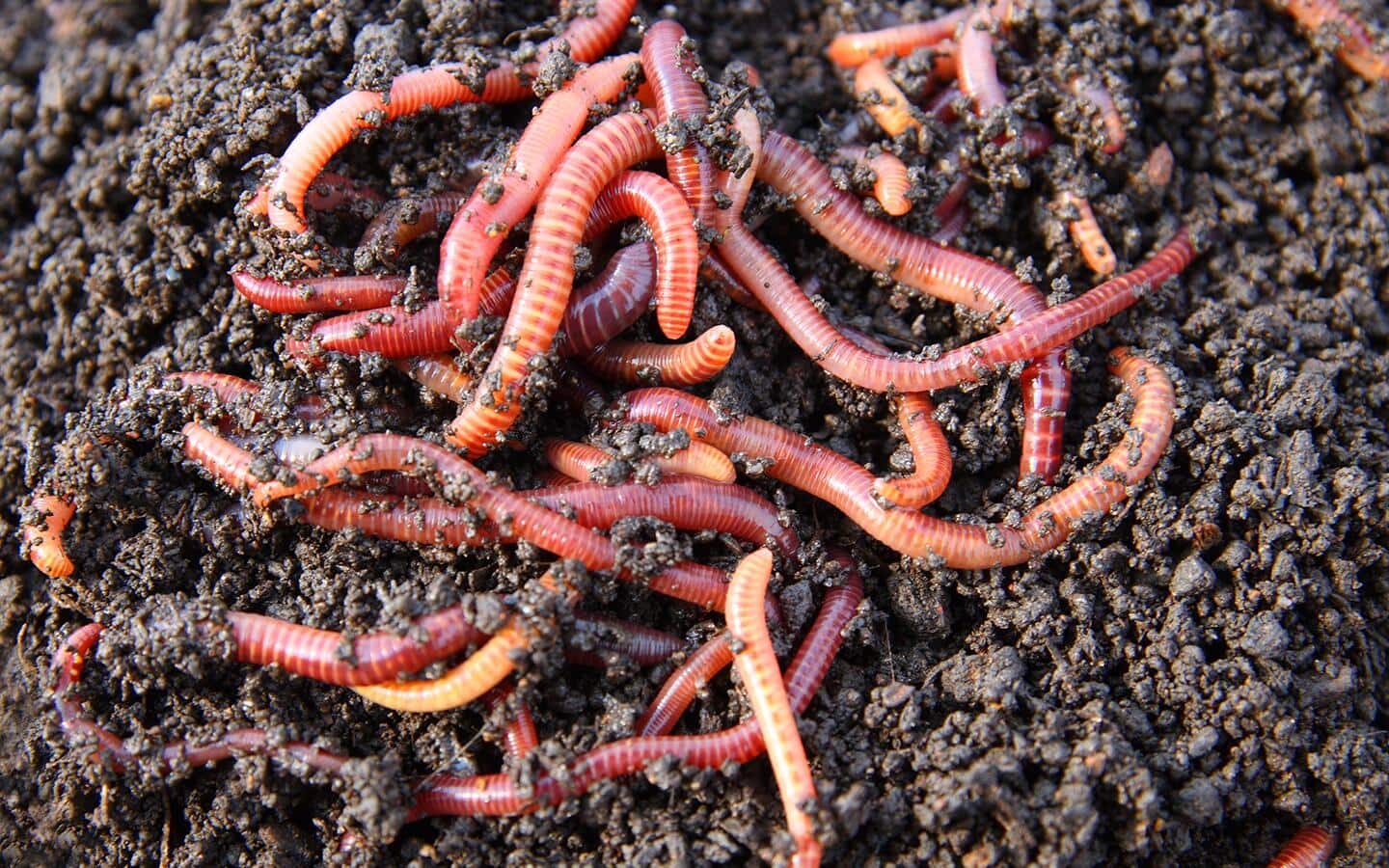
Worms — yes, worms! — are squiggly superheroes when it comes to composting organic material. They're an effective, sustainable method for boosting agricultural soil health and managing waste. Vermicomposting has been found to boost plant growth by up to 38%. Beyond homes, this method is used for industrial-scale sewage sludge treatment and businesses, like hotels. It helps to manage organic waste, cut disposal costs and create fertilizer.
With this process, worms eat nutrient-rich food scraps. It then becomes nutrient-rich compost after passing through the worm’s body. Compared to regular compost, worm compost has higher levels of the nutrients that plants love, like phosphorus and nitrogen. It also significantly speeds up the time it takes for organic waste to become usable compost. Worms can convert most kitchen scraps and yard waste into compost in about two weeks.
But don’t go digging up earthworms from the backyard just yet. For successful worm composting, only redworms will do. Eisenia foetida, also known as the red wiggler or brandling worm, and Lumbricus rubellus, or the manure worm, live their lives happily chewing through the scraps in your worm bin. Plan on getting about one pound of worms per three pounds of compost.
To take care of your little compost pile buddies, keep the temperature in the worm bin between 55 and 77 degrees Fahrenheit (F). Bitterly cold winters and hot summers are too harsh for composting worms. So, consider keeping your worm bin under the sink or in the basement, at least during periods of extreme temperature. To feed the compost worms, chop your vegetable scraps and other kitchen waste into small pieces.
Tip: Feed the worms one to two times per week rather than daily to avoid a backlog of undigested food scraps.
Try Compost Starter
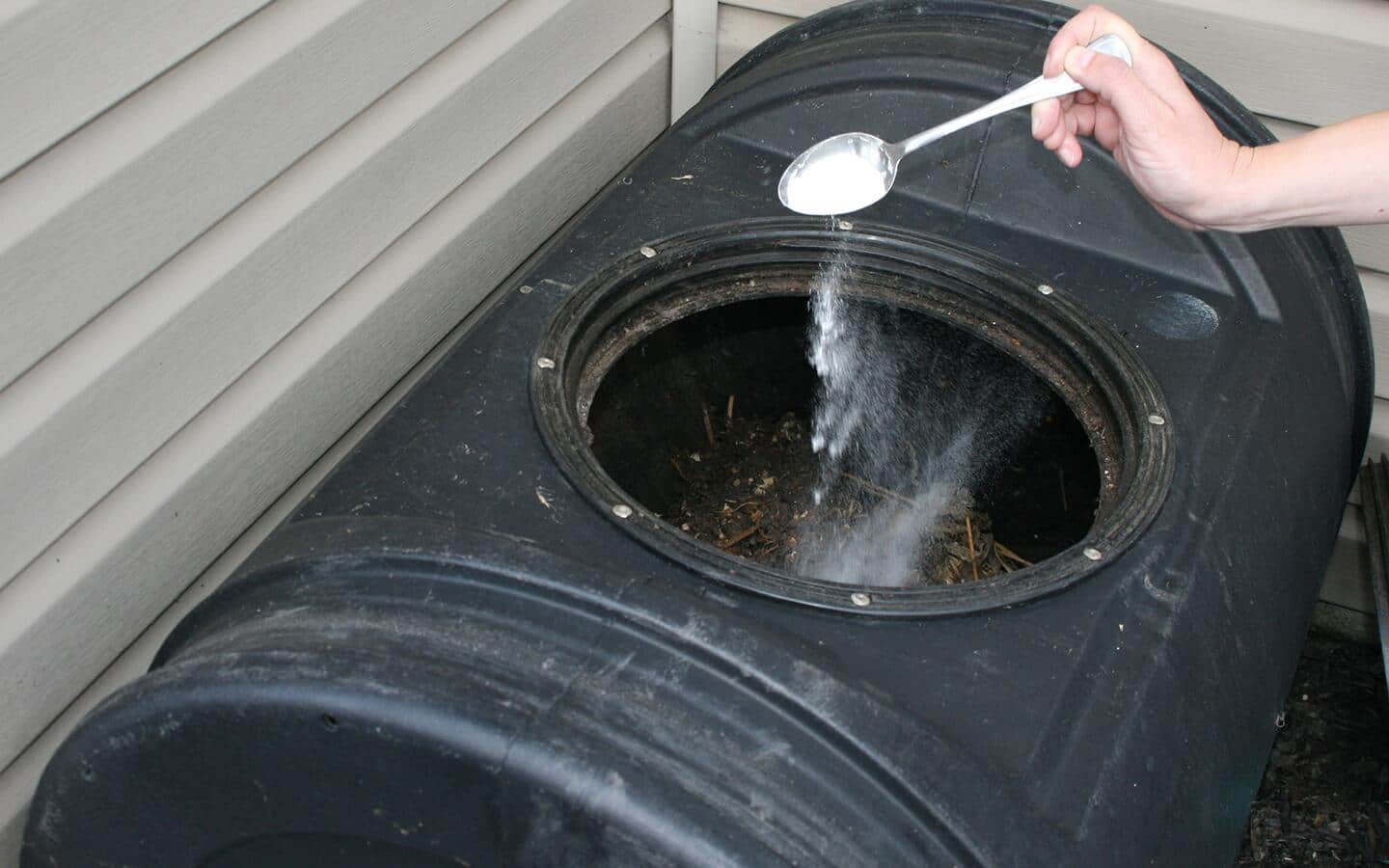
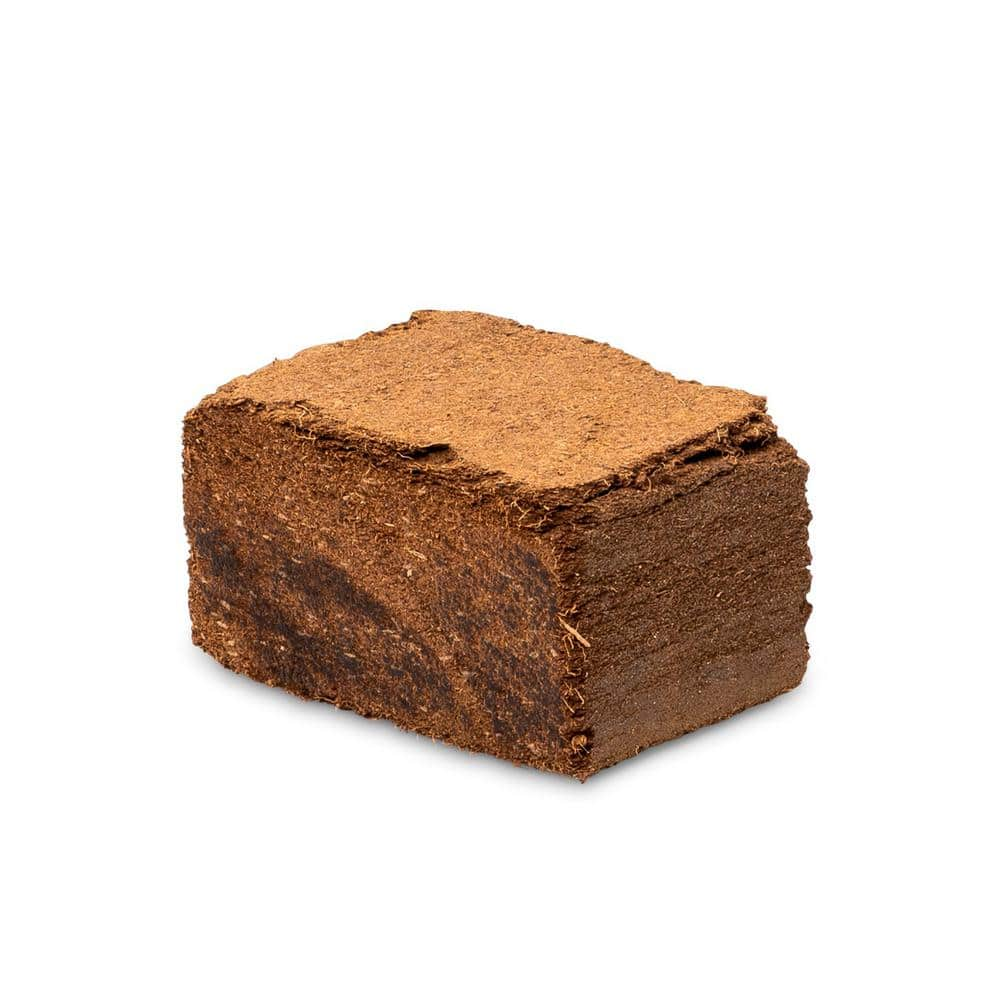
Compost starter is an additive for compost bins that speeds up the composting process. It's also known as compost accelerator or compost activator. These products are designed to work in both small kitchen bins and large yard piles.
Different compost starters have different ingredients. But they often include nitrogen and thermophilic organisms, like certain bacteria and fungi, to jumpstart decomposition. Thermophilic microorganisms are microbes that love heat. Keeping the temperature of the interior of your compost pile between 105 to 140 degrees F will help keep things decomposing at a faster pace. this allows you to harvest your compost sooner. A compost thermometer will help you monitor the internal temperature.
To supercharge your composting process, add a layer of compost activator to your bin. Then, mix it in with your food scraps and yard debris. Leaves, grass clippings, chicken manure and soy or alfalfa meal make excellent, nitrogen-rich activators. But the best compost starter you can use is, well, compost. If you’ve got some ripe compost from a previous batch, mix some into your new pile. Don’t have any finished compost? No worries! Buy a bag of it to get started.
Make "Compost Lasagna"
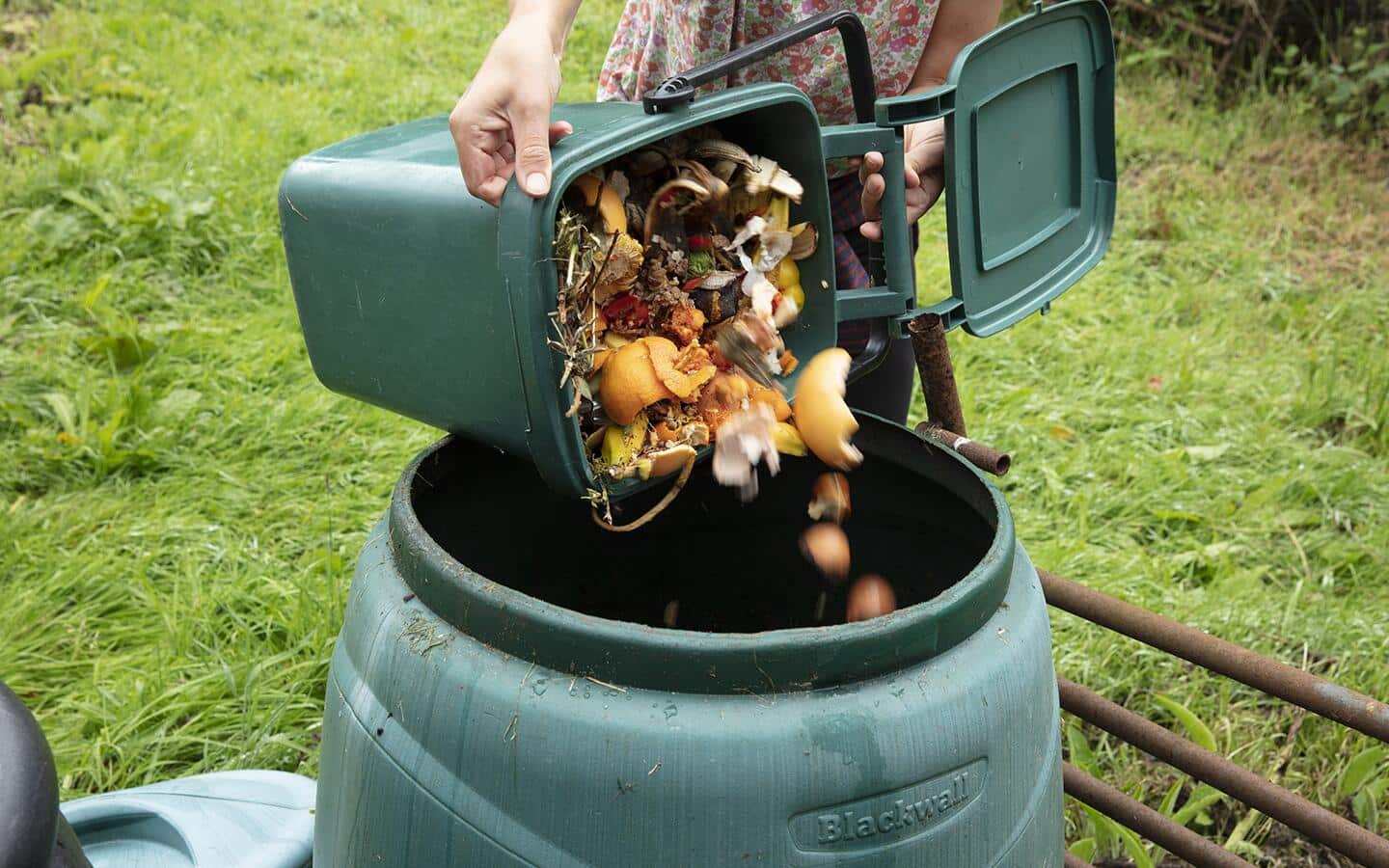
Lasagna compost is a method of layering your organic materials for maximum decomposing efficiency. It requires minimum effort, while deterring pests and keeping your compost heap manageable. As it’s pretty simple, the lasagna compost method is a fantastic choice for any type of composting bin. Here’s how it works:
- Bottom layer: Put down an initial layer of stalky organic materials, like twigs and branches. Stalky materials allow oxygen to penetrate the middle layers of your compost lasagna. This eliminates the risk of odors as your compost decomposes.
- Brown layers: On top of the stalky material, alternate “brown” layers and “green” layers. Brown layers are things like straw, wood chips and dried leaves. But even torn up newspaper and brown paper bags work like a charm for brown layers. The brown layers are rich in carbon, the main food source for all the thermophilic microorganisms working overtime to decompose your scraps. Brown layers also help balance the moisture in compost bins, as they’re much drier than the wet food scraps in the green layers.
- Green layers: Pile green layers on top of the brown layers. The green layers are made up of nitrogen-rich green materials, like fruit and vegetable scraps, coffee grounds, grass clippings, weeds and manure. Nitrogen is another important food source for the organisms decomposing your compost.
Alternate the brown and green layers on top of your initial layer. Always begin and end with a brown layer, so that the food scraps are never exposed. Here are a few tips for mastering the lasagna compost method:
- Make your green layers no more than 2 inches thick.
- Make your brown layers two to three times thicker than your green layers.
- Keep your green material fully covered. This prevents pests and critters from finding their way to your compost pile. To ensure this, shape the brown layers like a saucer, so that their edges are higher than the green material you layer on top.
- There’s no need to turn your compost with the lasagna method. But if you want to speed up the decomposition process, go ahead and turn your compost lasagna weekly.
Tip: You can throw whole tea bags, napkins and other biodegradable items in your compost pile. If something doesn’t completely degrade, you can just pull it out later.
Keep a Compost Pail Handy in the Kitchen
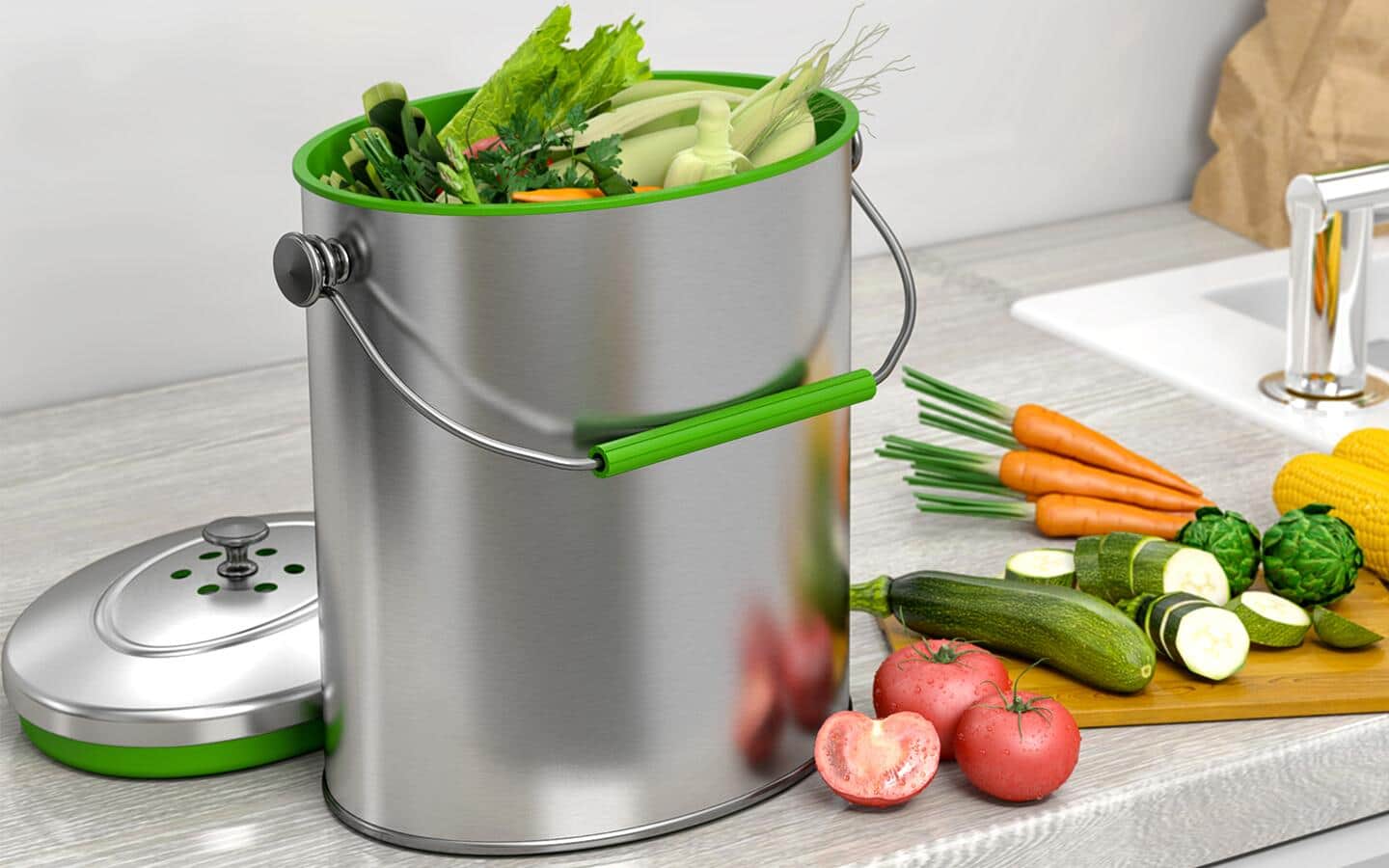
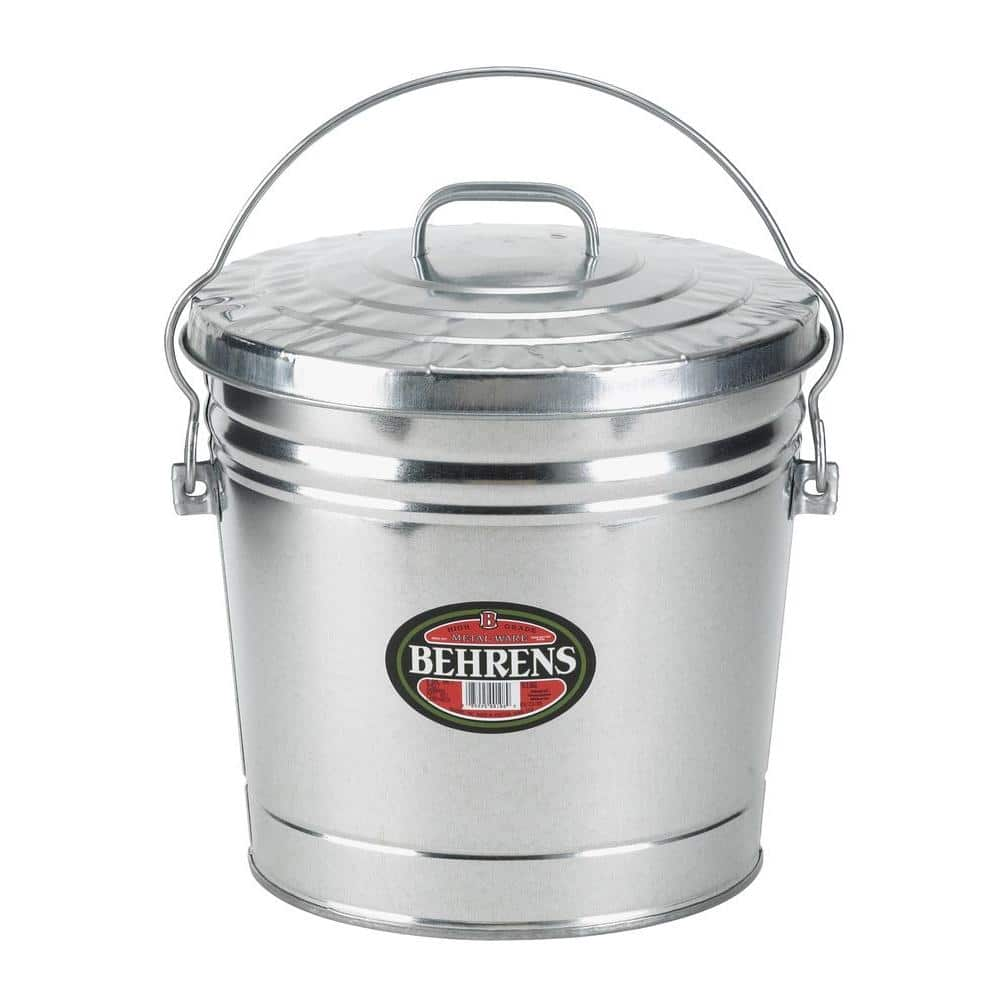
If you’re composting kitchen scraps, you’ll need a countertop compost bin or compost pail. When you’re prepping meals, you can quickly scoop potato and onion skins, carrot peels, strawberry caps, eggshells and more right into the pail. A compost pail stores your food scraps for a few days. That way, you’re not running out to your composter every time you make a meal.
The best compost pails are made of a durable material. They should be easy to wash out and not hold onto odors, such as ceramic or stainless steel. Plastic pails last a long time. But after a while, they tend to take on odors from your kitchen waste. To keep your compost pail fresh, line it with newspaper before filling it with scraps. The newspaper helps keep the pail clean while you load in kitchen waste. Plus, you can dump it on the compost pile along with the scraps.
Following these tips for composting can help you make the most of your leftover scraps, while enriching your garden's soil. Composting helps reduce food scraps and yard waste in the landfill. And it results in a rich, nutrient-dense compost to help your garden grow strong. It isn’t difficult to do, especially with these tips for composting. It’s also a lot of fun watching your food scraps and yard debris turn into fertile compost for flower or vegetable gardens.
The Home Depot has everything you need for composting, whether indoors or outdoors. This includes ready-made compost bins or all of the tools and materials you need to build your own. Stop into your nearest Home Depot. Or shop online when you're ready to start composting. The Home Depot delivers online orders when and where you need them. But why not enjoy the best of both worlds? Shop online and pick up your order at your convenience from our In-Store Lockers.