#1 Home Improvement Retailer

92 Results

    Sort by

    Top Sellers

Viewing 1-12 of 92

Questions & Answers

What kind of epoxy do I need for different projects?

At The Home Depot, we stock the epoxy you need to complete your next project. Look for epoxy with features like cordless, heavy-duty handles, and replaceable cartridge to tackle your task like a pro.

How do I choose the right epoxy color?

Choosing the right epoxy color is all about balancing functionality, aesthetics, and environment. The Home Depot stocks a wide range of epoxy colors, including blue, white, or yellow. When in doubt, select neutral tones for garages and workshops, white or black for kitchens and countertops, and bold colors or transparent epoxy for art and decorative projects.

Which usage locations are suitable for epoxy?

Epoxy adhesives are suitable for a wide range of usage locations. We stock epoxies for every usage location you may need, including deep pour, bolts, and countertop. However, avoid locations with flexible joints or moving parts where rigid epoxy can crack, and locations with constant chemical exposure where strong acids, bases, or solvents can break down epoxy.

What are the most popular brands of epoxy?

At The Home Depot, we've got the epoxy you need, made by the top names you know and trust. We carry a wide variety of industry leading brands of epoxy, including PC Products, RectorSeal, and Hilti.

Repair, Protect, and Hold Your Projects Together With Epoxy Adhesives and Resins

Epoxy comes in many forms, including adhesives, clear coats, and colored blends. It's extremely strong and has various formulations, from a sealing protective layer of shine to a waterproof grout to a bonding adhesive. As an industrial-grade adhesive, it's known as both a reliable first choice as a fastener and a last resort when nothing else will hold. Use clear epoxy to protect craft work, tabletops, or countertops. Colored epoxy can blend into the surface you're repairing, but always check the packaging to learn what color an epoxy dries.


Types of Epoxy

Most epoxies have two parts: a base resin and a hardener. There are a few one-part epoxy adhesives, but they usually need very high temperatures to cure properly if they're true epoxies. Sometimes you'll find other items marked as epoxy, such as certain paints that aim to convey a hard and shiny enamel finish, but the term isn't an actual description of the product.


Keep extra epoxies on hand for various uses and match the epoxy to your use for the best results. Durability, shine, color, and viscosity, or the thickness as it flows, varies among types. When using liquid epoxy to protect surfaces or mold shapes, you'll need resins with different viscosity than when you're bonding objects together.


The many types of epoxy fall into four categories: liquid, paste, gel, and putty.

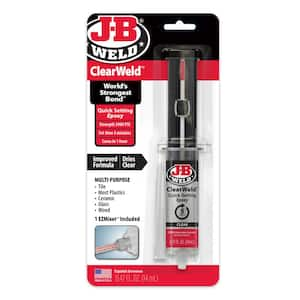
  • Liquid Epoxy: These include epoxy resins and epoxy adhesives, including strong 2-part epoxy adhesives that require mixing and the one-part epoxies that require less prep work. Liquid resin and 2-part epoxies must be combined with hardeners to properly set, cure, and harden. The chemical reaction is part of what makes the material so durable and solid. Many liquid epoxy resins are clear, but you can find tinted ones in an array of colors, too.
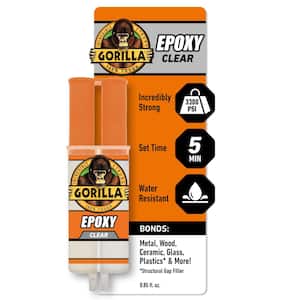
  • Paste Epoxy: Excellent for binding materials together as well as filling cracks, paste epoxy is less prone to drips than liquid or gels. Its slightly firmer texture makes it easier to work with and control than other textures of epoxy.
  • Gel Epoxy: A gel starts with a consistency that's somewhere between liquid epoxy and paste epoxy. Try it for precision repairs. Liquid epoxy transforms into a gel as it hardens, but it's not a gel epoxy.
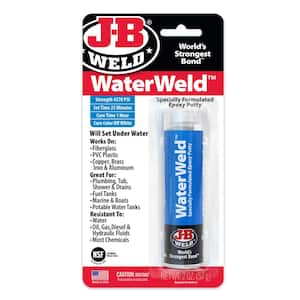
  • Epoxy Putty: This patching epoxy is used to fill cracks and holes in wet environments, like showers, pools, tubs, and boats. Marine epoxies often fall into this category. Some varieties are made for wood, behaving as an unbeatable wood putty or wood filler. Others function as a metal epoxy for automotive repairs, including stainless steel and aluminum. It doesn't require mixing, but you should still protect your skin with gloves.


Special Properties of Epoxy Adhesives

If no adhesive has worked yet on your project, it's time to try an epoxy adhesive. Go with a translucent or clear epoxy with particular properties if colored epoxy doesn't match the surface you're repairing. Sandable epoxies allow you to blend any textured edges away. Others can be painted to cover the patched area, so investigate paintable epoxy if that's a solution for your project. Keep in mind that marine epoxies aren't paintable because they're a type of waterproof epoxy. The very nature of that product repels the water in the paint.


Epoxy Adhesives to Bond Various Materials

We've got epoxies to match almost any surface in your home. Although some are multi-purpose, others match the materials you're bonding. Check out our range of special epoxy adhesives and fillers:

  • Plastic epoxy comes in an adhesive or flowing resin form. The adhesive bonds plastic together, sometimes melting or softening as the pieces meld during the chemical reaction. As a pourable resin, it's suitable for use on plastic.
  • Similarly, metal epoxy can help patch and repair metal. Metal epoxy adhesives are formulated to work on metallic surfaces and offer a quicker and less-involved fix than welding.
  • Glass epoxy, rather than looking like glass, is an adhesive for binding glass. Make sure you brace and support your two surfaces so they don't slip and bond unevenly.
  • Check out concrete epoxy adhesive for heavy-duty repairs to cement products or to attach items to the concrete. These high-strength epoxies can repair sidewalks, garage floors, and hardscaping. We also carry 2-part epoxy concrete sealers to make garage floors watertight.
  • Epoxy grout is a waterproof solution for tile in pools, showers, and restaurants. It can withstand harsh chemicals and cleaners while keeping your tiles well sealed. However, it's difficult to apply as it dries very quickly after mixing and can leave a haze on tiles that's difficult to remove.


Epoxy Pouring and Crafts

Use molding epoxy to make forms in shaped molds or structures. These epoxies often have low viscosity, so they flow like water. Epoxy molds are usually silicone, but you can build forms from other materials to suit your purposes.


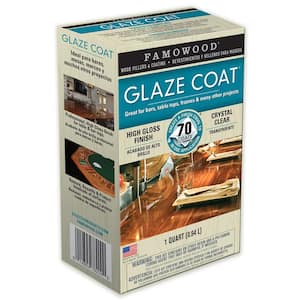
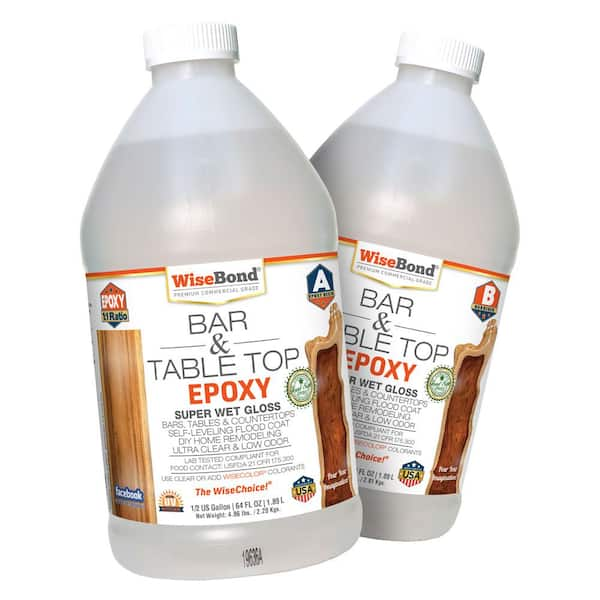
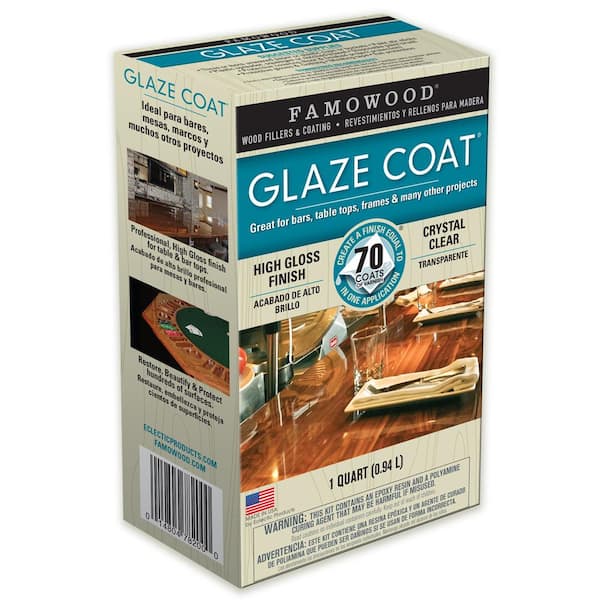
Countertop epoxy can refresh or change the look of your countertops for less work and a lower cost than a countertop replacement. Add matte or gloss epoxy to change the sheen of the counters while adding protection. A marbleized finish modernizes a dated bathroom or kitchen countertop.


Epoxy Safety and Use Tips

Please note that true epoxy has an intense odor, so you should only use it where you have excellent ventilation. Work outdoors if possible. Cover any surrounding surfaces, like tables or floors, where you don't want epoxy droplets or residue. It will also bond fingertips together if you're not careful, so always wear gloves as well as respiratory protection.


Test in a hidden area first if you can. Epoxy creates a chemical reaction and often gets hot in the process. You'll want to be sure the epoxy won't melt, warp, or damage the surface you're applying it to or the container you're mixing it in.


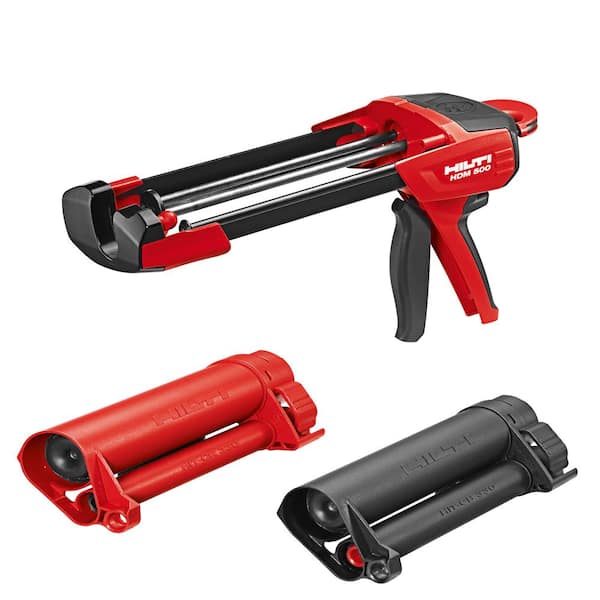
Explore the many types of epoxy to find one best suited to the task at hand. When you need a powerful adhesive that won't give up halfway through the job, look no further than epoxy. We carry epoxy resin, epoxy accessories like specialty adhesive dispensing tools for big jobs, and the safety equipment you need to protect yourself when using it. When you find the epoxy for your project, get it shipped to your doorstep or find selected epoxies in-store and ready to go.