Best Freezers for Your Home
Last updated September 7, 2023
Freezers come in two main styles, upright and chest, with many different features. When shopping for the best freezer for your home, think about where you'll put it and how much frozen food you need to store. Use this guide to learn about different types of freezers.
Table of Contents
Choosing a Freezer
Chest Freezers
Upright Freezers
Portable Freezers
Commercial Freezers
Best Freezers for Garages
Choosing a Freezer
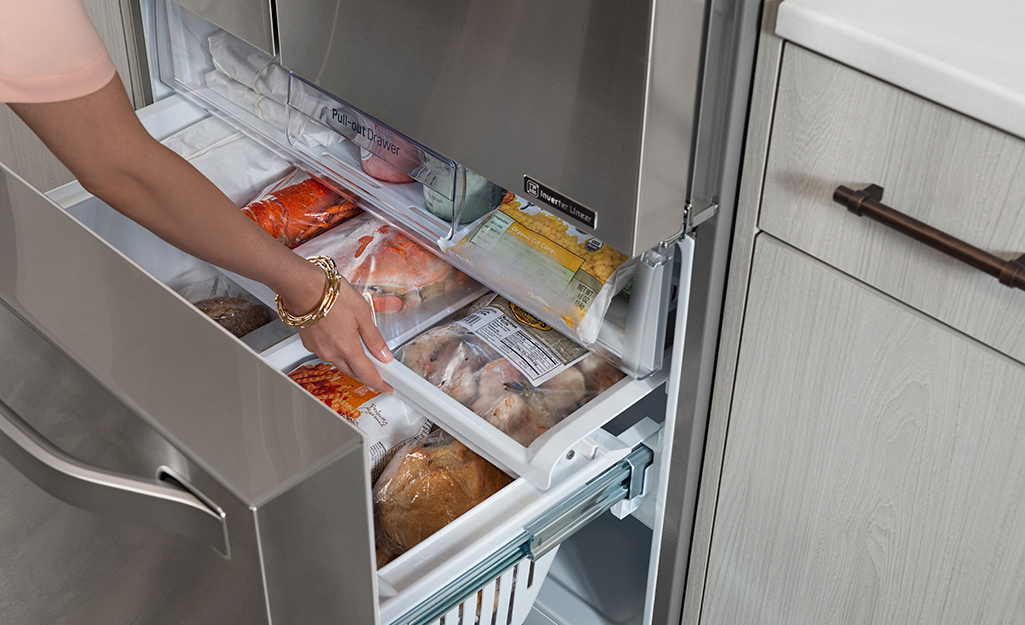
Freezers are useful and long-lasting home appliances. Here are some things to know when choosing which type of freezer to buy.
Freezer capacity:
- Your food storage needs can determine the best freezer for your home. As a rule of thumb, you’ll need 1.5 cubic feet of space per person. Using this formula, a family of four would need at least a 6 cubic foot freezer. You may find the best freezer for your home will have an even larger capacity if you want to freeze food for emergency situations, or if you buy a side of beef or other large amounts of meat at one time. Also, gardeners may want extra freezer space for storing the fruits and vegetables they grow.
Energy efficiency:
- A freezer that’s rated energy efficient, or features an Energy Star label, uses about 10 percent less energy for the same amount of storage. Choosing an energy efficient freezer can save you money and reduce your impact on the environment.
Flammable vs. non-flammable refrigerants:
- Traditionally, refrigerants made from hydrofluorocarbons, or HFC’s, have been used to keep freezers, refrigerators and air conditioners cool. The EPA has been requiring that manufacturers phase out these traditional refrigerants due to their impact on the ozone layer. Almost a third of newly manufactured freezers and refrigerators now use more environmentally friendly, yet flammable, refrigerants.
Chest Freezers
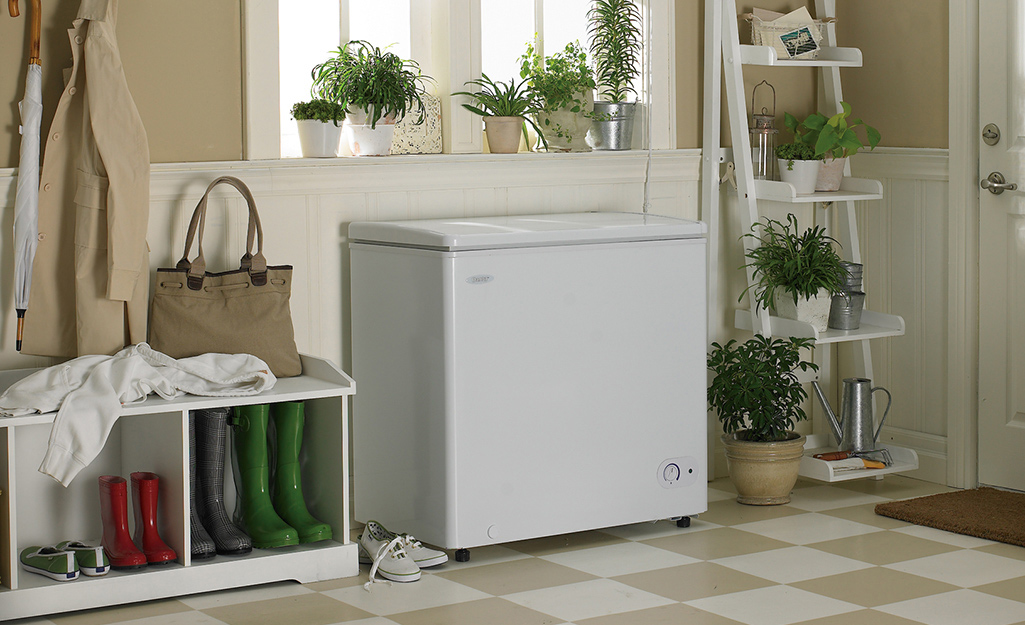
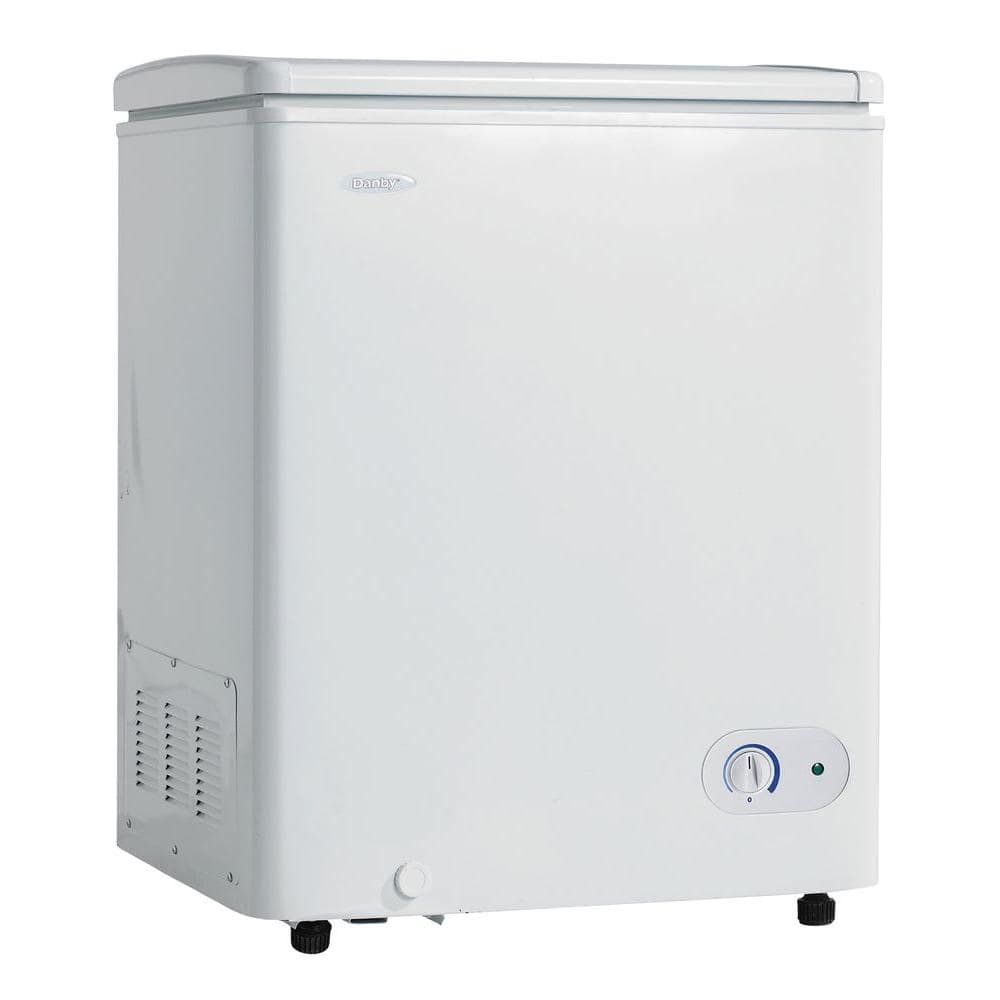
Chest freezers open from the top. They hold more food per square foot than uprights. They are usually less expensive upfront, but they take up more floor space. They can come with shelves, baskets, bins and/or sliding drawers that can be used to organize foods. Chest freezers may be the best freezers for shoppers who are budget-minded and need large amounts of storage space. They store big and bulky packages easily.
Most chest freezers require manual defrosting, although some are available with auto defrost. Chest freezers are more energy efficient than uprights. Their doors seal tighter, so food stays cold for longer periods of time during power outages.
Upright Freezers
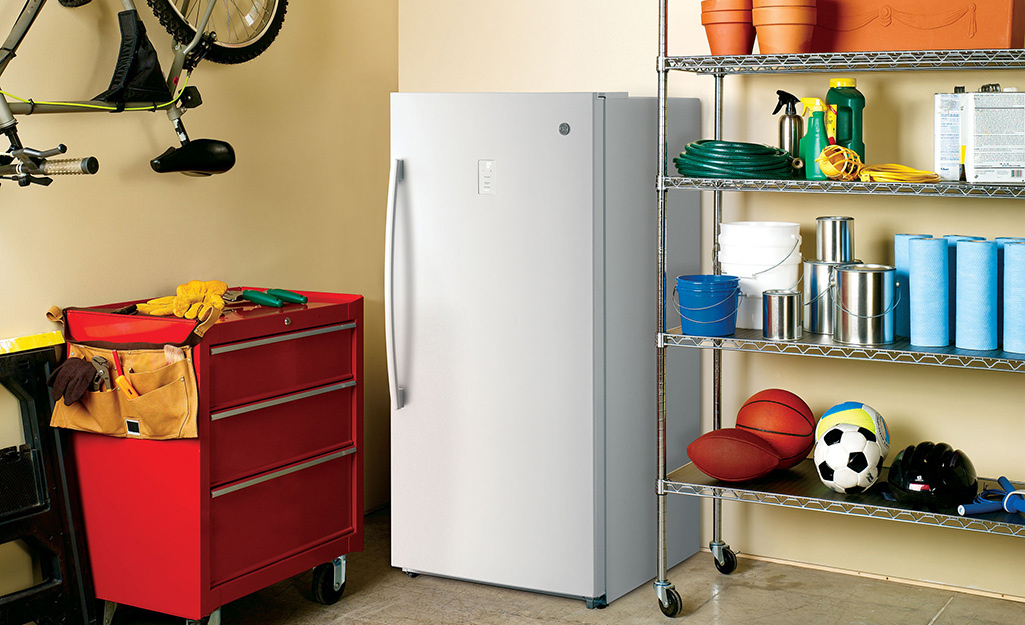
An upright freezer looks and opens like a basic refrigerator. Most have adjustable shelves, pull-out bins and baskets and/or storage drawers. These features make it easy to see your foods, organize them and rotate them, so you can use up older foods before you store new ones.
They are less efficient than chest freezers. Every time you open the door, cold air comes out and sinks to the floor. The freezer then has to make more cold air to replace it.
Many upright freezers are auto defrost. Some models must be defrosted manually. An upright freezer with auto defrost will use more energy than a comparable manual defrost model and usually costs more upfront. The convenience is worth the price difference to many people. In general, upright freezers cost more than chest freezers.
Upright freezers take up less floor space than chest freezers. To choose the best upright freezer size for your home, consider where you'll put it. Measure the space to be sure it can accommodate the freezer's height, width and depth, adding at least one inch to the depth. Also check to see which way the freezer door opens, so it has room to clear.
Portable Freezers
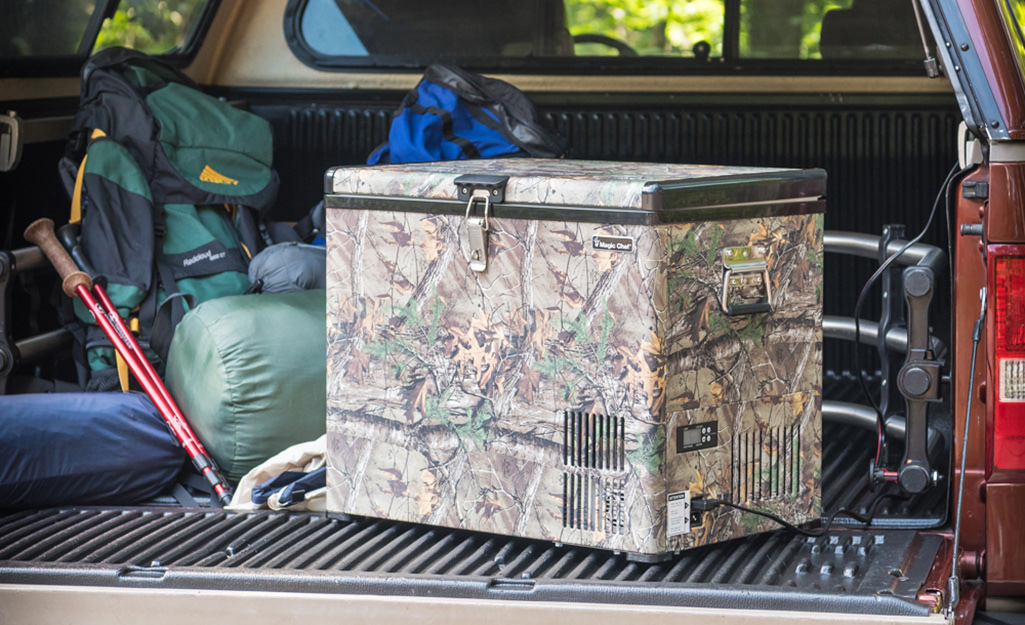
Portable freezers may have wheels, or they can be small enough to carry from one place to another. These freezers are useful for businesses or households that need to store relatively small amounts of frozen foods. They are true freezers, not ice chests.
They're good for small spaces, recreational use and car trips. Some small compact or portable freezers can be used outdoors when you’re camping, fishing, hunting or entertaining around a pool.
Portable freezers can run on AC or DC power. Models with rechargeable batteries require a charging source.
Commercial Freezers
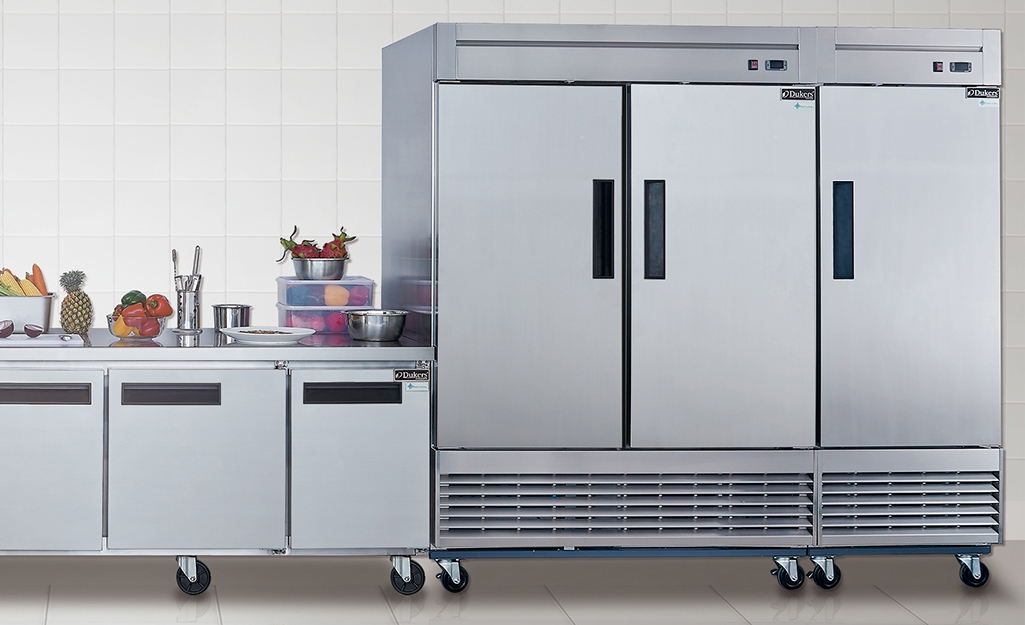
Commercial freezers are available with storage capacities of 72 cubic feet and more. They come in upright or chest styles. Some have multiple doors and/or see-through doors or lids, so you can easily take stock of what's inside. They may be manual or auto defrost models.
Commercial freezers have a lot of storage space. They can store large amounts of food and big packages. They're usually more expensive and use more energy than residential models.
Best Freezers for Garages
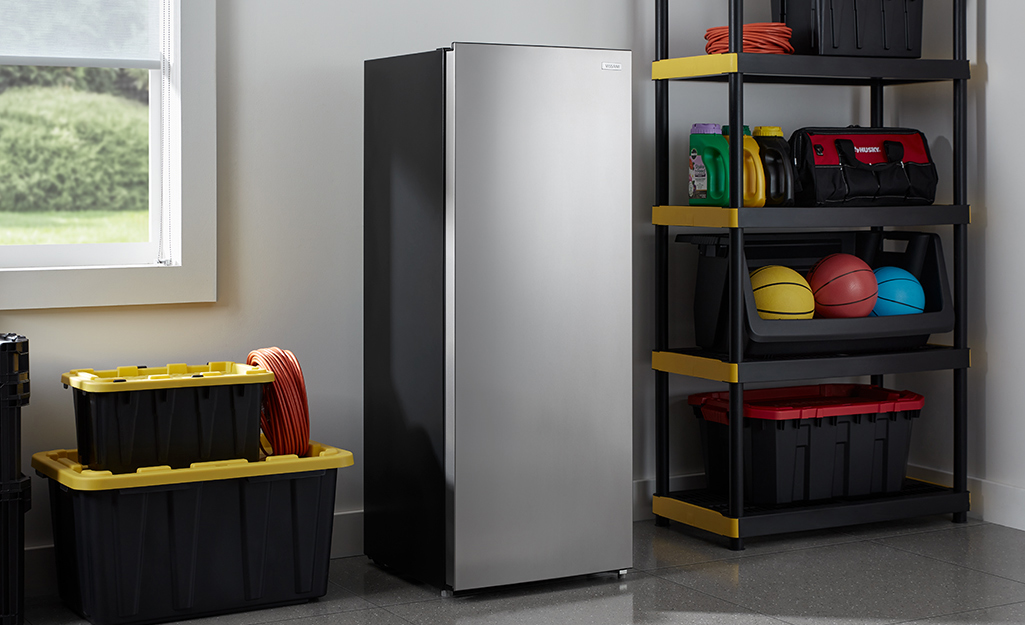
Many people use a chest freezer in a garage that can accommodate its larger footprint. However, a freezer kept in an unheated garage may not cool properly. The compressor may not be prompted to come on often enough, or to come on at all.
If the temperature in the freezer eventually becomes the same as the temperature in the unheated garage, some of the items stored inside may not stay frozen. For example, the recommended temperature inside a freezer is zero degrees Fahrenheit. If the outside temperature is above zero and the garage freezer temperature is also above zero, foods like ice cream will not stay frozen. Harmful bacteria can also grow on some foods.
If the air in the unheated garage is too cold, frost can form on the outside of the freezer and the insulation layer. When the ice freezes and thaws, it can cause damage, making the freezer work harder.
If you want to keep a freezer in an unheated garage, look for one labeled “garage ready” or one that the manufacturer has designed to operate safely in garage conditions.
Freezer Features
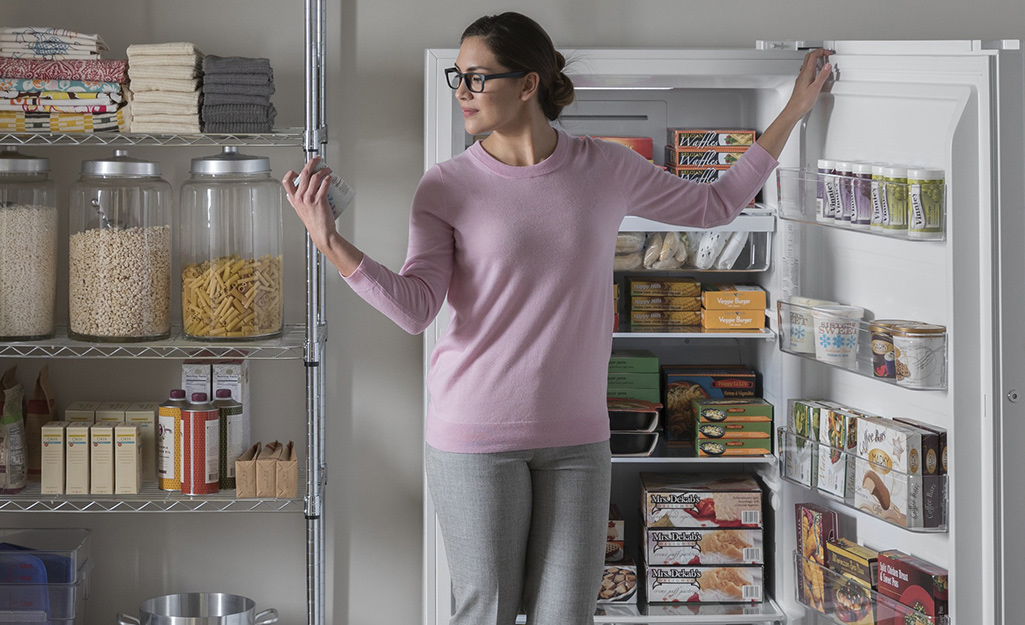
Different freezers have different types of features.
Freezers with two side-by-side doors, or double doors, are attractive and functional. Two doors allow you to access one side of the freezer at a time, which cuts down on the loss of cold air and saves energy. Two narrow doors can also save space if you need to place your freezer in a small area.
Auto defrost, frost-free or frostless freezers prevent a build-up of ice and frost. These types of freezers work by using internal coils that periodically heat and cool, so ice doesn’t have a chance to accumulate. Auto defrost freezers usually cost more upfront than manual defrost models, but for most people, this time and labor-saving feature is worth the price.
Manual defrost freezers require you to remove all the food a couple of times each year to allow accumulated ice to melt. Otherwise, the build-up of frost and ice can reduce the freezer's efficiency and use more energy. You'll need to put old towels or shallow pans at the bottom of the freezer to catch the melted water. You'll also need to temporarily store your foods somewhere else to keep them frozen until you can put them back in place. Manual defrost freezers typically cost less upfront than auto defrost models, and use less energy.
Freezer Accessories & Installation Tips
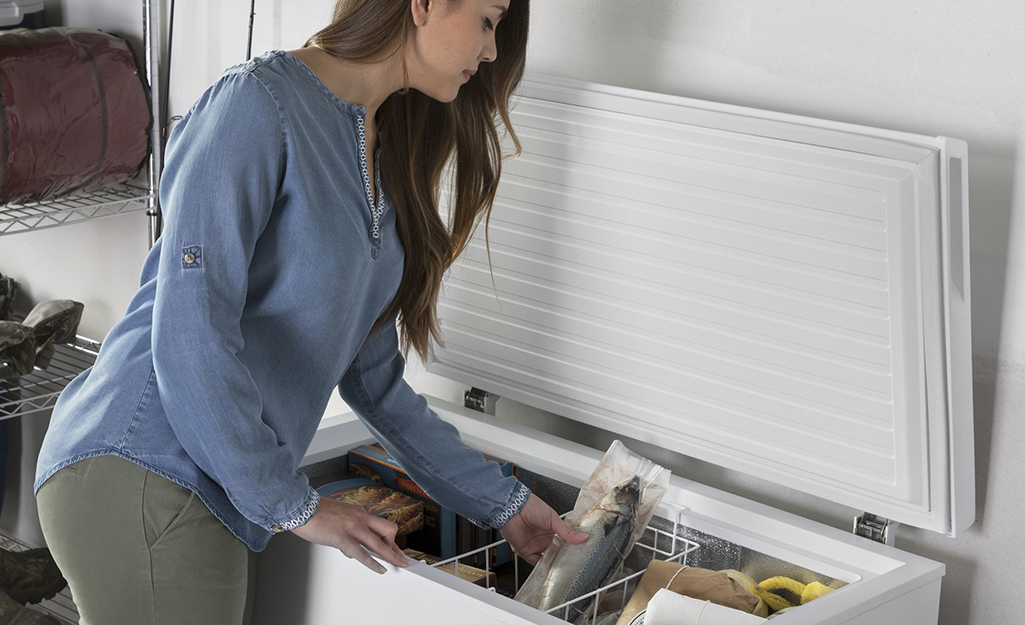
- Lights inside a freezer make it easier to see what’s stored there.
- Drawers that slide out on racks, removable baskets, bins and other storage options make it easy to organize and see your frozen foods. They also allow you to rotate them periodically, so you can use older foods before newer ones.
- Don’t buy a freezer that's bigger than you need. A half empty freezer must work harder than one that's full. Keep it at least two-thirds full of frozen foods or use bags of ice or plastic jugs filled with water to take up more space.
- Avoid putting a freezer too close to a heat source, such as near an oven, clothes dryer, or window with direct sunlight. These will make it work harder to keep the temperature constant and will increase your utility bills.
- Consider putting a chest freezer near your garage door, so you can easily unload frozen foods when you drive in. Be sure the lid will open without hitting anything.
- When you purchase a new appliance from us without professional installation, a 4-prong cord is sent by default. If your home is equipped with a 3-prong outlet, you will need to purchase a 3-prong cord or connector adapter separately.
- Three-prong plugs are used for homes built before the year 2000. Four-prong plugs are used for homes built after 2000. When you add professional installation to your new appliance purchase from us, a compatible cord is required. The delivery agent carries both types of cords to make sure your home is covered.
Freezer FAQ
How long do freezers last?
Most can last 14 to 17 years, but as an appliance gets older, it’s more likely to need repairs. A freezer that suddenly stops working can leave you with foods that spoil if they’re not used or refrozen quickly, and with melting ice to clean up. On average, a freezer lasts about 16 years.
Fortunately, new models use less energy than older ones, so a replacement can save money over the long run. Energy Star recommends replacing freezers made before 1993 because they’re not considered energy efficient.
What is a good size freezer?
Freezers come in small or compact, medium and large sizes. Estimate the size you need by multiplying the number of people in your household by 1.5 cubic feet per person.
Are frost-free freezers better?
With a frost-free or auto defrost freezer, you won’t have to spend time or effort defrosting your appliance, removing and replacing the food inside and cleaning up melted ice. However, your upfront cost will probably be higher and a frost-free freezer will use more energy. For most people, the cost difference is worth it.
What is the difference between a freezer and a deep freezer?
The original deep freezers were appliances used by various industries to freeze foods to a core temperature of -18 degrees Celsius within one hour. Today, a “deep freezer” usually refers to a chest freezer that opens horizontally.
Which is better, a chest or an upright freezer?
If you want to save money upfront and on ongoing utility bills, a chest model may be the best freezer for you. If you want to conveniently store and organize foods in an appliance that fits in a limited space, an upright freezer may be your best choice.
The best freezer for your home is one that fits your available space and holds as much food as you need to store. A chest freezer takes up more floor space, but usually costs less upfront and uses less energy. An upright freezer is more convenient for organizing foods but typically costs more upfront and uses more energy. When you're ready for a new freezer, The Home Depot delivers
online orders
when and where you need them.