28 results
Viewing 1-12 of 28
Sign up for emails & save 10% on select home decor. Valid on select items.
What are the shipping options for Carbon Monoxide Detectors?
All Carbon Monoxide Detectors can be shipped to you at home.
Can Carbon Monoxide Detectors be returned?
Yes, Carbon Monoxide Detectors can be returned within our 90-Day return period.
What are a few brands that you carry in Carbon Monoxide Detectors?
We carry Kidde, Gentex, Universal Security Instruments and more.
What's the top-selling product within Carbon Monoxide Detectors?
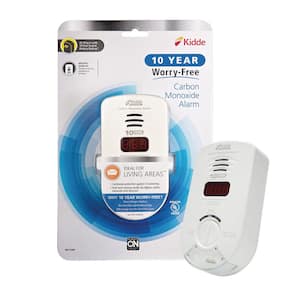
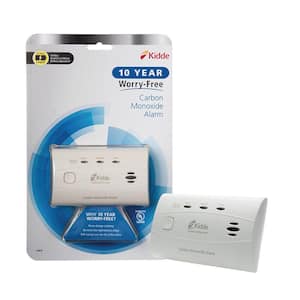
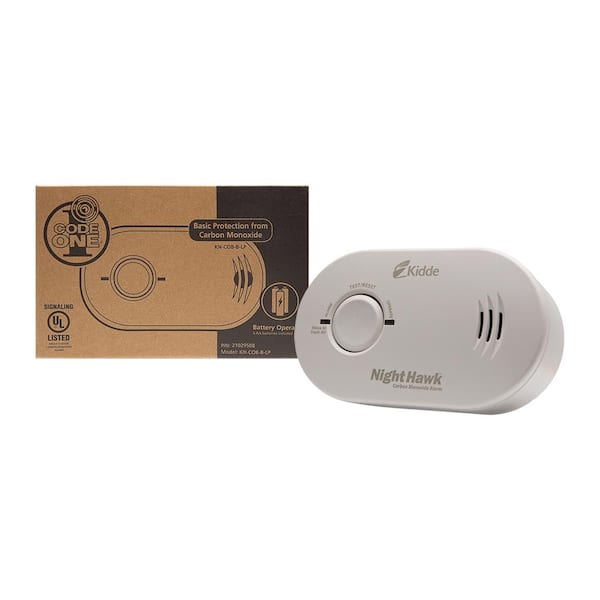
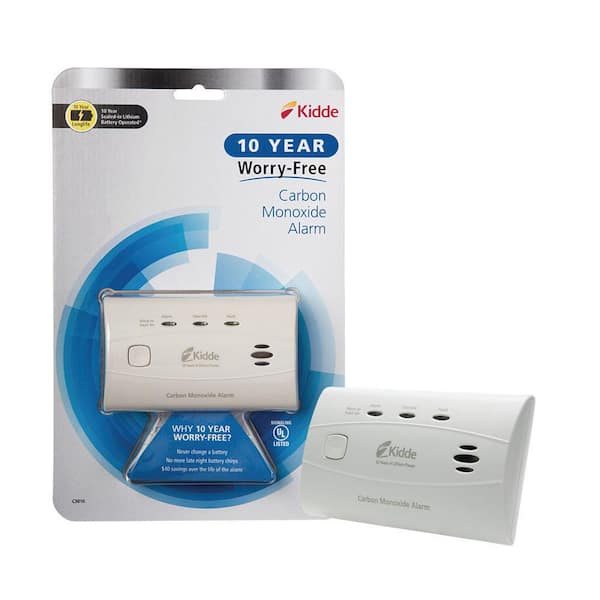
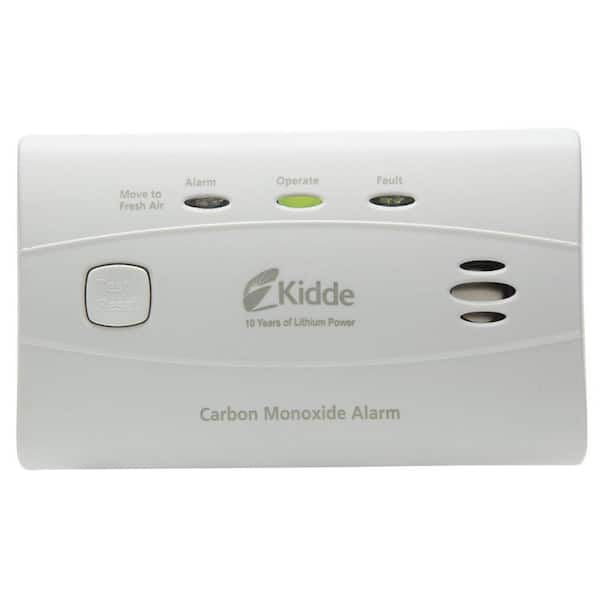
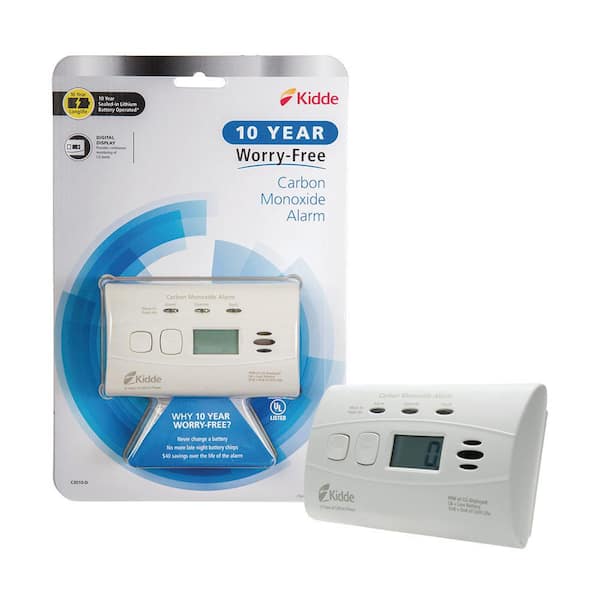
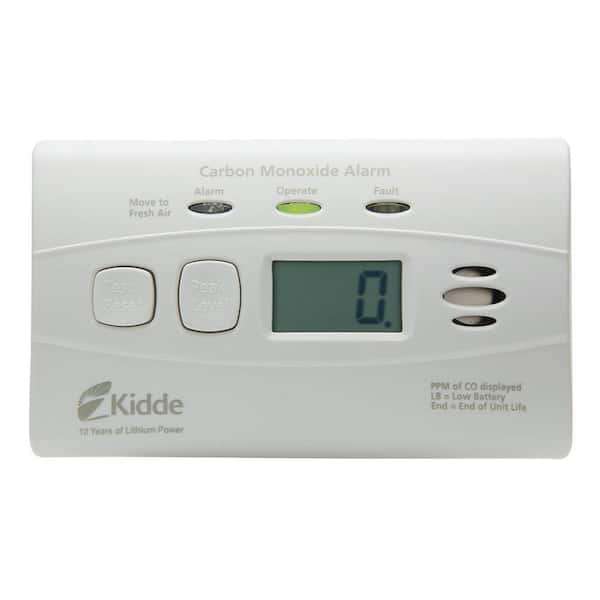
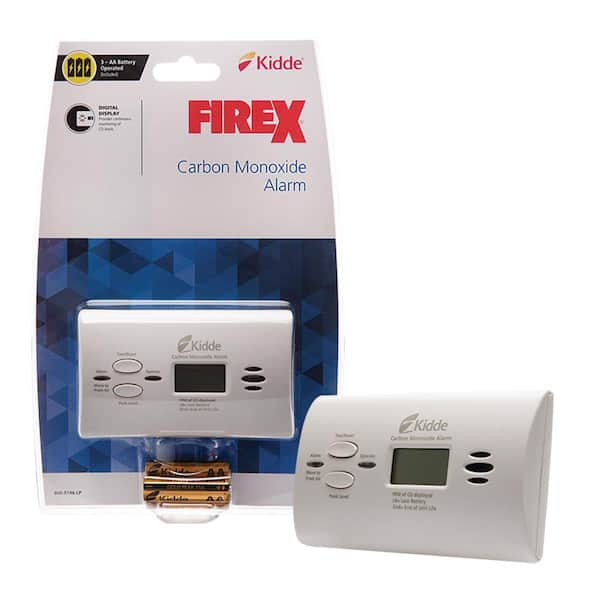
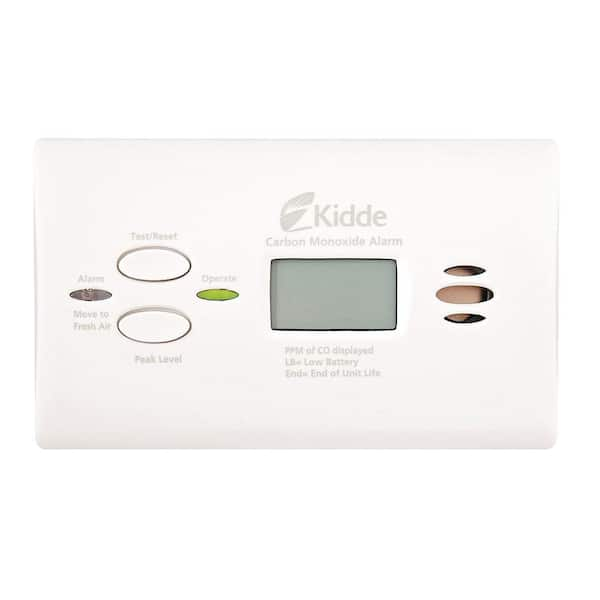
The top-selling product within Carbon Monoxide Detectors is the Kidde Code One Carbon Monoxide Detector, Battery Powered, CO Detector.
Carbon monoxide (CO) is a colorless, odorless, and tasteless gas that can be deadly. It's produced when fuels like gas, oil, wood, and coal don't burn completely. If you have any of these fuel sources in your home, it's crucial to have a carbon monoxide detector. These devices detect the presence of CO in the air and sound an alarm to warn you of a dangerous buildup.
Types of Carbon Monoxide Detectors
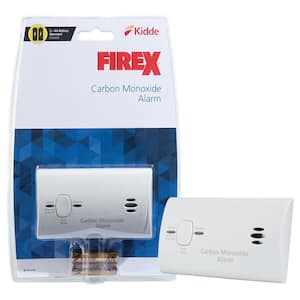
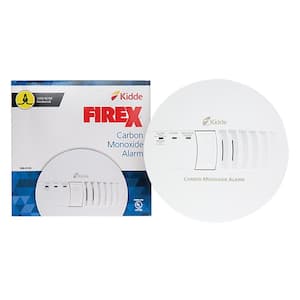
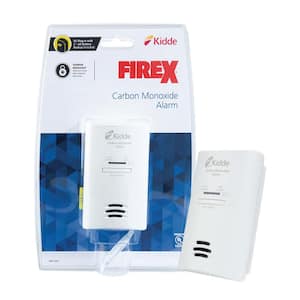
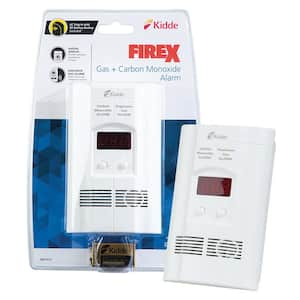
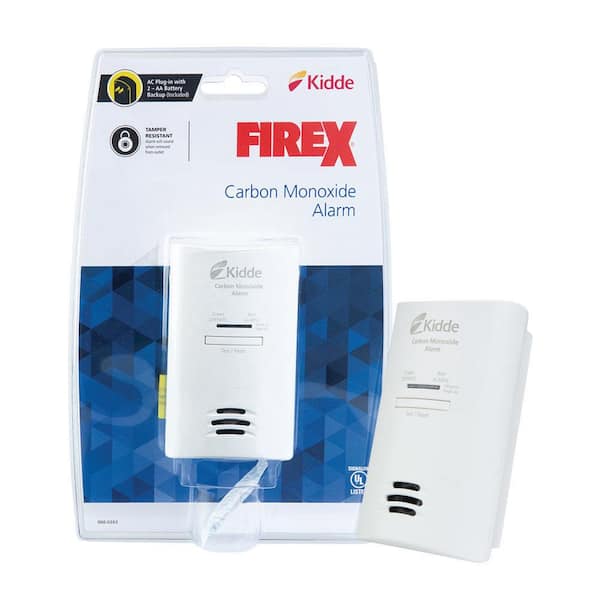
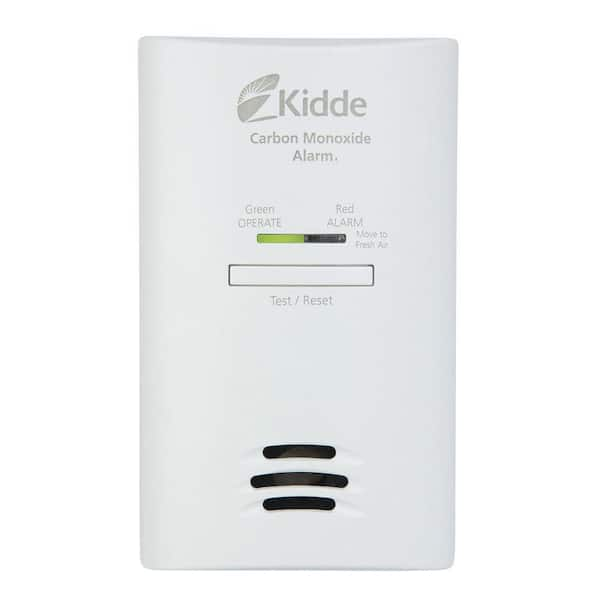
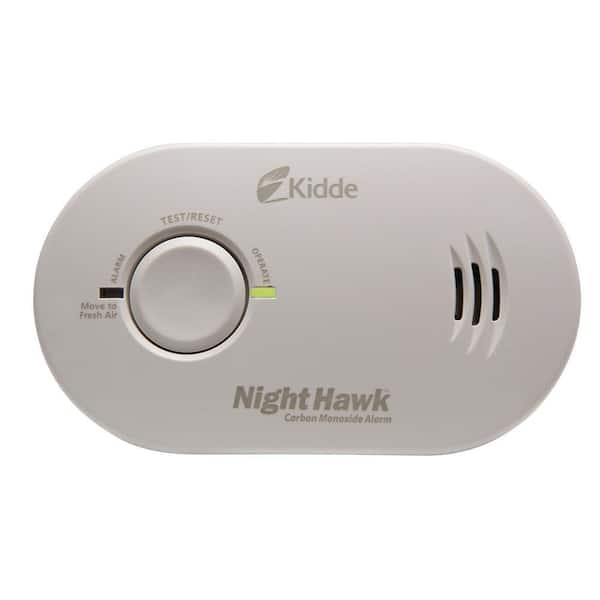
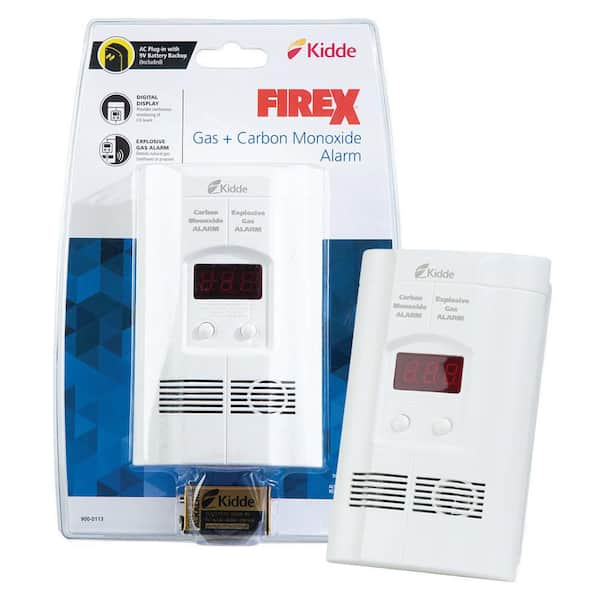
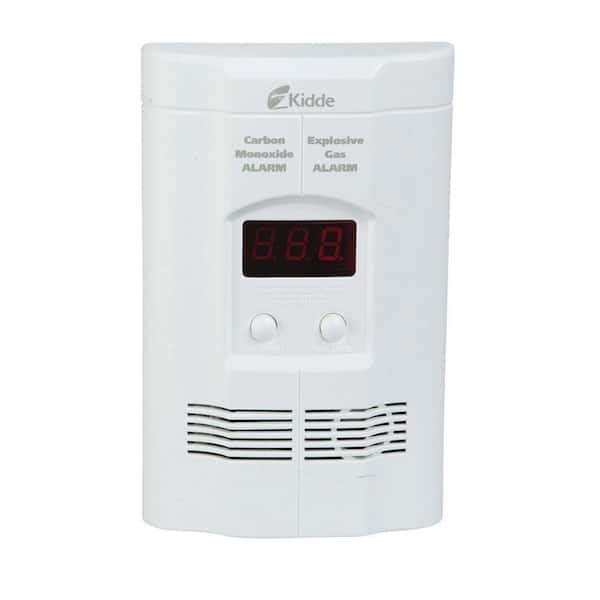
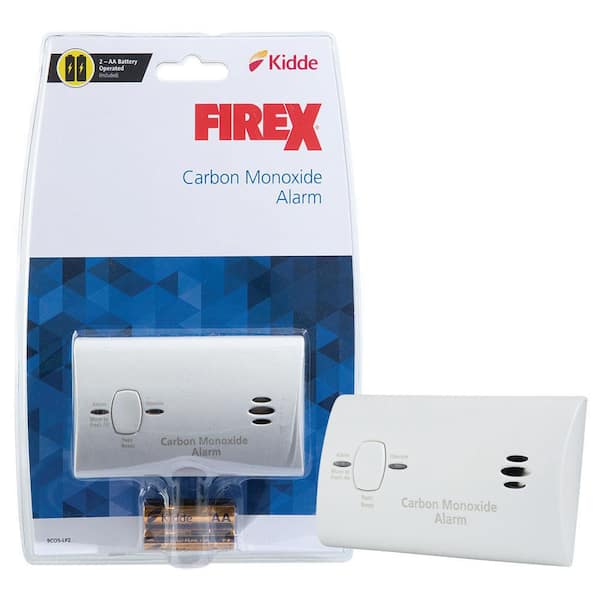
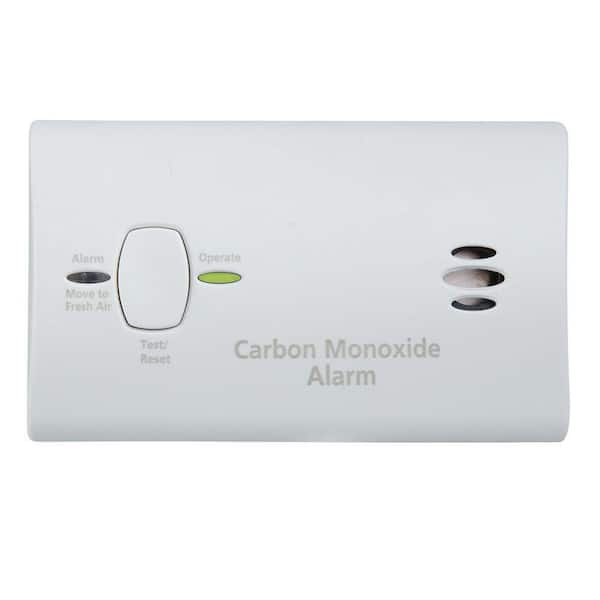
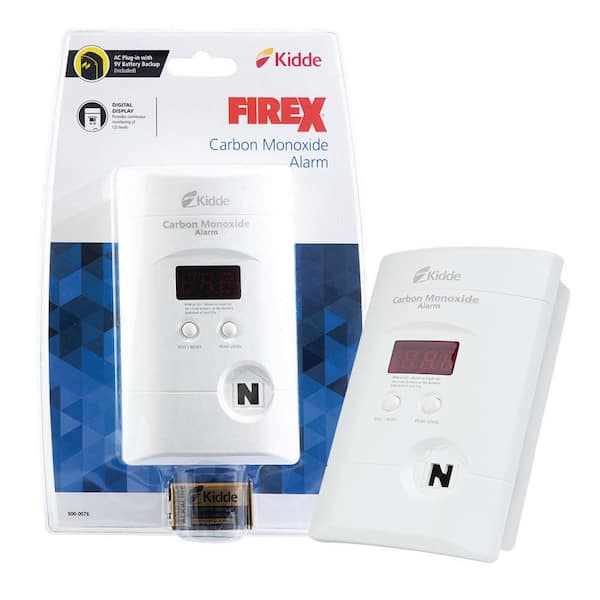
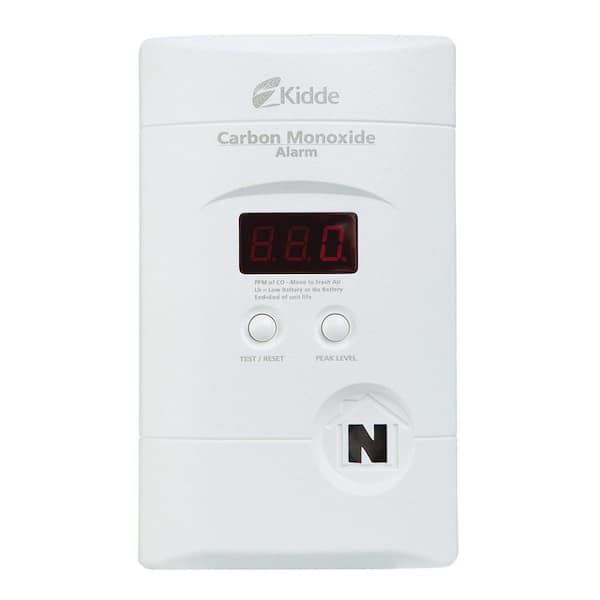
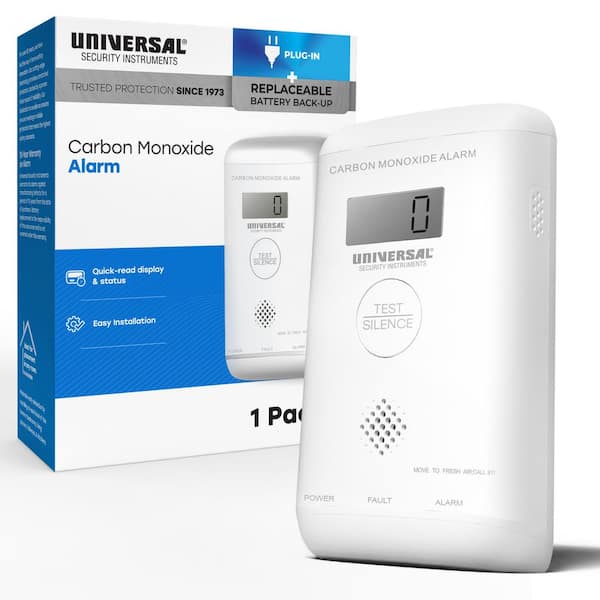
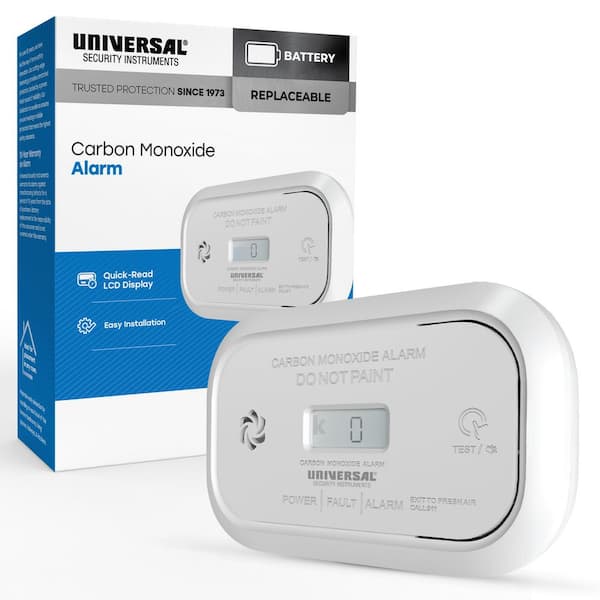
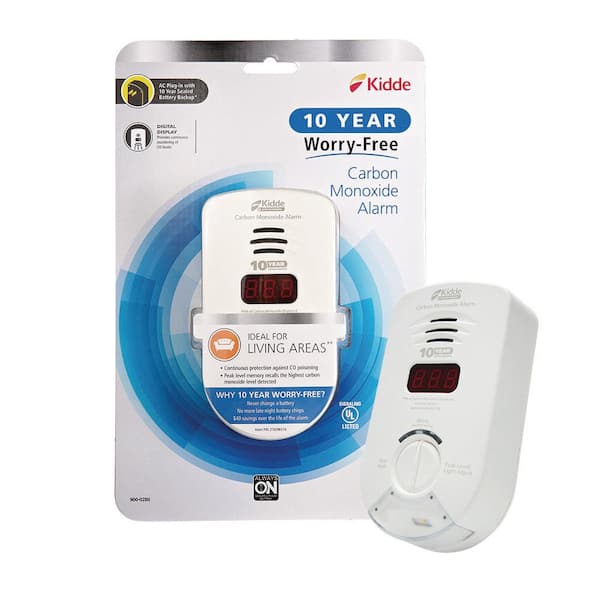
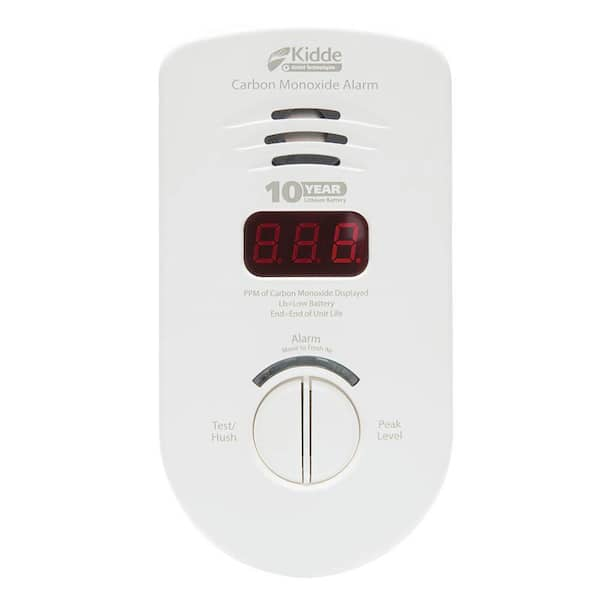
Carbon monoxide detectors are available in various formats, each offering distinct advantages. Battery-powered detectors are the most affordable and portable, making them suitable for temporary use or locations lacking electrical wiring; however, their batteries require replacement every six to twelve months. Plug-in detectors offer a convenient and reliable alternative, powered directly from a wall outlet. For permanent installation and uninterrupted power, hardwired detectors connected to a home's electrical system are ideal, eliminating the need for battery changes. Finally, smart smoke and carbon monoxide detectors provide the added convenience of Wi-Fi connectivity, enabling smartphone monitoring, alerts, and notifications for detector replacement.Where to Install a Carbon Monoxide Detector
For optimal protection against carbon monoxide (CO) poisoning, the National Fire Protection Association (NFPA) recommends installing detectors on every level of your home, including basements and attics, with particular emphasis on placement near sleeping areas. Specifically, detectors should be located near bedrooms, especially those adjacent to potential CO sources such as gas appliances. Additional detectors should be installed in hallways and common areas, as well as in garages and other locations where fuel-burning equipment is used.Carbon Monoxide Detector Legislation
Many states and municipalities have legislation requiring carbon monoxide detectors in residential properties. Check with your local building codes to ensure compliance.Protecting Your Family
By installing and maintaining carbon monoxide detectors, you can protect your family from the invisible dangers of carbon monoxide poisoning. Remember to test your detectors monthly, replace batteries as needed, and replace carbon monoxide detector units according to the manufacturer's recommendations.