How to Attract Beneficial Insects to Your Organic Garden
Last updated November 30, 2023
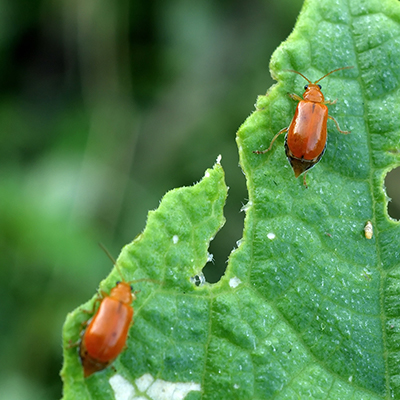
Insects are essential to gardens. While there are bugs that you don't want in your garden, like Japanese beetles for instance, there are many that your plants need, like butterflies and bees.
These beneficial insects pollinate the flowers and prevent problems with pests. Get to know the insects in your garden and learn how to bring more beneficials into your backyard.
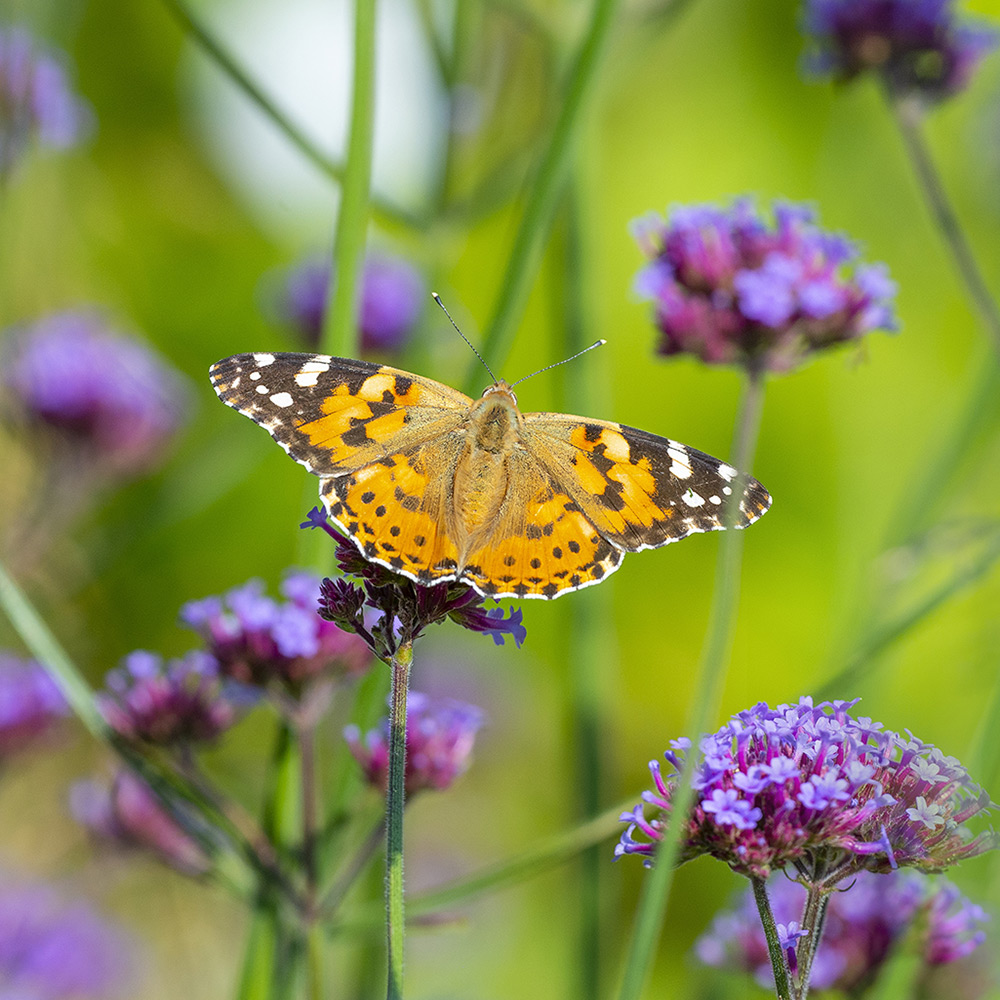
Butterflies are the poster insect for pollinators, the category of animal life that carries pollen from male to female flower parts. Remember that some plants are self-pollinated, and some are wind-pollinated, but the majority of plants are insect-pollinated. Major pollinating insect players besides butterflies are bees, wasps, dragonflies and damselflies and moths.
Beneficial insects also deter unwanted pests in your garden. Lady beetles, praying mantises, ground beetles and flies prey on aphids, mosquitos and leafhoppers, among other pests.
Table of Contents
Plant to Please the Pollinators
Provide Shelter and Water for Beneficial Insects
Identify Beneficial Insects
Organic Solutions
Spiders Protect Your Garden
Plant to Please the Pollinators
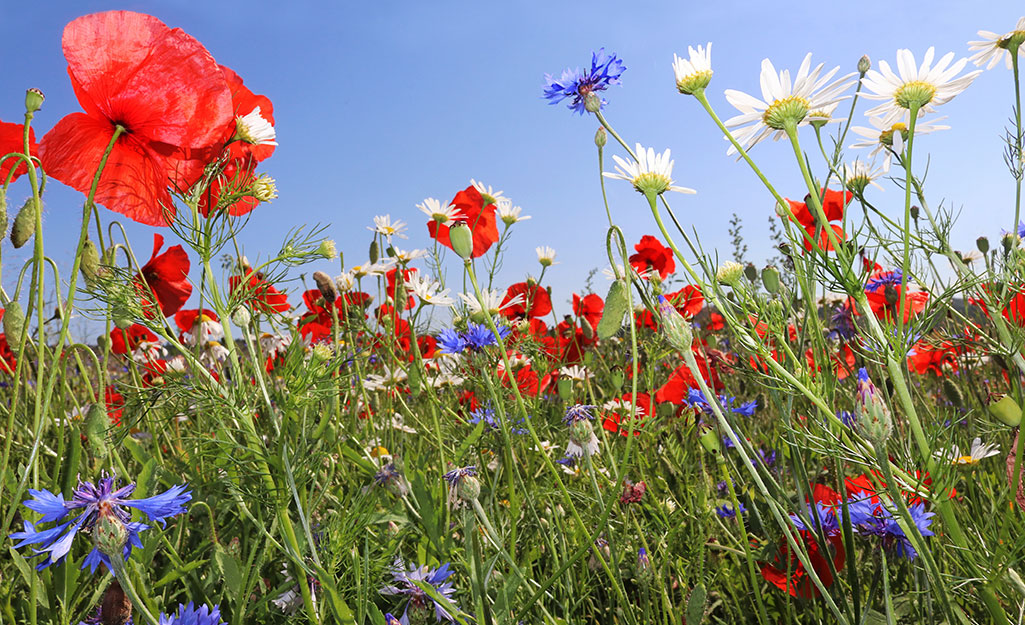
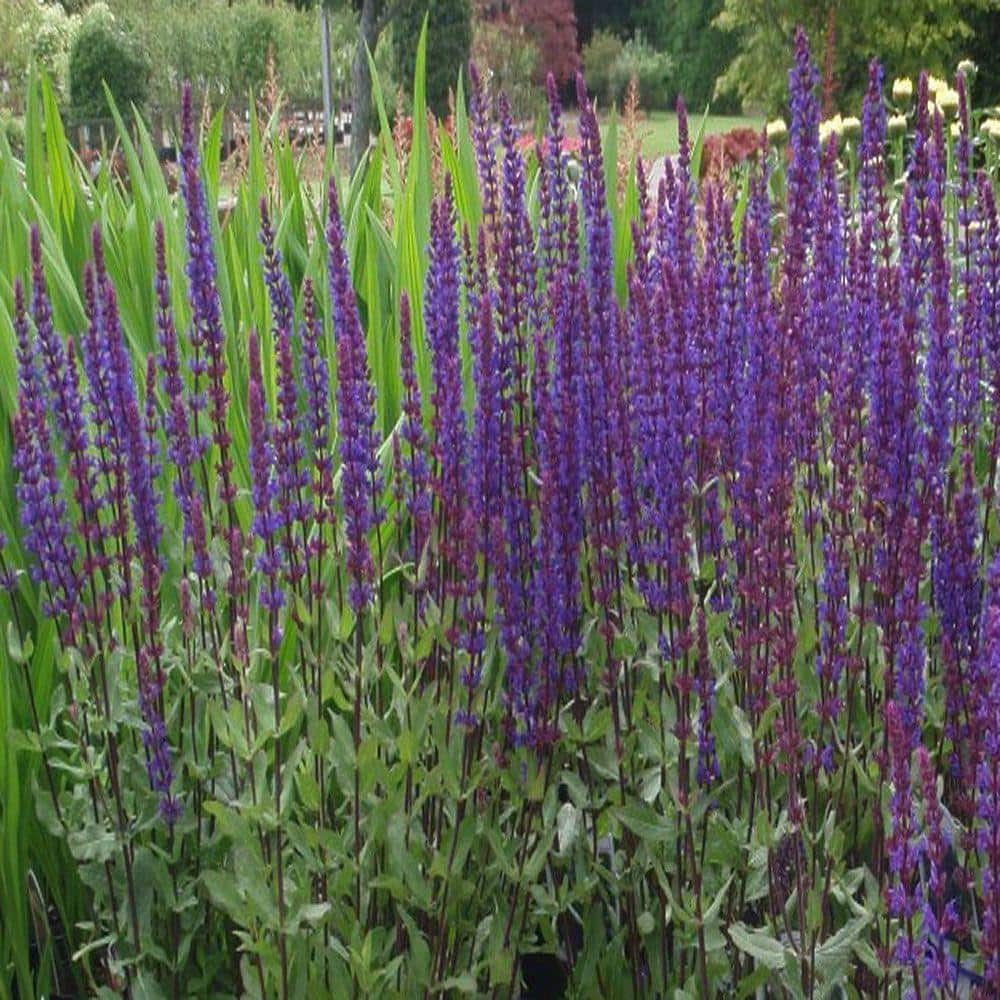
Design your garden for pollinator appeal when you include the food, water and habitat they need to thrive. There are many beautiful flowering perennials and annuals, shrubs, herbs and trees that attract pollinators.
Select flowers and herbs with yellow, red, orange or blue petals and a fresh, mild and flowery sweet scent.
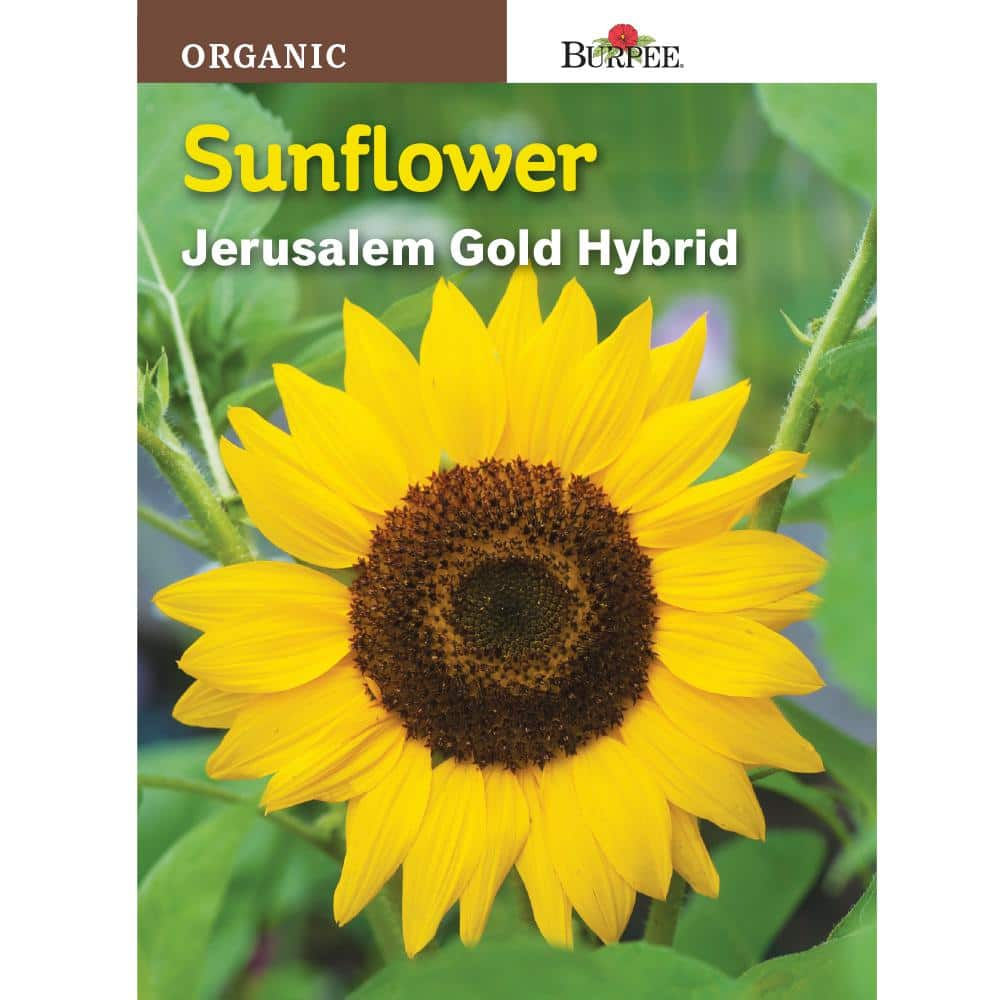
Plant these Annuals for Pollinators:
- Bachelor Buttons
- Calendula
- Cosmos
- Feverfew
- Mexican Sunflower
- Sunflowers
- Sweet Alyssum
- Zinnias
Plant these Perennials for Pollinators:
- Ajuga
- Asters
- Catmints
- Chrysanthemums
- Cinquefoils
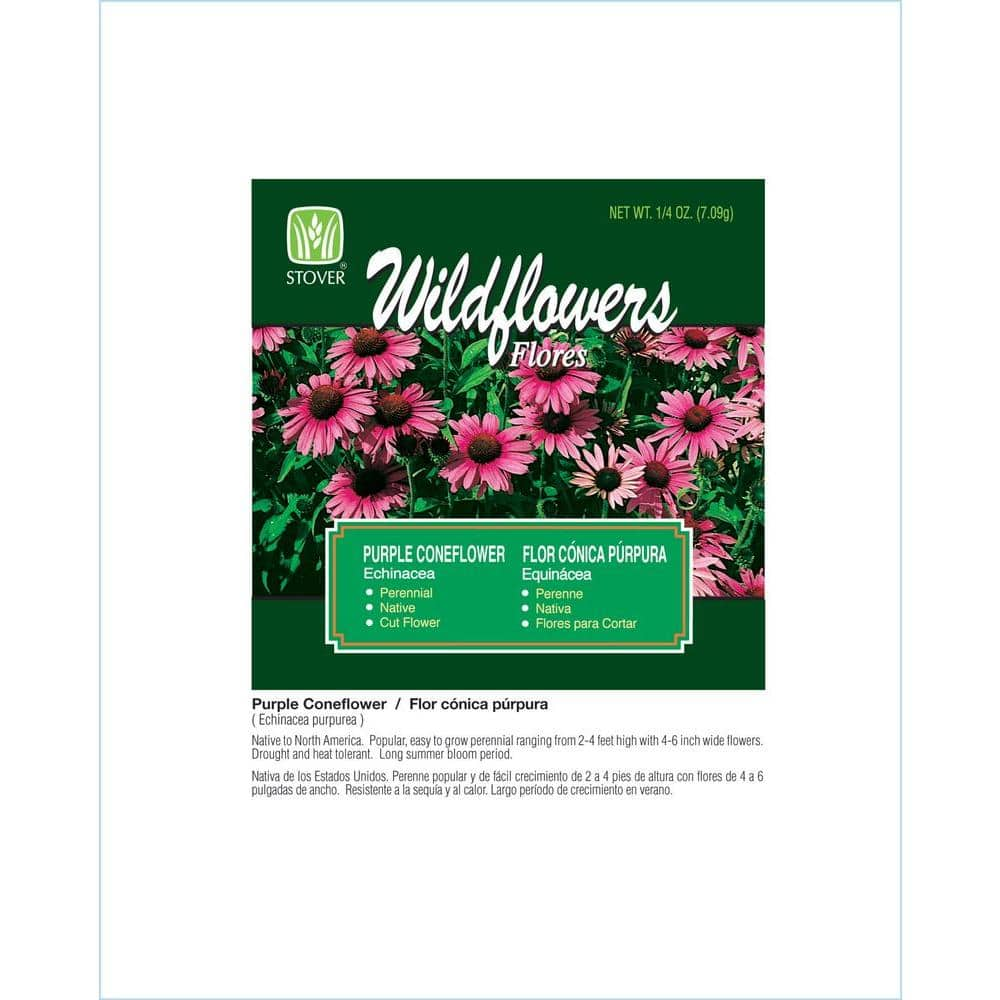
- Coneflowers
- Coreopsis
- Lavender
- Scabiosa
- Sea Pinks (thrift)
- Yarrows
Herbs for Pollinators:
- Basil
- Borage
- Chervil
- Coriander
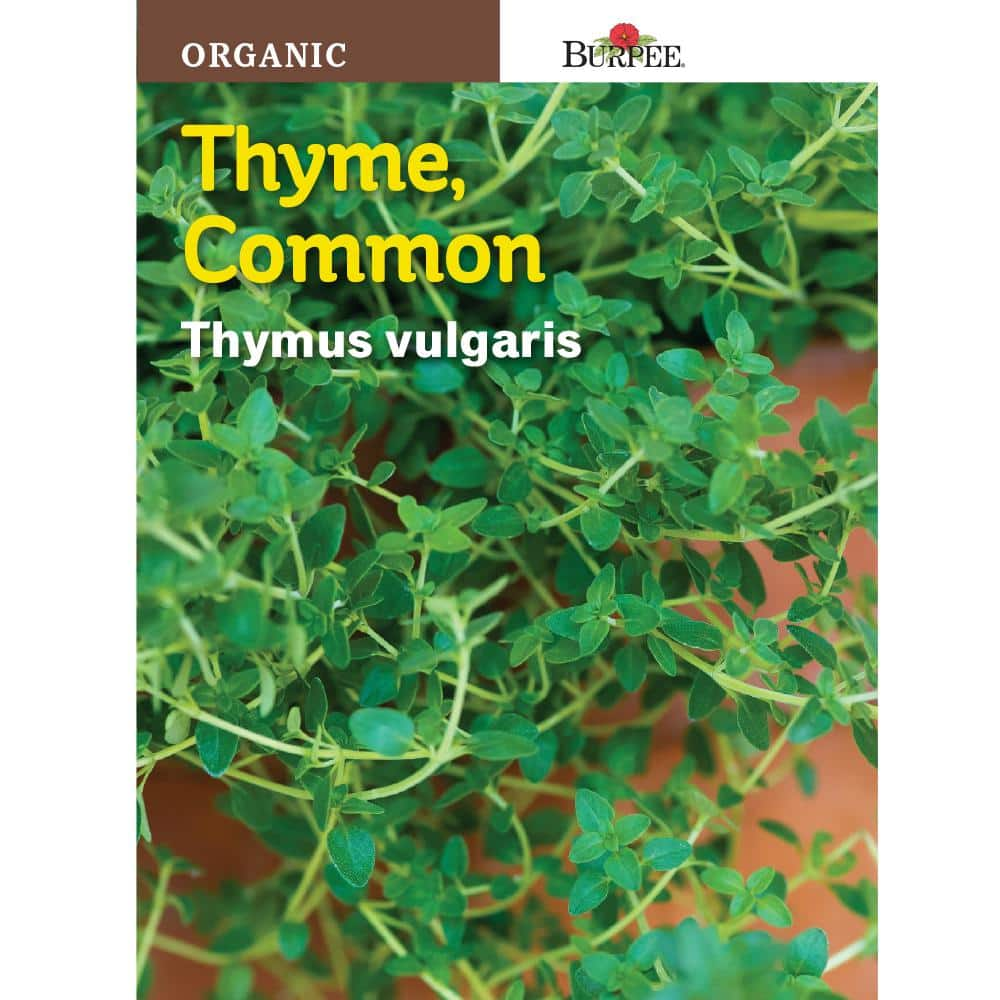
- Dill
- Fennel
- Garlic Chives
- Mints (in containers)
- Sweet Marjoram
Provide Shelter and Water for Beneficial Insects
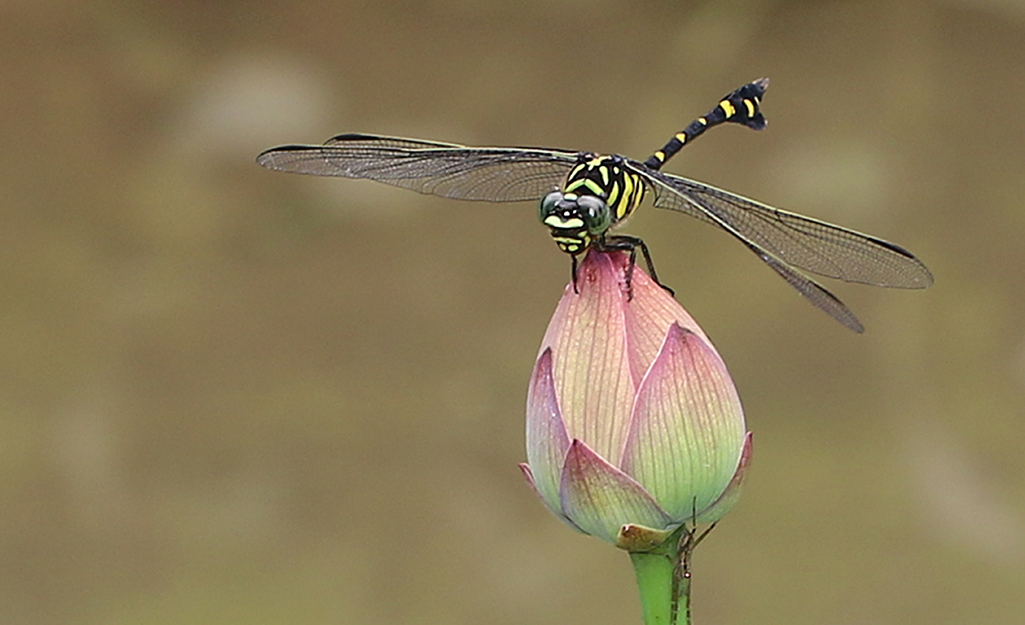
Once you bring beneficial insects into your garden, keep them there by providing water and shelter. Insects need water for drinking, cooling and reproduction, and shelter for protection and nesting.
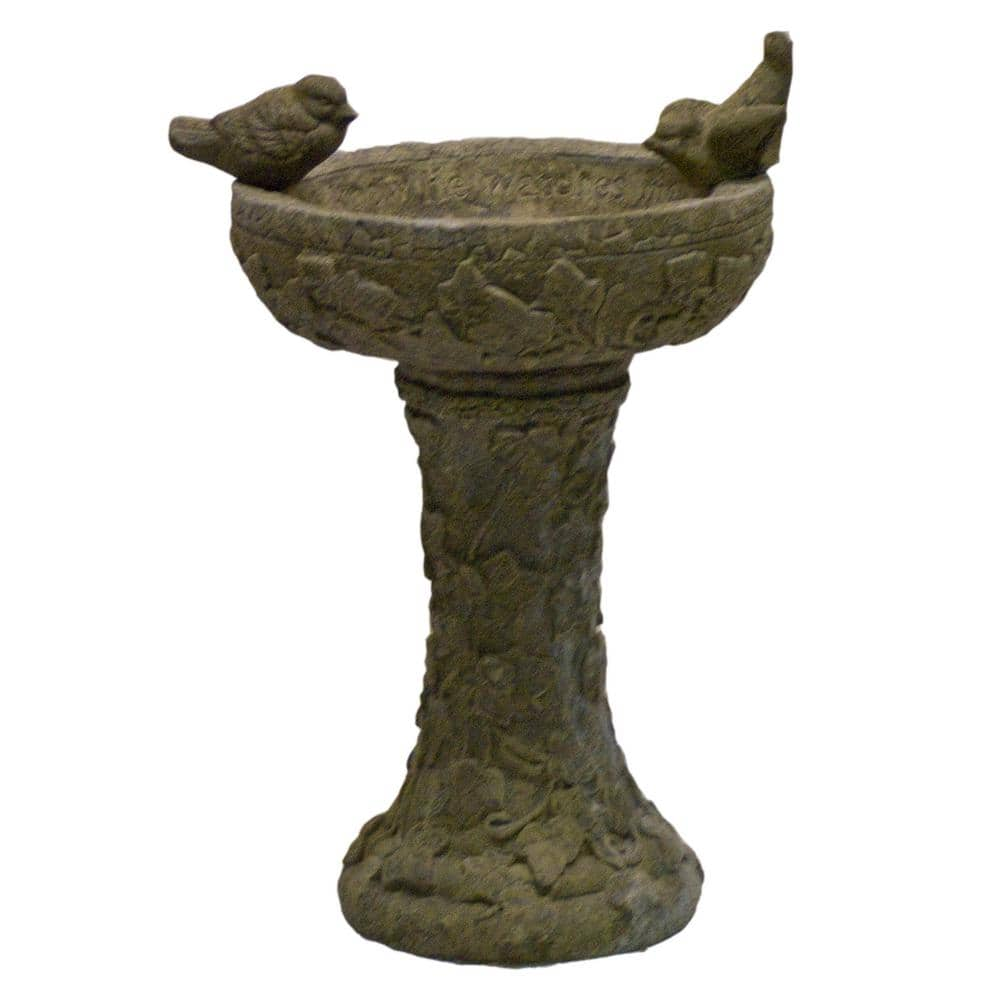
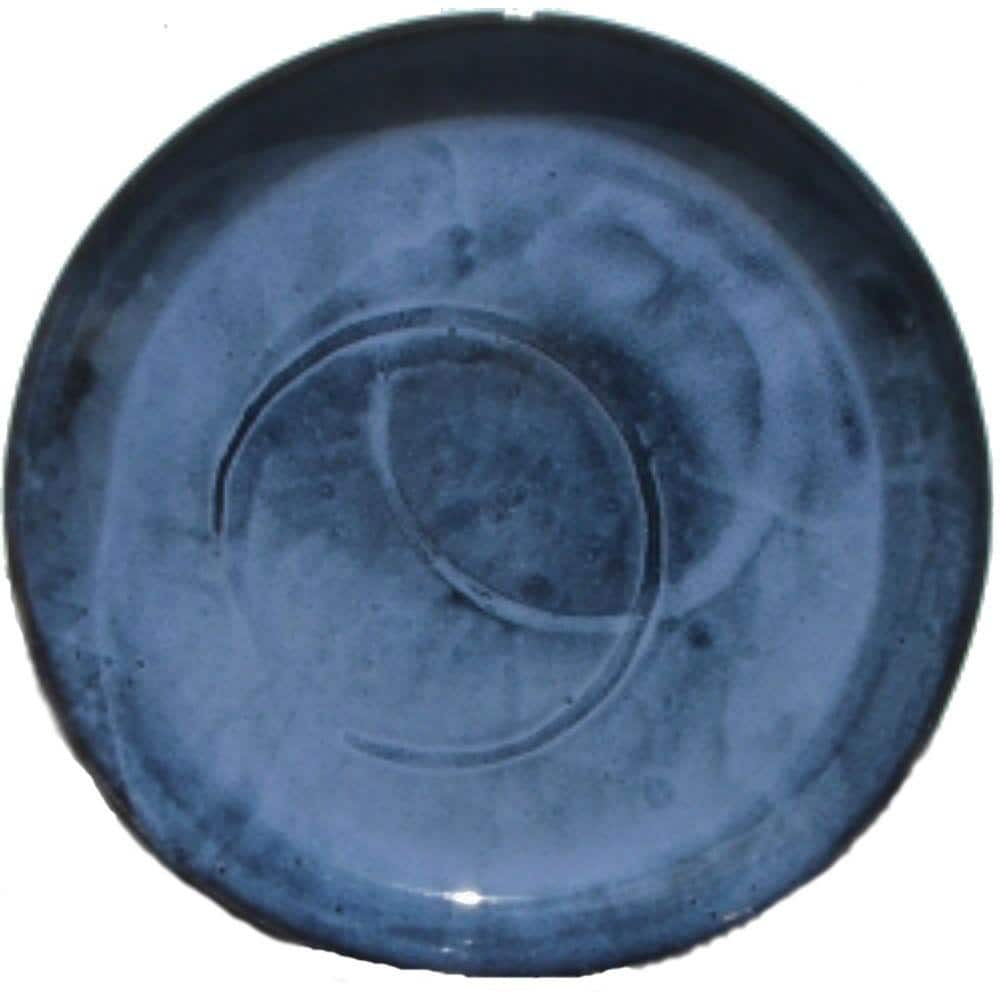
Shallow dishes like plant saucers make fine feeding dishes. You can add colorful glass beads for landing pads. Birdbaths are helpful, too. If you're worried about mosquitoes, toss in a mosquito dunk. These chunks are safe around birds, pets and wildlife, and will eliminate mosquito larvae in standing water like rain barrels, small ponds and birdbaths.
Keep in mind that some beneficial bees prefer to nest in sandy and dry soil underground. These include bumblebees, cellophane bees, miner bees and sweat bees. Leave undisturbed places for these beneficials to nest.
Other bees like to nest in woody spaces, like dead trees. These include carpenter bees, leafcutter bees, mason bees and orchard bees. If you're able, leave dead tree stumps in landscapes to provide habitat for them.
An easy way to support bees is to install a bee house. The bamboo tubes are designed to mimic bee nesting spots in the wild. Female bees lay eggs in the tubes, fill the tubes with pollen and seal them off with mud. The young bees can grow safely and emerge in spring.
Identify Beneficial Insects
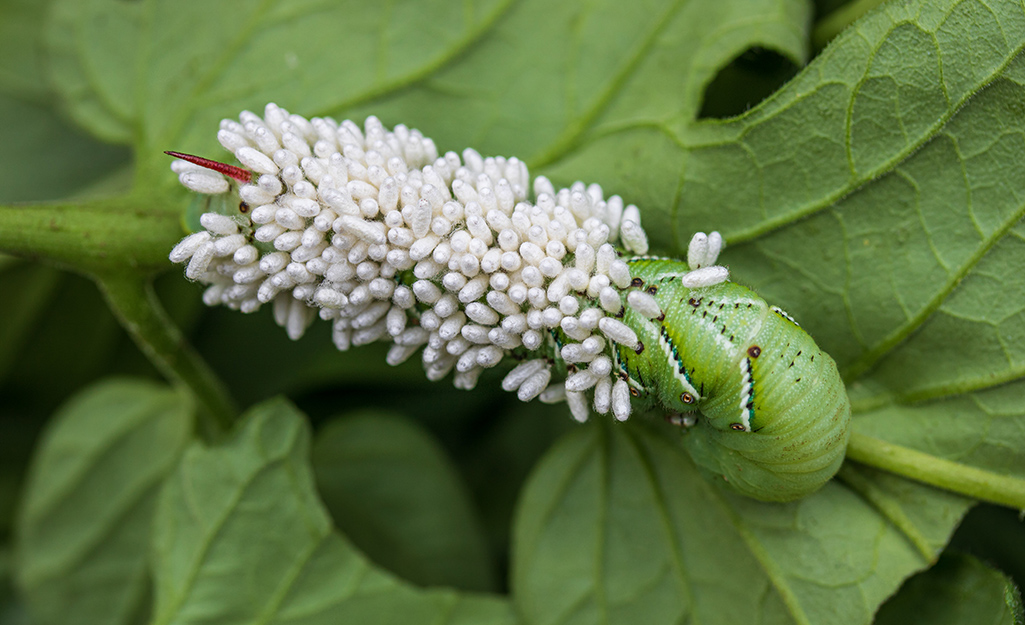
It's important to know the insects in your garden. Just because they look scary doesn't mean that they're there to harm your plants.
For example, parasitoid wasps are beneficial insects that prey on tomato and tobacco hornworms. If you've ever had these caterpillars in your tomato patch, you know they can decimate an entire tomato plant, including fruit, in a day. Beneficial parasitoid wasps lay their eggs on hornworm caterpillars and the growing eggs literally suck the life out of the pest. If you find a hornworm covered with white eggs on your tomato plants, leave it in your garden and let the wasps grow and breed.
Identifying insects is easy with online guides and image searches. You can also use The Home Depot Weed and Pest Problem Solver Tool to identify pests and locate solutions.
Organic Solutions
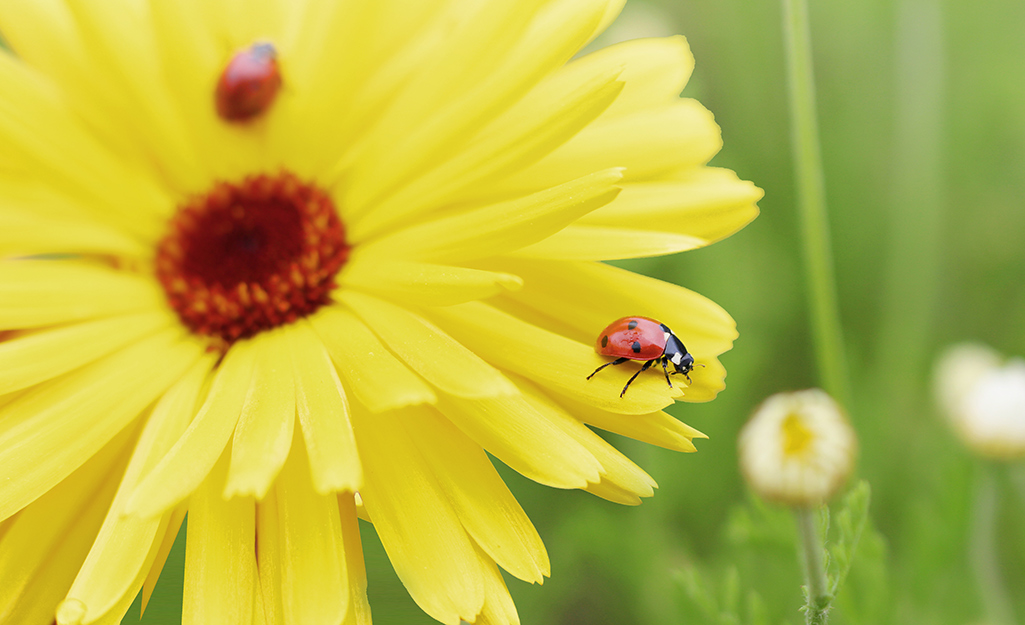
Beneficial insects work to balance the ecology of your garden and are an essential component of organic gardening.
Aside from pollination, good bugs offer pest control. They eat bad bugs, reducing your need for chemical insecticides. Insects such as the lacewing, lady beetle (ladybug), assassin bug, parasitic wasp, praying mantis, ground beetle, centipede and millipede all prey on bad bugs.
Along with building up soil and planting the right plant in the right place, consider beneficial insects as a key principle of your organic garden.
Spiders Protect Your Garden
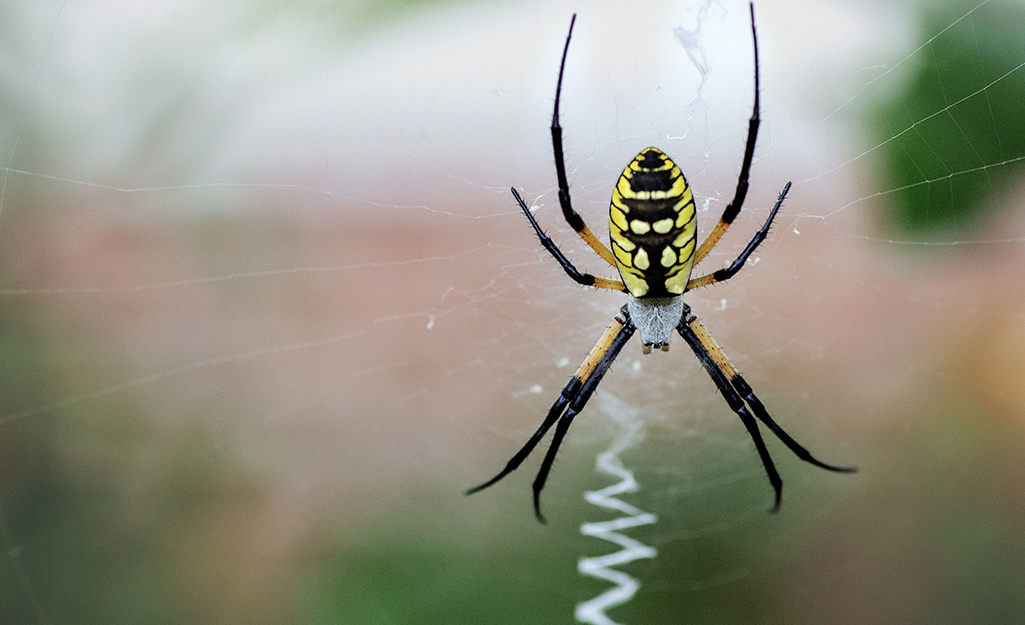
The next time you see a spider in your garden, don’t reach for a broom to knock down the web, or a spray to kill it. Spiders are among your best friends in the garden.
In your garden, spider populations increase to prey on insects, and will reduce the number of pesky pests, like bothersome mosquitoes that bite you, and pests that damage your garden, like aphids, says Theresa Rooney, author of "Humane Critter Control: Natural, Non-Toxic Solutions to Protect Your Garden," (Cool Springs Press).
“When you have spiders in the garden, that’s a sign of a healthy ecology,” Rooney says. “Take time to watch them for a few minutes. It’s amazing to watch them spin their webs and capture prey.”
Of course, there are some pests that you don’t want in your garden, like poisonous spiders and snakes. If you’re allergic to bees and wasps, you’ll want to keep those away, too. Wasp nests on the ground and fire ant hills can be dangerous, and will need to be treated.
But let spiders build their webs, and if they’re in high traffic areas around your home, walk around them for a few days. The webs will be knocked down soon enough by winds and birds.
This handy guide explains what insects will help your garden to thrive. Although insects can be a pest indoors, many times they are the exact opposite when in their element. Be sure to use The Home Depot Mobile App to find all the supplies needed to beautify your garden and attract the insects that will keep it healthy year after year.